Best for advanced divers, Up to 47m, boat entry, variable current.
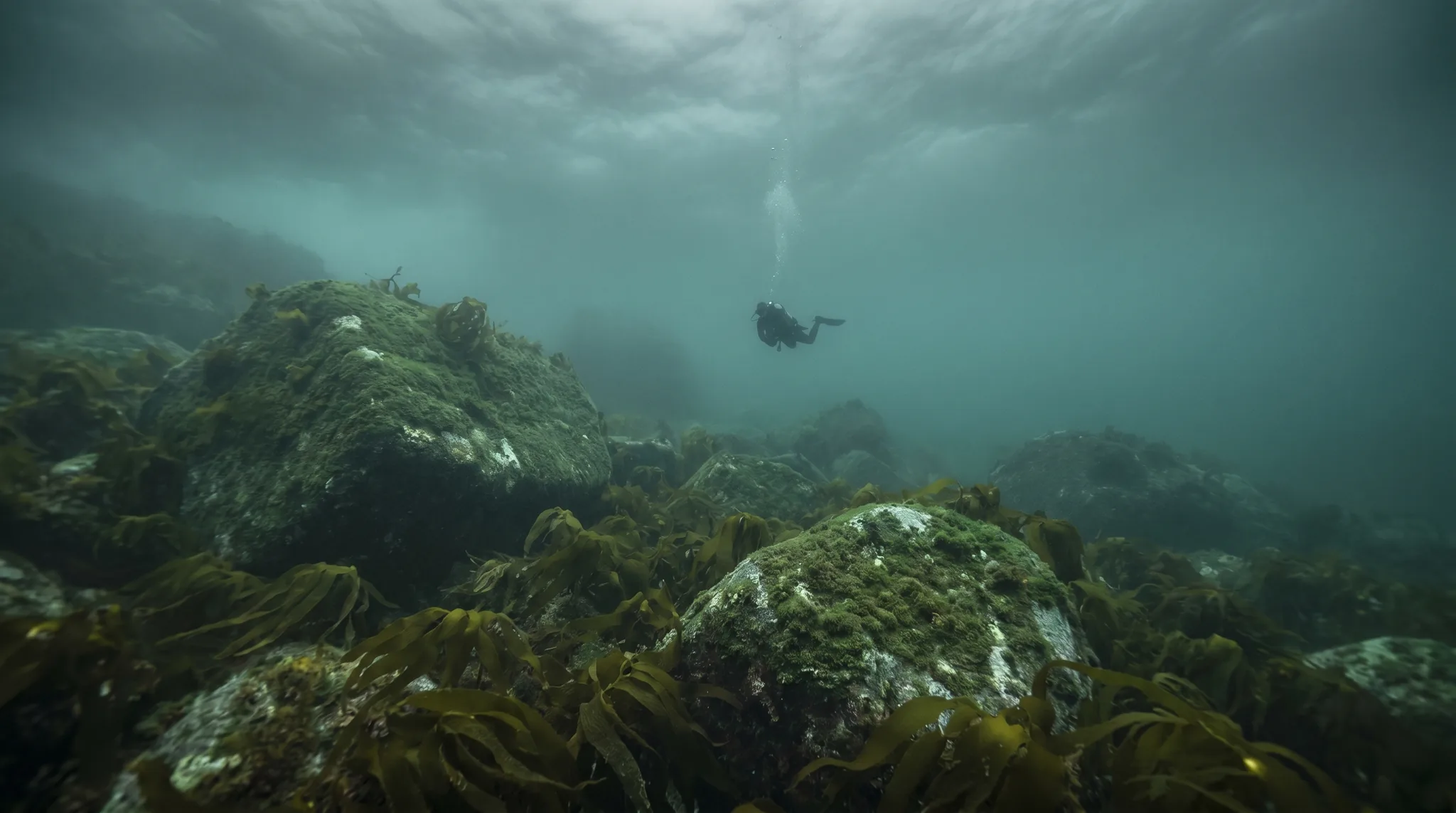
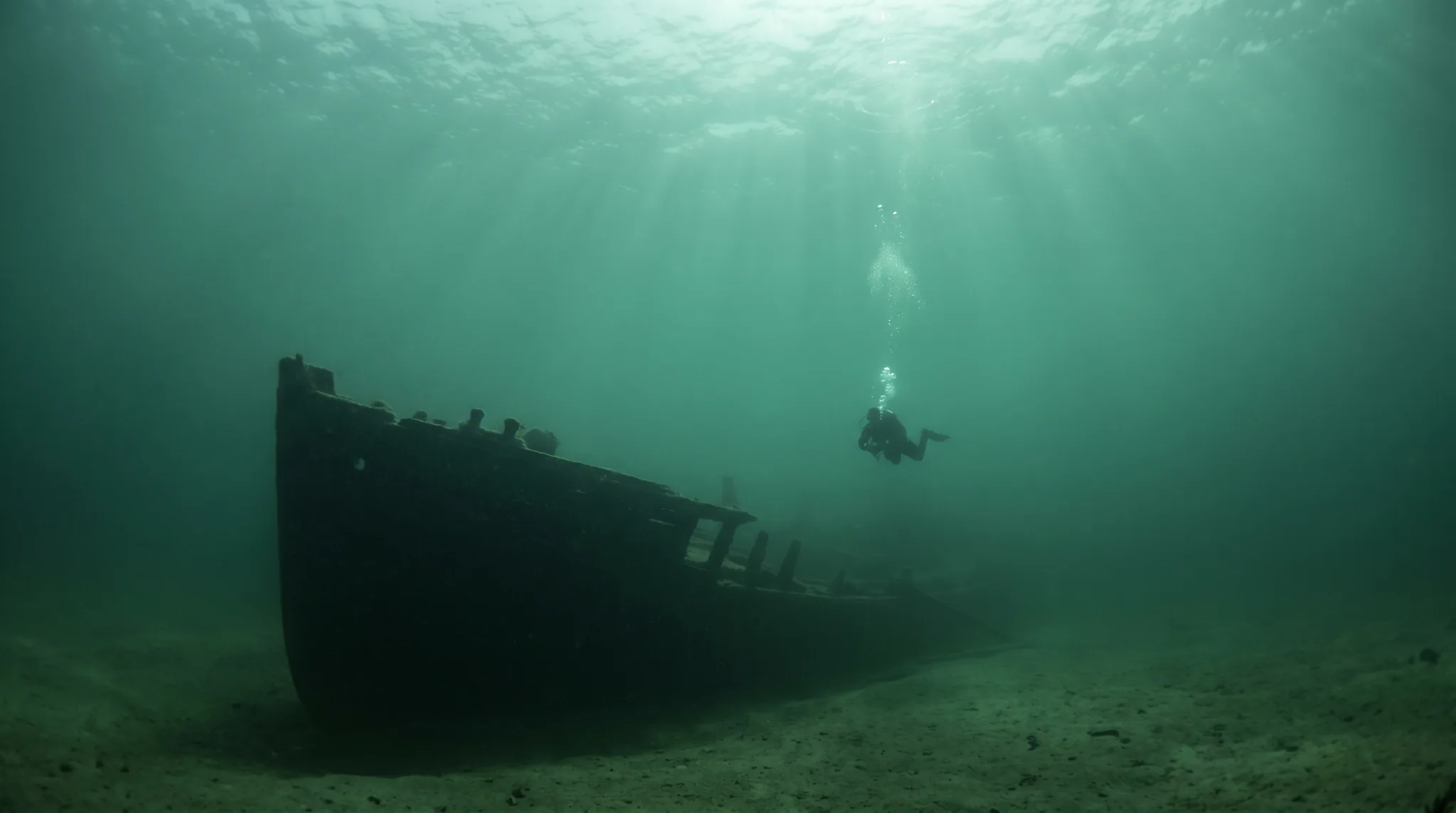
The BR-20 wreck in Liguria, Italy, is a deep-water site reaching a maximum depth of 47 metres. This wreck is suitable only for advanced divers, as the depth necessitates careful management of nitrogen narcosis and decompression protocols. The structure is colonised by gorgonians and sponges, providing a habitat for various reef fish and invertebrates. Divers should expect variable visibility and must use a boat to access the site. Due to the depth and potential for nitrogen narcosis, carrying a surface marker buoy and conducting thorough pre-dive briefings with a guide are essential. Water temperatures range from 14C to 17C throughout the year.
43.81580, 7.90700
The metal plates of the fuselage have become sharp like blades over time, so diving gloves are recommended.
The wreck can be detected only by GPS as there are no surface signals.
Recorded at this site
Depth
Up to 47m
Skill Level
Advanced
Entry
Boat
Boat required
Water Temp
14-17°C
Current
Variable
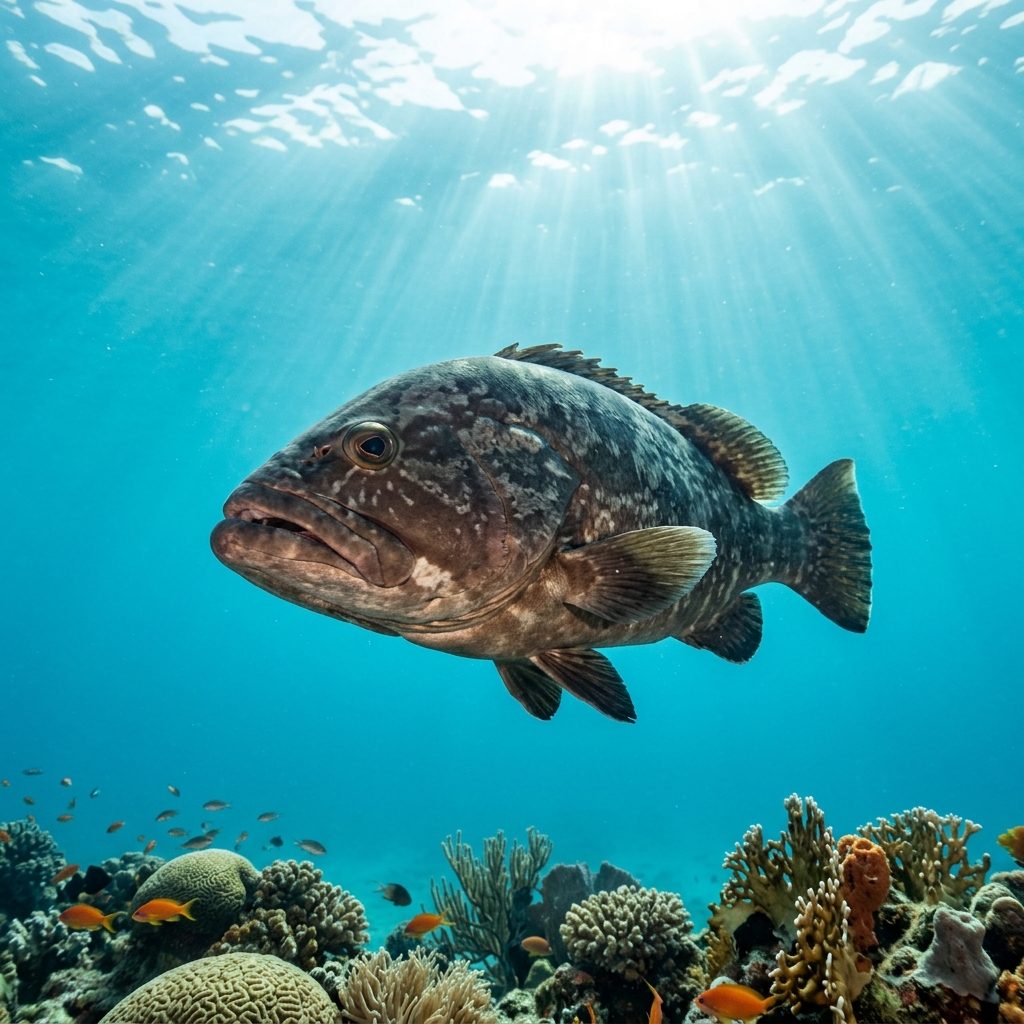
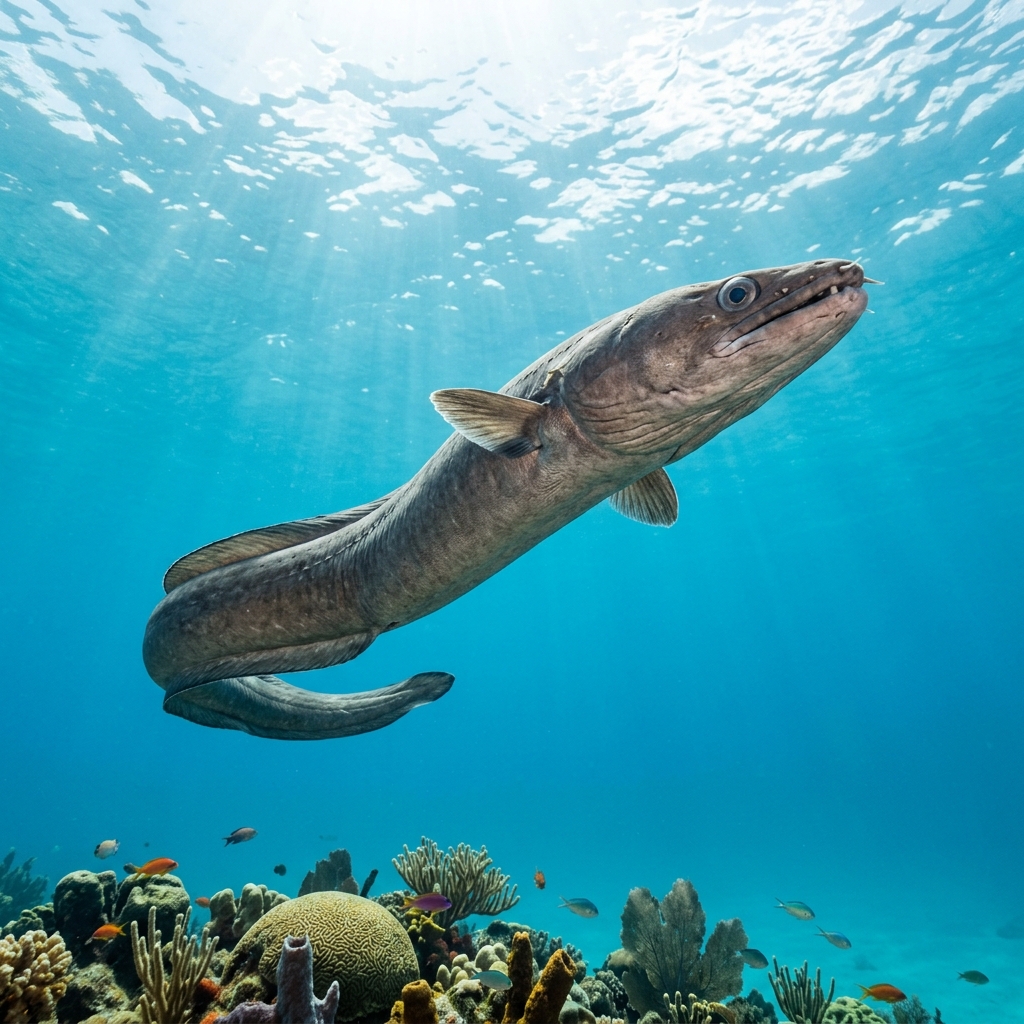
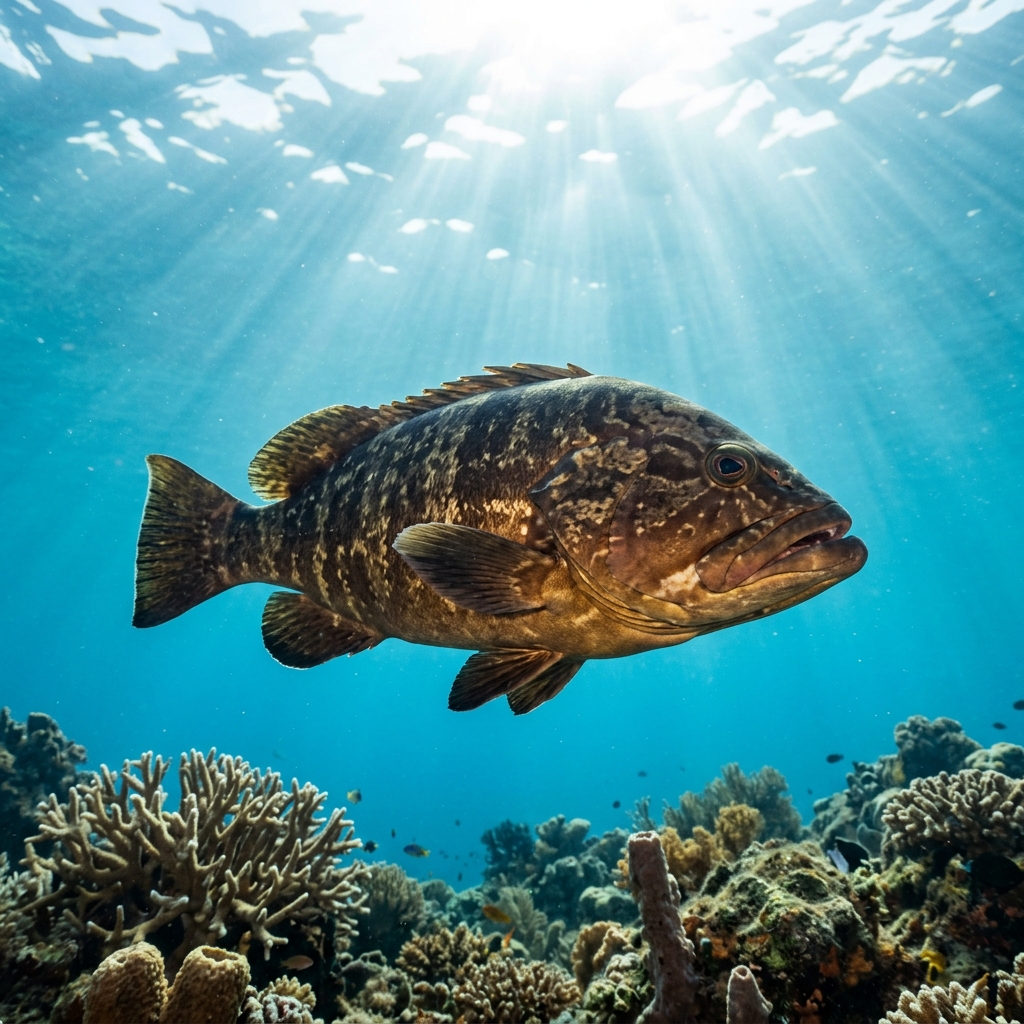
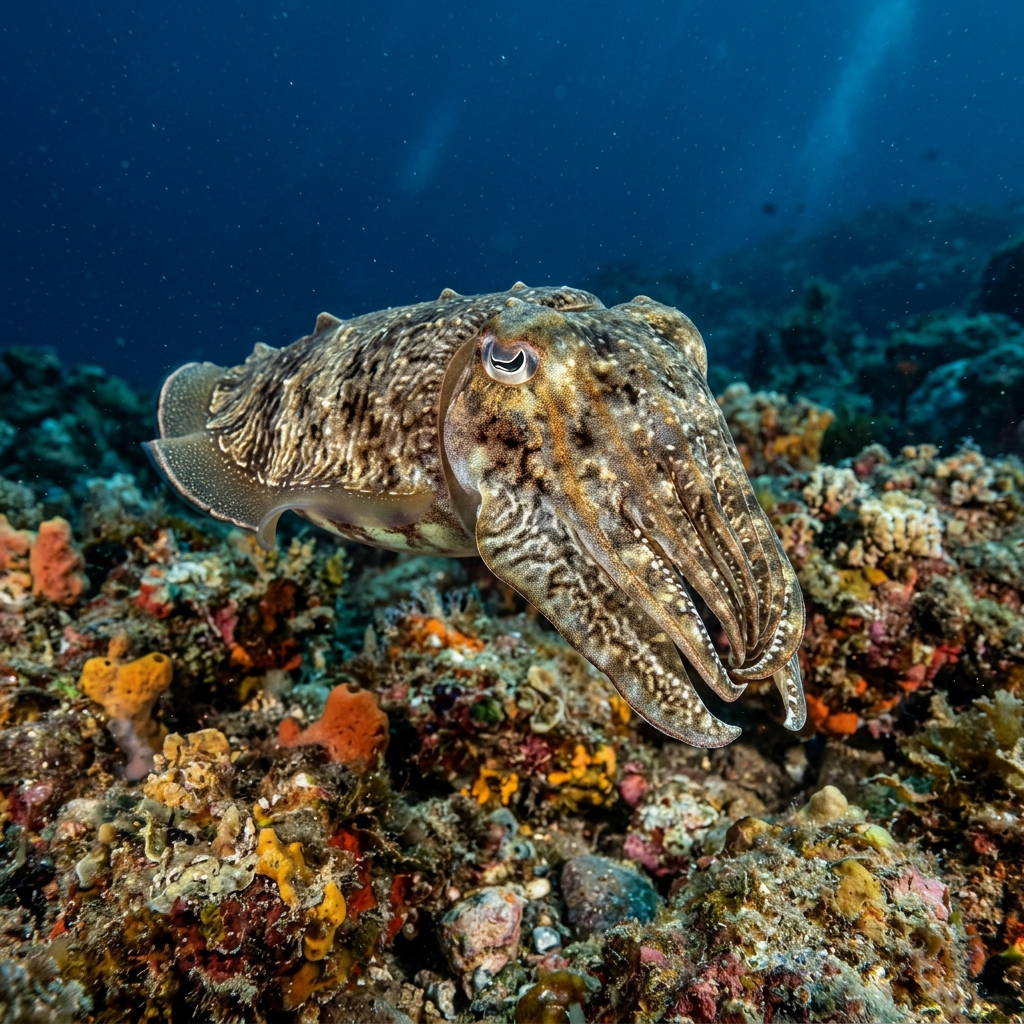
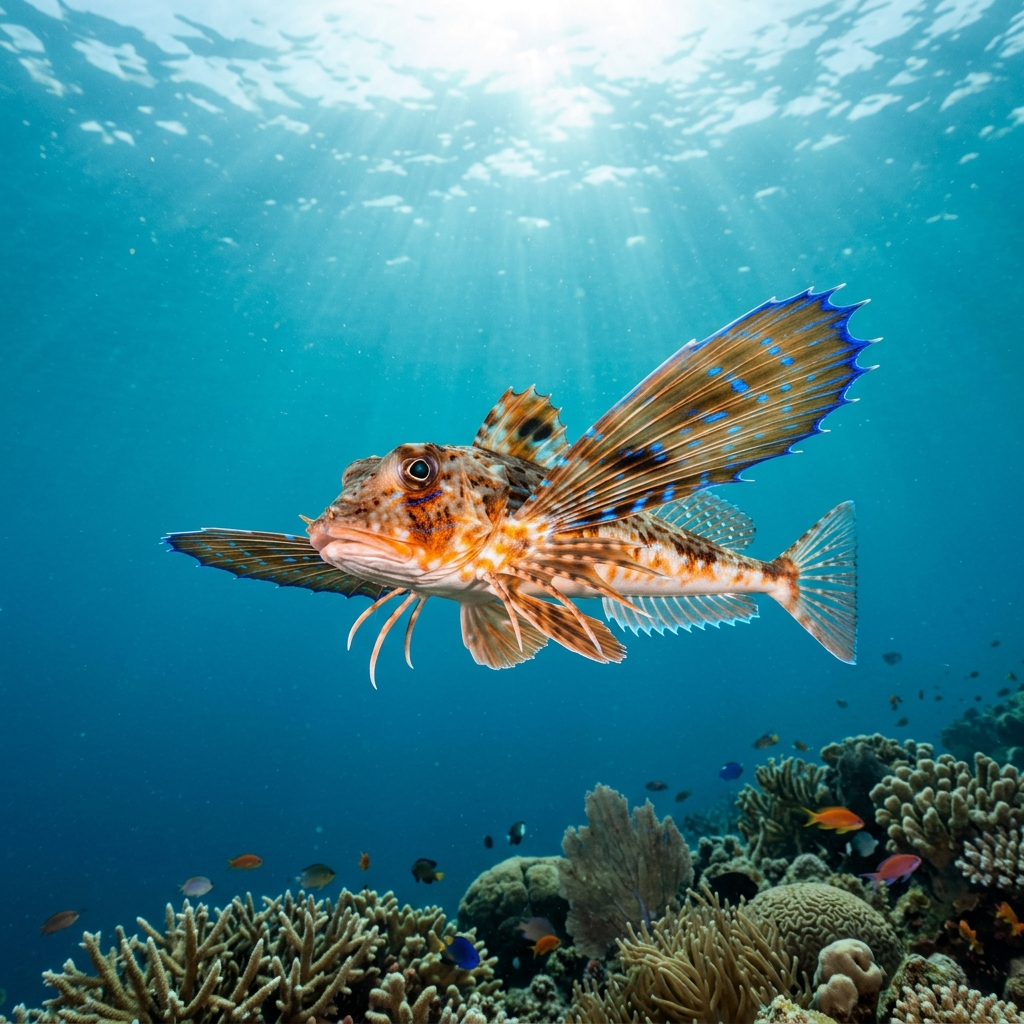
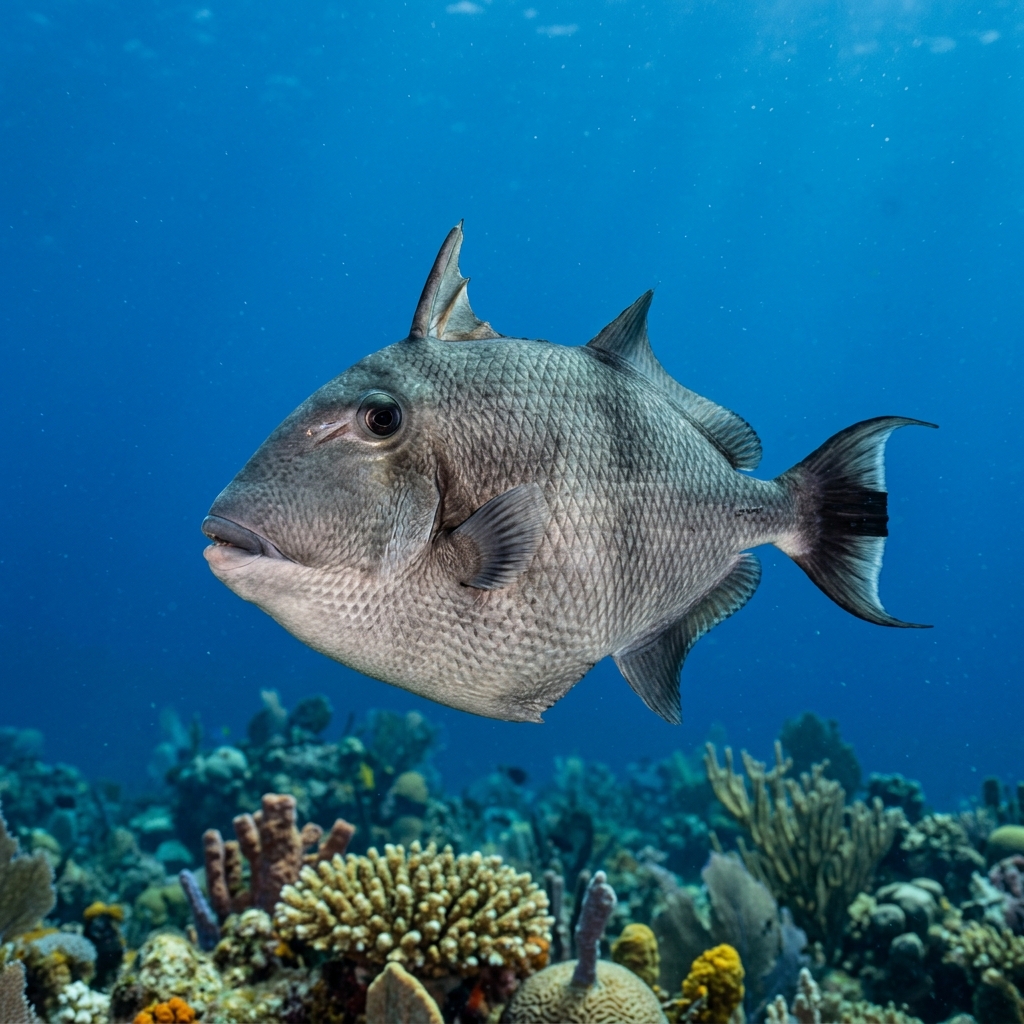
The site supports a habitat for various reef fish and invertebrates, including gorgonians and sponges that colonise the wreck structure.
No, the BR-20 wreck is intended for advanced divers only, as it reaches depths of 47 metres and requires specific deep-diving certifications.
The wreck sits at a maximum depth of 47 metres.
No, boat access is required to reach the BR-20 wreck.
Snorkelling is not recommended due to the depth of the wreck, which lies well below the surface at 47 metres.
Diving at BR-20 Wreck in Santo Stefano al Mare requires the following certifications: Advanced, Deep. Always dive within your training limits.
Yes, equipment rental is available at or near BR-20 Wreck in Santo Stefano al Mare. Contact local dive operators for specific gear availability and prices.
A 7mm wetsuit or semi-dry is recommended for diving at BR-20 Wreck in Santo Stefano al Mare. Water temperatures range from 14°C to 17°C.
Currents at BR-20 Wreck in Santo Stefano al Mare are variable and can change with tides and conditions. Always check current conditions before diving.