Chaetodon baronessa
Spot Eastern Triangular Butterflyfish year-round in the Visayas and Bali. Here's how to ID those chevron bands and where divers log it most.
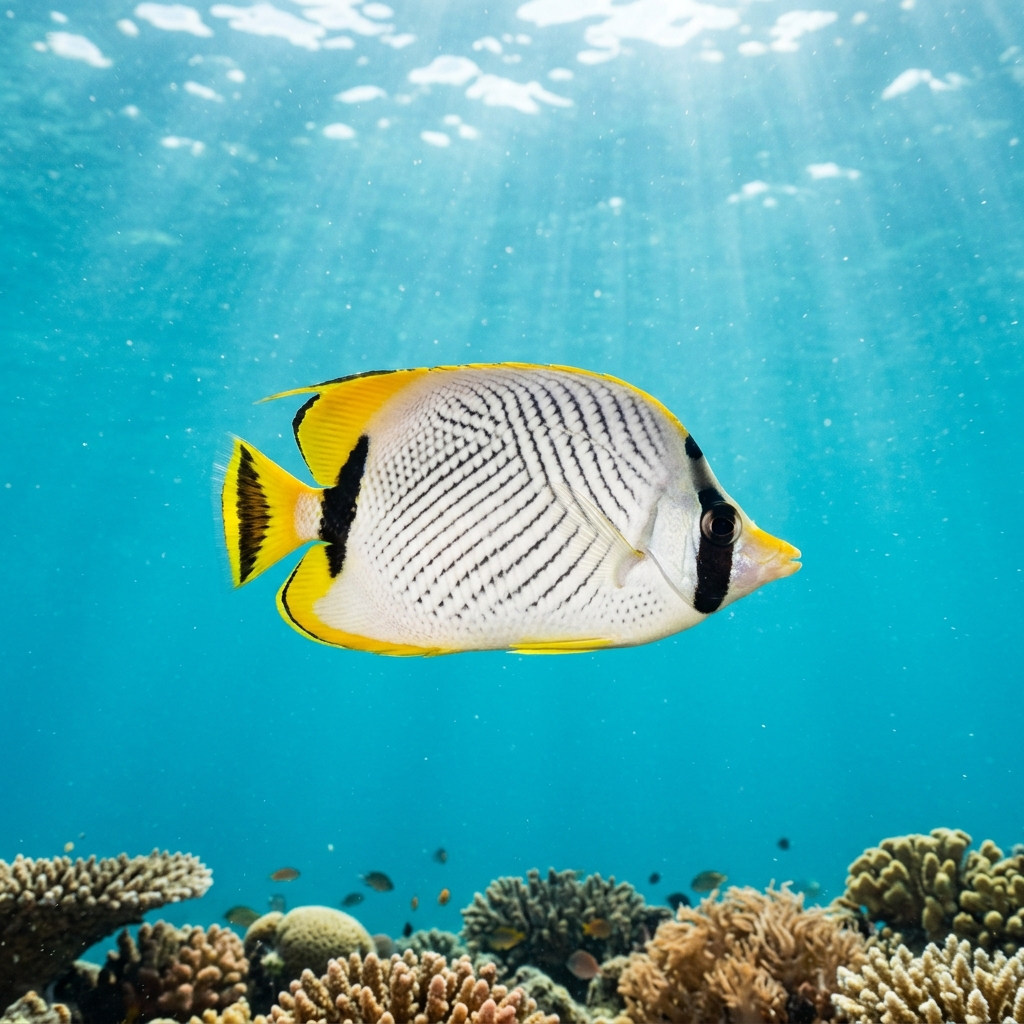
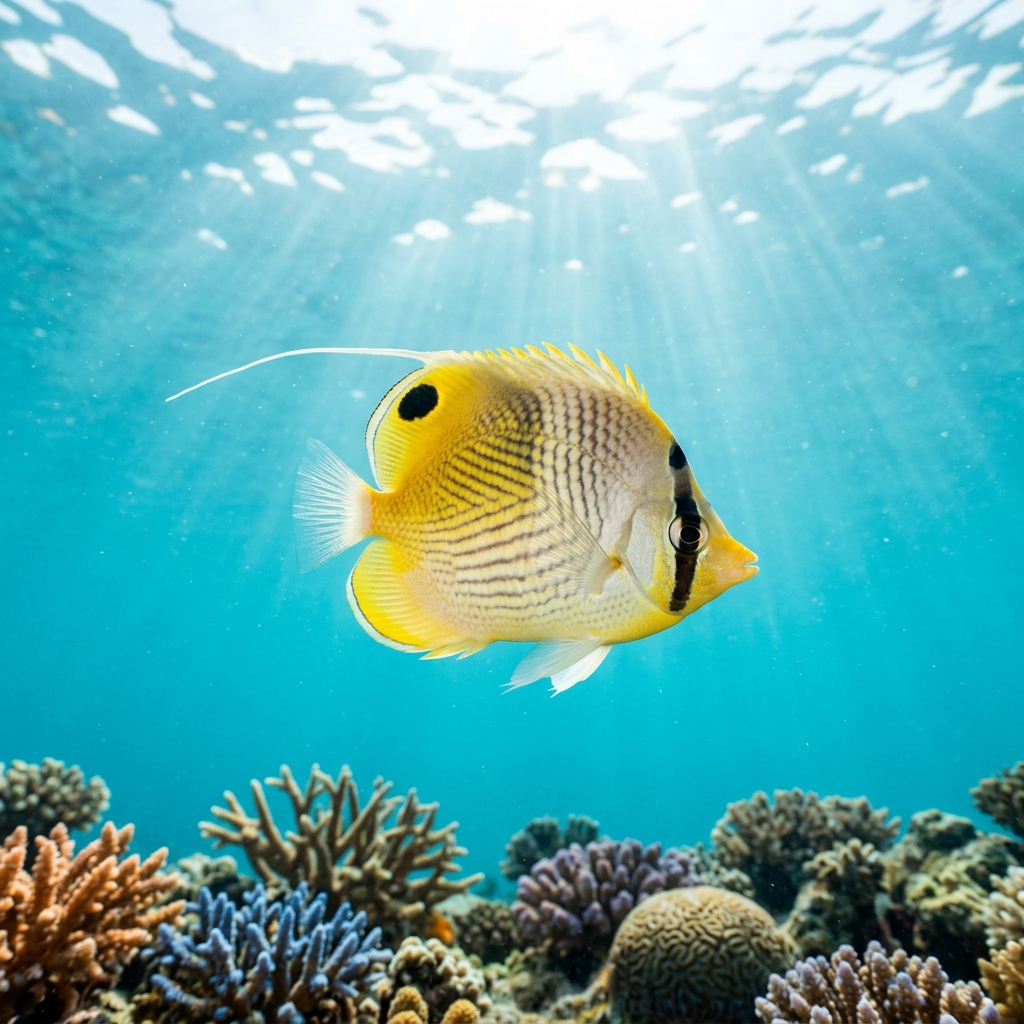
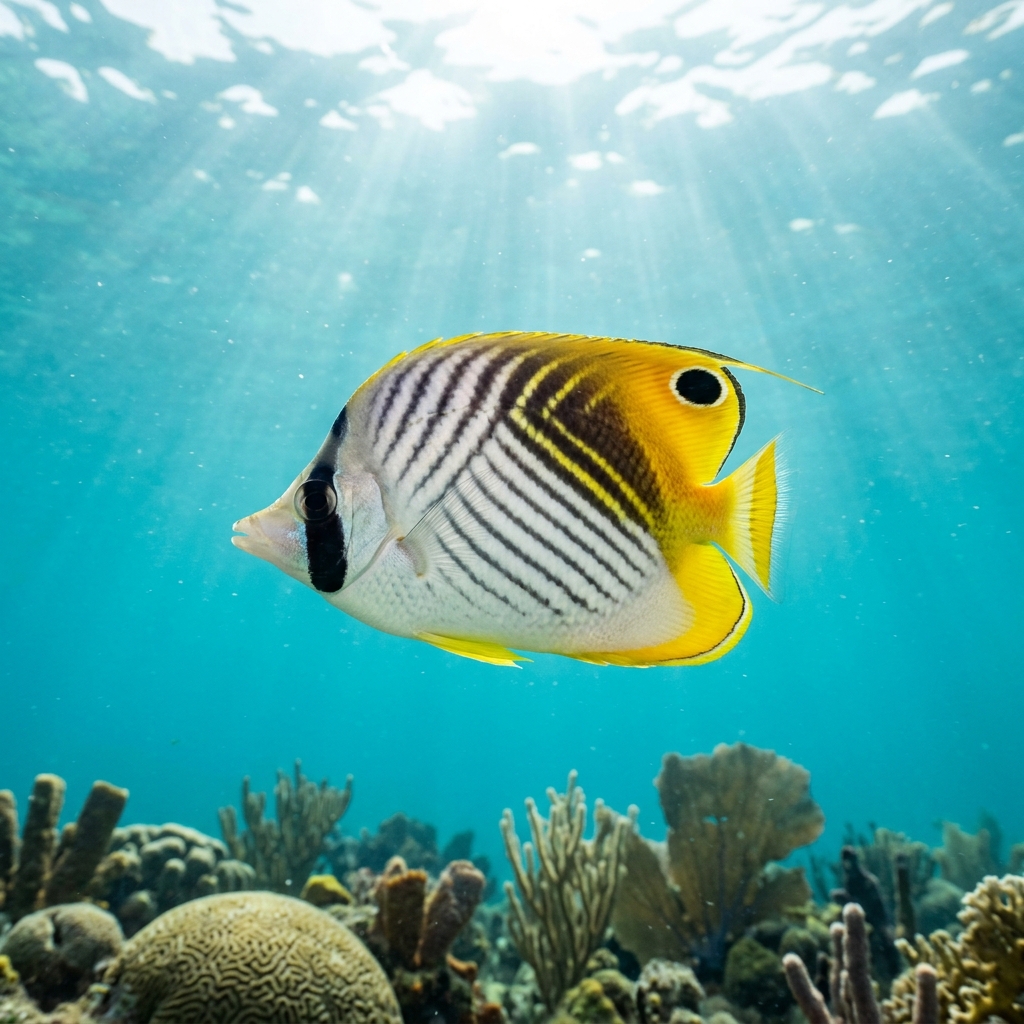
A pale yellowish-white disc-shaped fish covered in fine dark chevron (V-shaped) scale markings that create a cross-hatched pattern across the body. A bold dark bar runs through the eye, and the rear of the body transitions into yellow towards the tail. The name comes from the dark triangular patch at the base of the dorsal fin, which is the single most reliable field mark underwater. Pairs swim close together over coral, which helps confirm you're looking at this species rather than a lone wanderer.
Typically found in pairs that move slowly across coral-rich sections of the reef, picking at coral polyps. It tends to stay close to the reef structure and will drift calmly away from an approaching diver rather than bolting, which makes careful observation straightforward. Most encounters happen in relatively shallow reef zones where live coral cover is dense.
This species is an obligate corallivore, meaning it feeds almost exclusively on coral polyps rather than algae or invertebrates. Its distribution closely tracks the health and extent of hard coral coverage, making it a useful informal indicator of reef condition.
Present year-round in both the northern and southern hemispheres with no concentrated season. It occupies water between roughly 26 and 29 °C, which describes most Indo-Pacific coral reef sites throughout the year, so there is no wrong month to look for it.
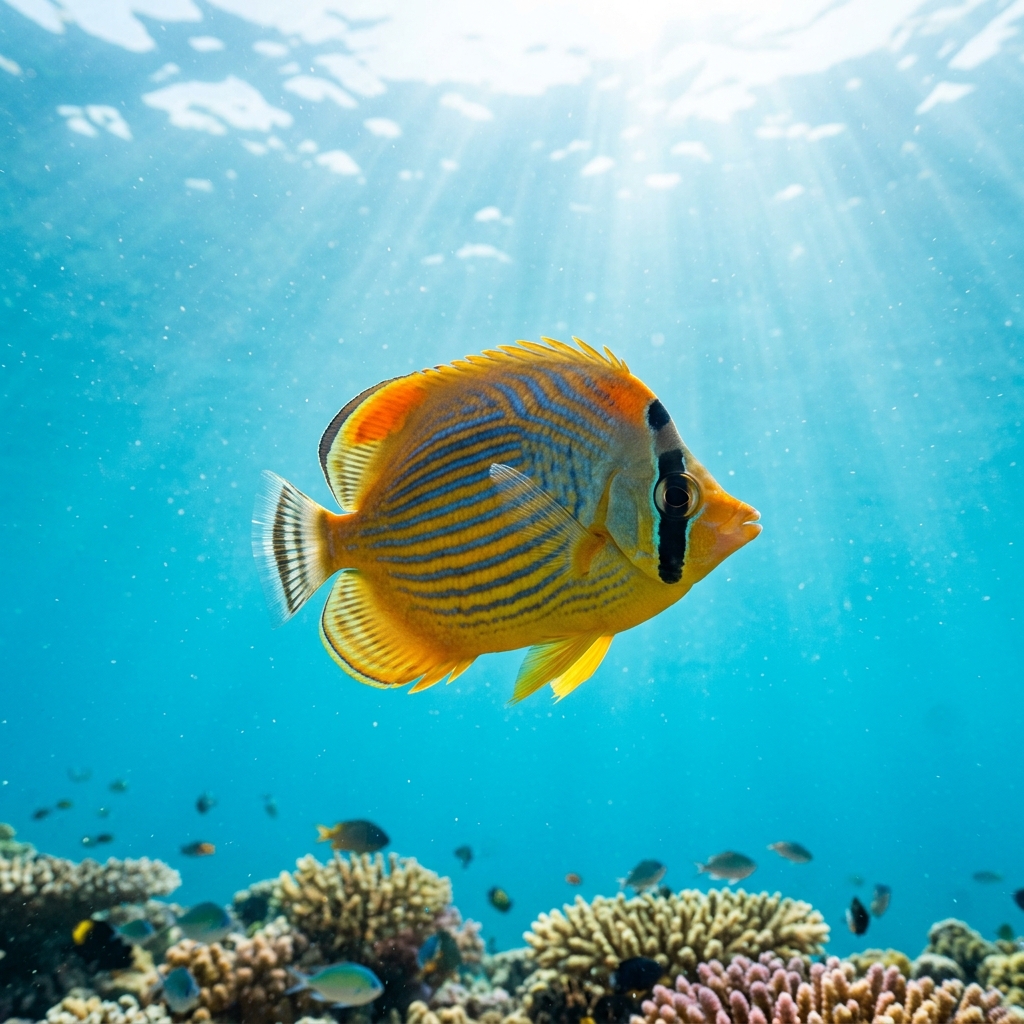
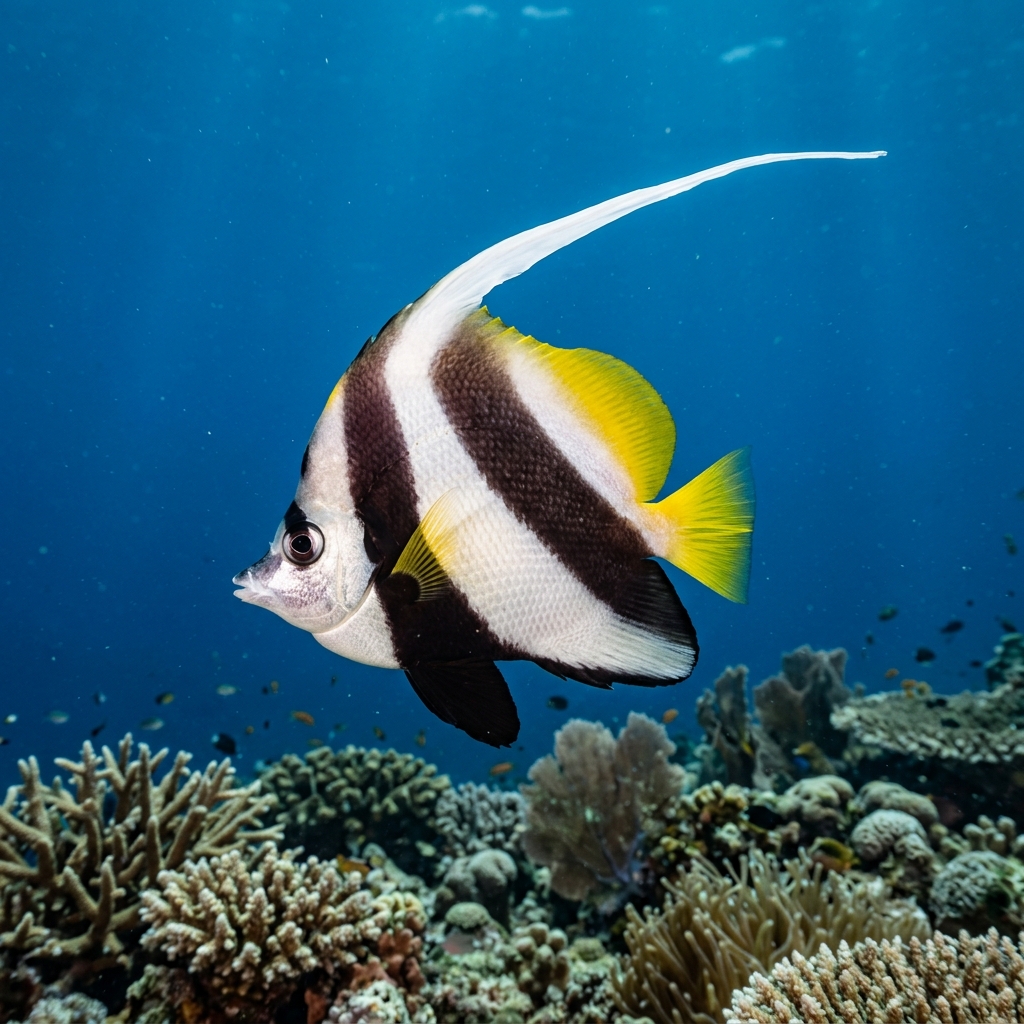
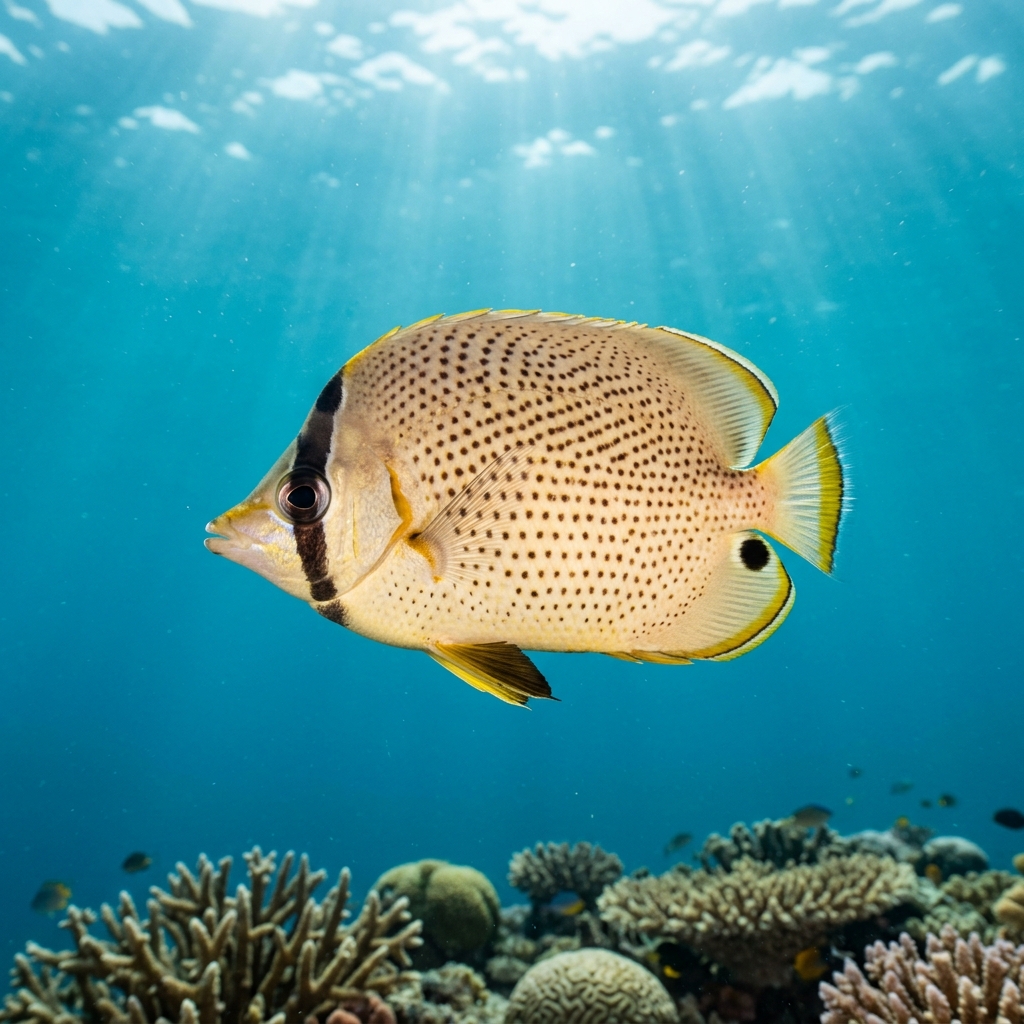
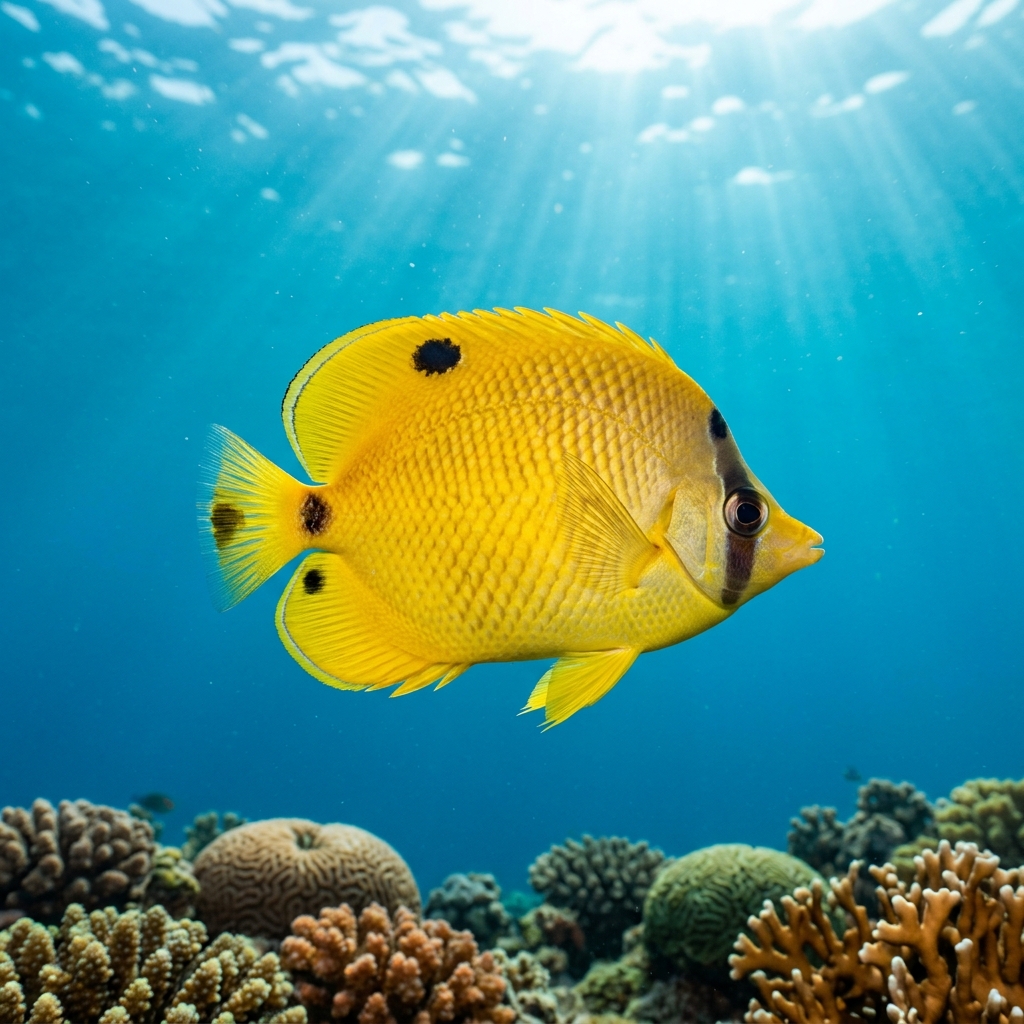
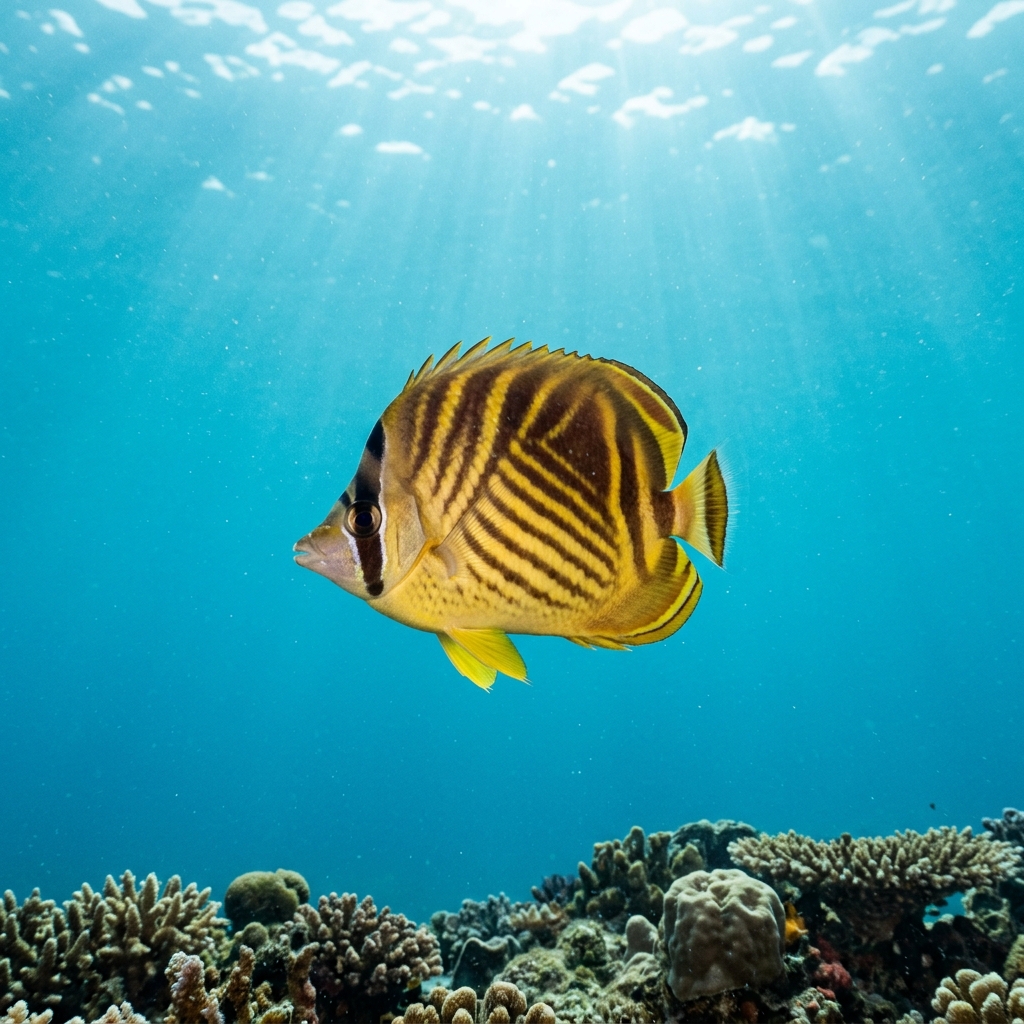
Reef neighbours a diver could mistake it for. Use the identification notes above to tell them apart.
Most logged in the Philippines, particularly across the Visayas regions and Palawan, which collectively account for the majority of recorded sightings. Indonesia is the next strongest showing, with Bali, Lombok, and the Maluku and Papua regions both producing solid records, and Malaysia's Pulau Tioman and Queensland in Australia rounding out the reliable destinations. Fiji, Vanuatu, Timor-Leste, and Palau all have confirmed sightings, though at fewer sites.
Mapping where Eastern Triangular Butterflyfish is logged…
The Philippines is the standout destination, especially the Visayas and Palawan regions. Indonesia (Bali, Lombok, and Maluku) and Malaysia's Pulau Tioman are also strong options. Queensland in Australia, Fiji, and Vanuatu have confirmed populations too.
Any time of year. Sighting data from both hemispheres shows no concentrated season. It lives in warm tropical reef water around 26 to 29 °C, conditions that persist year-round across most of its range.
Look for the dark triangular patch at the base of the dorsal fin and the fine chevron markings across the pale body. A dark bar through the eye and yellow colouring near the tail complete the picture. They nearly always travel in pairs, which helps confirm the ID.
Classed as uncommon at the majority of sites where it is recorded. You may well encounter one on a coral-rich reef in the Visayas or Bali, but it is not the sort of fish you can count on seeing every dive. Patience and good coral coverage are your best allies.
Not at all. They are small, timid fish that pose no threat to divers or snorkellers. They may drift away if approached too quickly, so slow movements give you the best chance of a close look.
Site and sighting data is aggregated from diver logs, iNaturalist and GBIF. For taxonomy and conservation status: