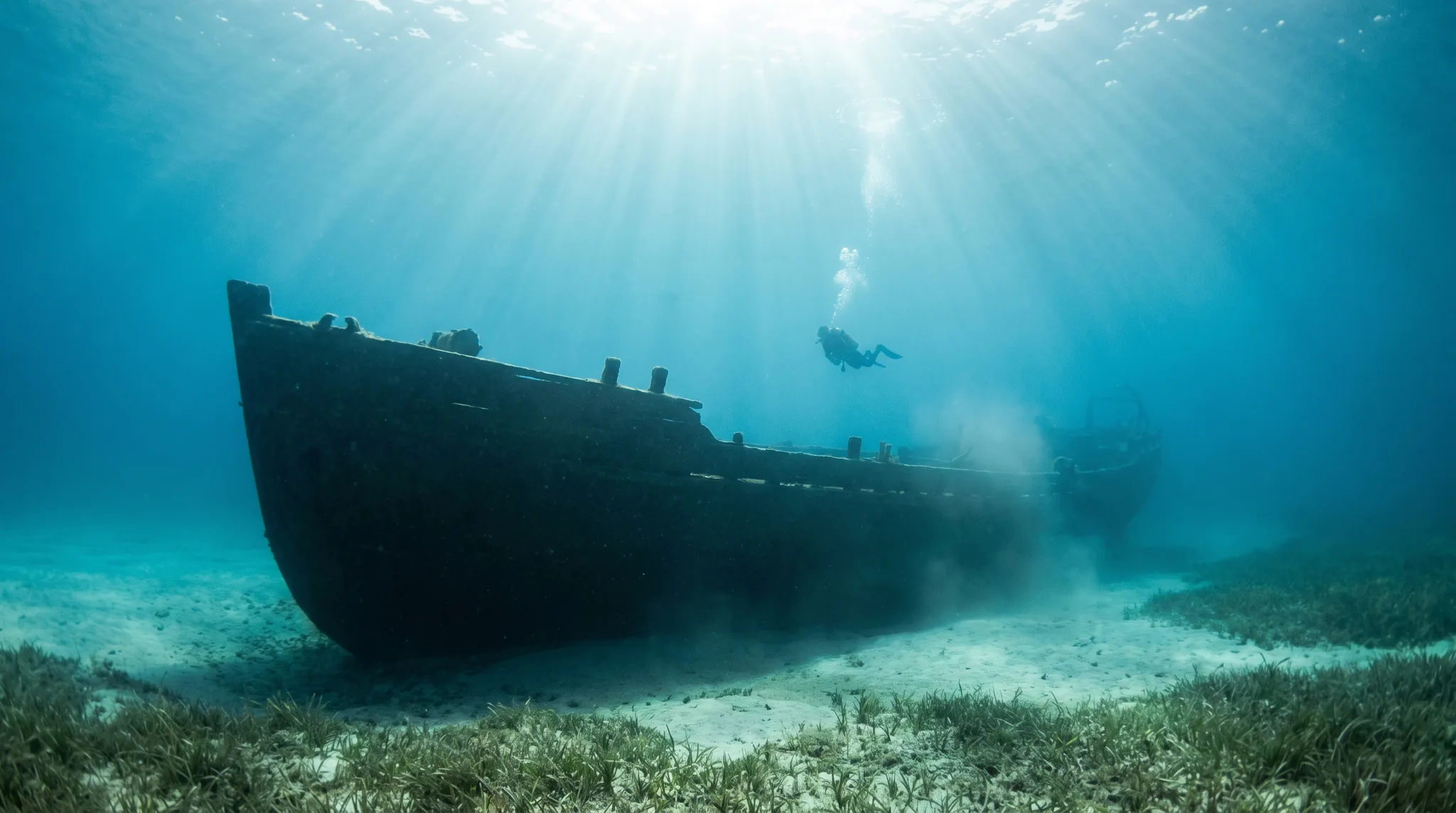
Best for beginner divers, 15-40m, shore entry.
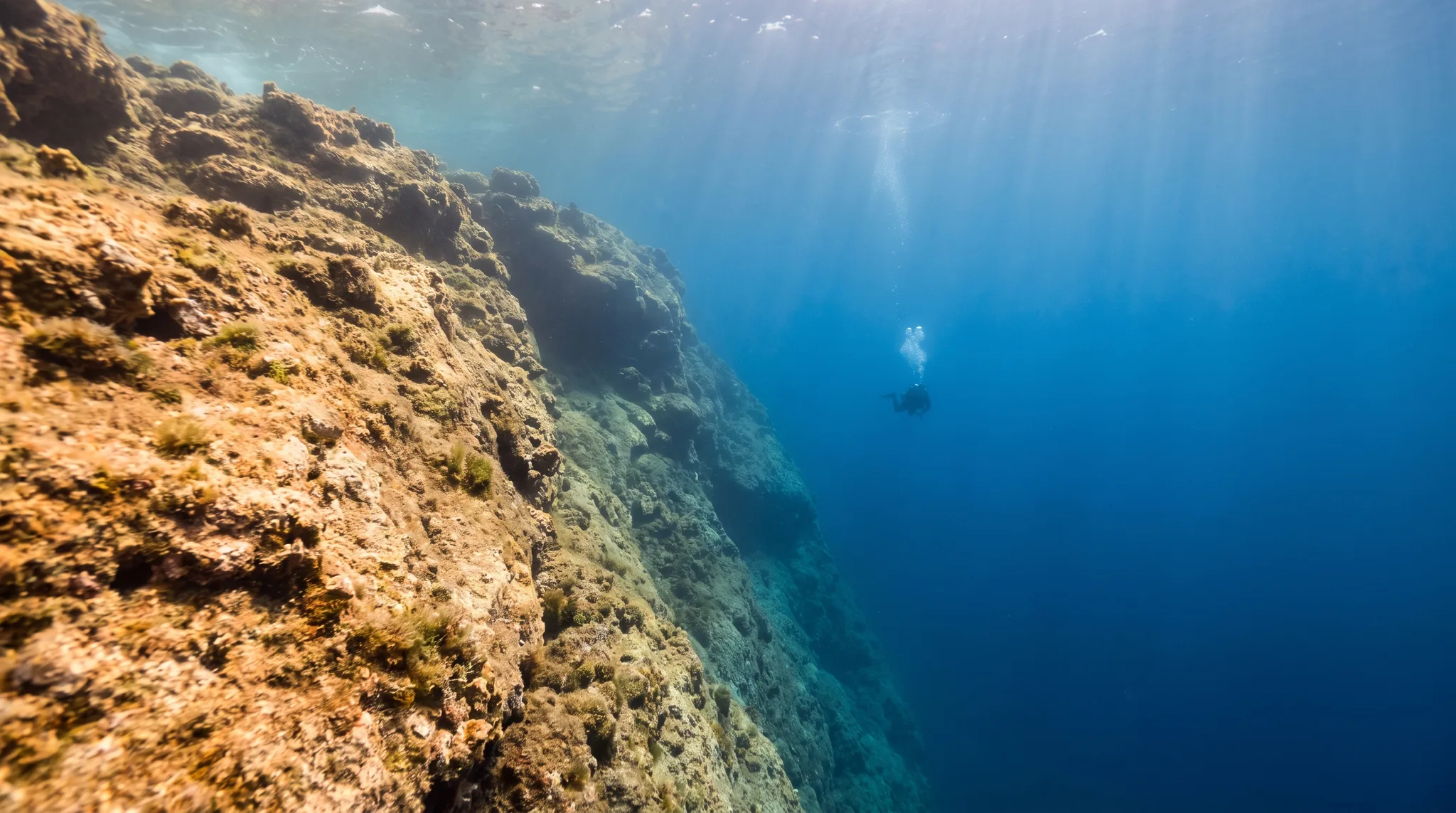
Diakopto is a shore-entry reef dive located on the Attica coast of Greece. The reef topography extends from shallow depths down to 40 metres, making it suitable for beginners who can remain in the shallower sections. Divers can expect visibility ranging from 10 to 30 metres, with the best conditions typically found on calm, sunny days. The site is accessible year-round with no significant currents to navigate. Water temperatures fluctuate between 15C and 28C throughout the year. As facilities are not confirmed on-site, divers should check locally for air fills and specific access details before planning a dive.
38.17823, 22.22915
Check locally for the nearest air fill station and any site-specific access details before you head out, as facilities are not confirmed on-site. Going on a calm, sunny day will give you the best chance of hitting that upper visibility range.
Diakopto is located on the Peloponnesian coast of the Corinthian Gulf, 161 km from Athens and 54 km from Patras. Access is possible by car, KTEL bus, or by train via Kiato.
Expected in this region. No sightings logged here yet.
Depth
15-40m
Visibility
10-30m
Skill Level
Beginner
Entry
Shore
Water Temp
15-28°C
Current
None
Yes, the site is considered suitable for beginners, who can explore the shallower sections of the reef.
The reef topography ranges from shallow water down to a maximum depth of 40 metres.
Diakopto is a shore-entry dive, meaning no boat is required to access the site.
Water temperatures at the site vary from 15C in the winter months to 28C in August.
While the site is primarily used for diving, the shallow sections of the reef may be accessible for snorkelling depending on local conditions.
Diving at Diakopto in Diakopto requires the following certifications: Open Water. Always dive within your training limits.
A 5mm wetsuit is recommended for diving at Diakopto in Diakopto. Water temperatures range from 15°C to 28°C.
Divers at Diakopto in Diakopto should be aware of jellyfish. These encounters are generally rare and avoidable with proper awareness. Follow local safety guidance and maintain a respectful distance from all marine life.