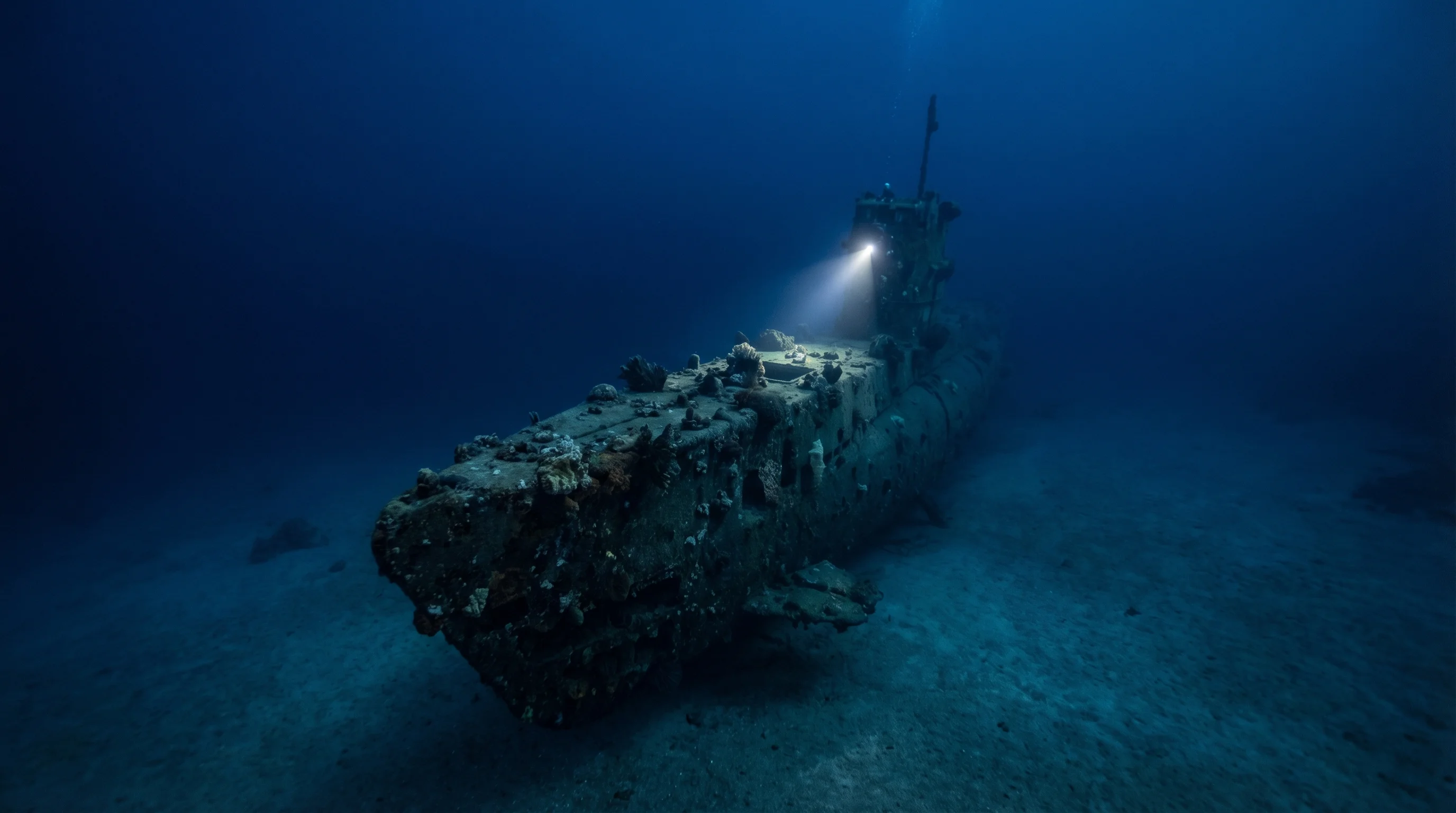
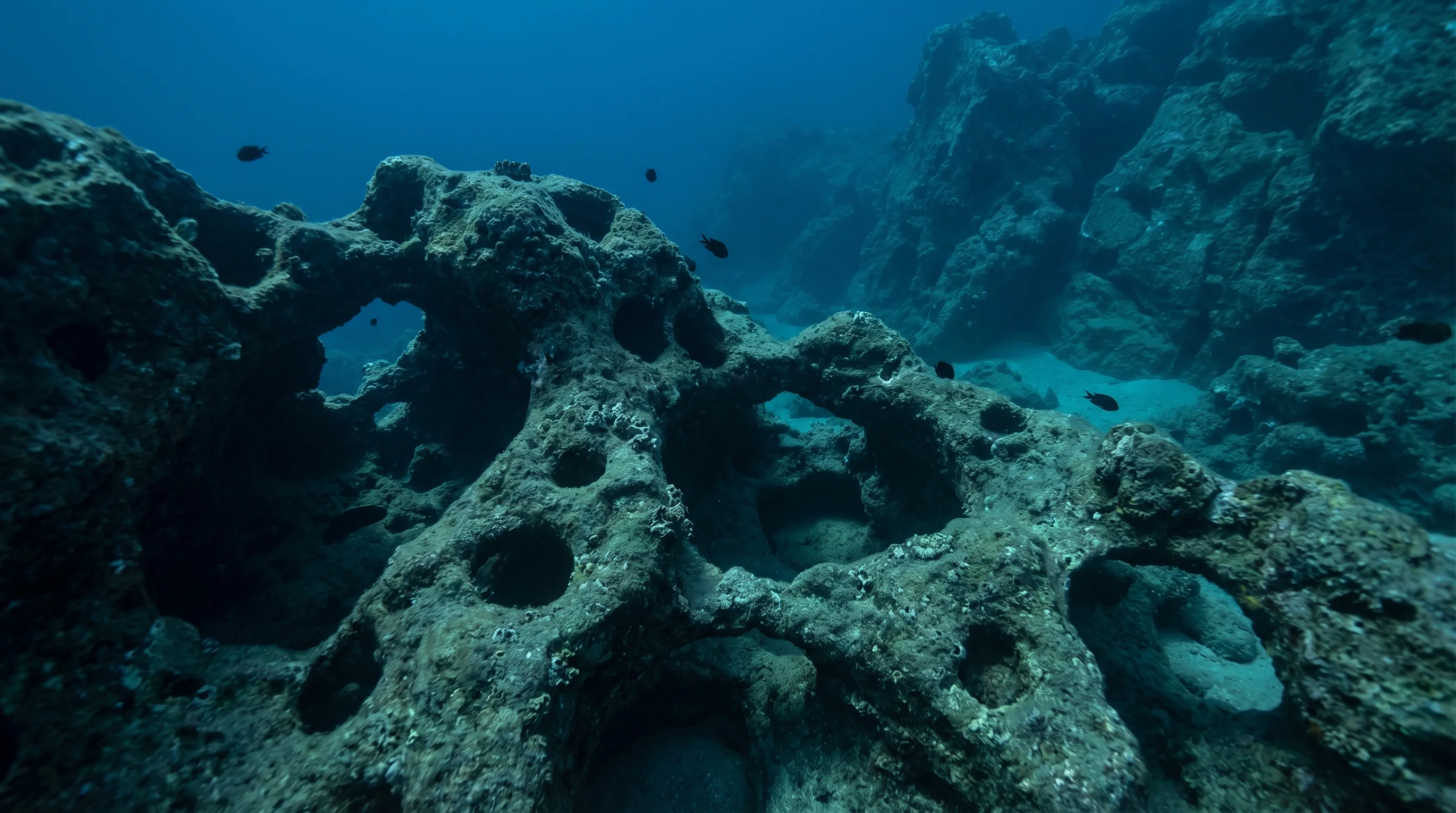
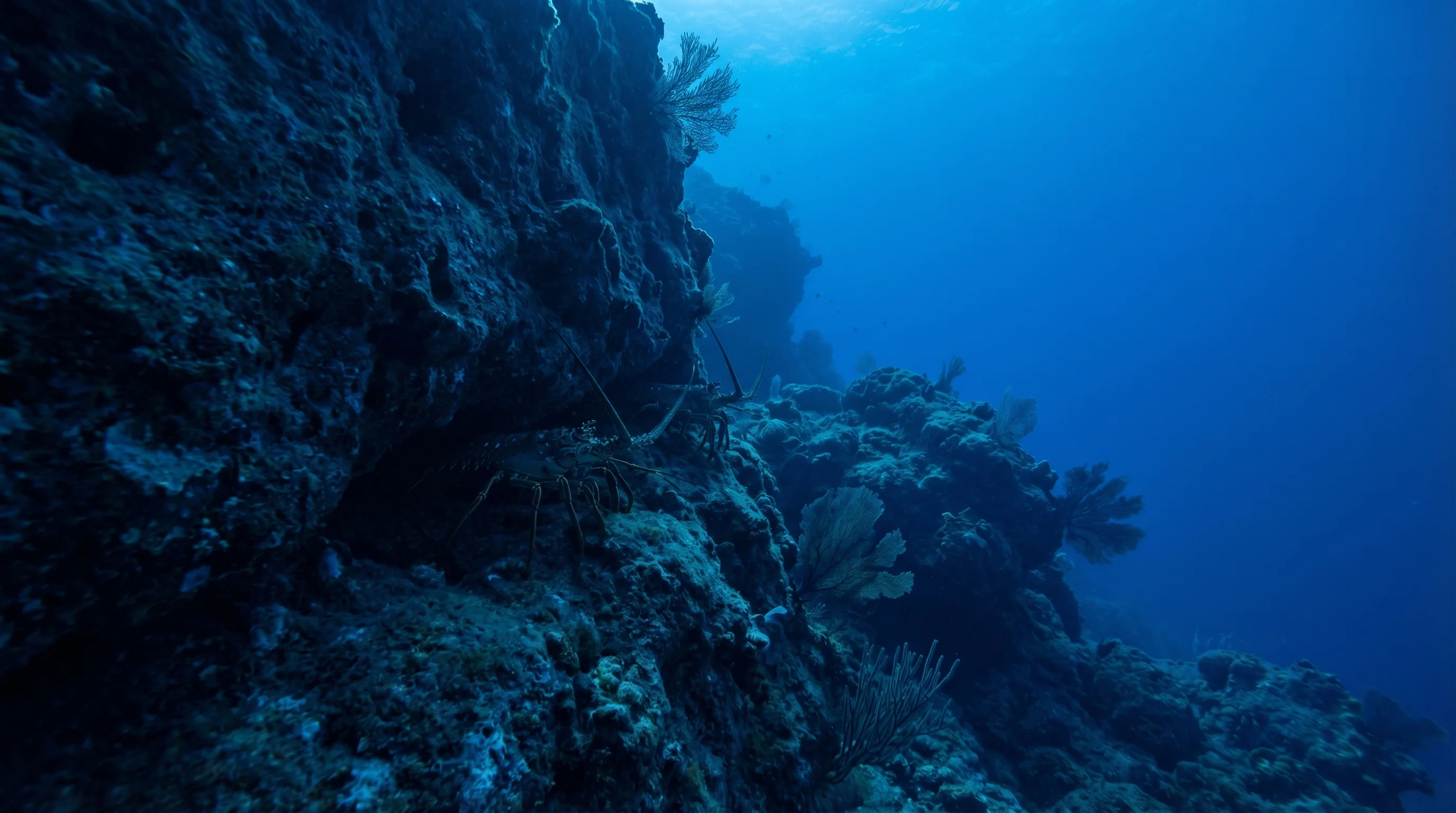
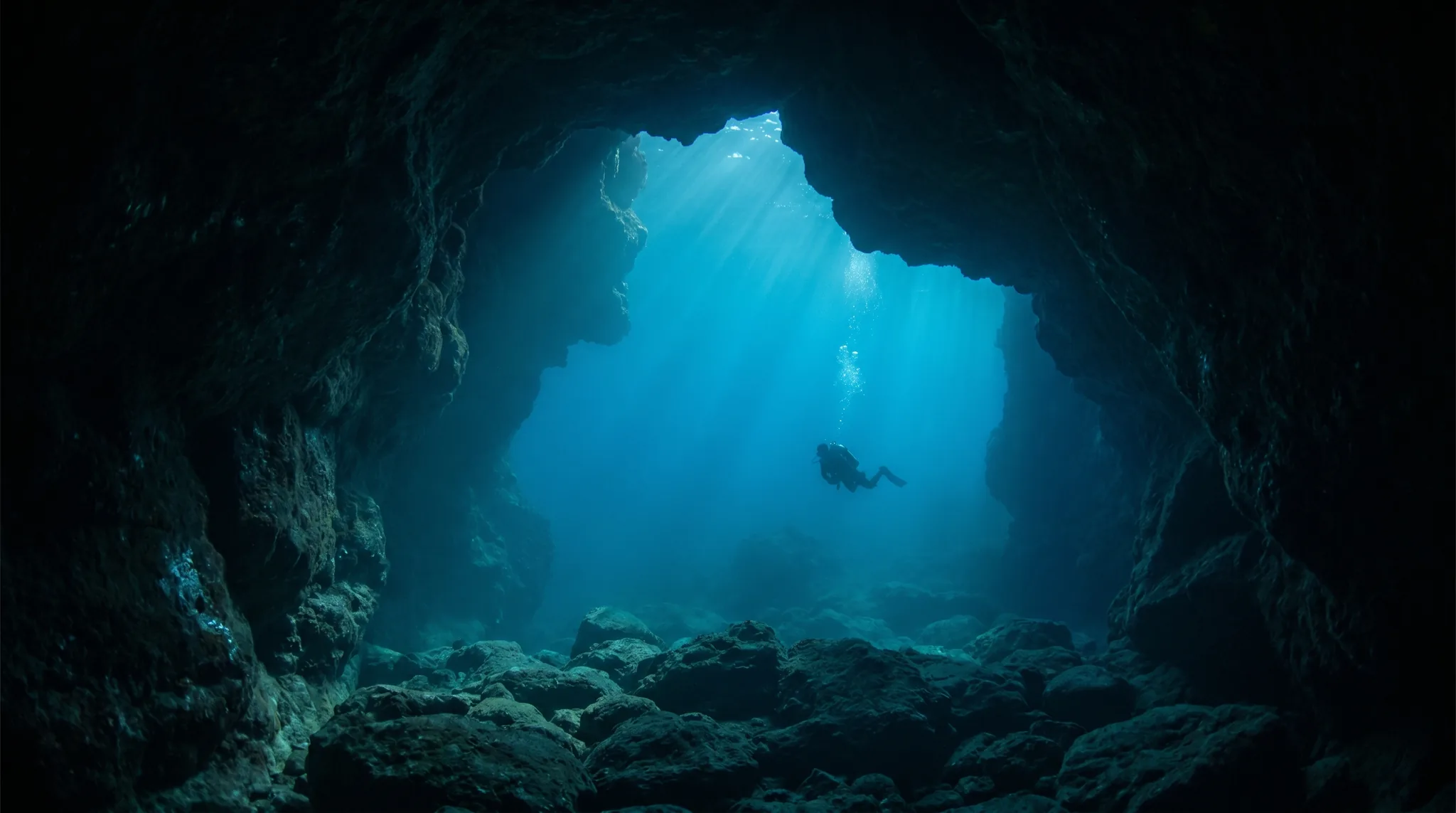
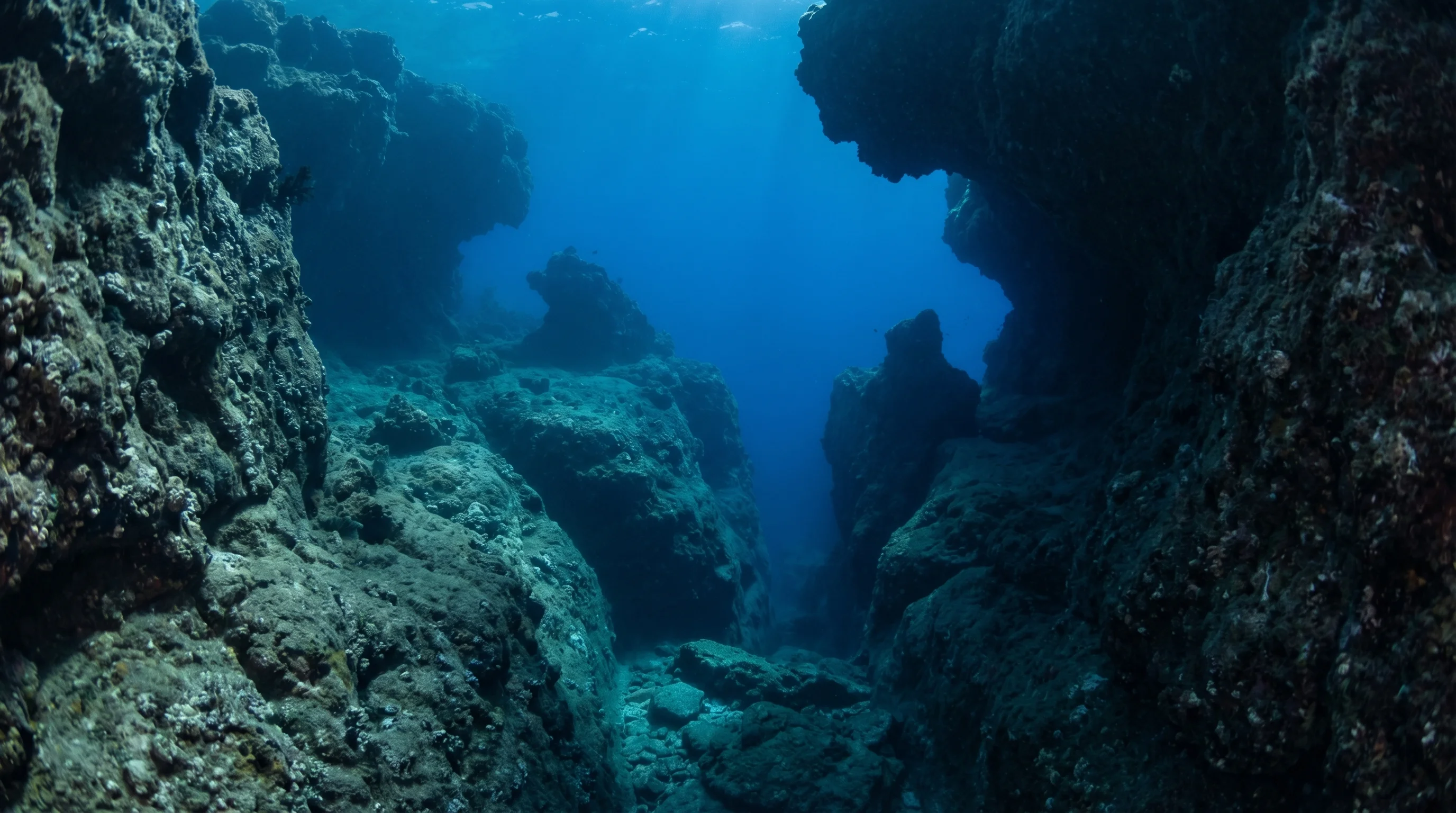
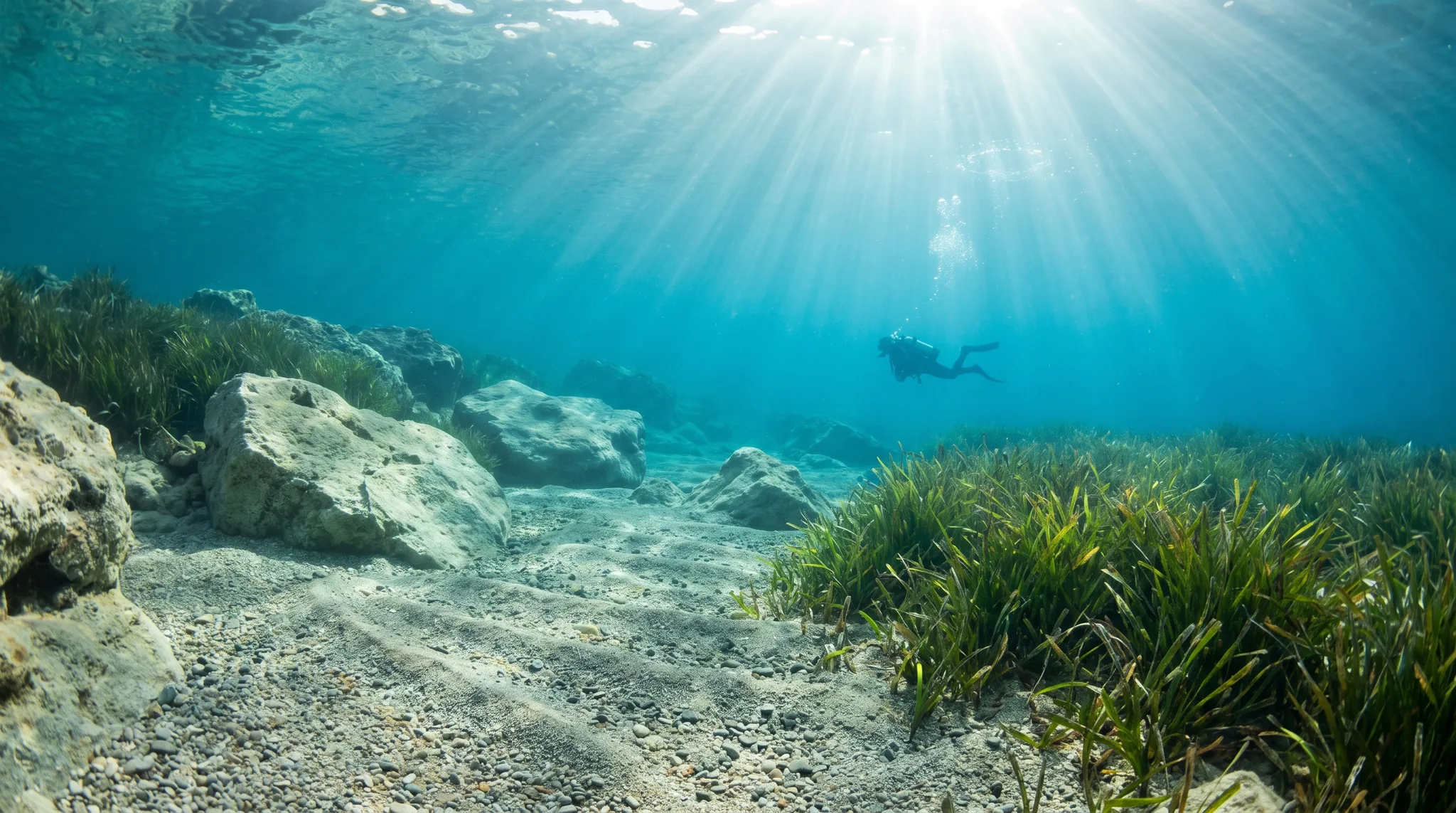
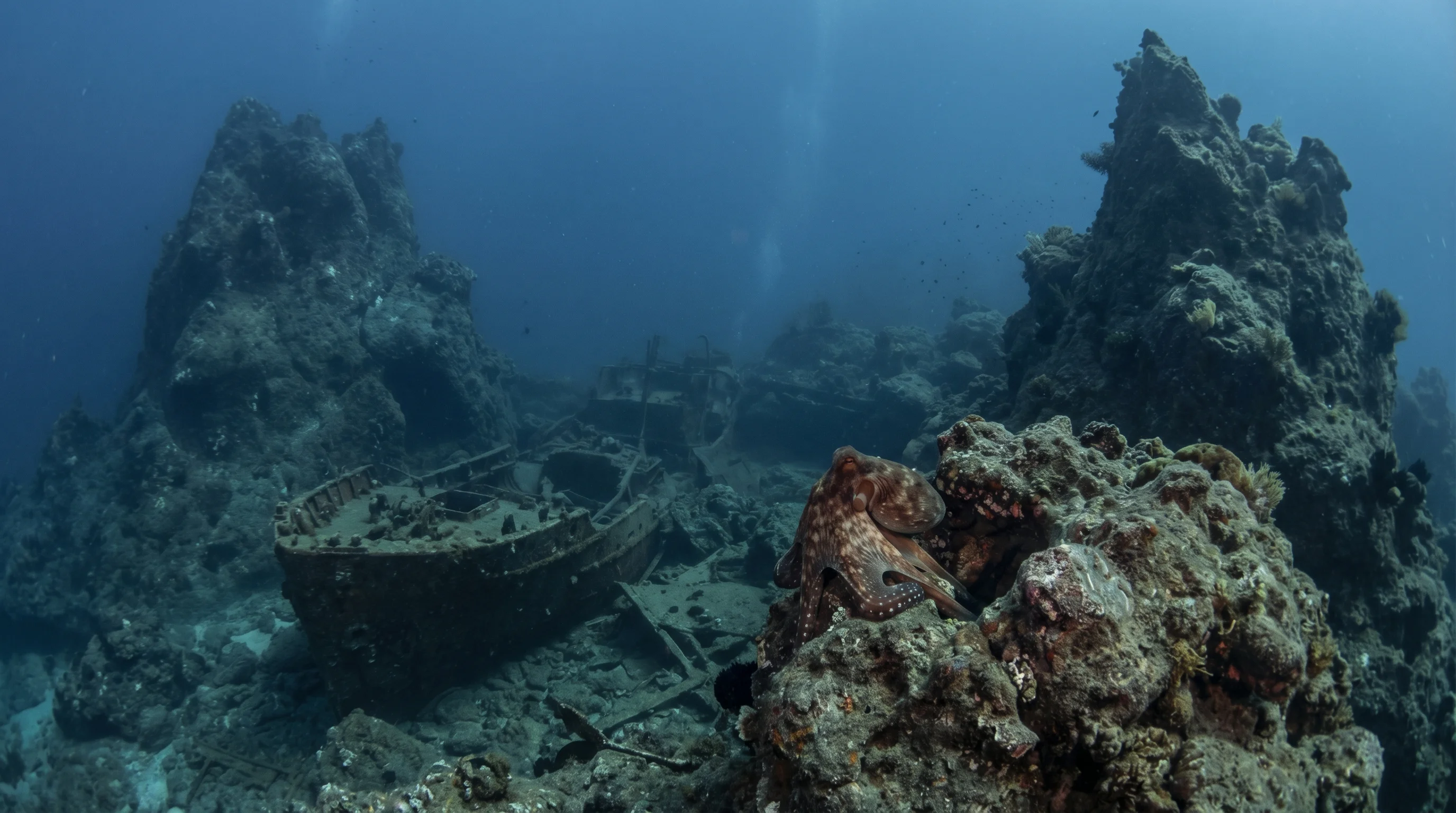
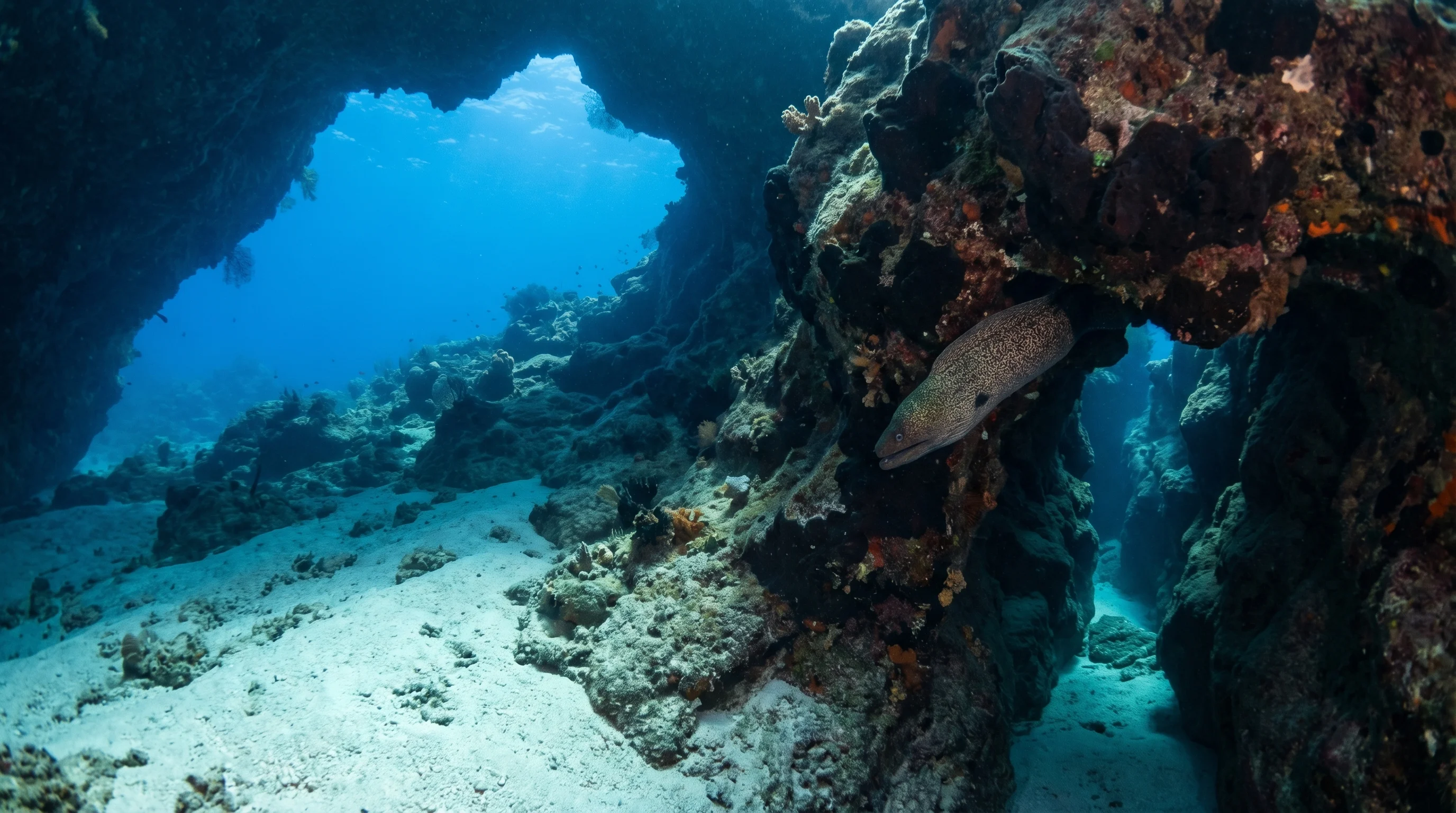
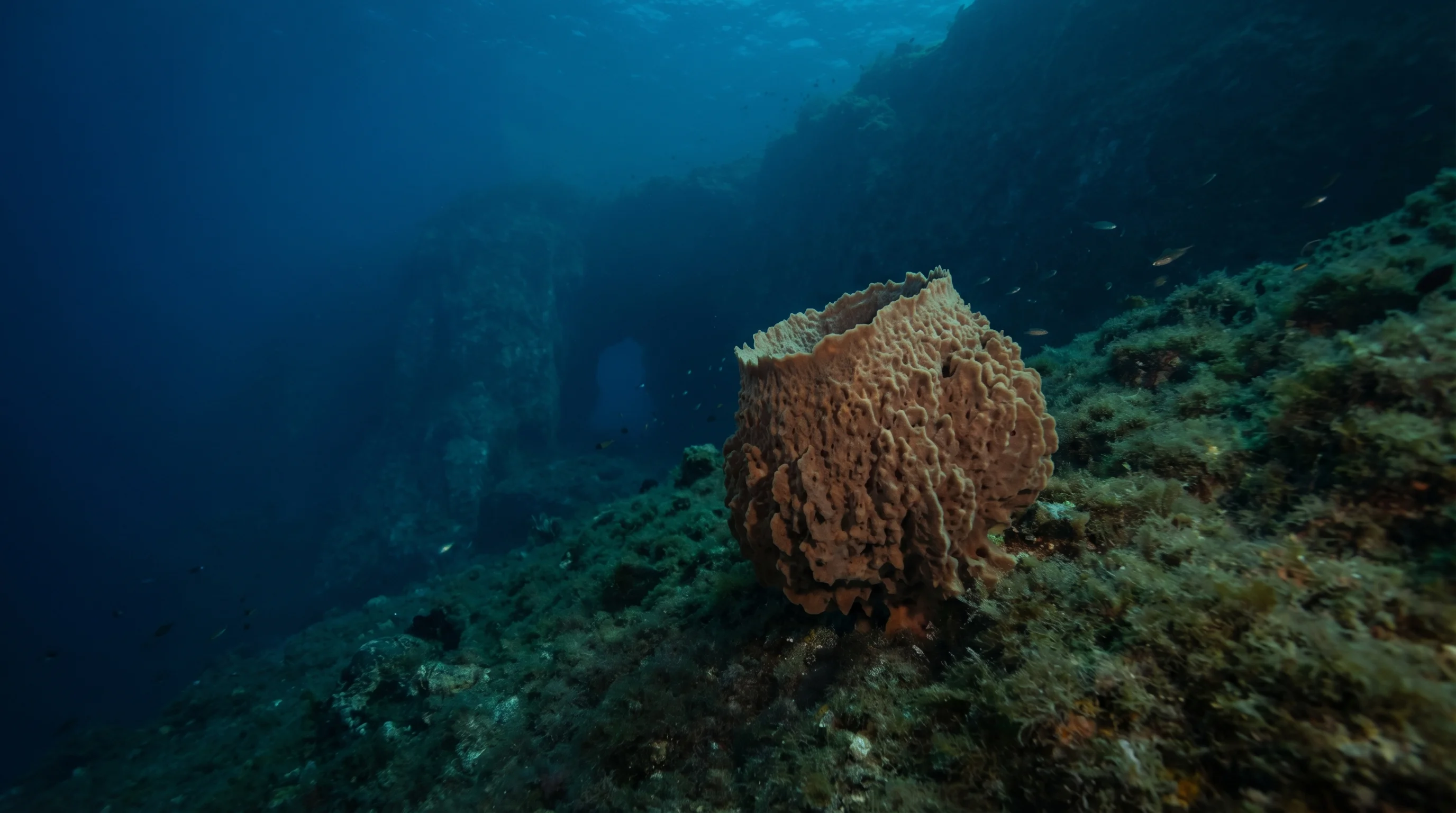
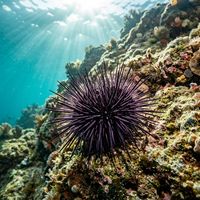
Lefkada's dive sites are defined by dramatic underwater topography: walls, canyons, caverns, and reefs spread across boat-access sites that suit everyone from first-time divers to experienced cave explorers. Beginner-friendly reefs sit alongside advanced wall dives such as Light House and Blue Cave, giving the island a broad skill range. Posidonia seagrass beds, sandy slopes, and rocky formations host a rich cast of resident species, with Wrasses, Bream, Castagnole, and Common Octopus encountered across most sites.
Monthly water temperature across Lefkada's sites, from satellite sea-surface data corrected for depth. The band shows the site-to-site spread.
Water temperature rises steadily from spring into the warmest months of August and September, making the peak season from May through October the most comfortable for diving. The coolest months bring a noticeable drop, which thinner wetsuits cannot handle as easily. Most sites are boat-access and some exposed locations can carry current, so conditions vary with the site rather than the season alone.

13 operators
16 more sites to explore
Water temperature around Lefkada ranges from about 16°C in February to 24°C in August, based on satellite sea-temperature data for its dive sites.
In the warm season (about 24°C) a 3mm full suit is comfortable in Lefkada; in the coldest months (about 16°C) step up to a 7mm or semi-dry suit.
Fin maps 28 sites in Lefkada (22 scuba diving sites and 10 snorkelling spots, with some suited to both).
Across Lefkada's dive sites, May, June, July, August, September and October are most often reported as the best months to visit.
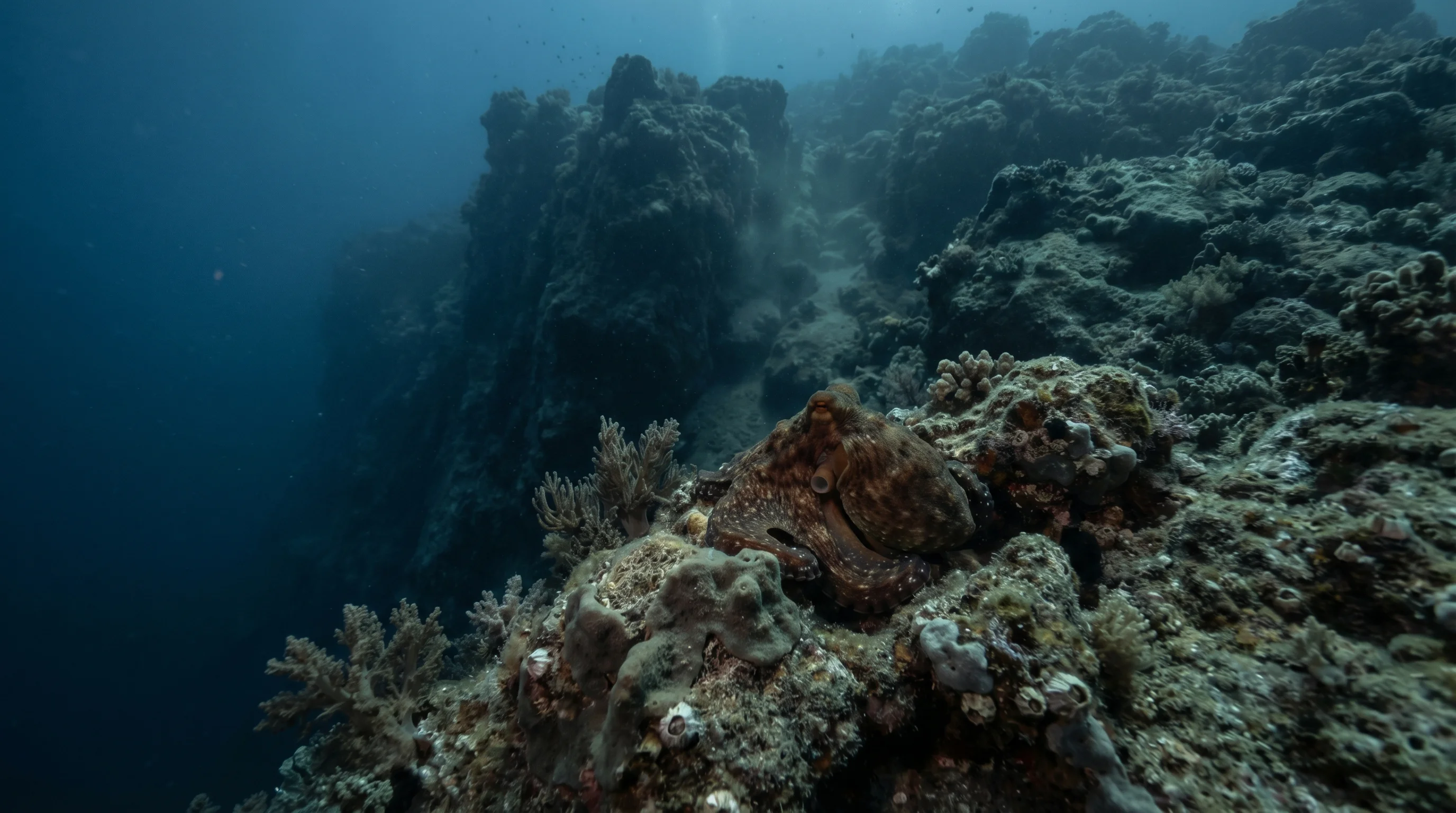
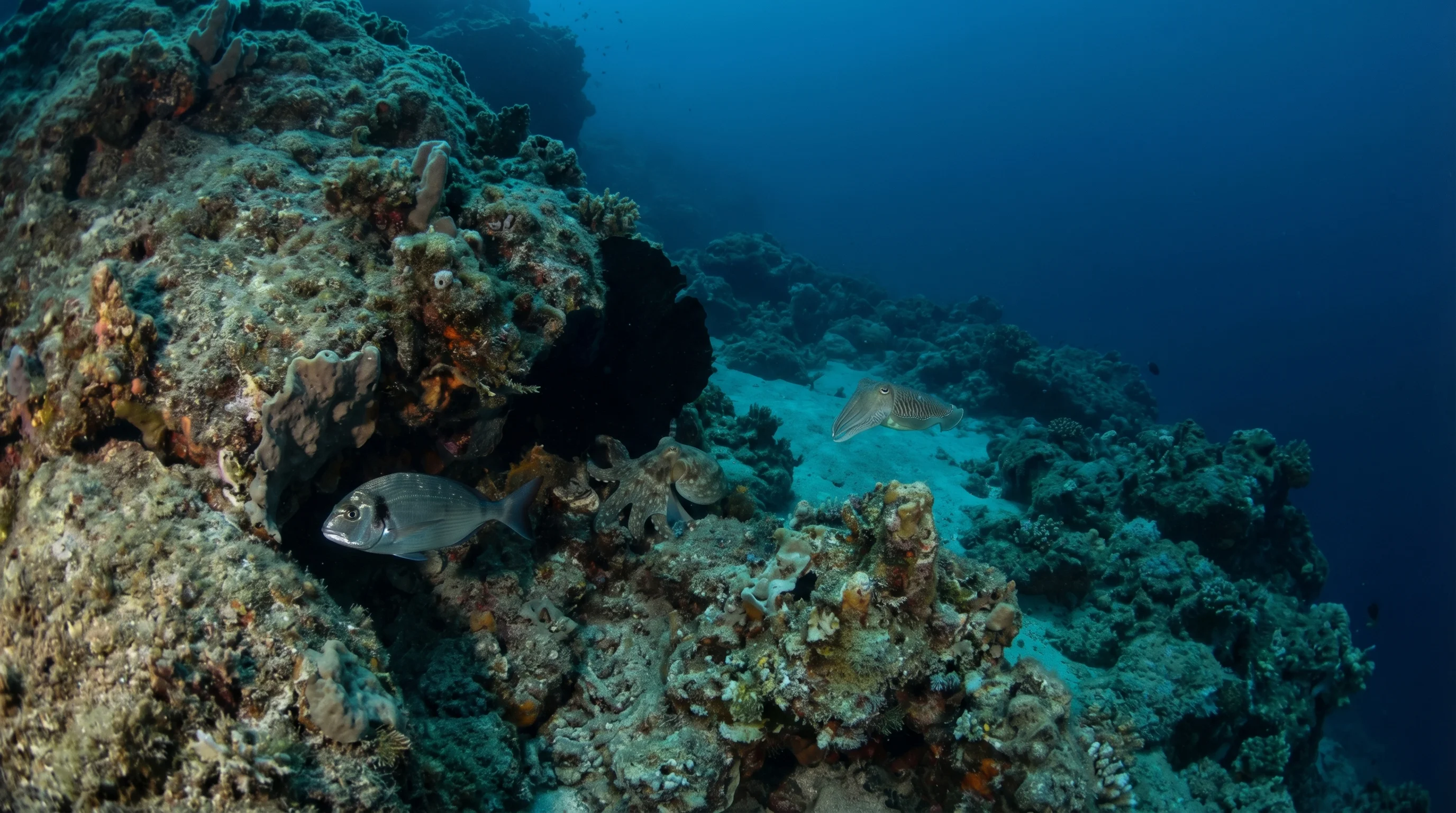
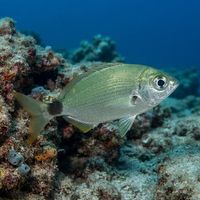
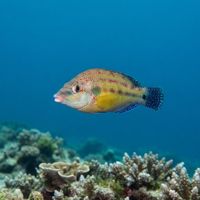
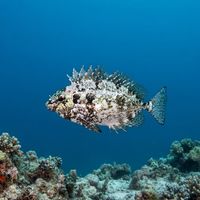
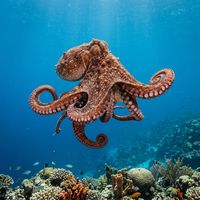
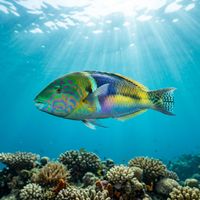
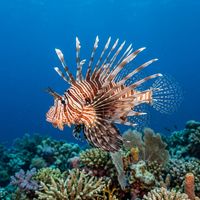
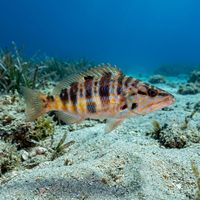
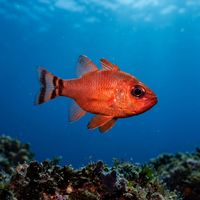
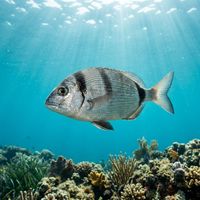
Wrasses, Bream, Castagnole, and Painted Comber are present across virtually all sites. Common Octopus and Turkish Wrasse are reliably encountered, while Indian Lionfish and Mediterranean Moray add interest to the rockier structures. Loggerhead Sea Turtle and Harbor Seal have also been observed, though less frequently.
Not at all. The majority of sites are rated beginner-friendly, including reef dives at Kastos and Kalamos and the shallow shore entry at Nikiana Beach. Intermediate and advanced sites such as Canyon, Skorpidi, and Light House cater to divers seeking deeper walls and stronger conditions. Operators Nautilus Diving Club and Lefkas Diving Center can match you to the right site.
Most sites in Lefkada are boat-access only, which is worth factoring into your planning. A handful of sites, including Skeleton and Agios Nikolaos, offer both shore and boat entry. Nikiana Beach is the primary dedicated shore-entry site and is particularly suitable for beginners and training dives.
Sites to the south of Lefkada, such as Black Water, tend to be reef and wall dives with sandy bases. Sites around the Meganisi Channel, like Harry's Place, combine walls, caves, and white sandy bottoms. Outer island sites such as Brothers and Skorpidi introduce drift potential and more complex topography suited to advanced divers.