Best for intermediate divers, 12-40m, boat entry, mild current.
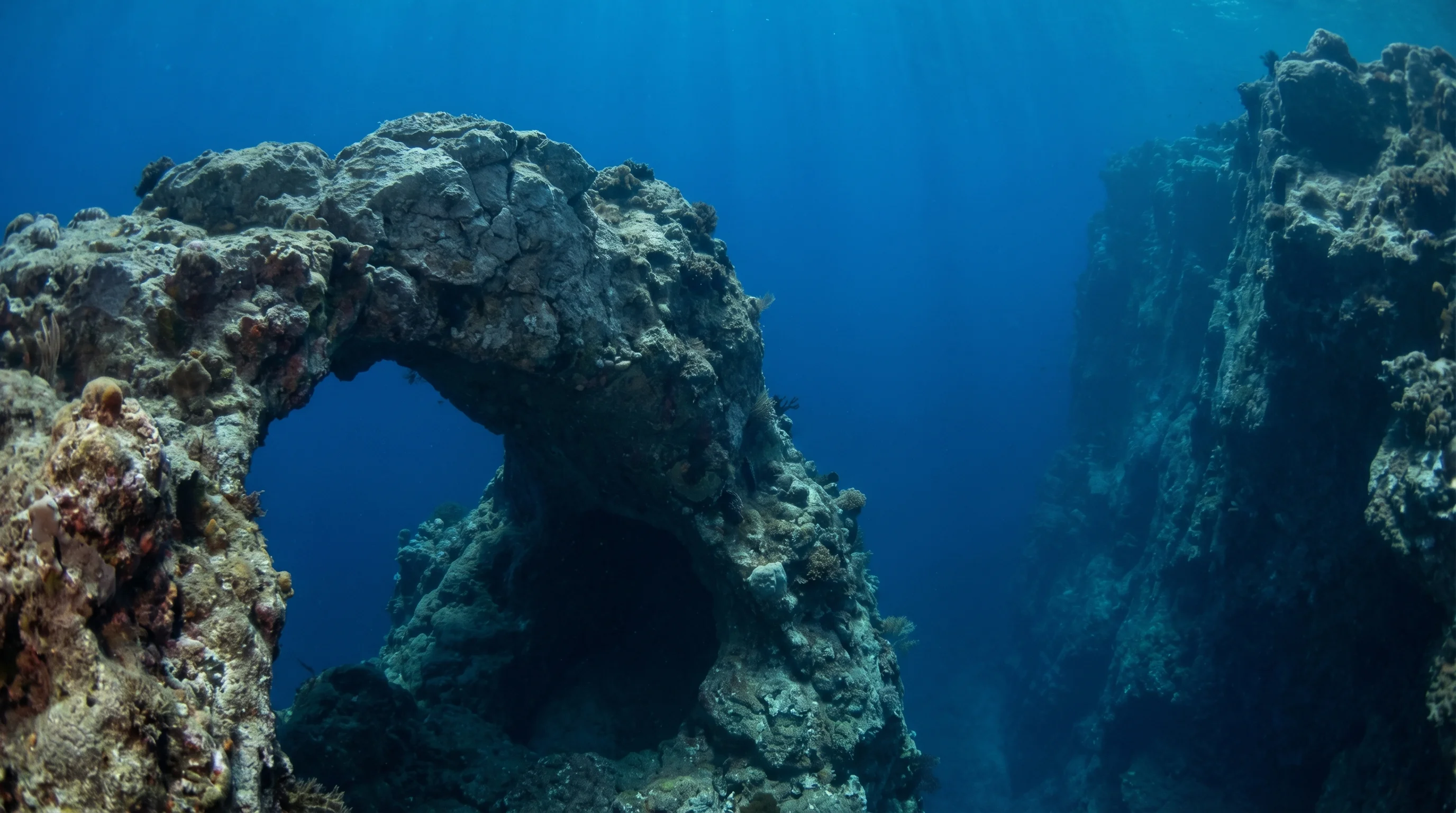
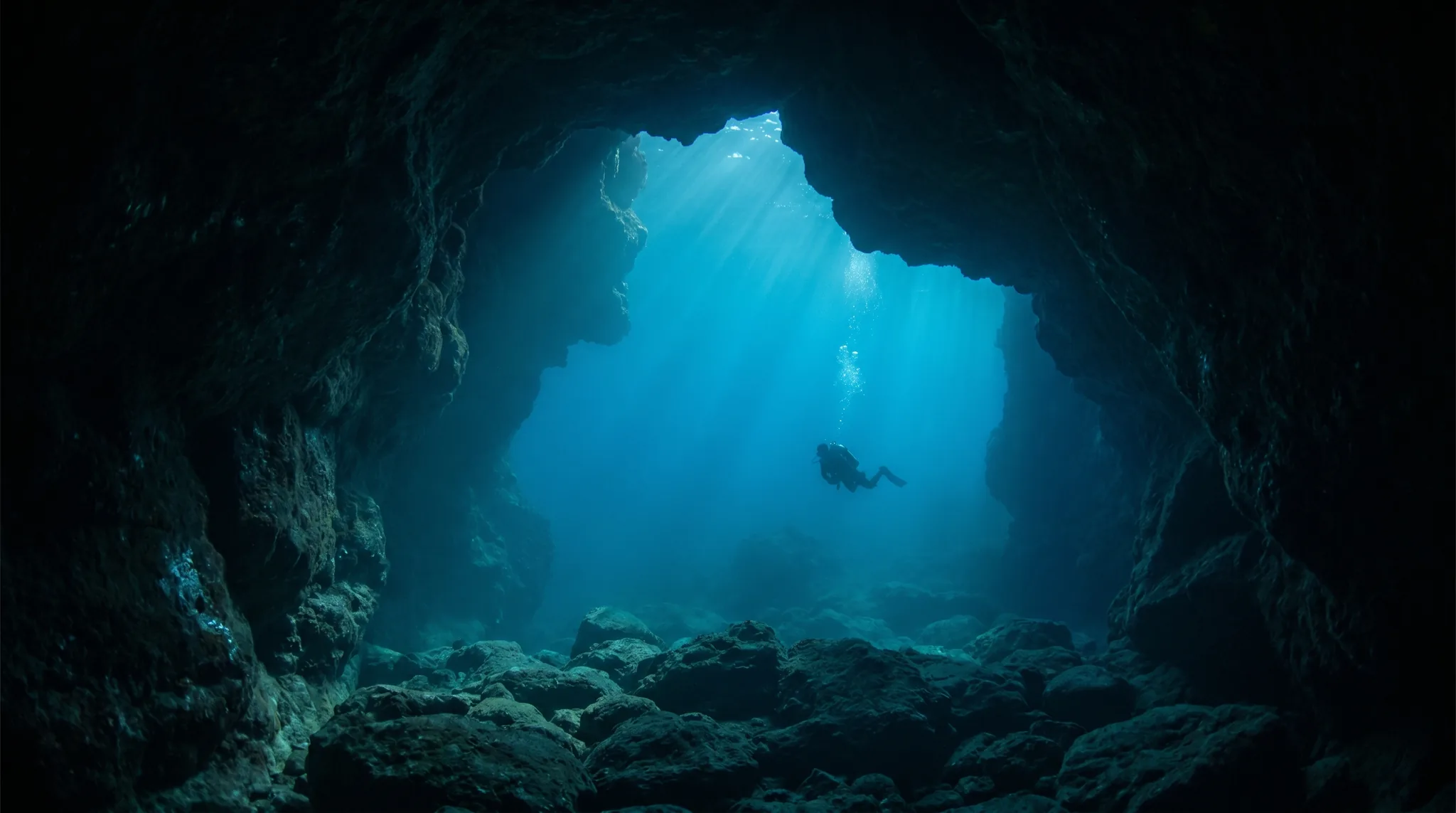
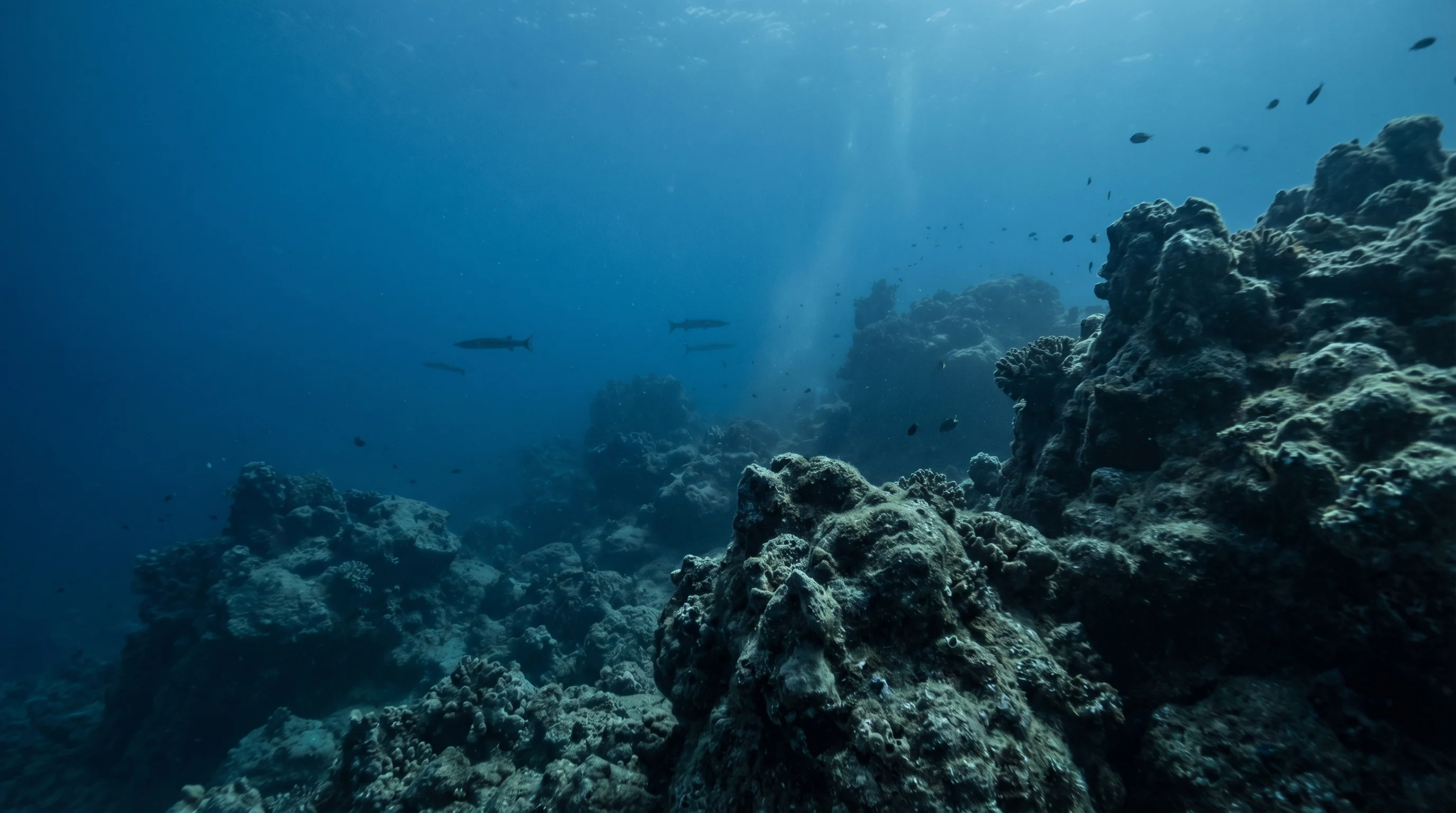
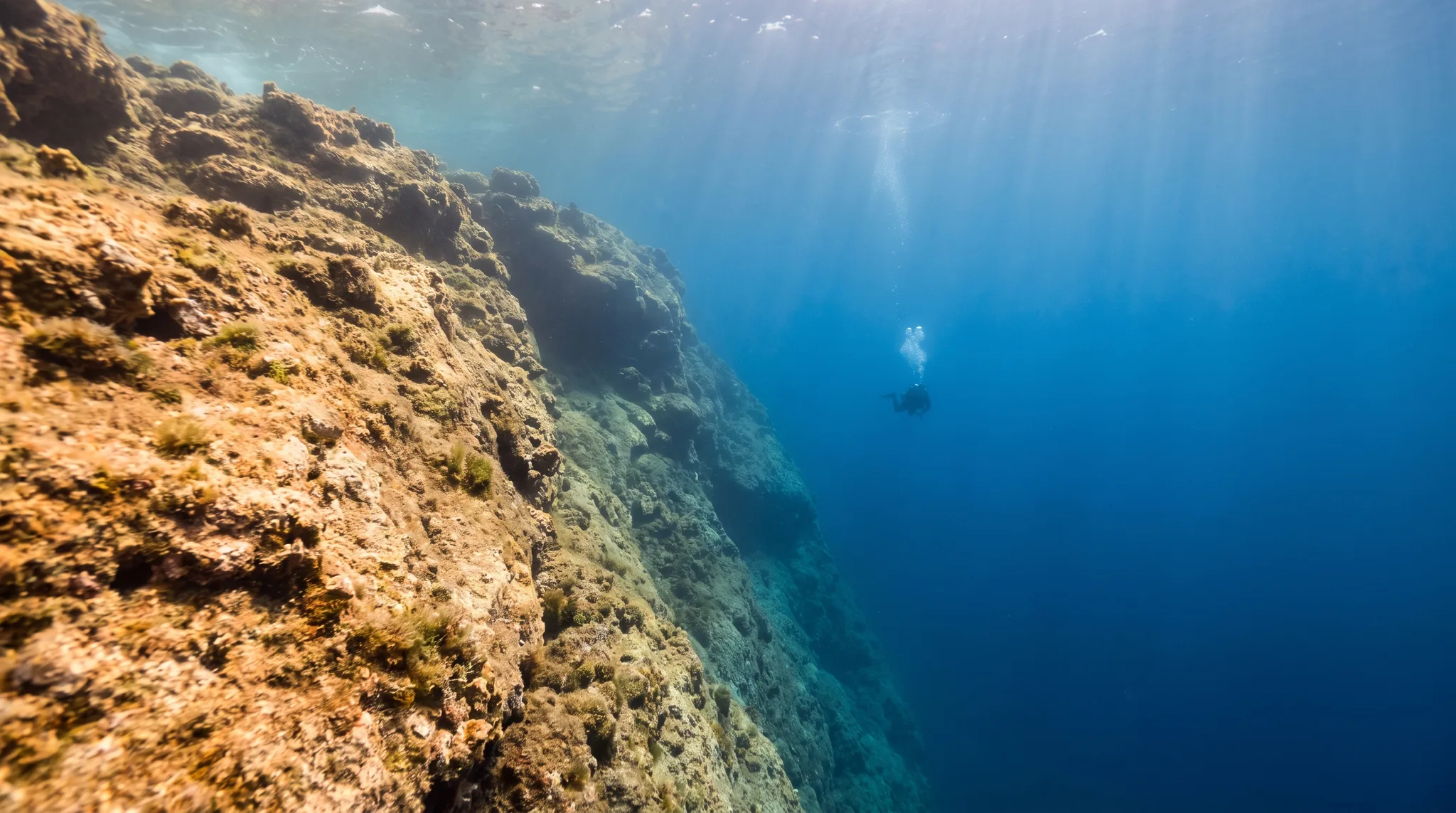
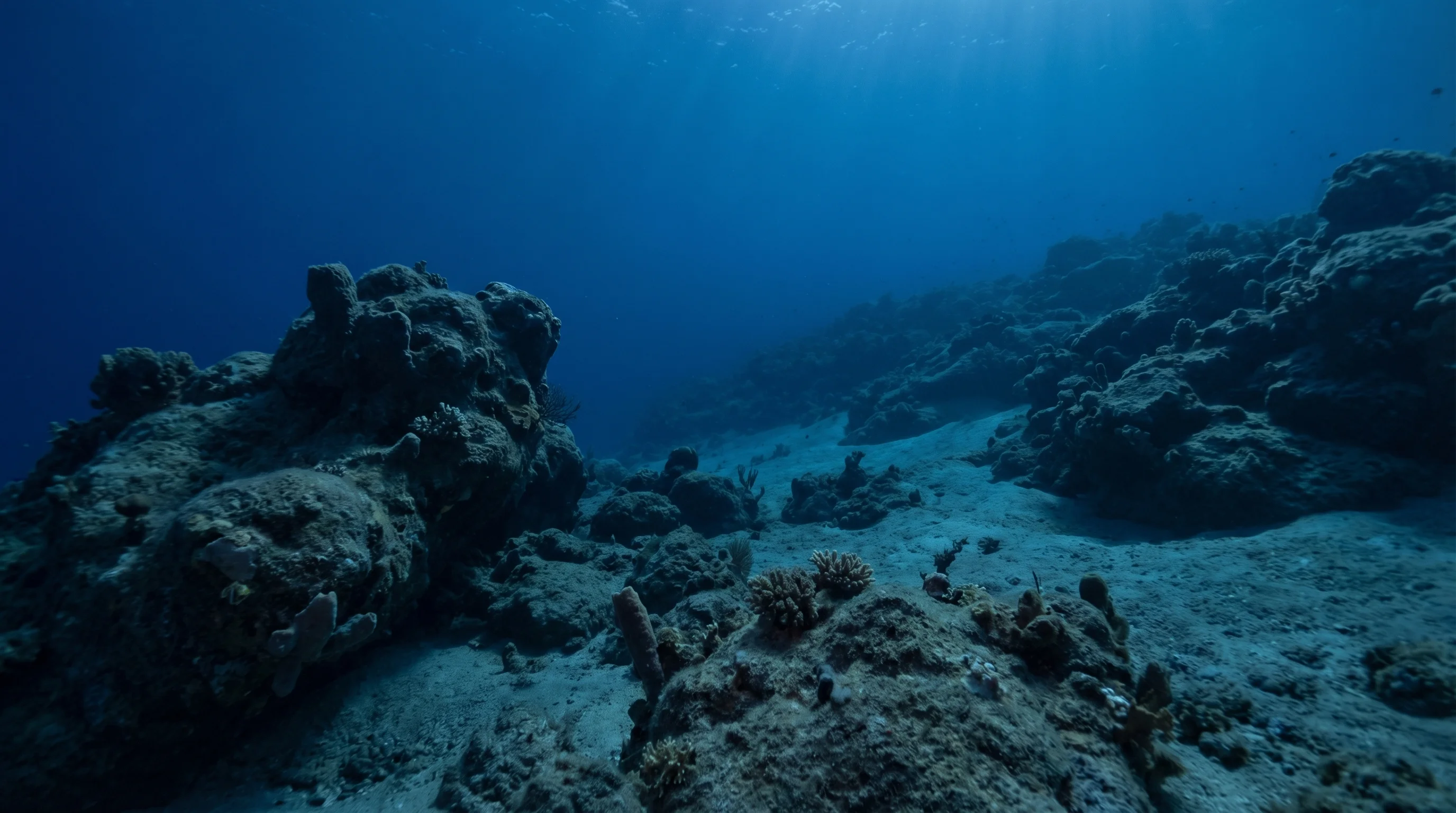
Little Big Rock off Zante Island, Greece, offers a varied underwater landscape featuring reef, wall, and cavern terrain. Divers can explore depths ranging from 12 to 40 metres, with an average depth of 25 metres. Visibility typically spans 15 to 30 metres. The site is accessible only by boat and is suited for intermediate divers due to the potential for surge and swell, which can push divers toward the structure. Maintain active buoyancy to avoid contact with sharp reef and cavern surfaces. A mild current is common, and morning dives are recommended as conditions are generally calmer during the early part of the day.
37.65087, 20.84758
The site is boat access only, so confirm departure times with your operator the evening before and factor in that morning conditions are generally calmer, which matters on a site where surge can build later in the day.
Access is by boat.
Recorded nearby, within 20km
Depth
12-40m
Visibility
15-30m
Skill Level
Intermediate
Entry
Boat
Boat required
Water Temp
15-21°C
Current
Mild
Typical Dive
45 min
The site ranges from 12 to 40 metres deep, with an average depth of 25 metres.
No, the site is rated for intermediate divers, primarily due to the depth and the presence of surge and swell.
Little Big Rock is boat access only. You should confirm departure times with your dive operator the evening before your dive.
The primary hazards are surge and swell, which can push divers into the reef or cavern walls. Additionally, the rock and coral surfaces are sharp and should be avoided.
Diving at Little Big Rock in Zakynthos requires the following certifications: Open Water, Advanced. Always dive within your training limits.
A 7mm wetsuit or semi-dry is recommended for diving at Little Big Rock in Zakynthos. Water temperatures range from 15°C to 21°C.
Little Big Rock in Zakynthos typically has mild currents that most divers can handle comfortably.
Visibility at Little Big Rock in Zakynthos typically ranges from 15 metres to 30 metres. Conditions vary with weather, tides, and seasons.