Best for intermediate divers, 5-40m, boat entry, mild current.
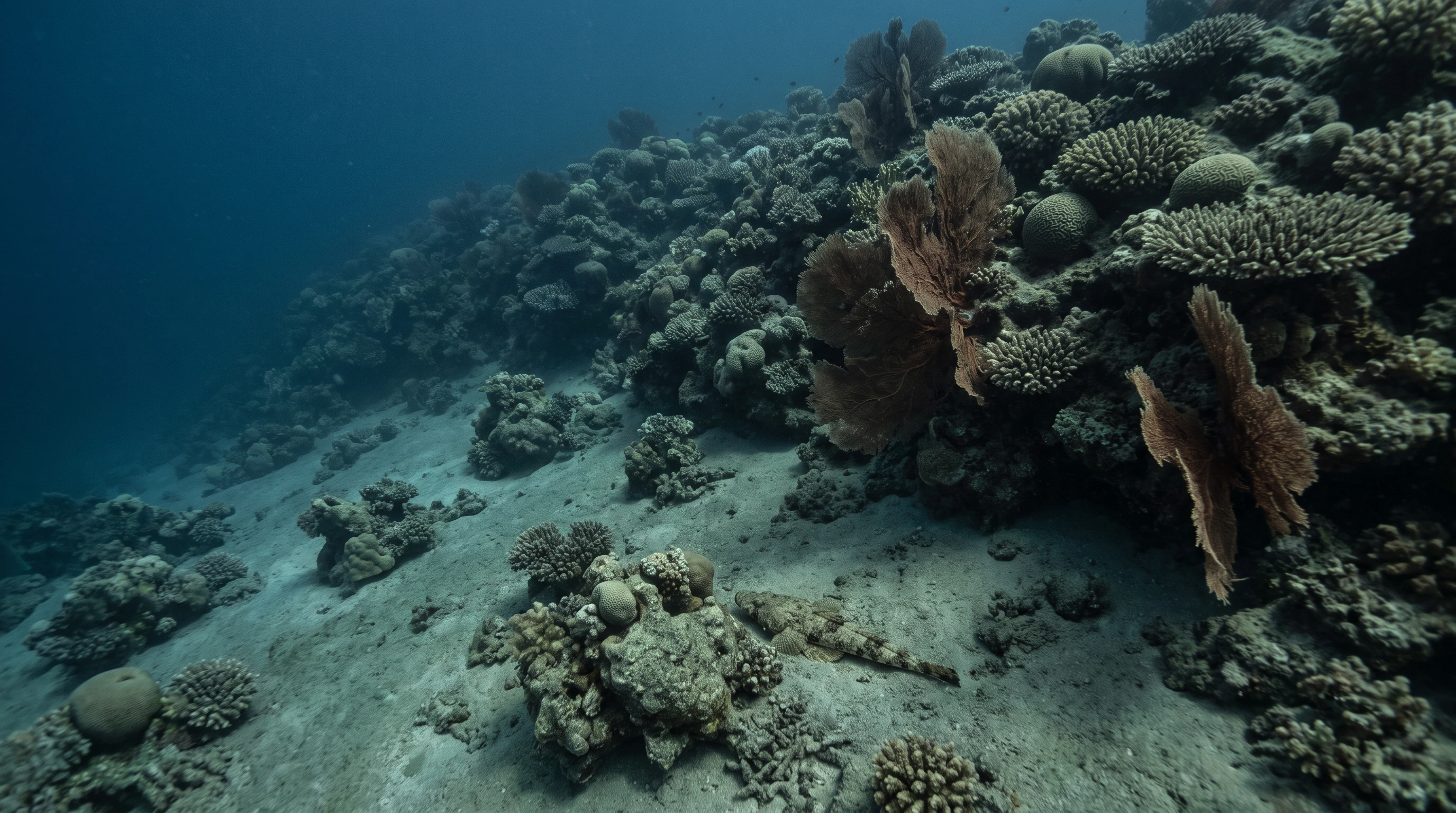
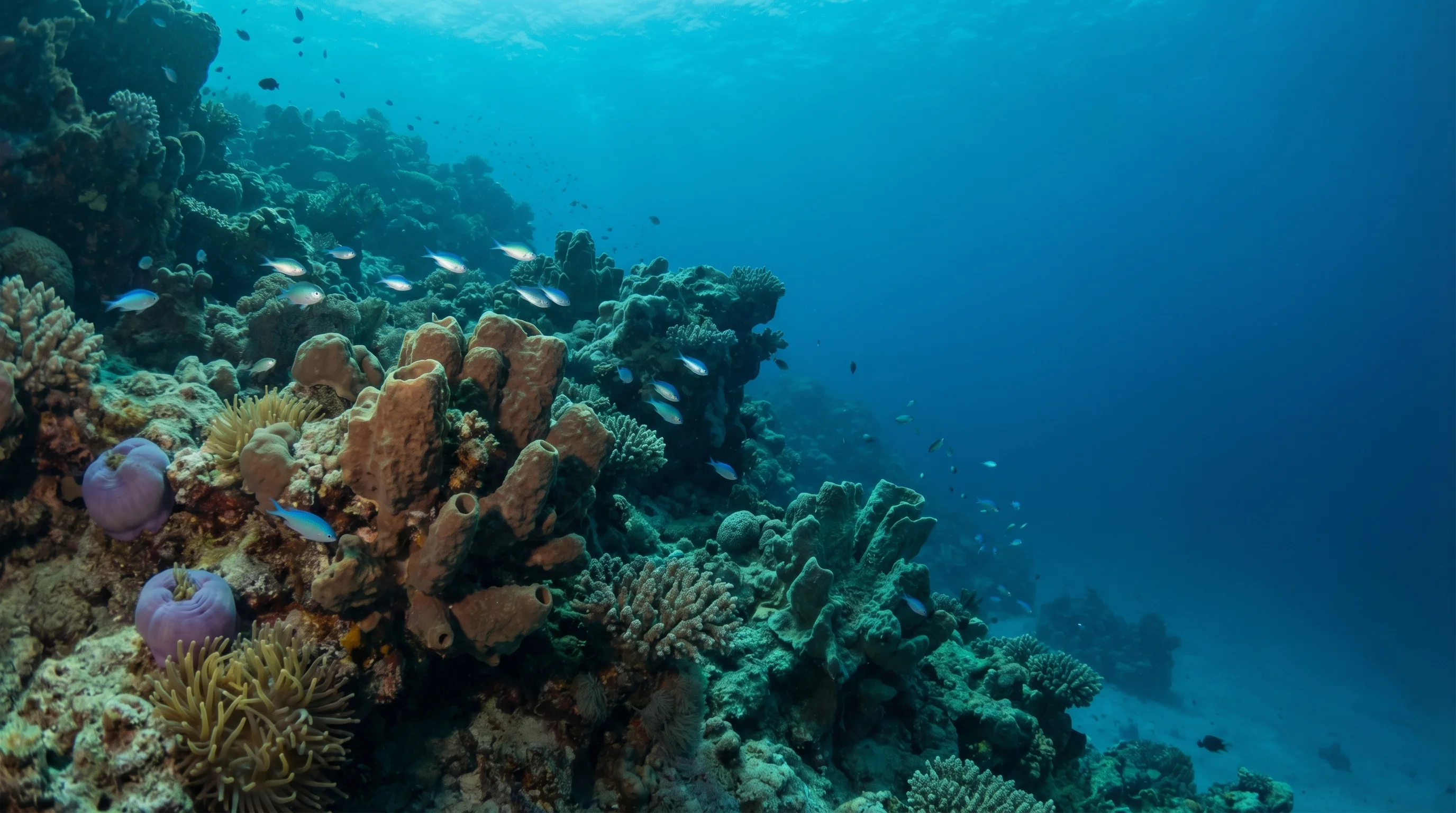
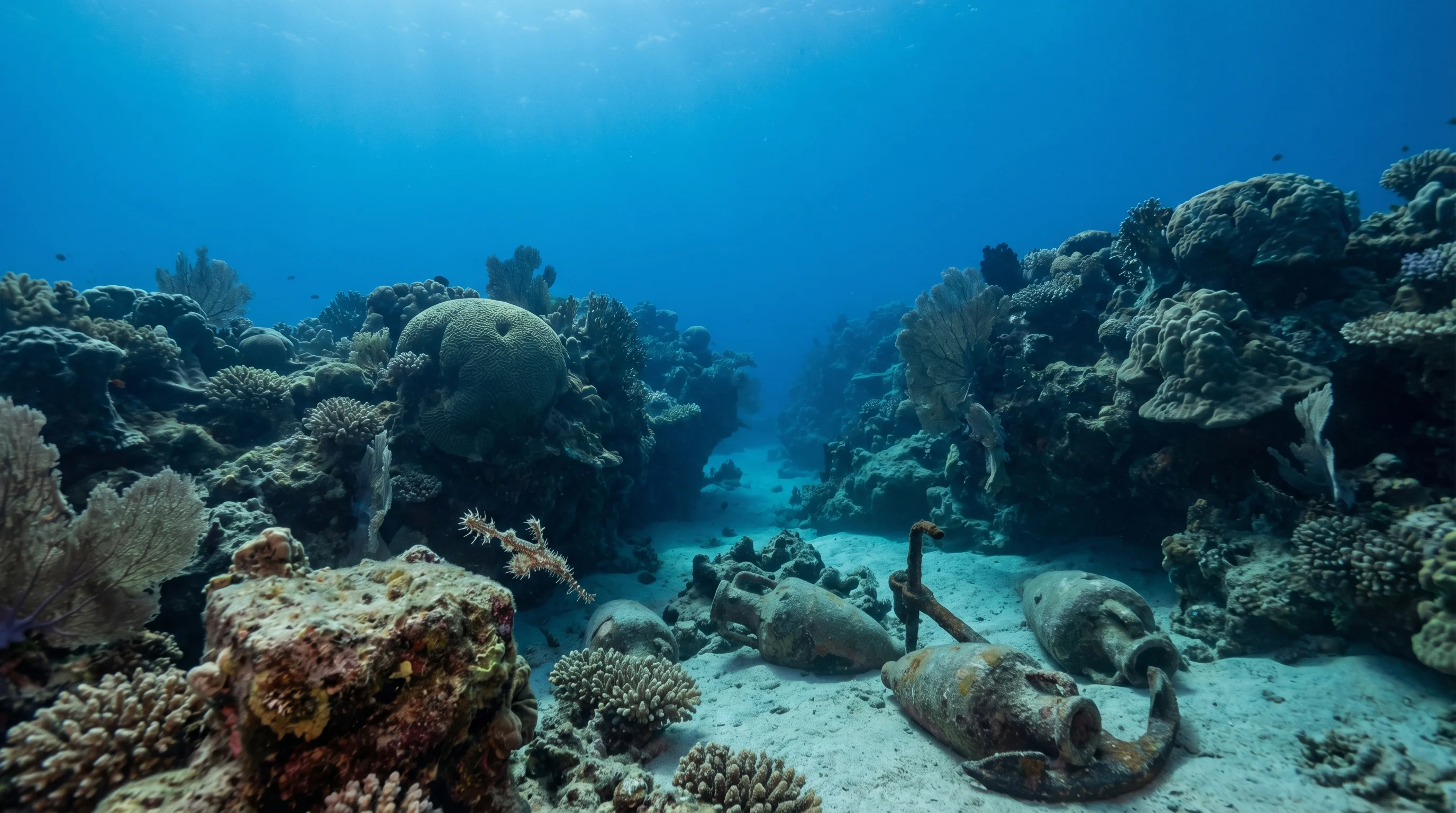
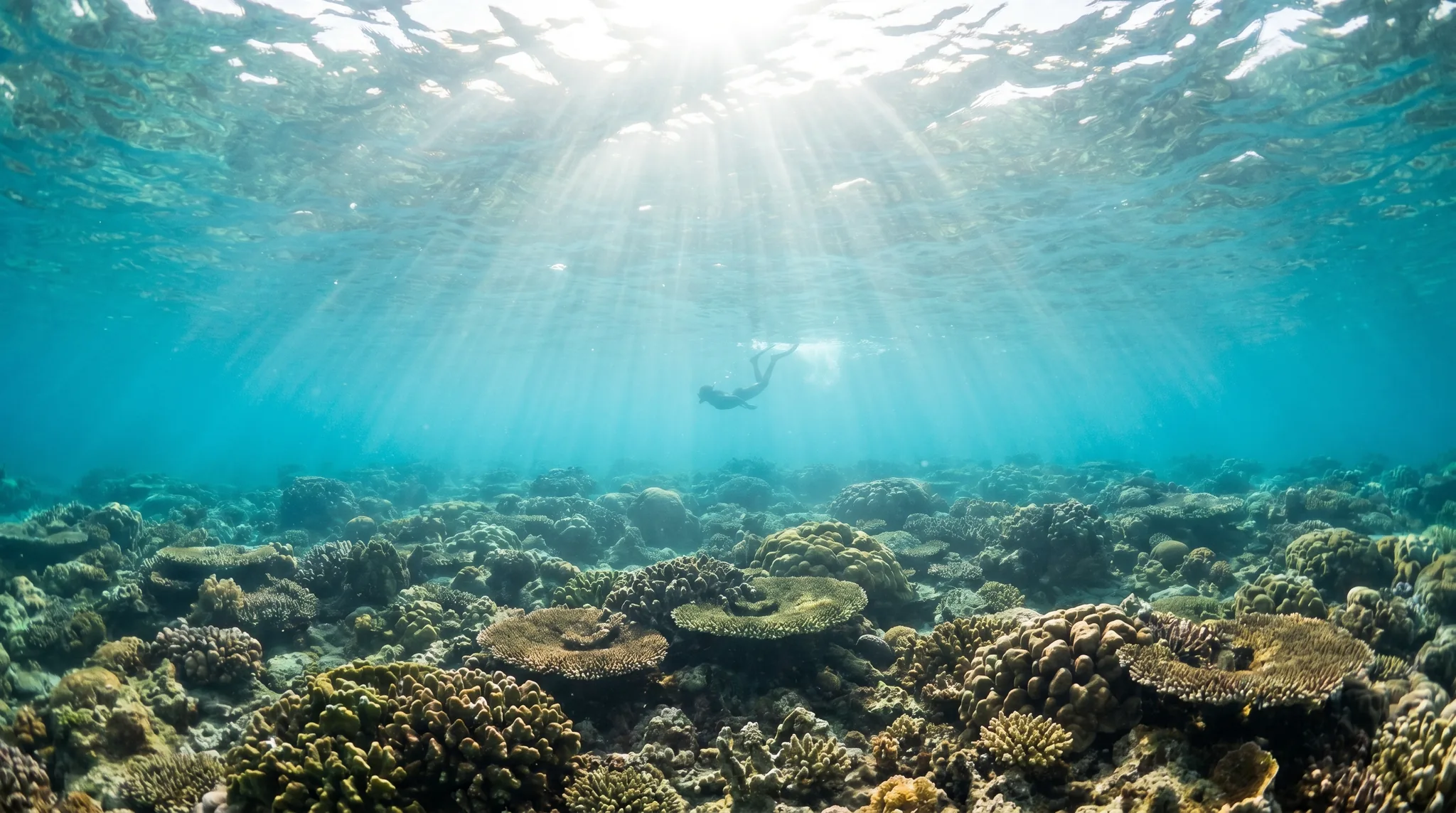
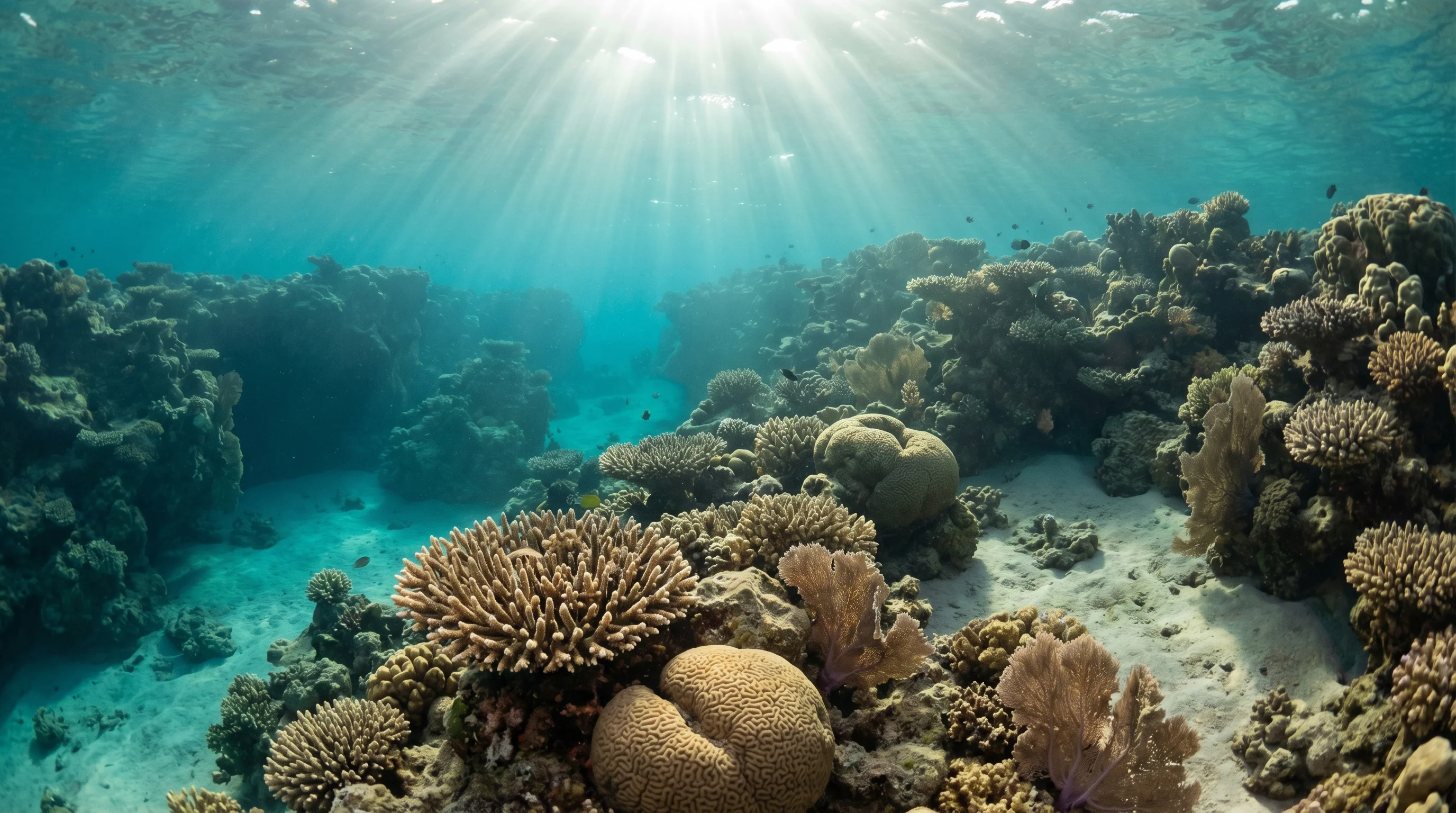
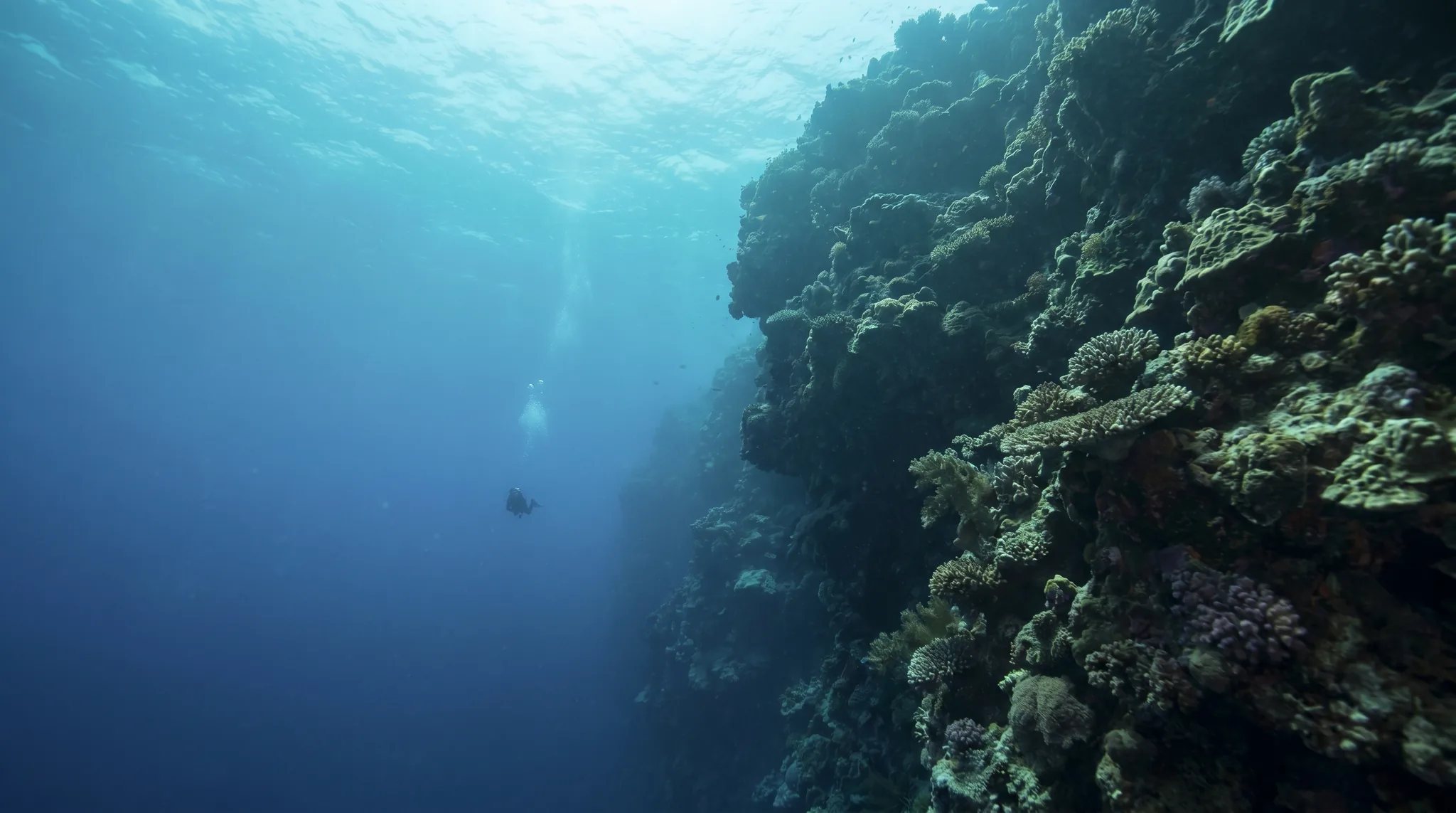
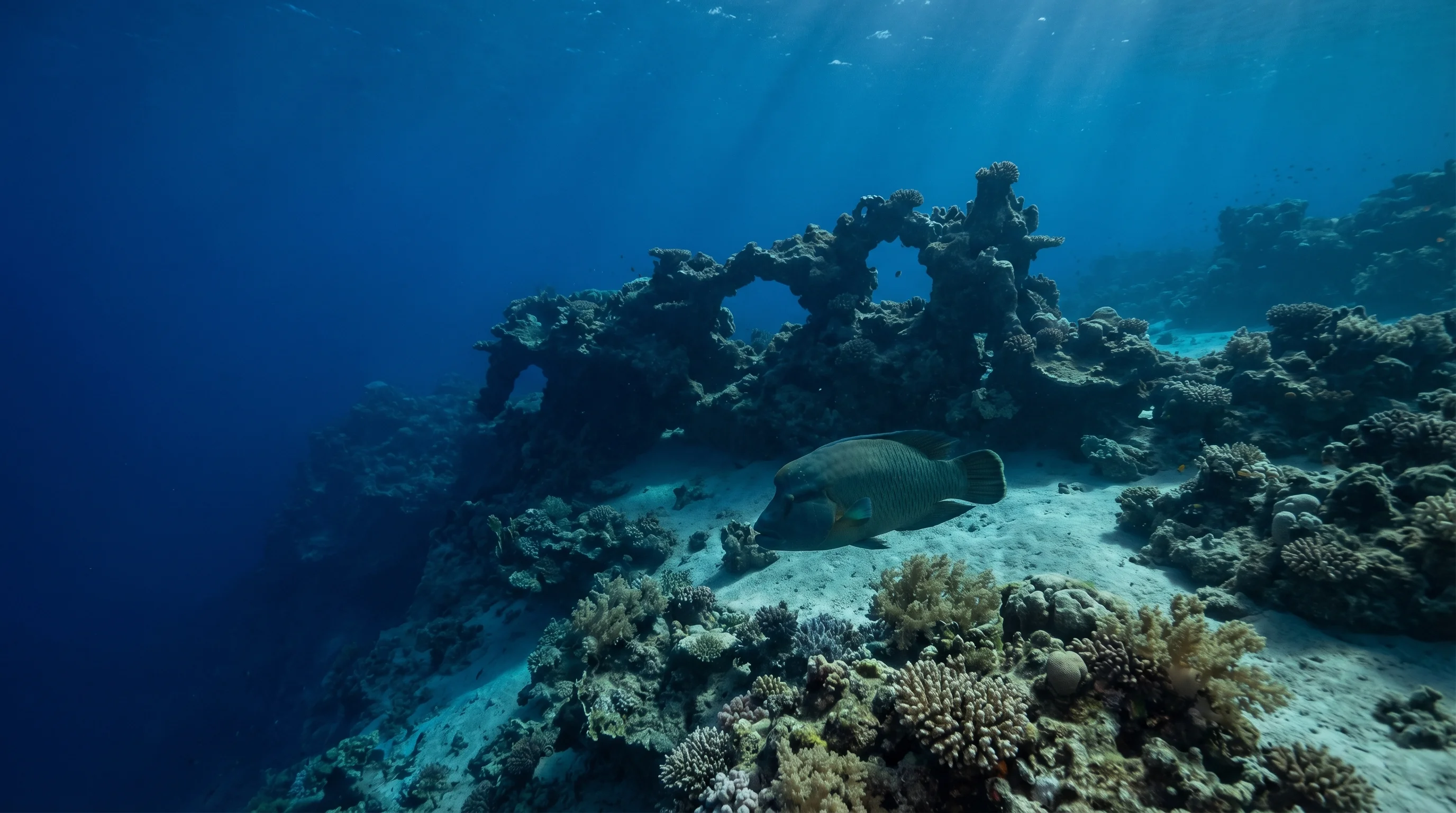
Abu Sauatir South is a diverse marine site near Safaga, Egypt, featuring a combination of reef, wall, and artificial reef structures. The topography consists of a sandy bottom that slopes gradually to a depth of 40 metres, flanked by coral gardens reaching up to 30 metres. This site is accessed exclusively by boat and is suitable for intermediate divers. Conditions typically include mild currents and visibility ranging from 20 to 30 metres. The site supports night diving and offers an average depth of 20 metres. Divers should be aware of potential hazards including sharp coral and sea urchins.
26.20592, 34.22092
Local tips coming soon
Access info coming soon
Recorded at this site
Depth
5-40m
Visibility
20-30m
Skill Level
Intermediate
Entry
Boat
Boat required
Water Temp
22-28°C
Current
Mild
Typical Dive
50 min
Best Time
Apr, Oct
No, this site is rated for intermediate divers.
The depth ranges from 5 to 40 metres, with an average depth of 20 metres.
Boat access is required for this site.
The best months to dive at Abu Sauatir South are April and October.
Yes, night diving is permitted at this location.
Diving at Abu Sauatir South in Abu Sawatir requires the following certifications: Open Water, Advanced. Always dive within your training limits.
Yes, equipment rental is available at or near Abu Sauatir South in Abu Sawatir. Contact local dive operators for specific gear availability and prices.
A 3mm wetsuit is recommended for diving at Abu Sauatir South in Abu Sawatir. Water temperatures range from 22°C to 28°C.
Divers at Abu Sauatir South in Abu Sawatir should be aware of jellyfish, stonefish. These encounters are generally rare and avoidable with proper awareness. Follow local safety guidance and maintain a respectful distance from all marine life.
Abu Sauatir South in Abu Sawatir typically has mild currents that most divers can handle comfortably.
Visibility at Abu Sauatir South in Abu Sawatir typically ranges from 20 metres to 30 metres. Conditions vary with weather, tides, and seasons.