Sufflamen verres
Grey-brown reef fish with an orange cheek patch, most reliably found around Guanacaste, Costa Rica and Baja California in 19 to 23 C water.
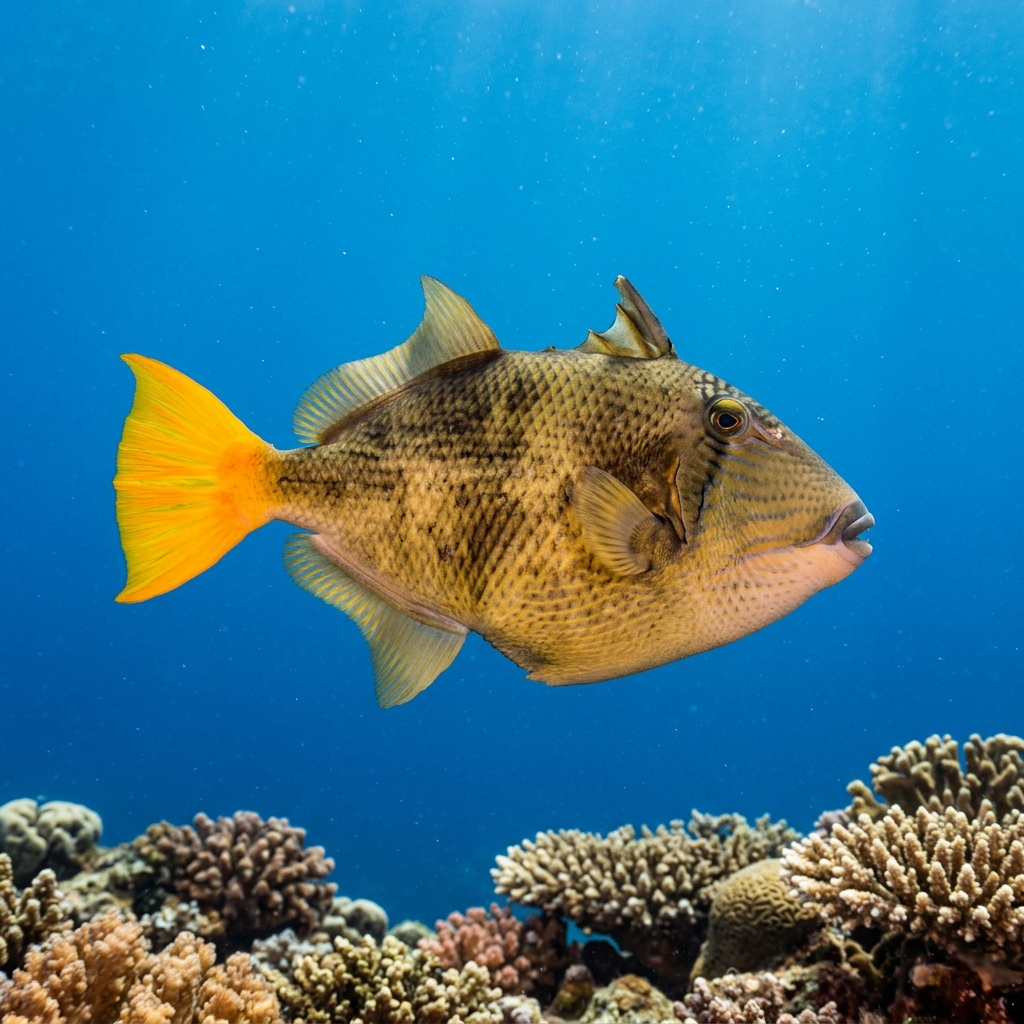
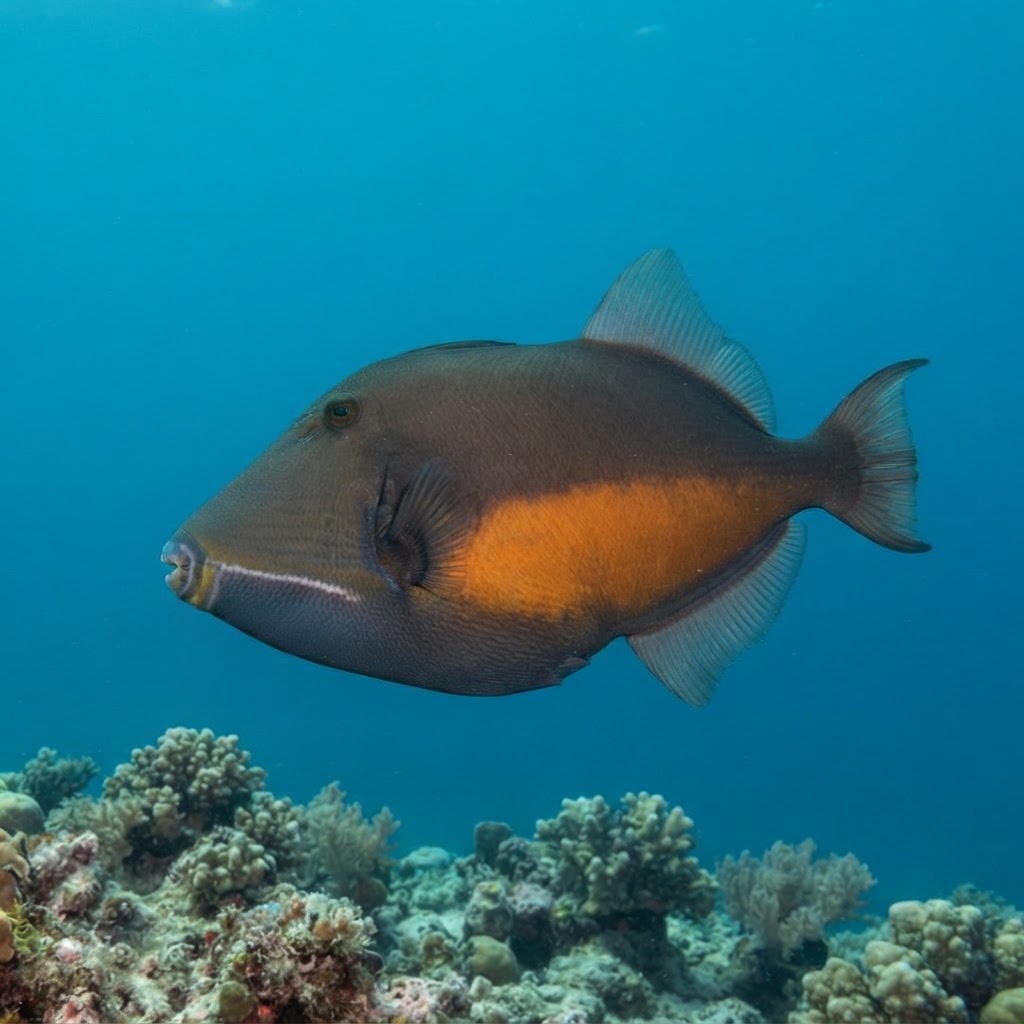
Grey to olive-brown, deep-bodied fish around 28 cm with the stiff, oval-plated look typical of triggerfish. The giveaway is the small orange to yellow patch just behind and below the eye, on the side of the head near the mouth. It has the classic triggerfish profile: a small mouth set forward on a blunt head, a single retractable spine on the back, and a body that looks almost armour-plated up close.
Usually seen alone, cruising slowly over rocky reef and rubble bottom or hovering near a cave or ledge it can retreat into. It keeps a cautious distance from divers rather than approaching, and like other triggerfish it will duck into a crevice and wedge itself in using its dorsal spine if it feels pressured. Most sightings are on the rockier, current-swept reefs typical of the eastern Pacific rather than soft coral gardens.
Triggerfish get their name from that dorsal spine: it locks upright to jam the fish into a reef crevice, and only a smaller second spine acts as the 'trigger' that releases it, making a wedged fish very hard for a predator (or a diver's hand) to pull out.
No clear seasonal pattern shows up in the data, so treat it as a year-round sighting on eastern Pacific reefs. It's logged in water from about 19 to 23 C, which covers most of the diving season across its range, so timing your trip around good conditions at a given site matters more than chasing a particular month.
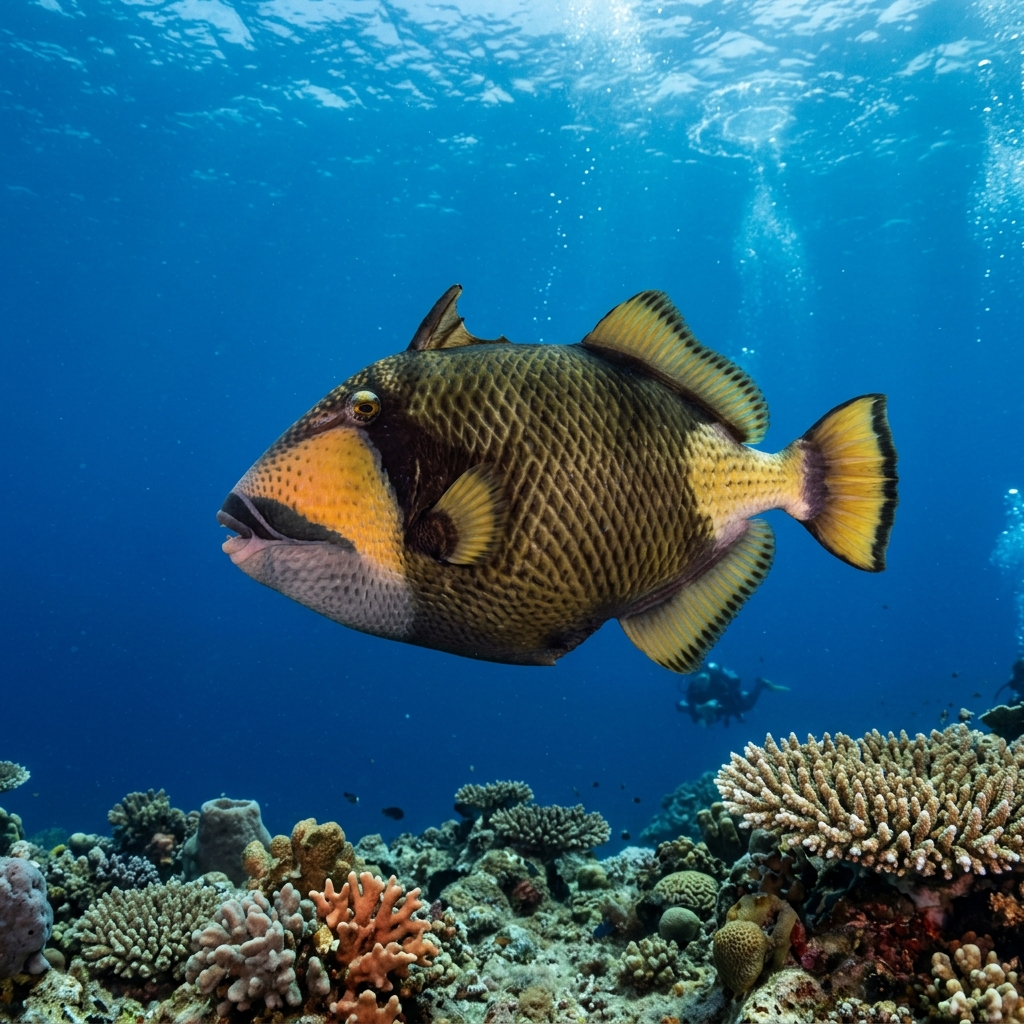
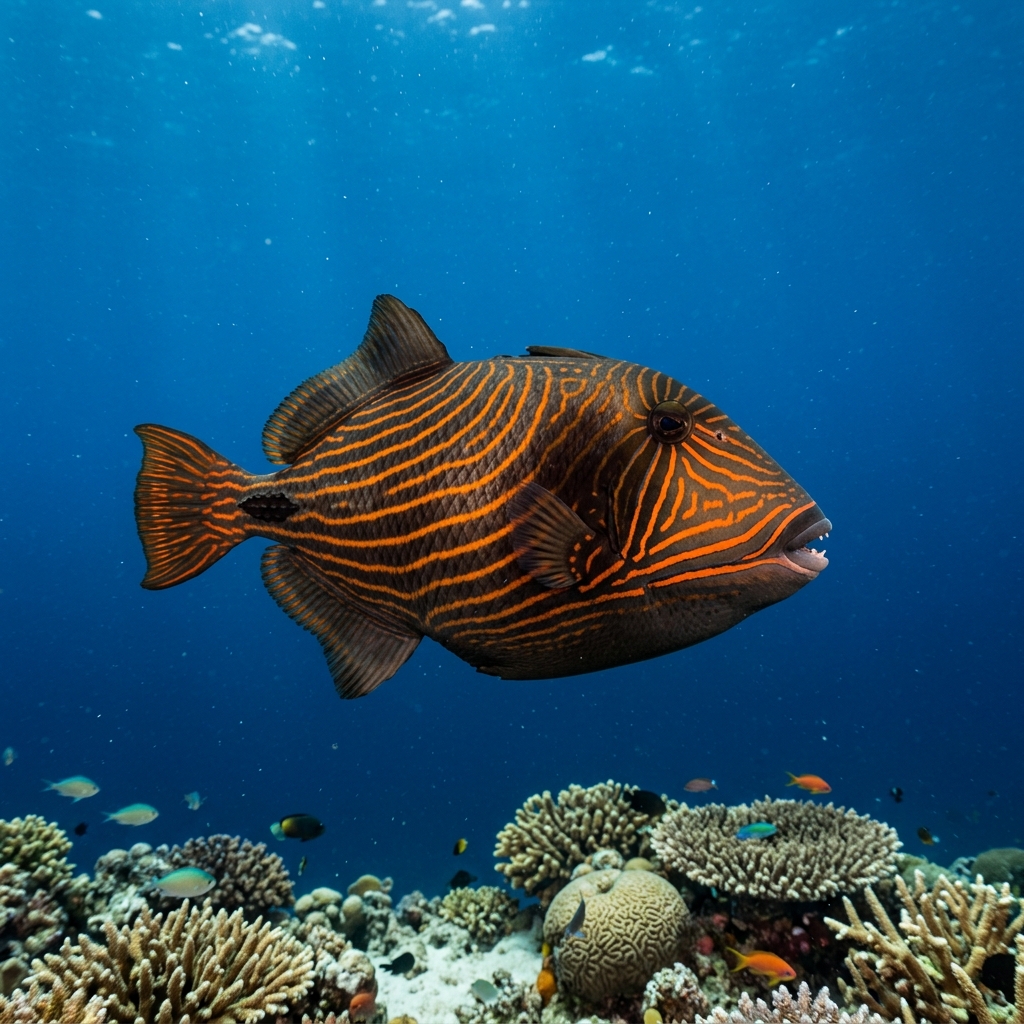
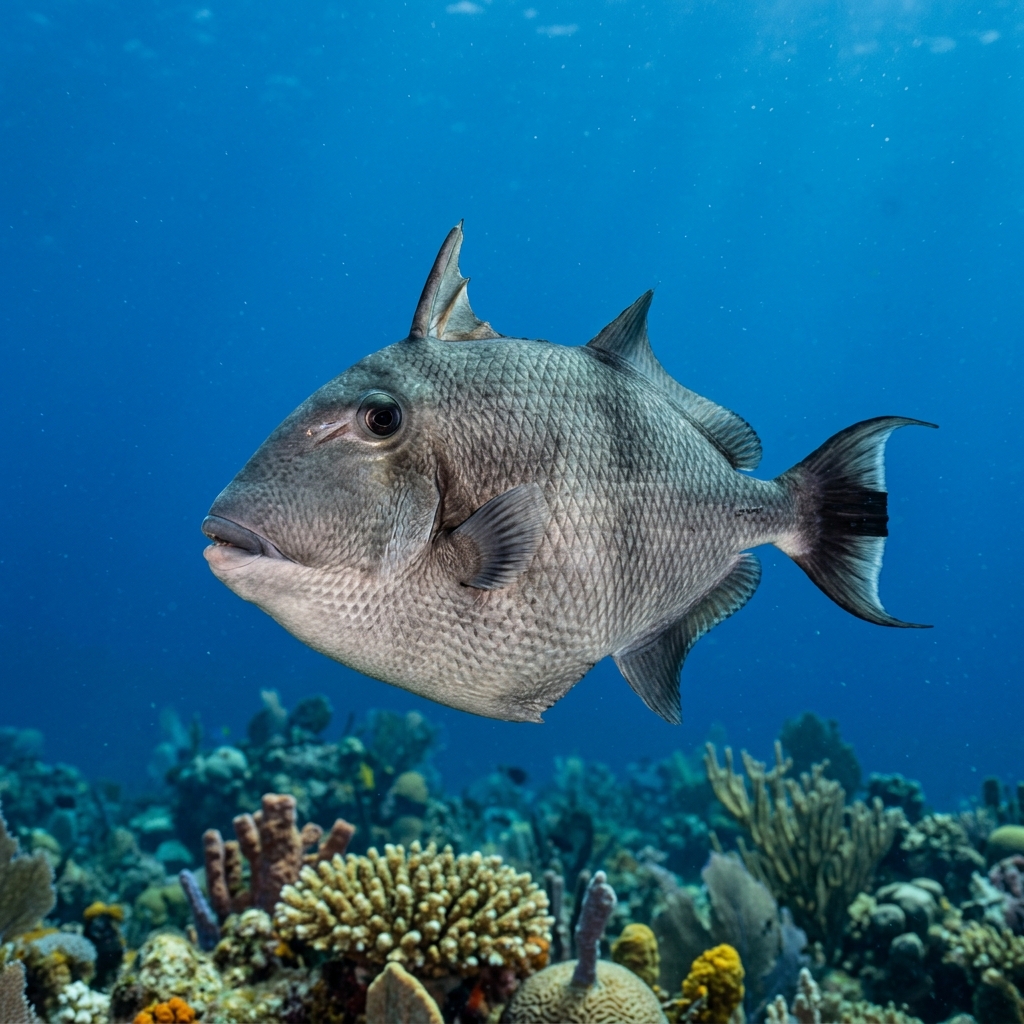
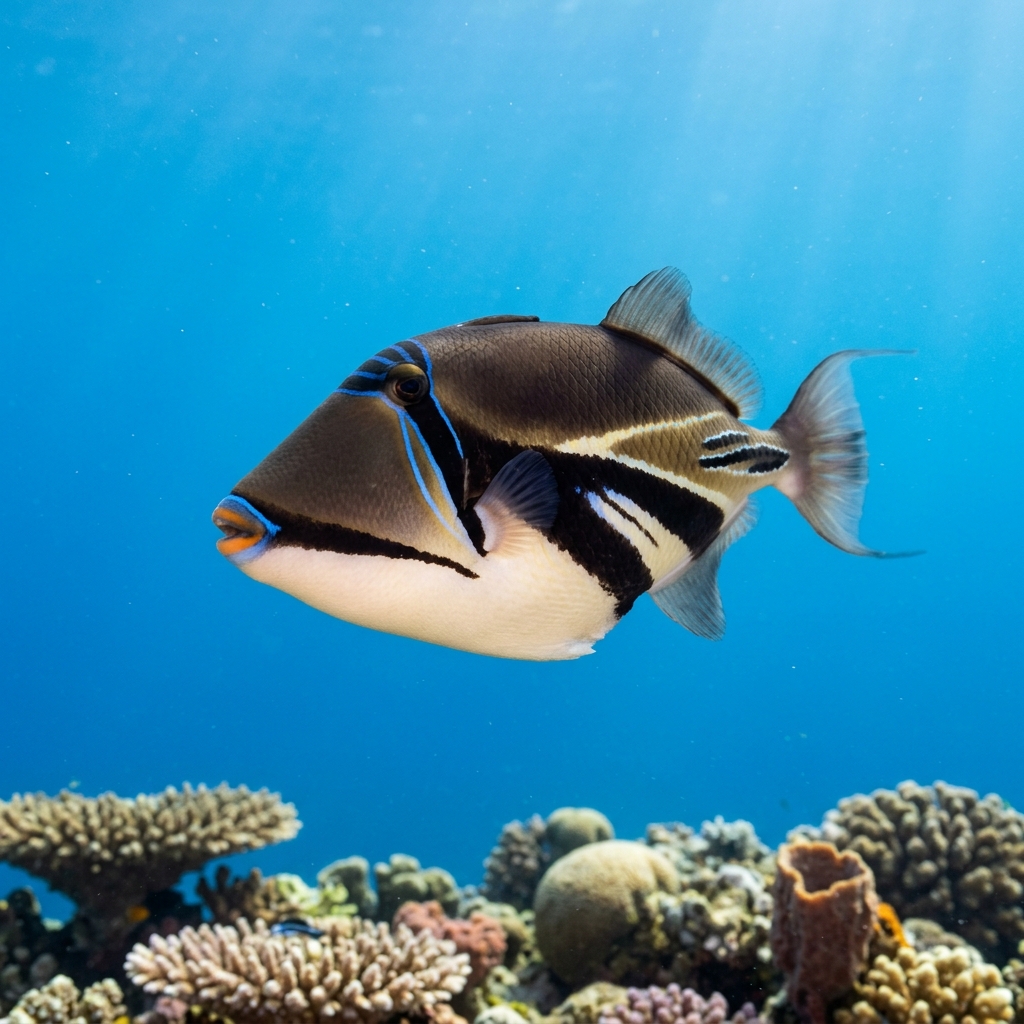
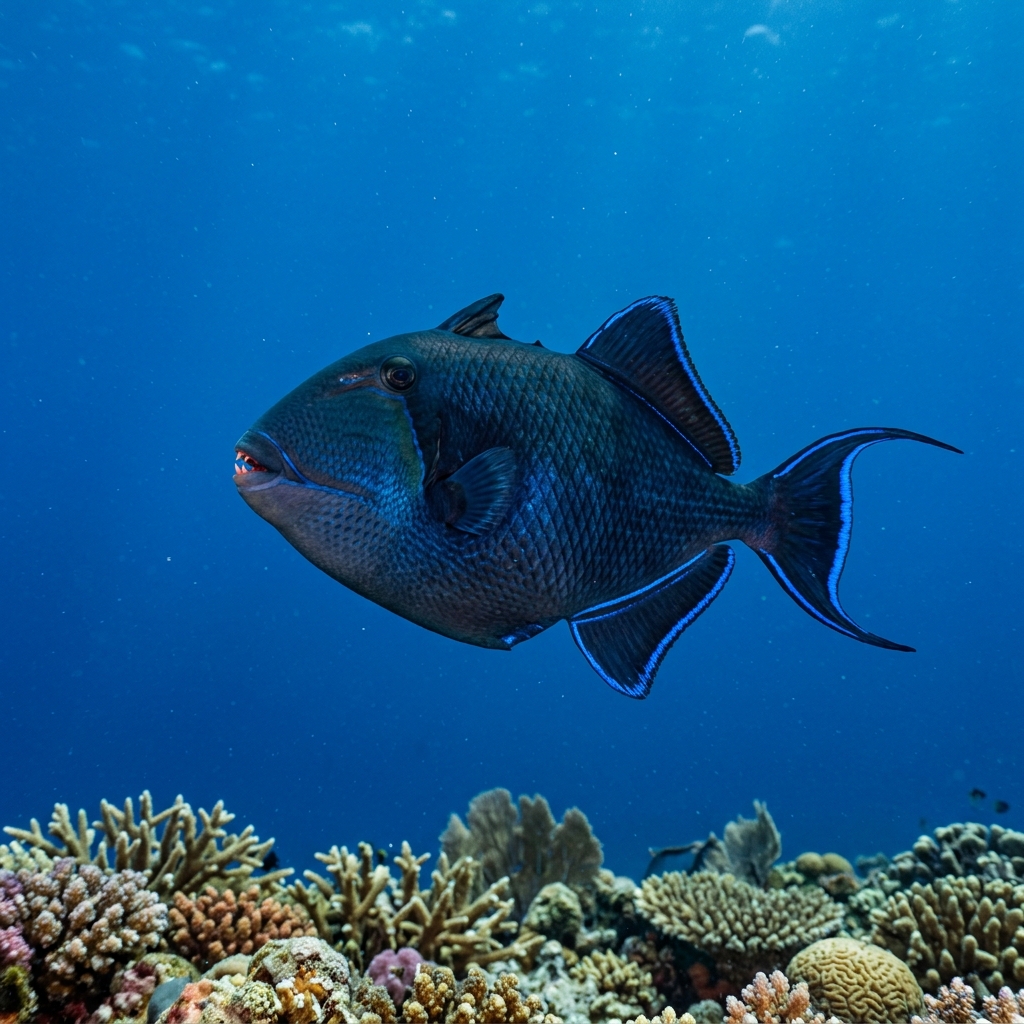
Reef neighbours a diver could mistake it for. Use the identification notes above to tell them apart.
Most consistently logged along the Pacific coast, with Guanacaste in Costa Rica and Baja California and the Pacific coast of Mexico standing out as the strongest areas. It also turns up around the Galápagos Islands in Ecuador, Cocos Island in Costa Rica, and the Pacific coast of Panama, though sightings there are patchier.
Mapping where Orangeside Triggerfish is logged…
Best chances are along the Pacific coast of Costa Rica (especially Guanacaste) and Mexico's Baja California and Pacific coast. It's also seen around the Galápagos Islands, Cocos Island, and Panama's Pacific coast.
There's no strong seasonal pattern, so it's considered a year-round sighting. It's typically found in water between 19 and 23 C, which lines up with normal diving conditions across its eastern Pacific range.
Look for a grey-brown, deep-bodied fish around 28 cm with a small orange patch on the cheek near the mouth. The blunt head, small mouth, and stiff-plated body are typical triggerfish traits shared with lookalikes, so the cheek patch is the key mark.
They typically reach around 28 cm in length, a fairly average size for a reef-associated triggerfish.
No, they're not considered dangerous to divers. Like most triggerfish they'll keep their distance and retreat into reef crevices rather than confront a diver.
It can lock its dorsal spine upright to wedge itself into a crevice when threatened, using a second smaller spine as the release mechanism. This makes a sheltering triggerfish surprisingly difficult to dislodge.
Site and sighting data is aggregated from diver logs, iNaturalist and GBIF. For taxonomy and conservation status:
Lagoon Triggerfish
2,435 sites