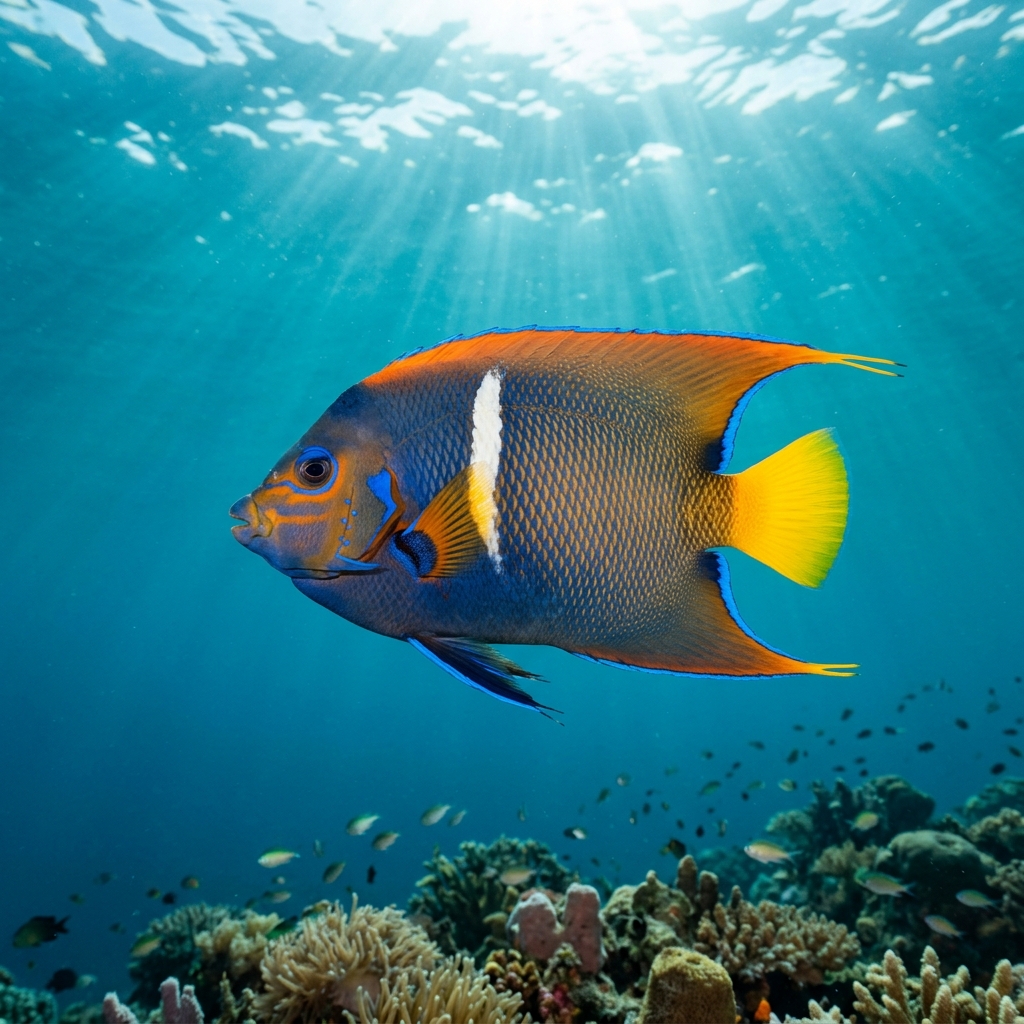
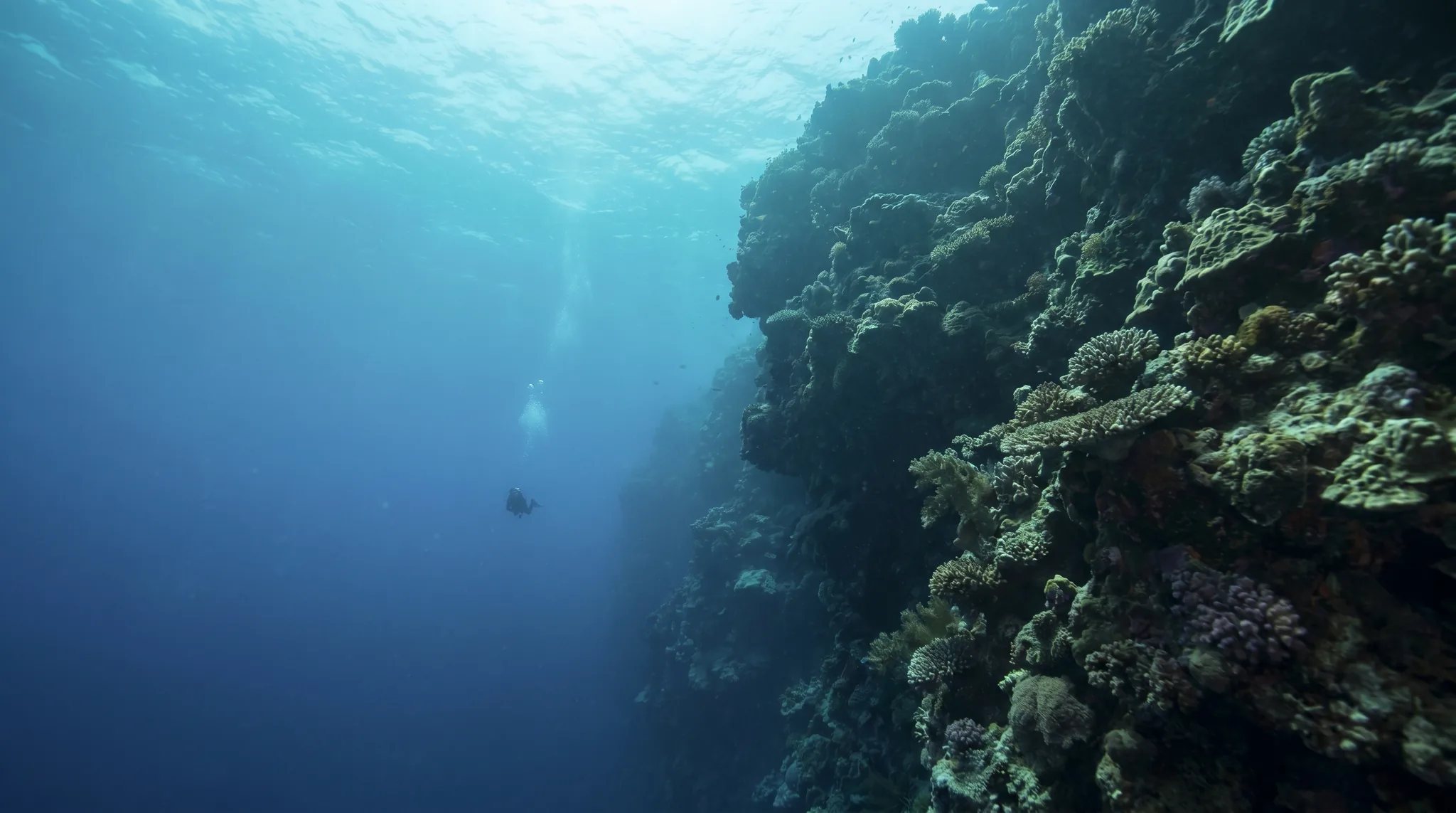
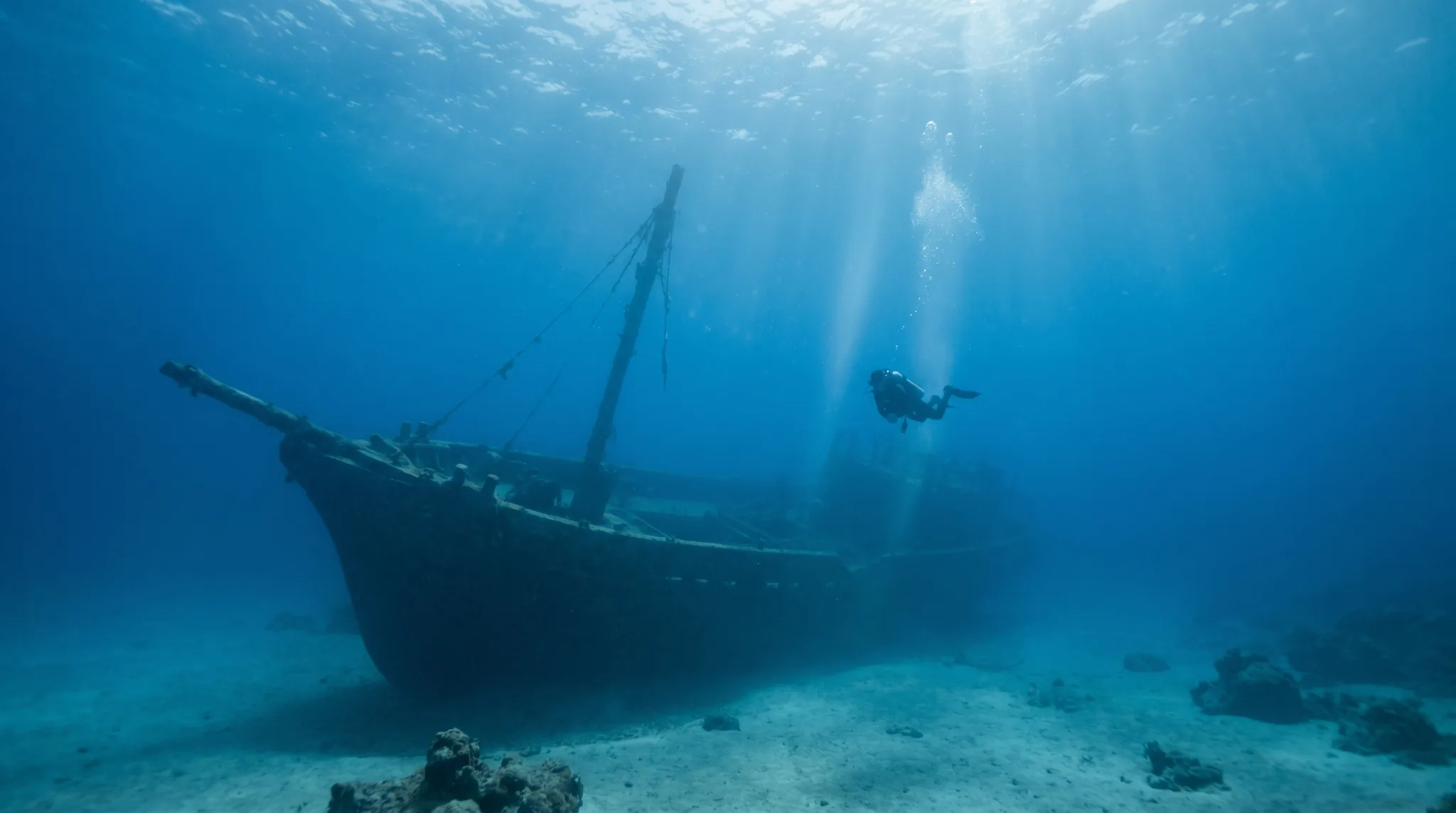
Tortuga Island packs a varied underwater landscape into a compact area: reefs, walls, caves, caverns, pinnacles, wrecks and artificial structures give divers plenty to explore across a wide range of depths. Most sites suit beginners, though La Chancha steps things up for intermediate divers. Grouper and Sally Lightfoot Crab are seen across virtually every site, while Cortez Angelfish and King Angelfish are the area's signature species. Occasional encounters with Humpback Whale, Oceanic Manta Ray and Whale Shark add real excitement.

Monthly water temperature across Tortuga Island's sites, from satellite sea-surface data corrected for depth. The band shows the site-to-site spread.
Water stays consistently warm throughout the year, with the temperature dipping only slightly in November. Visibility and overall conditions are rated most favourably from January through April and again in December, coinciding with the drier part of the year. From June through October conditions are more variable, and divers at sites like La Chancha should be prepared for moderate currents.
7 operators
Puntarenas, Costa Rica
Costa Rica
12 more sites to explore
Water temperature around Tortuga Island ranges from about 27°C in November to 29°C in January, based on satellite sea-temperature data for its dive sites.
With water around 27–29°C, a rash guard or 3mm shorty works in Tortuga Island year-round.
Fin maps 17 sites in Tortuga Island (13 scuba diving sites and 6 snorkelling spots, with some suited to both).
Across Tortuga Island's dive sites, January, February, March, April, May and December are most often reported as the best months to visit.
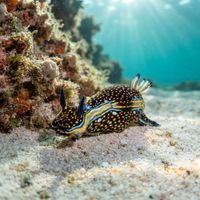
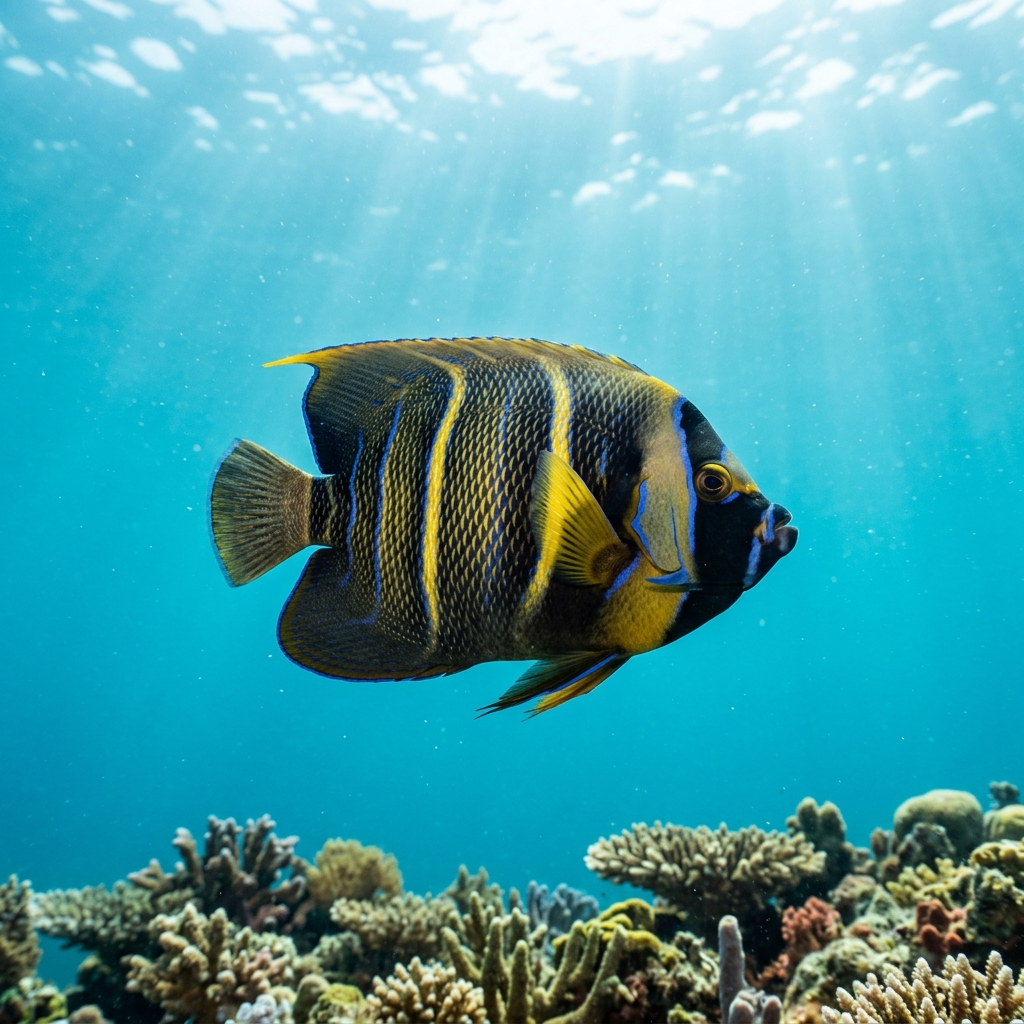
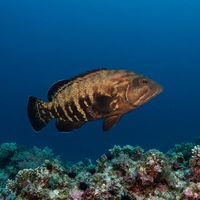
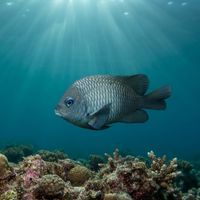
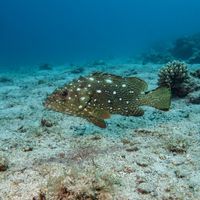
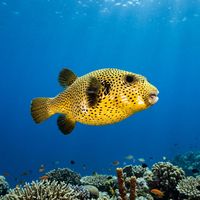
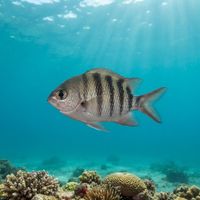
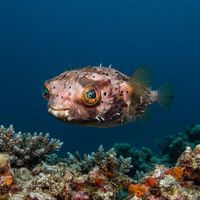
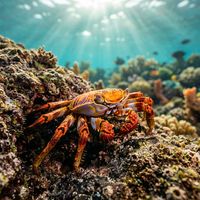
Grouper and Sally Lightfoot Crab are observed across virtually all sites, making them reliable sightings on any dive. Cortez Angelfish and King Angelfish are the area's signature species, and Guineafowl Puffer, Rock Cod and White-spotted Puffer are also commonly encountered. Less frequent but recorded sightings include Grey Reef Shark, Spotted Eagle Ray, Oceanic Manta Ray, Humpback Whale and even Whale Shark.
The majority of sites here are rated for beginners, including the shallow reef at Pesebre and the cave and cavern diving at Herradura. Even the topographically varied Herradura Island site, which includes walls and drop-offs, is classed as beginner-friendly. La Chancha is the main exception, sitting at intermediate level due to moderate currents.
Almost all dive sites are reached by boat, which is the standard approach for the reefs, caves and deeper sites in the area. The main Tortuga Island site is a useful exception, offering both boat and shore entry options. Operators including Jaco Guides dive shop, Buceo Costa Rica and Undersea Hunter run trips to the area.
The area covers a broad range of underwater terrain: natural reefs, walls, caves, caverns, pinnacles, wrecks and artificial reef structures all feature across the site mix. Shallow sites like Pesebre suit snorkellers and new divers, while deeper reef and pinnacle sites provide more challenge. This variety means divers can return multiple times and experience quite different dives each time.