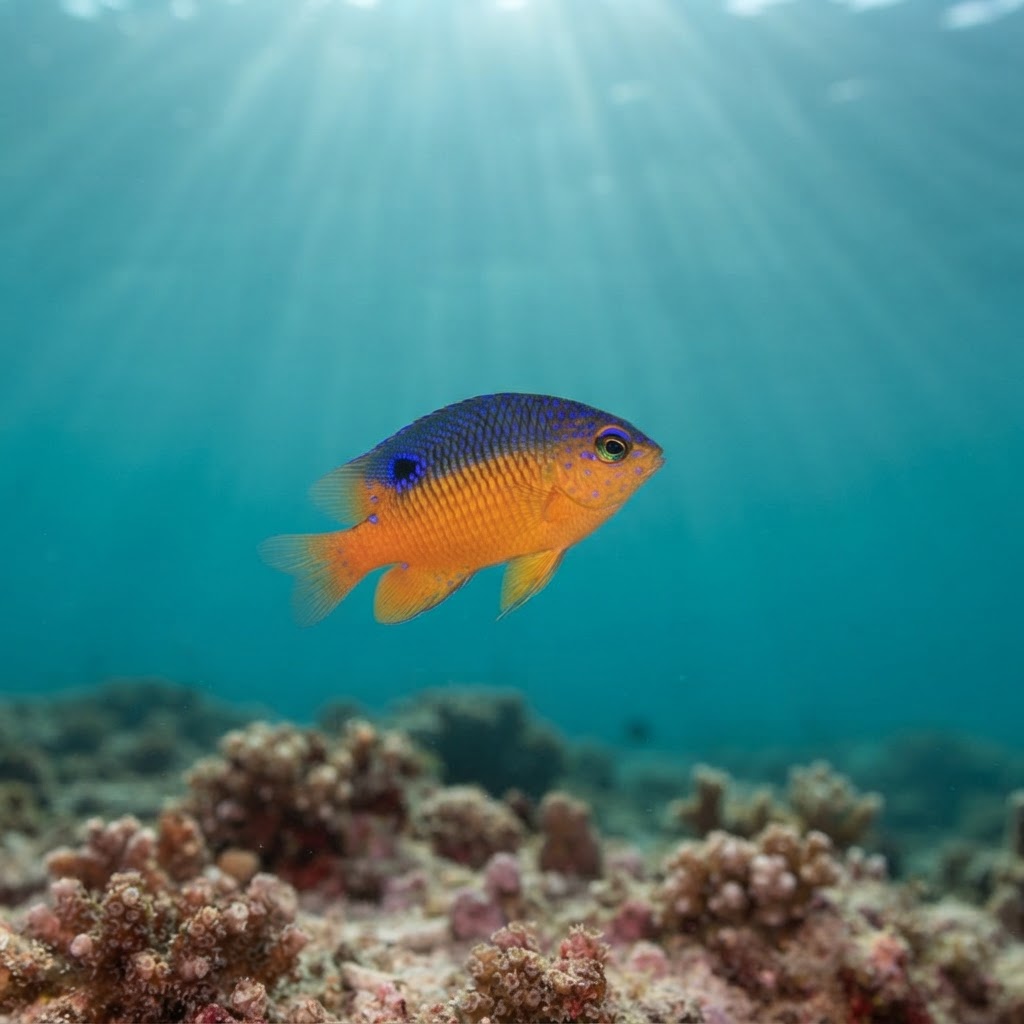
Stegastes flavilatus
Beaubrummel damselfish turn up year-round on shallow Pacific reefs from Baja California to Guanacaste, comfortable in 23.5-28.7C water.
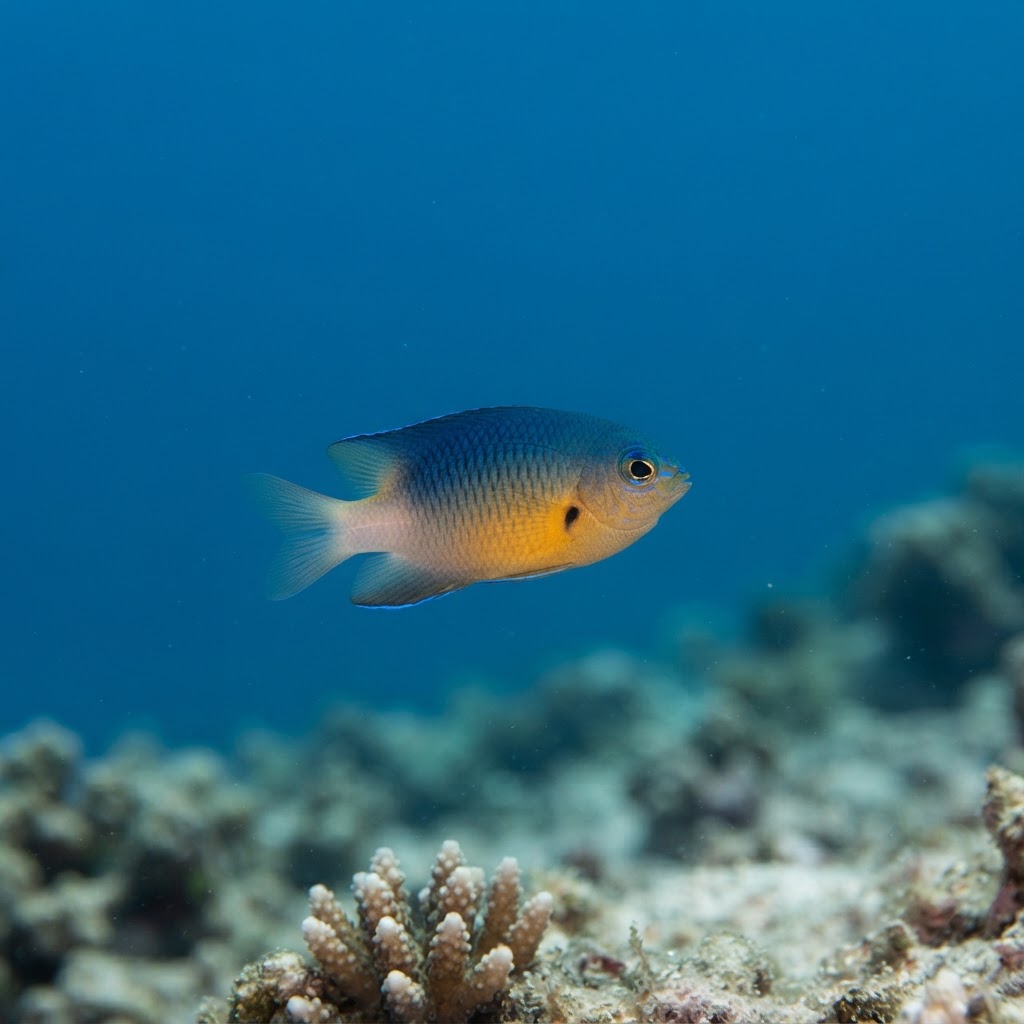
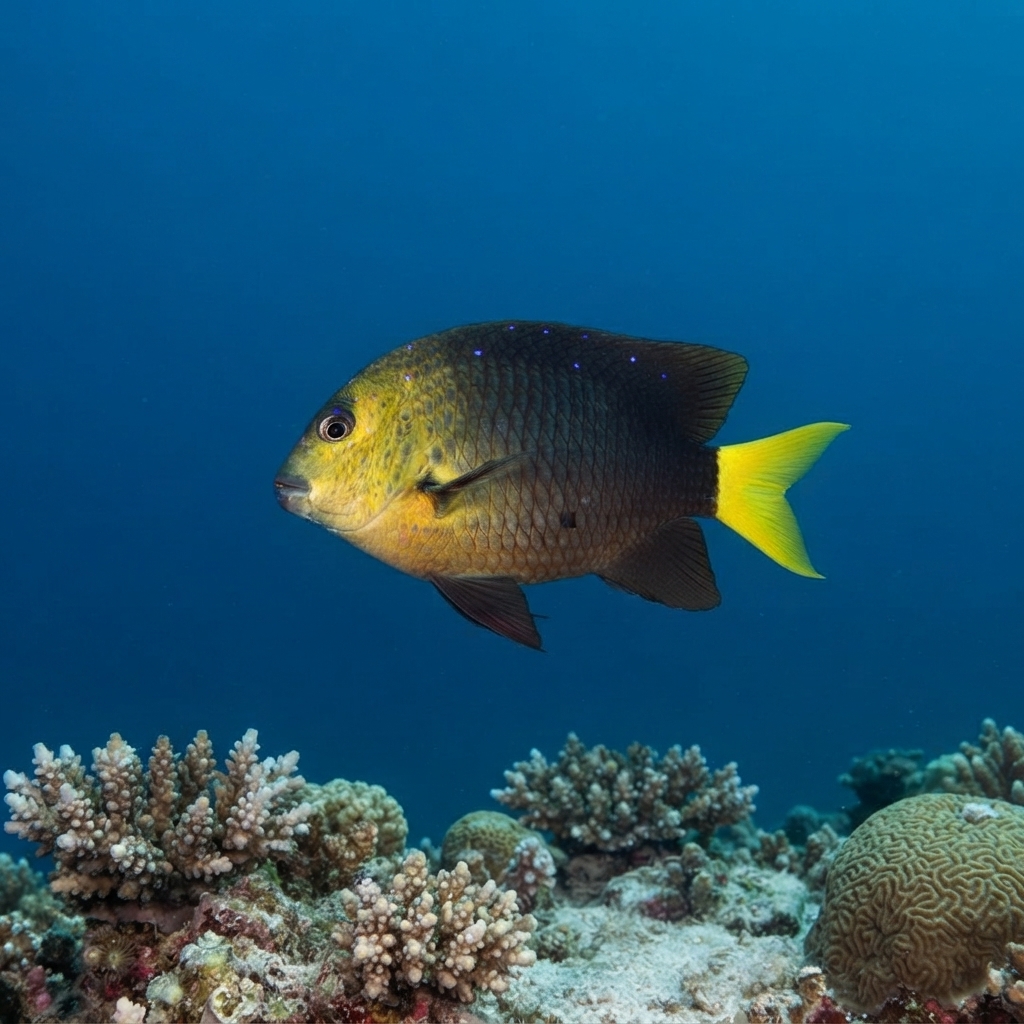
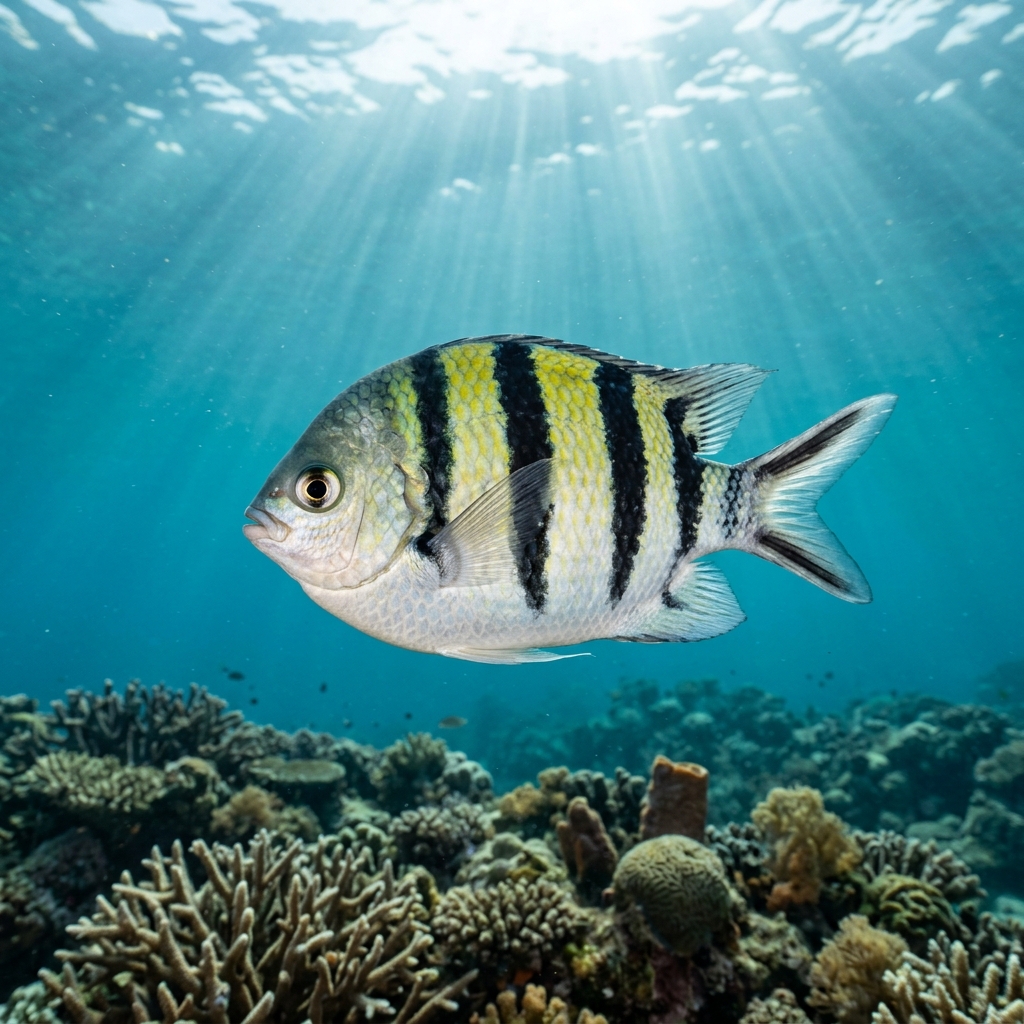
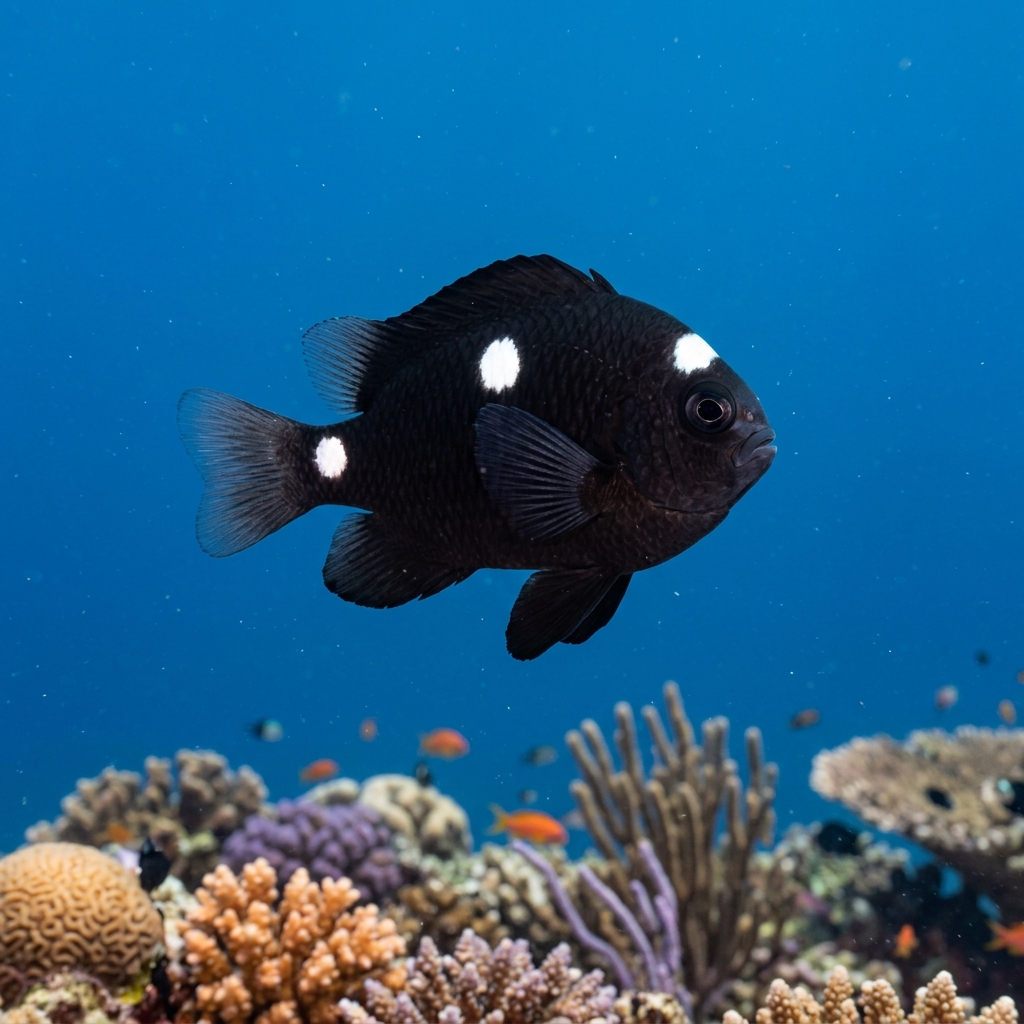
A small, oval-bodied damselfish, rarely more than 7cm, with a dusky brown to olive body that fades into a yellow tail base and tail fin. Look for the plain, unbanded body shape close to the reef and the contrast between the darker front half and the lighter rear half. It stays low over rock and reef structure rather than schooling in open water, which helps separate it from similar-sized reef fish sharing the same habitat.
Divers typically find it holding a small patch of rock or reef in shallow water, rarely straying far and often facing off with other damselfish over the same few square metres. It feeds by picking at algae growing on rock and coral rubble, sticking close to cover rather than venturing into open water. Most sightings happen in the shallows within 10 metres, where it is easy to approach slowly without it bolting.
Like many damselfish, it defends a patch of algae-covered rock as a farmed feeding territory and will chase off other herbivorous fish that try to graze there.
Sightings show no detectable seasonal pattern, so treat this as a year-round encounter on the sites where it occurs. Its comfortable range of 23.5 to 28.7C matches Eastern Pacific reef temperatures for most of the year, which explains the steady, non-seasonal logging.
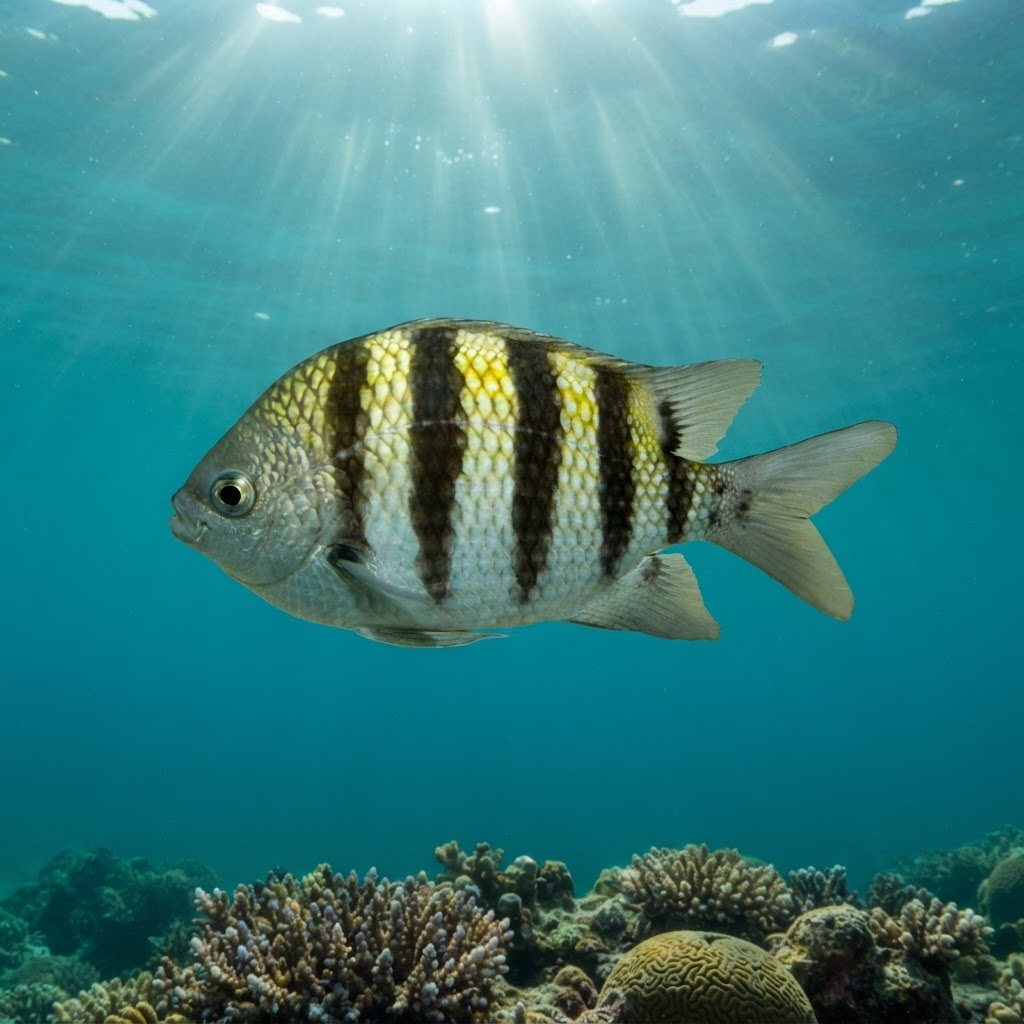
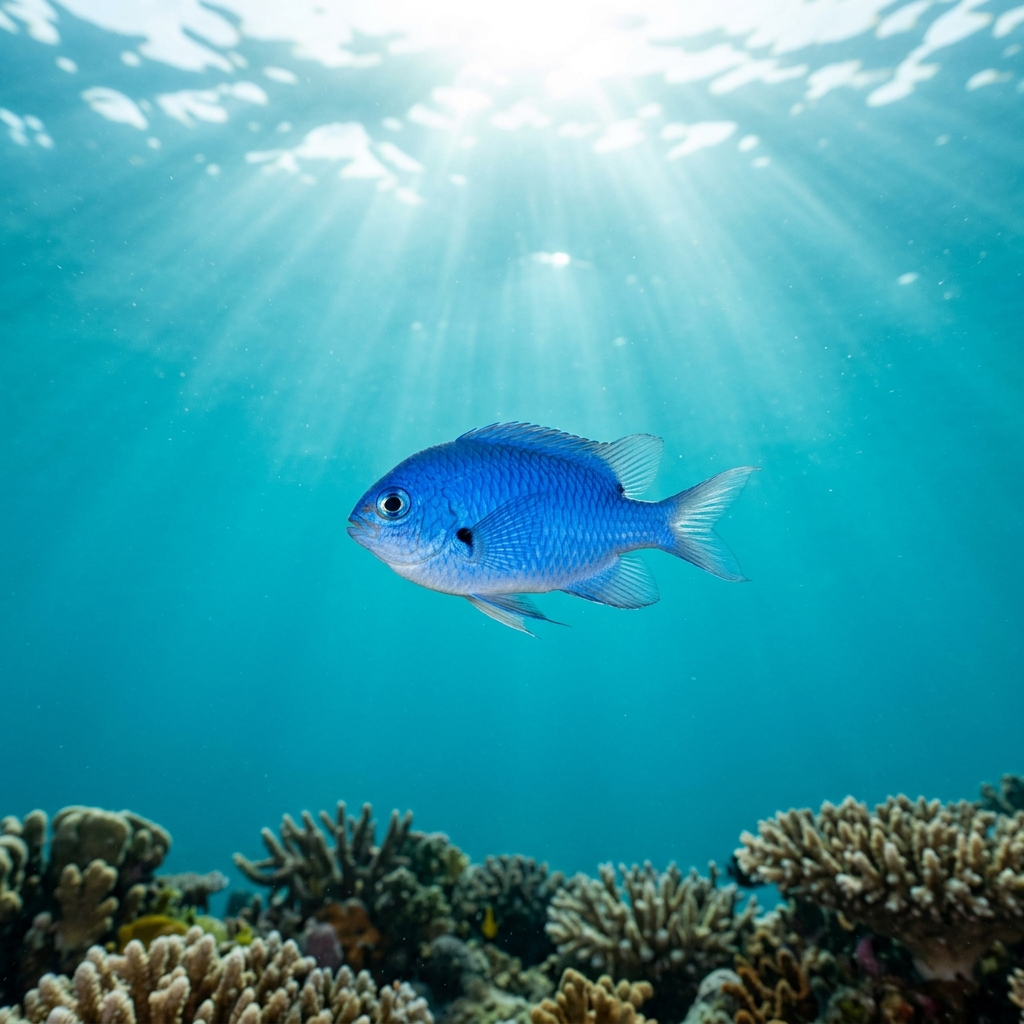
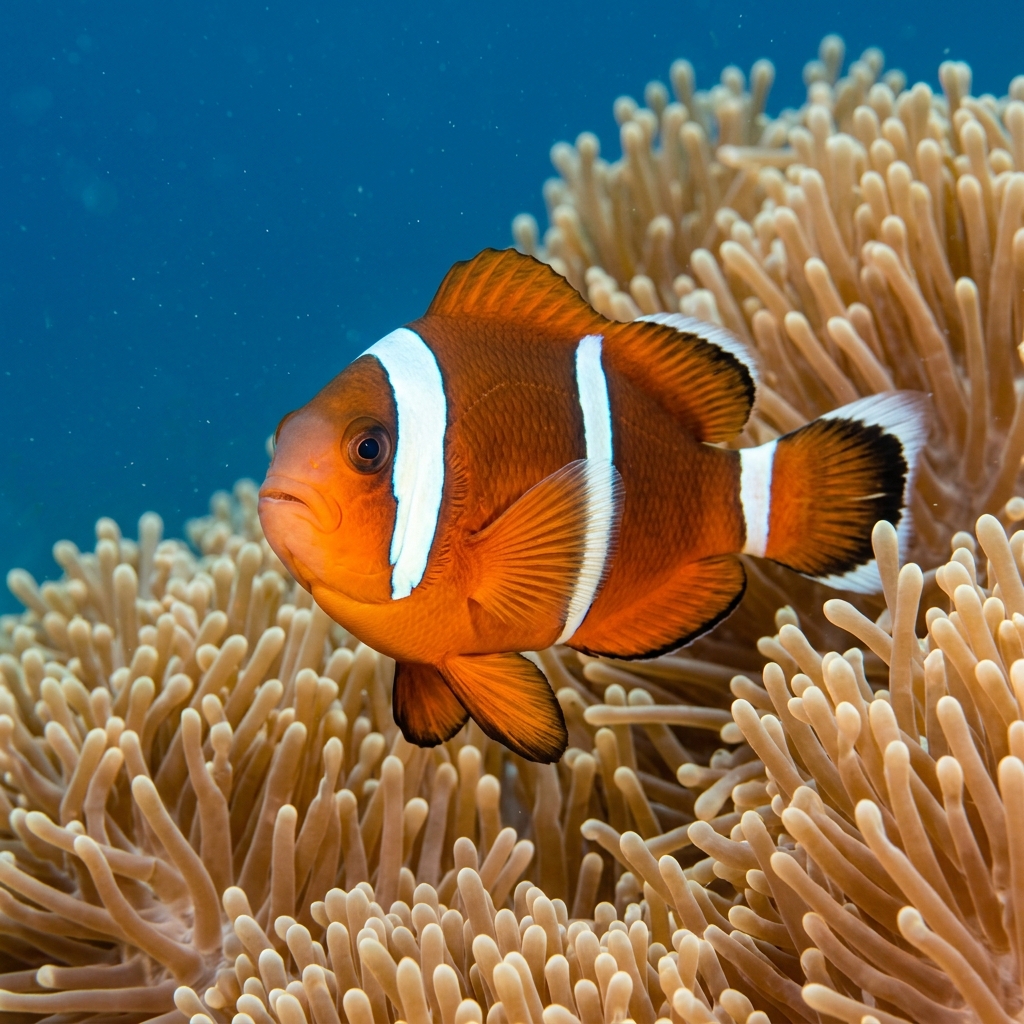
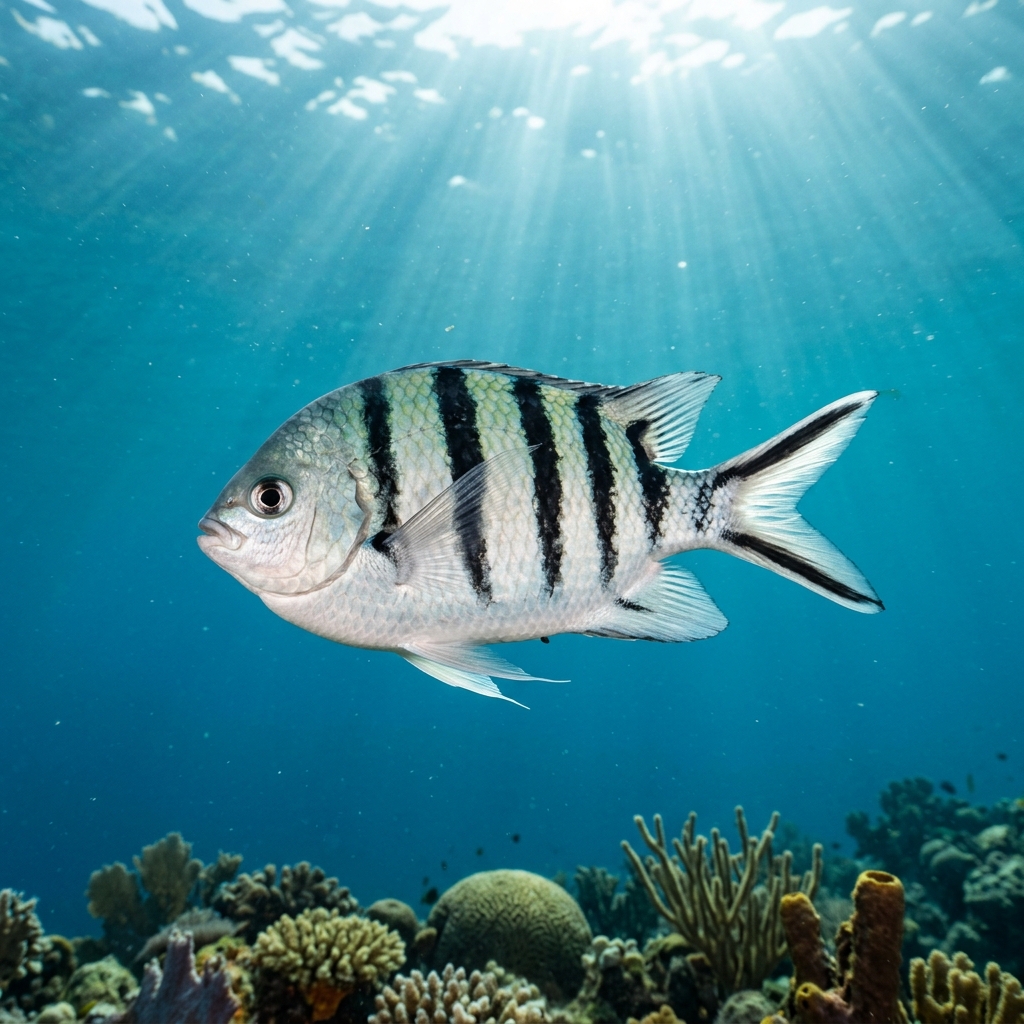
Reef neighbours a diver could mistake it for. Use the identification notes above to tell them apart.
This is a reliable sighting across the Eastern Pacific, most consistently logged in Mexico, particularly along the Pacific Coast and Baja California, and in Costa Rica's Guanacaste and Central Pacific regions. Panama's Pacific Coast also holds a steady presence, making the species a fixture of shallow rocky and reef habitat from Baja down through Central America.
Mapping where Beaubrummel is logged…
It shows up most reliably in Mexico, especially along the Pacific Coast and Baja California, and in Costa Rica's Guanacaste and Central Pacific regions. Panama's Pacific Coast also holds a steady population in shallow rocky reef habitat.
There is no strong season for this species, so it can be seen year-round wherever it is found. It favours water between 23.5 and 28.7C, which covers most of the year on Eastern Pacific reefs.
Look for a small, oval damselfish under 7cm with a dusky brown-olive body that lightens toward a yellow tail base and tail. It stays close to shallow rock and reef structure rather than schooling in open water.
They are a small damselfish, typically reaching around 7cm in length. That compact size and their habit of hugging the reef make them easy to overlook at first glance.
No, this species poses no danger to divers. It is a small, territorial herbivore that may dart at other fish but has no interest in humans.
It maintains a small algae patch on the reef as a personal feeding ground and actively chases away other herbivorous fish that try to graze there. Watching these territorial skirmishes over a patch of rock is one of the more entertaining small-reef-fish behaviours to spot.
Site and sighting data is aggregated from diver logs, iNaturalist and GBIF. For taxonomy and conservation status:
Dascyllus
3,697 sites