Cephalopholis panamensis
Small reef grouper logged across Baja California and Guanacaste, Costa Rica, in water from 18 to 26C, year-round on Pacific rocky reefs.
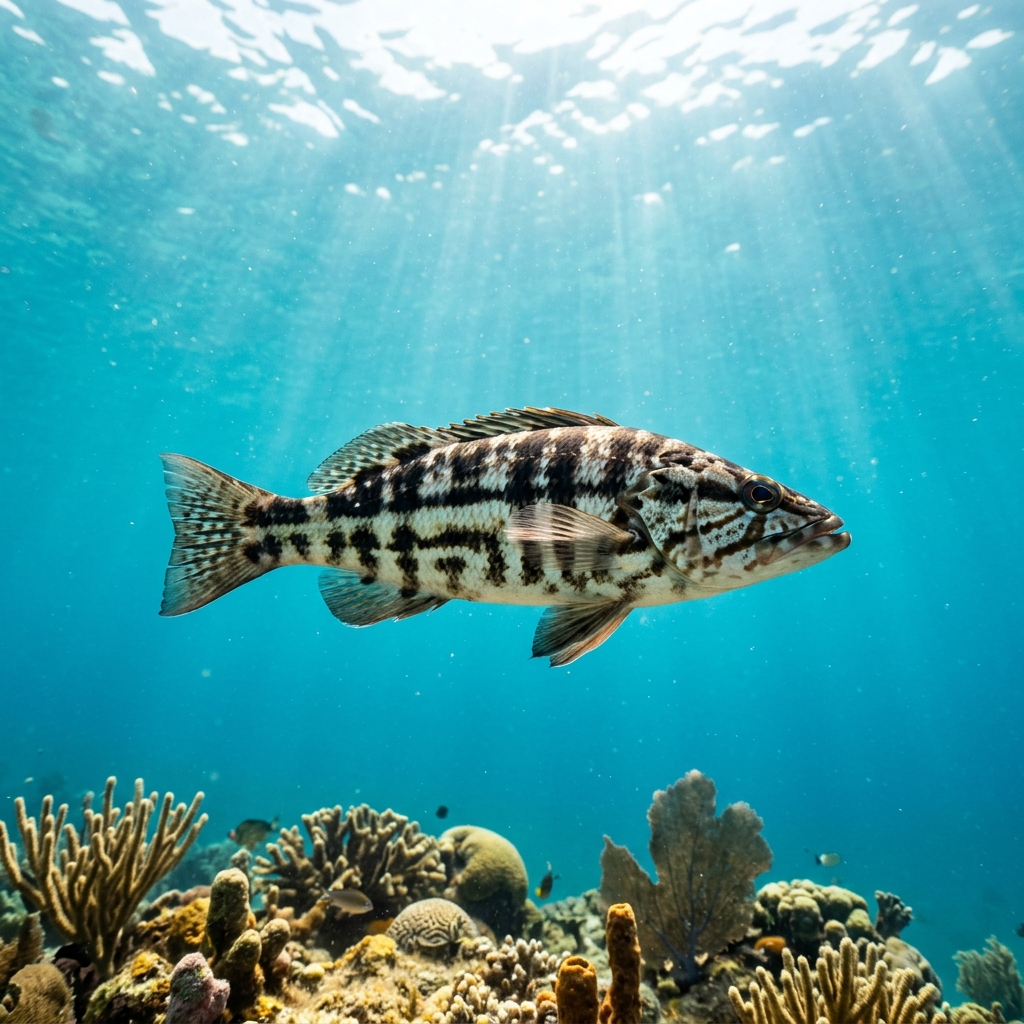
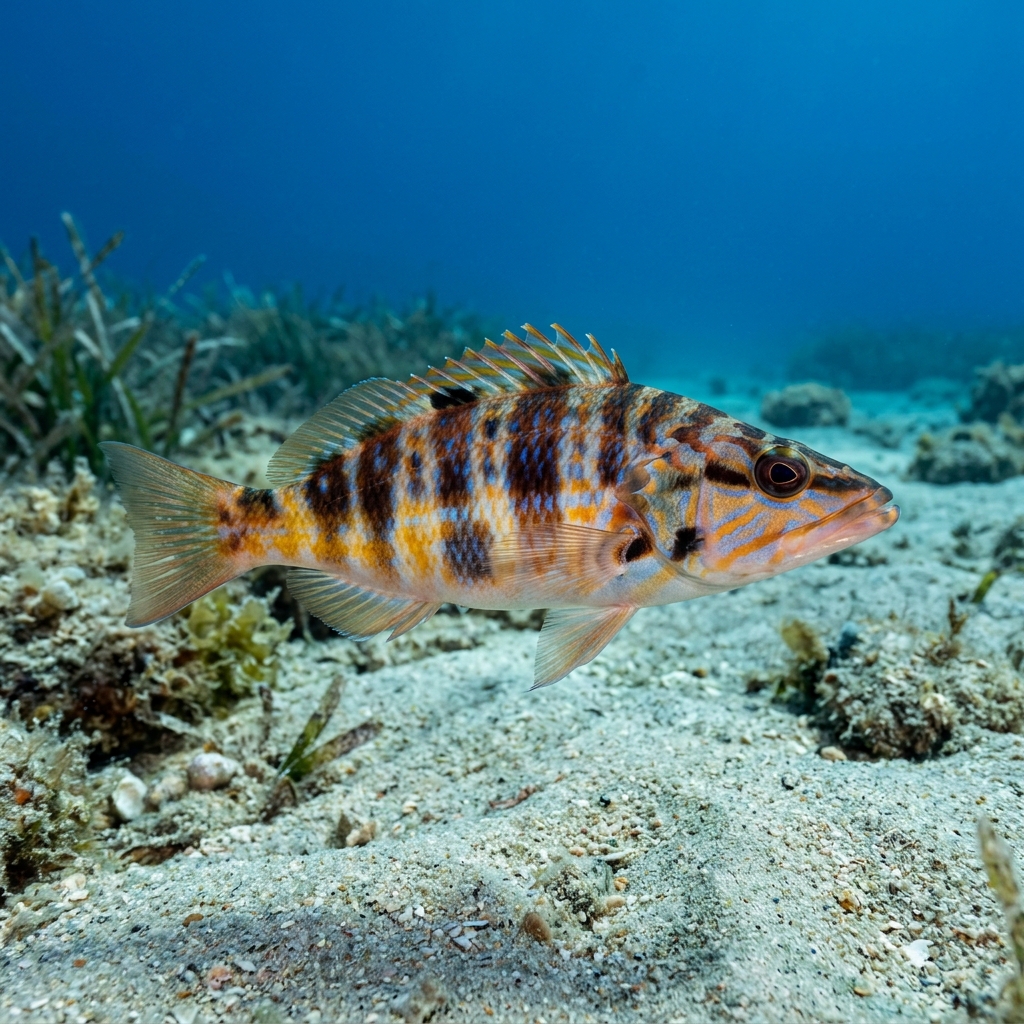
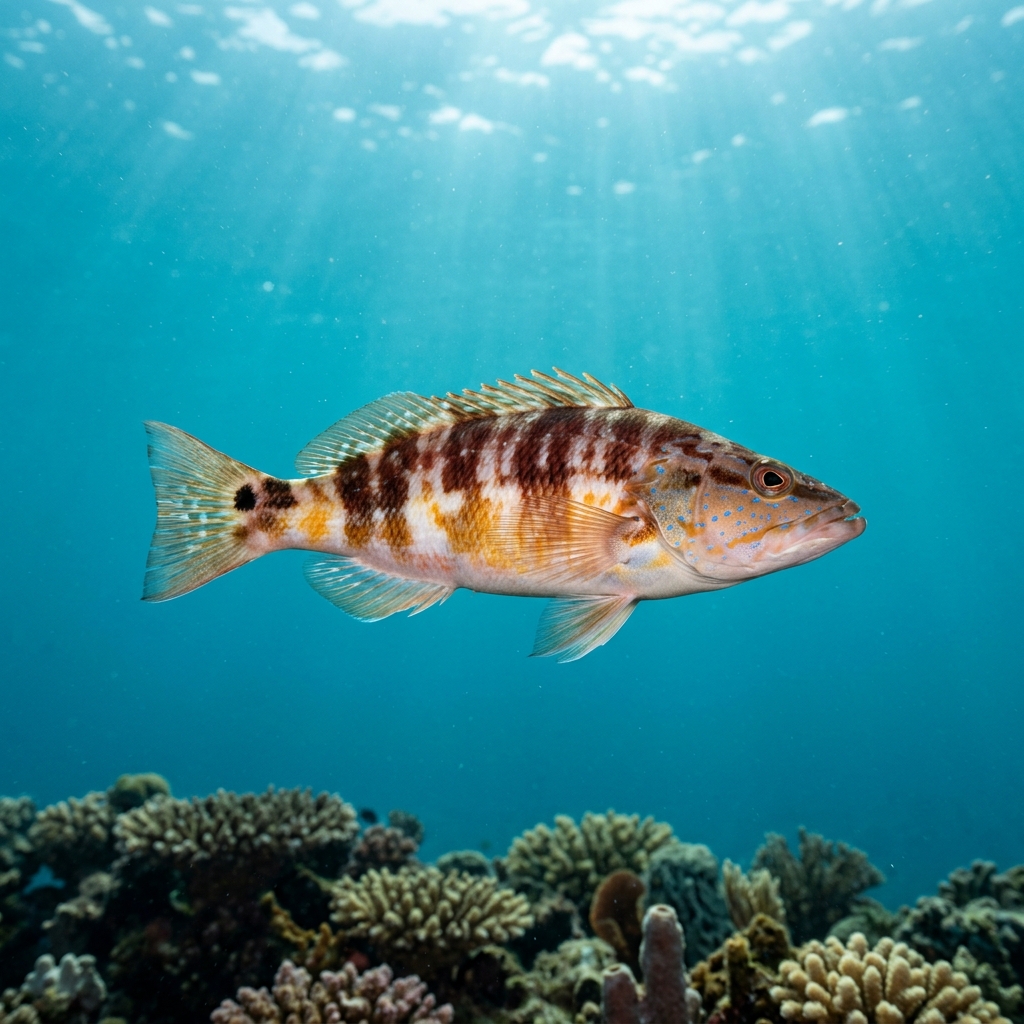
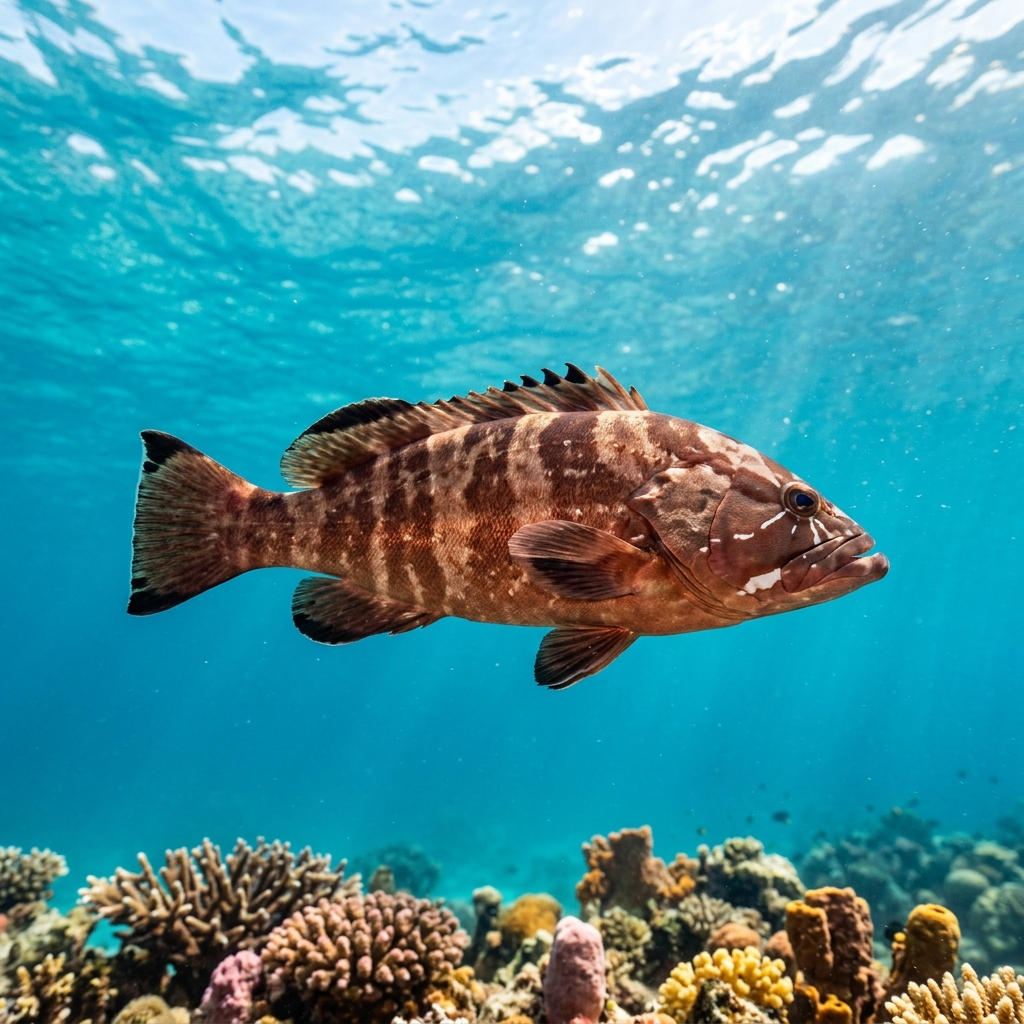
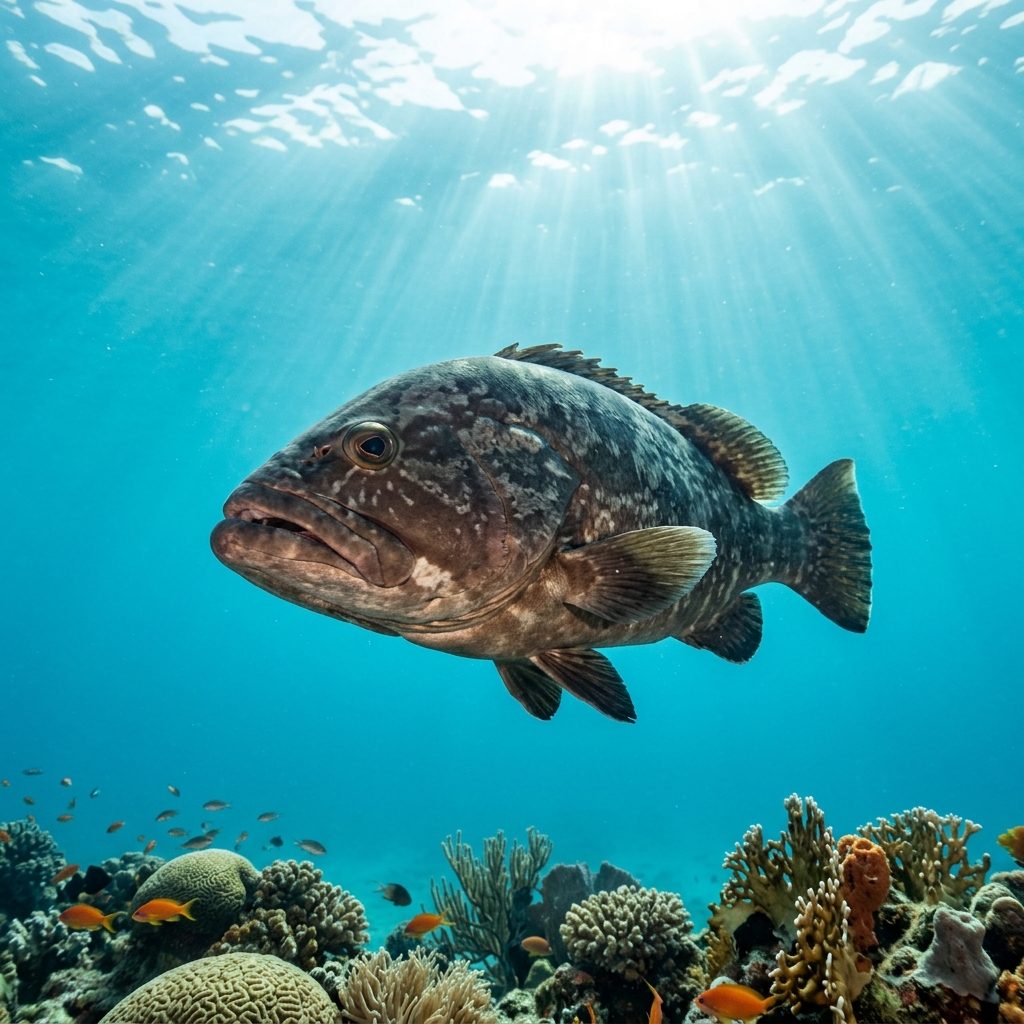
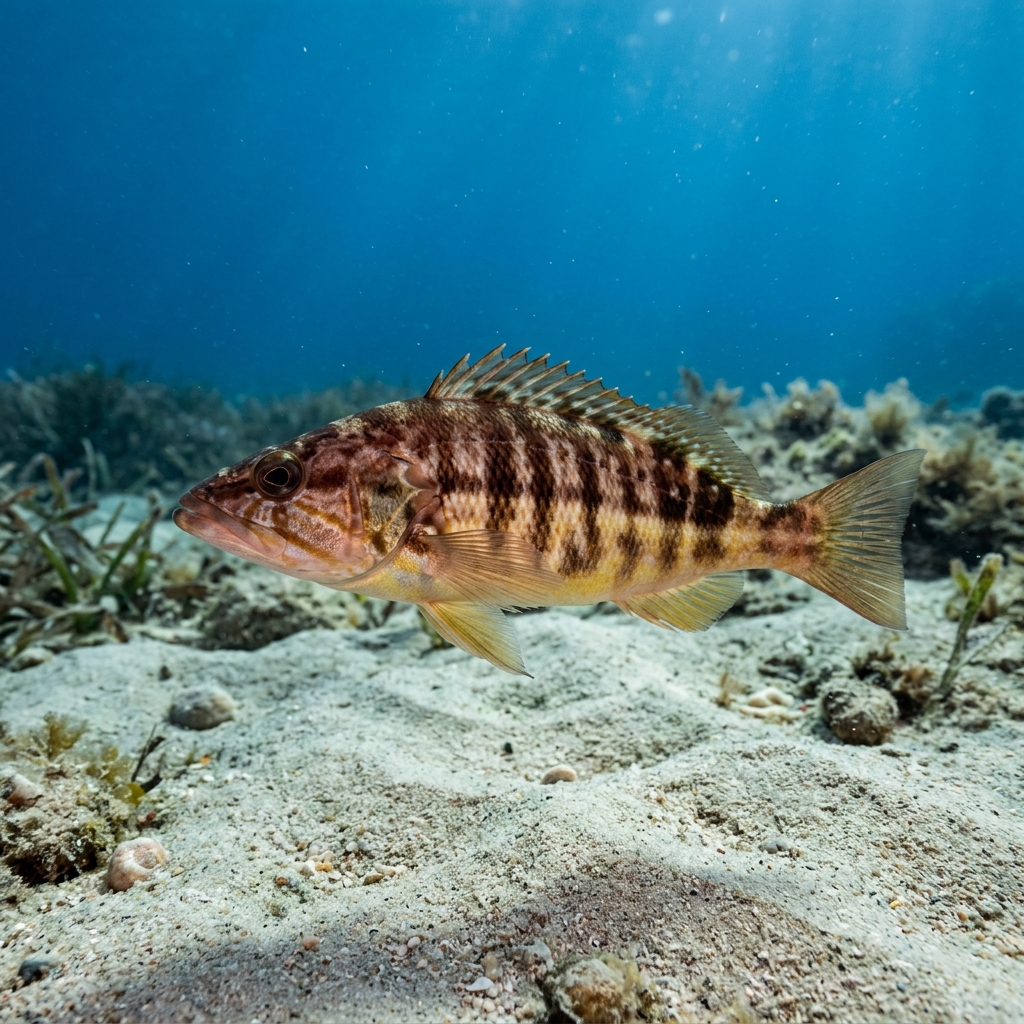
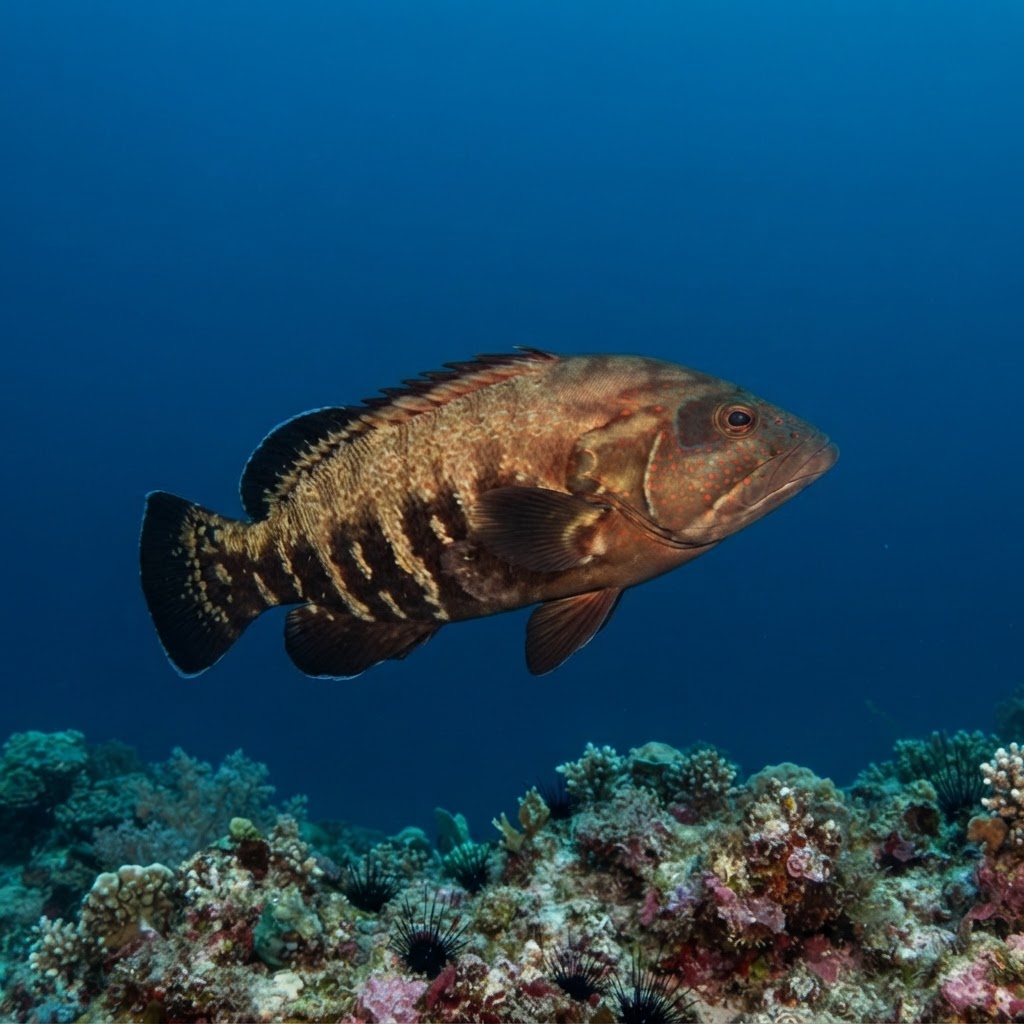
Small, stocky grouper reaching around 27 cm, with a mottled reddish-brown to grey-brown body covered in darker blotches that break up its outline against rock and reef. It has the classic grouper build: a big head, thick lips, and a slightly humped back, usually seen hovering close to a ledge or crevice rather than out in open water. Look for pale spots scattered over the flanks, which help separate it from plainer-bodied reef fish sharing the same rocky terrain.
Divers typically find it holding still near a rock ledge, overhang, or crevice, using the terrain as cover rather than patrolling open water. It's not especially shy but doesn't seek divers out either, usually just sitting tight and watching until you move past. Like other graysbies it's an ambush feeder, so most sightings are of a stationary fish rather than one actively hunting.
Its blotchy, colour-shifting pattern works as camouflage against the rocky, algae-covered reefs of the Eastern Pacific, letting it sit motionless until prey wanders close enough for a short ambush strike.
Sightings show no real seasonal pattern, so it's logged year-round wherever the rock and reef habitat suits it. It sits comfortably in water from about 18 to 26C, which covers most of the Eastern Pacific dive season without a distinct hot or cold spike in sightings.
Most reliably found along the Pacific side of Mexico, especially Baja California and the wider Pacific Coast region, and it turns up just as often in Costa Rica, particularly Guanacaste and the Central Pacific, including Cocos Island. Divers also log it steadily in Panama's Pacific Coast and in Ecuador's Galápagos Islands, so it's a fixture of Eastern Pacific rocky and reef habitat generally.
Mapping where Panama Graysby is logged…
It's most commonly logged along Mexico's Pacific coast, especially Baja California, and throughout Costa Rica's Guanacaste and Central Pacific regions, including Cocos Island. Panama's Pacific Coast and Ecuador's Galápagos Islands also produce regular sightings.
There's no strong seasonal pattern in sightings, so it's seen year-round. It tolerates a broad temperature range from around 18 to 26C, which matches typical Eastern Pacific dive conditions through most months.
Look for a small, stocky grouper around 27 cm with a mottled reddish-brown body, darker blotches, and pale spots scattered over the flanks. It usually sits close to rocky ledges or crevices rather than swimming in open water.
They typically reach about 27 cm in length, making them one of the smaller members of the grouper family found on Eastern Pacific reefs.
Sighting frequency varies by site: it's logged as uncommon at the most sites, with rare and common sightings both fairly frequent too, so it's a realistic but not guaranteed find on Eastern Pacific rocky reef dives.
Site and sighting data is aggregated from diver logs, iNaturalist and GBIF. For taxonomy and conservation status:
Blacktip Grouper
2,726 sites