
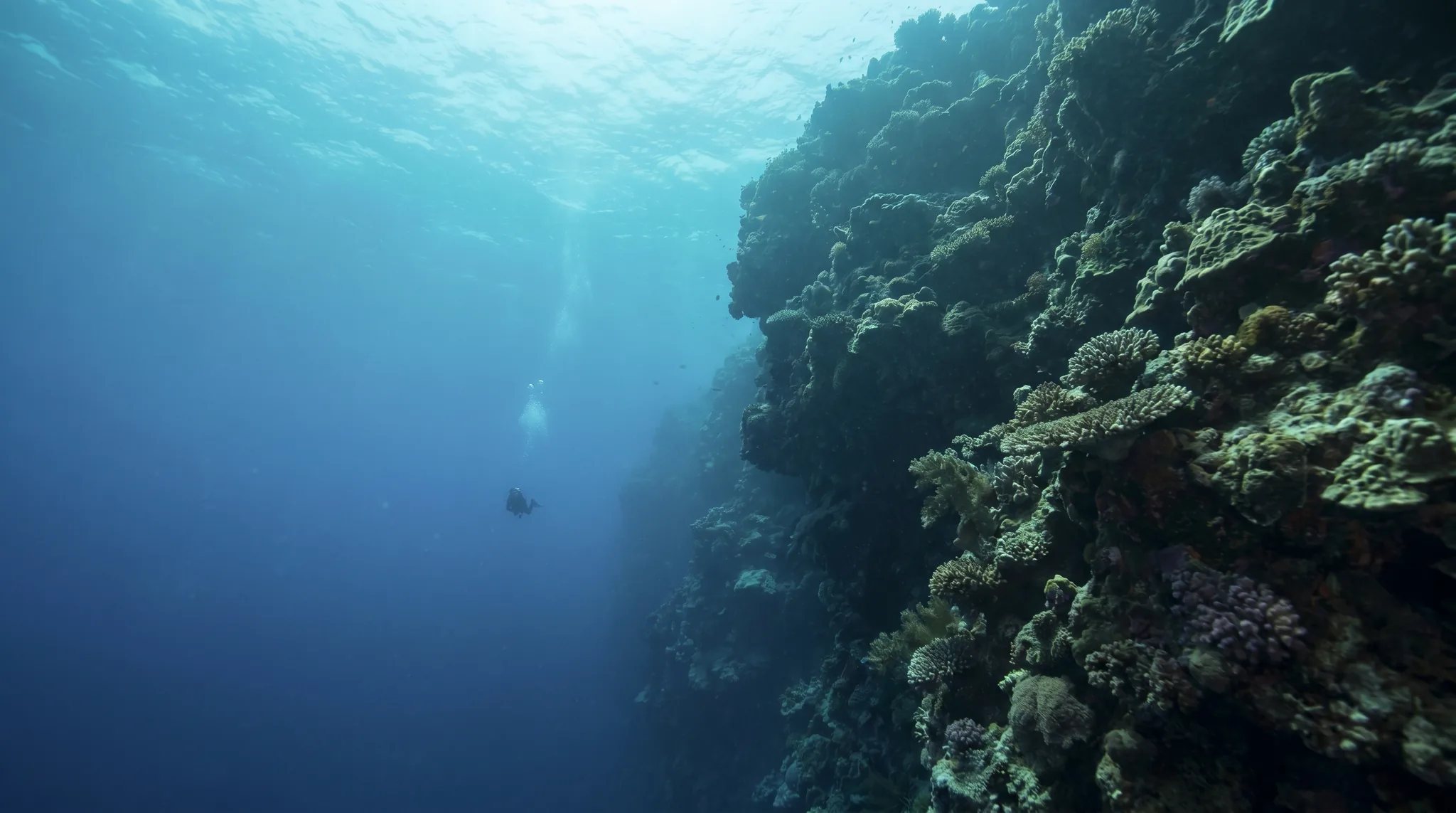
San Andrés offers a concentrated dive destination built around reef walls, deep drop-offs and a handful of wrecks. Sites range from shallow beginner reefs like El Bajo and Las Cuevas to serious wall dives at El Oasis and Trampa Tortuga, where the terrain plunges well beyond recreational limits. Nearly all sites are reached by boat. The Nurse Shark and Flying Gurnard are observed across the full site list, alongside the Queen Angelfish, Great Barracuda and Spotted Moray. Water stays warm year-round, with conditions favouring visits from December through May.

Monthly water temperature across San Andrés's sites, from satellite sea-surface data corrected for depth. The band shows the site-to-site spread.
Water temperature remains warm throughout the year, holding steady across all months with only slight variation. The best-months data points clearly to December through May as the peak window, with a noticeable dip in activity during the middle of the year, suggesting a seasonal pattern linked to weather or conditions. Divers visiting outside the peak period should check conditions locally, as exposure and surge can vary.
22 operators
29 more sites to explore
Water temperature around San Andrés ranges from about 27°C in February to 29°C in July, based on satellite sea-temperature data for its dive sites.
With water around 27–29°C, a rash guard or 3mm shorty works in San Andrés year-round.
Fin maps 41 sites in San Andrés (40 scuba diving sites and 3 snorkelling spots, with some suited to both).
Across San Andrés's dive sites, January, February, March, April, May and December are most often reported as the best months to visit.
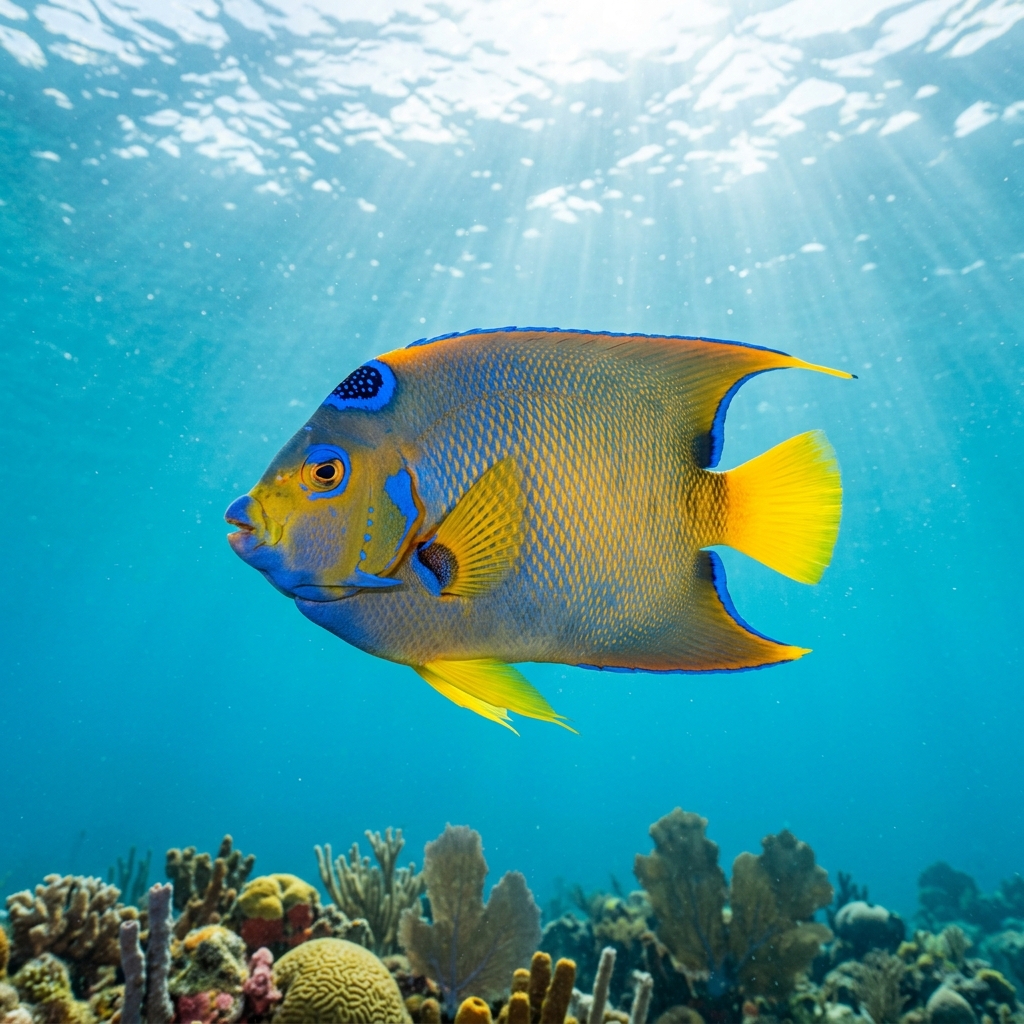
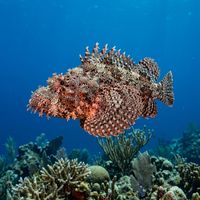
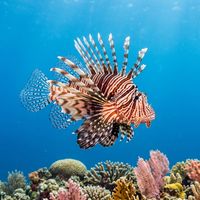
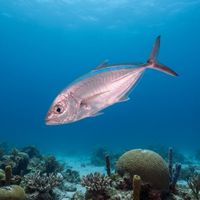
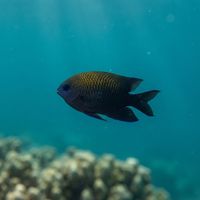
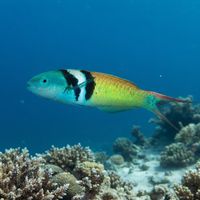
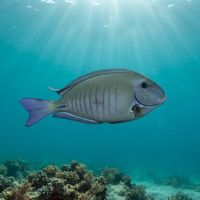
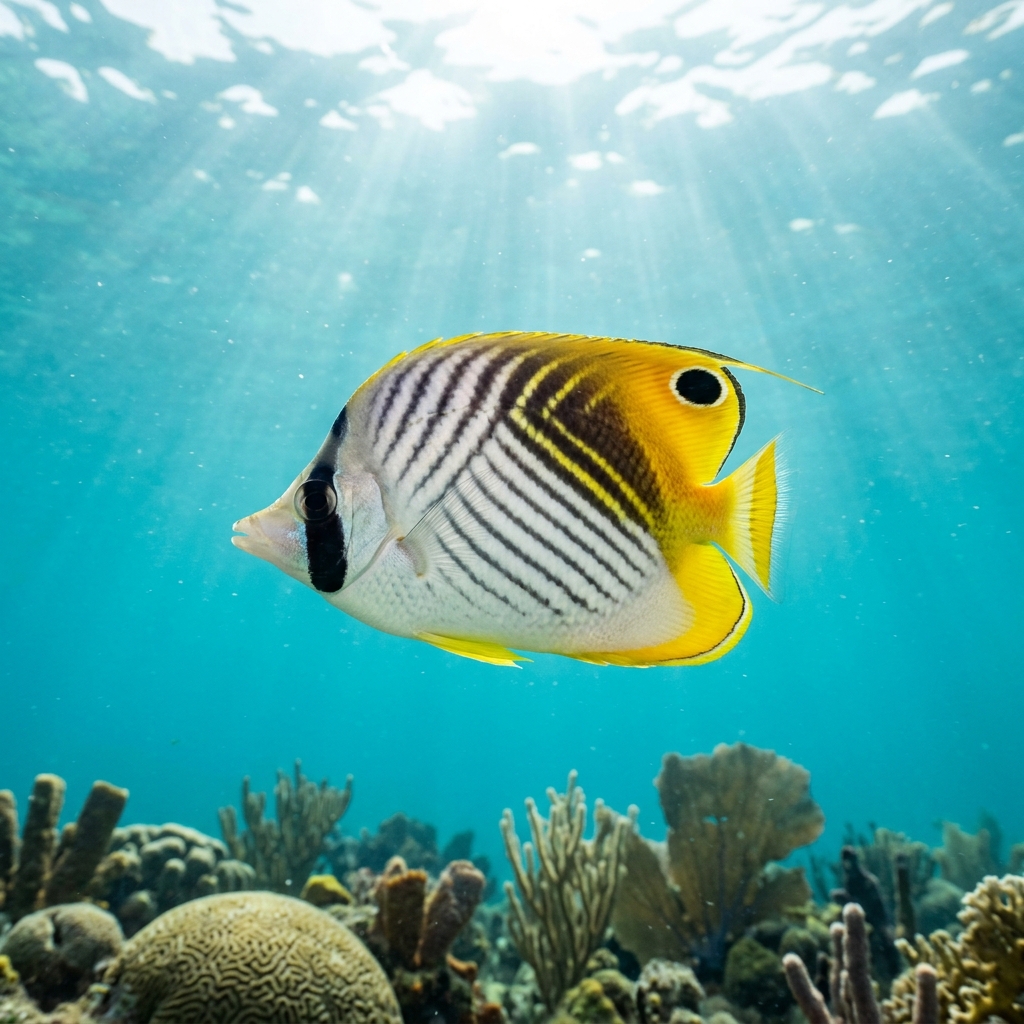
Observations across the site list confirm the Nurse Shark and Flying Gurnard as near-constant companions. The Queen Angelfish, French Angelfish, Spotted Moray, Great Barracuda and Spotted Scorpionfish are all regularly recorded. Reef fish such as the Blue Tang, Stoplight Parrotfish and Foureye Butterfly Fish are very common, and the Indian Lionfish has also been observed at the majority of sites.
Yes. Several sites are graded for beginners, including El Bajo, Las Cuevas and La montañita. These are shallow reef and cave sites with gentle profiles, and Las Cuevas offers a shore entry. Intermediate sites make up the largest share of the site list, so there is plenty of progression available once foundational skills are in place.
The majority of sites are accessed by boat, which is the standard arrangement for most of the dive operators active on the island. A small number of sites, including Nirvana and Las Cuevas, offer shore entry. West Point and Blue Diamond each allow both boat and shore access, giving some flexibility for independent divers.
Reef walls and drop-offs are the dominant form, running from relatively shallow starts down to deep vertical profiles at sites like El Oasis and Bajo Bonito. Wrecks feature at Las Piedras and Blue Diamond, the latter being a shallow wreck suitable for intermediate divers. La Paguera adds an artificial reef element, and Las Cuevas provides cave diving at a beginner-friendly depth.