Best for advanced divers, 12-120m, boat entry, moderate current.
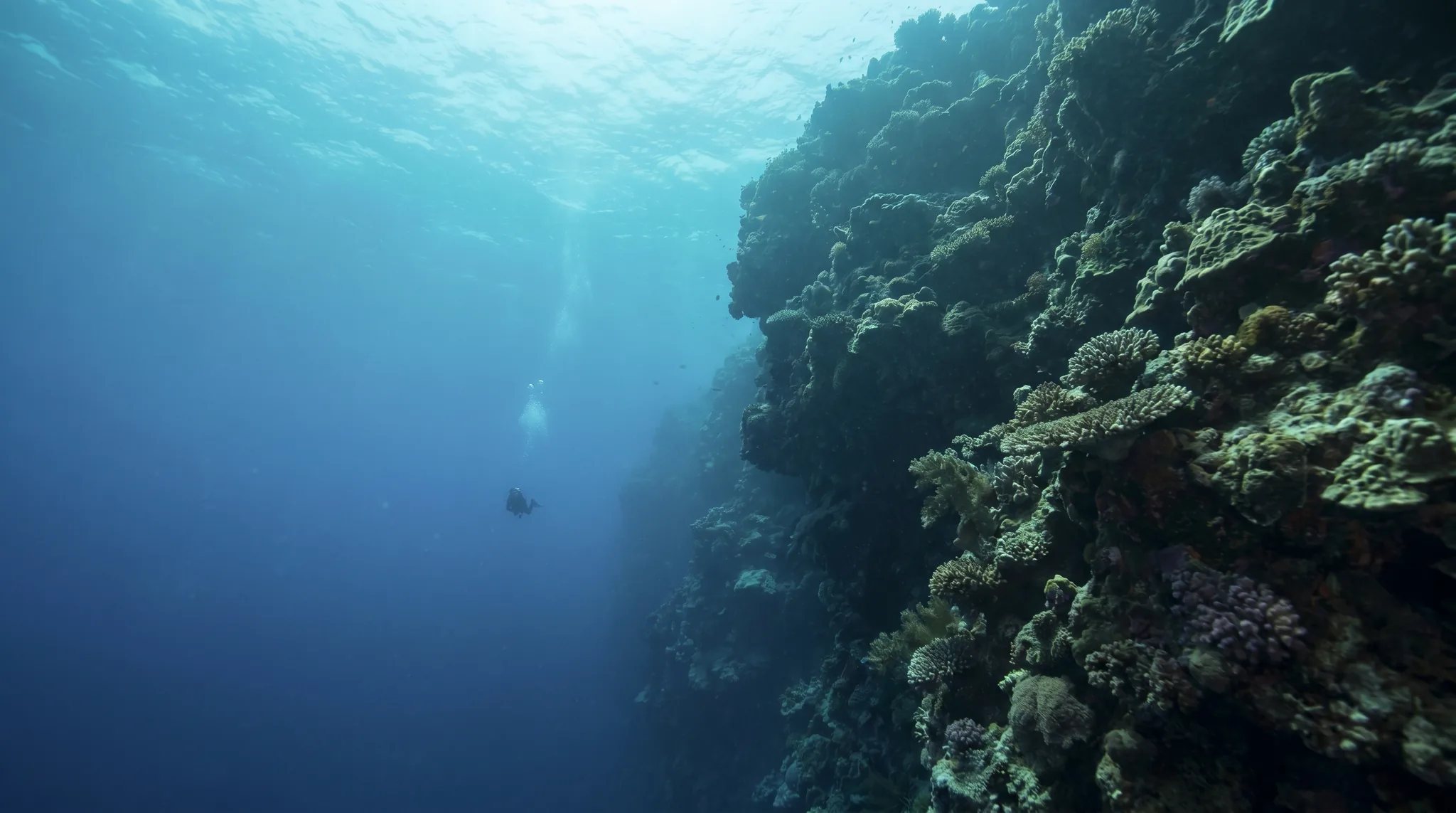
Trampa de Tortuga is a deep wall and reef site located off San Andrés. The topography features a platform starting at 12 metres that drops to depths exceeding 100 metres, with dives recorded as deep as 120 metres. Due to the significant depth and potential for nitrogen narcosis, this site is suited for advanced divers and is ideal for deep and nitrox diving. Access is by boat only. Conditions include moderate currents and visibility ranging from 15 to 30 metres. Water temperatures remain between 24 and 27C throughout the year. The site is located adjacent to the San Andrés barrier reef.
12.54309, -81.67846
Deploy your delayed surface marker buoy early during ascent as the current can carry you 100 metres from the expected pickup point.
Boat access is required for this drift dive site.
Recorded at this site
Depth
12-120m
Visibility
15-30m
Skill Level
Advanced
Entry
Boat
Boat required
Water Temp
24-27°C
Current
Moderate
Typical Dive
50 min
Best Time
Apr, Dec
The site features a platform starting at 12 metres, with depths extending to over 100 metres and recorded dives reaching 120 metres.
No, this site is intended for advanced divers due to its significant depth and the associated risks of nitrogen narcosis.
Access to Trampa de Tortuga is by boat only.
While it has a snorkel rating of 3/5, the site is primarily a deep wall dive.
Diving at Trampa de Tortuga in San Andres requires the following certifications: Advanced, Deep. Always dive within your training limits.
A 3mm wetsuit is recommended for diving at Trampa de Tortuga in San Andres. Water temperatures range from 24°C to 27°C.
The best months to visit Trampa de Tortuga in San Andres are April and December. Conditions outside these months can still be good but are less predictable.
Expect moderate currents at Trampa de Tortuga in San Andres. Good buoyancy control and some drift diving experience is helpful.
Visibility at Trampa de Tortuga in San Andres typically ranges from 15 metres to 30 metres. Conditions vary with weather, tides, and seasons.