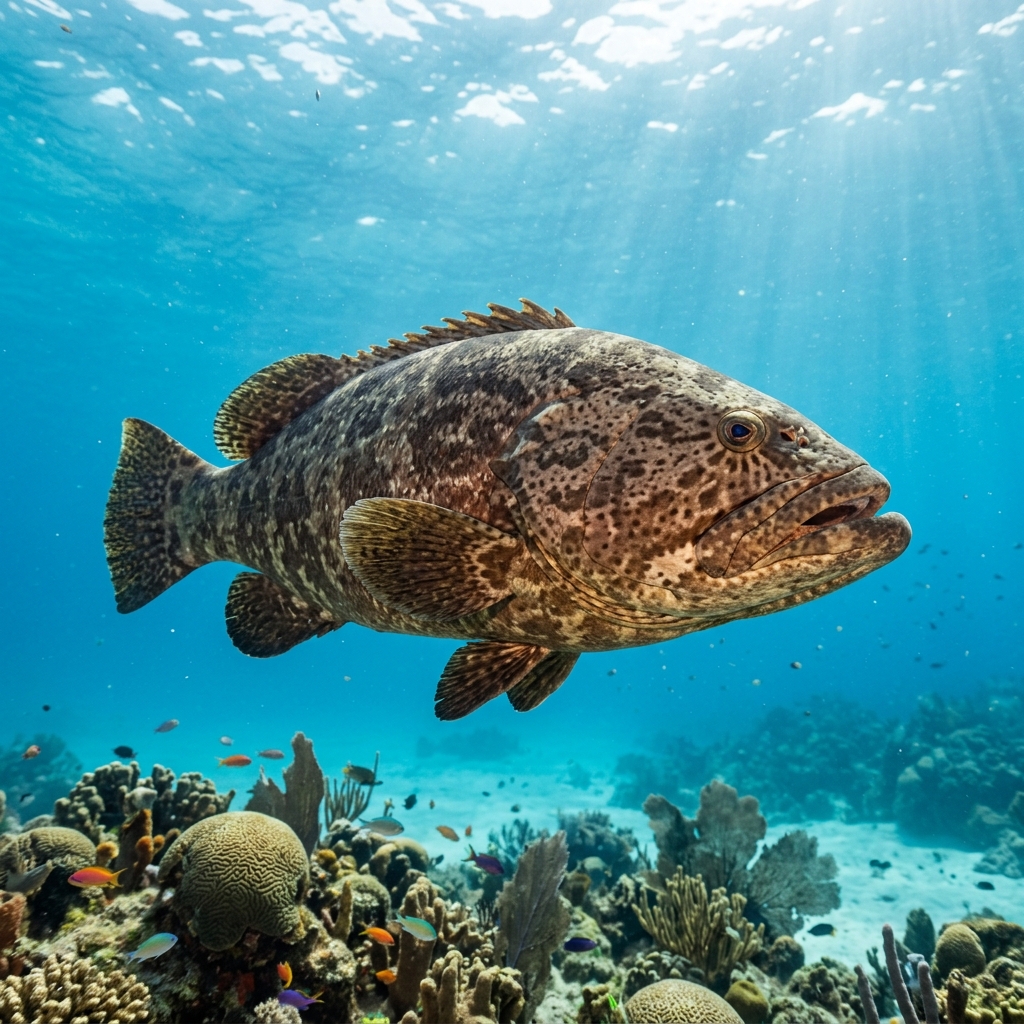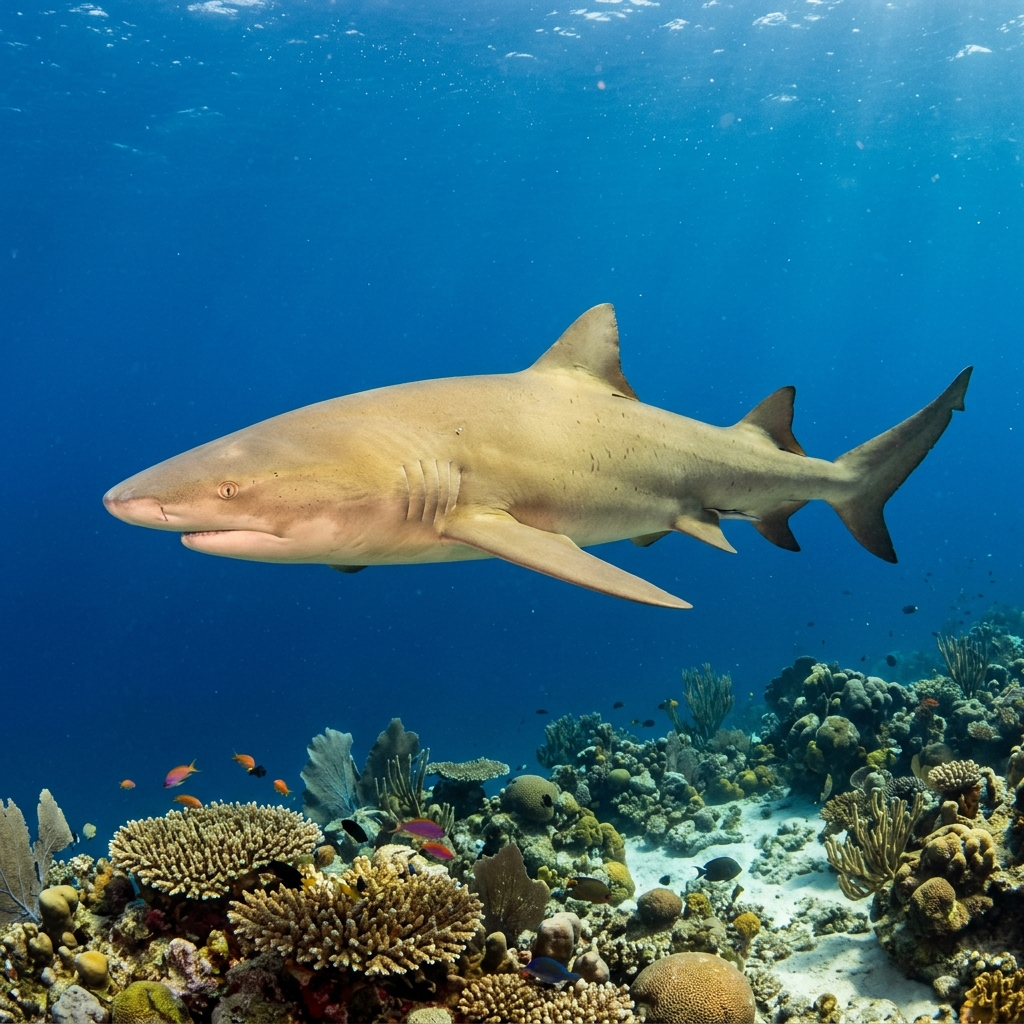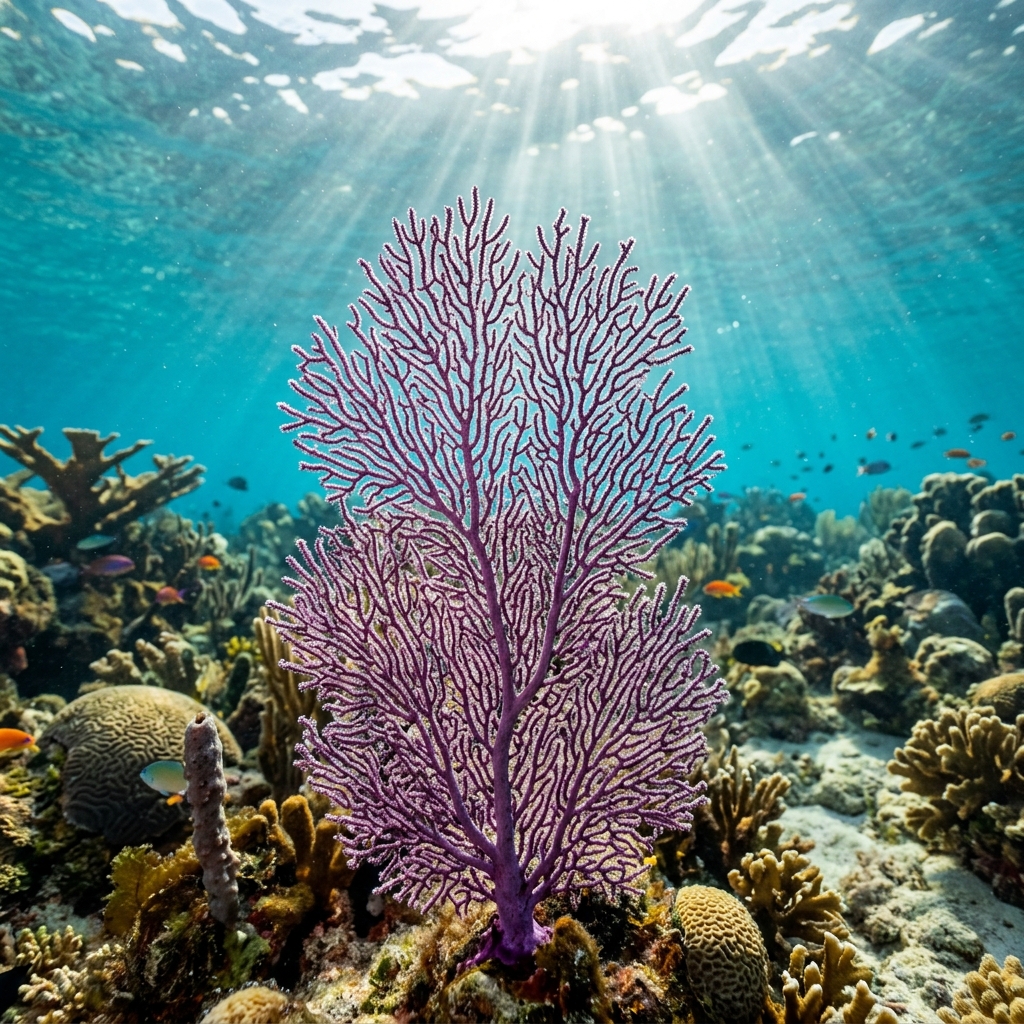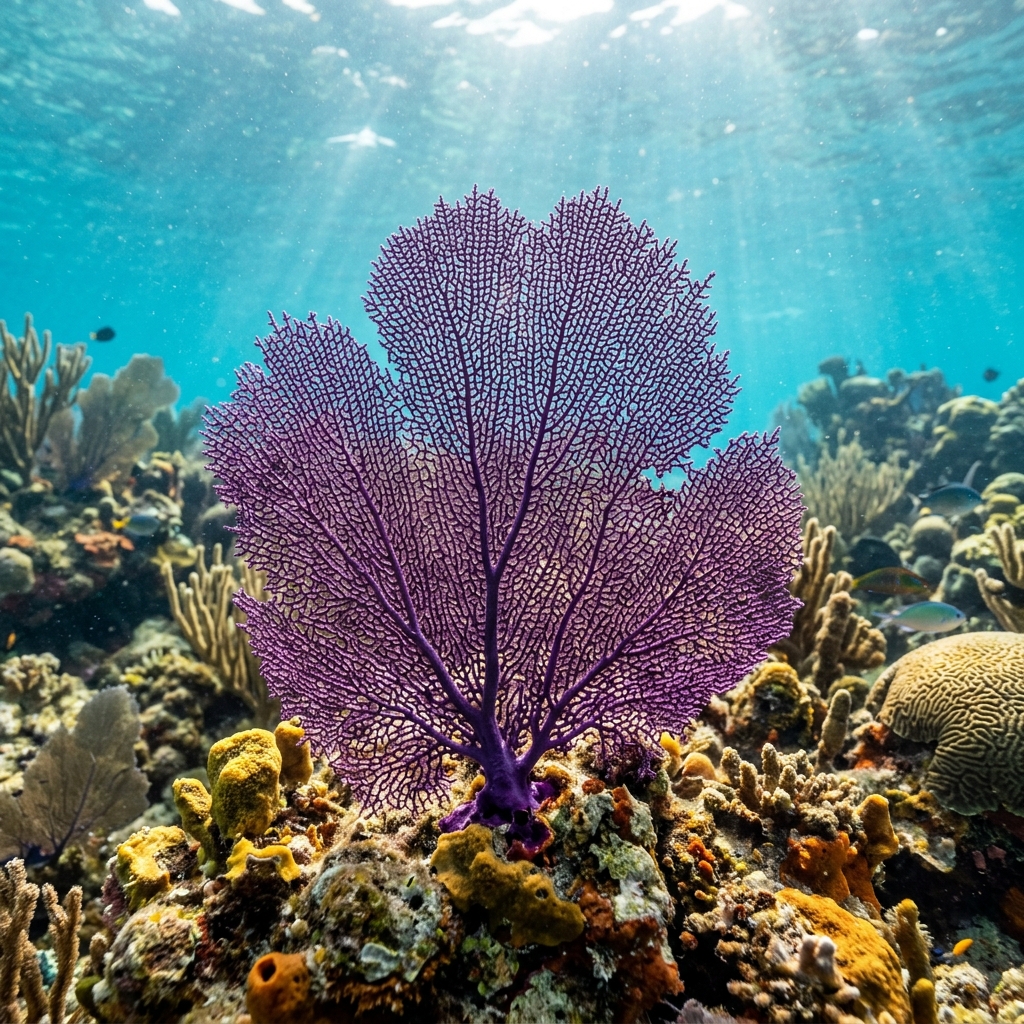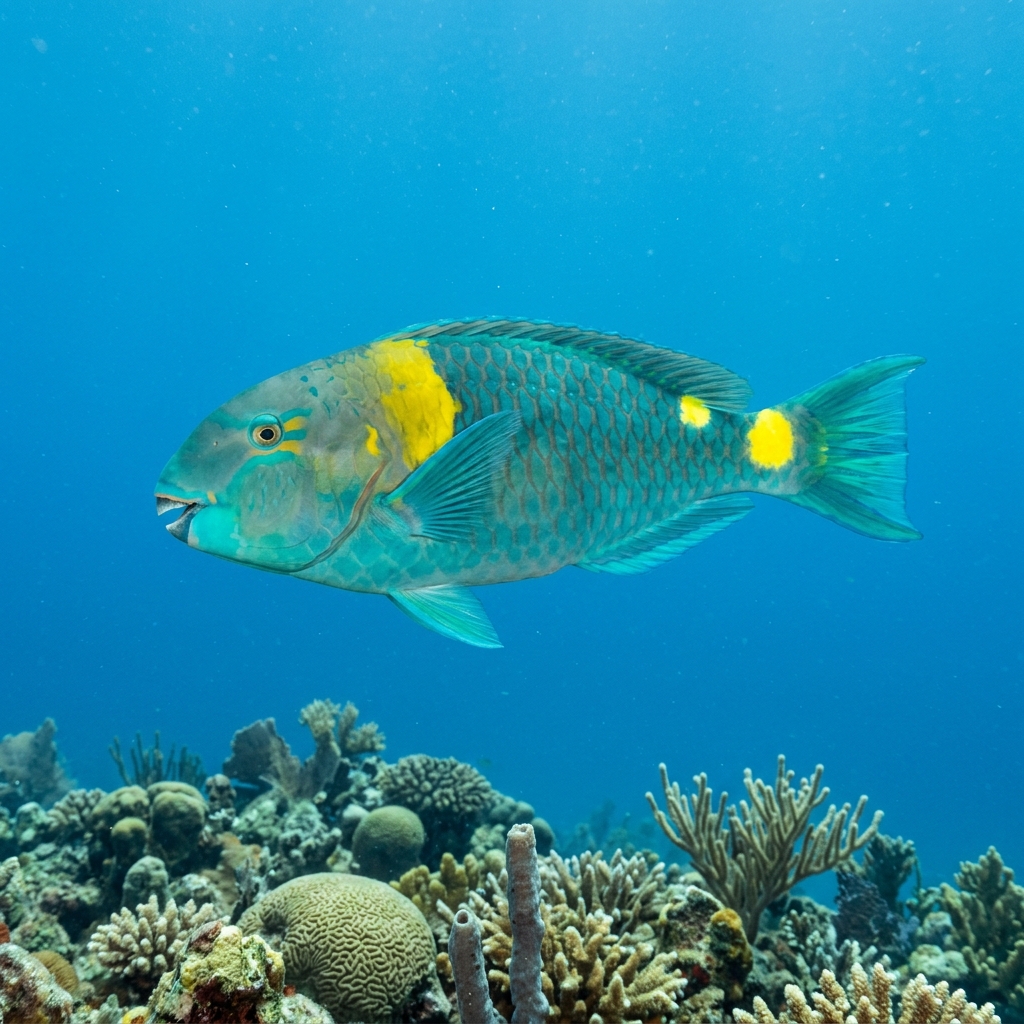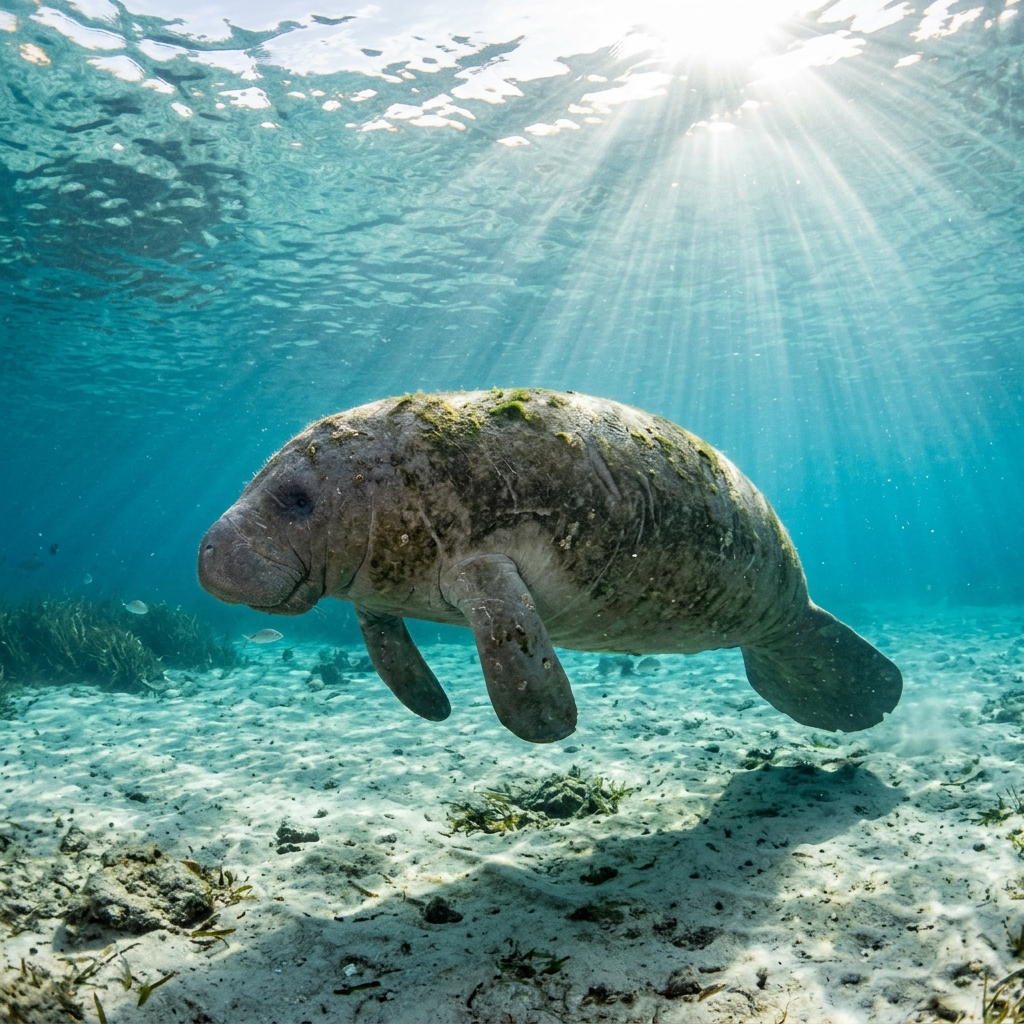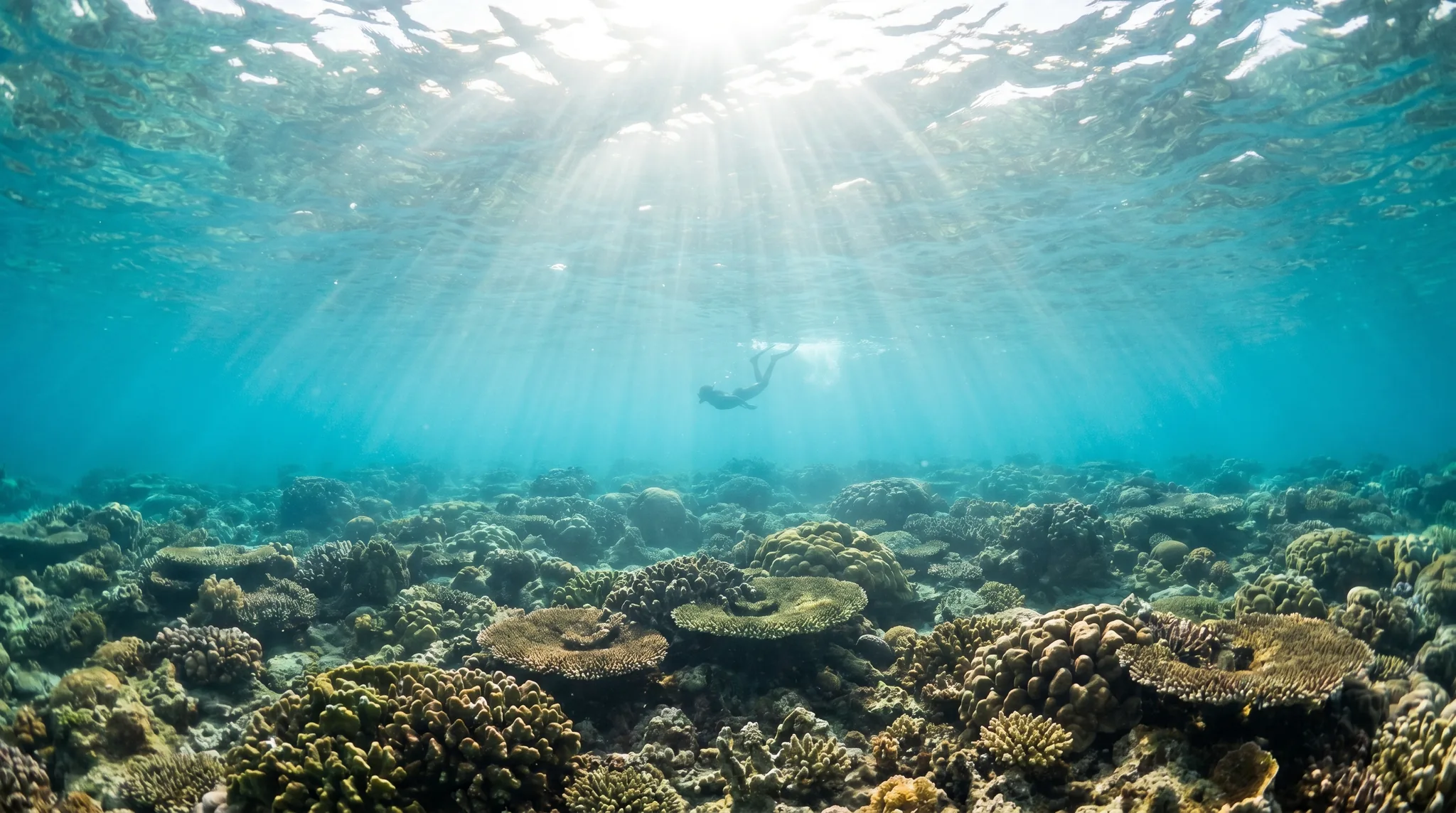
Best for beginner divers, 3-16m, boat entry, mild current.
Grieta Isla Narza is a marine reef and drop-off site in Colombia suitable for beginner divers. The site features depths ranging from 3 to 16 metres, with an average depth of 8 metres. Divers access the site by boat, encountering mild currents and visibility between 10 and 30 metres. Water temperatures are warm, fluctuating between 25C and 30C throughout the year. Typical dives last approximately 45 minutes. Hazards at this location include jellyfish and sharp coral. The site offers a straightforward profile for those looking to explore reef topography and drop-off formations.
8.64025, -77.33748
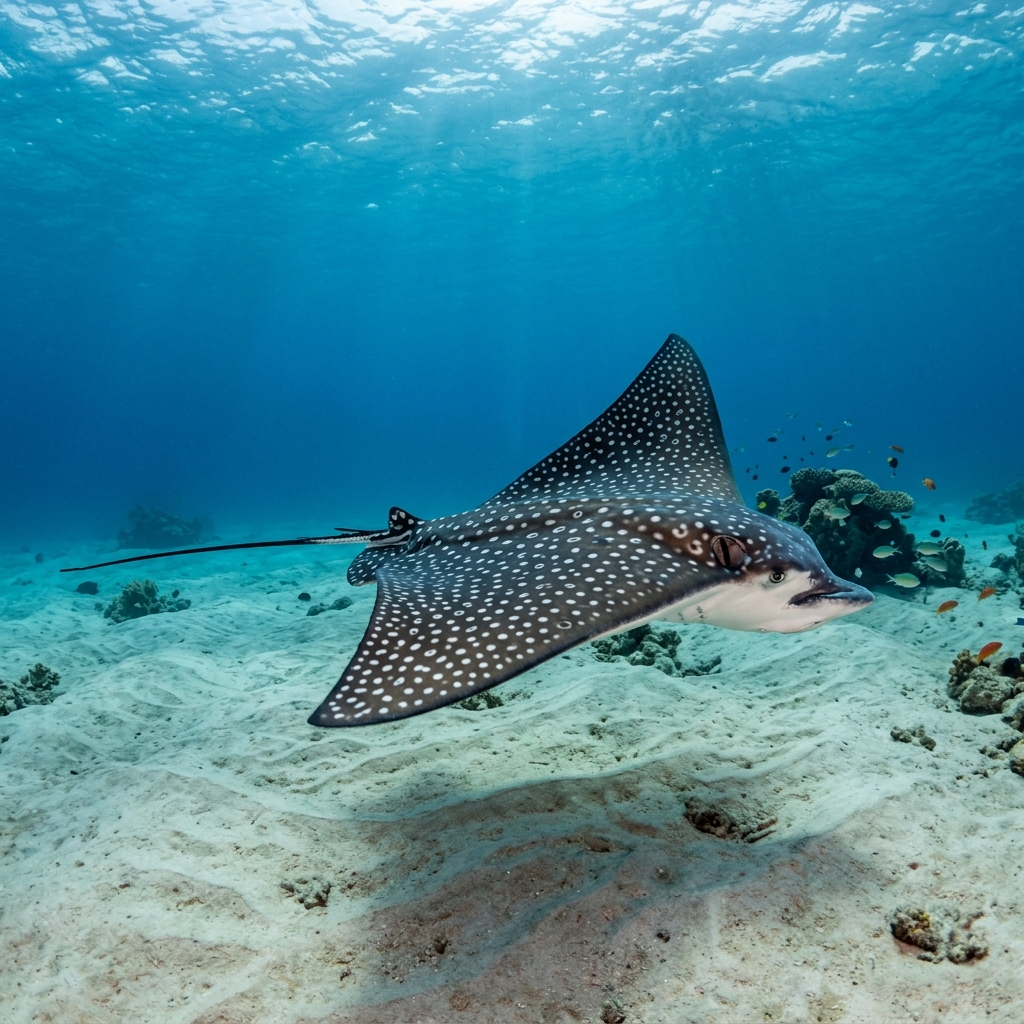
Time your dive for incoming tide when current brings clearest water and highest concentrations of eagle rays through the canyon system.
Approached from the boat positioned upstream of the canyon opening.
Recorded at this site
Depth
3-16m
Visibility
10-30m
Skill Level
Beginner
Entry
Boat
Boat required
Water Temp
25-30°C
Current
Mild
Typical Dive
45 min
Best Time
Jun, Oct
Yes, the site is rated for beginner skill levels.
The site ranges from 3 to 16 metres deep, with an average depth of 8 metres.
This is a boat dive; a boat is required to access the site.
Divers should be aware of the presence of jellyfish and sharp coral.
The data provided specifies this location as a dive site with boat access required, but does not explicitly confirm or deny suitability for snorkelling.
Diving at Grieta Isla Narza in Capurganá requires the following certifications: Open Water. Always dive within your training limits.
A 3mm wetsuit is recommended for diving at Grieta Isla Narza in Capurganá. Water temperatures range from 25°C to 30°C.
The best months to visit Grieta Isla Narza in Capurganá are June and October. Conditions outside these months can still be good but are less predictable.
Grieta Isla Narza in Capurganá typically has mild currents that most divers can handle comfortably.
Visibility at Grieta Isla Narza in Capurganá typically ranges from 10 metres to 30 metres. Conditions vary with weather, tides, and seasons.