Micropterus spp.
Spot Black Bass in Ontario lakes or Pacific Northwest quarries year-round, holding near cover in green-tinted freshwater.
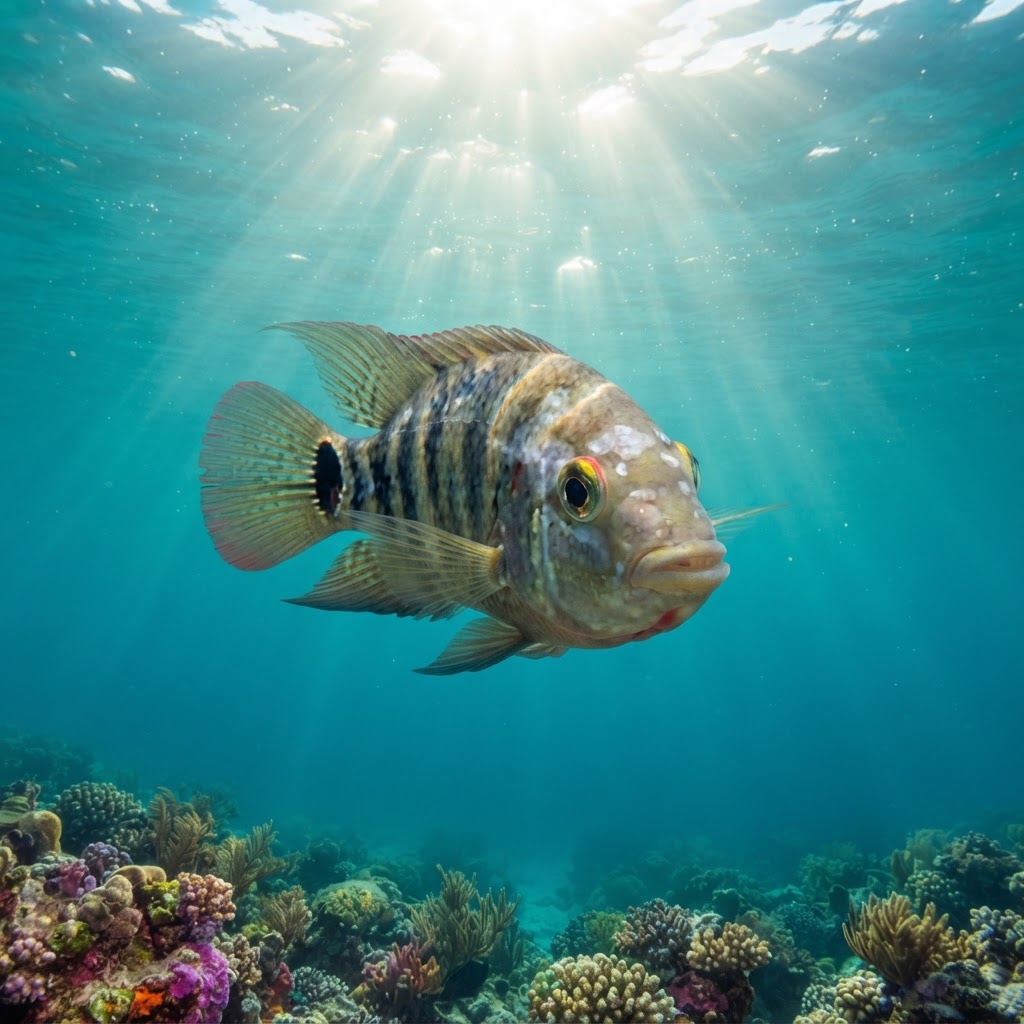
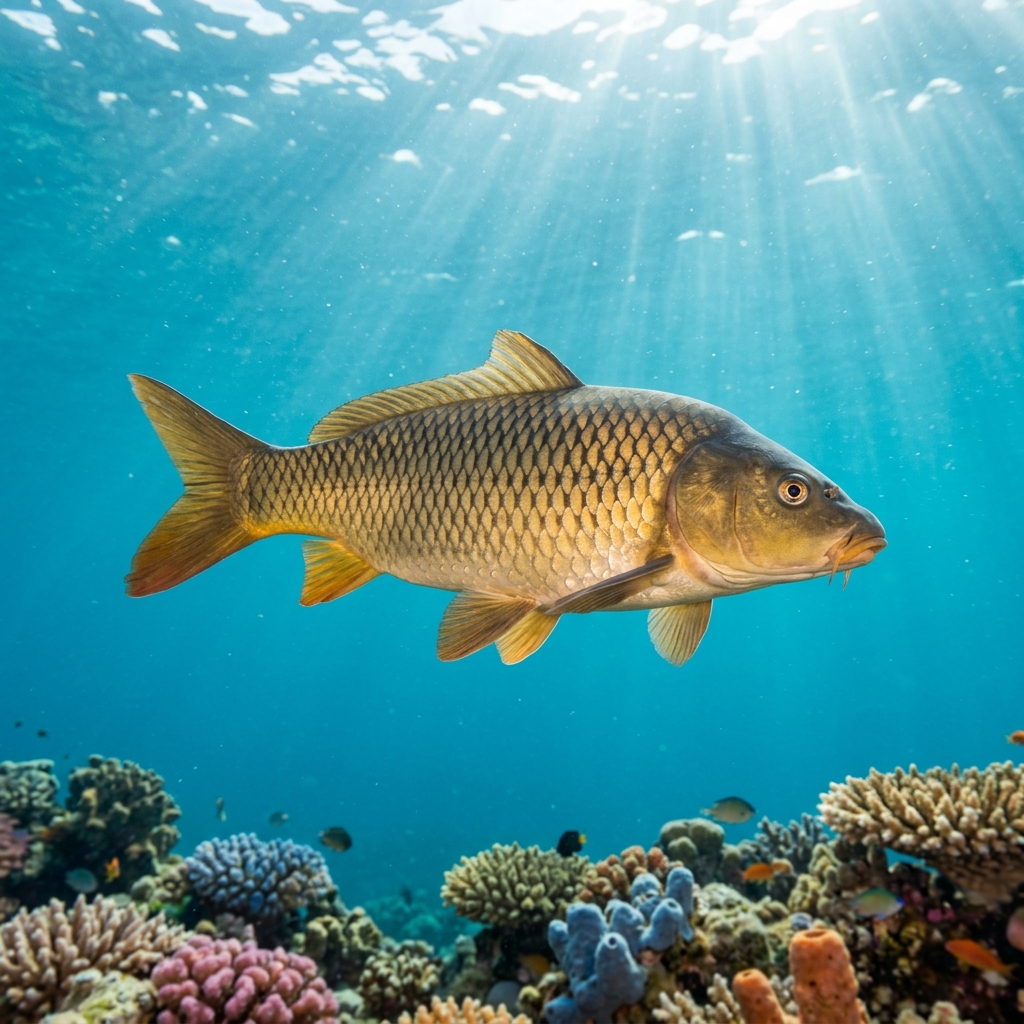
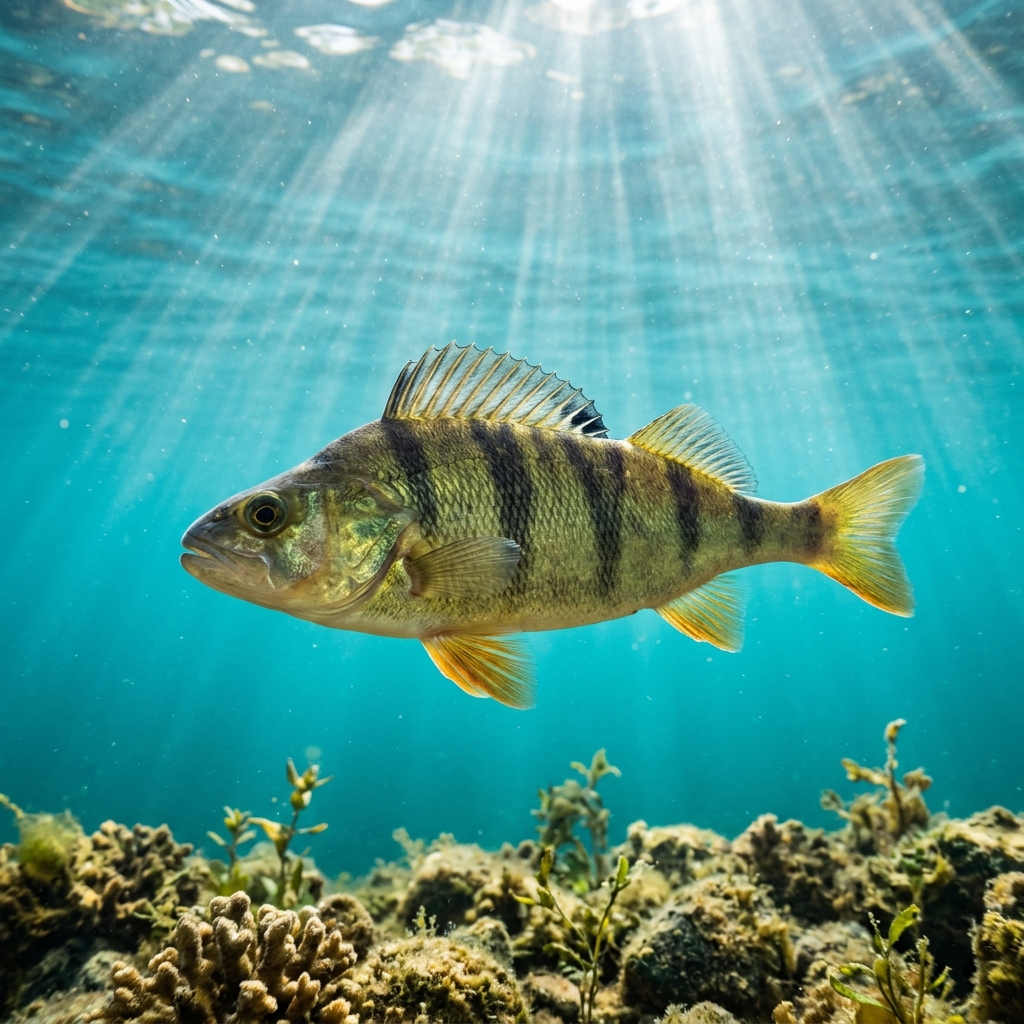
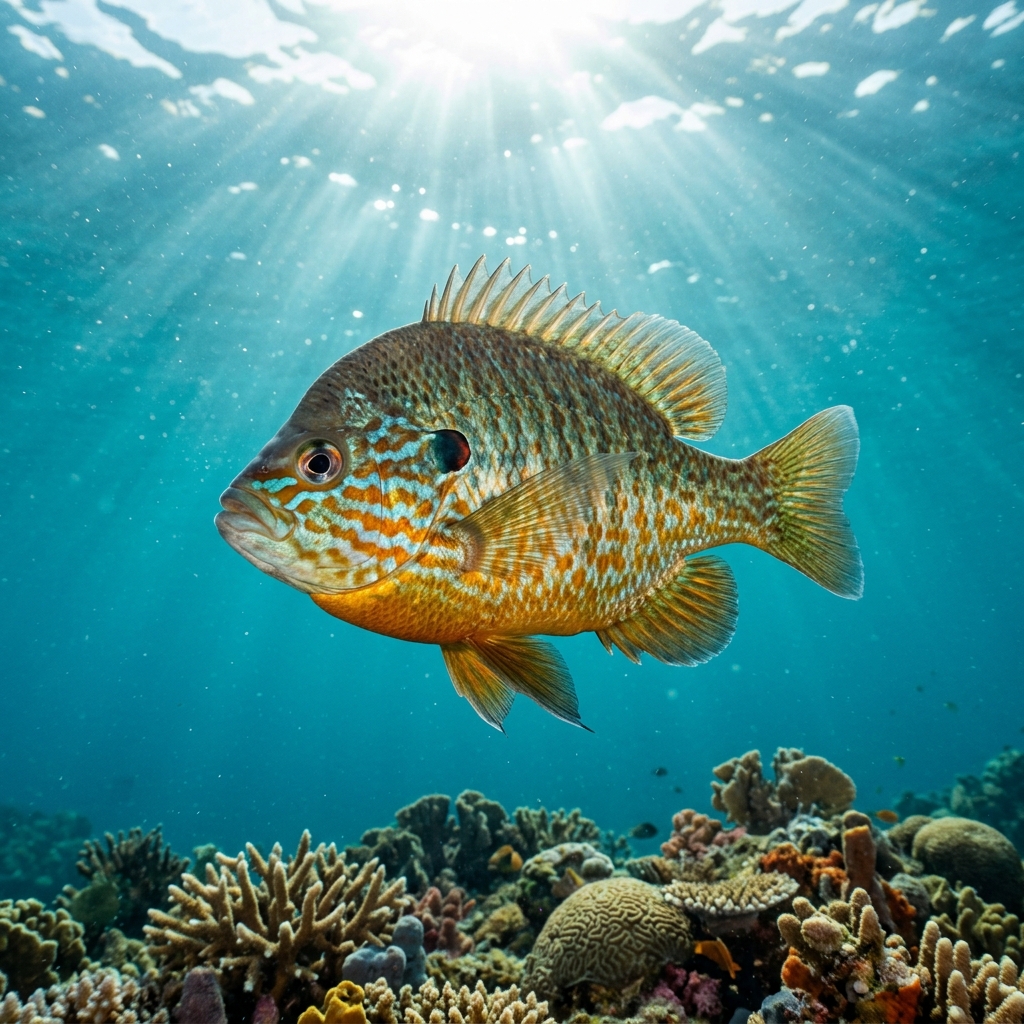
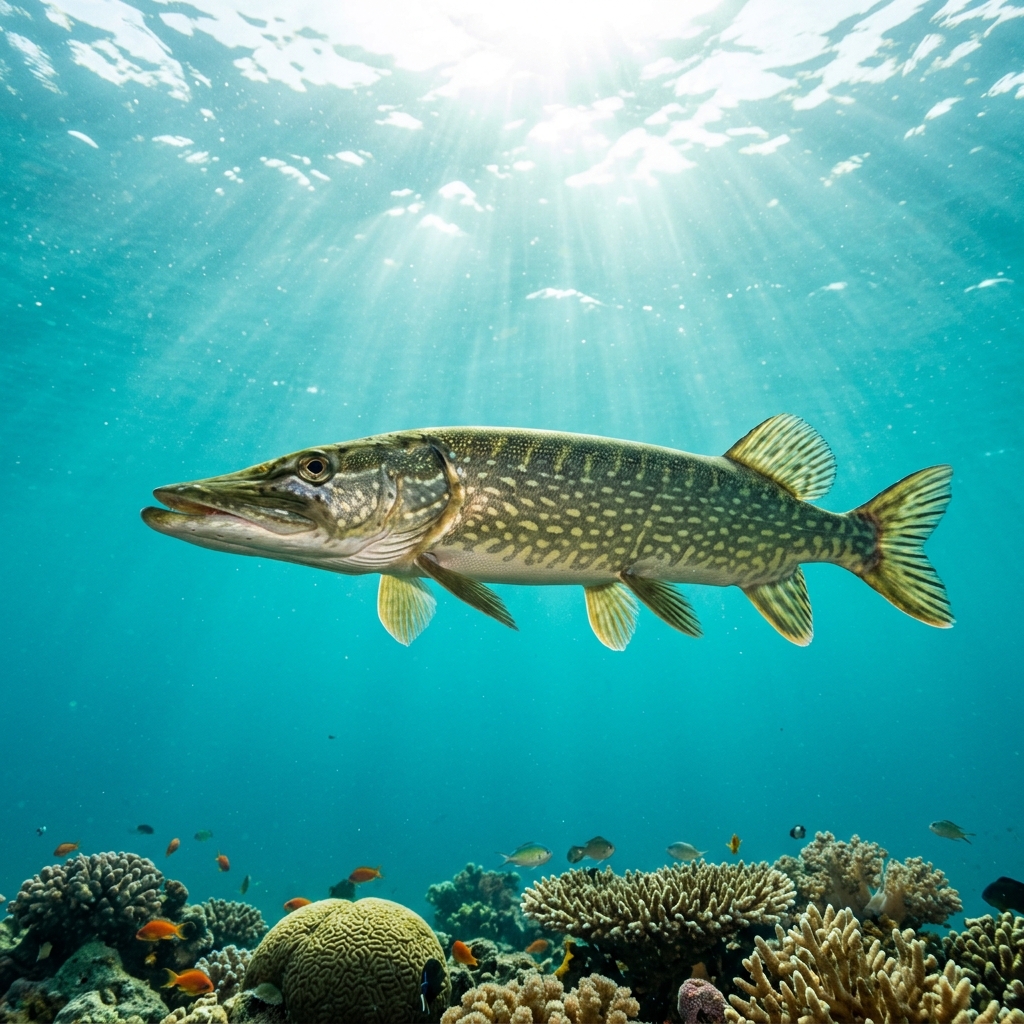
Look for a stocky, olive-to-green body with a large mouth extending back past the eye, and a dorsal fin that reads as one continuous fin with a slight notch. Most species in this genus show a dark lateral stripe or a row of blotches running the length of the body, though intensity varies by species and habitat. Size in the water is usually modest, more forearm than full-body, and they hold a stationary, alert posture rather than cruising.
Divers most often find them holding near structure, sunken logs, rock ledges, weed beds, docks, rather than swimming in open water. They tend to be wary but not flighty, often just easing back into cover instead of bolting when a diver approaches slowly. Most logs describe them as uncommon at any given site, so a sighting usually means a patient look along the shadier edges of a lake rather than an open-water pass.
Several species in this genus are nest-guarders: a male fans out a shallow depression on the bottom and stays close to defend eggs and fry, which is why you sometimes see a bass hovering stubbornly over one spot instead of feeding.
Sighting data doesn't show a strong seasonal pattern, so treat this as a year-round encounter wherever the lake or quarry stays diveable. In colder regions like Ontario or Alaska, ice-free months naturally concentrate dives and sightings, but that's a diving-access pattern rather than a fish behaviour one.
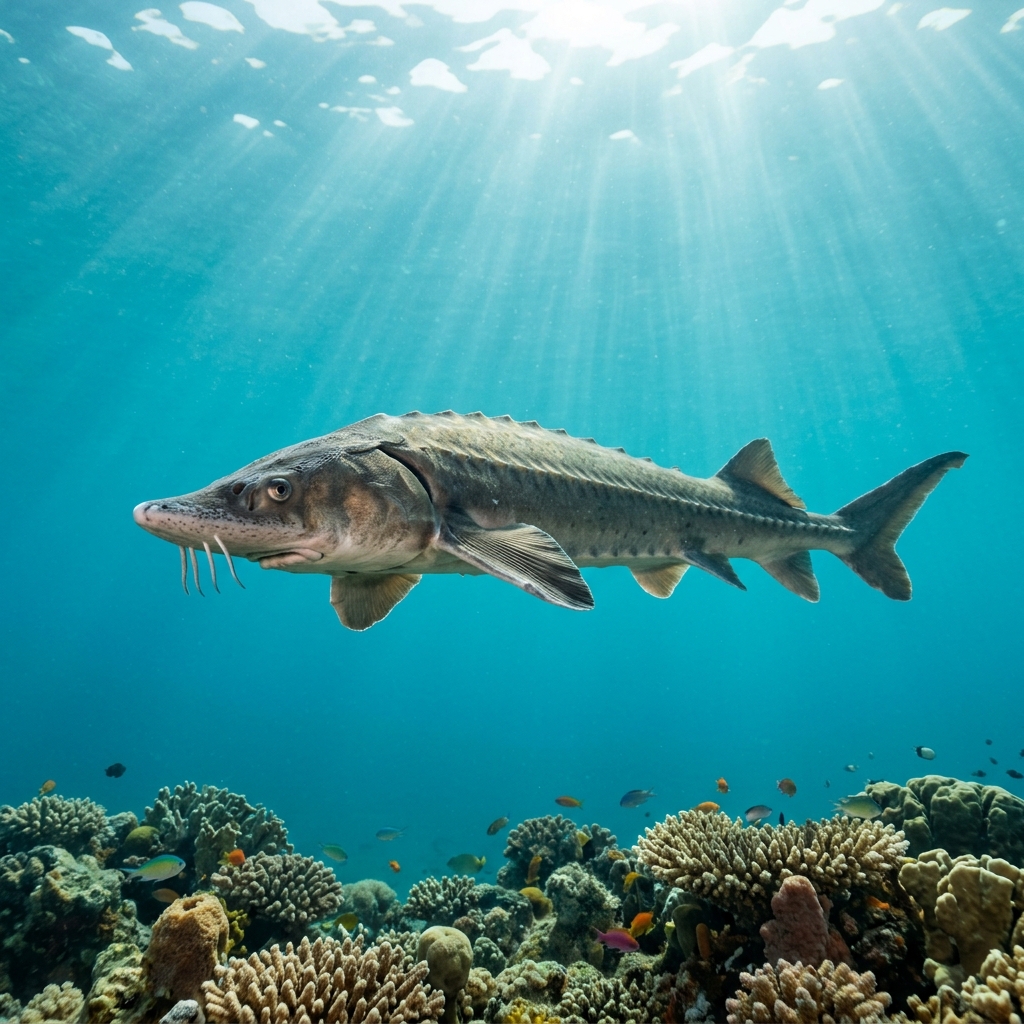
Reef neighbours a diver could mistake it for. Use the identification notes above to tell them apart.
This genus turns up most often in freshwater lakes and quarries across the United States and Canada, with Ontario and the Pacific Northwest among the most logged regions, plus solid numbers from California and Alaska. Outside North America it shows up in Carinthia, Austria, and in smaller numbers in Mexico and Colombia, usually in clear lakes favoured by freshwater divers and snorkellers.
Mapping where Black Bass is logged…
Freshwater lakes and quarries in Ontario, Canada, and across the Pacific Northwest and California in the United States are the most reliably logged spots. Carinthia, Austria, also produces regular sightings outside North America.
There's no clear seasonal spike in the sighting data, so they're logged across the diving season wherever the water is accessible. In colder regions, that mostly means the ice-free months when lakes are open to divers.
Look for a stocky olive-green body, a large mouth reaching past the eye line, and a dark lateral stripe or blotchy pattern along the side. They hold near cover like logs or rock ledges rather than swimming in open water.
No, they pose no danger to divers and will typically retreat into cover rather than approach.
Males guard nests on the lake bottom, fanning out a shallow depression and defending eggs and fry, so a stationary bass hovering over one spot is often on parental duty rather than feeding.
Site and sighting data is aggregated from diver logs, iNaturalist and GBIF. For taxonomy and conservation status:
Sun Perch
2,182 sites