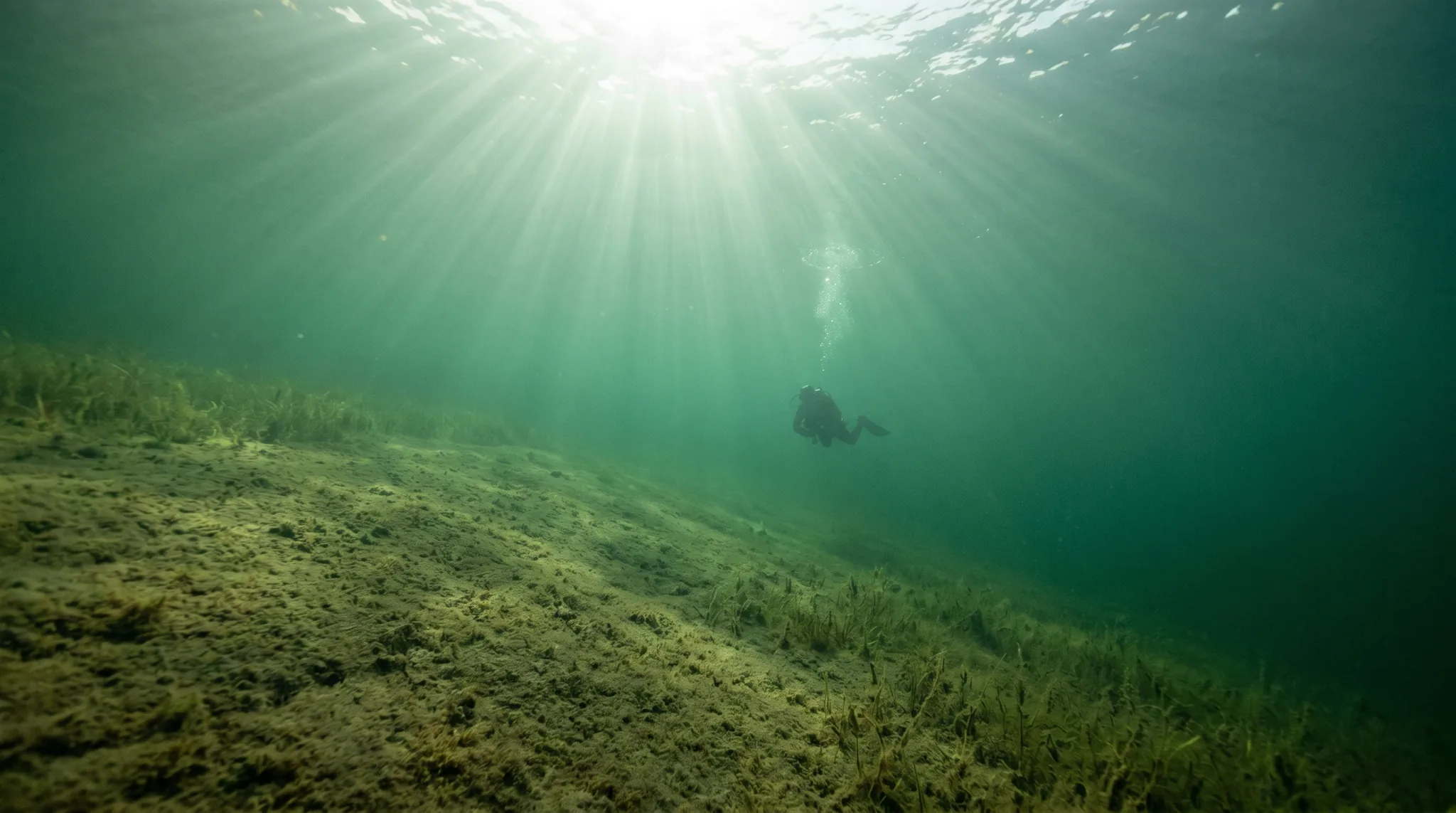
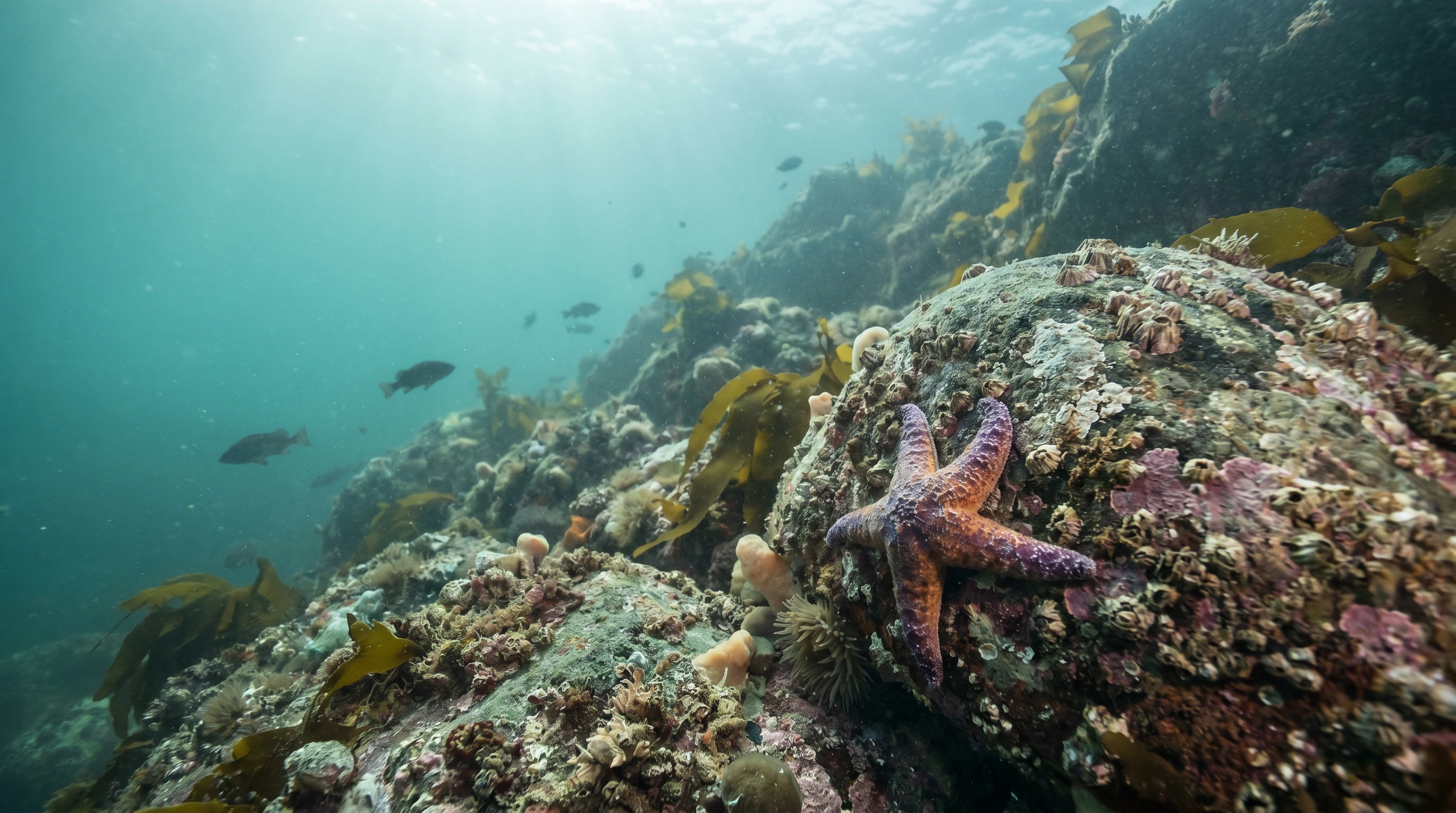
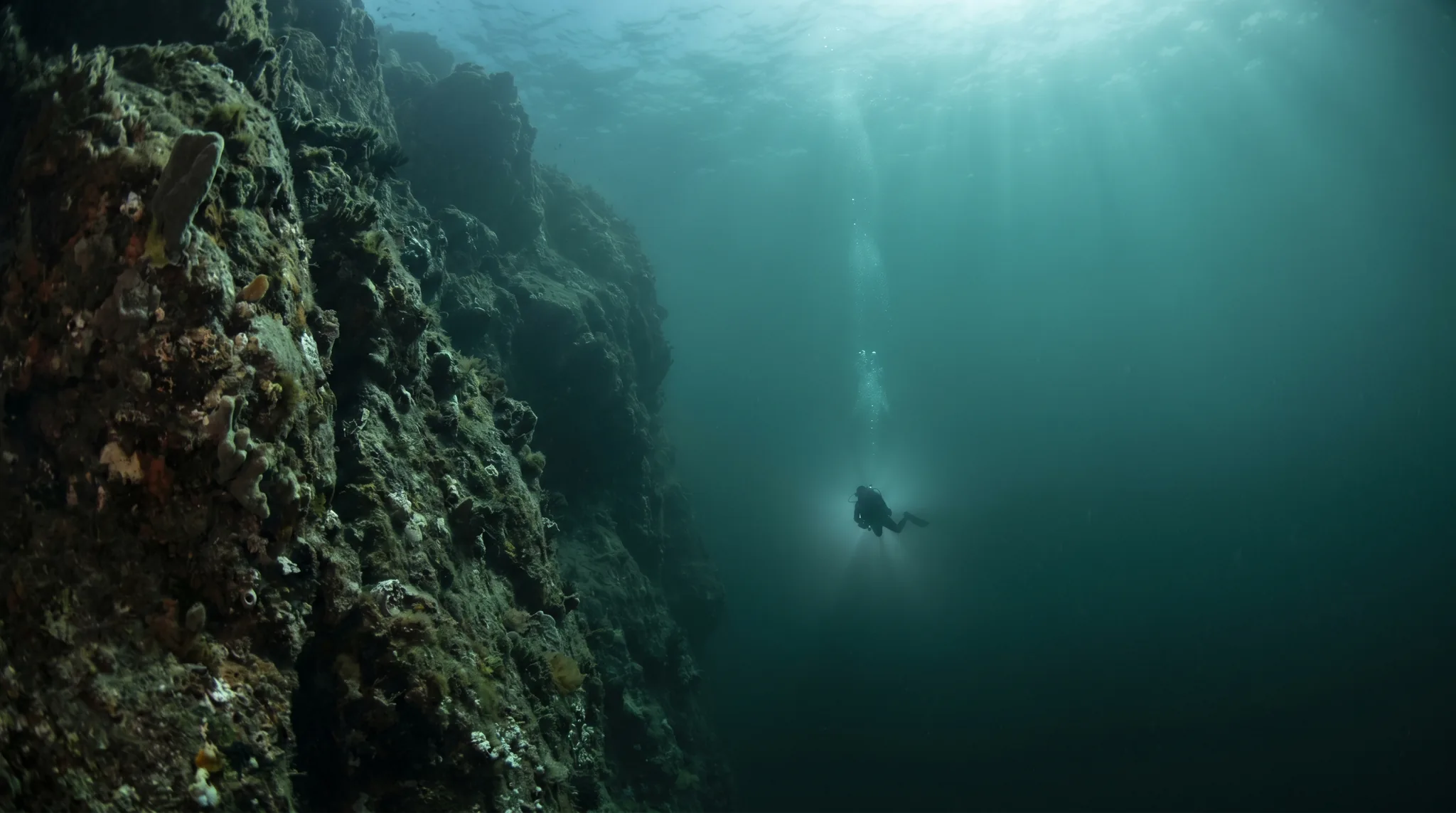
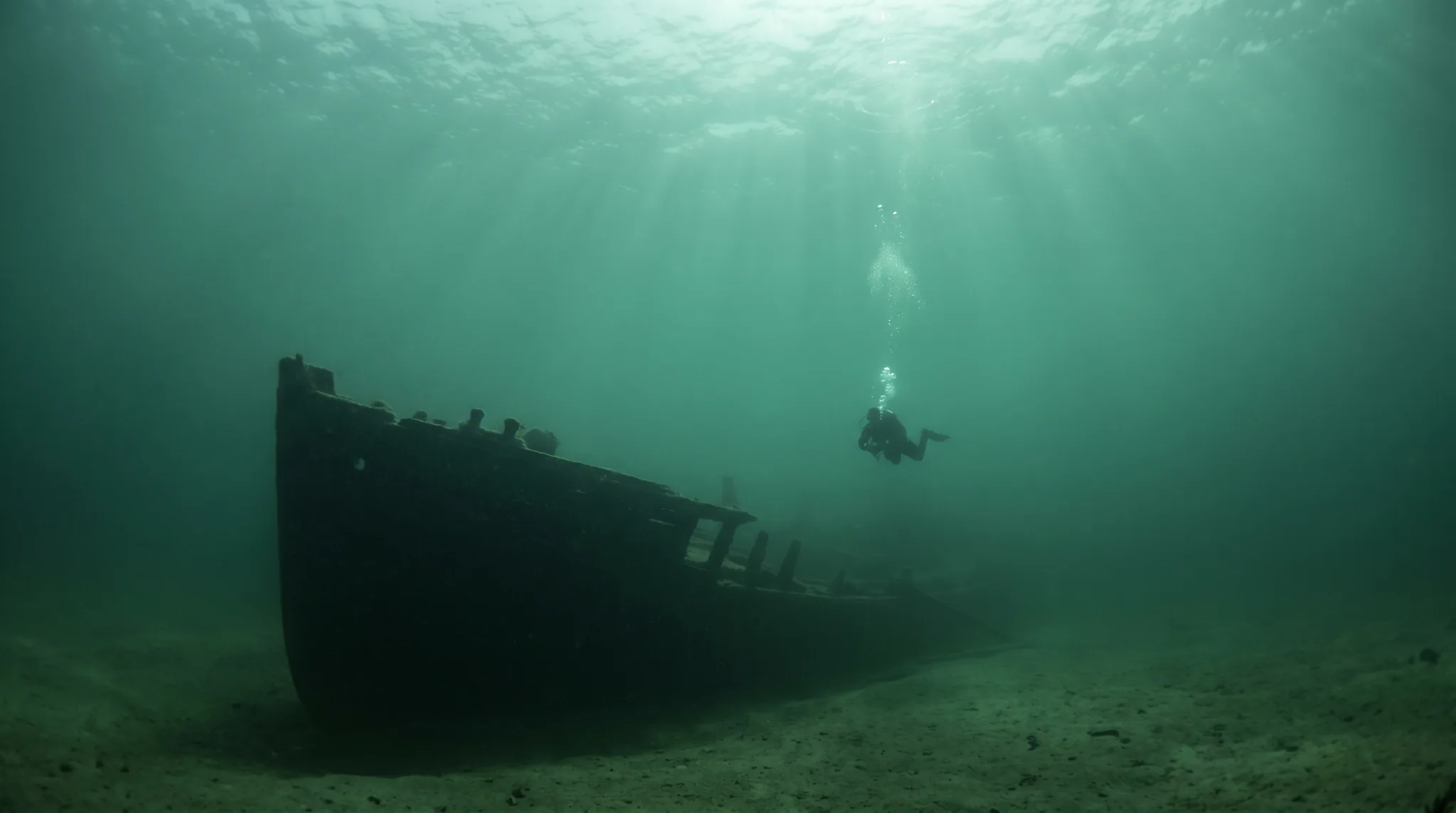
Race Rocks is defined by strong currents, kelp forest reefs and a remarkable density of marine mammals. Harbor Seal and California Sea Lion are observed at the vast majority of sites, while Giant Pacific Octopus and an exceptional variety of nudibranchs reward attentive divers on the rocky substrate. Sites range from shore-accessible beginner dives to demanding boat-access drift dives, so the region accommodates a wide spread of experience levels.
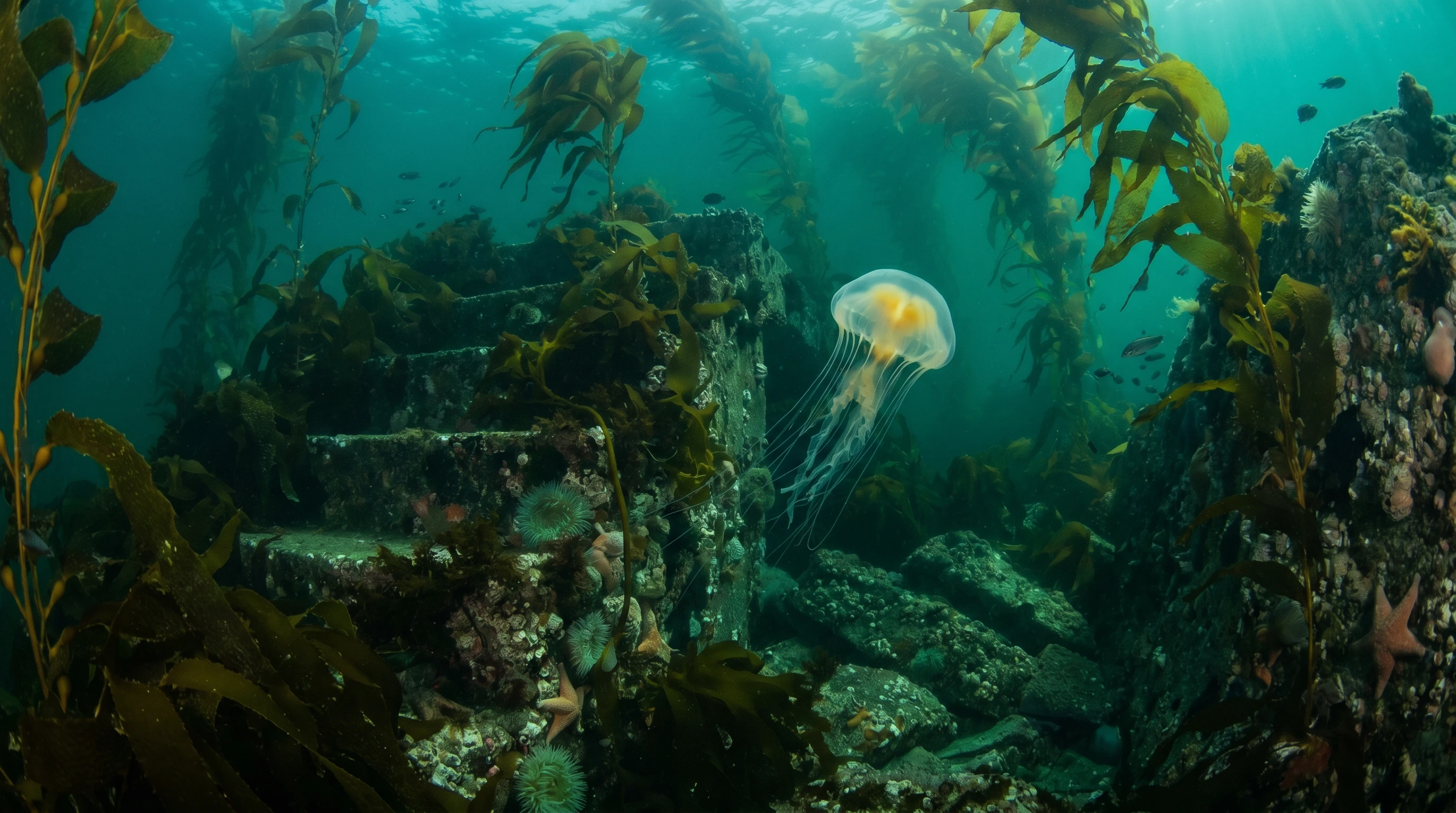
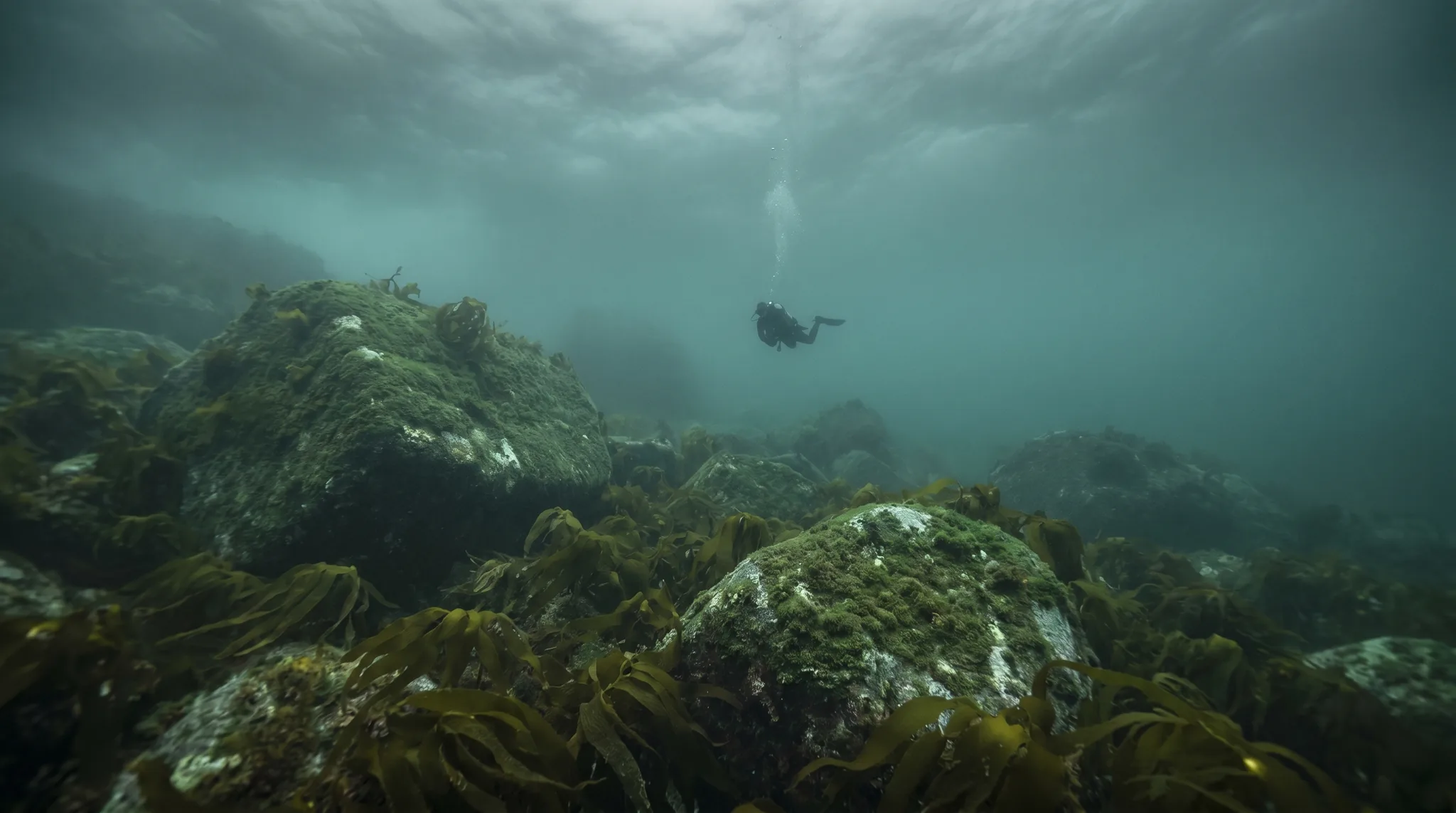
Monthly water temperature across Race Rocks's sites, from satellite sea-surface data corrected for depth. The band shows the site-to-site spread.
Water temperature stays cold year-round, varying only slightly between winter lows and a modest summer rise, so a drysuit is the practical choice in any season. The best-months data shows stronger diver preference for late summer and the winter months, when conditions and visibility tend to reward the commitment. Currents are a defining feature at many sites and should be factored into every dive plan.
12 operators
Colwood, Canada
Victoria, Canada
24 more sites to explore
Water temperature around Race Rocks ranges from about 8°C in January to 10°C in July, based on satellite sea-temperature data for its dive sites.
With water around 8–10°C, a drysuit works in Race Rocks year-round.
Fin maps 31 sites in Race Rocks (30 scuba diving sites and 6 snorkelling spots, with some suited to both).
Across Race Rocks's dive sites, January, February, September and December are most often reported as the best months to visit.
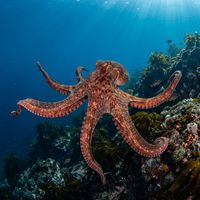
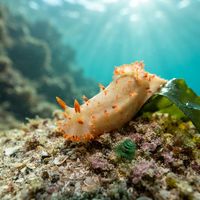
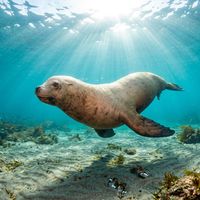
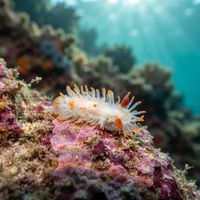
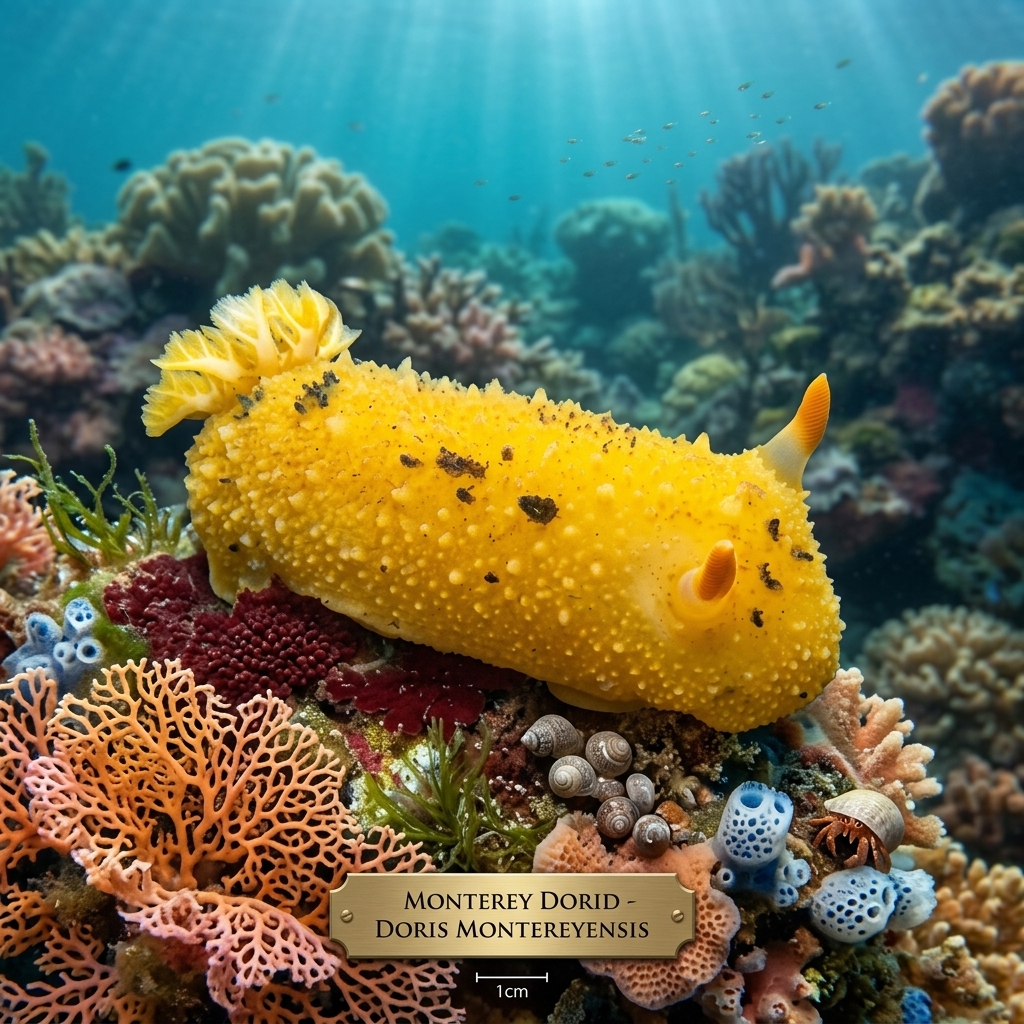
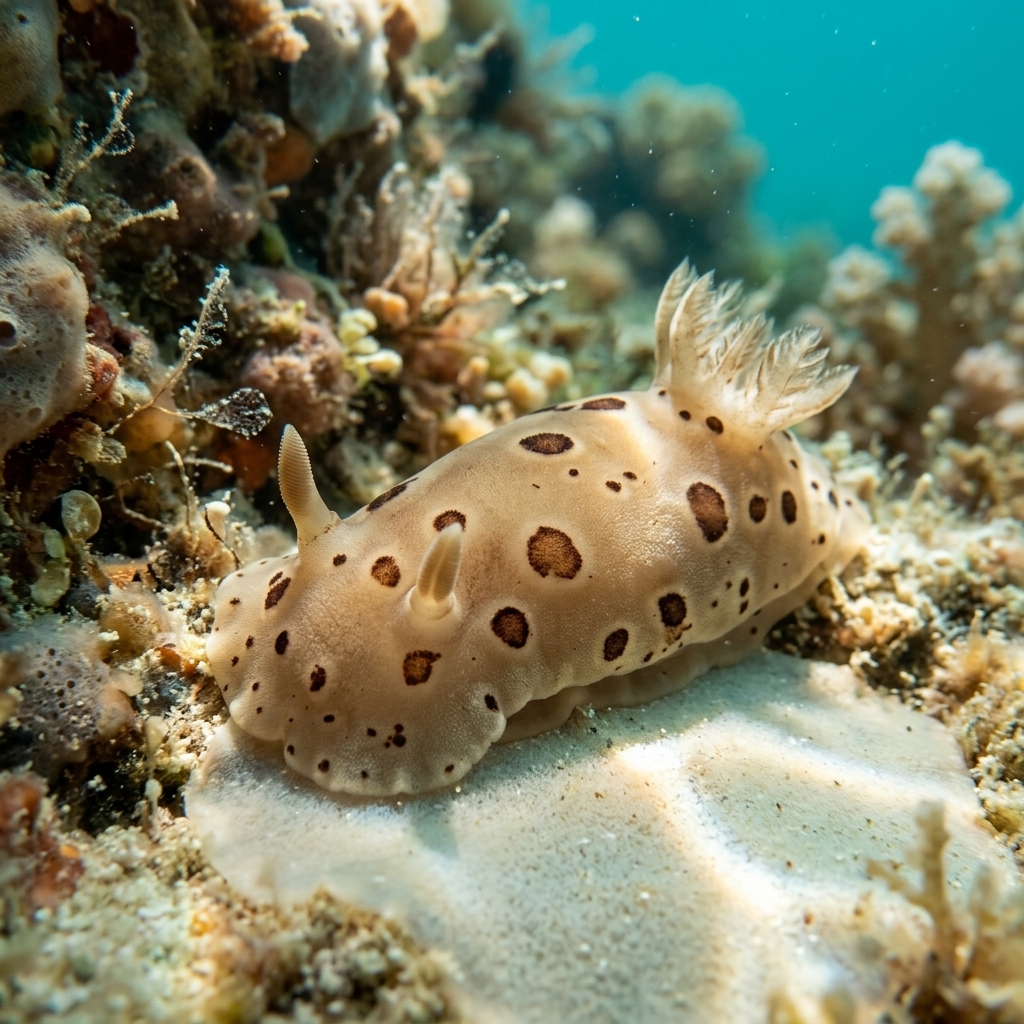
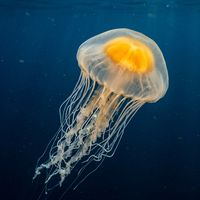
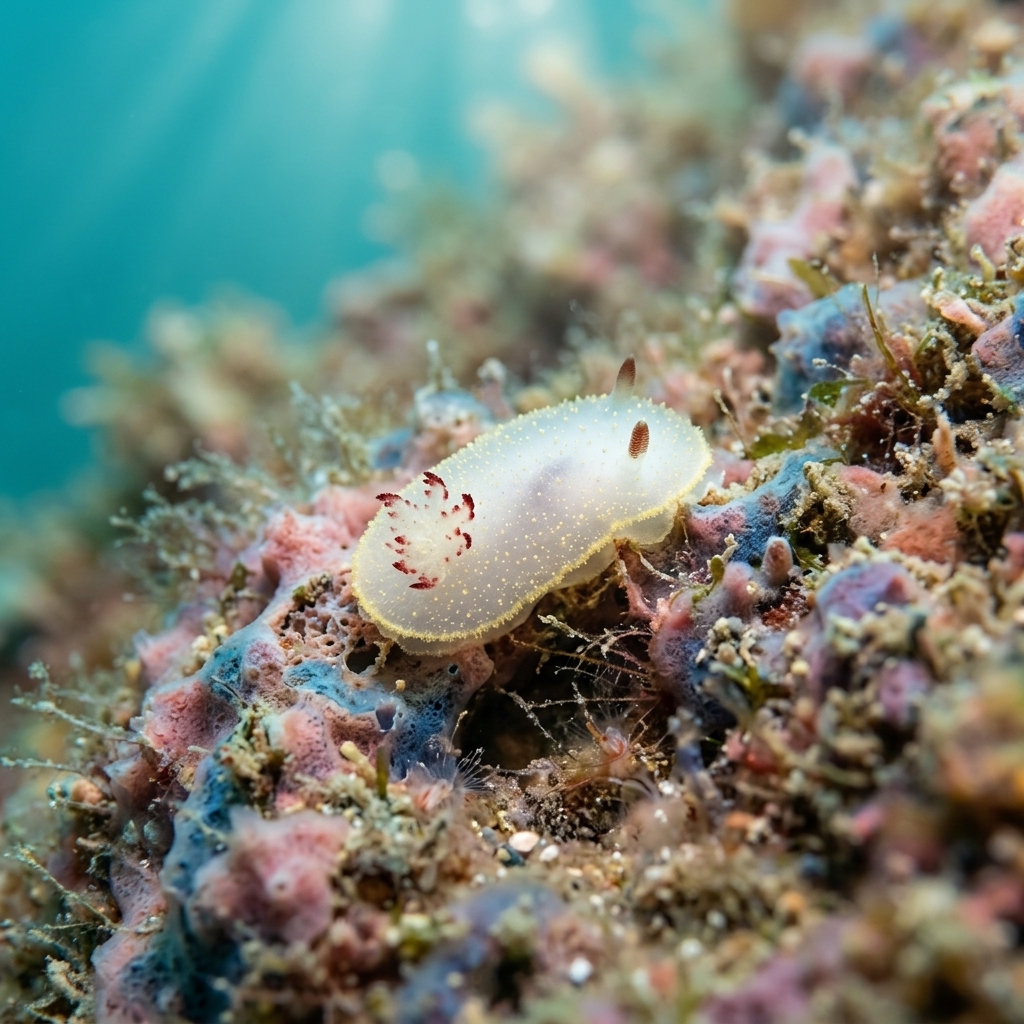
Harbor Seal and California Sea Lion are observed across the great majority of sites, making mammal encounters a near-certainty. Giant Pacific Octopus is regularly sighted on the rocky reefs, and the nudibranch diversity is particularly notable, with Monterey Dorid, Northern Leopard Dorid, Nanaimo Dorid, Cockerell's Nudibranch and White-lined Dirona all commonly recorded. Red Rock Crab, Egg-yolk Jellyfish and Scalyhead Sculpin round out a rich cold-water community.
Several sites in the Race Rocks region are rated for beginners, including Ogden Point and Albert Head Lagoon, both of which offer shore entry and sheltered conditions relative to the more exposed spots. However, many of the signature sites such as Race Rocks itself and Swordfish Island are advanced drift dives requiring solid current experience. Beginners should start at the calmer shore sites before attempting boat-access locations.
Both access types are available in the region. Ogden Point, Albert Head Lagoon and Willis Point are all shore-entry sites, making them easy to visit independently or with a local operator. The namesake Race Rocks site, Swordfish Island and McCurdy Point require boat access, and operators including Ogden Point Dive Centre, Rockfish Divers and Big Fish Expeditions Inc. run trips to these locations.
The region mixes artificial reef, natural reef, wall, drop-off and kelp forest environments, often combined within a single site. Drift diving on current-swept reefs is a defining experience at the offshore boat sites, while the shore sites offer more gradual topography suited to unhurried exploration. Kelp forest features appear at several sites including Ten Mile Point, Albert Head Lagoon and Willis Point, adding a distinct structural layer to the dives.