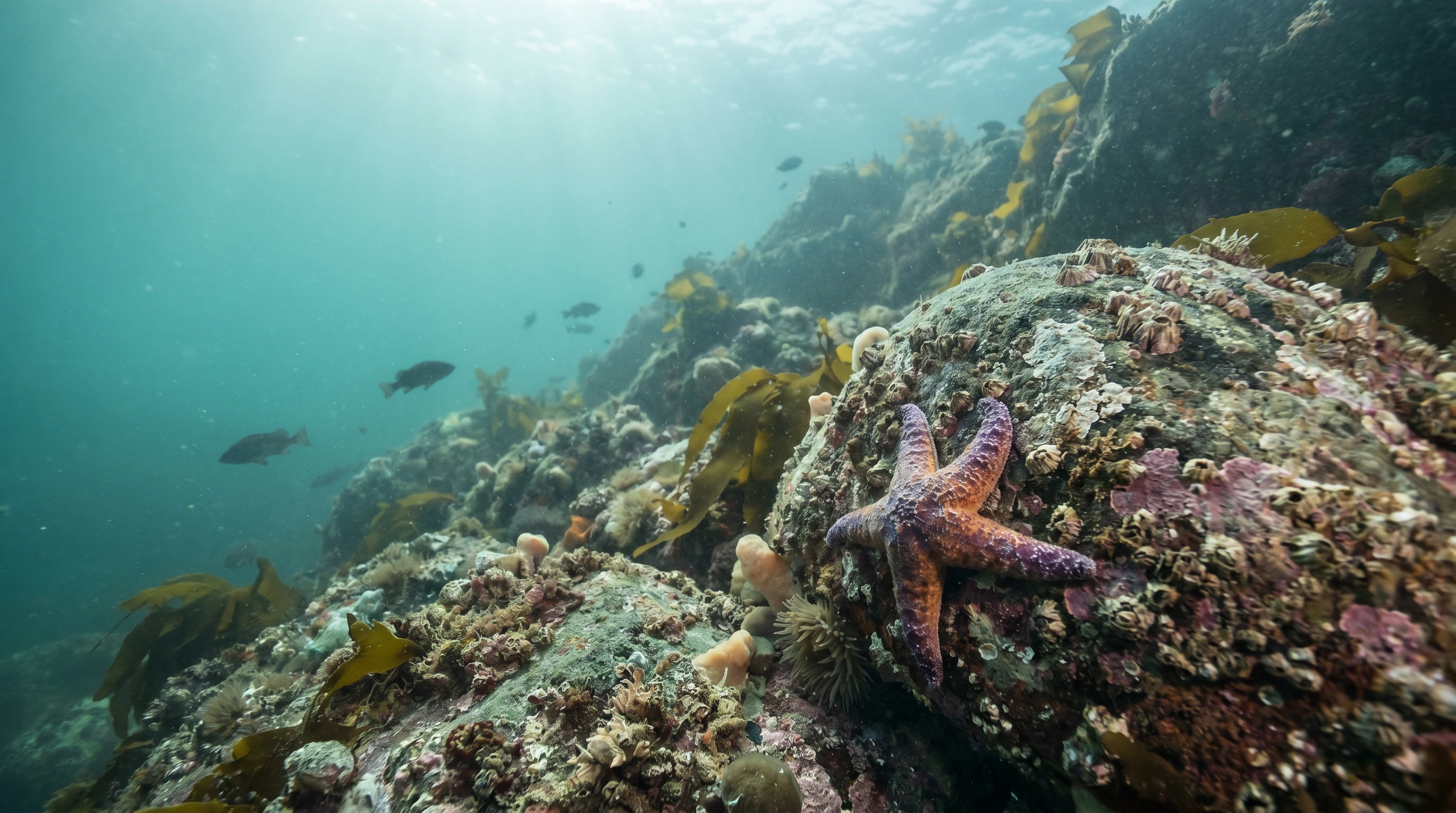
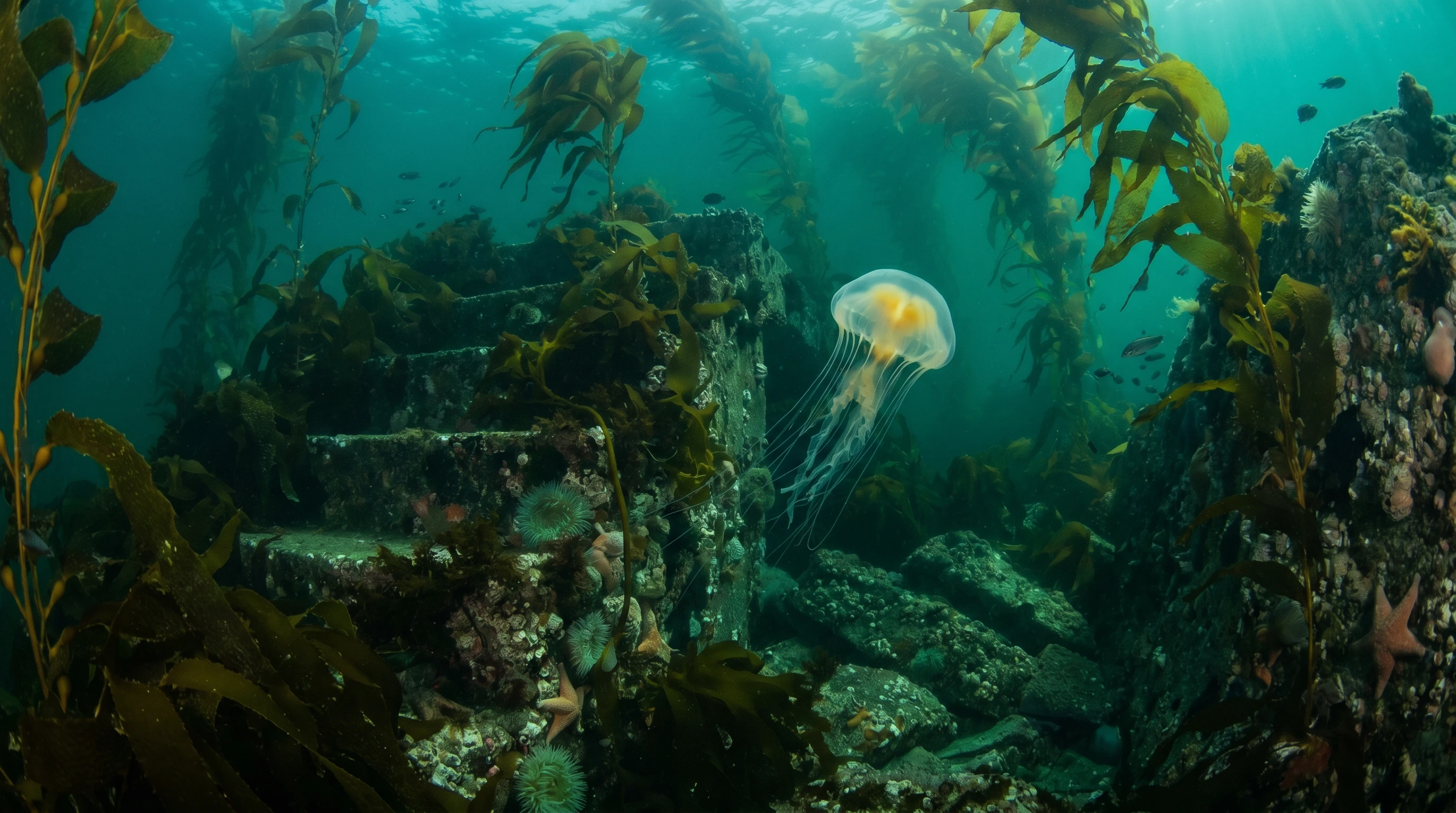
Whytecliff Park is built around shore-entry diving across reef, wall, and kelp forest terrain, with freshwater lake sites rounding out the mix. Most sites suit beginners, though intermediate options exist at Cates Park and Buntzen Lake. The region is rich in nudibranchs, Harbor Seal is a near-constant presence, and Giant Pacific Octopus turns up regularly. Water is cold year-round, dropping sharpest in winter.
Monthly water temperature across Whytecliff Park's sites, from satellite sea-surface data corrected for depth. The band shows the site-to-site spread.
Water temperature climbs from its winter low into a warmer summer peak, making mid-year the most comfortable time to dive without heavy exposure protection. Spring and autumn are flagged as particularly rewarding for marine life activity. Winter diving is possible but cold, and suits experienced divers comfortable in cool-water conditions.
10 more sites to explore
Water temperature around Whytecliff Park ranges from about 7°C in January to 16°C in July, based on satellite sea-temperature data for its dive sites.
In the warm season (about 16°C) a 7mm or semi-dry suit is comfortable in Whytecliff Park; in the coldest months (about 7°C) step up to a drysuit.
Fin maps 18 sites in Whytecliff Park (18 scuba diving sites and 2 snorkelling spots, with some suited to both).
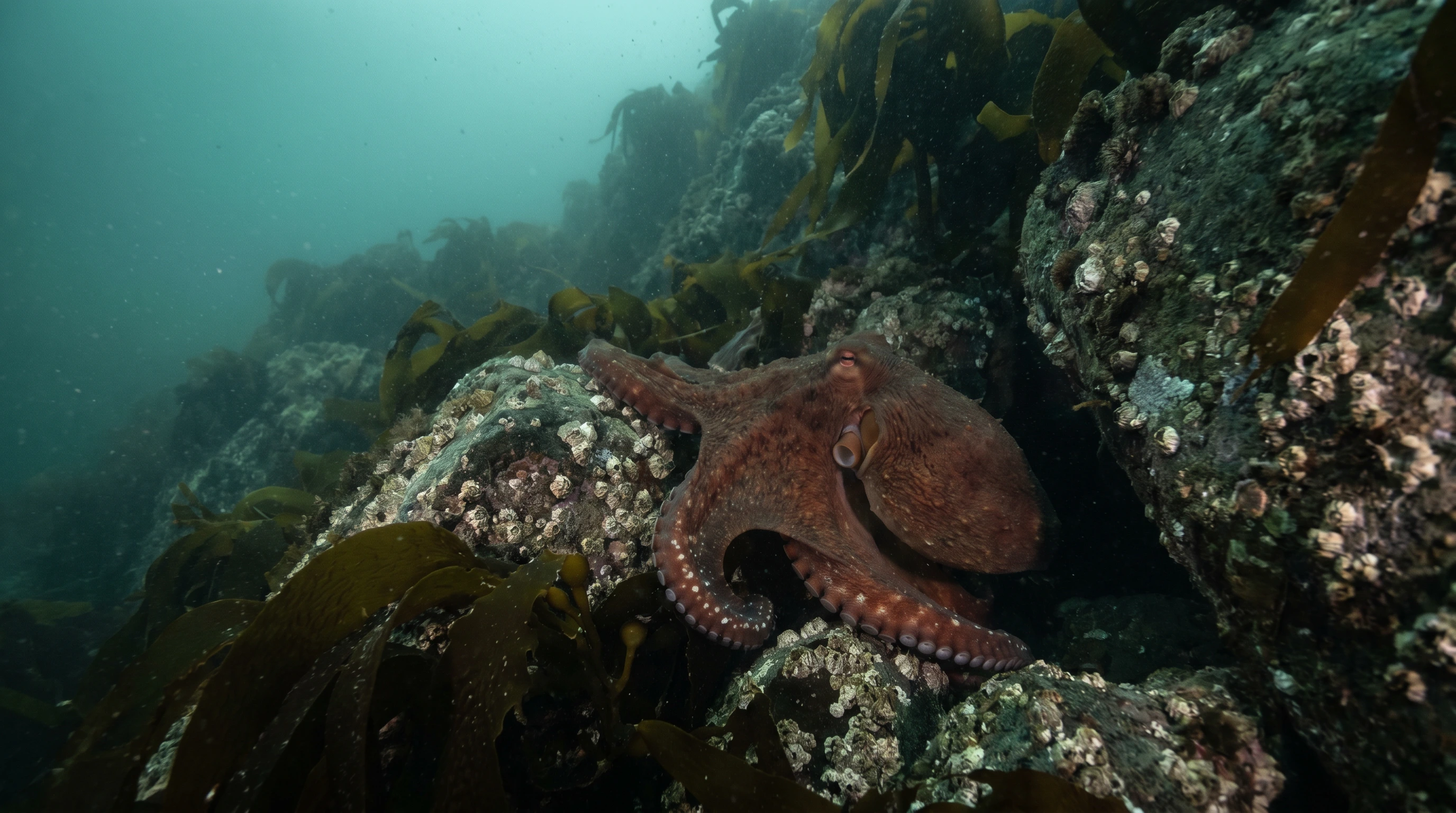
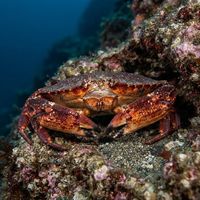
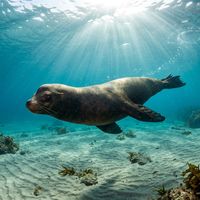
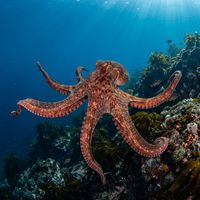
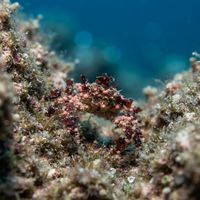
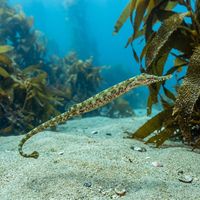
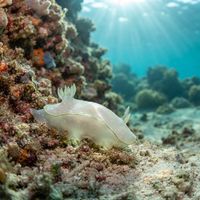
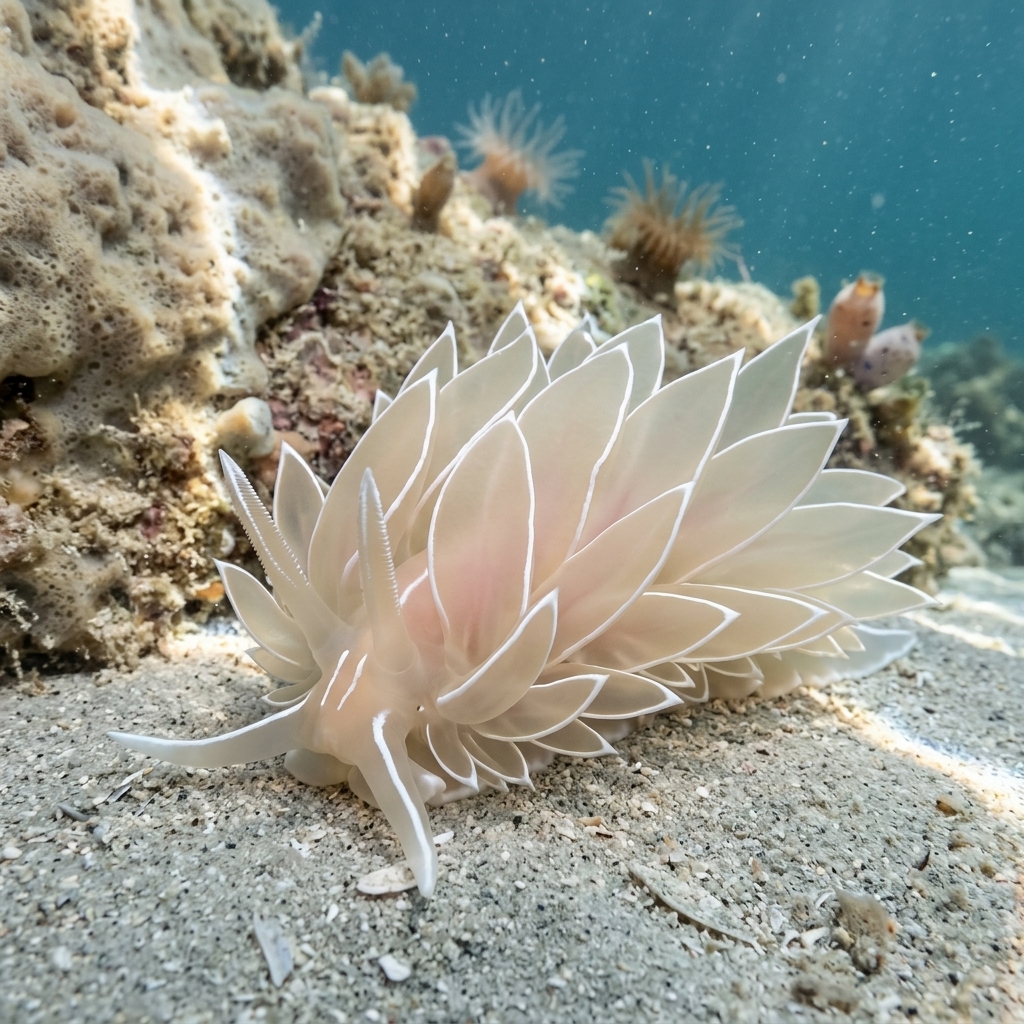
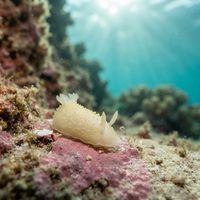
Harbor Seal and Dungeness Crab are seen on the vast majority of dives. Graceful Decorator Crab and Kelp Pipefish are also very commonly recorded. Keep an eye out for Giant Pacific Octopus and California Sea Lion, both of which have been observed across a good portion of sites. Nudibranch diversity is a particular highlight, with species including White-lined Dirona, Nanaimo Dorid, and Hudson Spiny Doris all confirmed by observation.
The majority of sites are rated for beginners, including the main Whytecliff Park site, Seymour Bay, Racoon Island, and Whiskey Cove. Shallow shore entries make access straightforward, and some sites offer very relaxed, gentle conditions ideal for newly certified divers. Intermediate divers have options too, particularly at Cates Park and Buntzen Lake, which offer more depth and structure.
Shore entry is the standard access method across almost all sites in the area, making boat hire unnecessary for most dives. Racoon Island is an exception, available by both shore and boat. The convenience of shore access means divers can plan independent dives without needing to arrange operator transport, though local operators PNW Expeditions and Ocean Pro Divers are available for guided trips.
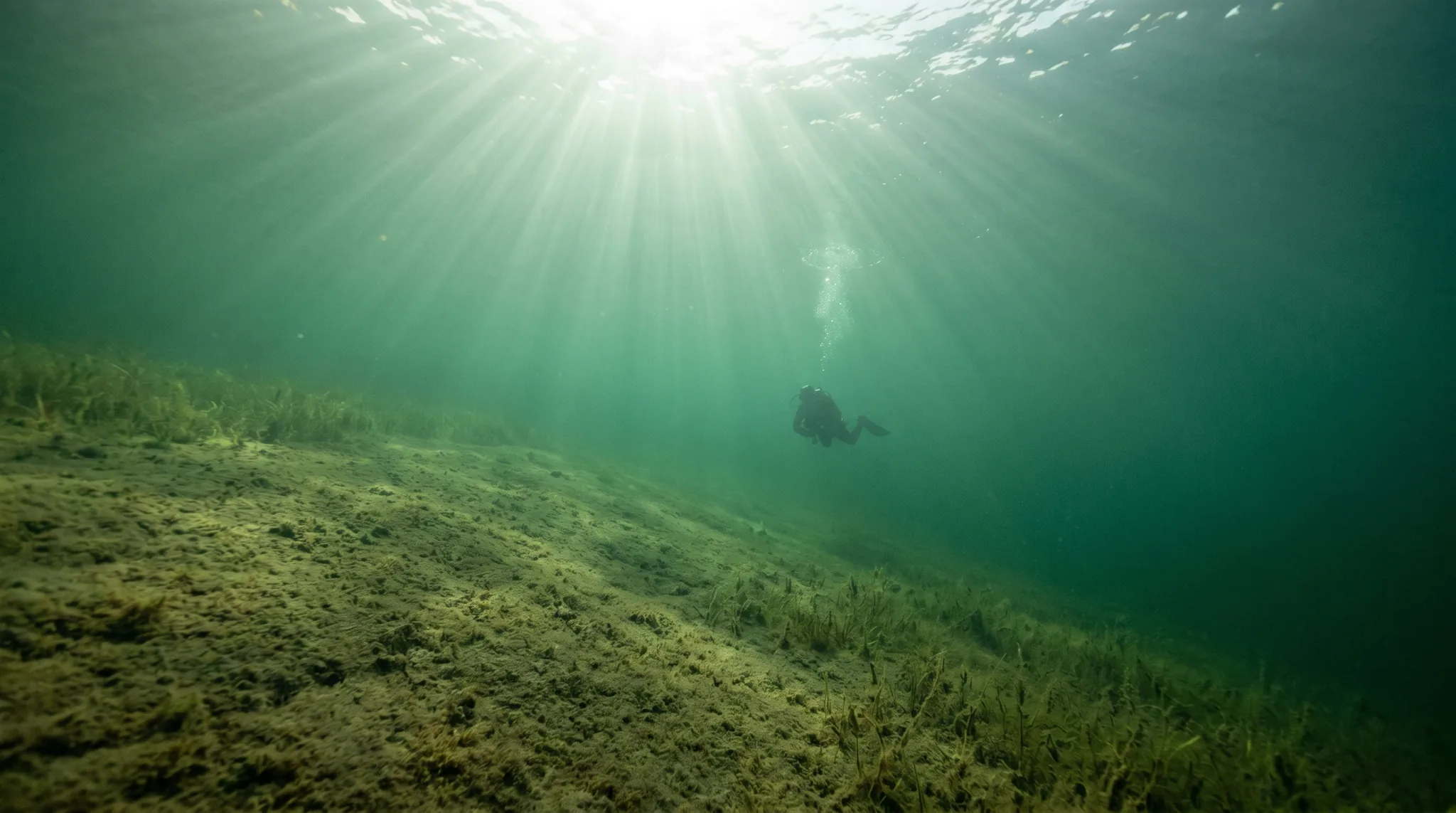
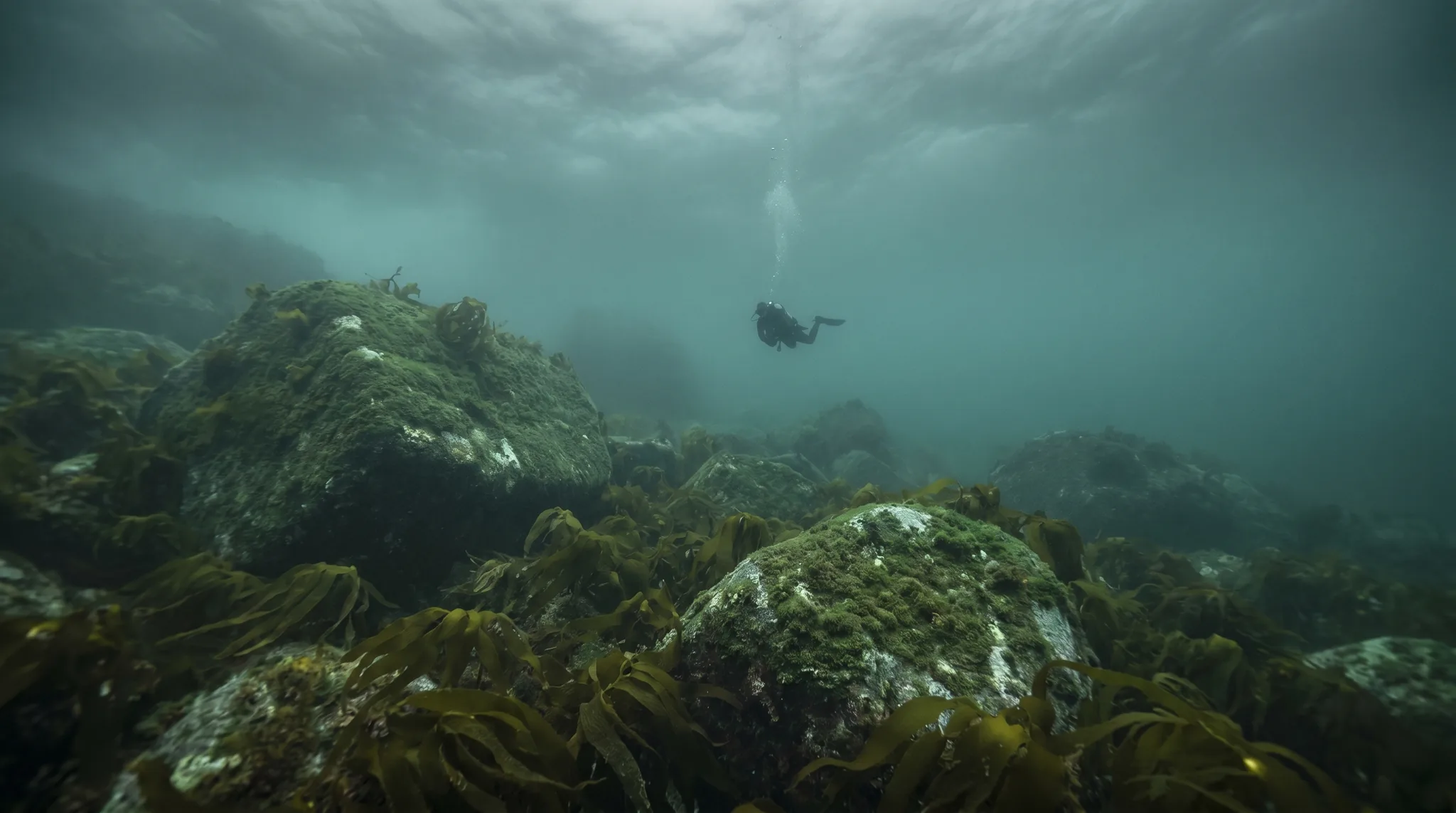
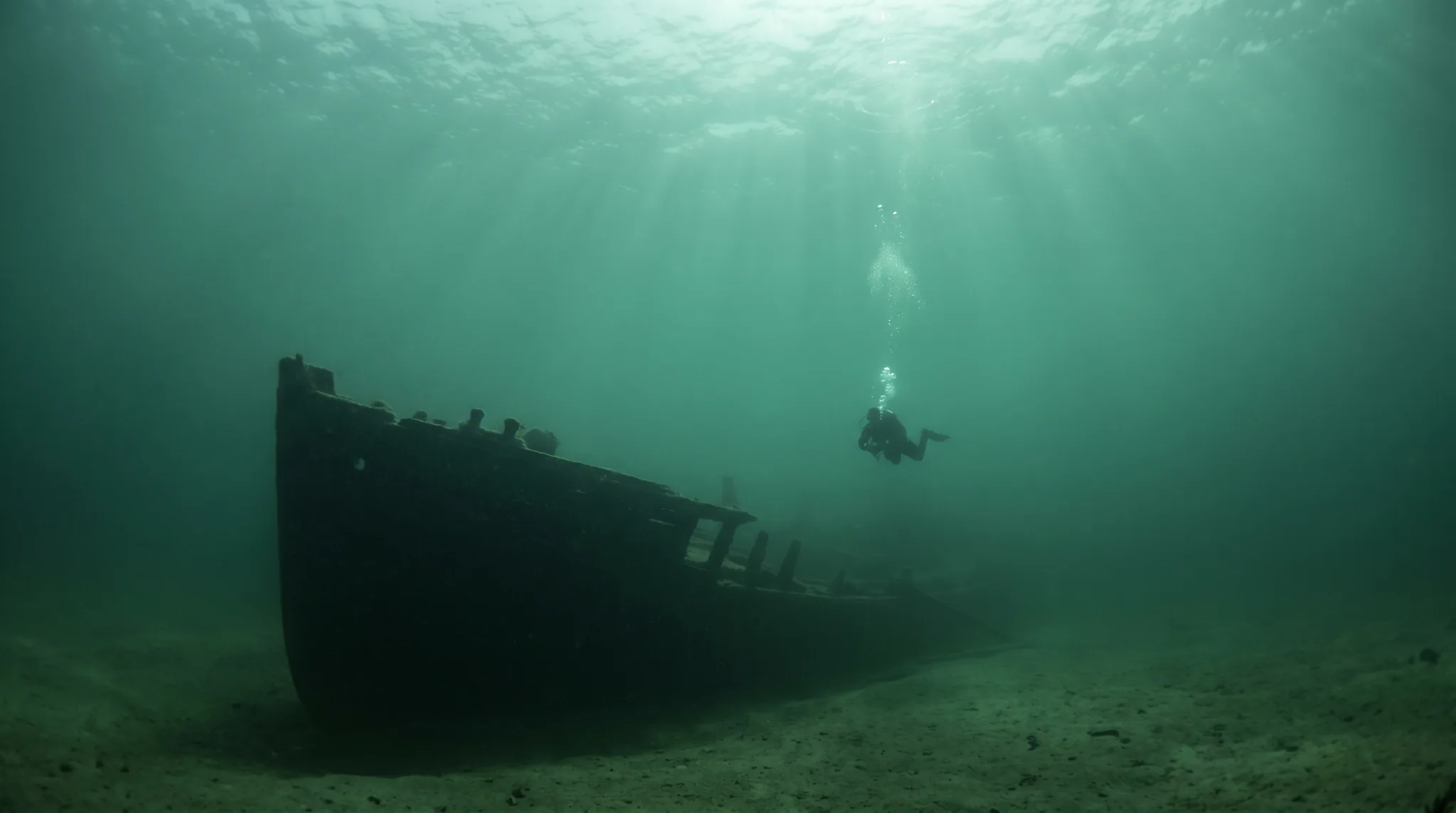
The region mixes ocean and freshwater diving. Coastal sites offer reef, wall, and kelp forest environments, with some incorporating artificial reef structures. Freshwater sites such as Alouette Lake and Buntzen Lake serve as training grounds and offer a different character entirely, including submerged tree stumps at Alouette Lake. Depths across the area range from very shallow to well beyond recreational sport-diving limits at the deeper lake sites.