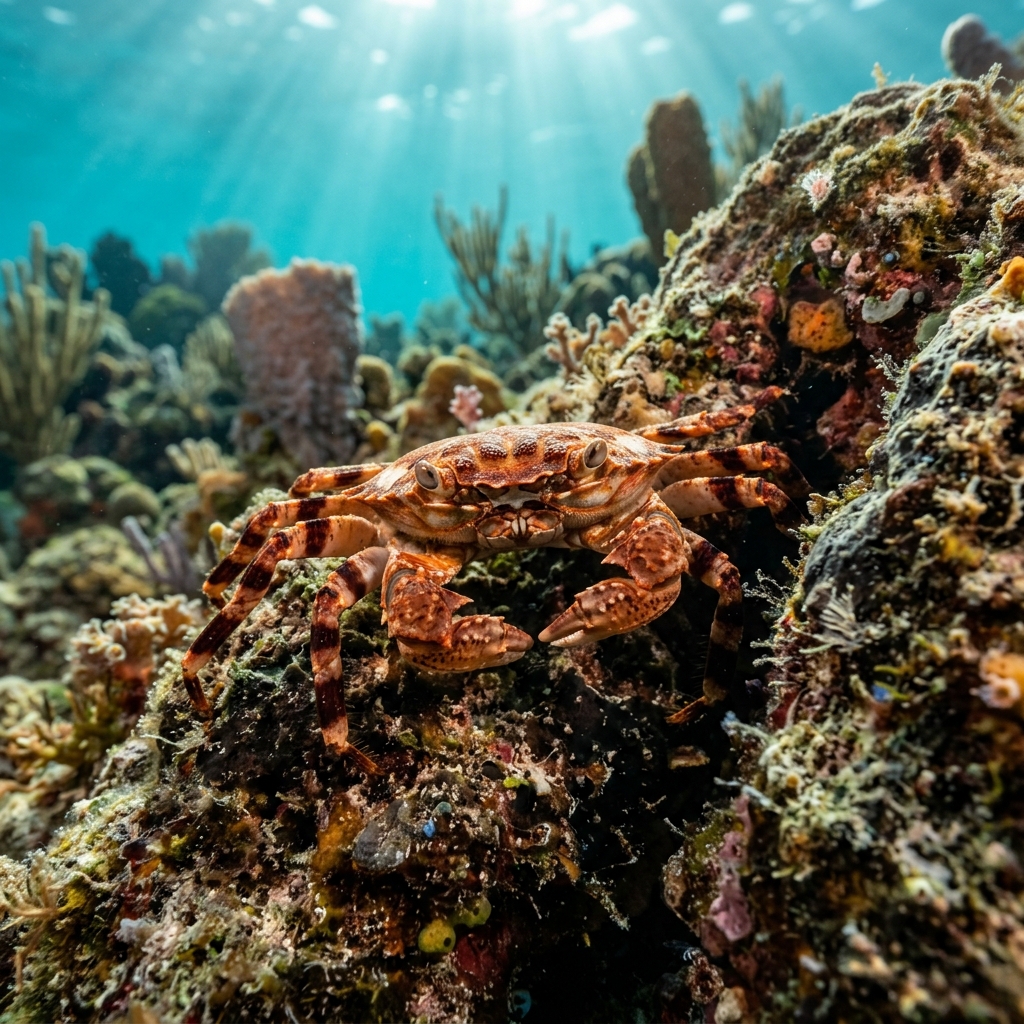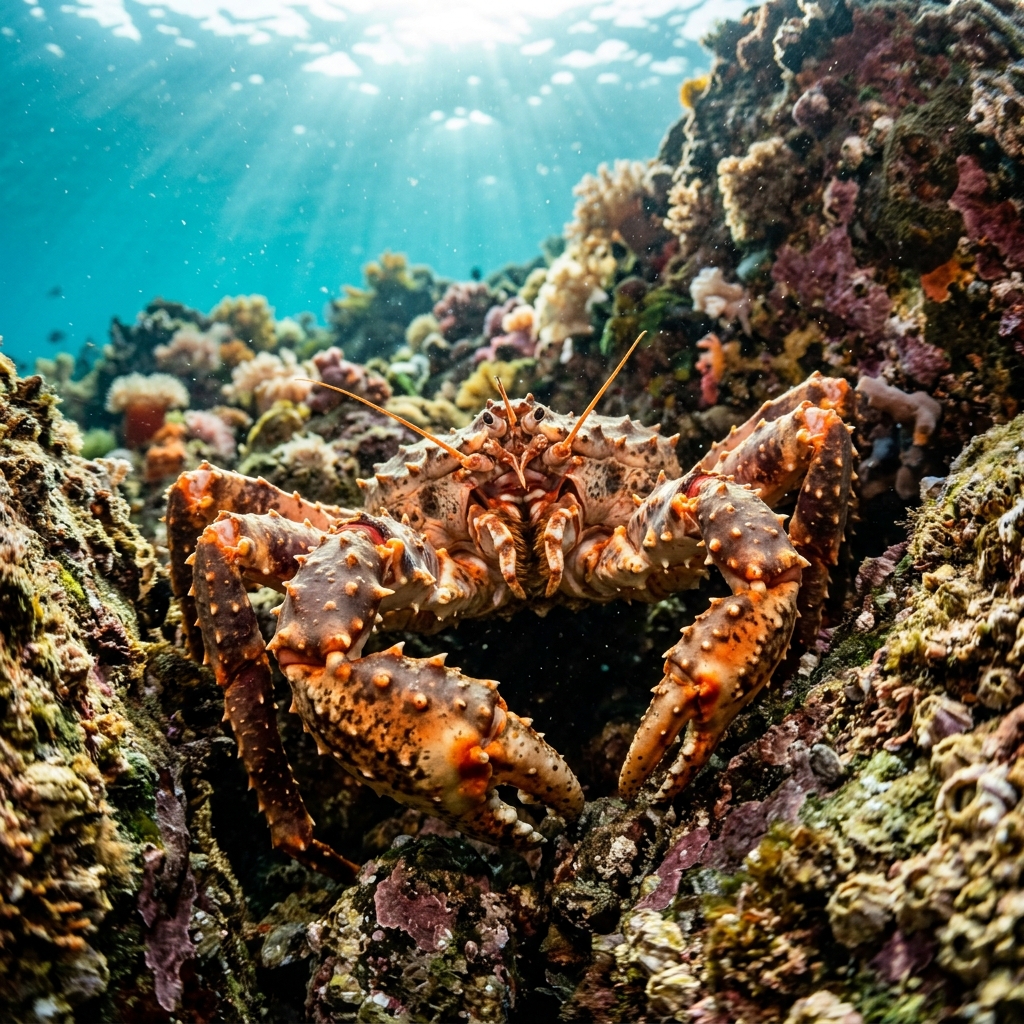
Oregonia gracilis
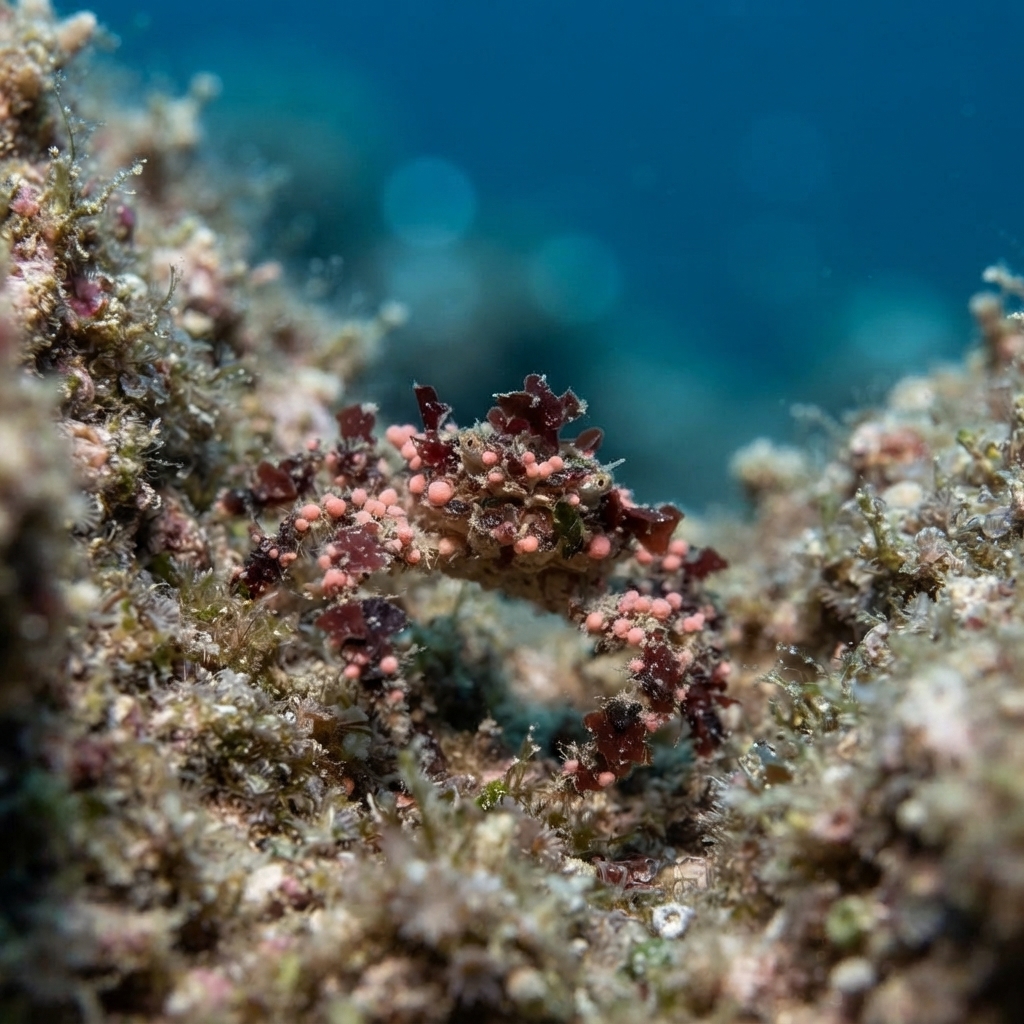
Cold-water crab covered in sponge and algae, spotted year-round in British Columbia's chilly 7.5-13.5C reefs. Look close, it's easy to miss.
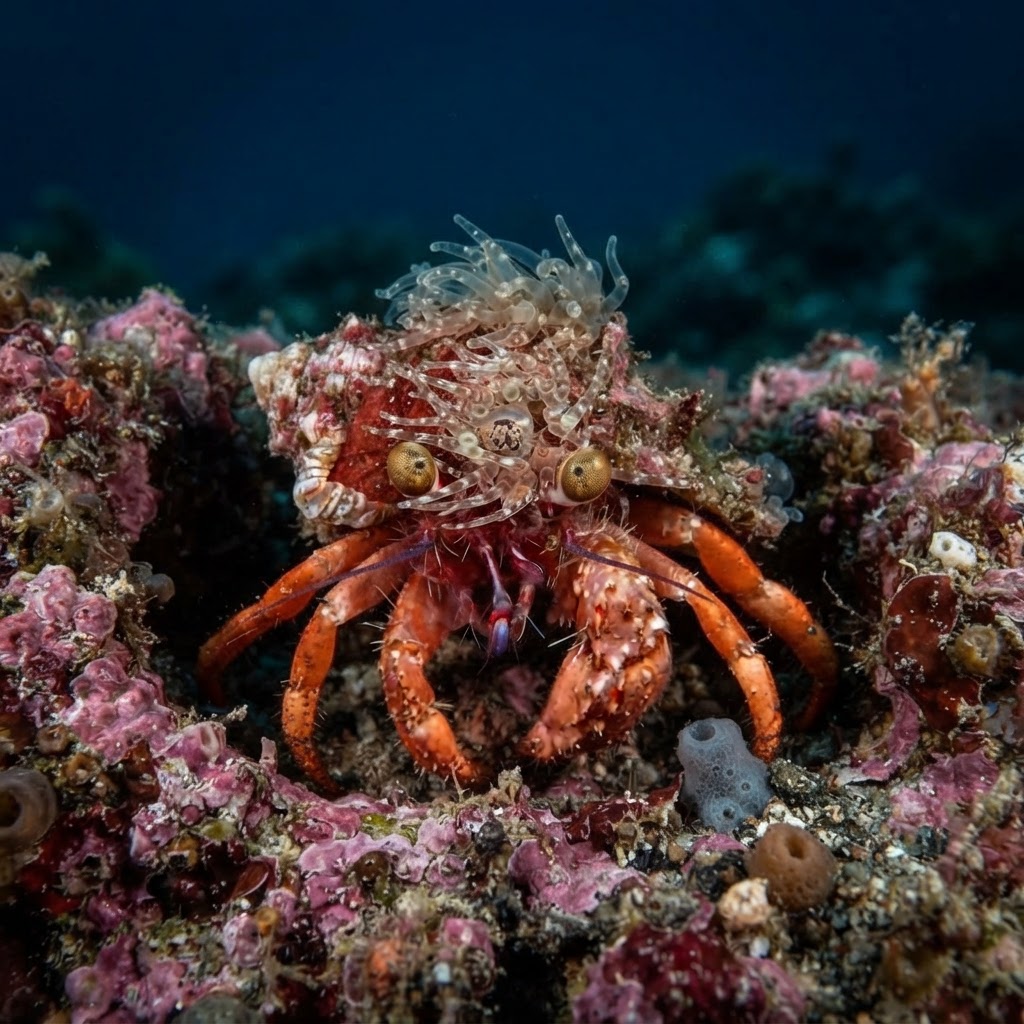
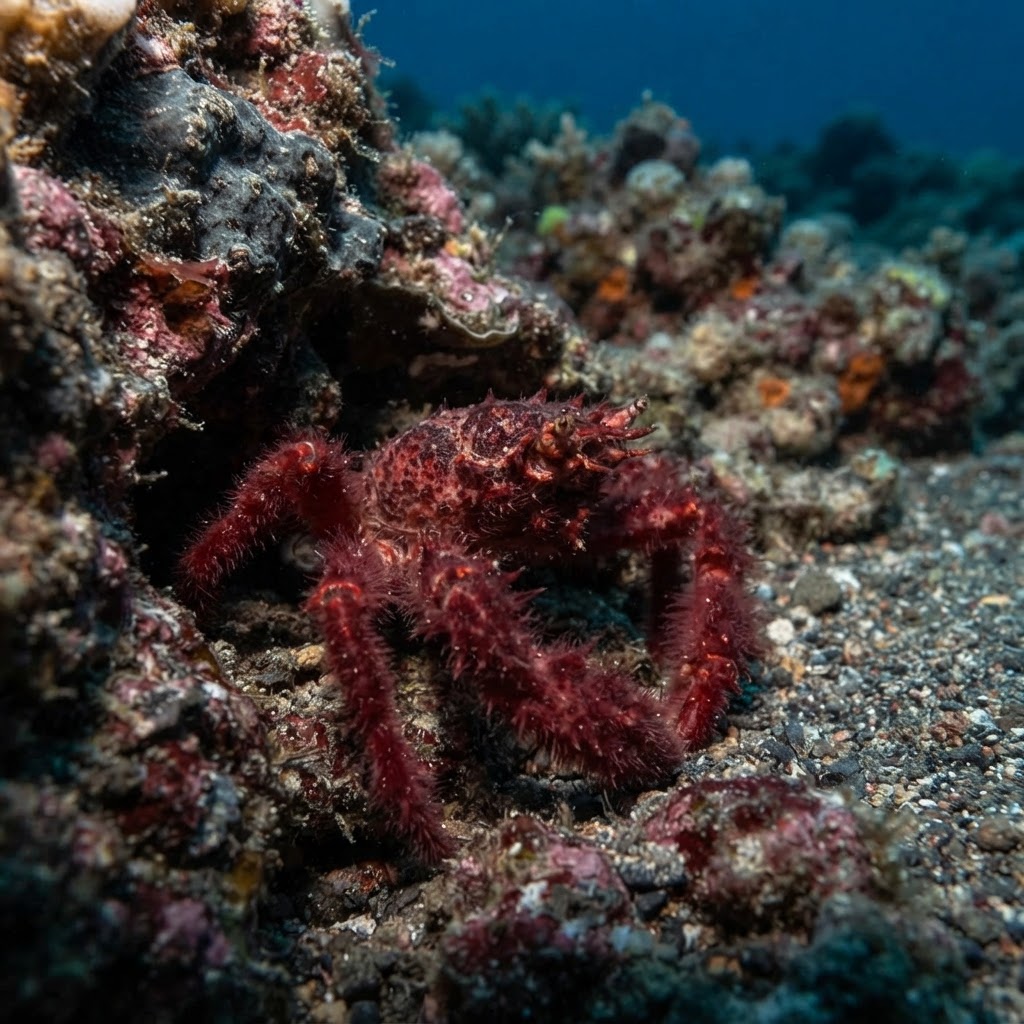
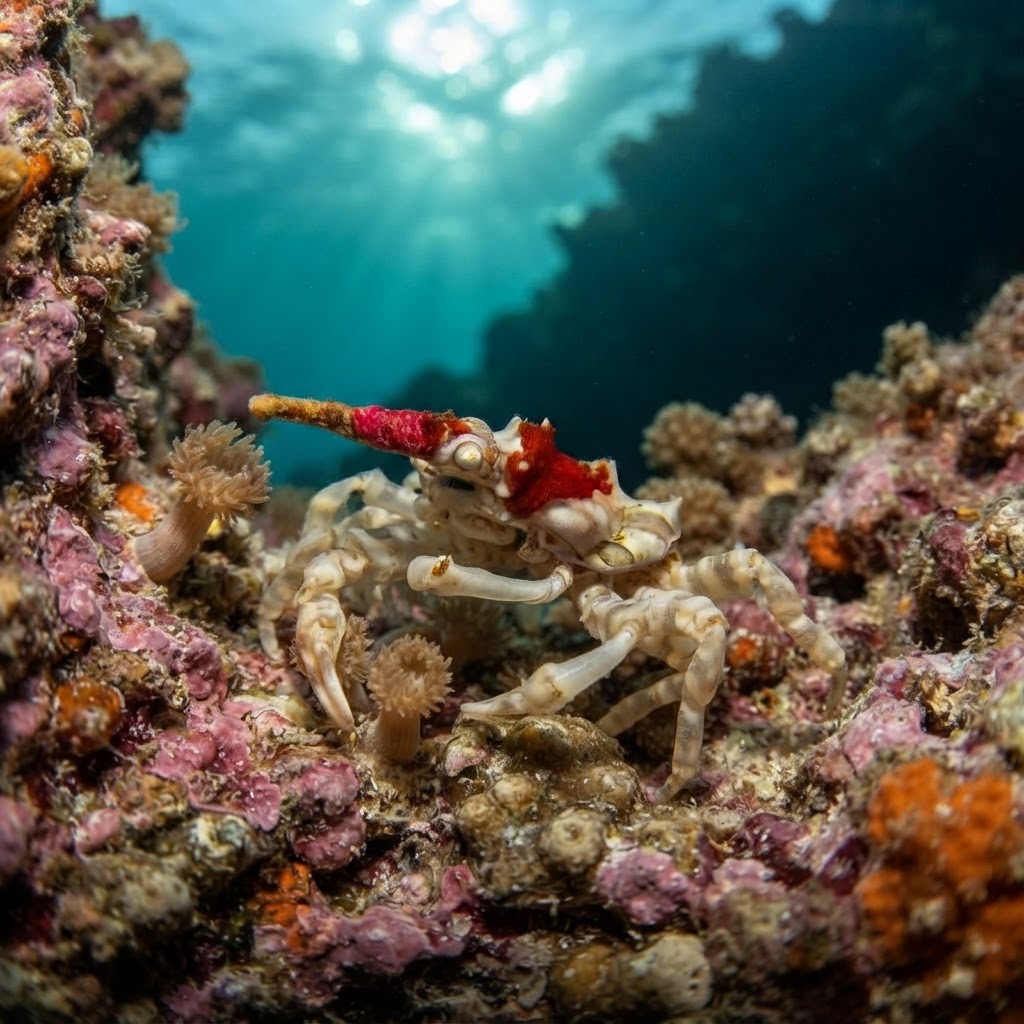
A small spider-like crab, only around 4cm across, with a triangular shell and long thin legs that it deliberately covers in bits of sponge, algae and hydroids as camouflage. From a distance it looks like a lump of debris rather than an animal, and the disguise means colour and pattern vary wildly from one individual to the next depending on what it has stuck to itself. The giveaway is the shape underneath: a narrow, pointed carapace and slow, deliberate leg movements once you look closely.
Divers mostly find it sitting motionless on rock, wharf pilings or amid sponge and algae growth, relying entirely on its camouflage rather than fleeing when a light passes over it. It moves slowly and deliberately, picking at bits of material with its claws to add to its disguise, and pays little attention to divers who aren't actively disturbing it. Most sightings come from macro-focused dives where someone is scanning slowly rather than cruising past.
It builds its own camouflage from scratch, snipping pieces of sponge, algae and even small anemones and pressing them onto hooked bristles on its shell and legs, so no two individuals end up looking quite the same.
No clear seasonal pattern shows up in the data, and given its comfort range of 7.5 to 13.5C, which matches the Pacific Northwest's cold water year-round, it's a sighting you can plan for in any month rather than a specific season.
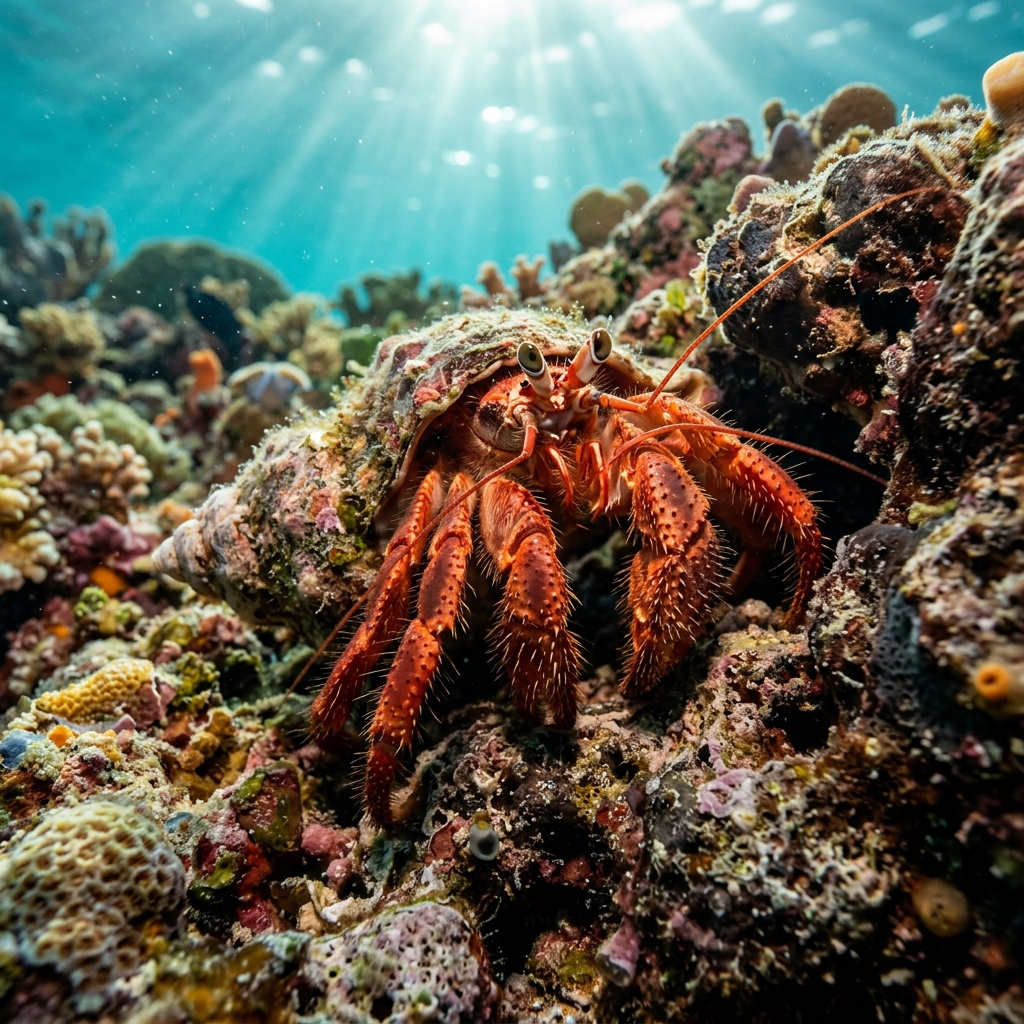
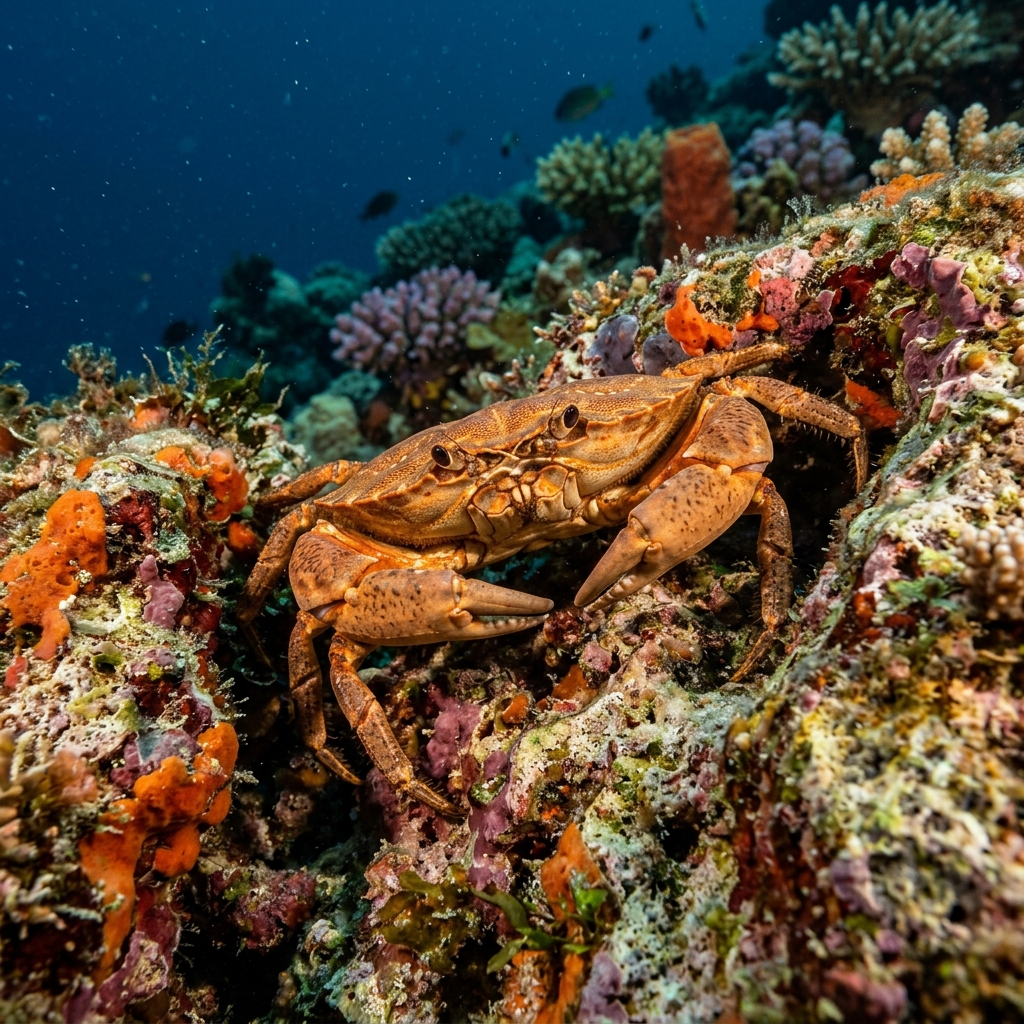
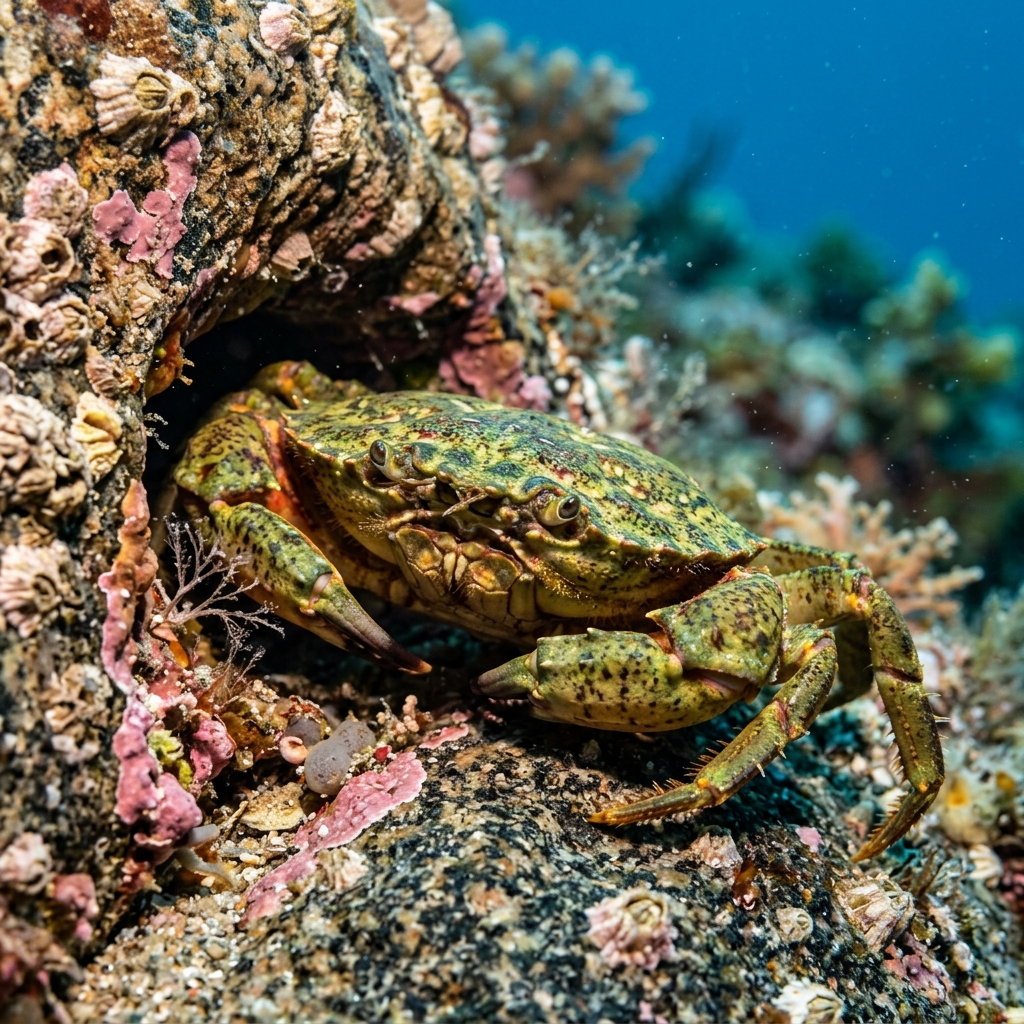
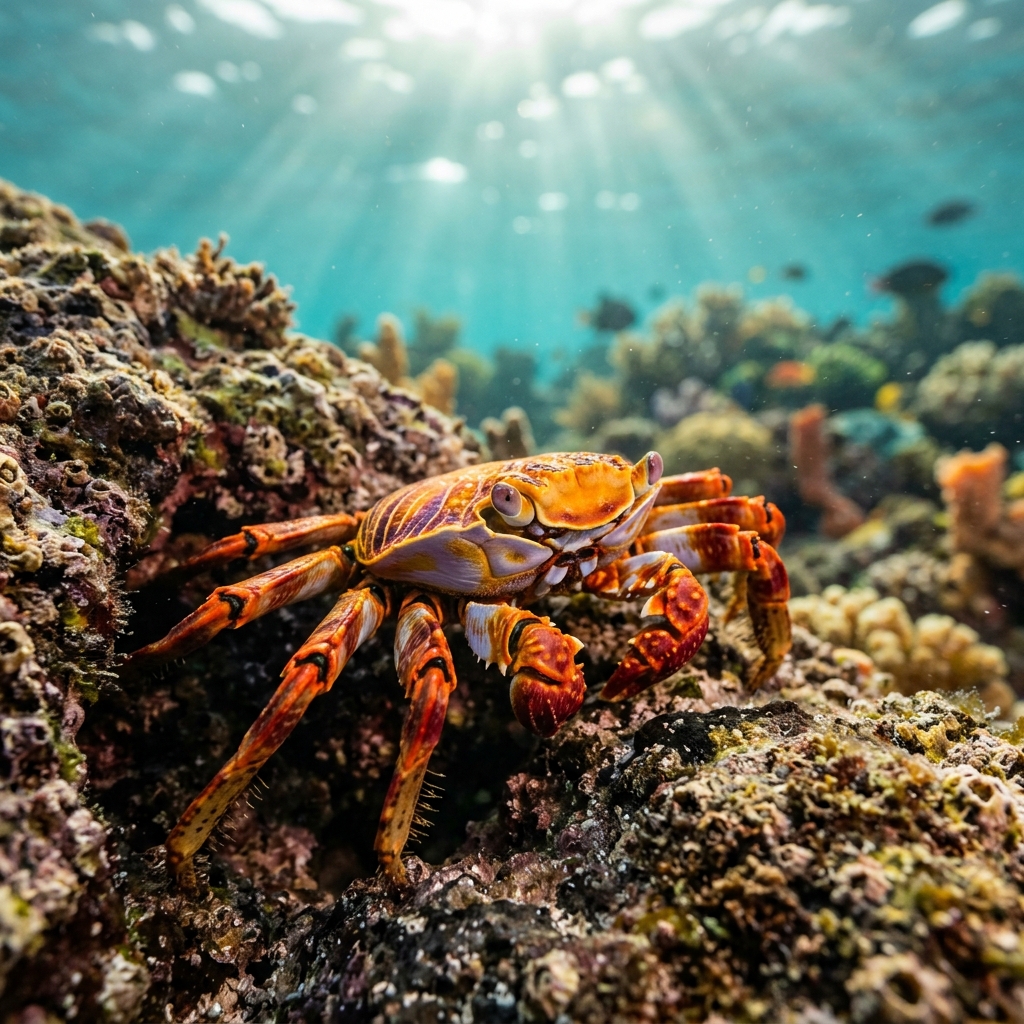
Reef neighbours a diver could mistake it for. Use the identification notes above to tell them apart.
Overwhelmingly a British Columbia find, with sites across the province making up most logged sightings, especially around the Pacific coast. Smaller but reliable numbers turn up in the Pacific Northwest region of the United States and further north in Alaska, so it's a cold-water Pacific species through and through.
Mapping where Graceful Decorator Crab is logged…
British Columbia, Canada is by far the strongest region for this species, with further sightings in the Pacific Northwest and Alaska in the United States. It's a cold-water Pacific species rather than a tropical reef find.
There's no strong seasonal signal in sighting data, and its temperature range of 7.5 to 13.5C is present in the Pacific Northwest year-round, so any month is a reasonable time to look.
Look for a small, roughly 4cm crab with a triangular shell and thin legs covered in sponge, algae or hydroids it has attached itself. It moves slowly and often looks more like a piece of debris than an animal until you spot the leg movement.
They're small, typically around 4cm across the shell, which along with their camouflage makes them easy to swim straight past.
They actively decorate themselves, snipping sponge, algae and small invertebrates and hooking the pieces onto bristles on their shell and legs to build a personalised camouflage suit.
No, they pose no threat to divers. They're small, slow-moving and rely on camouflage rather than any form of defence against people.
Site and sighting data is aggregated from diver logs, iNaturalist and GBIF. For taxonomy and conservation status:
European Green Crab
2,469 sites