Cadlina sylviaearleae
A cold-water dorid nudibranch logged again and again across British Columbia's chilly 8 to 14C dive sites, most often as a common find.
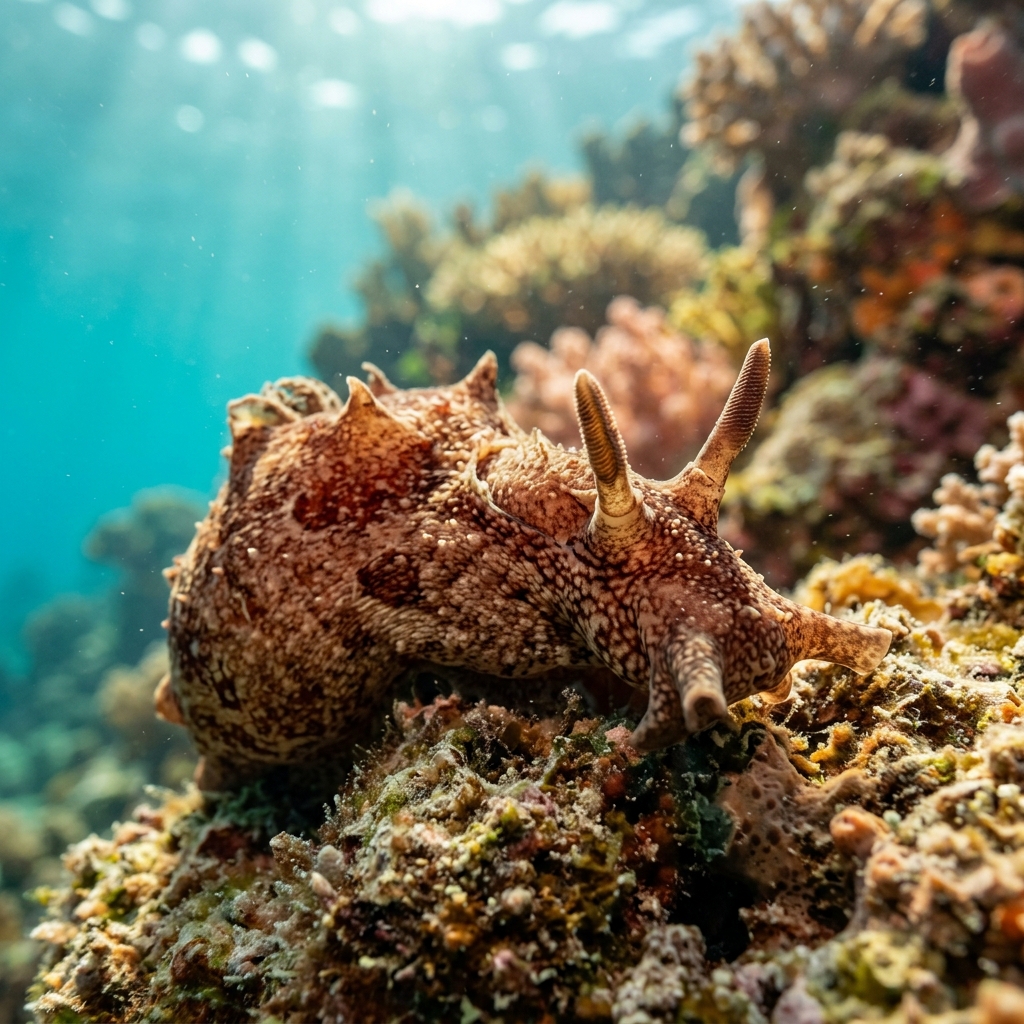
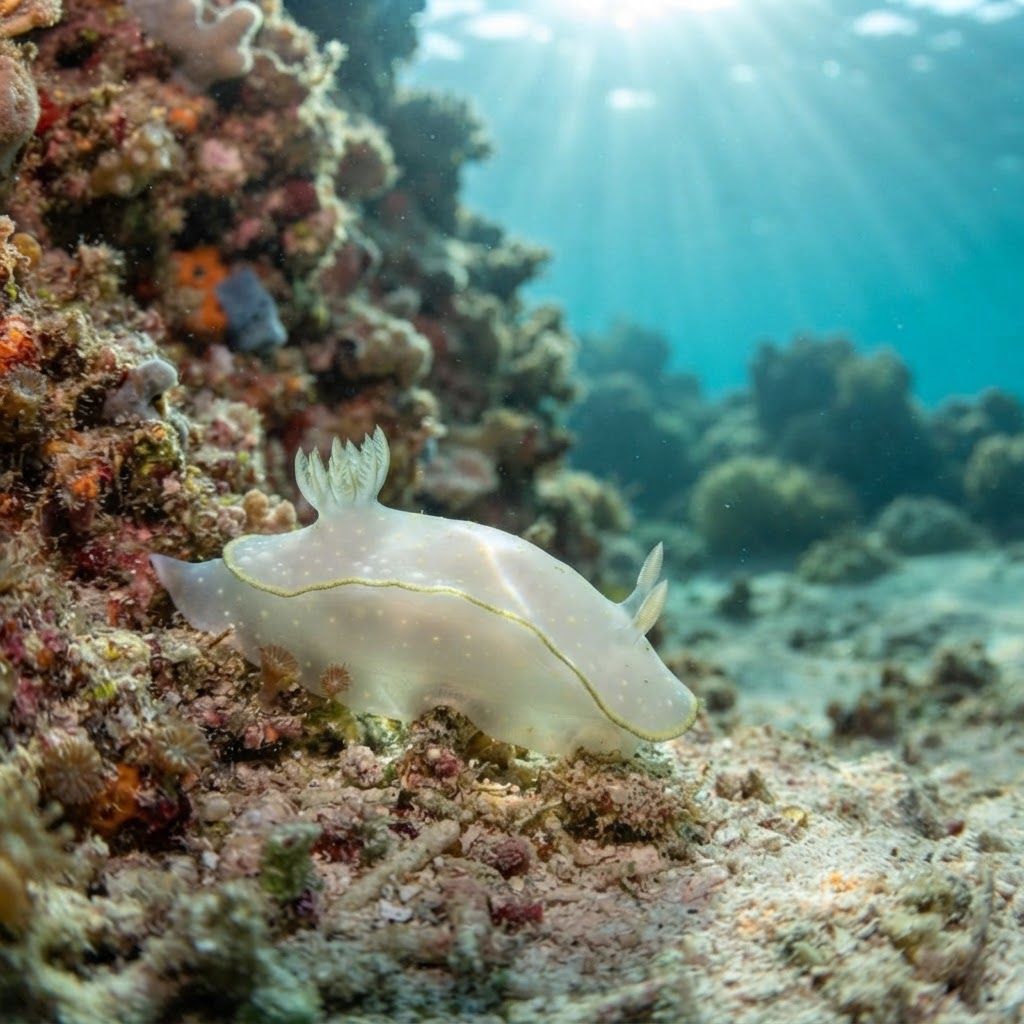
Small, soft-bodied sea slug (nudibranch) with a bumpy, tubercle-covered mantle typical of the Cadlina genus, usually pale cream to yellowish with fine spotting patterns running down the back. Look for the frilly gill cluster (the exposed feathery organ) near the rear of the body and a pair of upright sensory tentacles (rhinophores) at the front. Size in the water reads as small, usually a few centimetres, easy to miss against mixed rubble or sponge-covered rock unless you slow down and scan close.
Divers find it slow-moving over rocky reef and rubble, grazing quietly and paying little attention to a torch or a close look. It is not a fast or reactive animal, so a patient, close approach rarely disturbs it. Most logs describe it turning up on typical cold-water BC reef structure rather than any one specific habitat feature.
Like other dorid nudibranchs, it likely feeds on sponges and draws on compounds from that diet for its own chemical defence, which is part of why it can sit exposed on the reef without much cover.
Sightings do not show a clear seasonal pattern, so treat this as a year-round find in its 8.1 to 14.1C temperature niche, which matches BC's cold water conditions across most of the year.
Logged consistently across British Columbia, Canada, which accounts for essentially every recorded sighting of this species so far. If you are diving cold-water sites in BC and checking rocky, sponge-encrusted walls or rubble patches, this is one of the dorid nudibranchs you are most likely to cross paths with.
Mapping where Sylvia Earle's Cadlina is logged…
It is most reliably found in British Columbia, Canada, where it has been logged across a wide spread of cold-water dive sites, from common to occasional finds depending on the site.
There is no strong seasonal pattern in the sightings, so it is considered a year-round species within its 8.1 to 14.1C water temperature niche.
Look for a small, pale, bumpy-bodied nudibranch with a tubercled mantle, upright rhinophores at the front, and a frilly gill tuft near the tail end. It moves slowly over cold-water rock and rubble, so a close, patient look is usually needed to spot the fine detail.
Exact size data is not confirmed, but like most Cadlina species it stays small, typically only a few centimetres long, so divers need to look closely to spot one on the reef.
No, it poses no danger to divers. It is a small, slow-moving sea slug that can be observed closely without any risk.
Like many dorid nudibranchs, it likely feeds on sponges and stores chemical defences from that diet, which may explain why it sits exposed on open reef without needing to hide.
Site and sighting data is aggregated from diver logs, iNaturalist and GBIF. For taxonomy and conservation status:
Light-spotted Aegires
3,168 sites