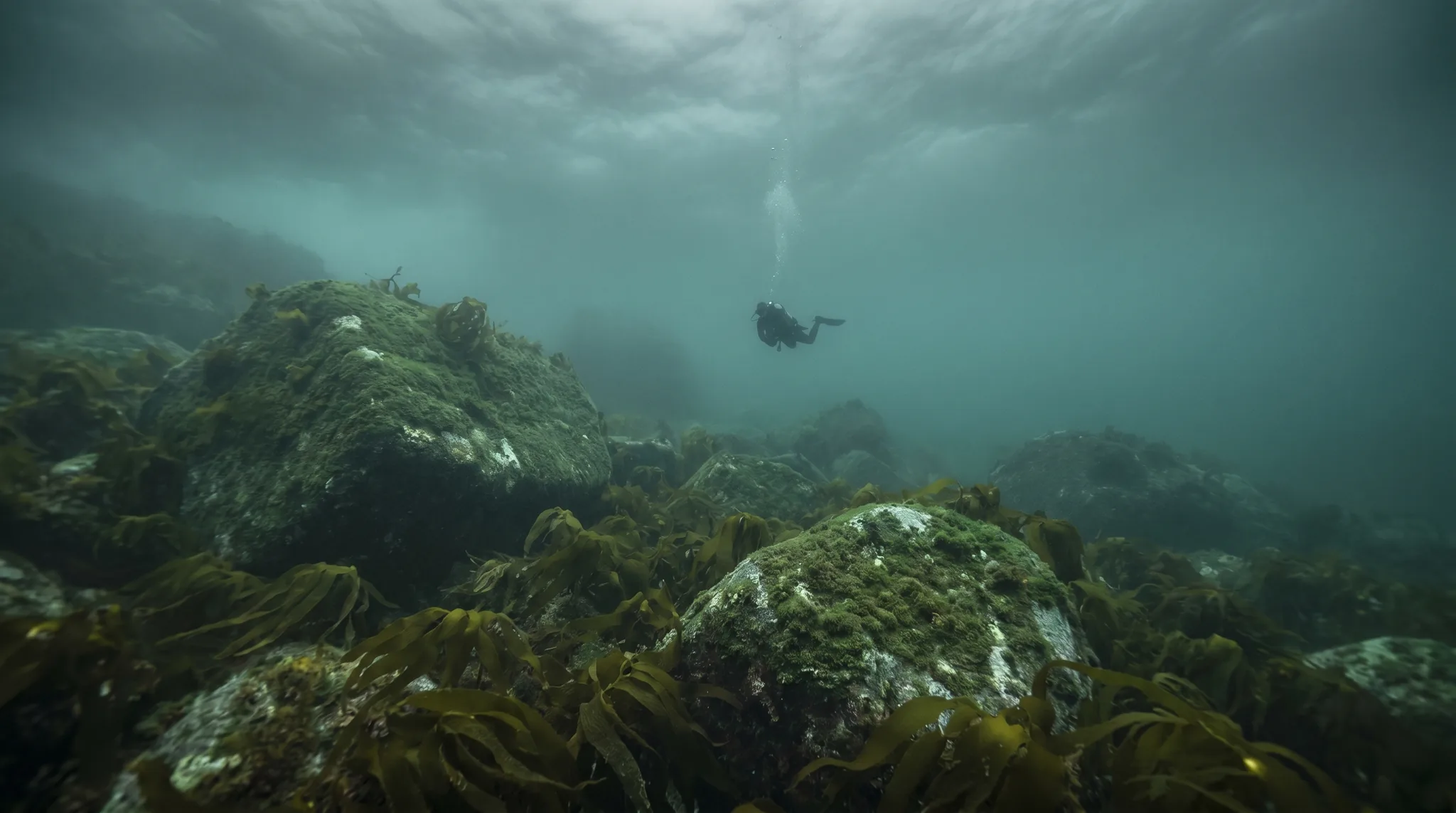
Best for beginner divers, 3-10m, boat entry.
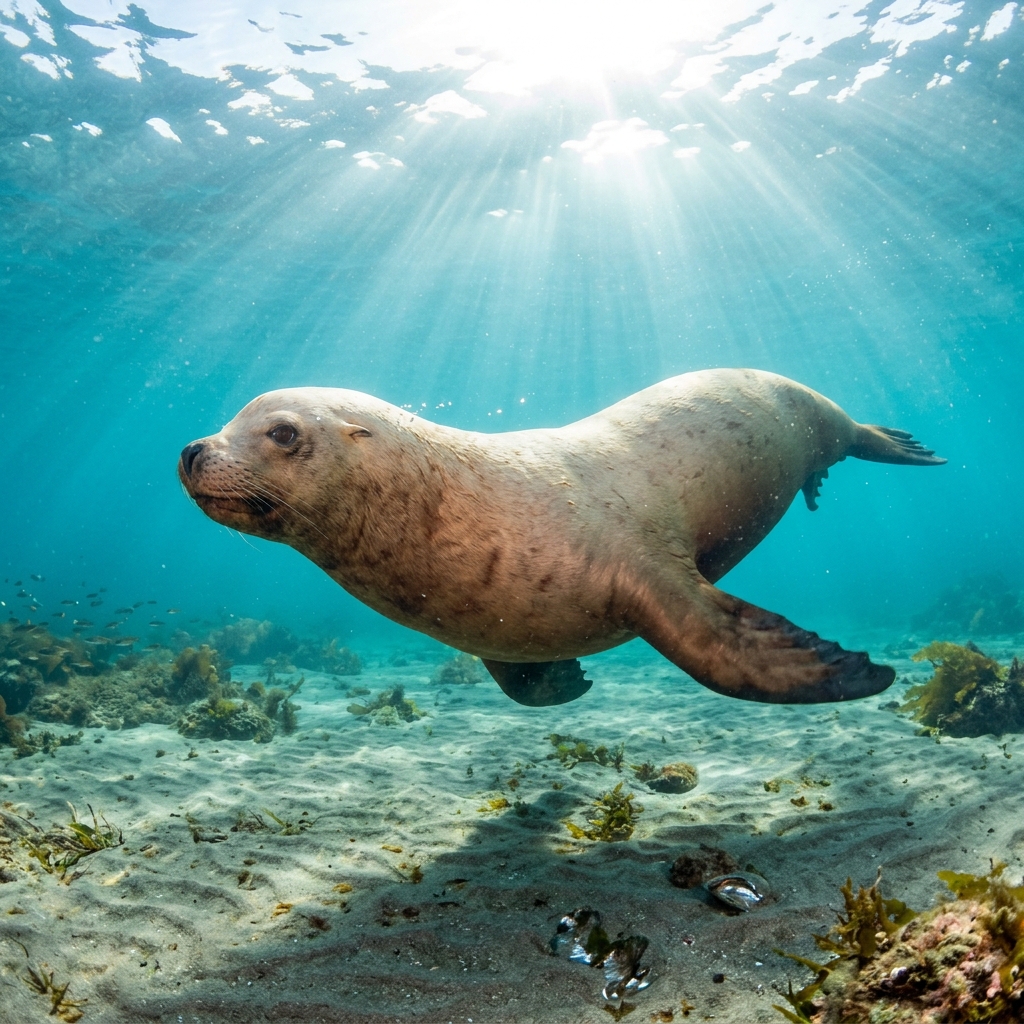
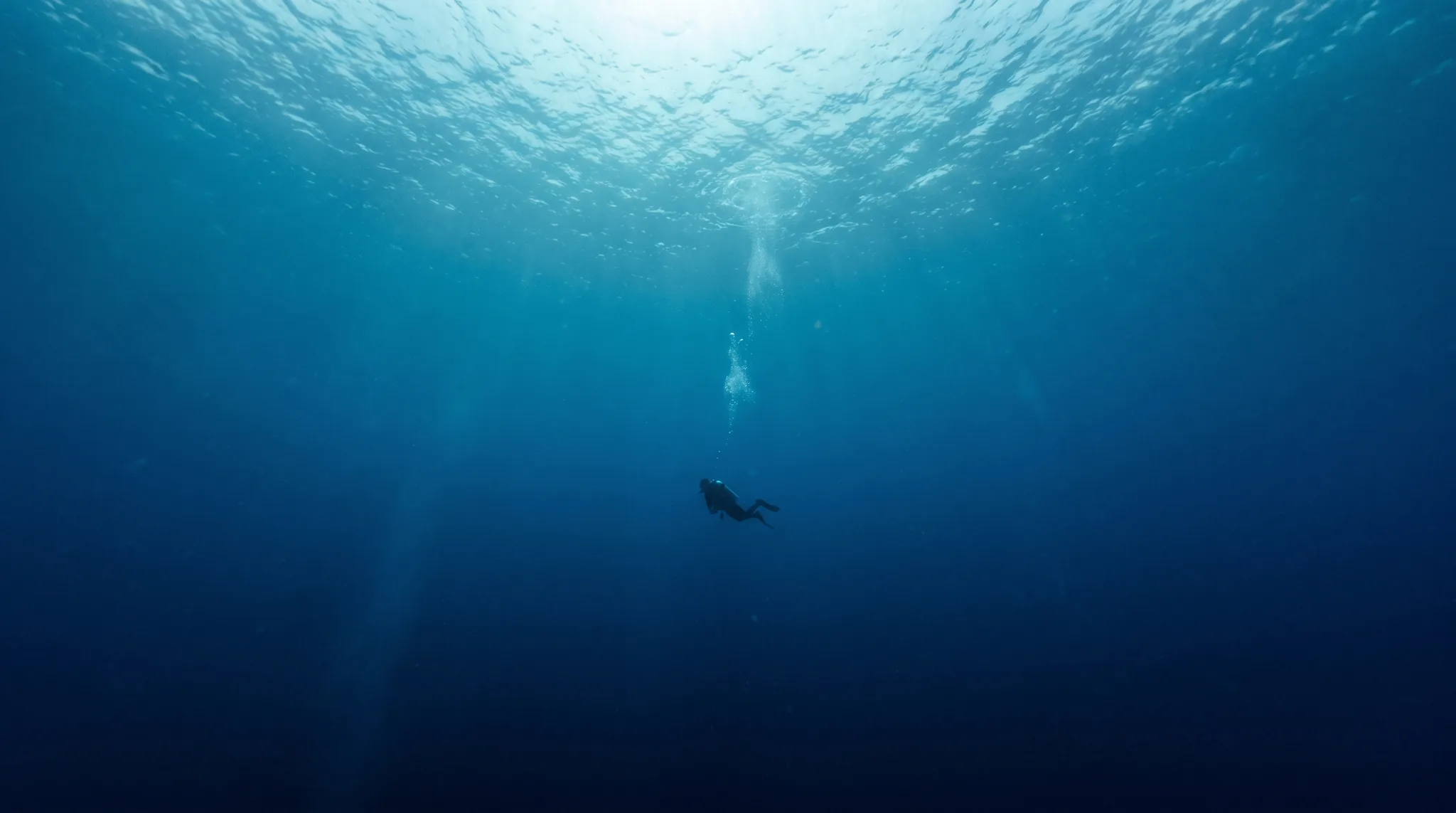
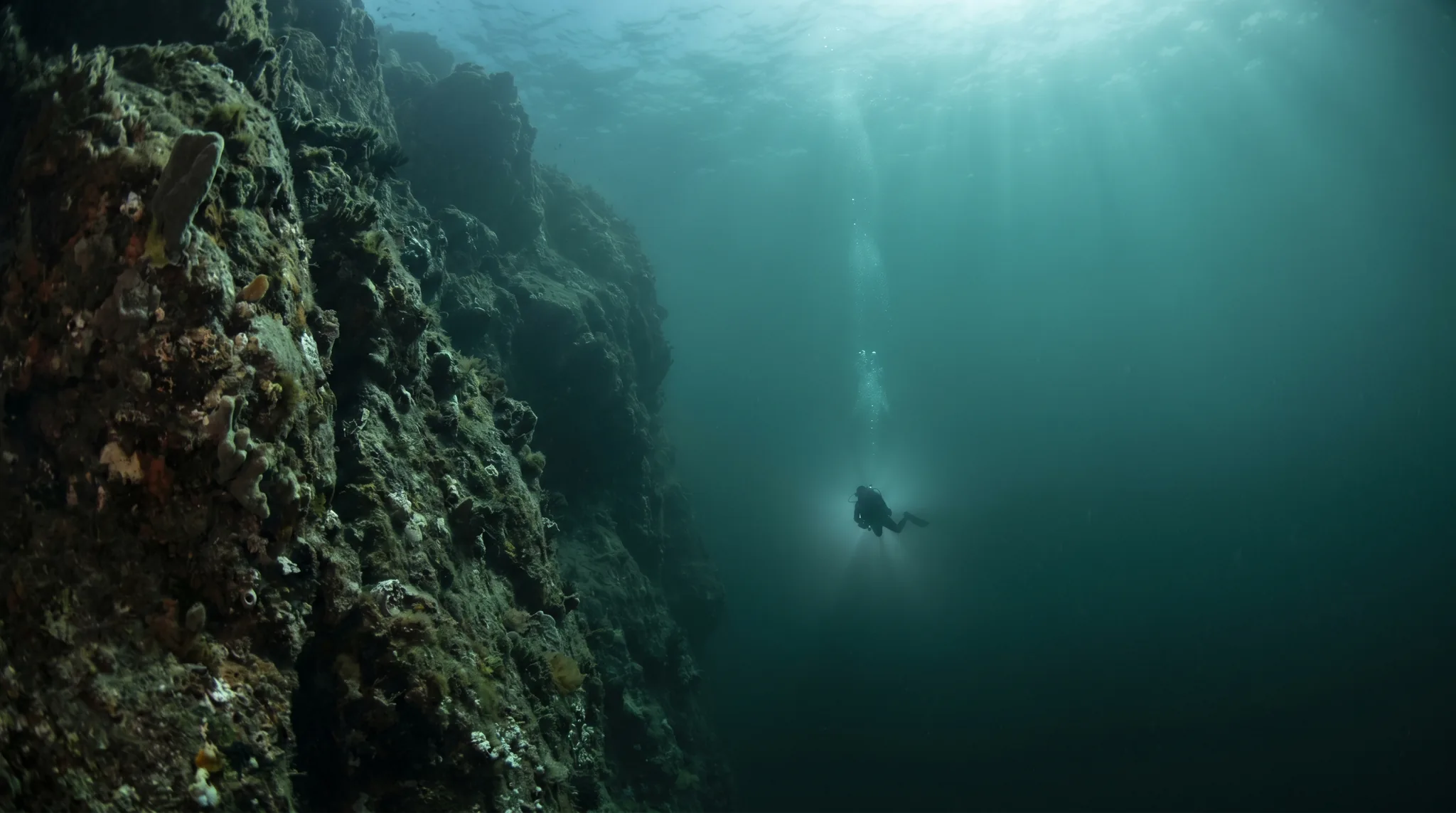
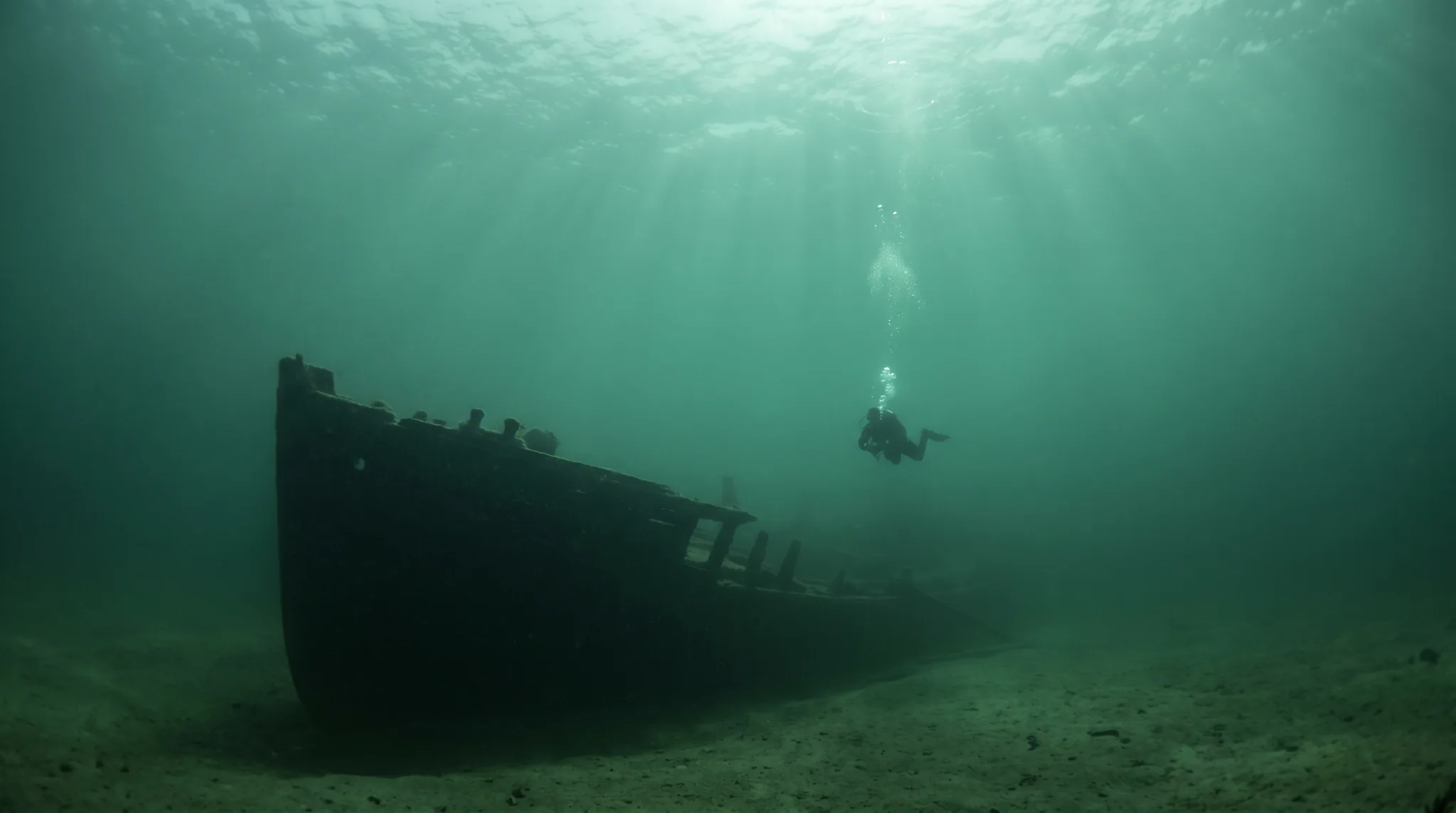
Imrie Island, located off the coast of Victoria, Canada, features a shallow reef and kelp forest environment. Divers can explore depths ranging from 3 to 10 metres, with visibility typically between 5 and 10 metres. The site is accessible only by boat, and due to water temperatures consistently between 8 and 12 degrees Celsius, a drysuit is strongly recommended. The area is suitable for beginners building cold-water experience, though divers must remain aware of potential entanglement risks within the kelp. Proper buoyancy control is essential to navigate the reef structure safely while avoiding surf and entanglement hazards near the surface.
48.69452, -123.33311
A drysuit is strongly recommended given water temperatures of 8 to 12 degrees Celsius year-round. Plan your boat approach carefully, as a shore break and surf entry near the site present an entanglement risk around the kelp, so keep your kit streamlined and stay aware of your position relative to the reef.
The rest of the park and protected waters are accessible by kayaks, powerboat or sailboat.
Recorded at this site
Depth
3-10m
Visibility
5-10m
Skill Level
Beginner
Entry
Boat
Boat required
Water Temp
8-12°C
Current
None
Yes, the site is considered a practical choice for open water divers building confidence in cold-water conditions.
The primary reef and kelp forest area ranges from 3 to 10 metres deep.
This is a boat-only dive site; there is no shore entry option.
While the site is used for diving, the shallow depths of 3 to 10 metres allow for observation of the kelp canopy from the surface.
Divers should be aware of entanglement risks within the kelp and potential surf near the site.
Diving at Imrie Island in Sidney requires the following certifications: Open Water. Always dive within your training limits.
A drysuit recommended is recommended for diving at Imrie Island in Sidney. Water temperatures range from 8°C to 12°C.
Visibility at Imrie Island in Sidney typically ranges from 5 metres to 10 metres. Conditions vary with weather, tides, and seasons.