Sphoeroides testudineus
Spot the Checkered Puffer on Florida and Caribbean reefs, where sightings peak Feb, Jun in 23-28°C waters. ID tips and top dive sites inside.
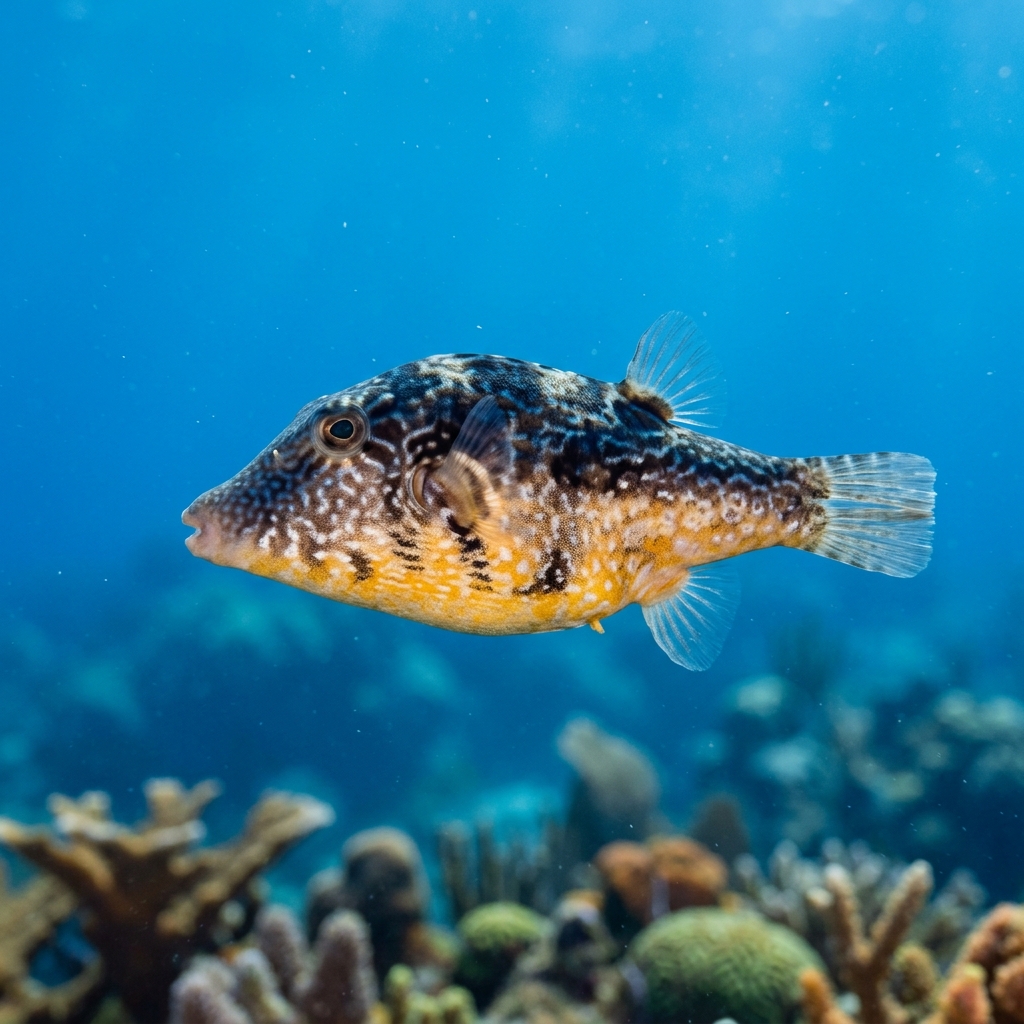
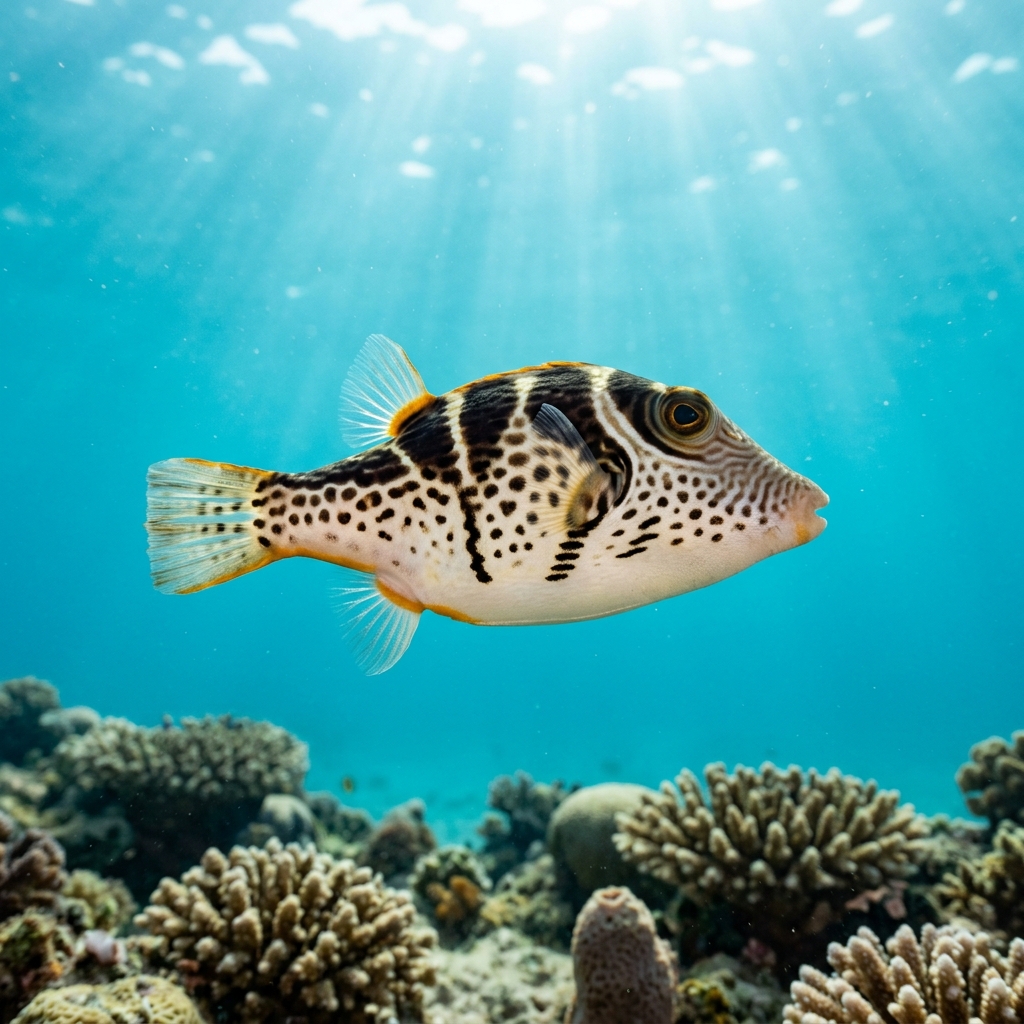
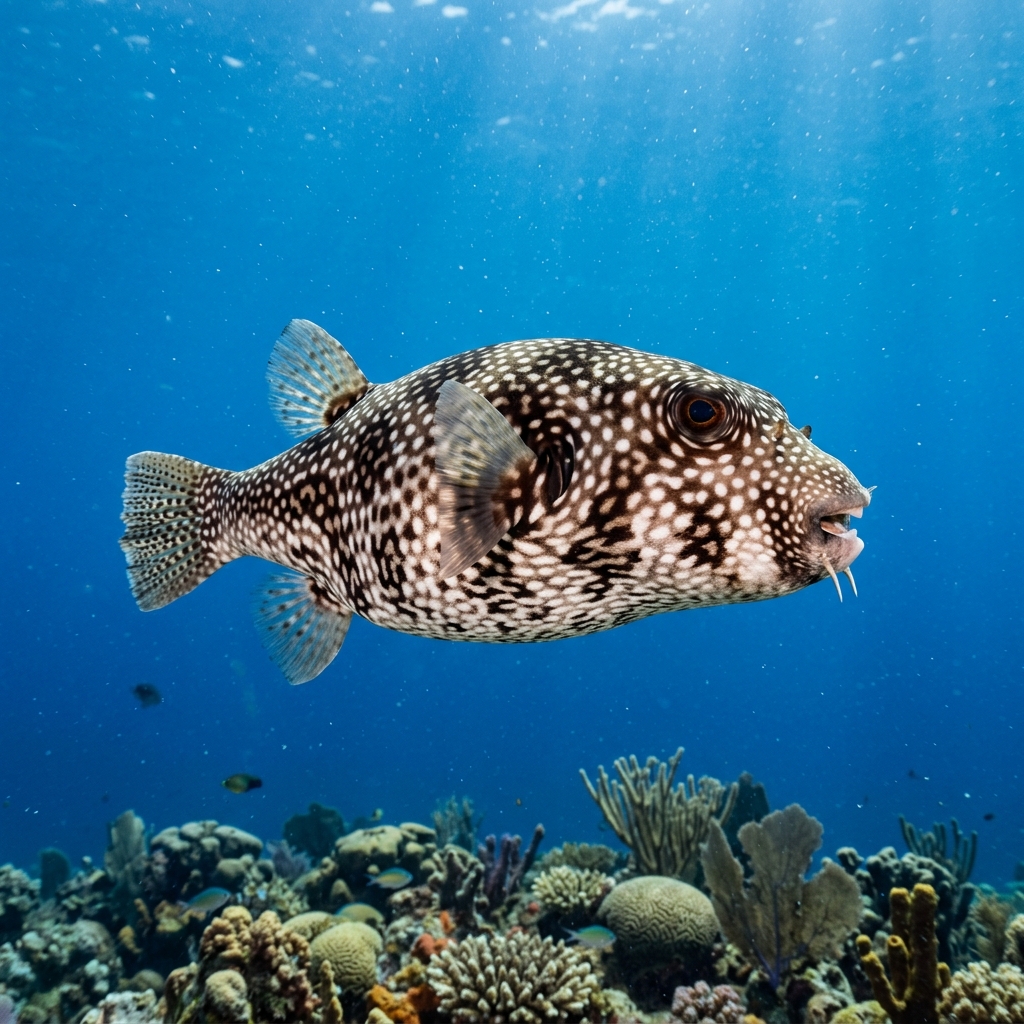
A stocky, rounded fish reaching about 26 cm, the checkered puffer is easiest to pick out by the bold dark-brown net-like (reticulated) pattern that tiles across its pale yellowish or cream underside, the namesake 'checker' effect that no other Caribbean puffer quite replicates. Look for small dark spots scattered between the larger pattern elements and a relatively blunt snout with the characteristic fused beak-like teeth common to pufferfish. In the water it appears broader and rounder than a sharpnose puffer and lacks any bold single-colour spots or stripes.
You will most often find one cruising slowly along the reef or rubble bottom during the day, nosing around crevices and coral heads in search of small invertebrates. Around divers it tends to be wary rather than bold, it will hold position and watch you from a short distance but typically retreats if you close in too quickly. Patience and a slow, low approach give you the best chance of a prolonged look.
Like all pufferfish, the checkered puffer can rapidly inflate its body with water when threatened, making itself much harder for a predator to swallow. Its skin and organs also contain tetrodotoxin, one of the most potent natural toxins known, serving as a second line of chemical defence.
Northern hemisphere sightings concentrate between February and June, making late winter through late spring the most productive window for Florida and the wider Caribbean. The species favours water temperatures of roughly 23-28°C, so reefs holding that range year-round may produce sightings outside this window too.
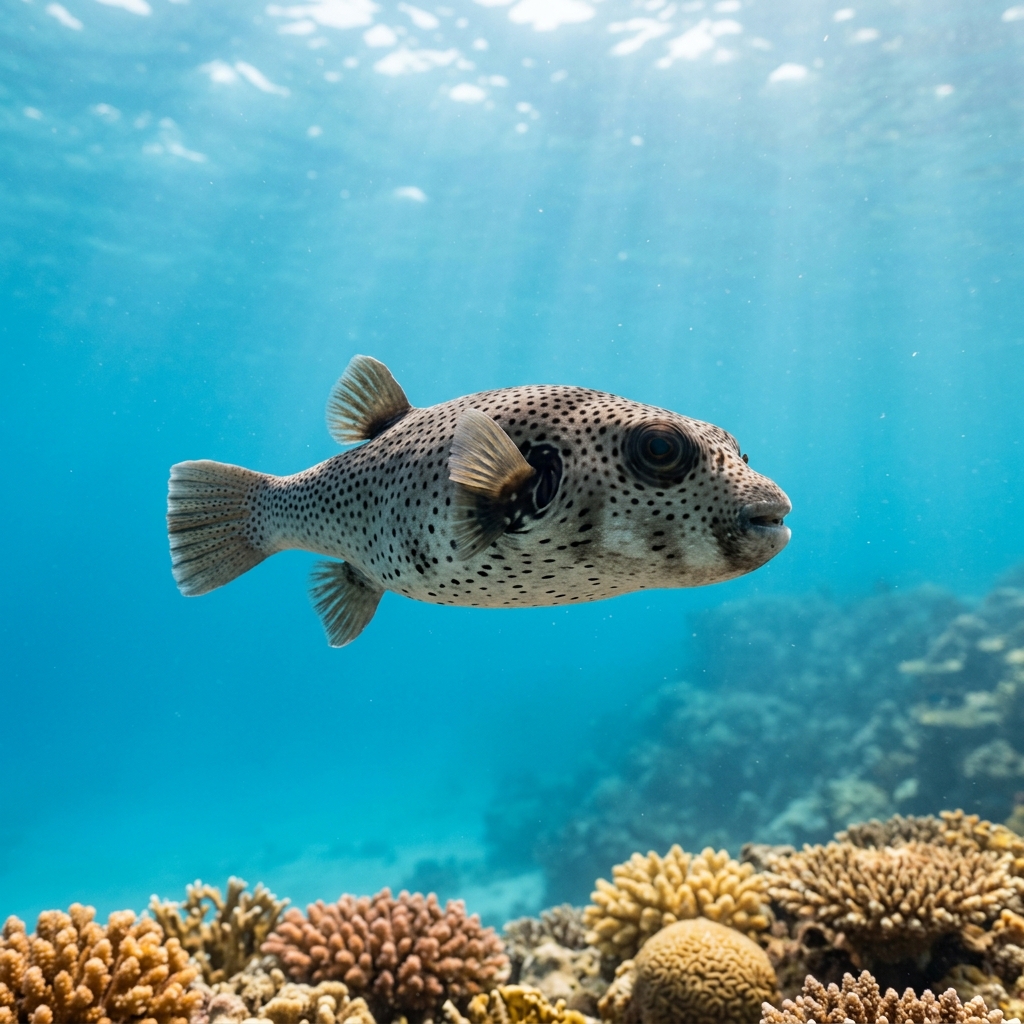
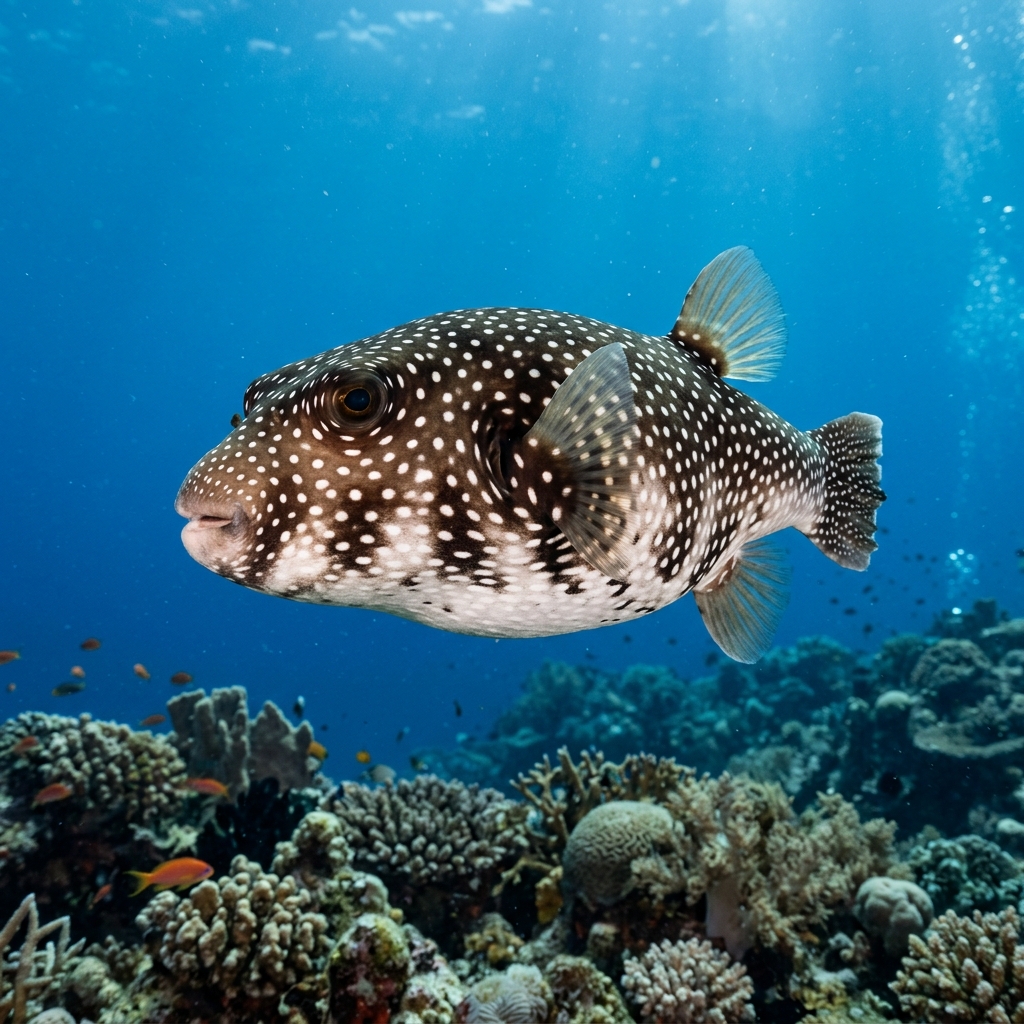
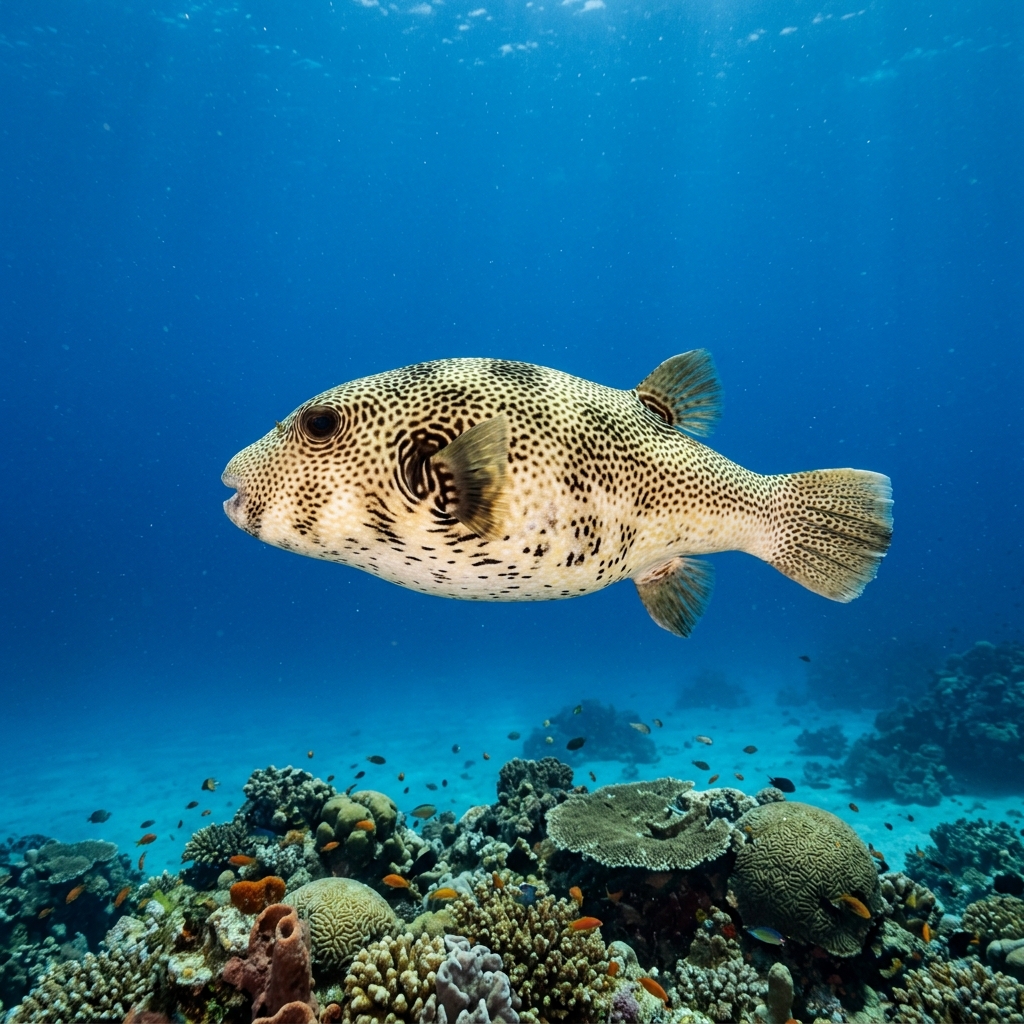
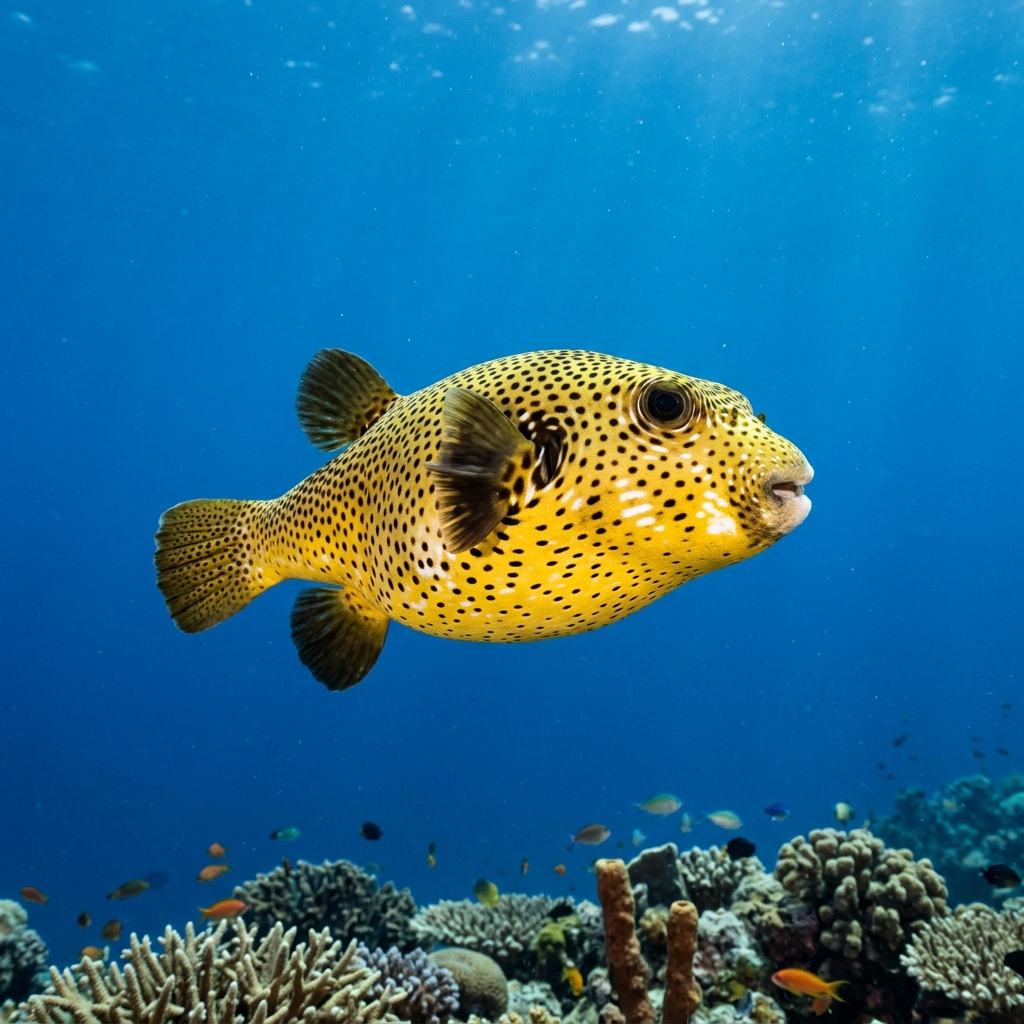
Reef neighbours a diver could mistake it for. Use the identification notes above to tell them apart.
The checkered puffer is most consistently logged across the western Atlantic, with its strongest diver presence in Florida and the Southeast United States, followed by the Rio de Janeiro and São Paulo coast of Brazil and Brazil's Northeast Coast. It also turns up regularly across the Caribbean, with solid records from Cuba's Jardines del Rey, Roatán in Honduras, and the Bahamas.
Mapping where Checkered Puffer is logged…
The checkered puffer is most reliably logged in Florida and the Southeast United States, Brazil's Rio de Janeiro and São Paulo coast, and throughout the Caribbean including Cuba's Jardines del Rey, Roatán in Honduras, and the Bahamas. It is a western Atlantic specialist and is not found in the Indo-Pacific.
In the northern hemisphere, diver sightings concentrate from February through June. Florida and Caribbean dive trips planned for late winter to late spring give you the best odds. The species prefers water temperatures around 23-28°C.
Key in on the bold dark-brown reticulated (net-like) pattern across a pale body, it really does look like a checked or tiled surface, which sets it apart from most other Caribbean puffers. It is a rounded, stocky fish around 26 cm long with a blunt beak-like mouth and no bold stripes or large single-colour spots.
They typically reach around 26 cm in length. In the water they appear broader than their length suggests because of their rounded, inflatable body shape.
No, checkered puffers pose no direct threat to divers. They are shy animals that retreat rather than confront. Their skin and organs do contain tetrodotoxin, but this is only a concern if the fish is handled or consumed, neither of which you should do.
Site and sighting data is aggregated from diver logs, iNaturalist and GBIF. For taxonomy and conservation status:
Valentini Pufferfish
2,830 sites