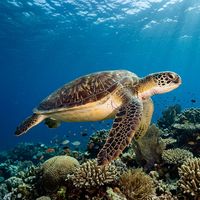
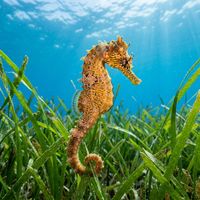
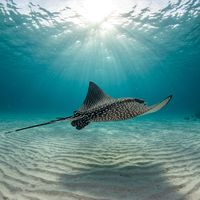
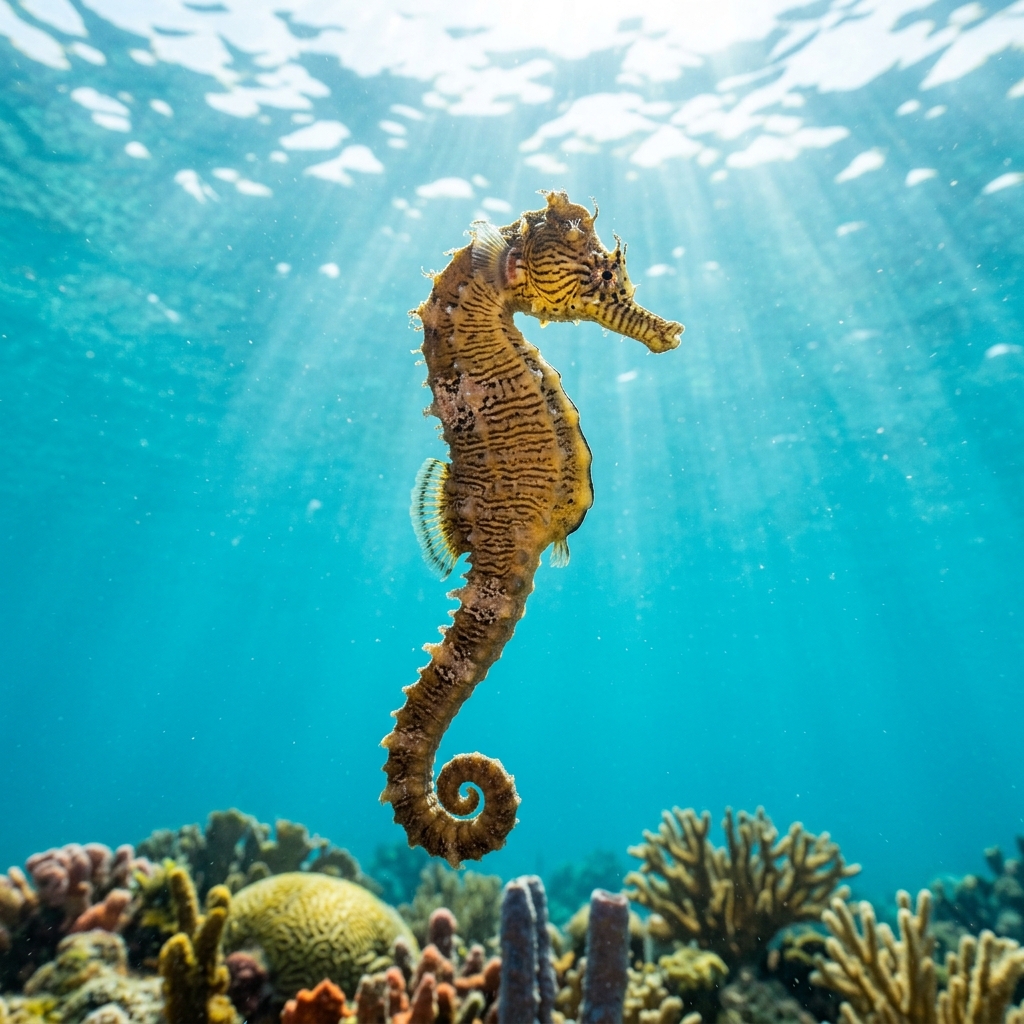
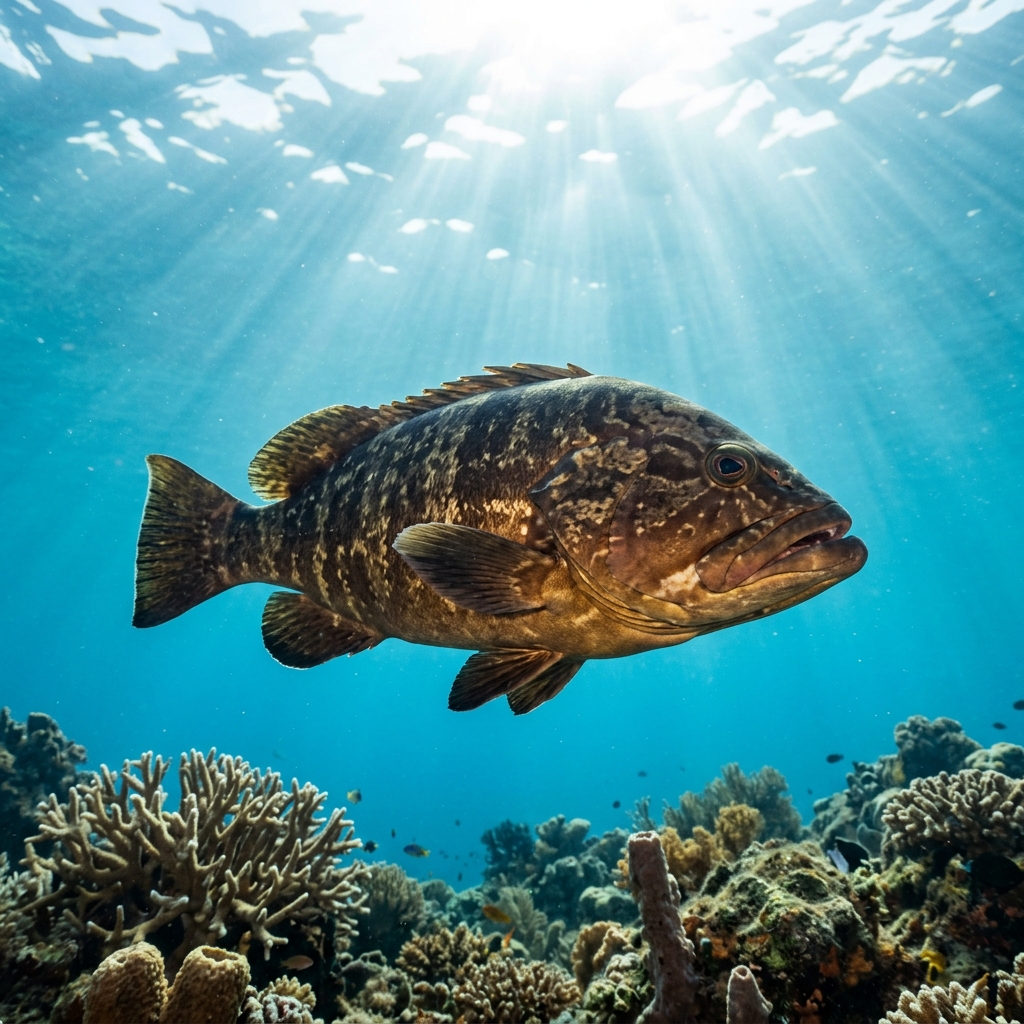
Angra dos Reis offers a varied underwater landscape built around reef and pinnacle formations, wrecks, and caves, spread across sites near the Ilhas Botinas. The Green Sea Turtle is observed consistently across the area, while Spotted Eagle Ray, Bottlenose Dolphin, and Seahorse have also been recorded. Conditions range from calm, shallow shore entries suited to beginners at Ilha Josefa through to moderate-current pinnacle dives at Parcel do Corone. Snorkellers and divers share several sites, making the region accessible to a wide range of experience levels.
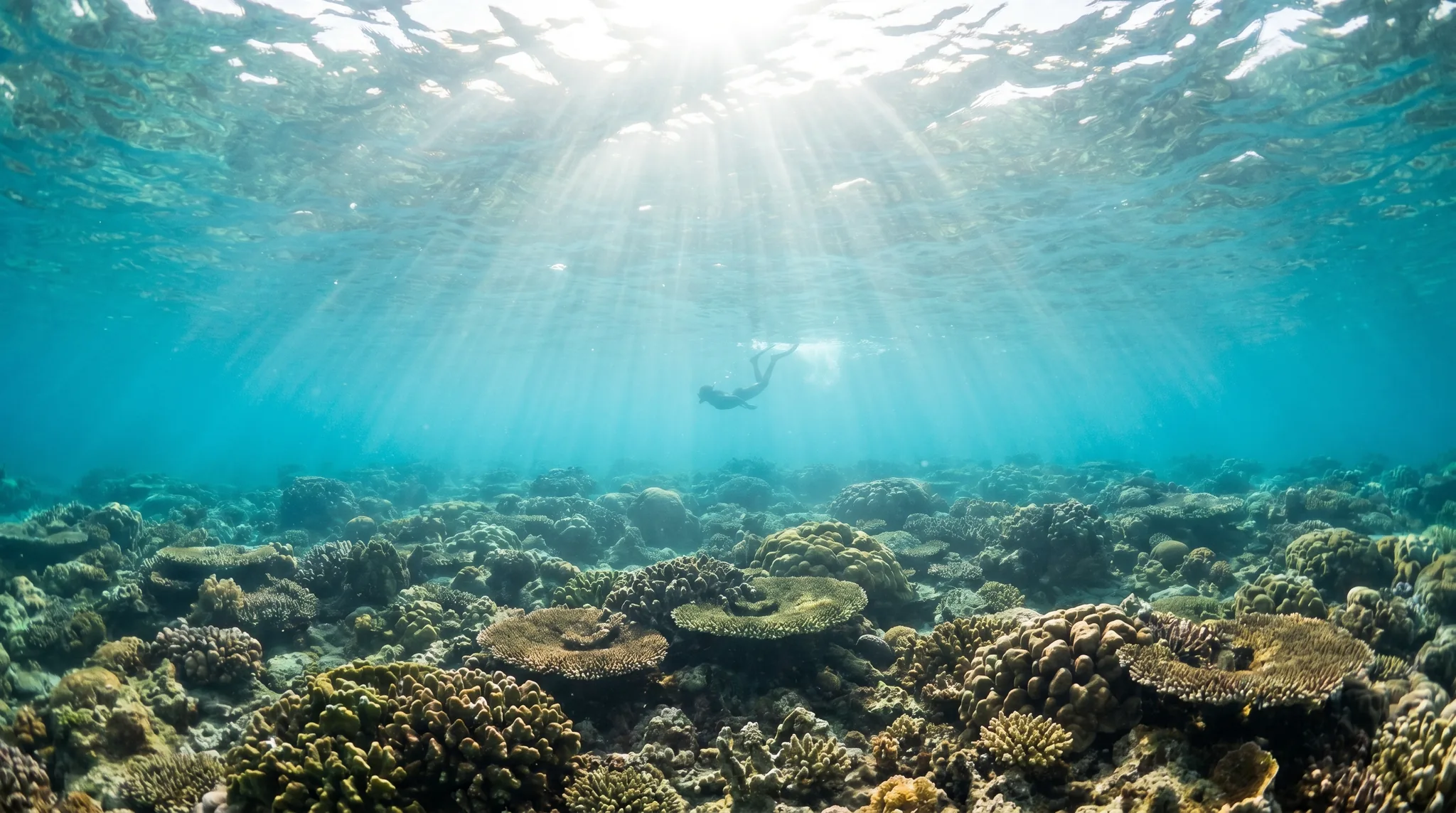
Monthly water temperature across Angra dos Reis's sites, from satellite sea-surface data corrected for depth. The band shows the site-to-site spread.
Water stays warm through the summer months, peaking around March, and cools noticeably in July and August. The cooler mid-year period tends to see fewer visitors, while April, and the shoulder months from September through January, draw the strongest diver interest. Some sites, particularly Parcel do Corone, are subject to moderate currents, so conditions vary meaningfully depending on where and when you dive.
16 operators
Brasilia, Brazil
Water temperature around Angra dos Reis ranges from about 22°C in July to 26°C in March, based on satellite sea-temperature data for its dive sites.
7 more sites to explore
With water around 22–26°C, a 3mm full suit works in Angra dos Reis year-round.
Fin maps 10 sites in Angra dos Reis (8 scuba diving sites and 5 snorkelling spots, with some suited to both).
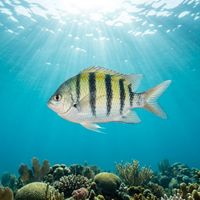
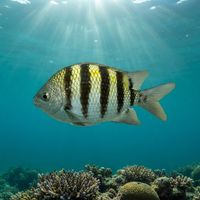
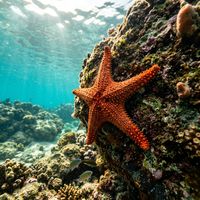
The Green Sea Turtle is the signature species and is observed very frequently across the sites. Sergeants are also consistently present on the reefs. Less common but recorded observations include Spotted Eagle Ray, Bottlenose Dolphin, Seahorse, and Sea Star.
Yes, several sites cater specifically to beginners. Ilha Josefa is a shallow reef with mild currents and a shore entry, making it a natural starting point. Ilha Grande also carries a beginner rating, though it requires a boat. More advanced divers can push deeper at Parcel do Corone, which involves moderate currents and more complex topography.
Both options exist. Ilha Josefa is accessible directly from shore, which is convenient and keeps costs down. Other key sites, including Ilha Grande and Parcel do Corone, require a boat. Local operators Mar a Mar and Academia Mergulho can arrange boat access to these sites.
The region covers a broad range of site types. Reef and pinnacle formations feature prominently, and Parcel do Corone also includes caves and drift conditions. Ilha Grande adds wreck diving to the mix, making the overall offering notably varied for a relatively compact area.