Best for beginner divers, 4-9m, shore entry, mild current.
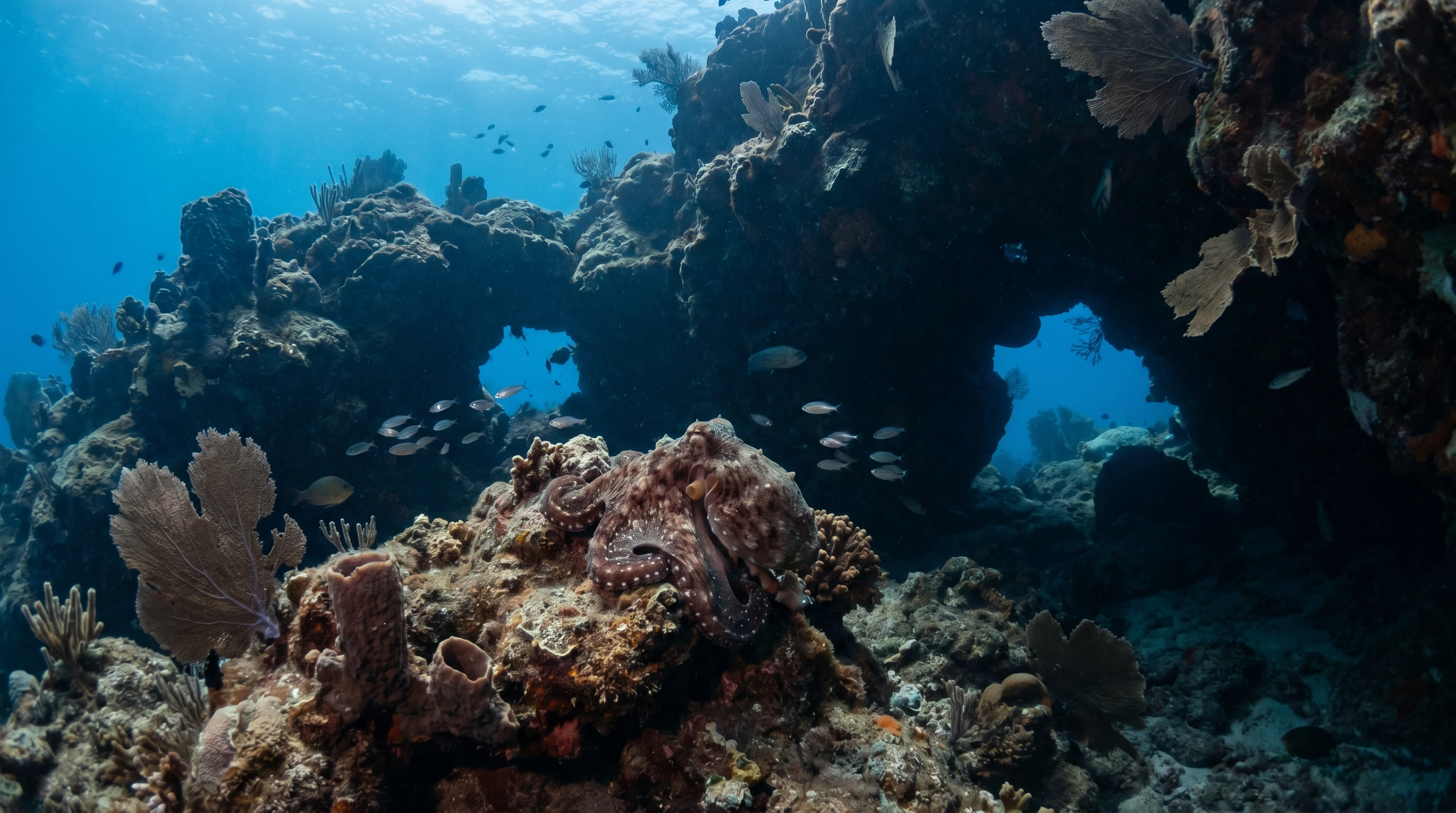
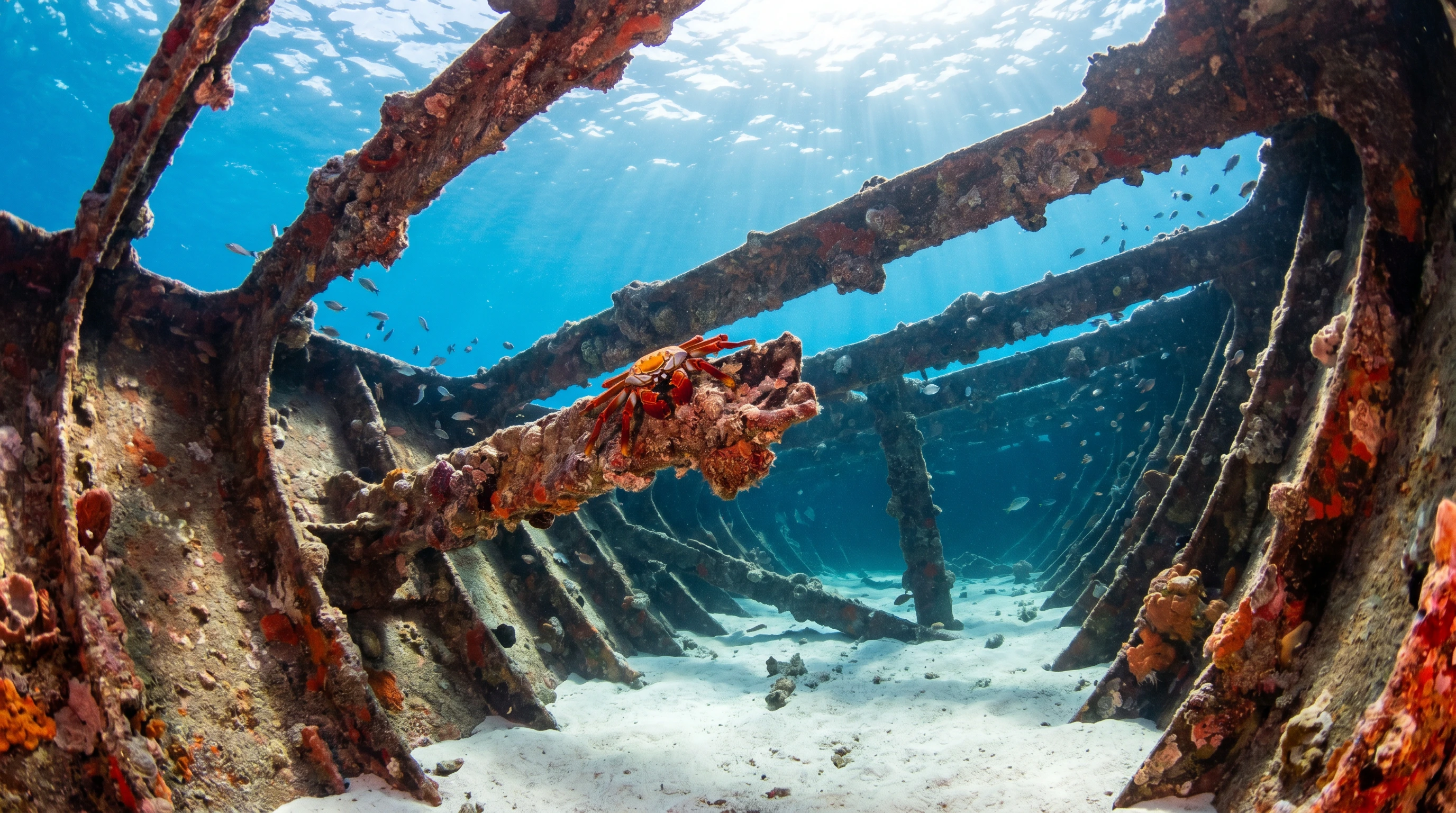
Naufrágio do Porto is a shallow wreck and artificial reef located 300 metres from the shore of Fernando de Noronha, Brazil. This site is suitable for beginners, with depths ranging from 4 to 9 metres and an average depth of 6 metres. Divers typically experience mild currents and visibility between 10 and 30 metres. The water temperature remains consistent throughout the year, ranging from 27C to 29C. Access is via a shore entry, and the site is also suitable for night diving. The typical dive duration is 40 minutes. Divers should be aware of sharp coral present at the site.
-3.83385, -32.40417
Hire a local dive guide to learn about the shipwreck history and marine life.
Located offshore from the port of Santo Antonio. Accessible by boat or by swimming from the shore.
Recorded at this site
Depth
4-9m
Visibility
10-30m
Skill Level
Beginner
Entry
Shore
Water Temp
27-29°C
Current
Mild
Typical Dive
40 min
Best Time
Mar, Nov, Dec
Yes, this site is suitable for beginners due to its shallow depth and mild currents.
The site has a depth range of 4 to 9 metres, with an average depth of 6 metres.
Naufrágio do Porto is accessed via a shore entry, located 300 metres from the coast.
Yes, night diving is permitted at Naufrágio do Porto.
Divers should exercise caution regarding sharp coral found at the site.
Diving at Naufrágio do Porto in Vila dos Remedios requires the following certifications: Open Water. Always dive within your training limits.
A rashguard or 2mm shorty is recommended for diving at Naufrágio do Porto in Vila dos Remedios. Water temperatures range from 27°C to 29°C.
The best months to visit Naufrágio do Porto in Vila dos Remedios are March, November, and December. Conditions outside these months can still be good but are less predictable.
Naufrágio do Porto in Vila dos Remedios typically has mild currents that most divers can handle comfortably.
Visibility at Naufrágio do Porto in Vila dos Remedios typically ranges from 10 metres to 30 metres. Conditions vary with weather, tides, and seasons.