Best for beginner divers, From 2m, shore & boat entry, mild current.
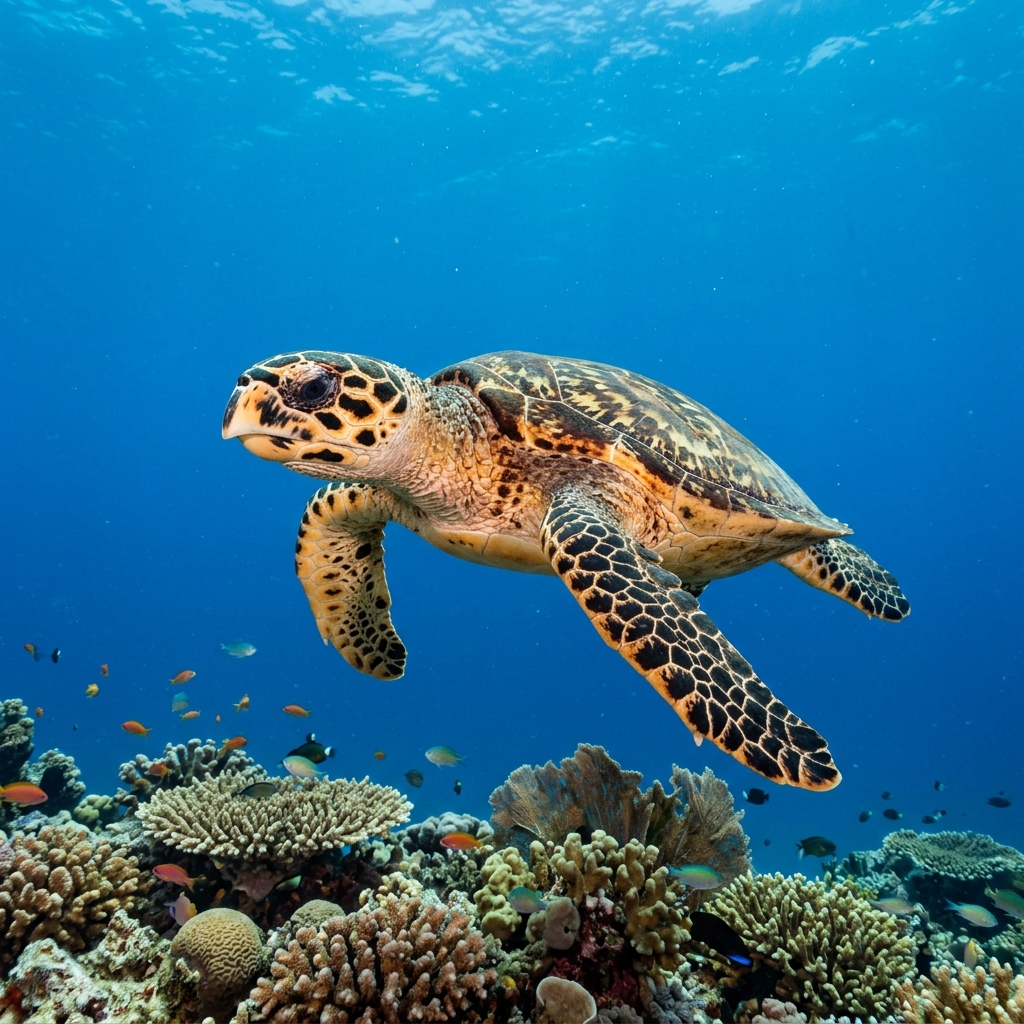
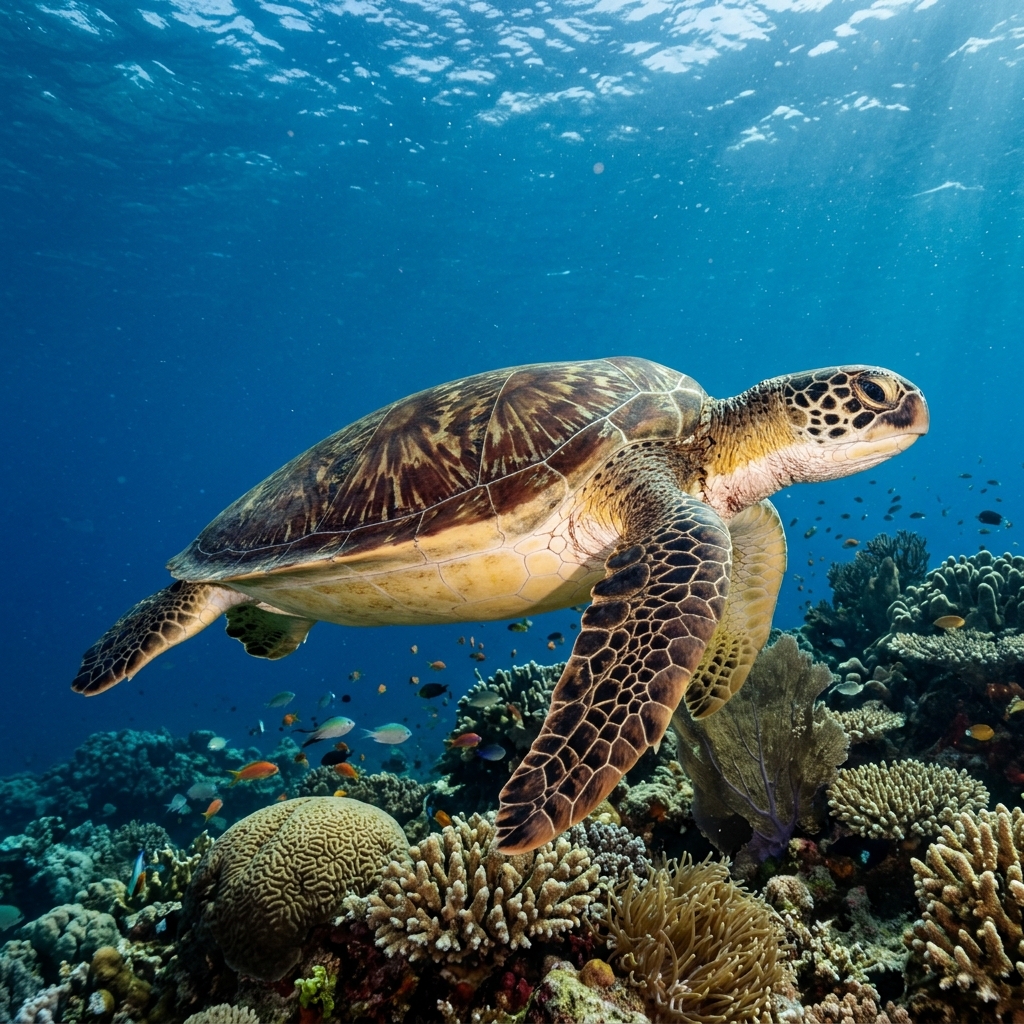
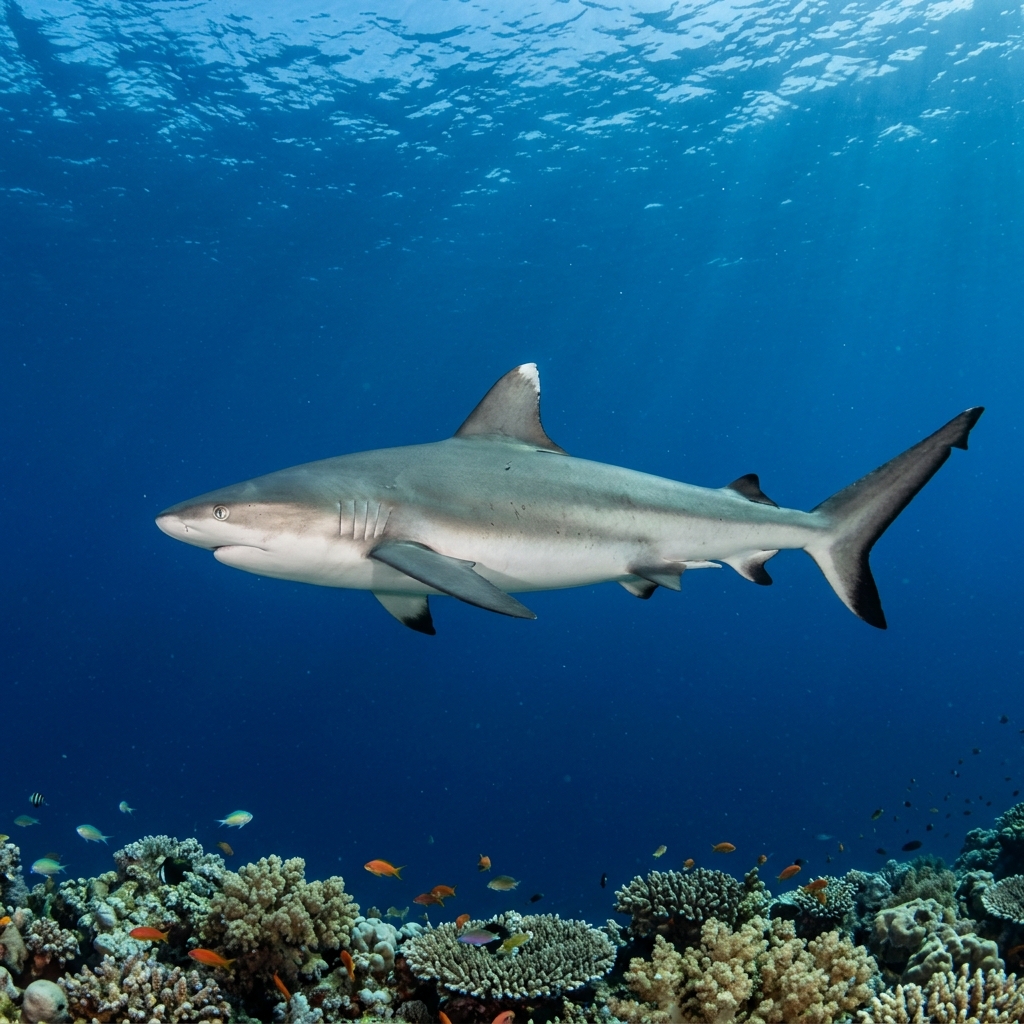
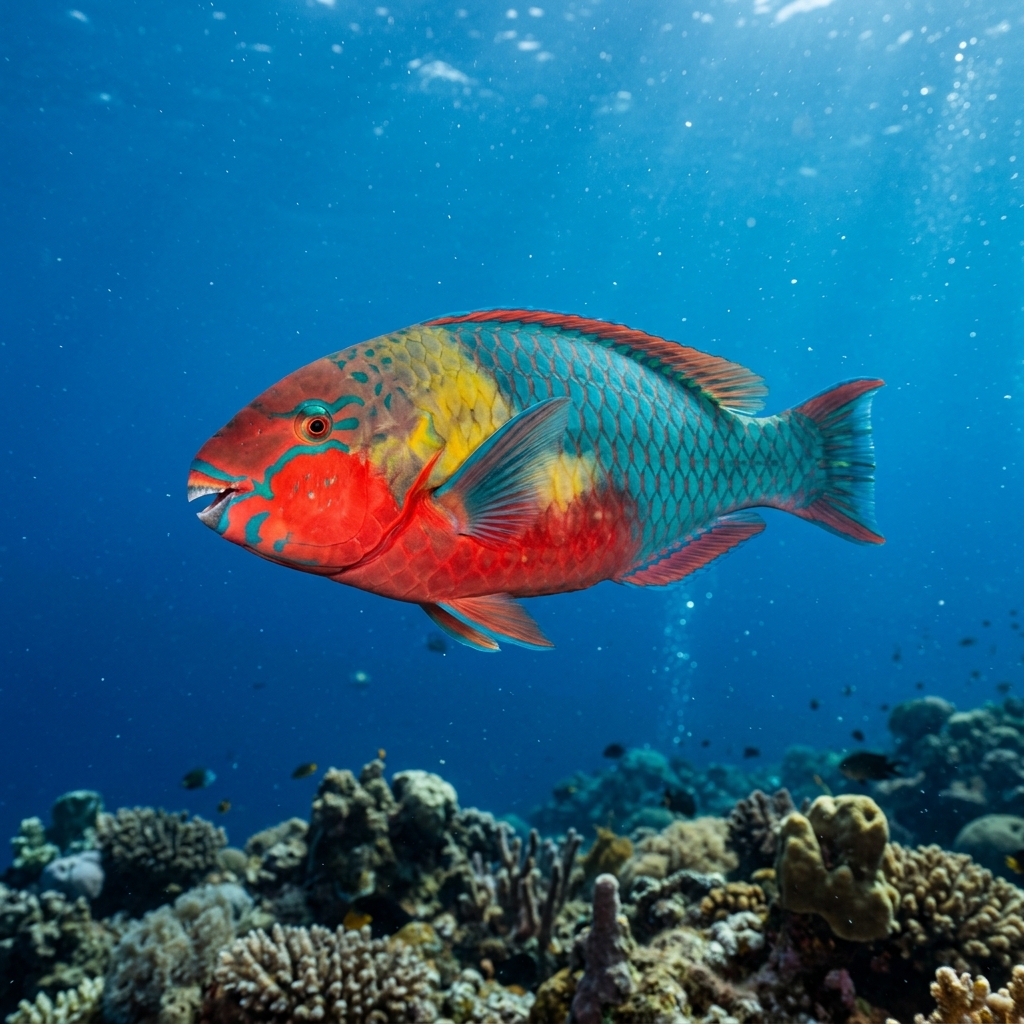
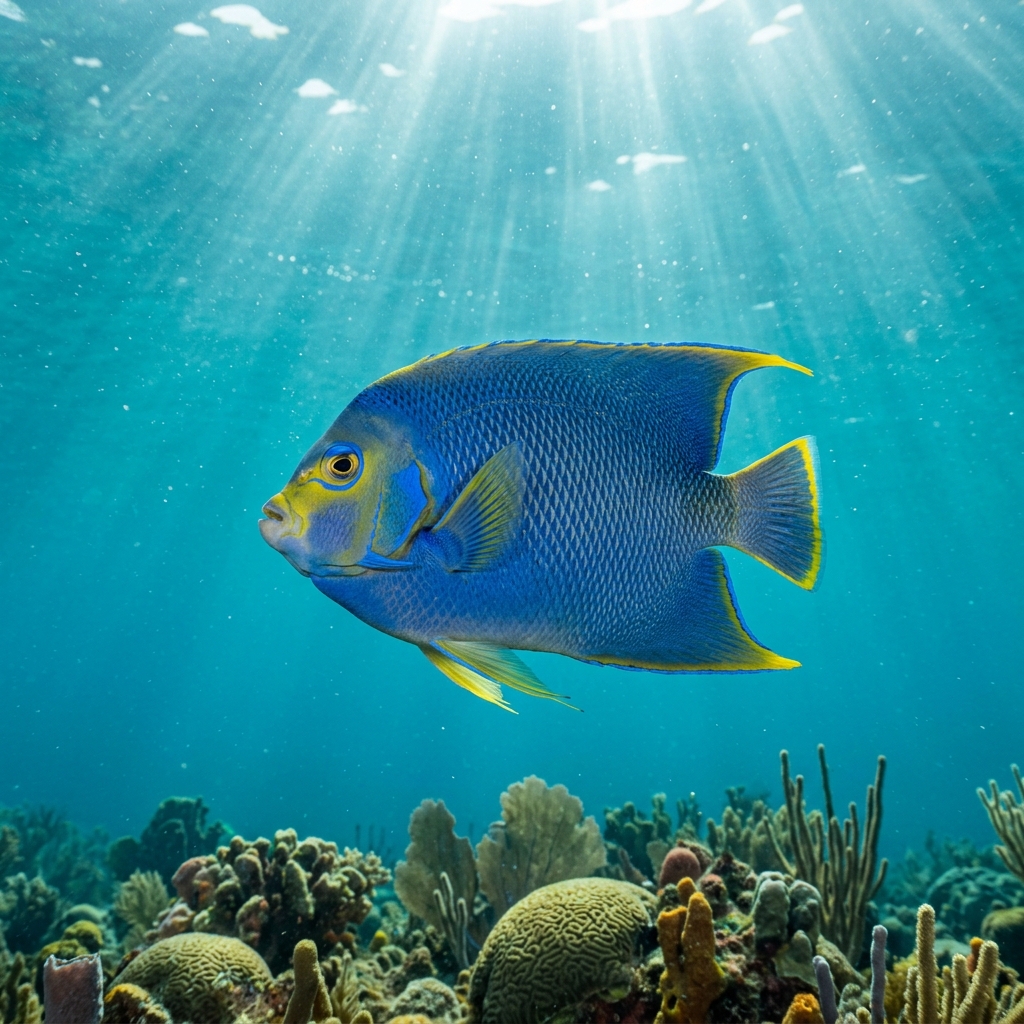
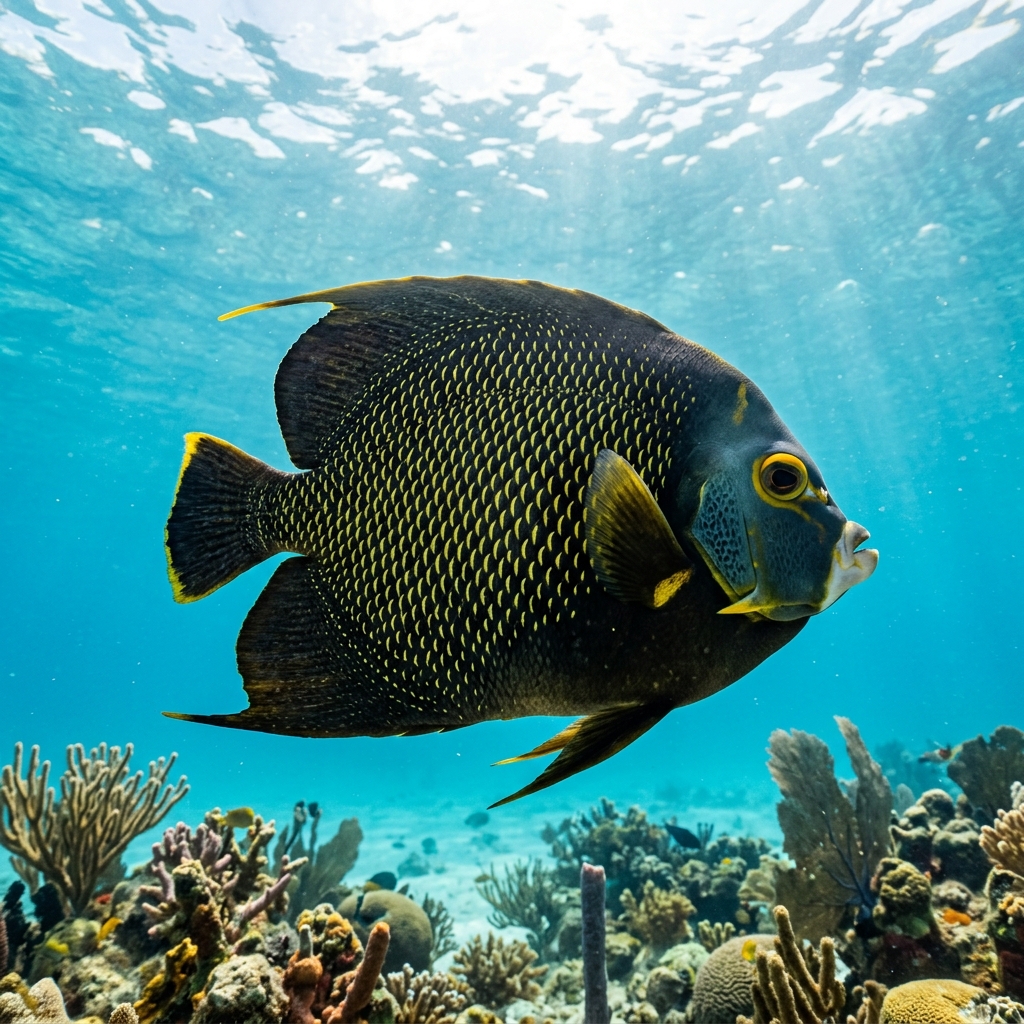
Baía do Sancho is a reef site in Fernando de Noronha, Brazil, offering visibility between 25 and 50 metres. The site is suitable for beginners, with depths starting at 2 metres. Divers and snorkellers can access the reef from the shore or by boat. Conditions are generally mild, though surf and sharp coral are present as hazards. Marine life observed at the site includes common wrasses, sergeants, Sally Lightfoot crabs, and grunts. Less frequently, divers may encounter French Angelfish, nurse sharks, groupers, blue tang, scrawled filefish, zoanthids, horse eye jacks, soldierfish, and kelpfish. The bay is highly rated for snorkelling, particularly near the far-right cliff wall.
-3.85487, -32.44325
Divers must have a valid permit to dive within the national park boundaries.
Access info coming soon
Recorded at this site
Depth
From 2m
Visibility
25-50m
Skill Level
Beginner
Entry
Shore & Boat
Water Temp
27-29°C
Current
Mild
Common sightings include wrasses, sergeants, Sally Lightfoot crabs, and grunts. You may also encounter French Angelfish, nurse sharks, groupers, blue tang, scrawled filefish, zoanthids, horse eye jacks, soldierfish, and kelpfish.
Yes, Baía do Sancho is suitable for beginners with depths starting at 2 metres and mild currents.
Yes, Baía do Sancho is excellent for snorkelling and holds a 5/5 rating for the activity.
Both shore and boat entries are available at this location.
Divers and snorkellers should be aware of sharks, sharp coral, and surf conditions.
Diving at Baía do Sancho in Fernando de Noronha requires the following certifications: Valid Permit. Always dive within your training limits.
A rashguard or 2mm shorty is recommended for diving at Baía do Sancho in Fernando de Noronha. Water temperatures range from 27°C to 29°C.
Baía do Sancho in Fernando de Noronha typically has mild currents that most divers can handle comfortably.
Visibility at Baía do Sancho in Fernando de Noronha typically ranges from 25 metres to 50 metres. Conditions vary with weather, tides, and seasons.