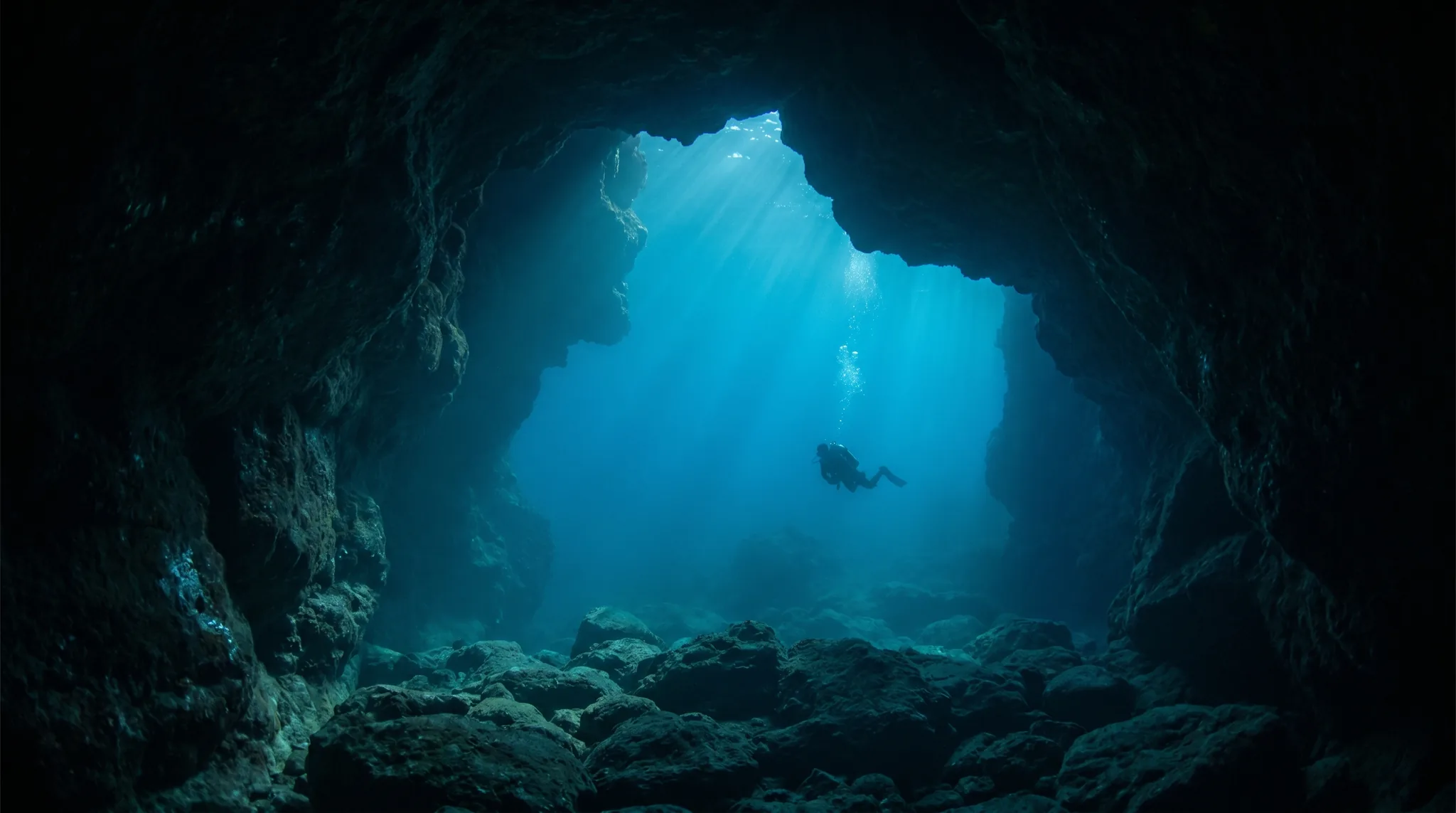
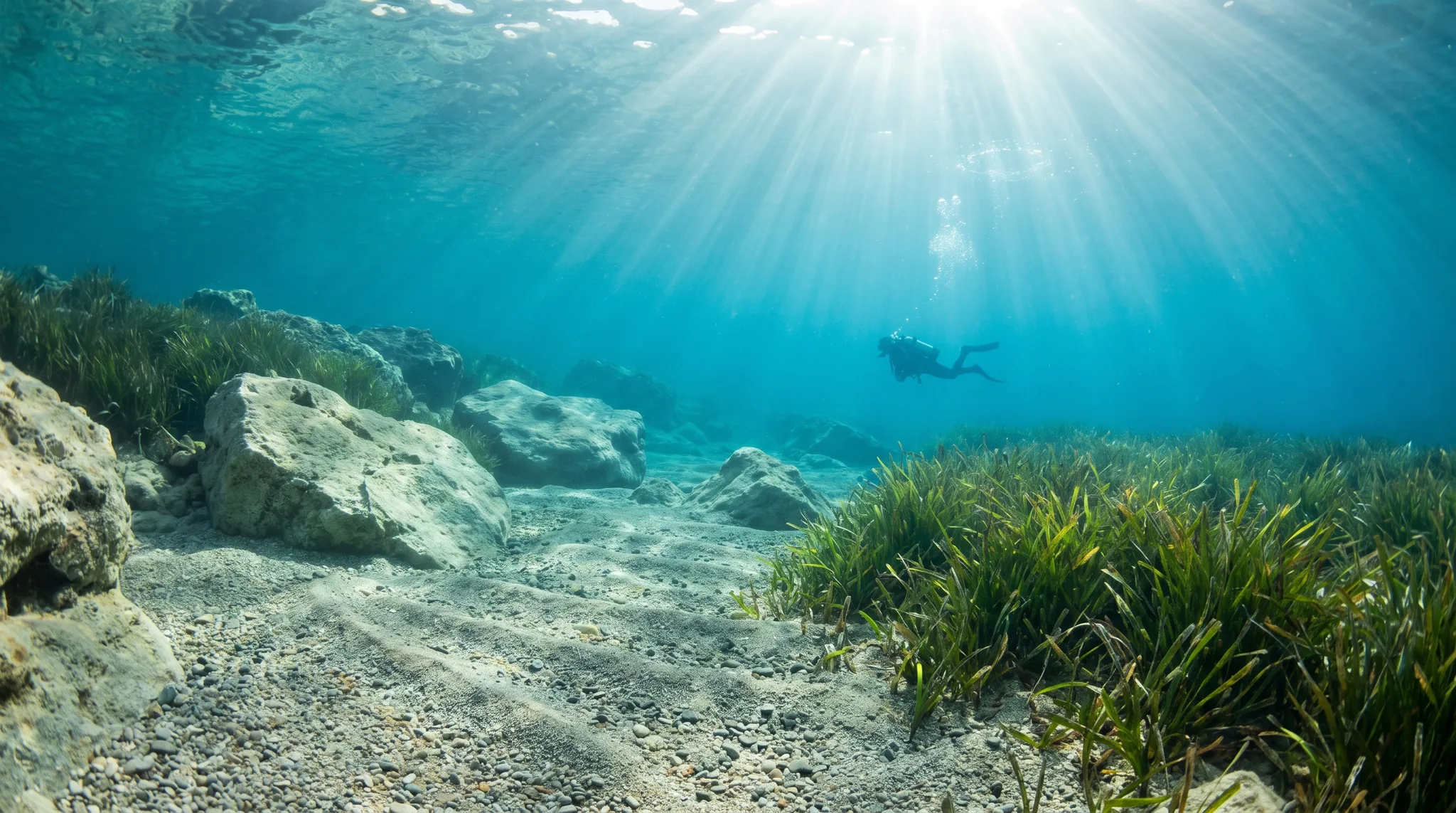
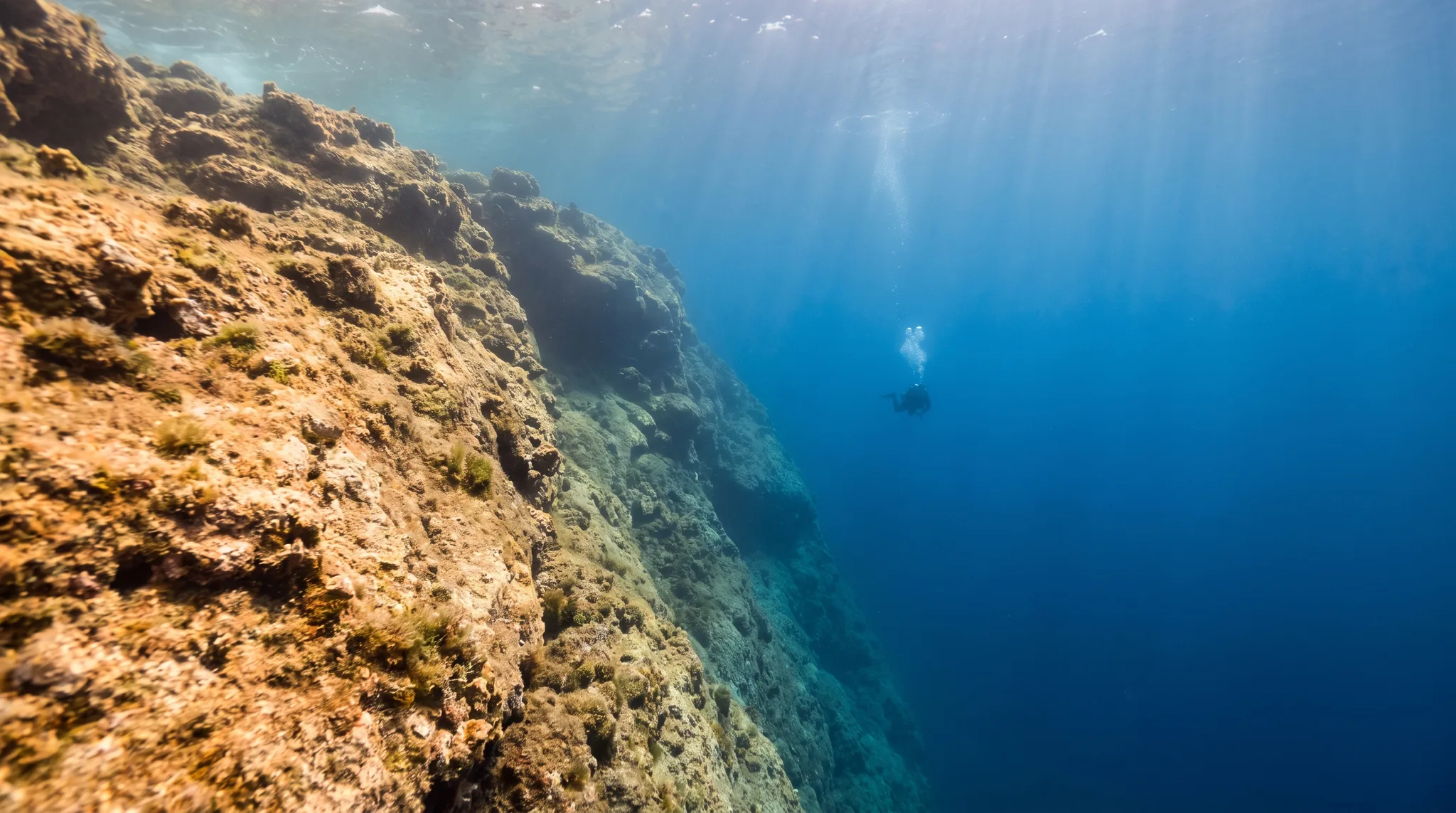
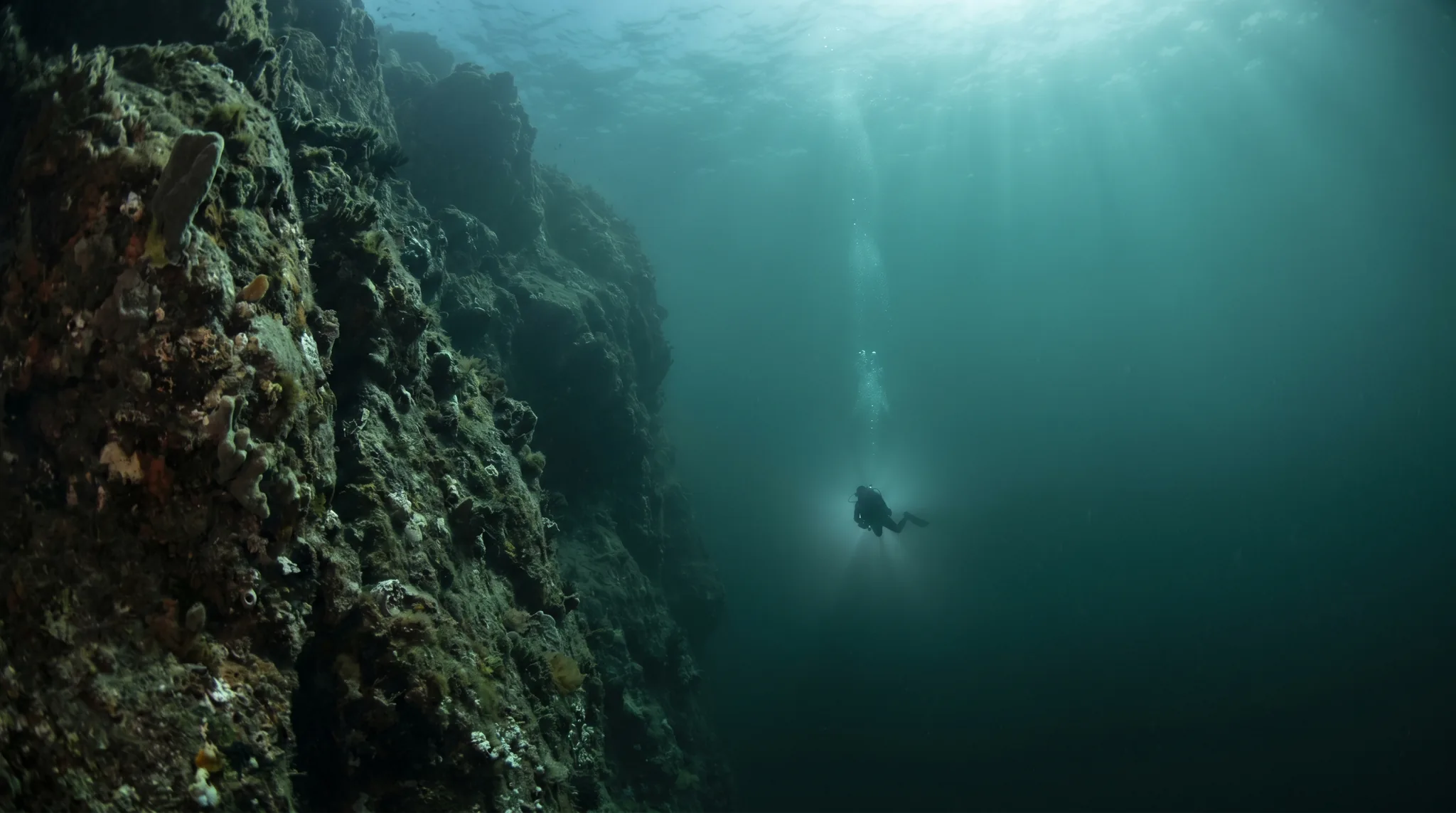
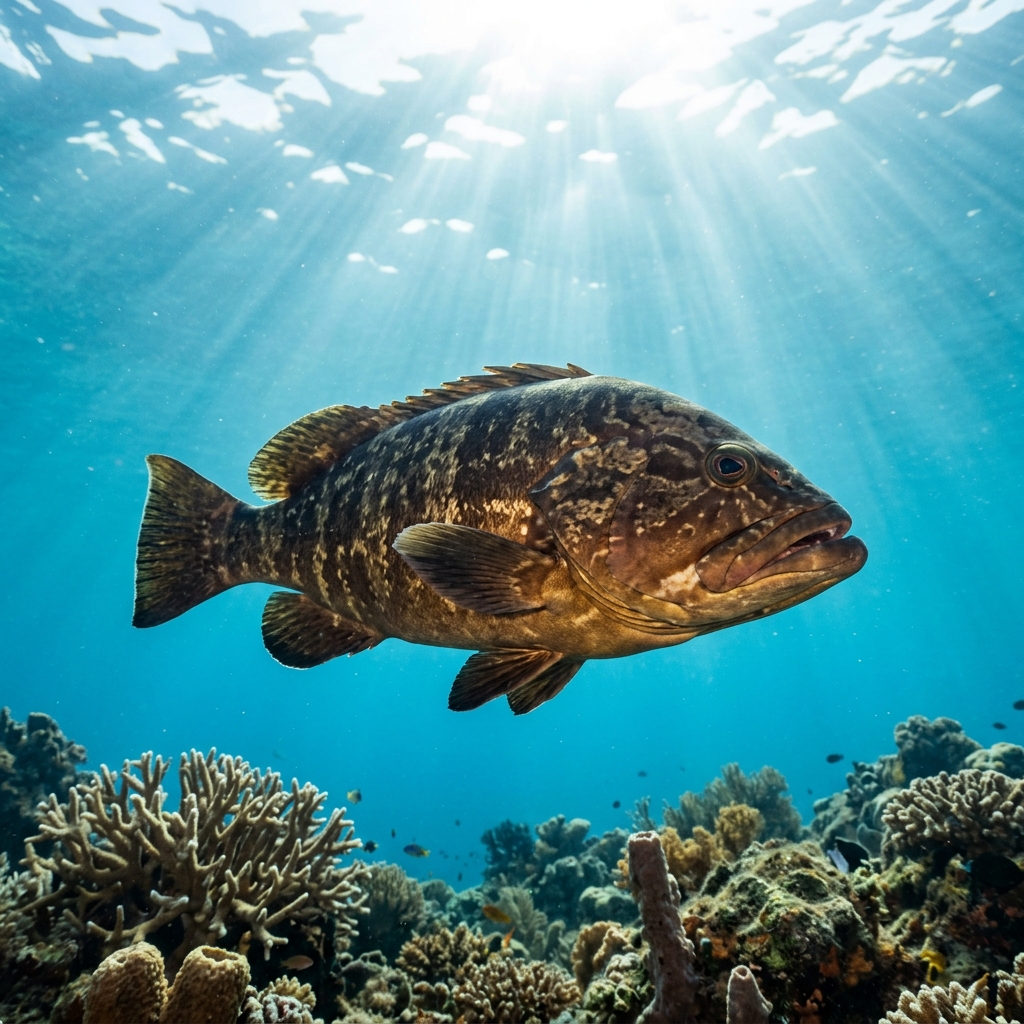
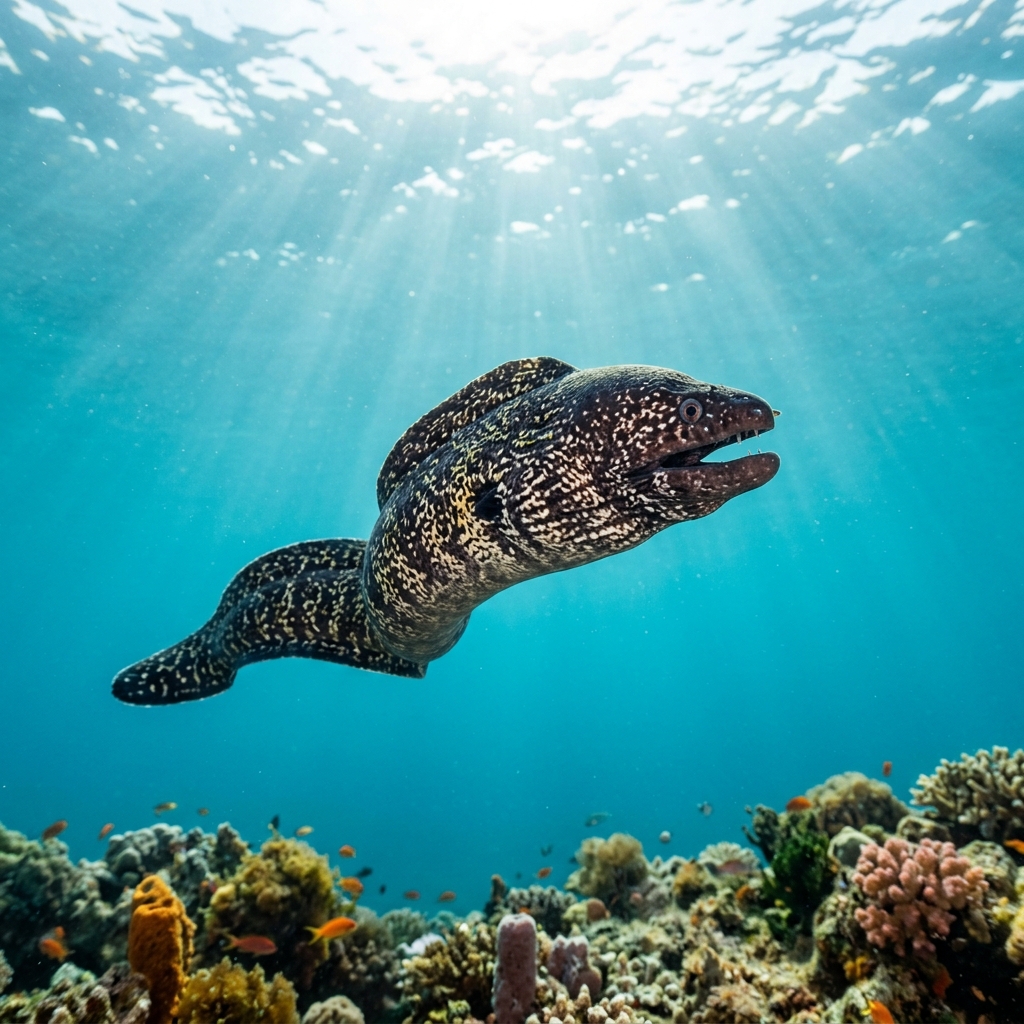
São Miguel's underwater terrain is shaped by its volcanic origins: walls, pinnacles, caves, and reef systems dominate the site mix. The marine life is rich and observation-backed across the island, with European Parrotfish, Turkish Wrasse, Black Moray, and Dusky Grouper appearing consistently. Seahorse sightings set this island apart. Conditions range from sheltered beginner walls to exposed drift and deep pinnacle dives, giving the island real range for all experience levels. Summer and early autumn bring the warmest water and the highest diver activity.
Monthly water temperature across Sao Miguel's sites, from satellite sea-surface data corrected for depth. The band shows the site-to-site spread.
Water temperature rises steadily from spring into a warm late-summer and early-autumn peak, which also aligns with the highest diver activity on the island. Cooler months from winter through early spring remain mild enough to dive comfortably, though the most dynamic sites, such as exposed walls and drift dives, are best approached when conditions settle in the calmer summer window. Visibility is variable by site, ranging from moderate to excellent depending on swell and current.
22 operators
37 more sites to explore
Water temperature around Sao Miguel ranges from about 17°C in January to 24°C in September, based on satellite sea-temperature data for its dive sites.
In the warm season (about 24°C) a 3mm full suit is comfortable in Sao Miguel; in the coldest months (about 17°C) step up to a 7mm or semi-dry suit.
Fin maps 49 sites in Sao Miguel (49 scuba diving sites and 11 snorkelling spots, with some suited to both).
Across Sao Miguel's dive sites, June, July, August, September and October are most often reported as the best months to visit.
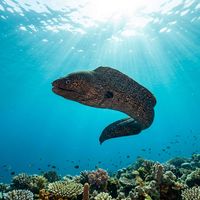
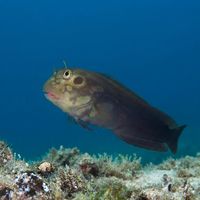
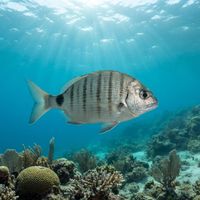
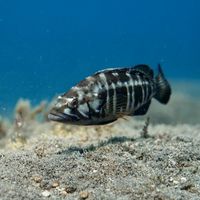
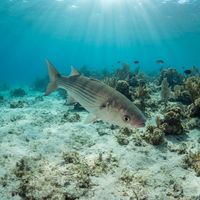
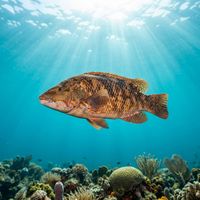
Observation-backed species include European Parrotfish, Turkish Wrasse, Black Moray, Grey Triggerfish, Dusky Grouper, Common Octopus, and Pufferfish, all recorded across a wide range of sites. Seahorse is a signature species here and is considered common across the island. Great Barracuda and Mediterranean Moray are also regularly sighted. The species list is broad, covering reef fish, invertebrates, and eels.
A large share of the sites are rated beginner level, including shore-accessible options such as Porto das Capelas and boat sites like O Arco, Gaza, and Sabrina Reefs. These offer shallow to moderate depths with manageable conditions. Intermediate and advanced sites such as Lourenços and Ponta do Cintrão exist for those seeking deeper walls, pinnacles, or stronger drift conditions.
Most sites require a boat, but shore access is available at Porto das Capelas and some sites offer both shore and boat entry, including Arcos da Caloura and Caloura Panela. Multiple dive operators are based on the island, making boat trips easy to arrange. Shore entry sites tend to be shallower and well suited to beginners.
The volcanic geology produces a varied underwater landscape: walls, reefs, caves, caverns, pinnacles, canyons, and drift sites all feature across the island's sites. Shallow cave and reef sites such as O Arco and Baixa do Frade contrast with the deep multi-feature terrain of sites like Baixa das Castanhetas and Lourenços. This variety means a single trip can cover very different styles of diving.