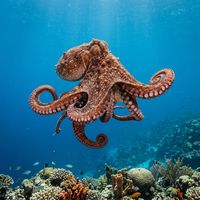
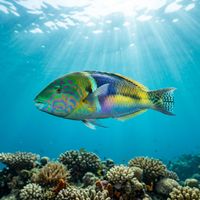
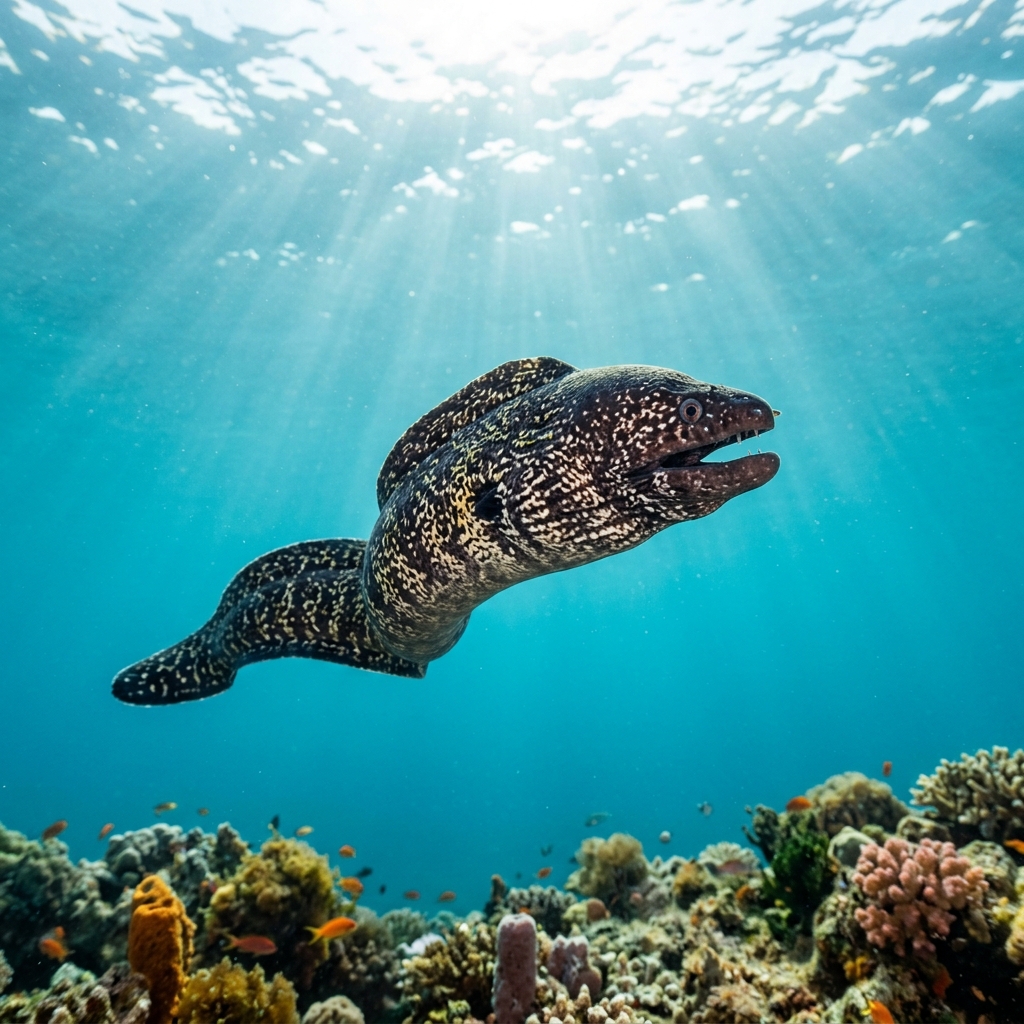
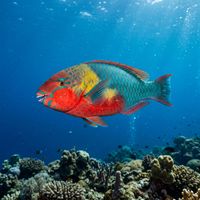
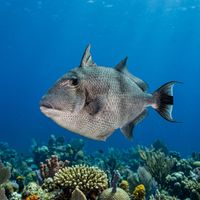
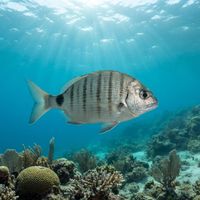
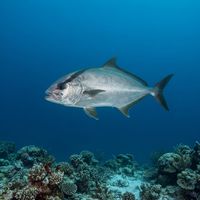
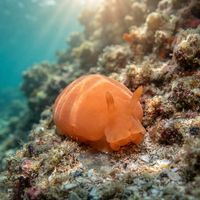
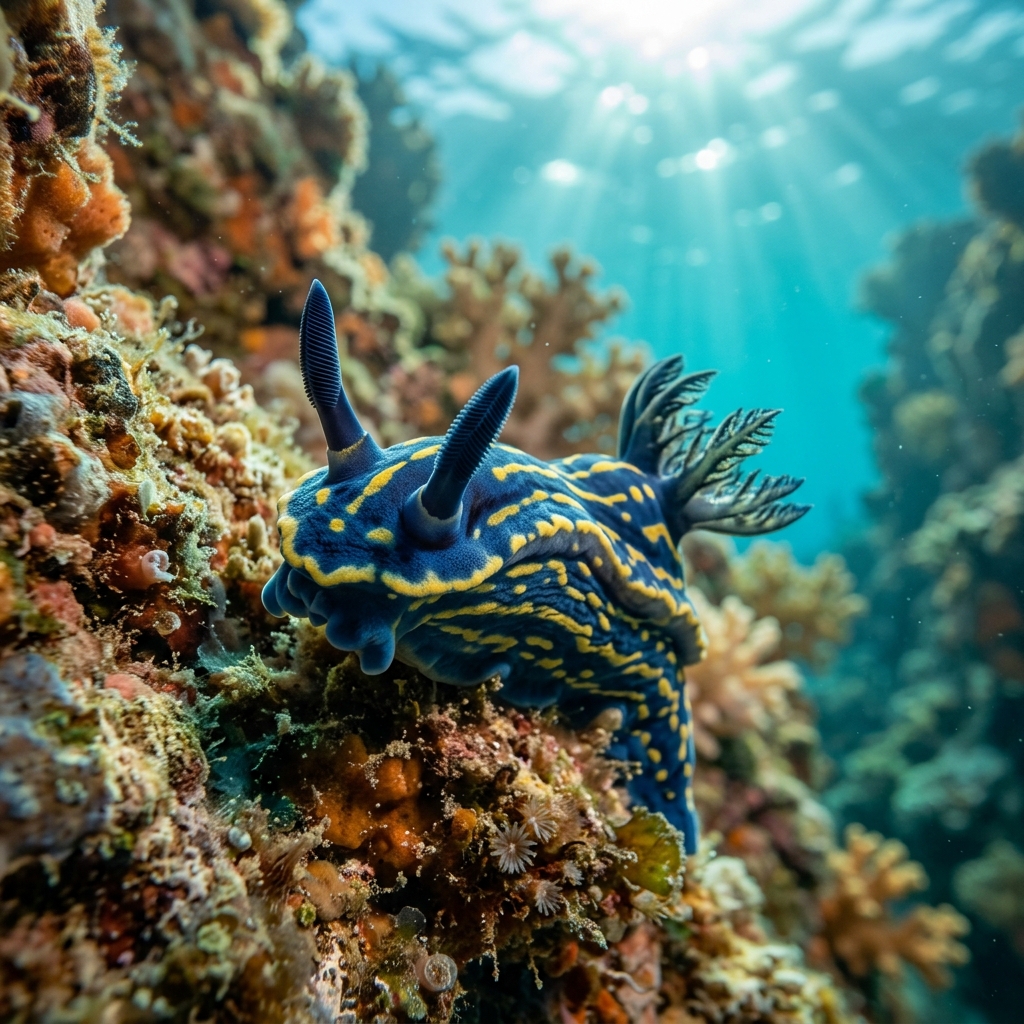
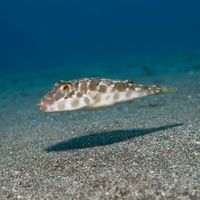
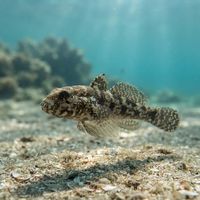
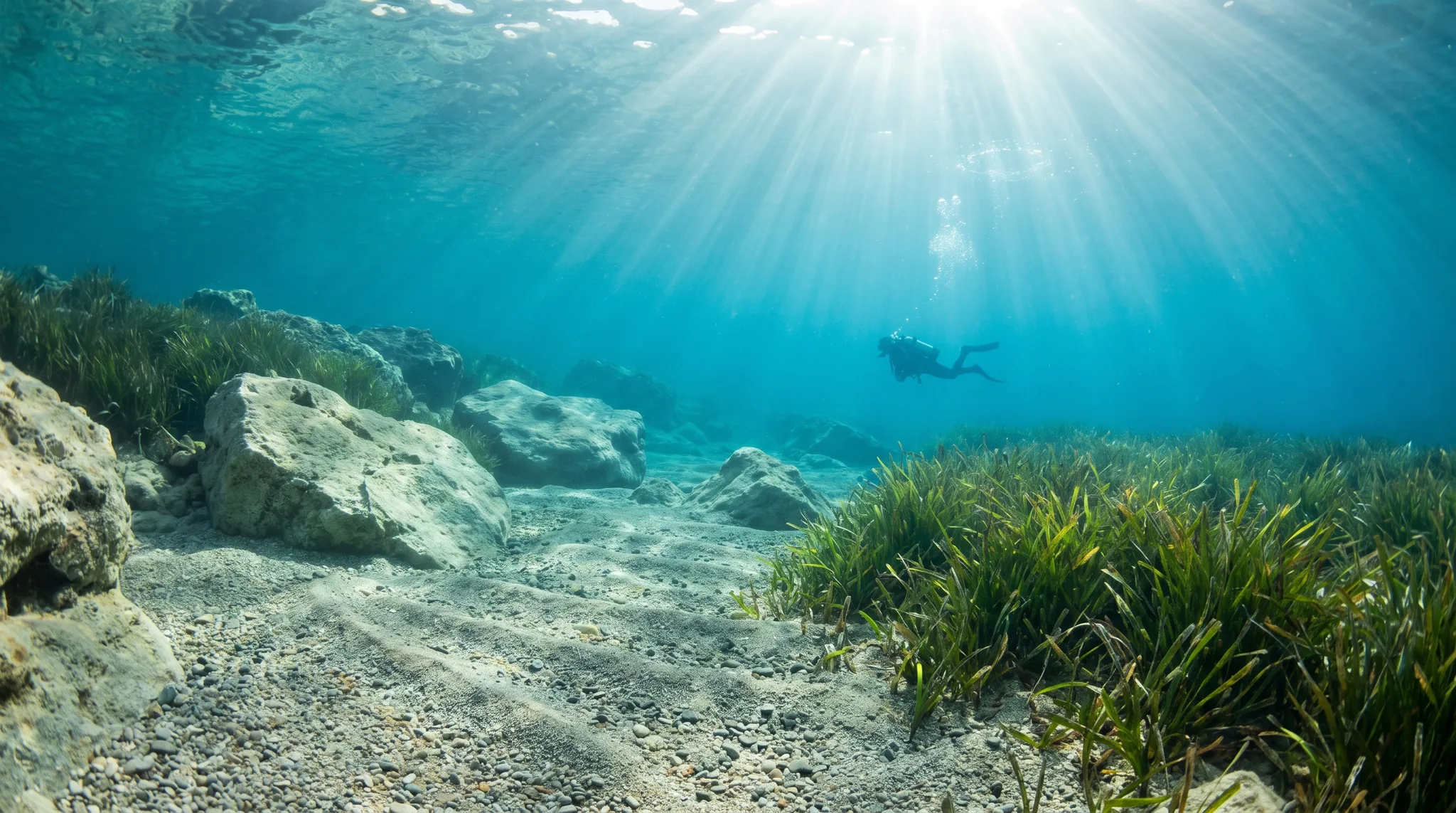
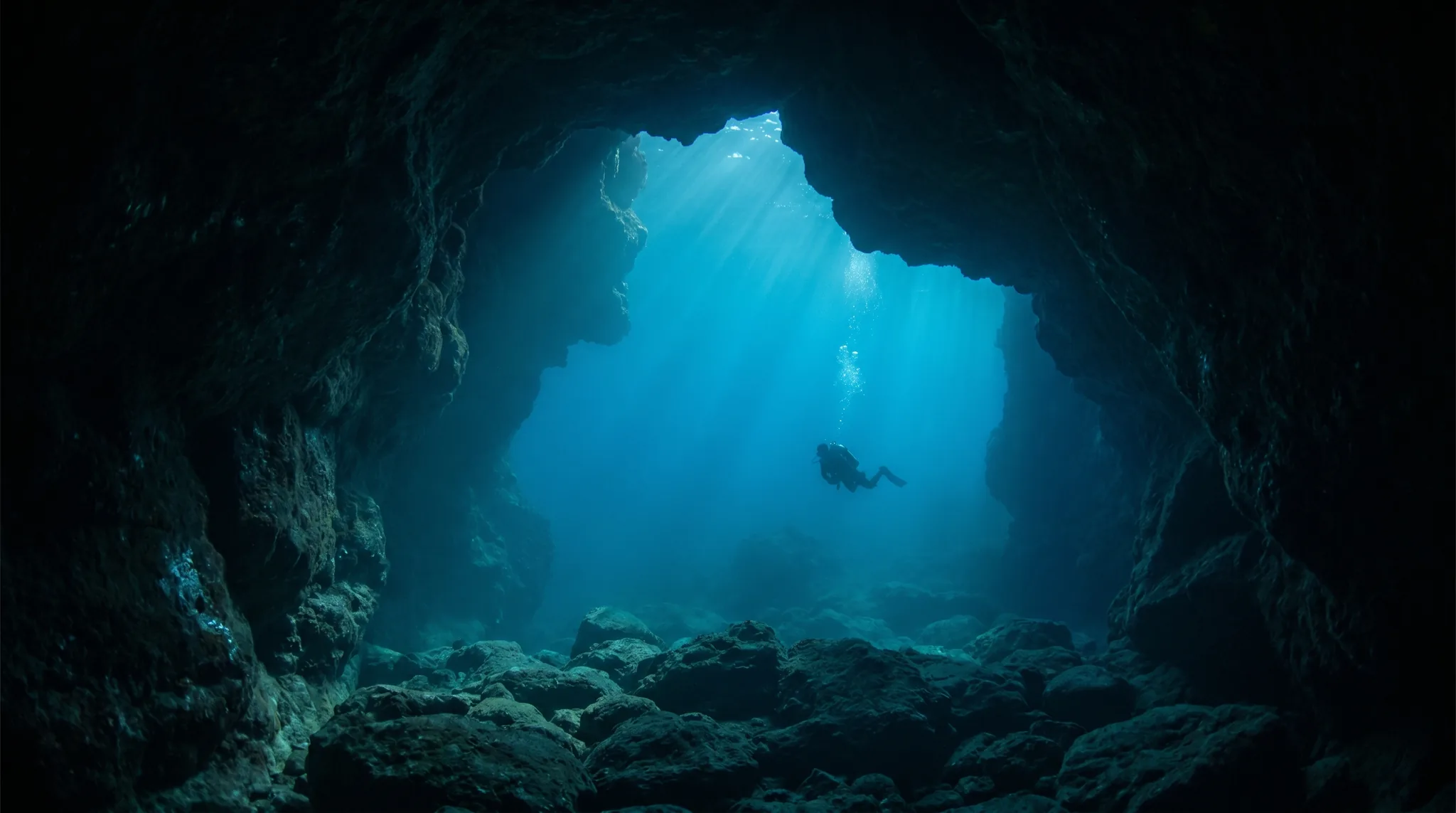
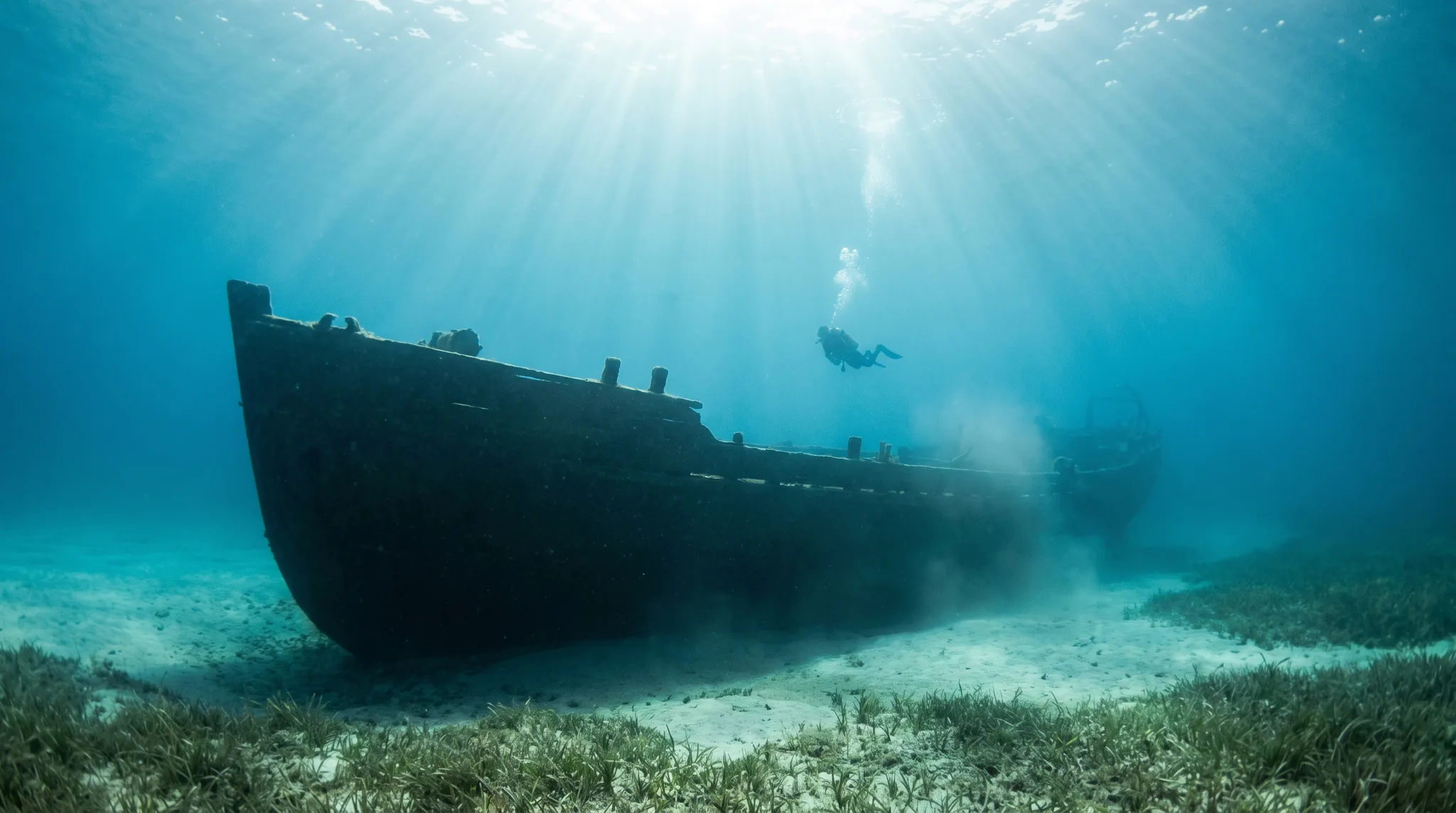
Terceira's diving is built on volcanic geology: lava tubes, caverns, arches and walls form the backbone of the site list, with a handful of wrecks and artificial reefs adding variety. Beginners find sheltered shore entries at sites like ARRAIA Reef and the Lidador wreck, while advanced and expert divers push deeper at Biscoitos Gate and the seamount Banco D. João de Castro. Common Octopus, Mediterranean Moray, European Parrotfish and Slipper Lobster appear consistently across sites, with occasional sightings of Dusky Grouper and Loggerhead Sea Turtle.

Monthly water temperature across Terceira's sites, from satellite sea-surface data corrected for depth. The band shows the site-to-site spread.
Water stays warm from mid-summer through autumn, peaking in September, making those months the most comfortable for longer dives. Cooler temperatures persist from late winter into spring, though the island is diveable year-round. Sites like Biscoitos Gate and Baixa da Serreta can carry strong currents, so conditions vary considerably depending on which part of the island you are diving.
9 operators
Angra do Heroismo, Azores

Biscoitos, Azores

3 more sites to explore
Water temperature around Terceira ranges from about 16°C in February to 22°C in September, based on satellite sea-temperature data for its dive sites.
In the warm season (about 22°C) a 3mm full suit is comfortable in Terceira; in the coldest months (about 16°C) step up to a 7mm or semi-dry suit.
Fin maps 15 sites in Terceira (15 scuba diving sites and 2 snorkelling spots, with some suited to both).
Across Terceira's dive sites, June, July, August, September and October are most often reported as the best months to visit.
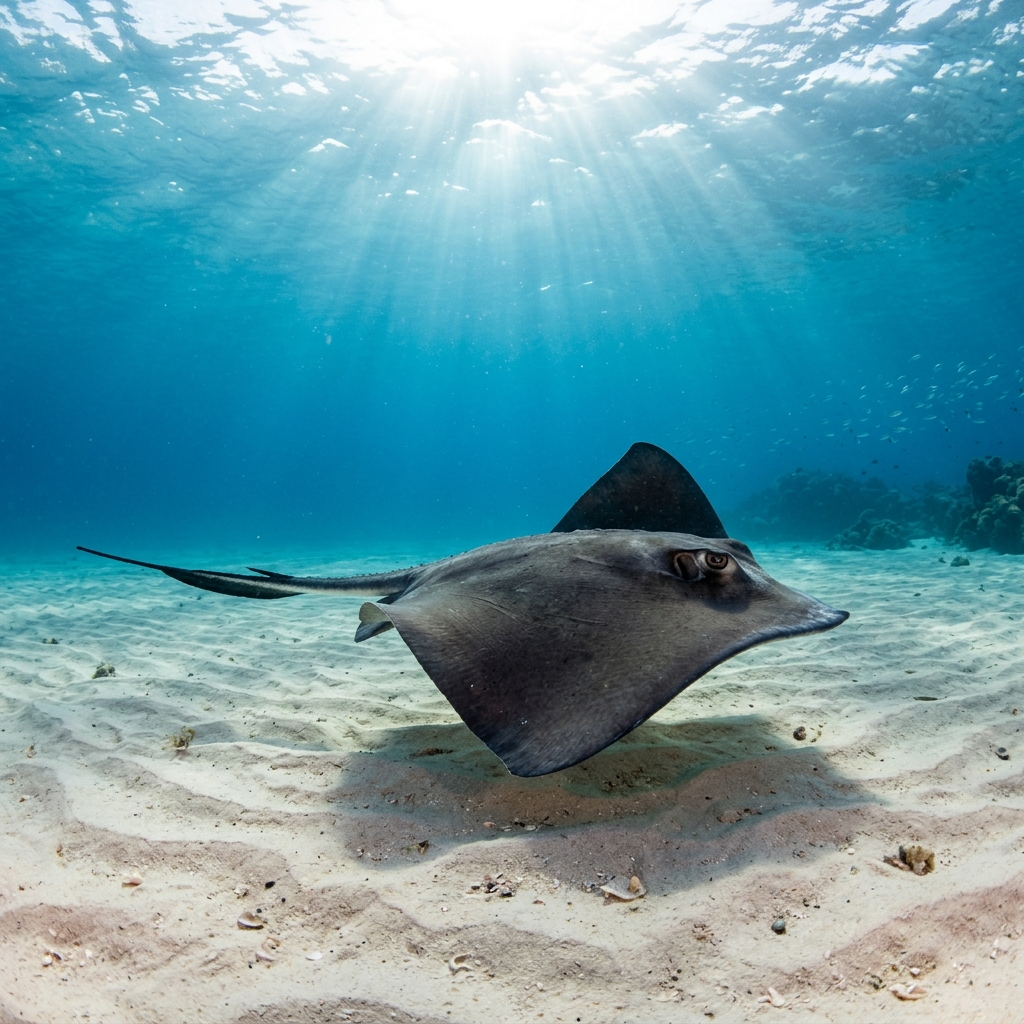
Common Octopus and Turkish Wrasse are seen across virtually all sites, and European Parrotfish, Slipper Lobster and Madeira Rockfish are very frequently encountered. Mediterranean Moray and Common Stingray appear regularly, while Dusky Grouper and Loggerhead Sea Turtle are occasional highlights. Mauve Stinger and Bluebottle jellyfish are also commonly observed, so check conditions before diving.
Yes. ARRAIA Reef offers a sheltered, shallow shore entry protected by the Monte Brasil volcano, and the Lidador wreck sits very close to shore at a shallow depth suitable for new divers. Gruta dos Ratoes is a beginner-rated cave and reef boat dive. The mix of skill levels across Terceira's sites means beginners and more experienced divers can plan trips together.
Several sites, including ARRAIA Reef, Biscoitos Cavern and Cinco Ribeiras, are accessible directly from shore. The majority of Terceira's sites, however, require a boat, including deeper walls like Nascente and the remote seamount Banco D. João de Castro. The six local operators, among them Deep Blue Azores, Scubazores Divers and Octopus Diving Center, run boat charters to most of these locations.
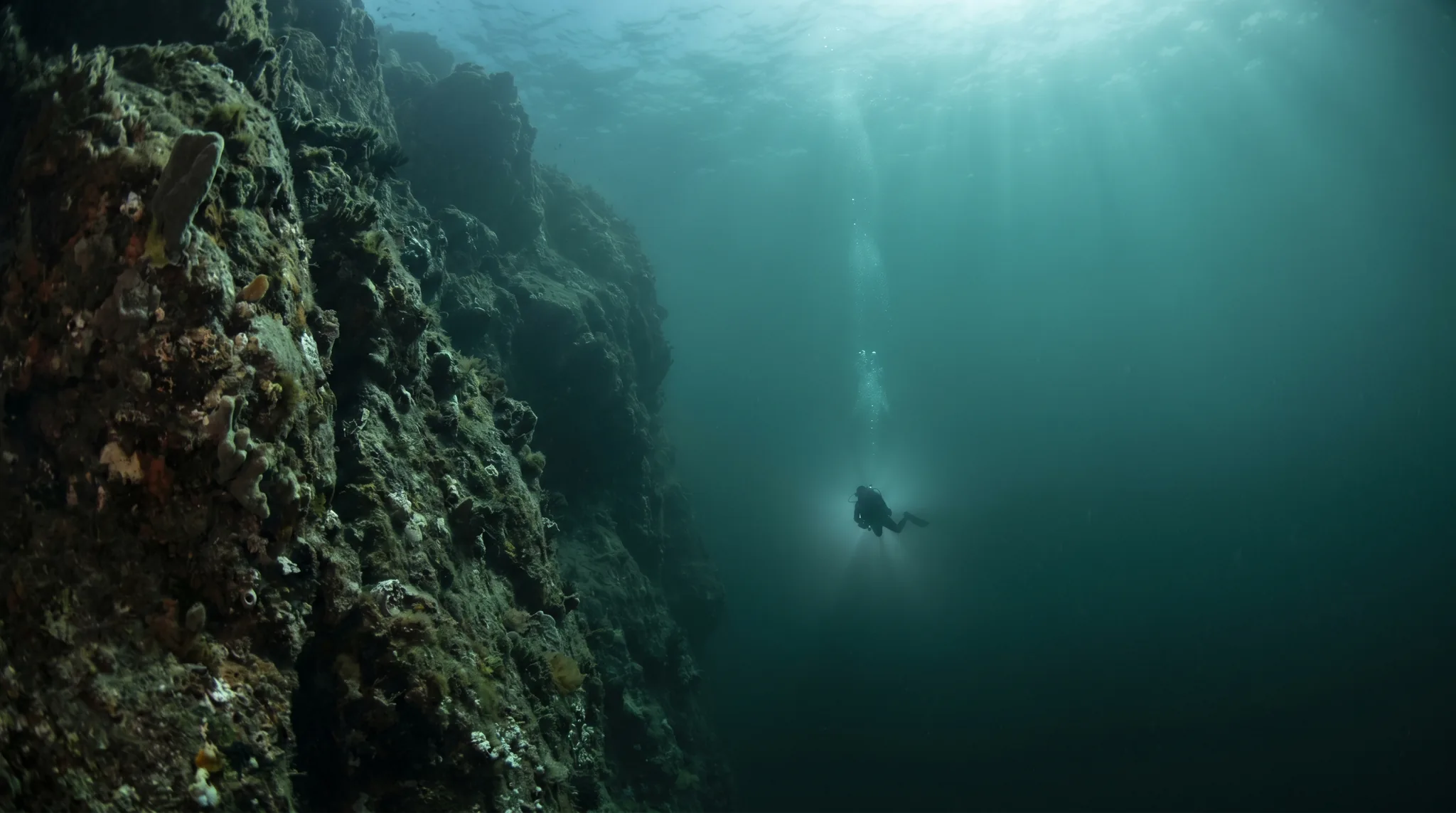
Volcanic topography dominates: caves, lava arches and walls appear at sites across the island, from the beginner-friendly Cinco Ribeiras to the expert-rated Biscoitos Gate. Wrecks and artificial reefs add a second layer, with the Lidador and Cemiterio das Ancoras being notable examples. Drift diving is also on offer at sites like Baixa da Serreta and Banco D. João de Castro for those comfortable with current.