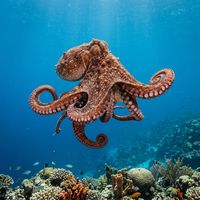
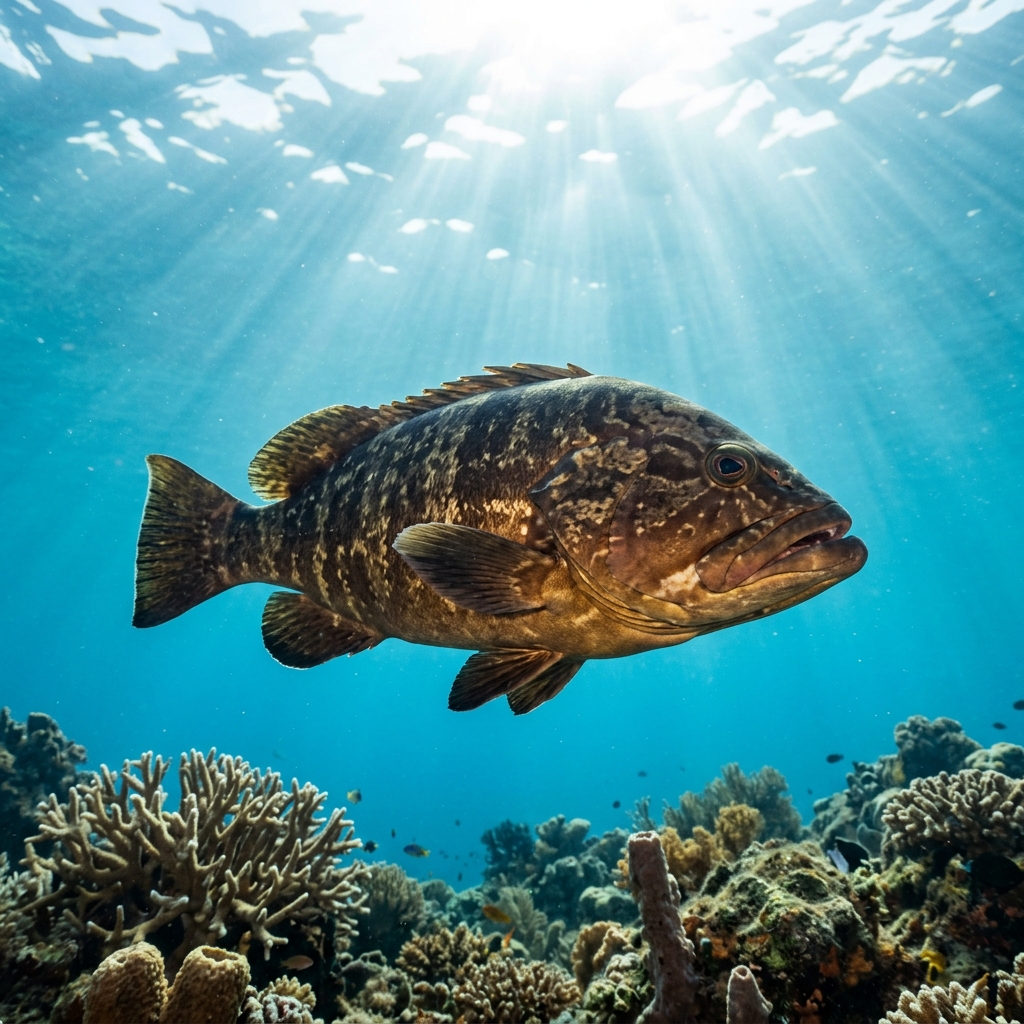
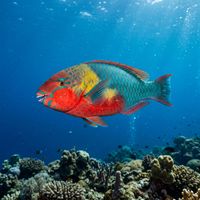
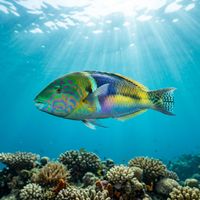
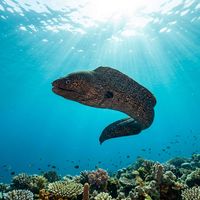
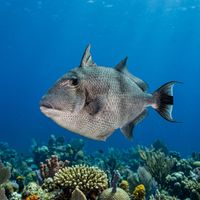
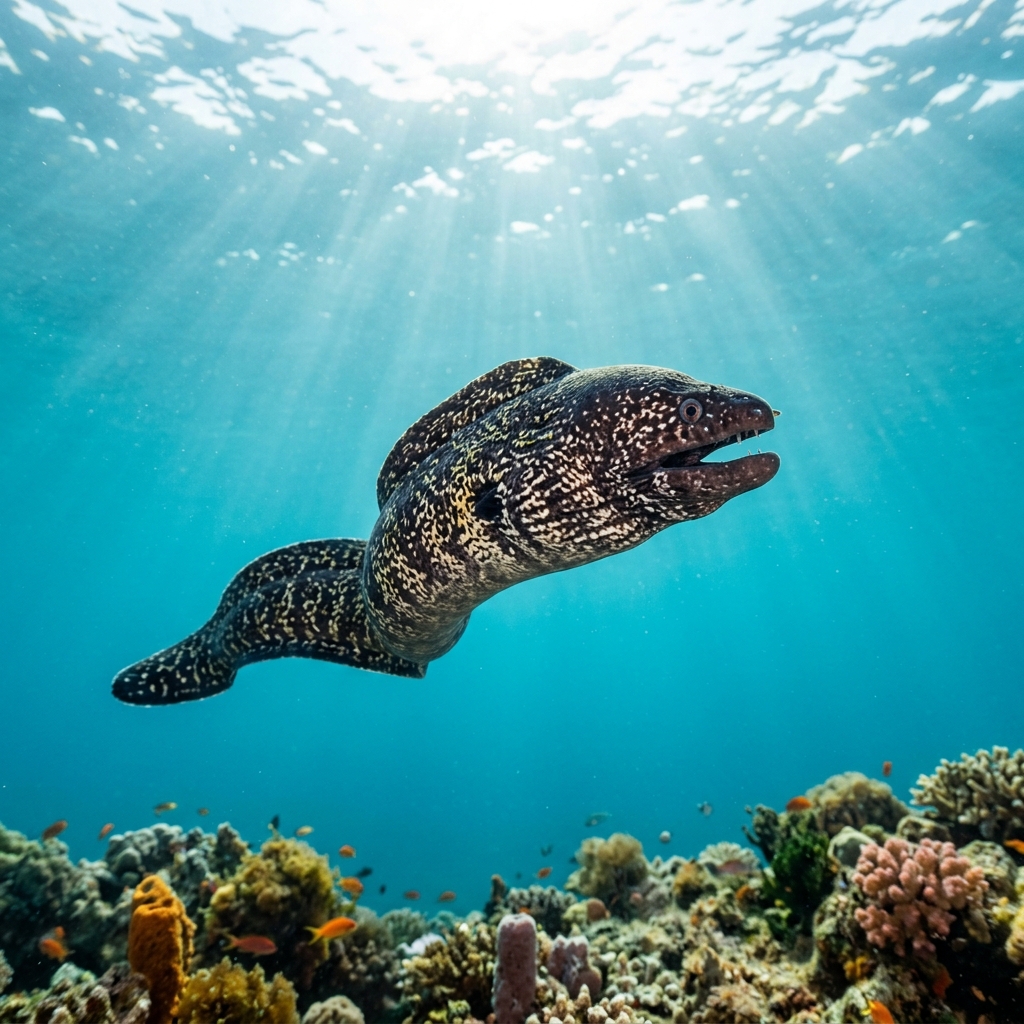
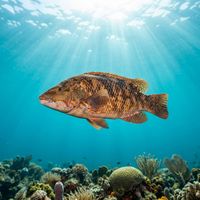
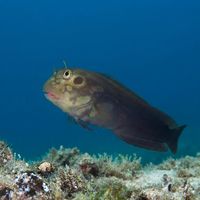
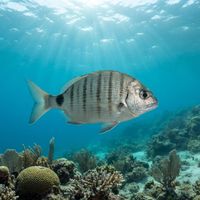
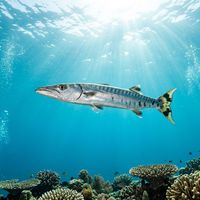
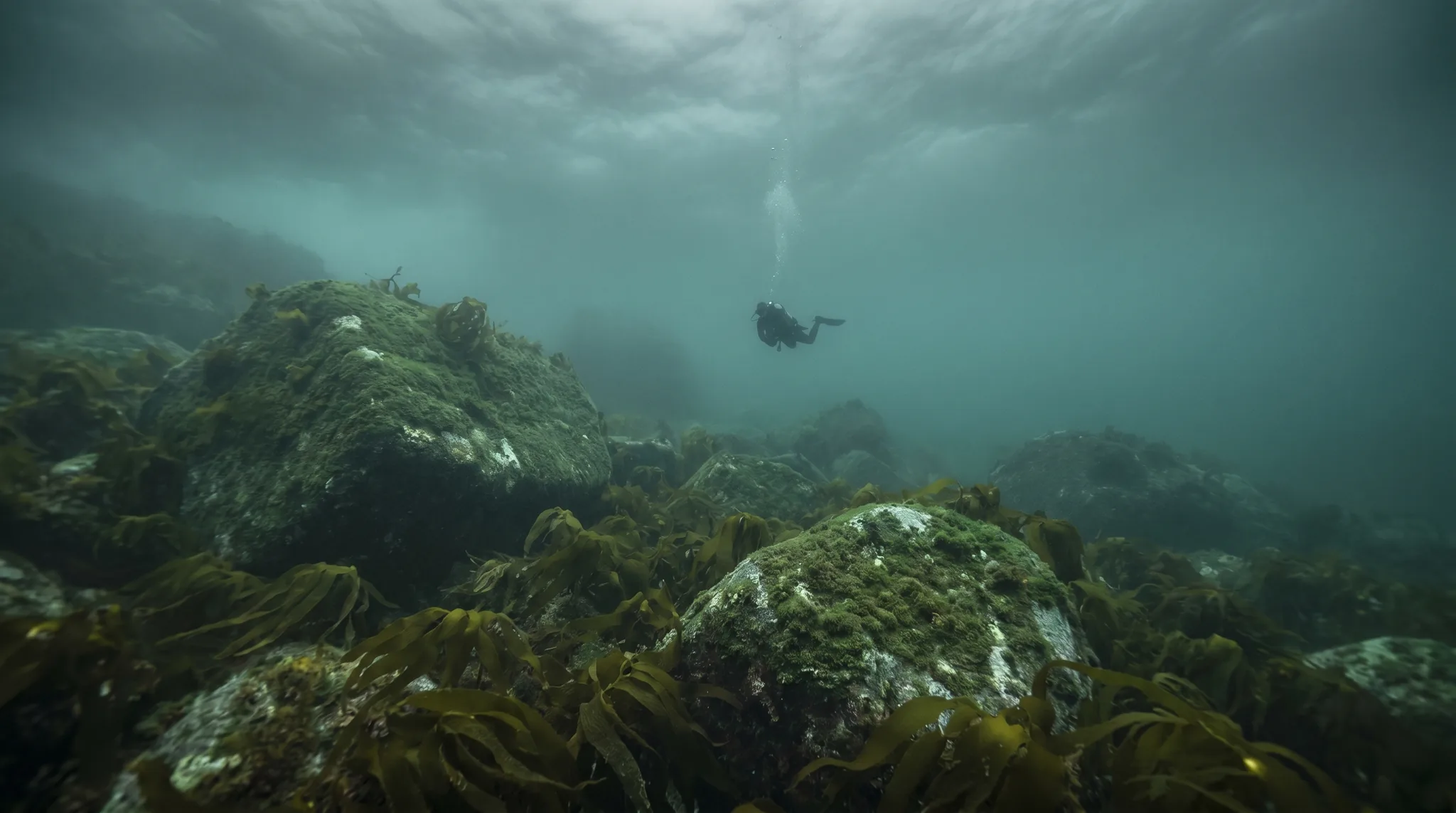
Sao Miguel and Santa Maria together form a varied underwater landscape shaped by volcanic geology. Walls, pinnacles, reef systems, caves, and canyons appear across the two islands, with the outlying Formigas and Dollabarat adding a more exposed, current-driven character. Sao Miguel holds the bulk of the sites, while Santa Maria offers its own set of reefs and pinnacles, including the wide-ranging Ambrósio. The marine life is notably consistent: European Parrotfish, Turkish Wrasse, Black Moray, and Two-banded Seabream appear across almost every site, while Dusky Grouper, Common Octopus, and Great Barracuda are reliably encountered. Whale Shark and Loggerhead Sea Turtle have been observed here too.
3 areas
 49
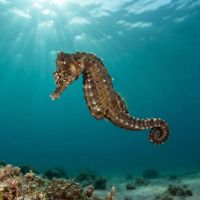
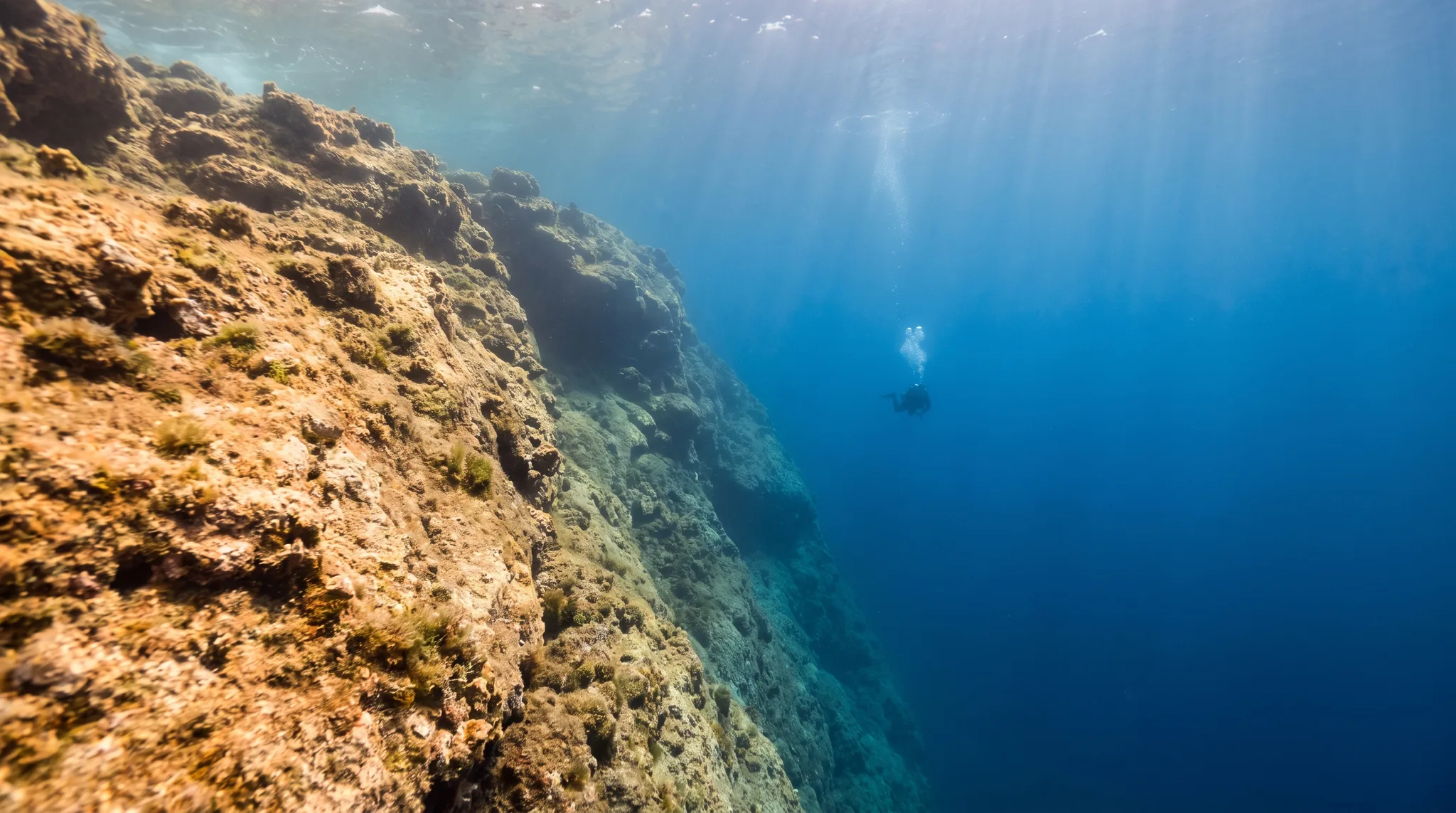
49Volcanic walls, caves, and pinnacles with consistent Seahorse and Dusky Grouper sightings across a wide range of sites.
 16
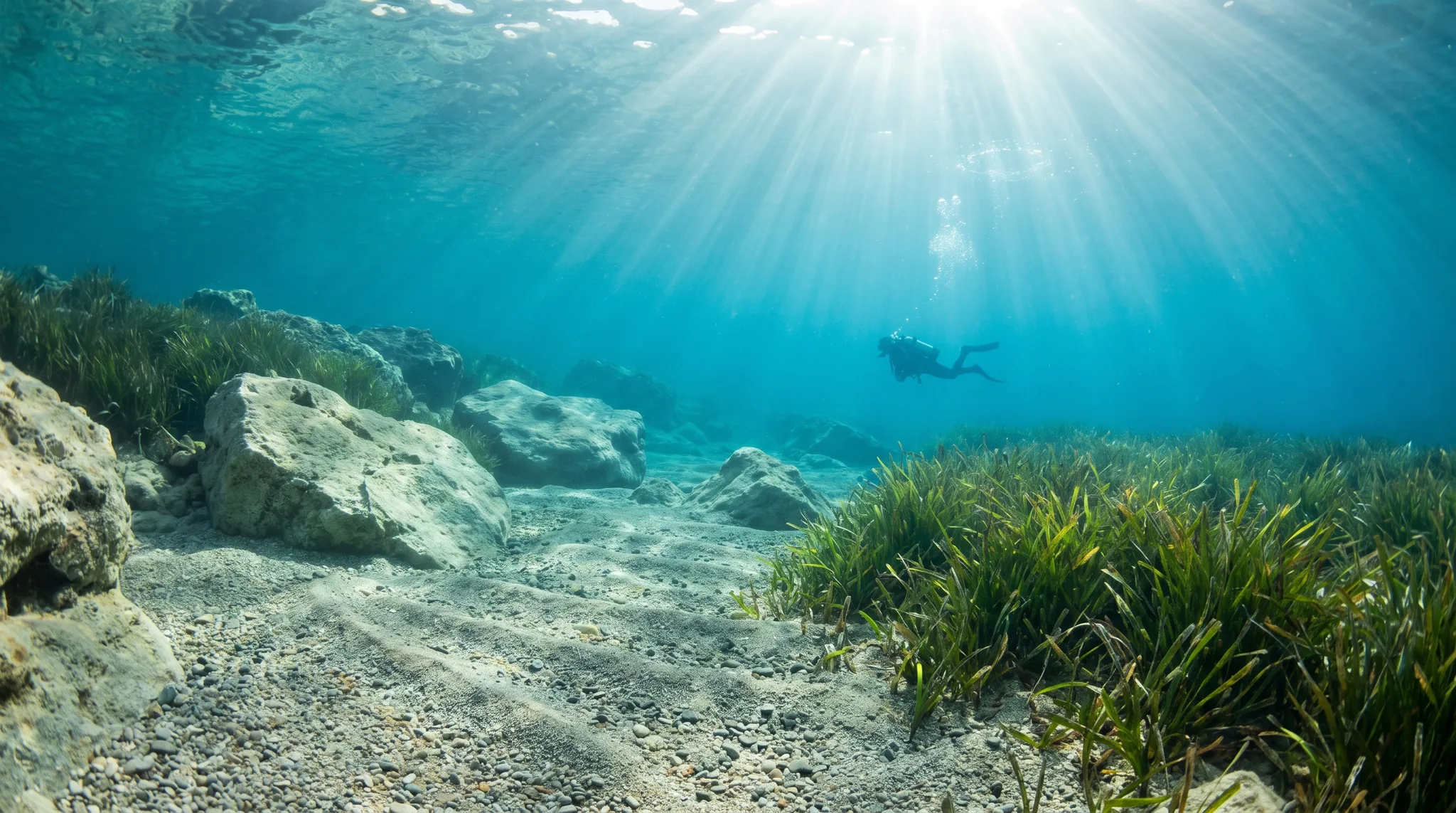
16Boat-access reefs and pinnacles with resident Dusky Grouper and a striking pelagic cast including Mako Shark, Whale Shark and Ocean Sunfish.
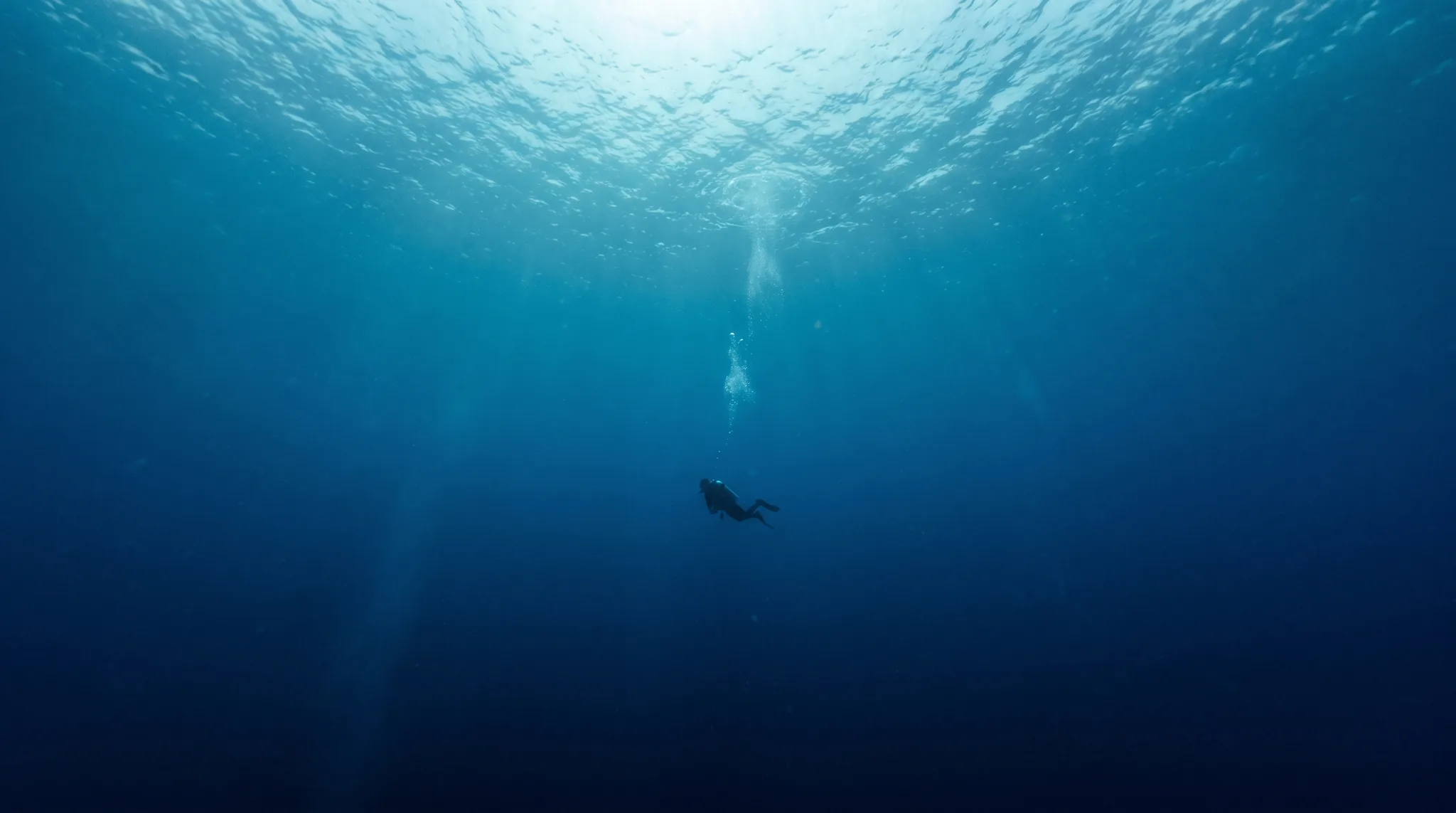
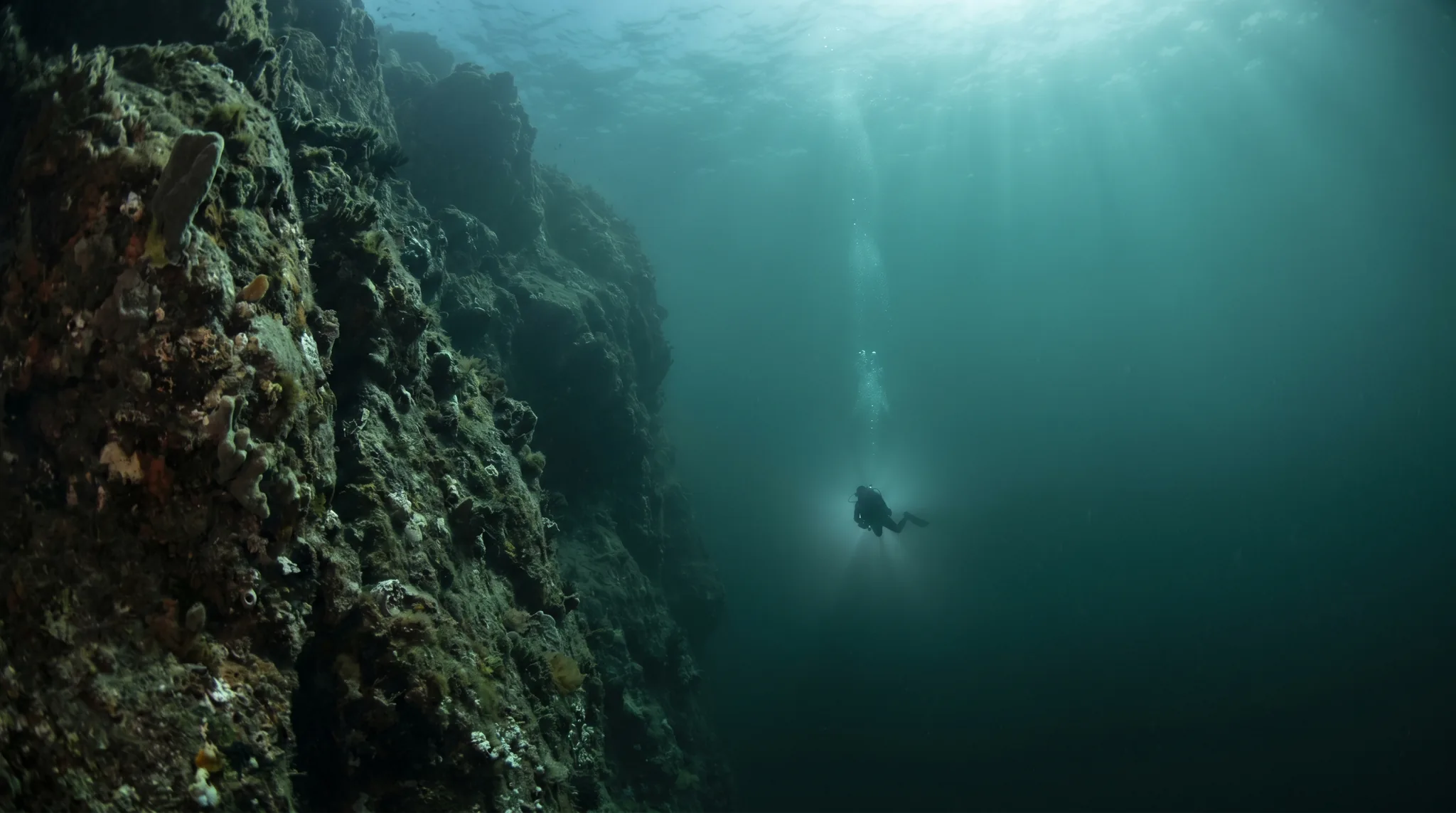
3A protected offshore reserve near Santa Maria featuring deep walls, a canyon, and a seamount for advanced divers.
Monthly water temperature across Sao Miguel & Santa Maria's sites, from satellite sea-surface data corrected for depth. The band shows the site-to-site spread.
Water temperature rises through late spring and peaks in late summer, making June through October the most comfortable window for diving. The cooler months from January to April remain diveable but call for more thermal protection. Exposed sites such as those around Formigas and Dollabarat carry stronger currents, while the sheltered walls and reefs around Sao Miguel and Santa Maria tend to be calmer and more forgiving.
34 operators
Water temperature around Sao Miguel & Santa Maria ranges from about 17°C in January to 24°C in September, based on satellite sea-temperature data for its dive sites.
In the warm season (about 24°C) a 3mm full suit is comfortable in Sao Miguel & Santa Maria; in the coldest months (about 17°C) step up to a 7mm or semi-dry suit.
Fin maps 68 sites in Sao Miguel & Santa Maria (68 scuba diving sites and 13 snorkelling spots, with some suited to both), organised into 3 areas.
Across Sao Miguel & Santa Maria's dive sites, June, July, August, September and October are most often reported as the best months to visit.
The reefs and walls here support a rich cast of resident species. European Parrotfish, Turkish Wrasse, Black Moray, Two-banded Seabream, and Combers are observed across the vast majority of sites. Dusky Grouper and Common Octopus are signature species, and Great Barracuda, Mediterranean Moray, and European Common Cuttlefish are regularly encountered. Whale Shark and Loggerhead Sea Turtle have also been recorded here.
A good proportion of the sites across both islands are rated for beginners, including shore-accessible options such as Porto das Capelas and boat dives like Gaza and Baixa do Ouro. Intermediate sites add variety for those building experience, while advanced divers can head to deeper pinnacle and wall dives like Lourenços. The mix means the region works well for groups of mixed ability.
Sao Miguel has by far the greatest number of sites and the widest variety of terrain, from shallow beginner walls to deep multi-feature dives. Santa Maria offers a more focused selection of reefs and pinnacles, with some sites sitting well offshore and requiring a longer boat ride. Formigas and Dollabarat is the smallest sub-area and the most exposed, with variable currents making it better suited to experienced divers.
The majority of sites across Sao Miguel and Santa Maria are boat-access only, and most operators run regular scheduled departures to the main dive sites. That said, shore entry is available at a handful of sites, including Porto das Capelas on Sao Miguel, which is fully accessible from land. Arcos da Caloura offers both shore and boat entry, giving some flexibility for independent divers.