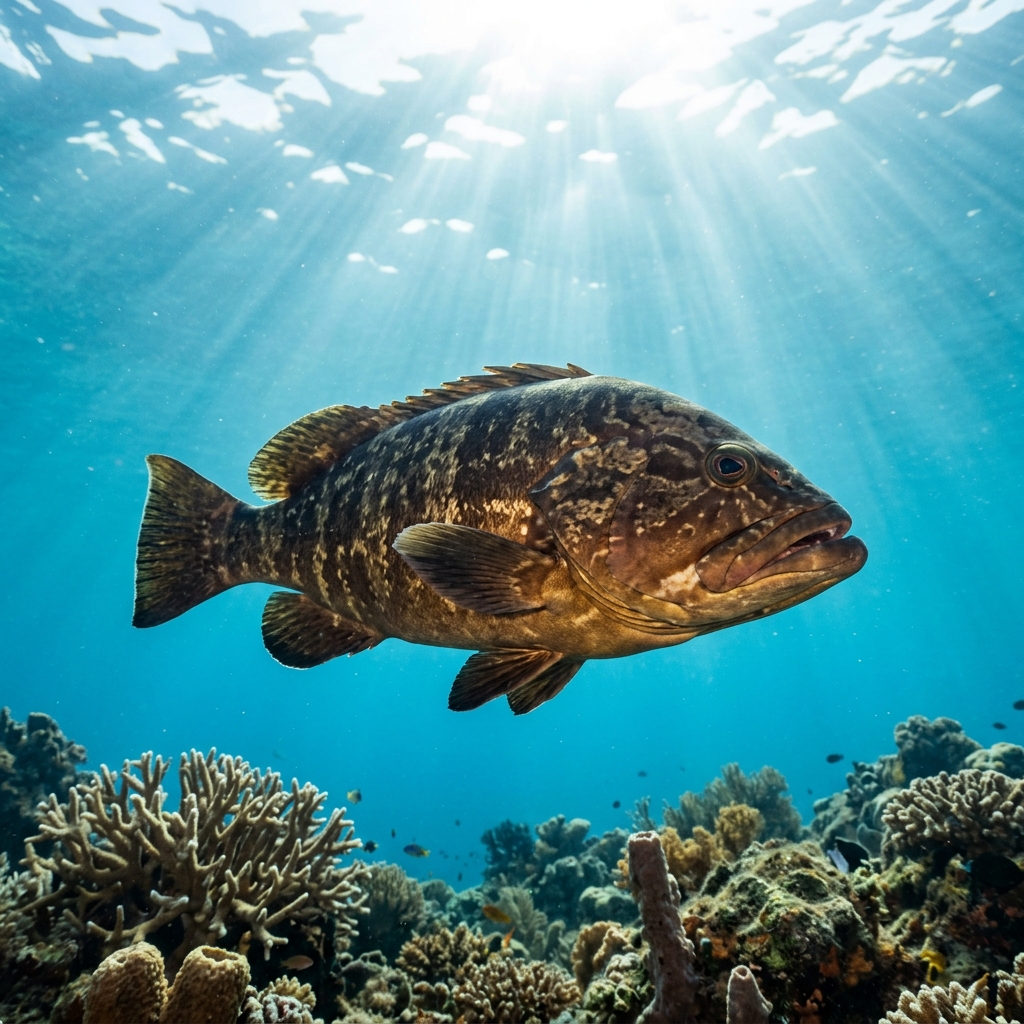
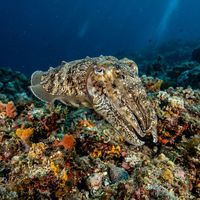
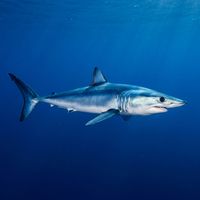
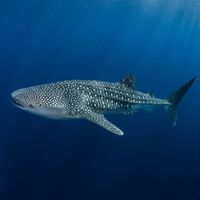
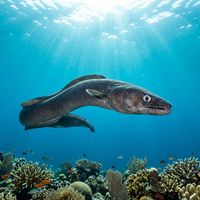
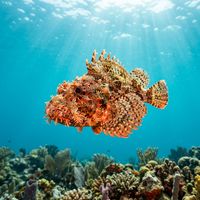
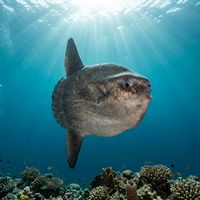
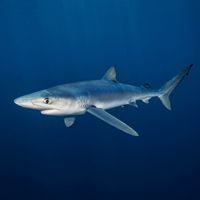
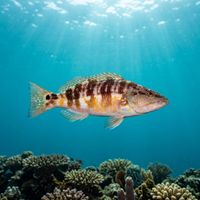
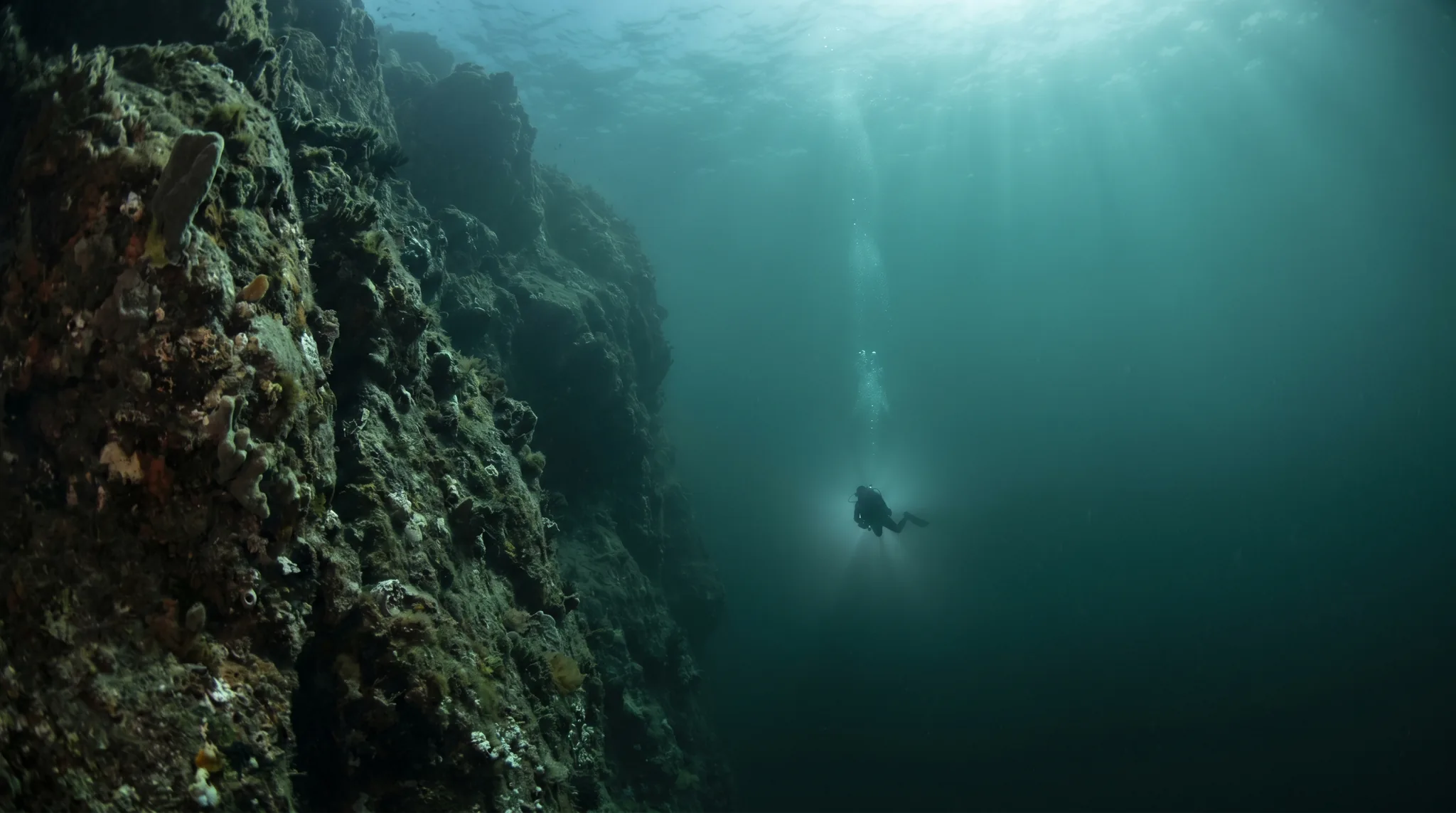
Santa Maria's diving is defined by boat-access reef and pinnacle systems, a cave at Gruta Azul, and offshore drift sites that draw large pelagic visitors. The Dusky Grouper, Conger Eel, European Common Cuttlefish and Scorpionfish appear across virtually every site, while the Mako Shark, Blue Shark, Whale Shark and Ocean Sunfish give the island an unmistakable open-water character. Most sites suit intermediate divers, though a handful of beginner-friendly reefs and a dedicated advanced drift site at Mobulas Hot Spot extend the range considerably.
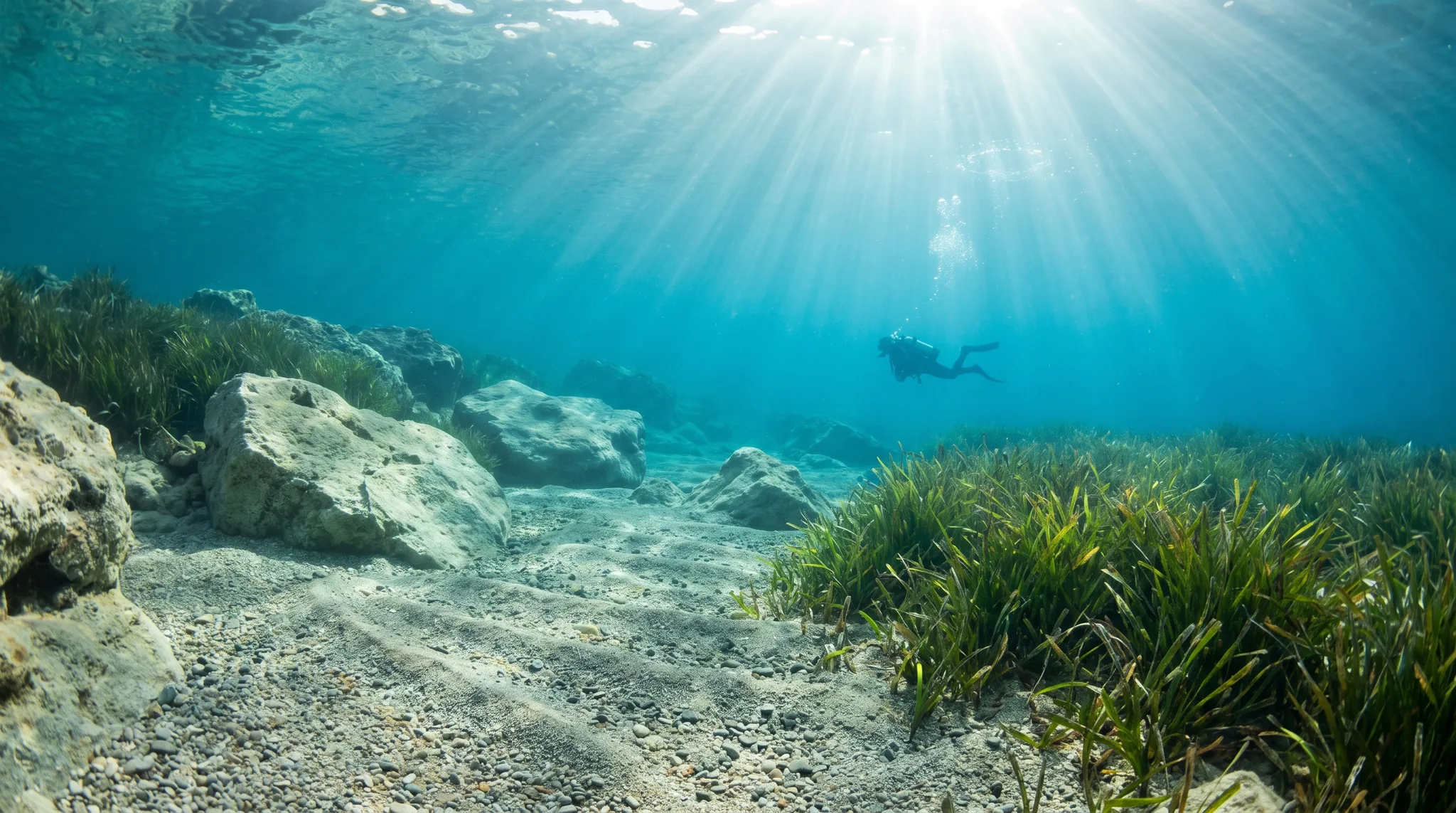
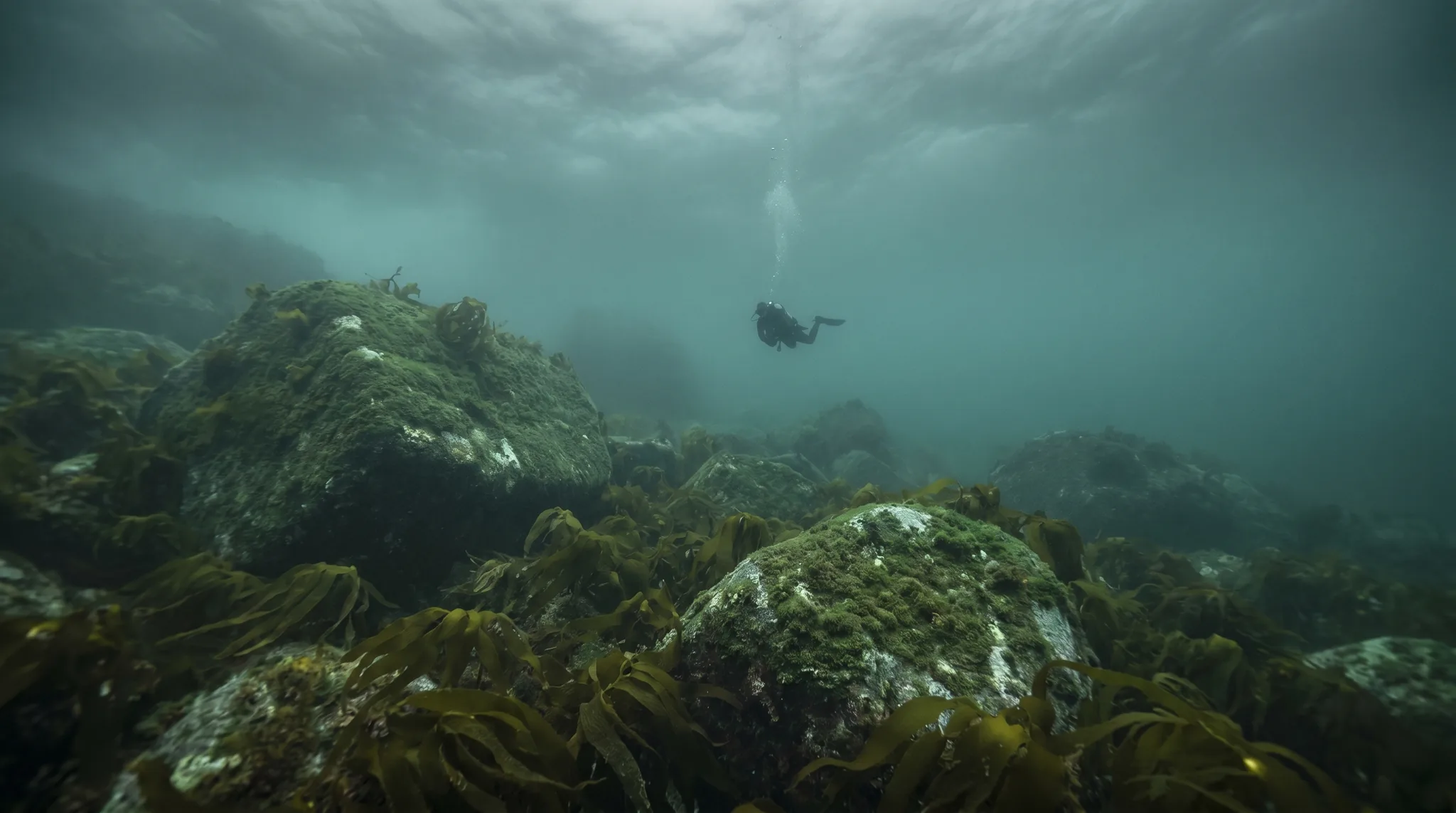
Monthly water temperature across Santa Maria's sites, from satellite sea-surface data corrected for depth. The band shows the site-to-site spread.
Water temperature climbs through summer, peaking in late summer and holding warmth well into autumn, which coincides with the busiest dive season running from June through October. The cooler months from late winter into spring still offer perfectly diveable conditions. Drift sites and offshore reefs are best tackled when currents are assessed on the day, and boat cover is essential across all sites.
7 operators
Vila Franca do Campo, Azores
Vila Franca do Campo, Azores
6 more sites to explore
Water temperature around Santa Maria ranges from about 17°C in February to 24°C in August, based on satellite sea-temperature data for its dive sites.
In the warm season (about 24°C) a 3mm full suit is comfortable in Santa Maria; in the coldest months (about 17°C) step up to a 7mm or semi-dry suit.
Fin maps 16 sites in Santa Maria (16 scuba diving sites and 2 snorkelling spots, with some suited to both).
Across Santa Maria's dive sites, June, July, August, September and October are most often reported as the best months to visit.
Santa Maria has observation-backed records of Mako Shark, Blue Shark and Whale Shark, making it truly notable for pelagic encounters among Azorean dive destinations listed on Fin. The Ocean Sunfish is also a common sighting. Closer to the reef, Dusky Grouper and Conger Eel are present across almost every site.
Several sites, including Baia do Pocâo, Ilhéu da Vila and Pedrinha, are rated for beginner divers and offer reef and cave topography at accessible depths. The majority of the site list is pitched at intermediate level, so divers with some experience will find the widest choice. The advanced drift site at Mobulas Hot Spot is reserved for experienced divers comfortable with strong currents.
Almost all sites in Santa Maria require boat access, and three local operators, Haliotis Dive Center, Wahoo Diving and Mantamaria Divecenter, run trips across the site network. Pedrinha is the one exception, offering both shore and boat entry. Shore diving is therefore quite limited, so booking with one of the local operators is the practical route for most visitors.
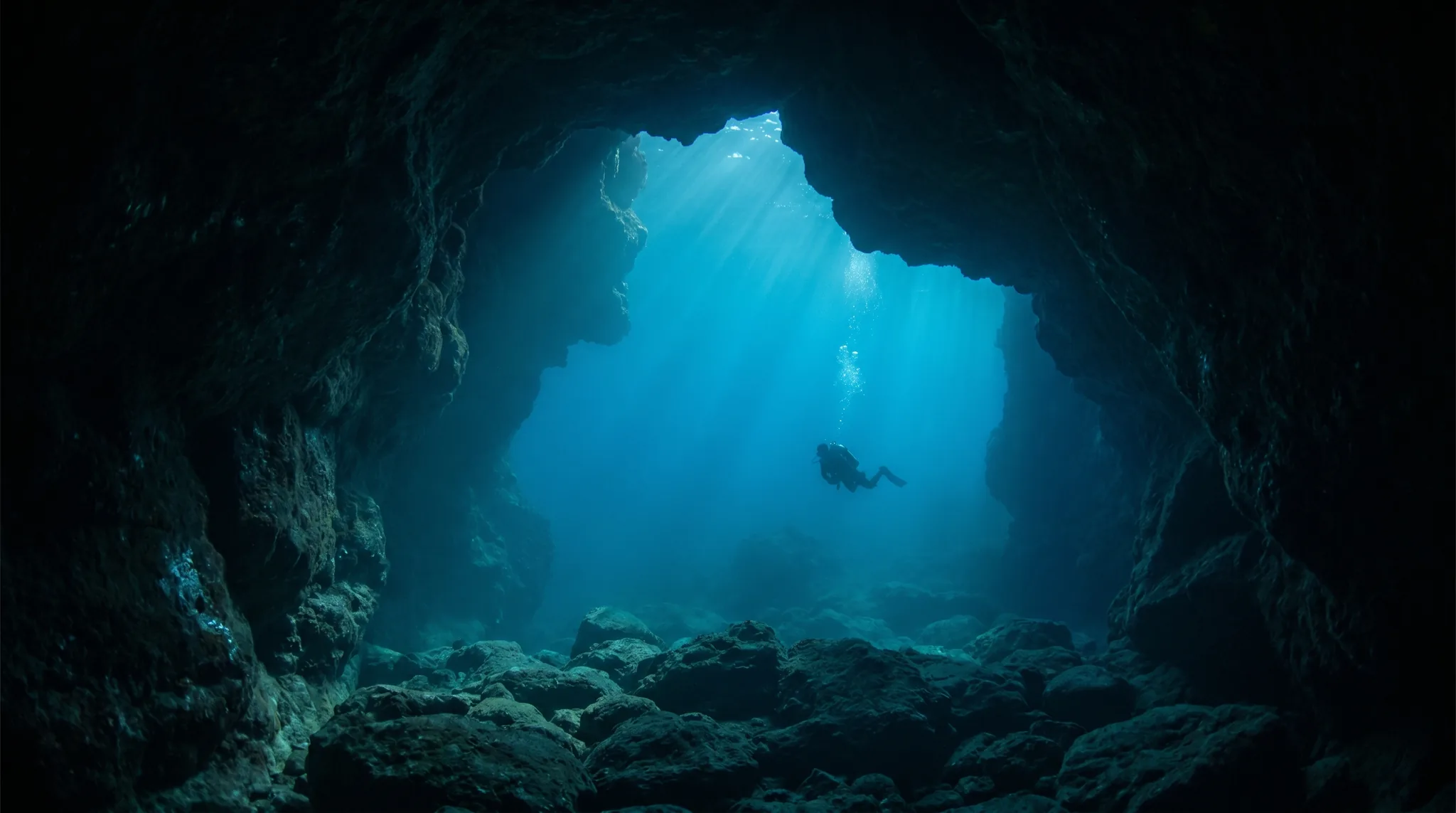
Santa Maria's site mix extends well beyond simple reef diving. Gruta Azul is a dedicated cave dive, while Ambrósio combines pinnacle, reef and drift elements. Mobulas Hot Spot is a deep drift site positioned specifically for pelagic encounters. Pedrinha adds an artificial reef to the reef, cave and pinnacle structure it already features.