Serranus atricauda
A reliable find on rocky reefs off Tenerife and Sao Miguel, in cool 16-19C water, year-round and no need to hunt for a season.
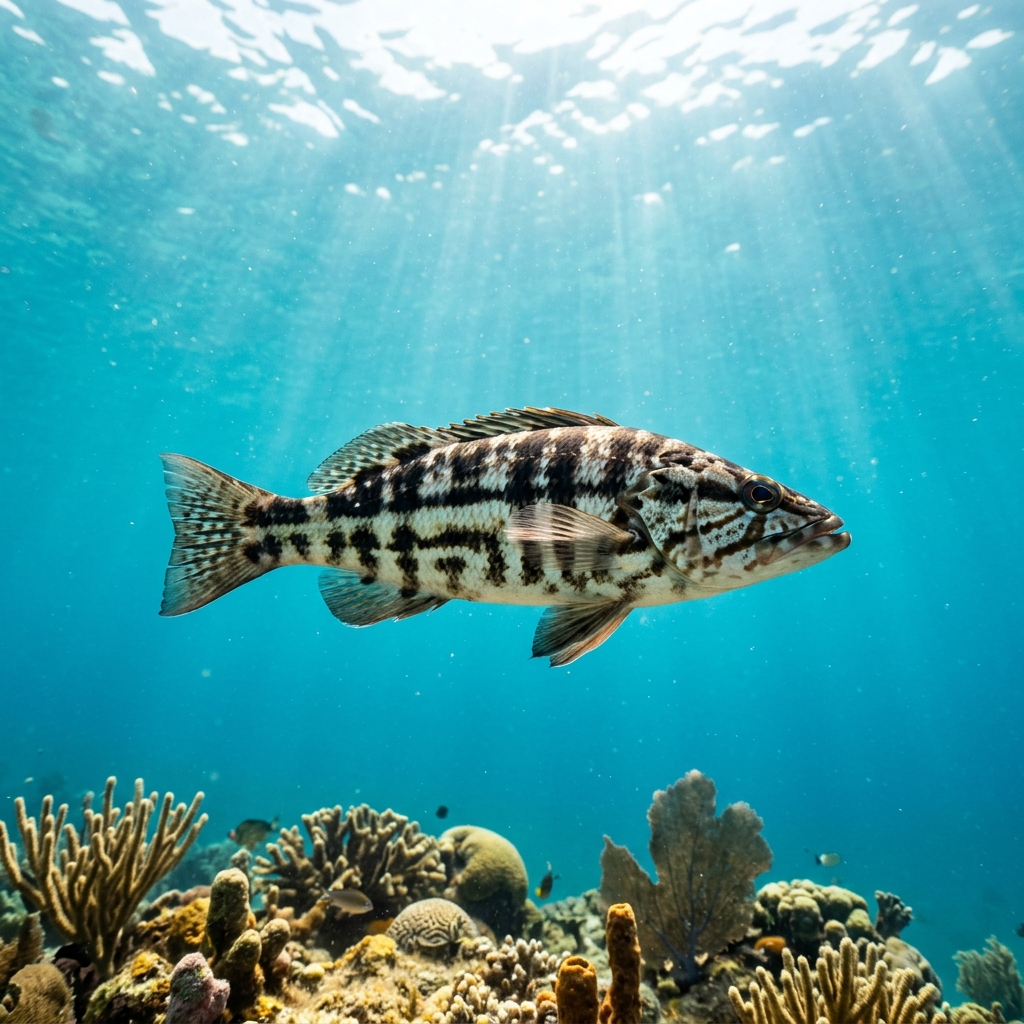
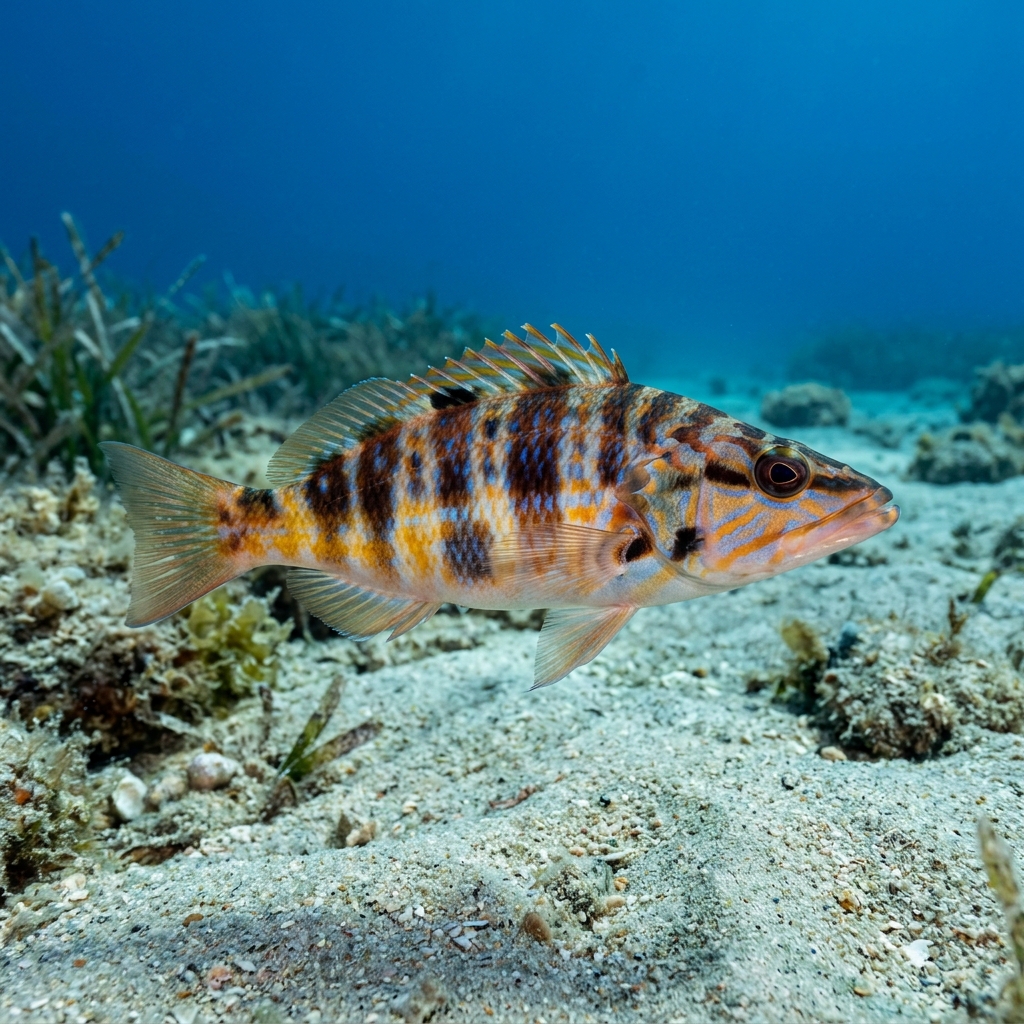
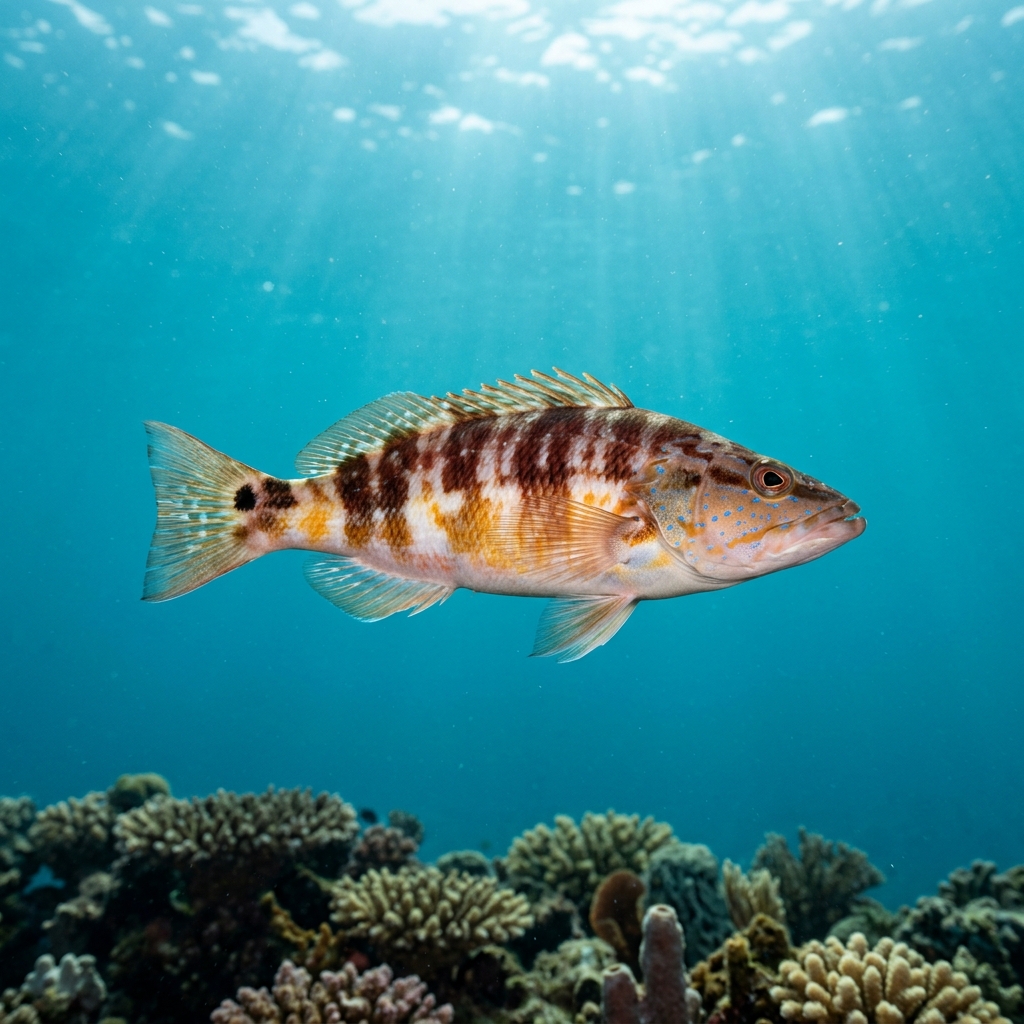
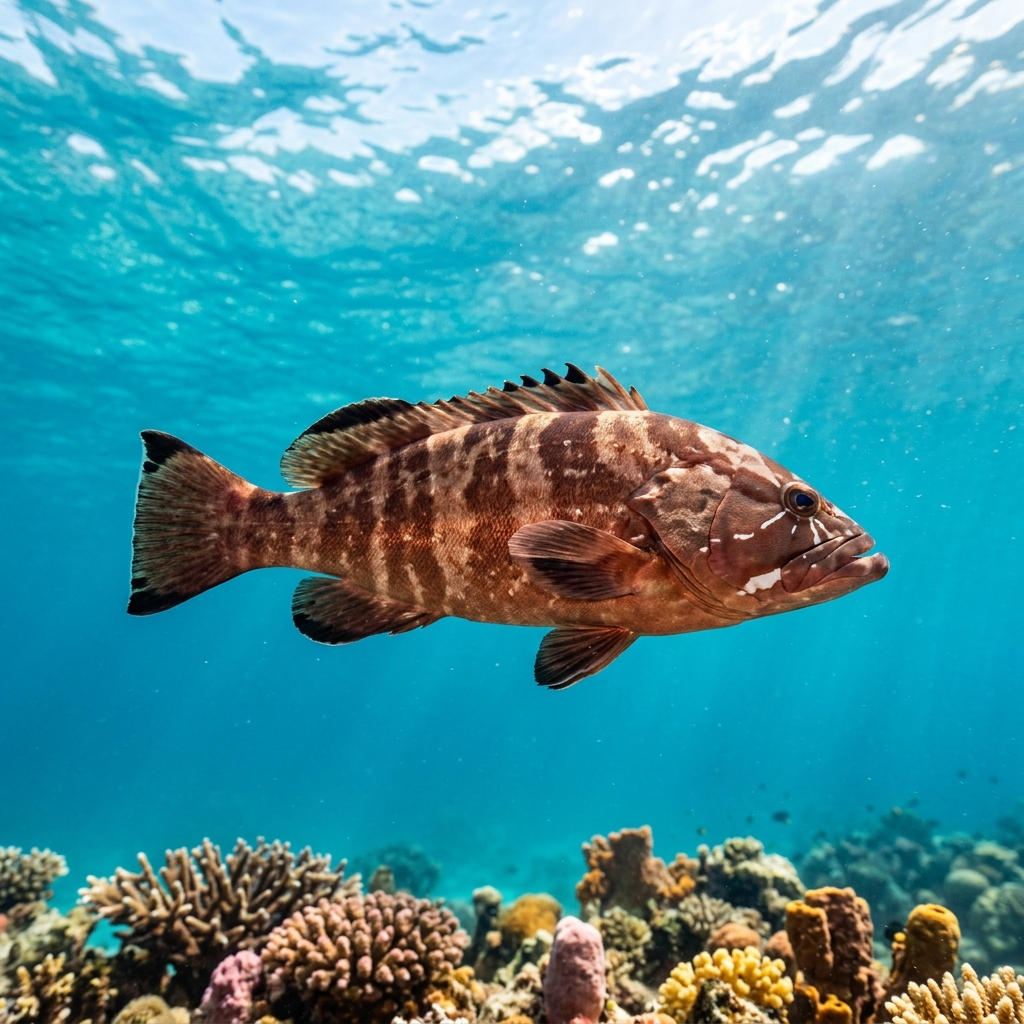
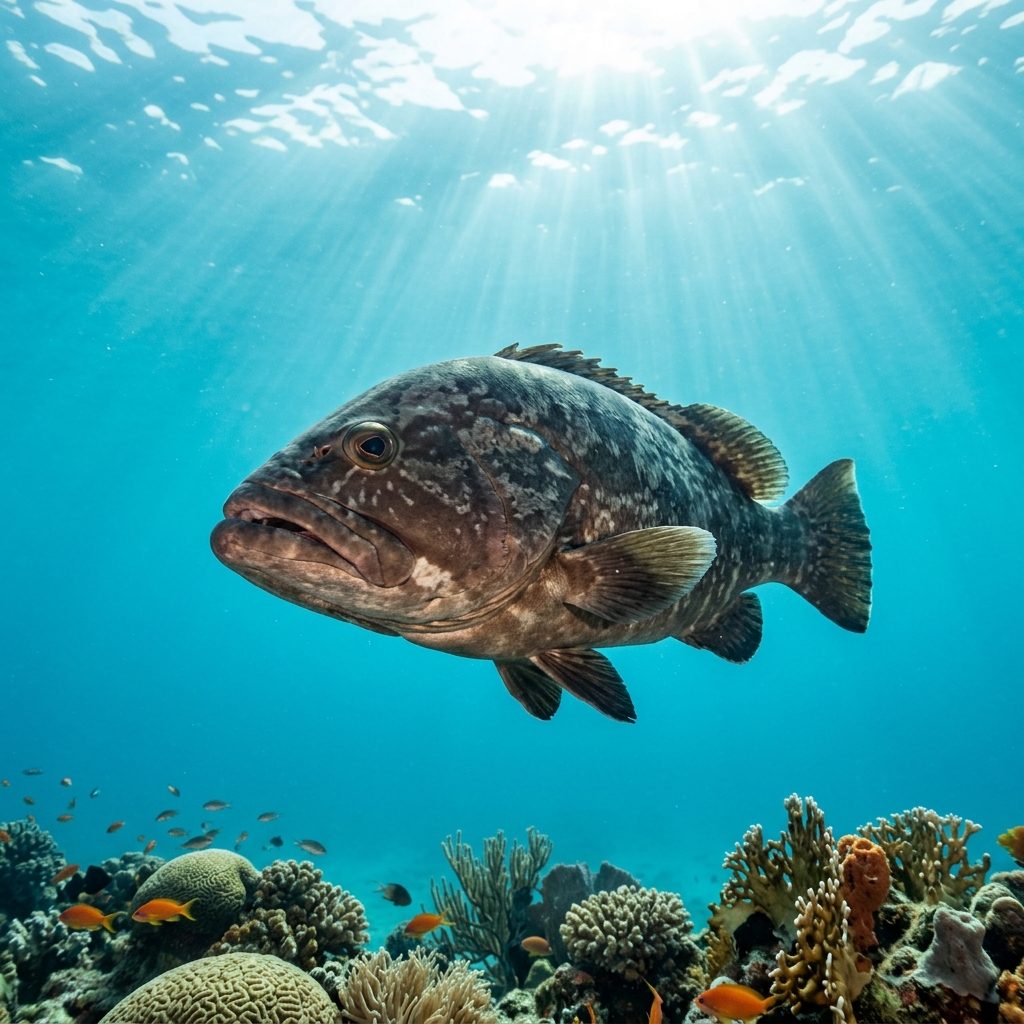
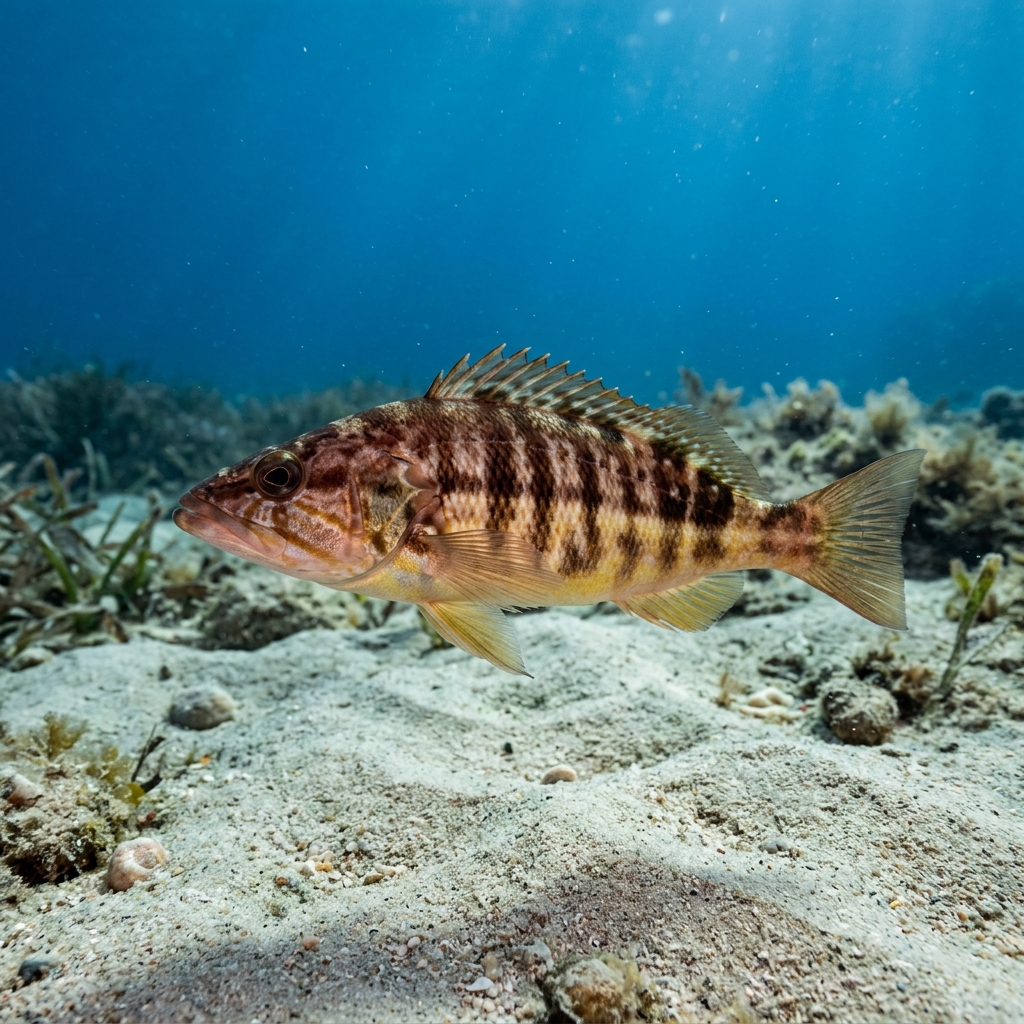
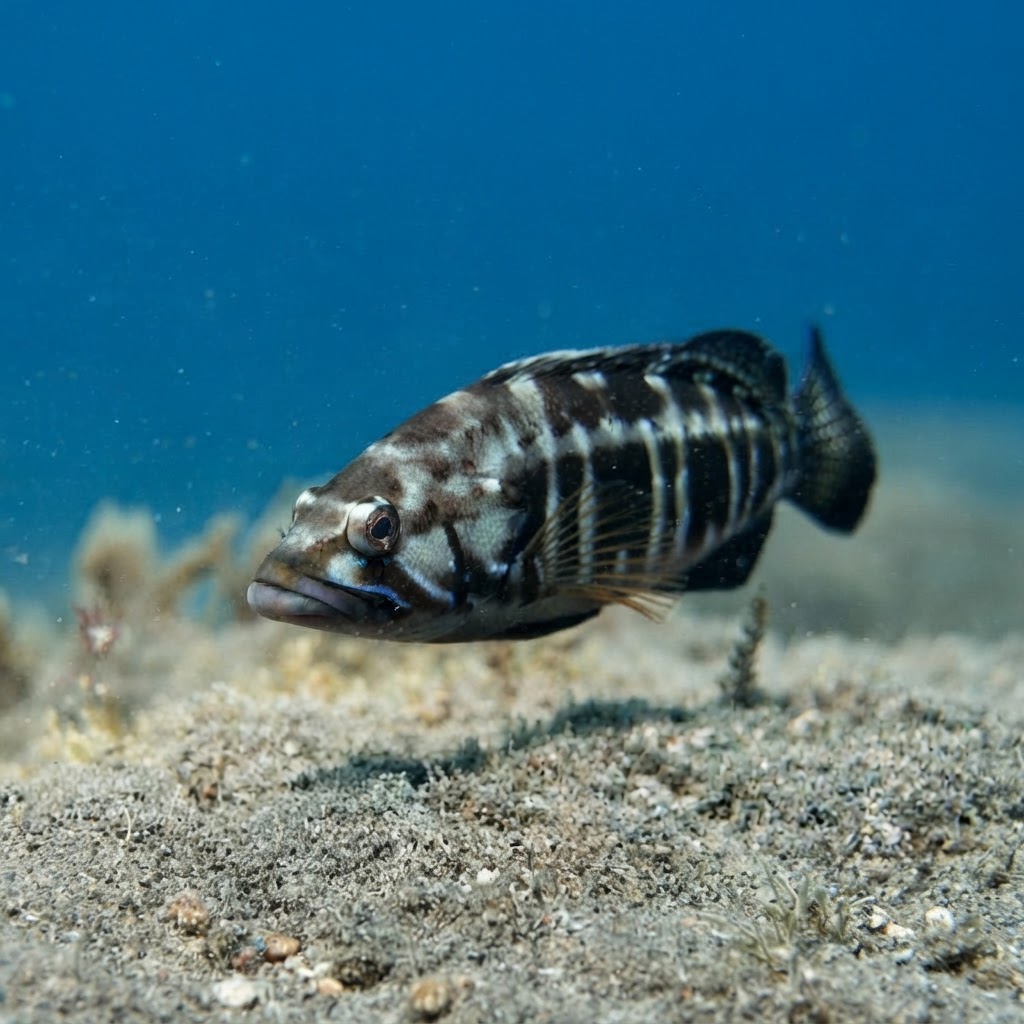
Grows to around 30 cm, with a slim, elongated grouper-shaped body suited to hovering close to rock rather than chasing open water. Look for a mottled brown to olive body with pale striping along the flanks and, as the name suggests, a dark blotch or band near the base of the tail that helps separate it from other combers at a glance. It sits low against rock and rubble rather than swimming in open water, so divers usually spot it parked on a ledge or tucked half under a boulder.
Expect to find it hovering or resting near rock crevices and boulder fields rather than out in open water, usually fairly still and easy to approach slowly. It is not a schooling fish, most divers log single individuals holding a patch of reef, and it tends to hold its ground rather than bolt when a diver drifts past at a respectful distance. Uncommon to common at most sites where it is seen, so it rewards divers who take time scanning ledges and gaps rather than open sand.
Like many combers and groupers, it is a protogynous hermaphrodite, meaning individuals can start life as females and later change sex to male as they grow, a trait shared across much of the wider grouper family.
Sightings show no detectable season, and with a comfortable range of about 16.3 to 19.4C, it stays active on these rocky reefs all year round. Plan around your own comfort in cooler Atlantic water rather than around the fish's calendar.
This is very much a Macaronesian and eastern Atlantic fish: strongest logs come from the Canary Islands, especially Tenerife, Fuerteventura, Lanzarote and Gran Canaria, with further reliable sightings around Sao Miguel and Santa Maria in the Azores and off Madeira Island. Smaller but consistent numbers turn up along the Lisbon Coast in Portugal and around Cape Verde, so any rocky Atlantic island dive in this region is worth checking.
Mapping where Blacktail Comber is logged…
Best chances are in the Canary Islands, particularly Tenerife, Fuerteventura, Lanzarote and Gran Canaria, plus the Azores around Sao Miguel and Santa Maria and off Madeira Island. It also turns up along Portugal's Lisbon Coast and around Cape Verde.
There is no strong seasonal pattern in sightings, and it tolerates a fairly narrow but stable cool-water range of roughly 16.3 to 19.4C year-round. That makes it a reasonable target on any Canary Islands or Azores dive trip regardless of month.
Look for a slim, grouper-shaped body around 30 cm long, mottled brown or olive colouring with pale flank stripes, and a distinctive dark patch near the base of the tail. It is usually seen resting on rock or wedged near a ledge rather than swimming in open water.
They typically reach about 30 cm in length, making them a modest-sized member of the grouper family rather than a large predator.
No, they pose no danger to divers. They are calm, reef-associated fish that tend to hold still on rock rather than react defensively.
Like other combers and groupers, individuals can change sex during their lifetime, typically starting as female and later becoming male, a reproductive strategy called protogynous hermaphroditism.
Site and sighting data is aggregated from diver logs, iNaturalist and GBIF. For taxonomy and conservation status:
Blacktip Grouper
2,734 sites