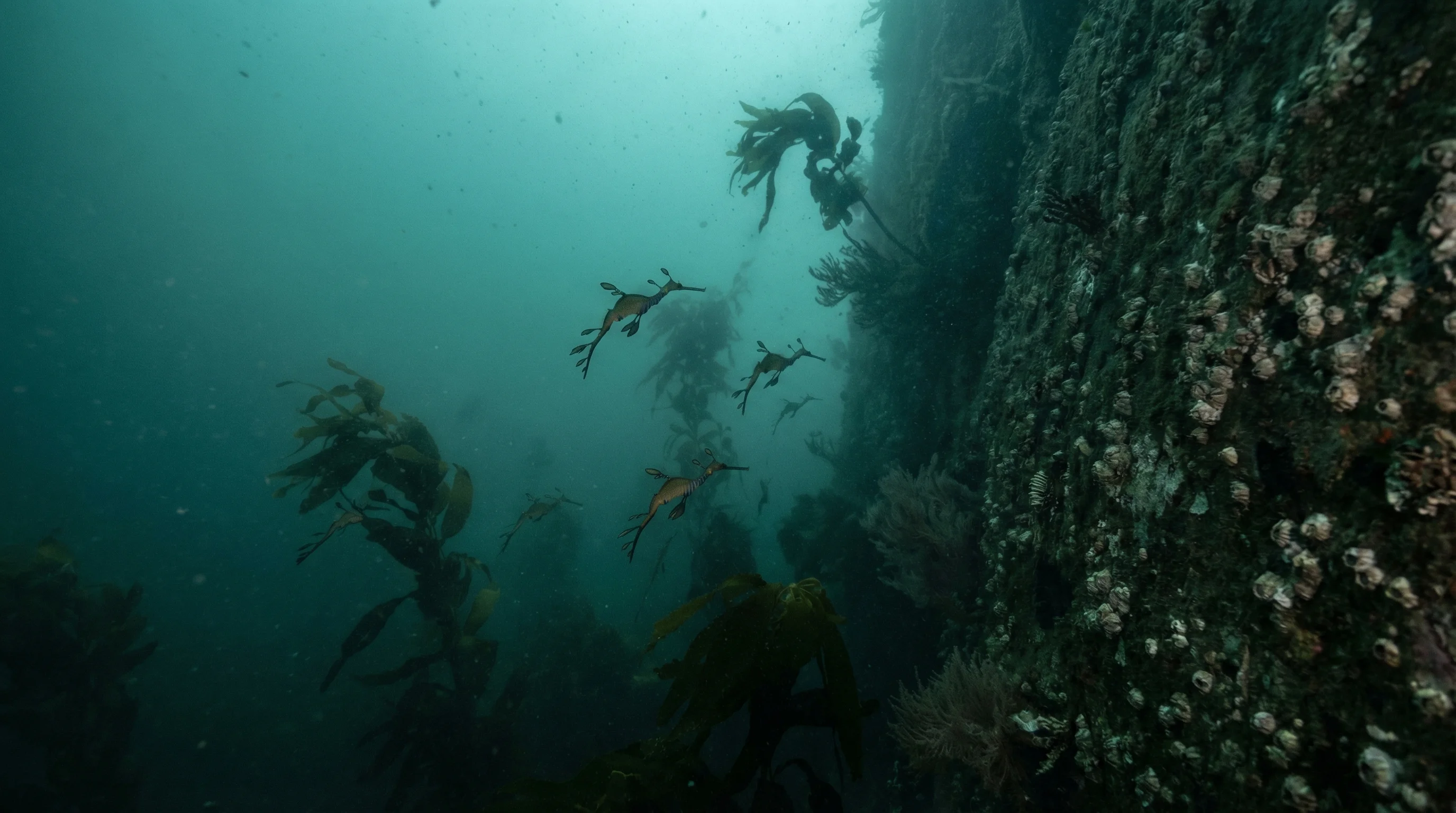
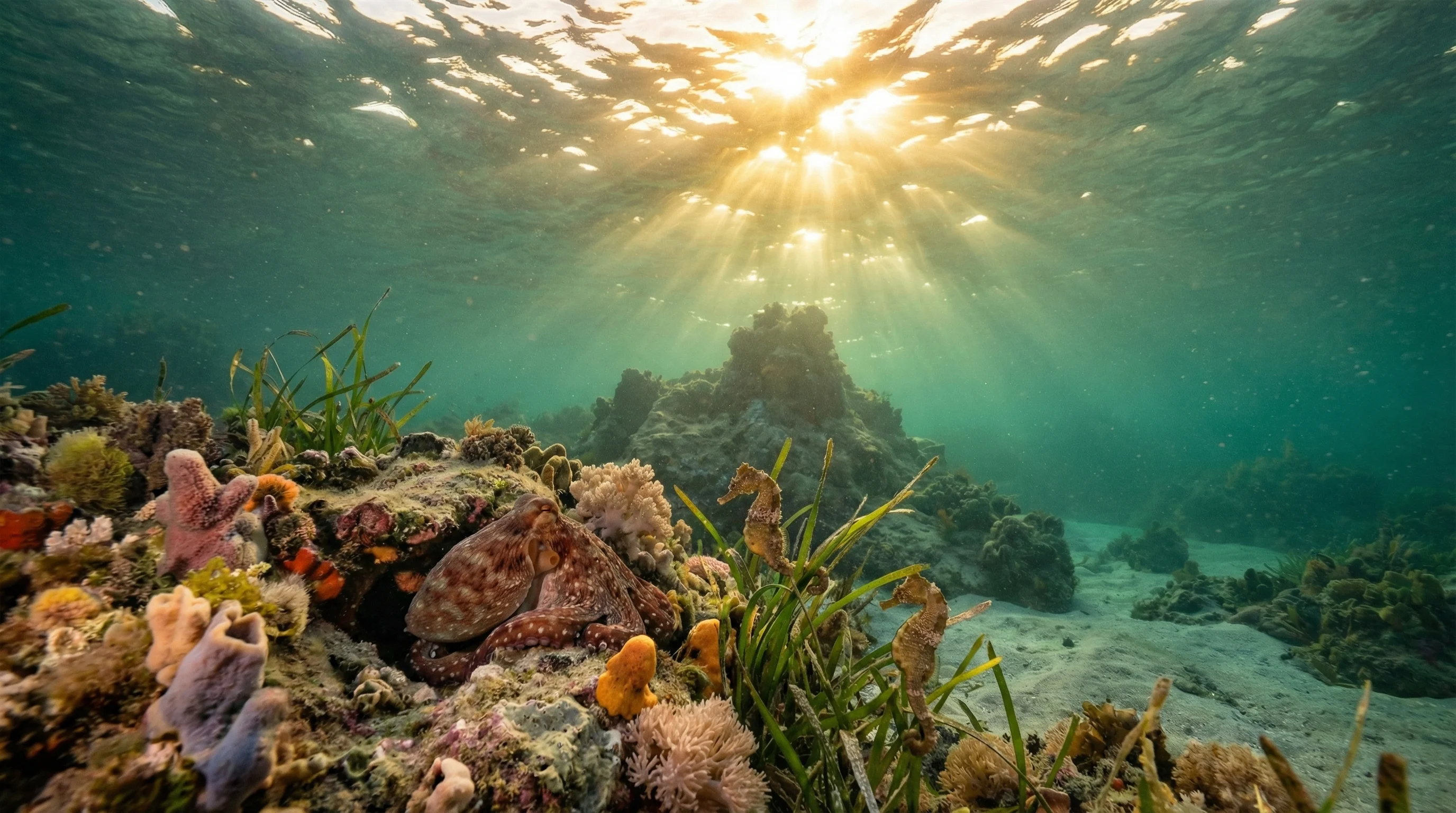
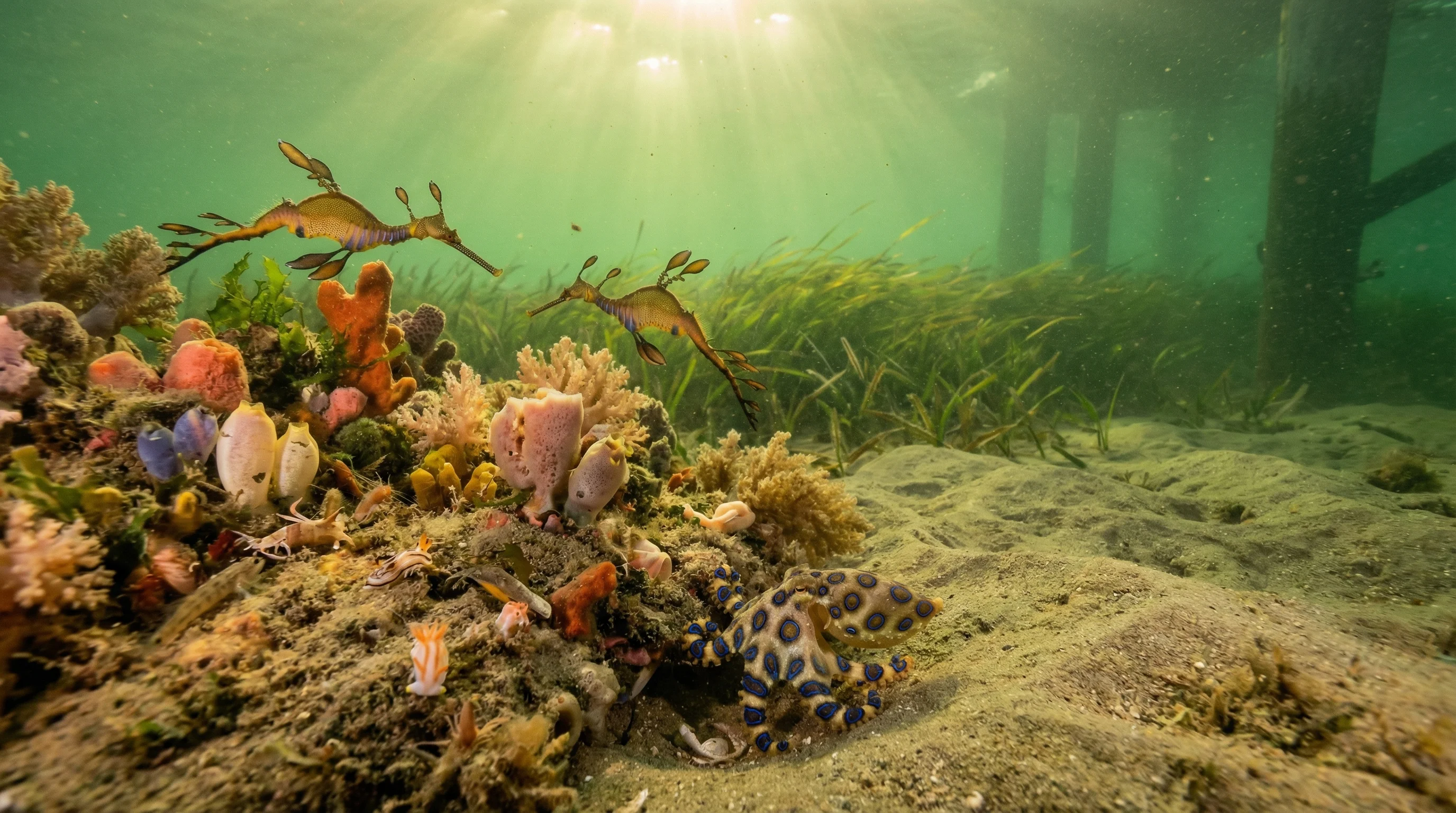
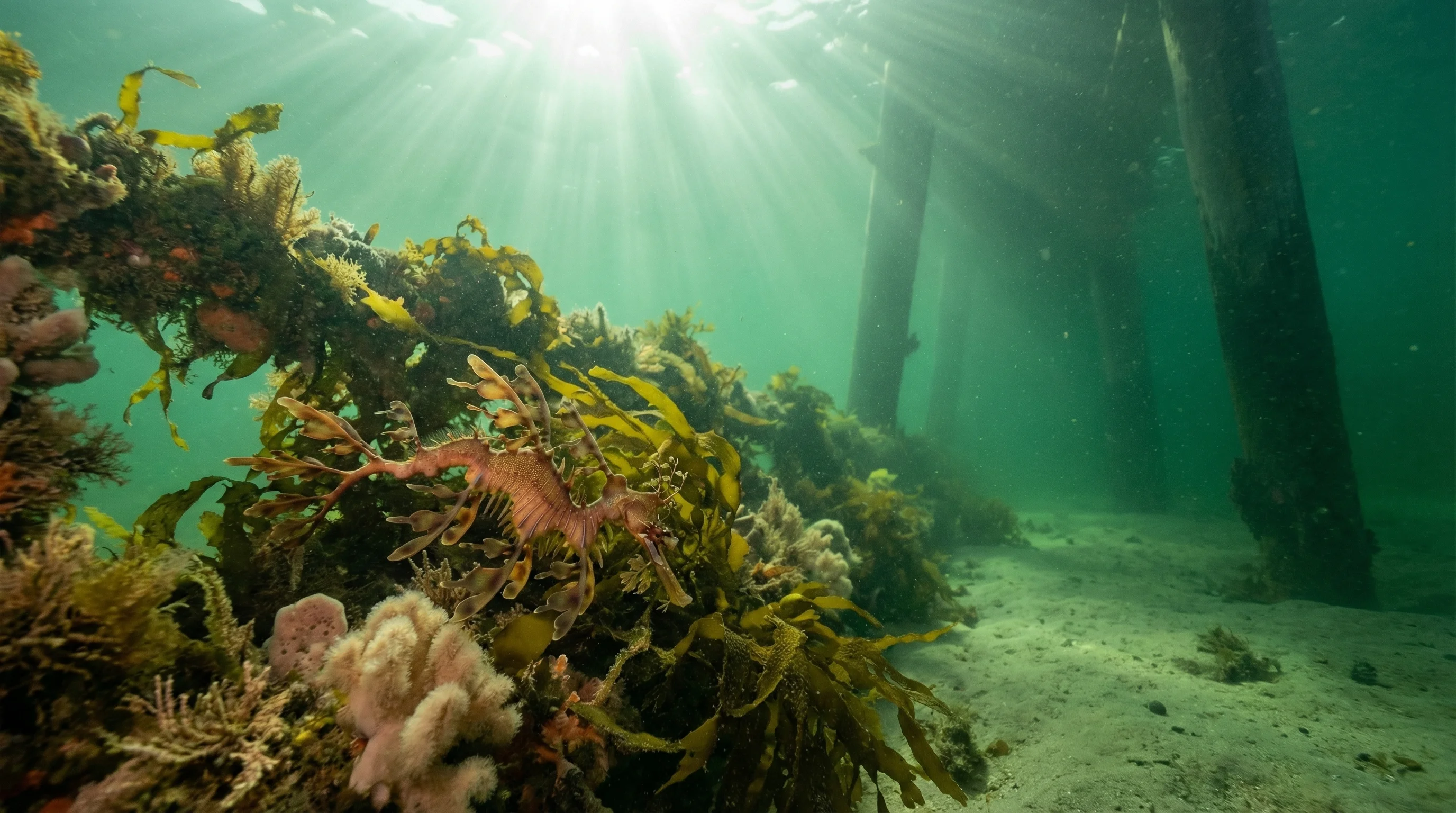
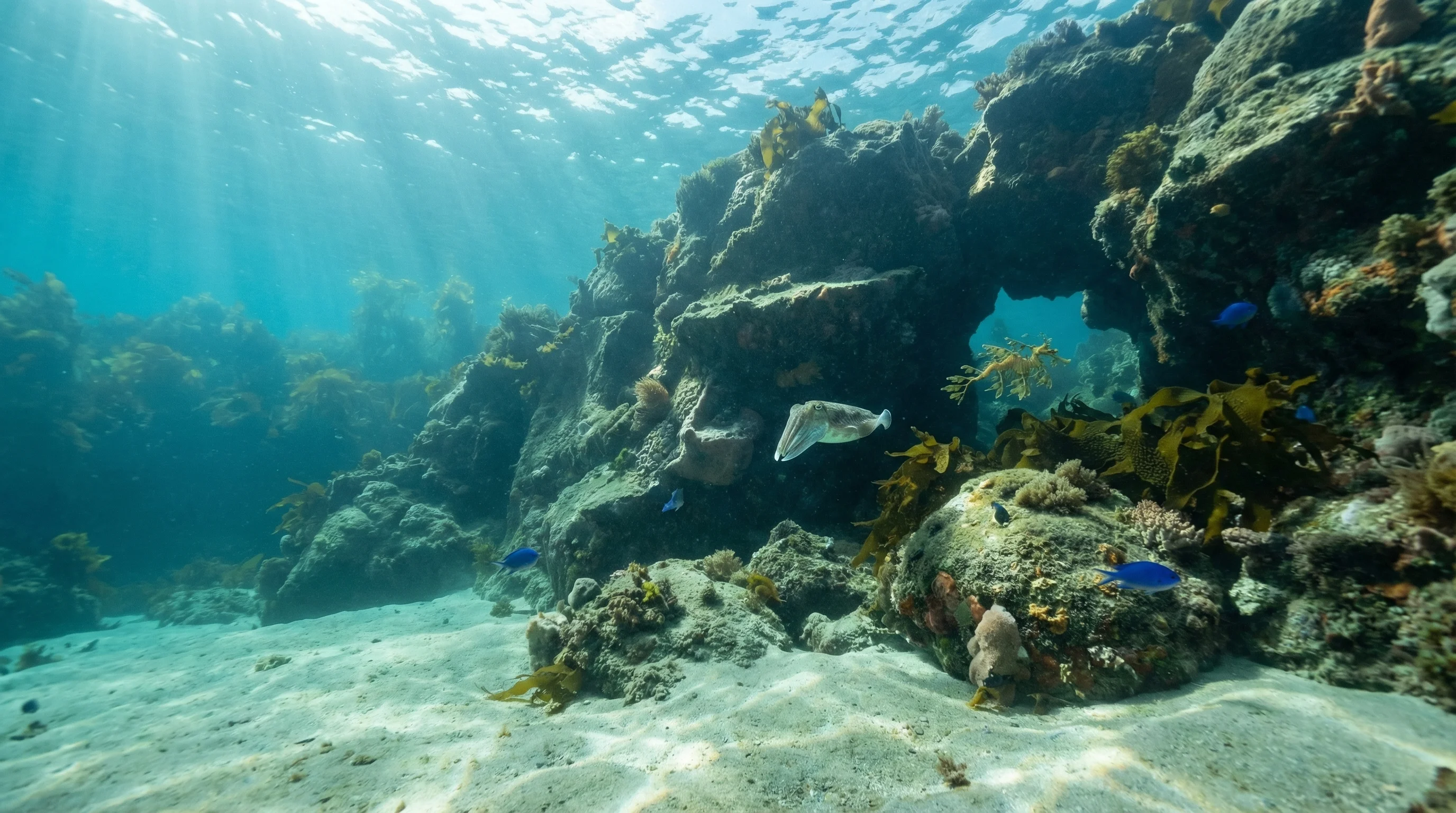
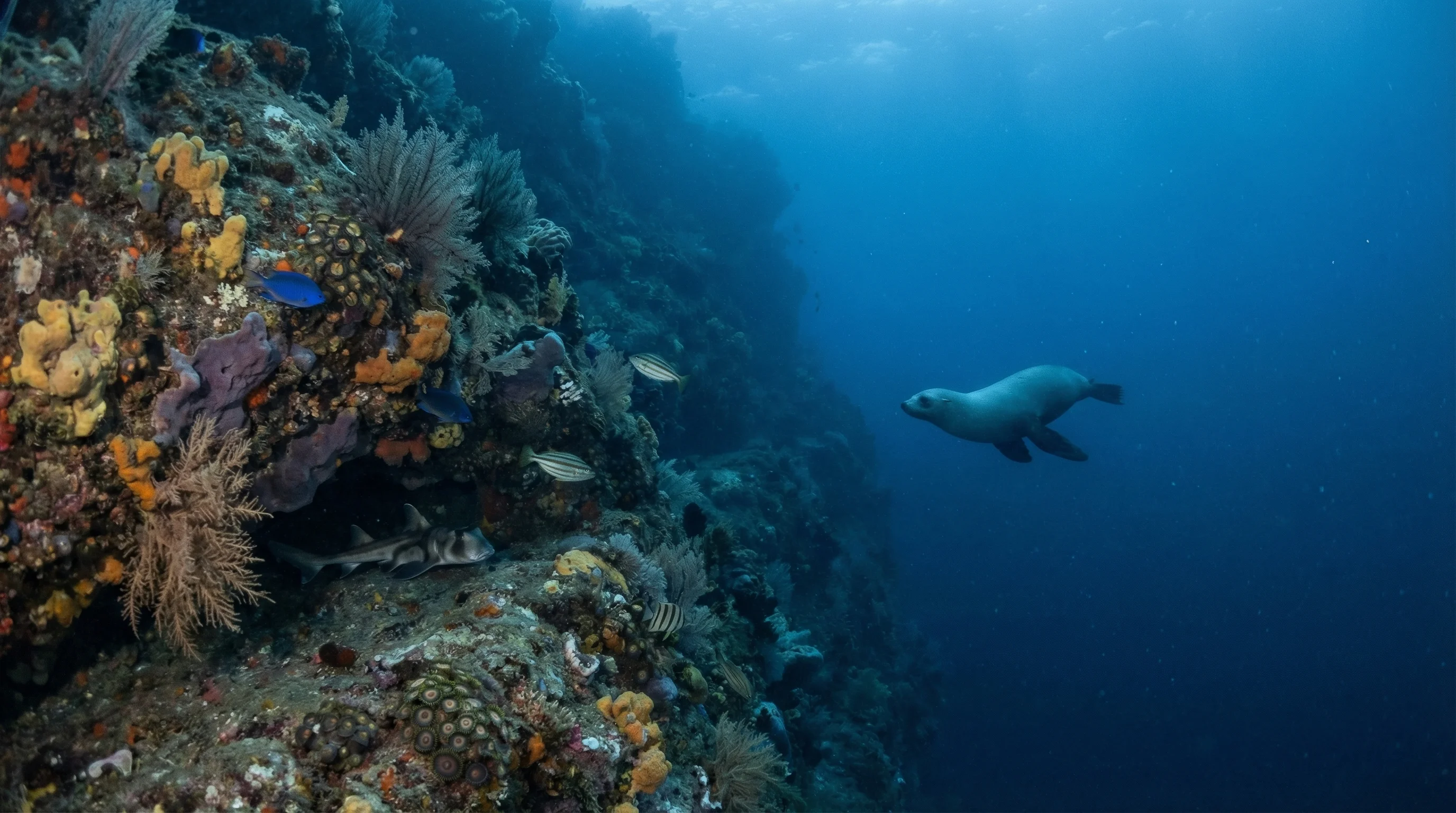
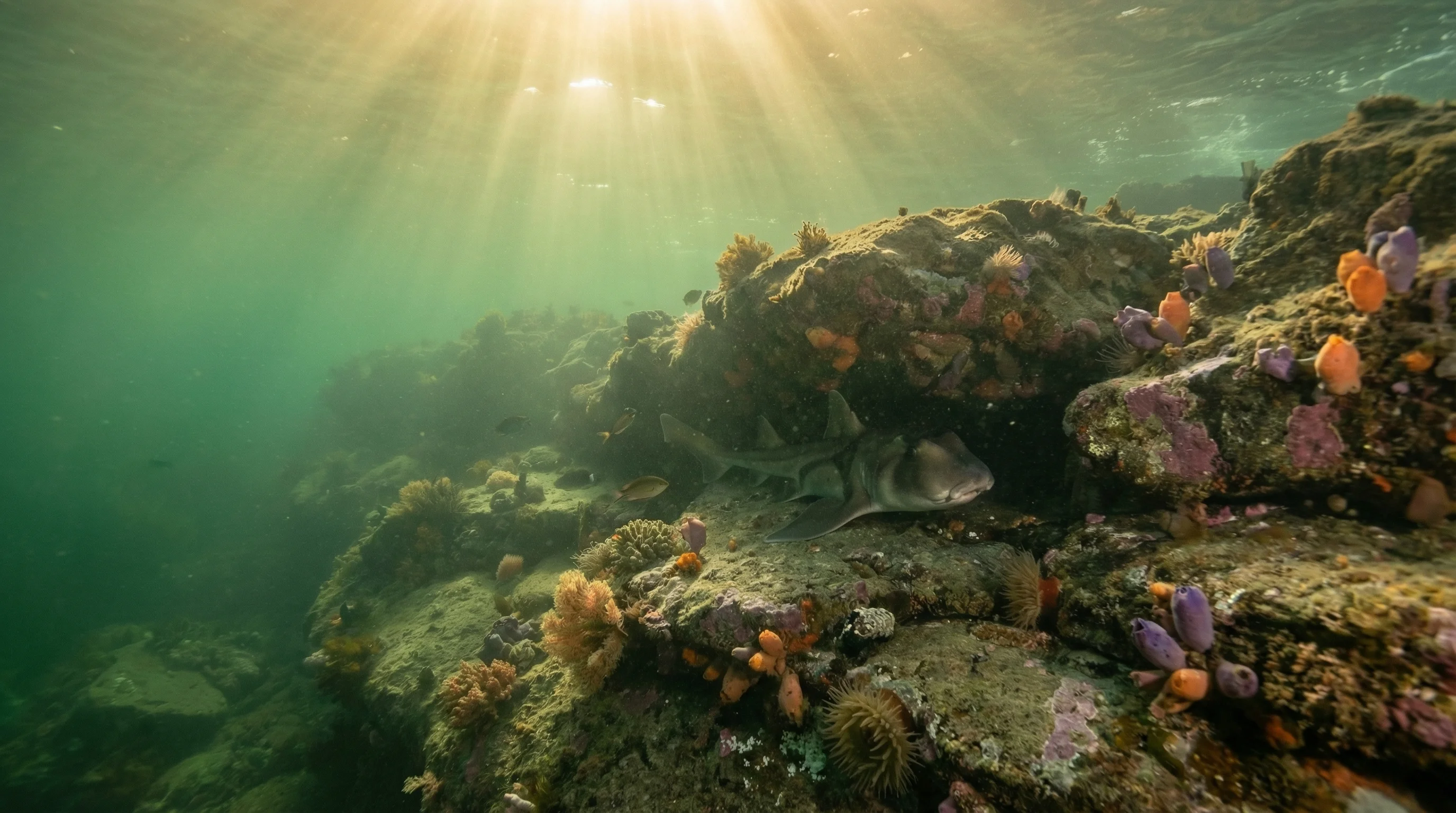
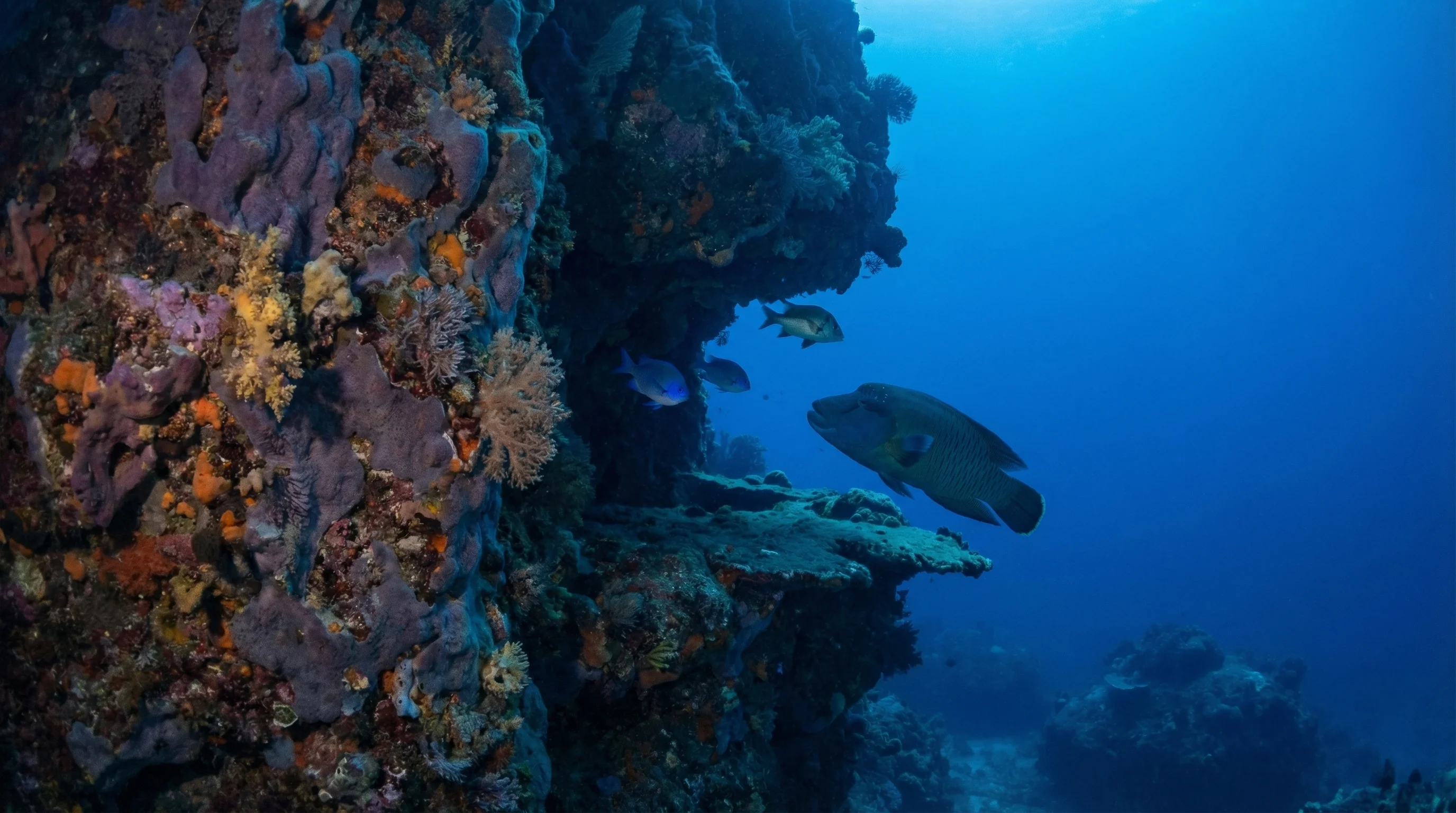
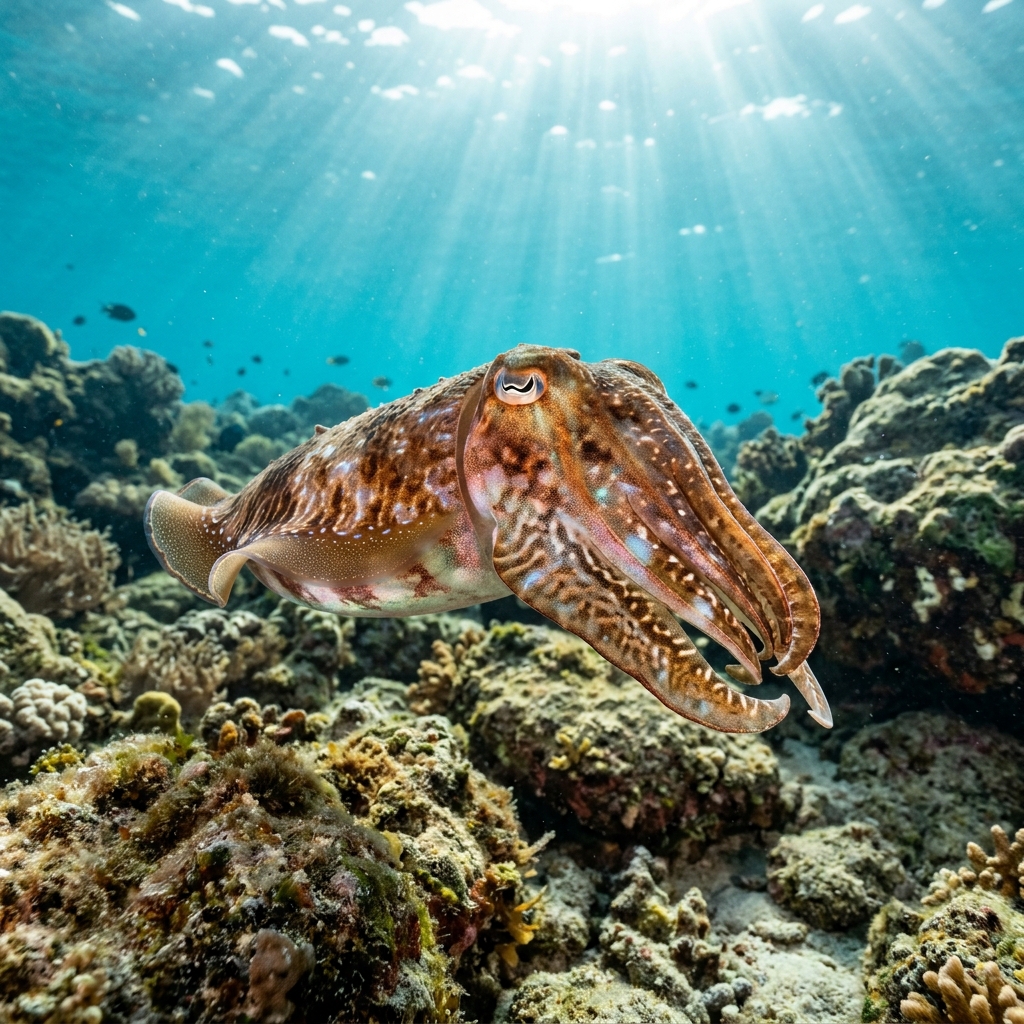
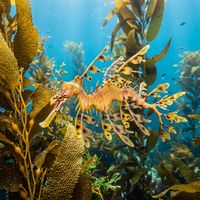
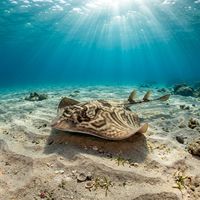
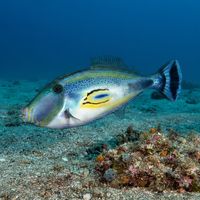
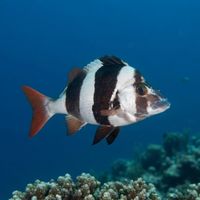
Portsea anchors its diving identity in the strong tidal currents that sweep through the Port Phillip Bay entrance, shaping everything from shallow beginner reefs to deep wrecks and dramatic walls. Signature encounters include the Weedy Seadragon, Western Blue Devil, Port Jackson Shark, Giant Cuttlefish, and Fiddler Ray. Beginners find calm water at Cottage by the Sea, while advanced divers pursue the HMAS Canberra, HMAS J1 Submarine, and Lonsdale Wall.
Monthly water temperature across Portsea's sites, from satellite sea-surface data corrected for depth. The band shows the site-to-site spread.
Water is warmest over the summer months, making January through March the most comfortable time to dive without heavy exposure protection. Temperatures drop noticeably through winter, reaching their coolest between July and September. Sites near the Port Phillip Bay entrance are subject to strong tidal currents, so timing dives around slack water is essential, particularly at Lonsdale Wall, The Grotto, and Castle Rock.
10 operators
8 more sites to explore
Water temperature around Portsea ranges from about 13°C in July to 18°C in January, based on satellite sea-temperature data for its dive sites.
In the warm season (about 18°C) a 5mm suit is comfortable in Portsea; in the coldest months (about 13°C) step up to a 7mm or semi-dry suit.
Fin maps 20 sites in Portsea (20 scuba diving sites and 1 snorkelling spots, with some suited to both).
Across Portsea's dive sites, January, February, March, April and December are most often reported as the best months to visit.
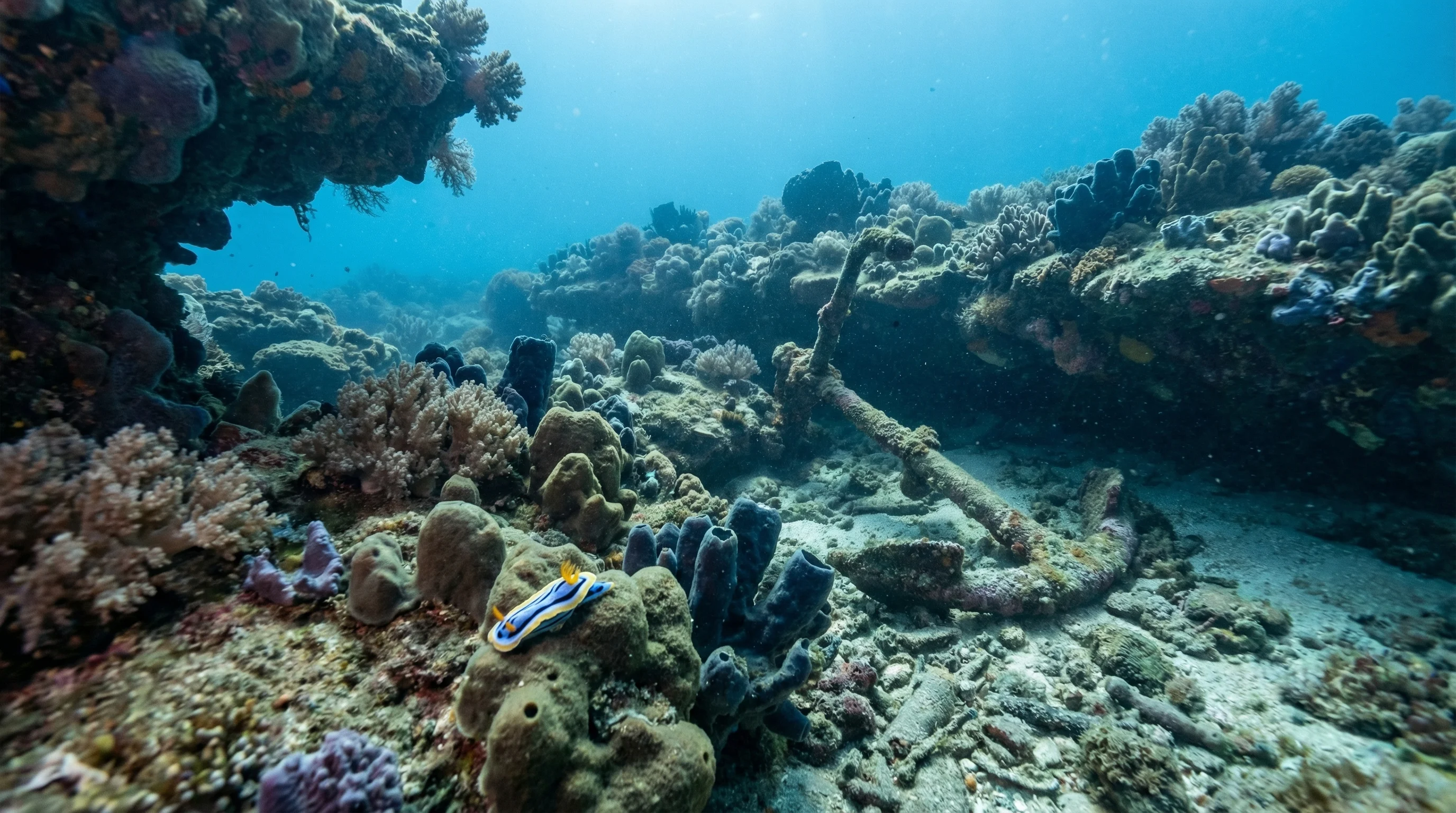
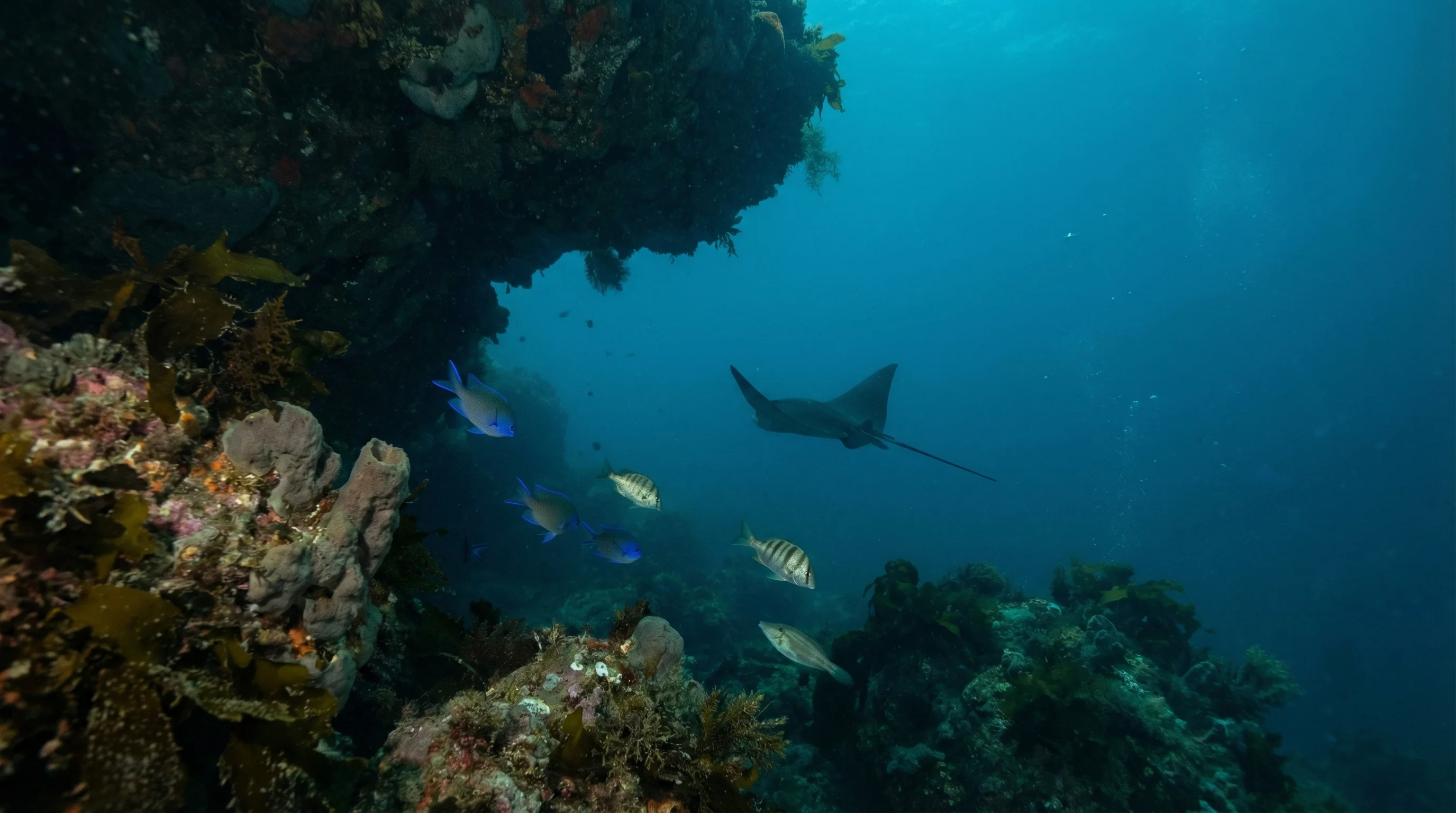
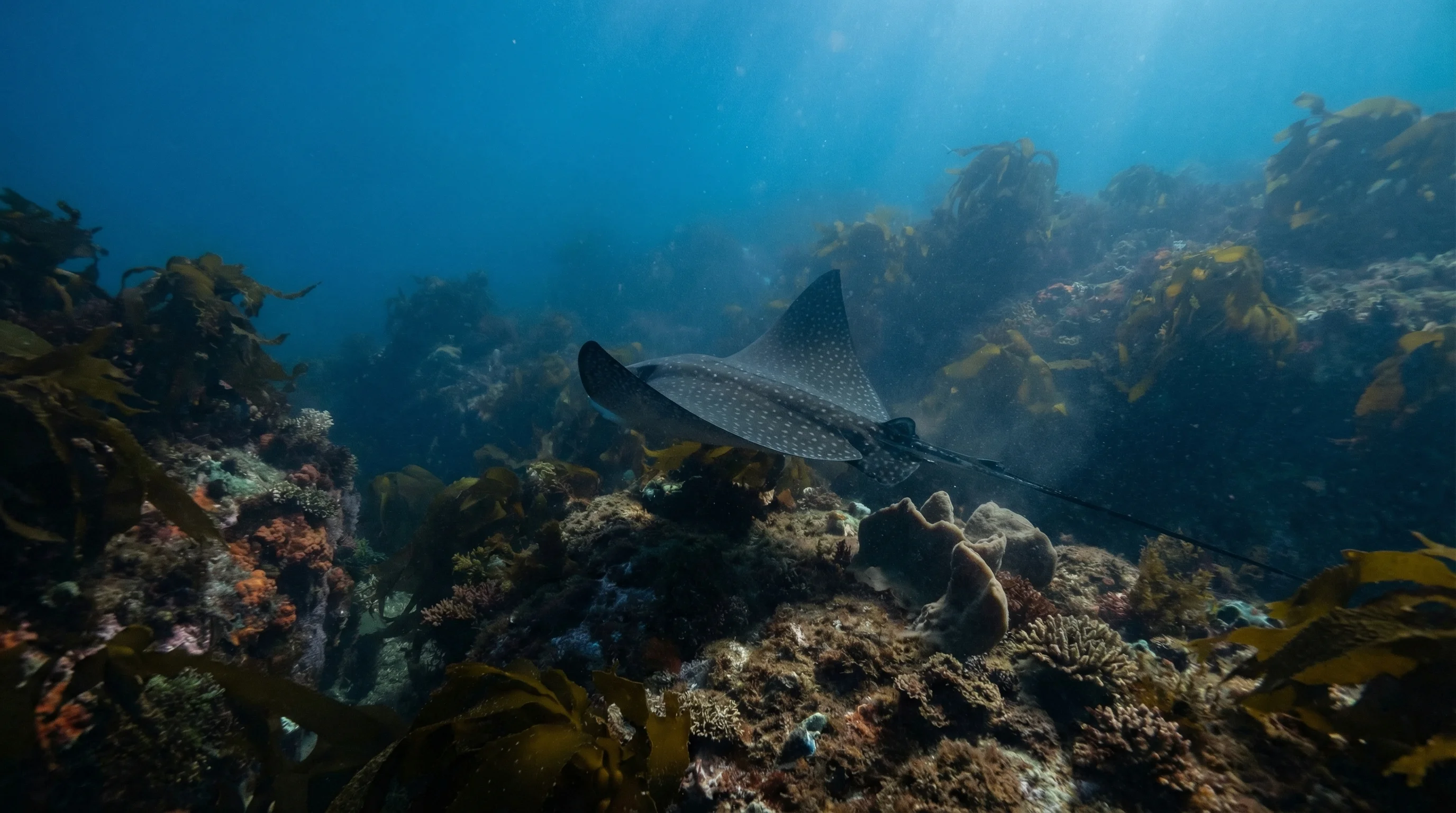
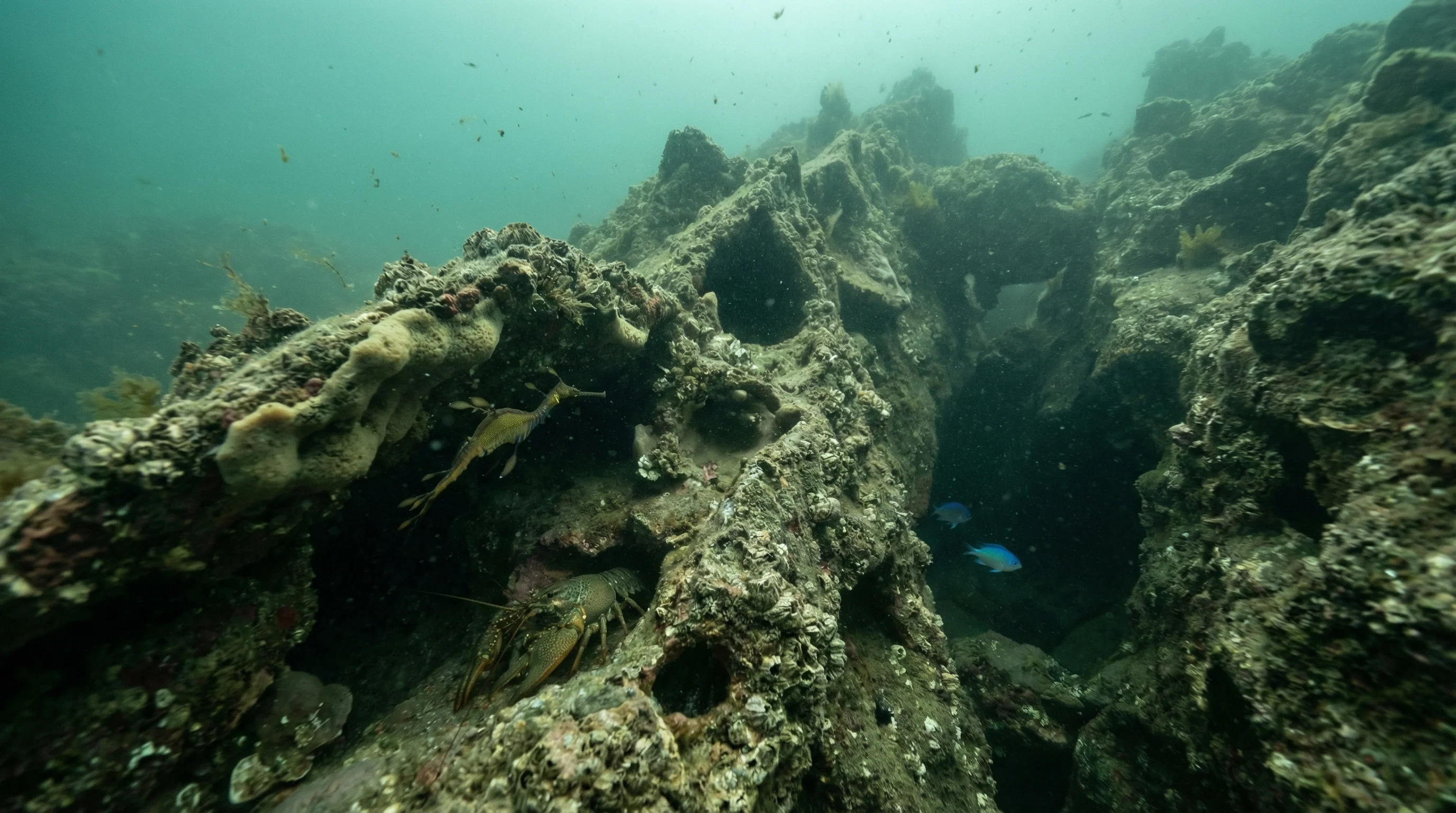
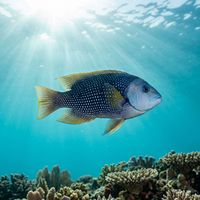
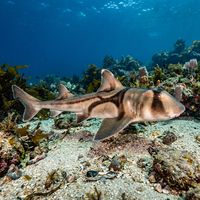
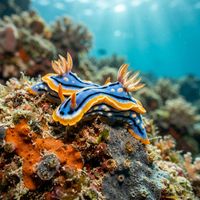
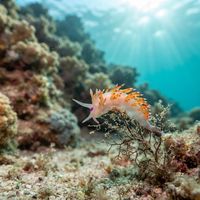
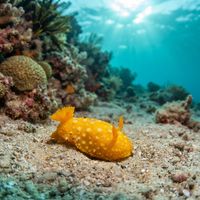
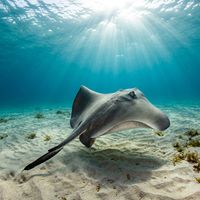
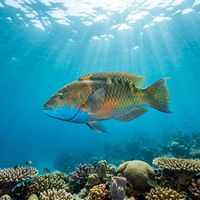
Portsea has a rich and distinctive mix of temperate marine life. The Weedy Seadragon, Pot-bellied Seahorse, and Giant Cuttlefish are among the signature species, alongside the Western Blue Devil, Port Jackson Shark, and Fiddler Ray. Nudibranchs are exceptionally well represented, with the Chromodoris Nudibranch and Coryphellina Poenicia recorded across a wide range of sites.
Yes, several sites cater specifically to less experienced divers. Cottage by the Sea is a shallow shore-entry reef, and Nepean Bay offers very shallow reef diving as well. Both are listed as beginner-level, though Nepean Bay requires boat access and careful planning around tidal conditions.
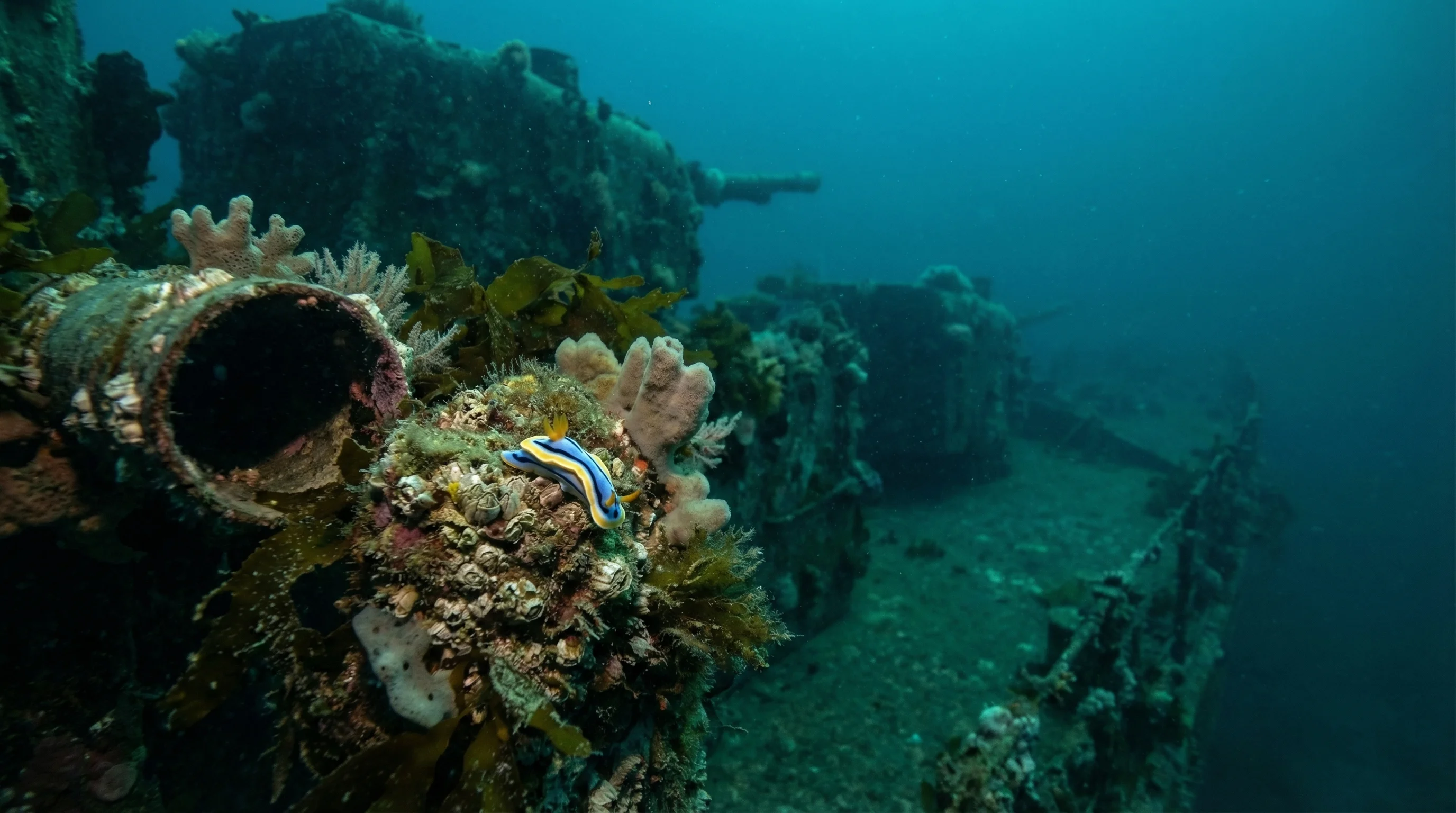
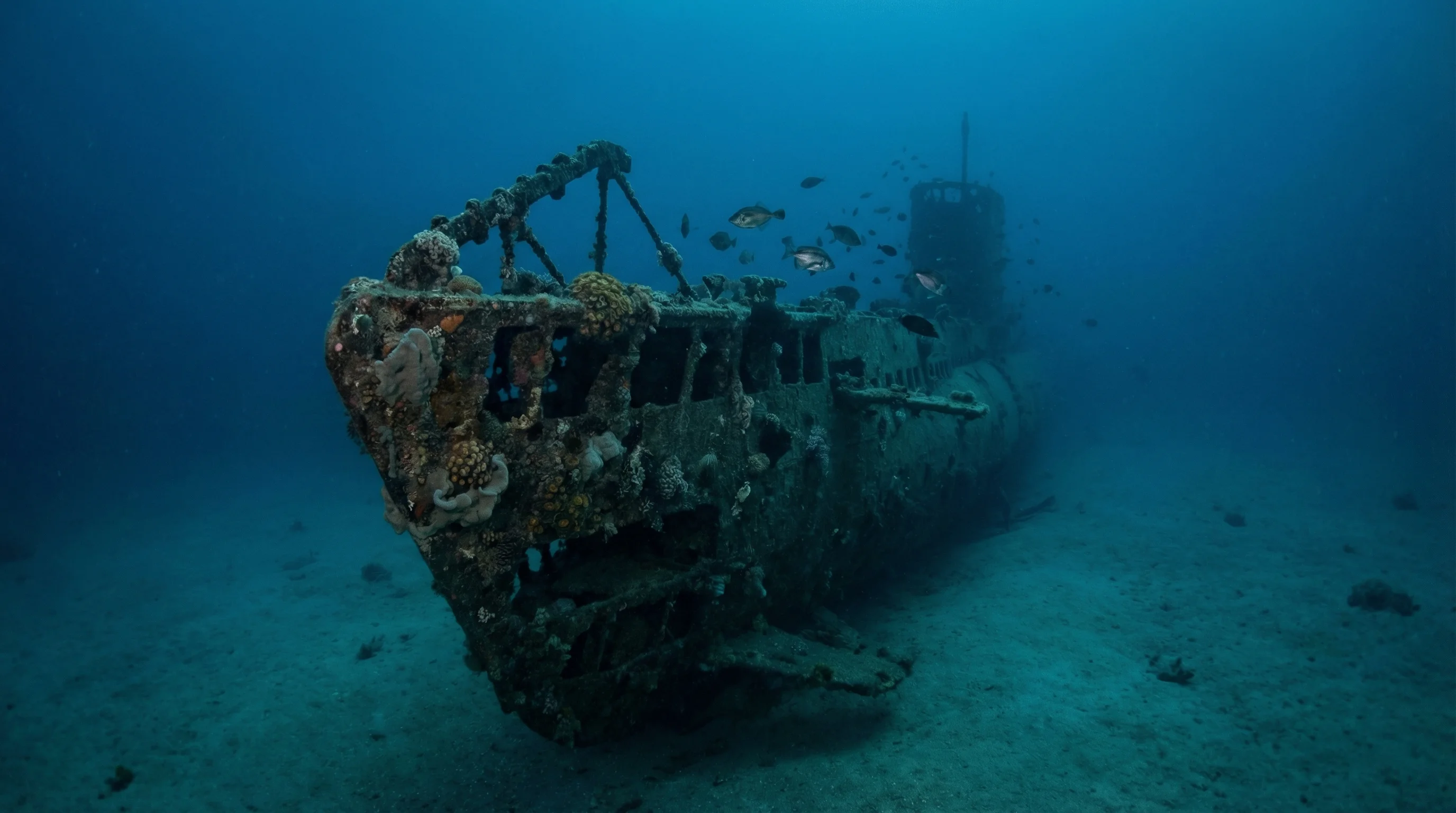
Portsea has a notable collection of wrecks, including the HMAS Canberra, a decommissioned warship resting upright on a sandy bottom, and two submarine wrecks, the HMAS J1 Submarine and the HMAS J5 Submarine, both sitting deep on the seabed. The Rotomahana wreck pairs a wreck structure with an adjacent wall. All wreck sites are rated advanced and require boat access.
Current is the defining condition at many Portsea sites, particularly those near the Port Phillip Bay entrance. Lonsdale Wall, Castle Rock, The Grotto, and Lonsdale Reef are all subject to strong tidal flow and must be dived at slack water. Boarfish Reef is a dedicated drift dive where current is part of the experience. Beginners should stick to sheltered sites and seek local operator advice on timing.