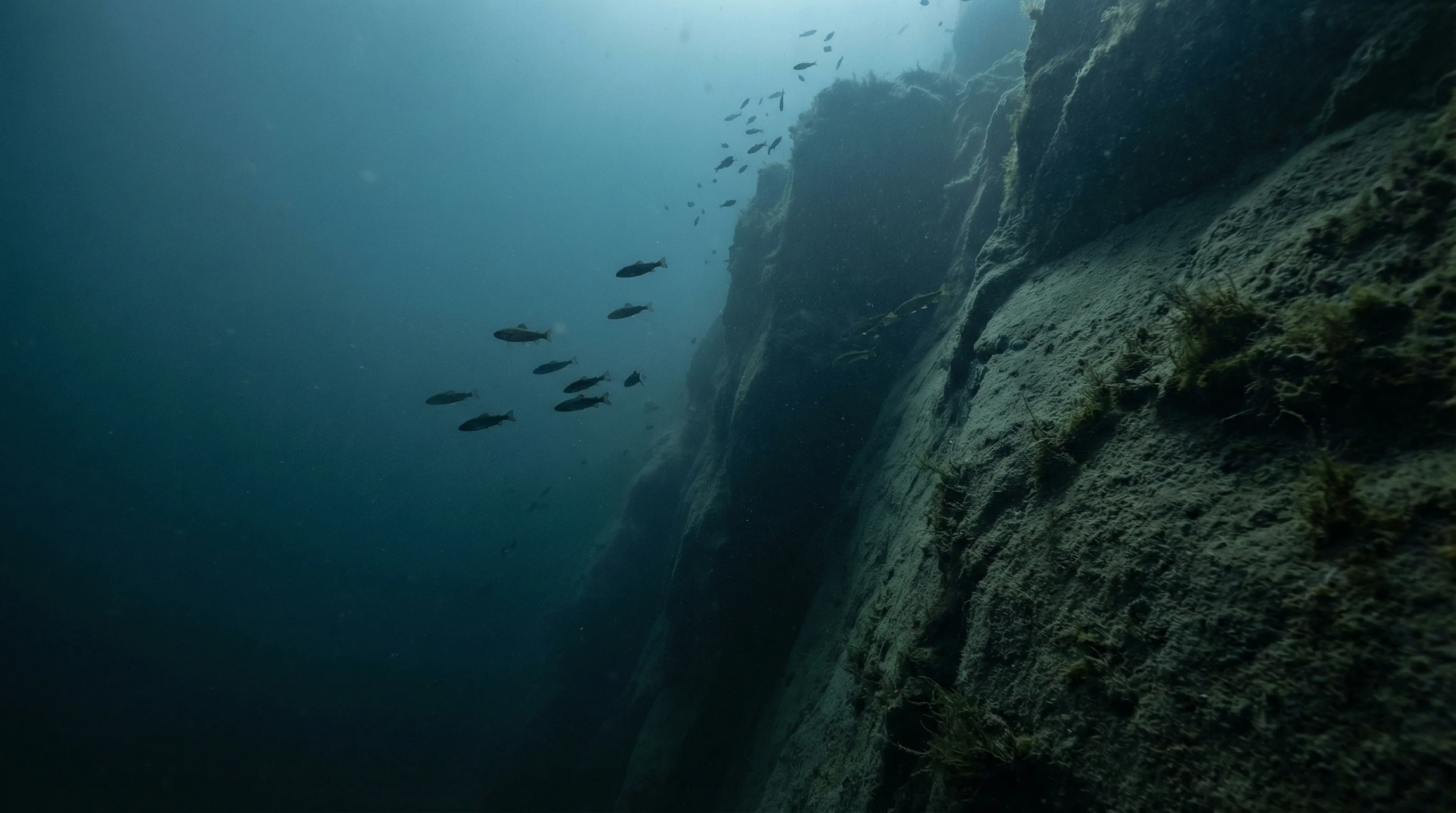
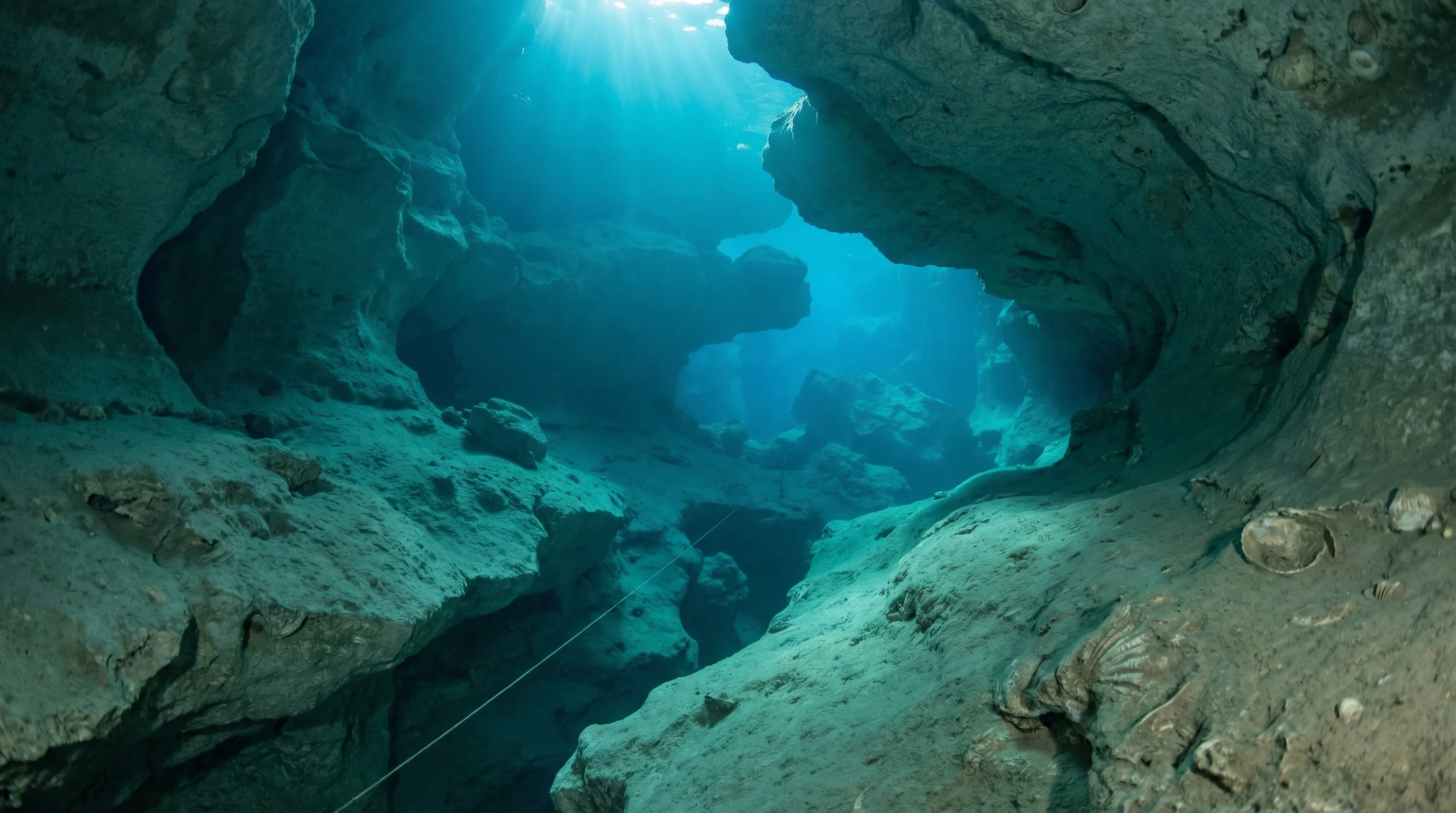
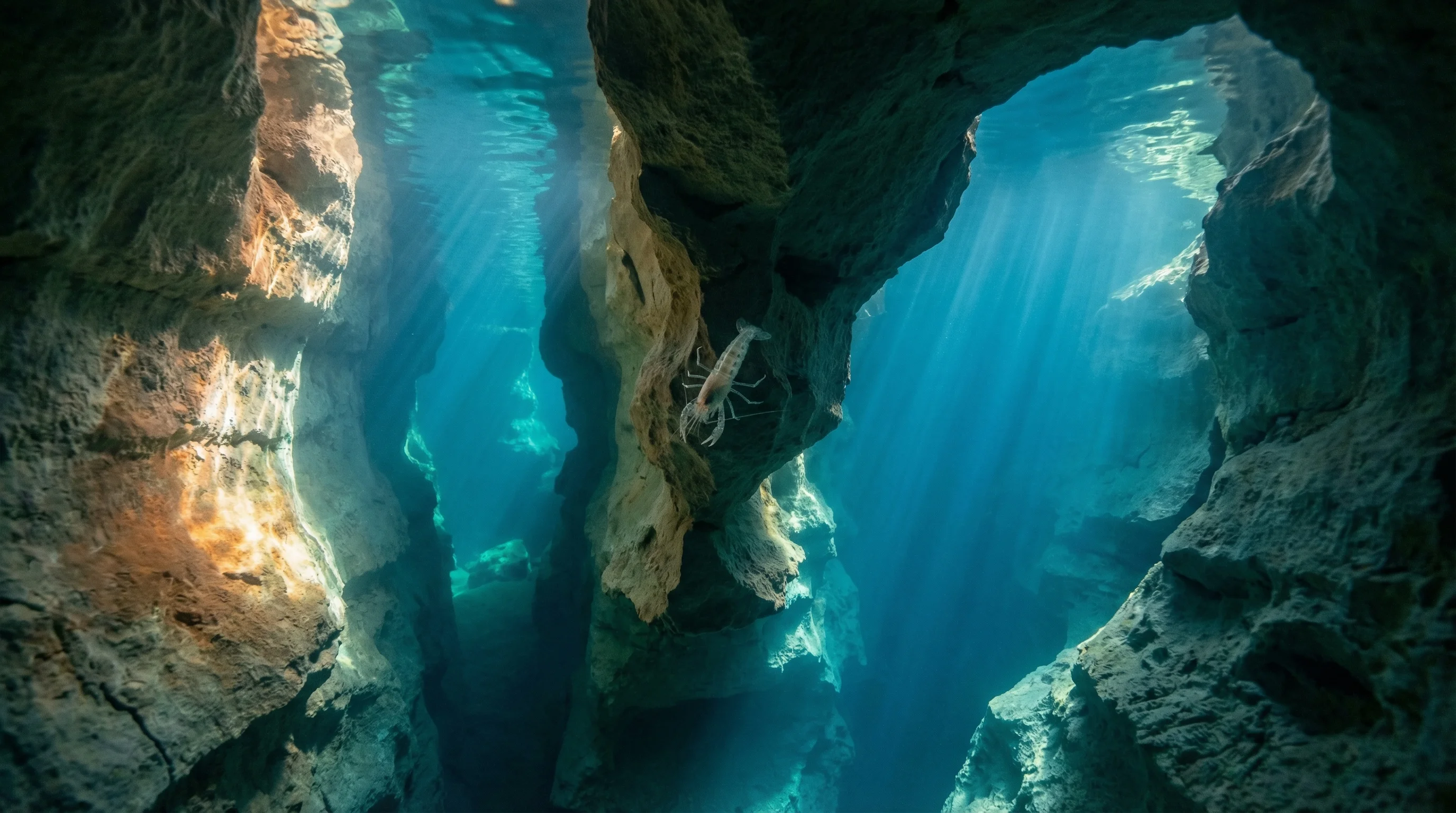
Mount Gambier Sinkholes is defined by freshwater cave and cavern diving through limestone formations. Sites range from beginner-friendly drift dives at Ewens Ponds to demanding technical cave systems such as Pine Cave and Fossils Cave, which holds embedded megafauna remains in its walls. Kilsby Sinkhole and Piccanninie Ponds add further variety. Visibility is exceptional across the region. The mix of skill levels means the area suits recreational divers and cave-certified specialists alike.
2 areas
Monthly water temperature across Mount Gambier Sinkholes's sites, from satellite sea-surface data corrected for depth. The band shows the site-to-site spread.
Water temperature stays relatively stable year-round, sitting at its warmest from late spring through summer and easing to its coolest in late winter and early spring. The histogram of diver activity peaks across summer and the shoulder months of autumn and late spring, reflecting both comfortable temperatures and favourable surface conditions. The cave environments themselves are sheltered from weather, so visibility and conditions inside the sinkholes remain consistent regardless of season.
1 operator
Australia
2 more sites to explore
Water temperature around Mount Gambier Sinkholes ranges from about 14°C in August to 17°C in January, based on satellite sea-temperature data for its dive sites.
With water around 14–17°C, a 7mm or semi-dry suit works in Mount Gambier Sinkholes year-round.
Fin maps 11 sites in Mount Gambier Sinkholes (11 scuba diving sites and 2 snorkelling spots, with some suited to both), organised into 2 areas.
It depends entirely on which sites you plan to dive. Ewens Ponds and Carpenter Rocks suit beginners with no specialist certification. Little Blue Lake is suited to intermediate divers. Sites such as Tank Cave and Pine Cave are strictly for divers with full cave certification, and Fossils Cave is reserved for expert-level cave divers. The Cave Divers Association of Australia is one of the operators active in the region and can advise on requirements.
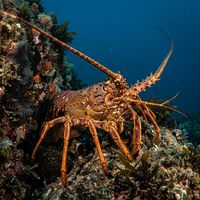
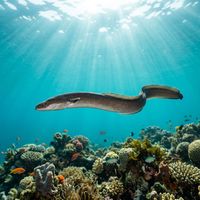
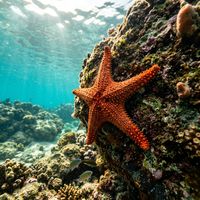
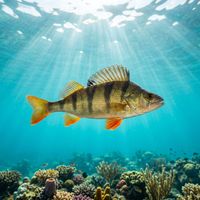
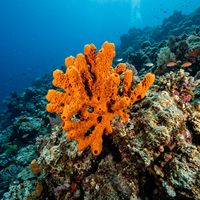
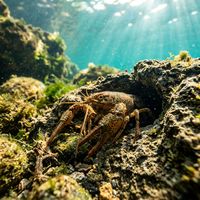
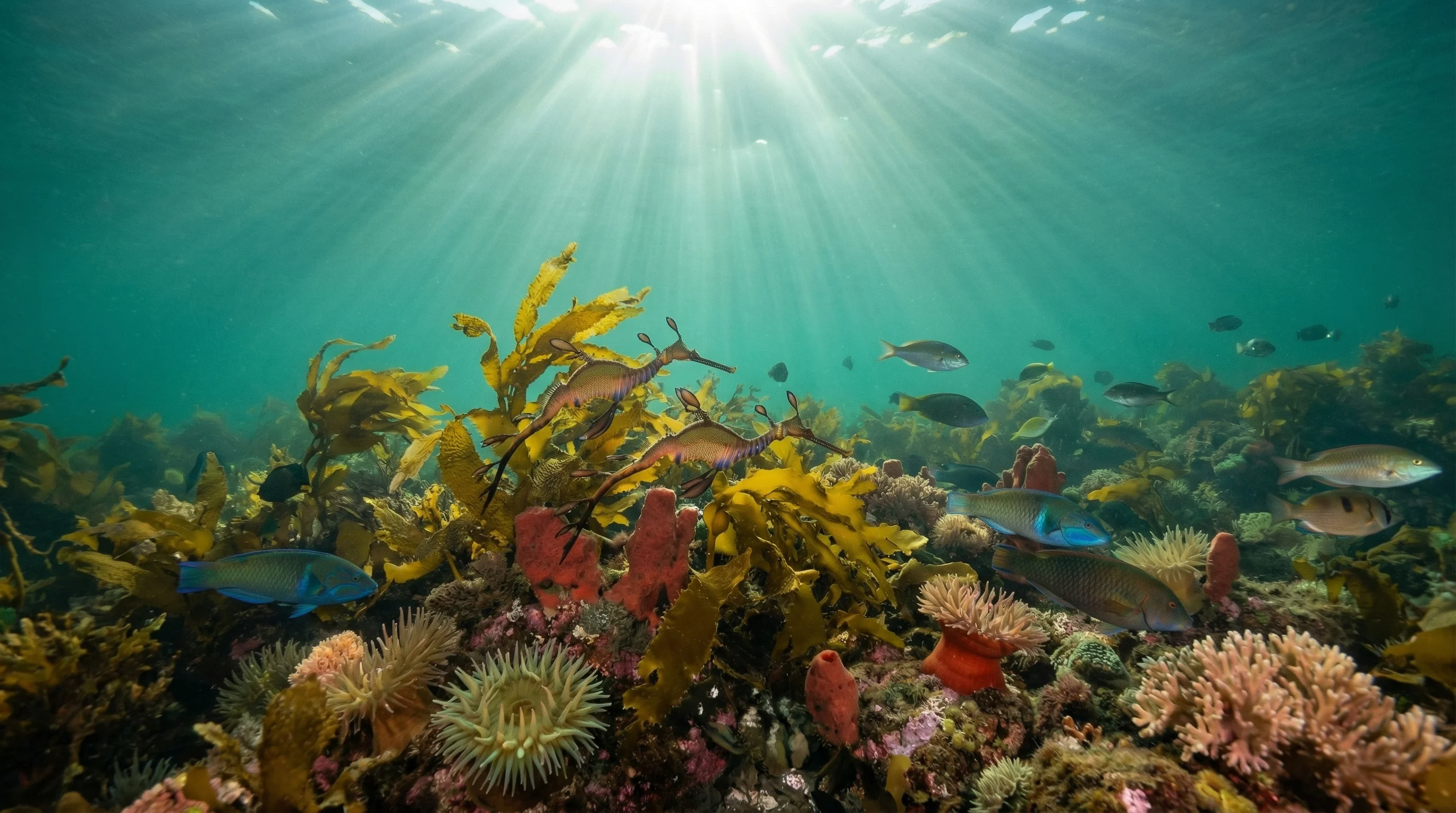
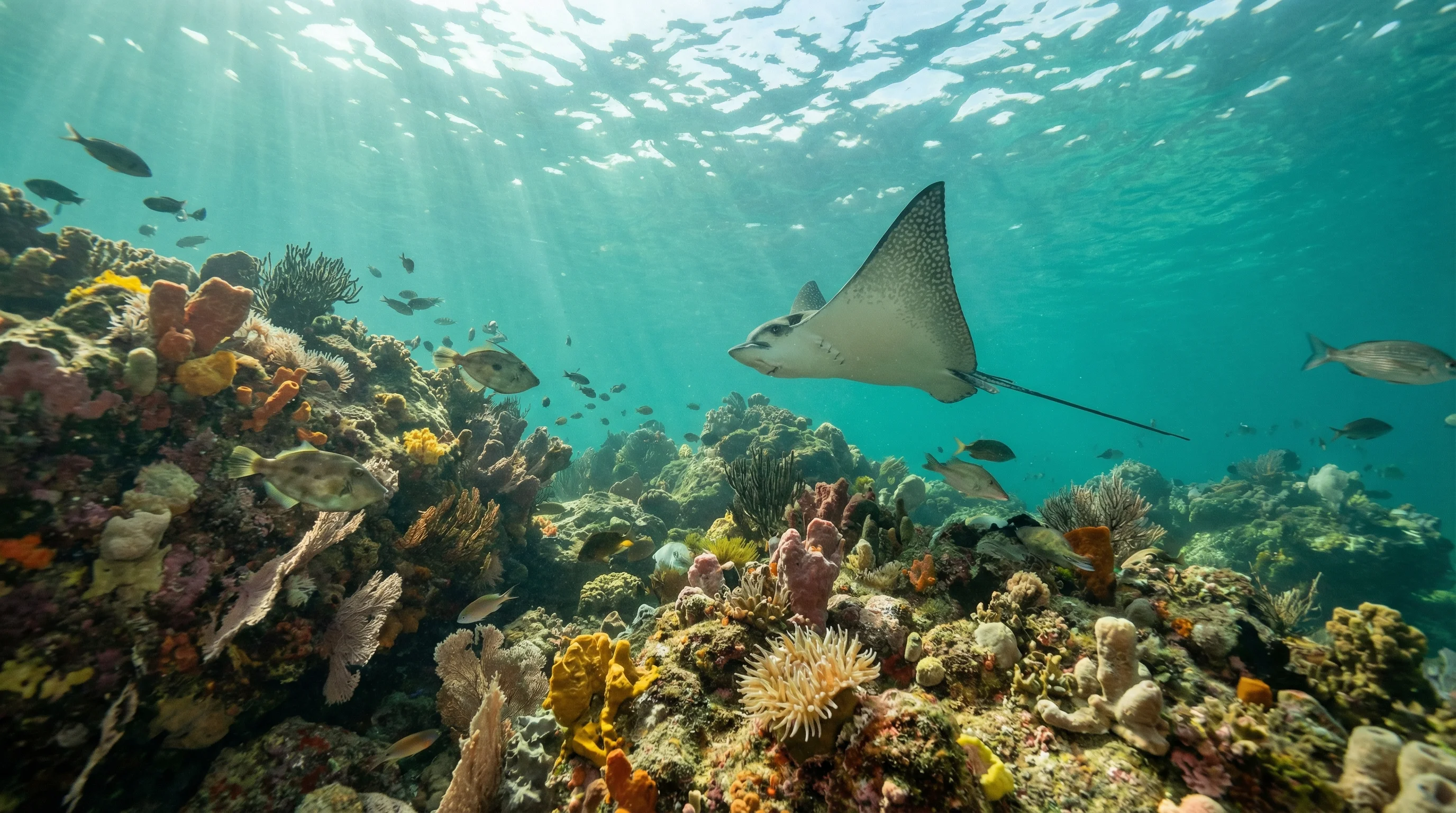
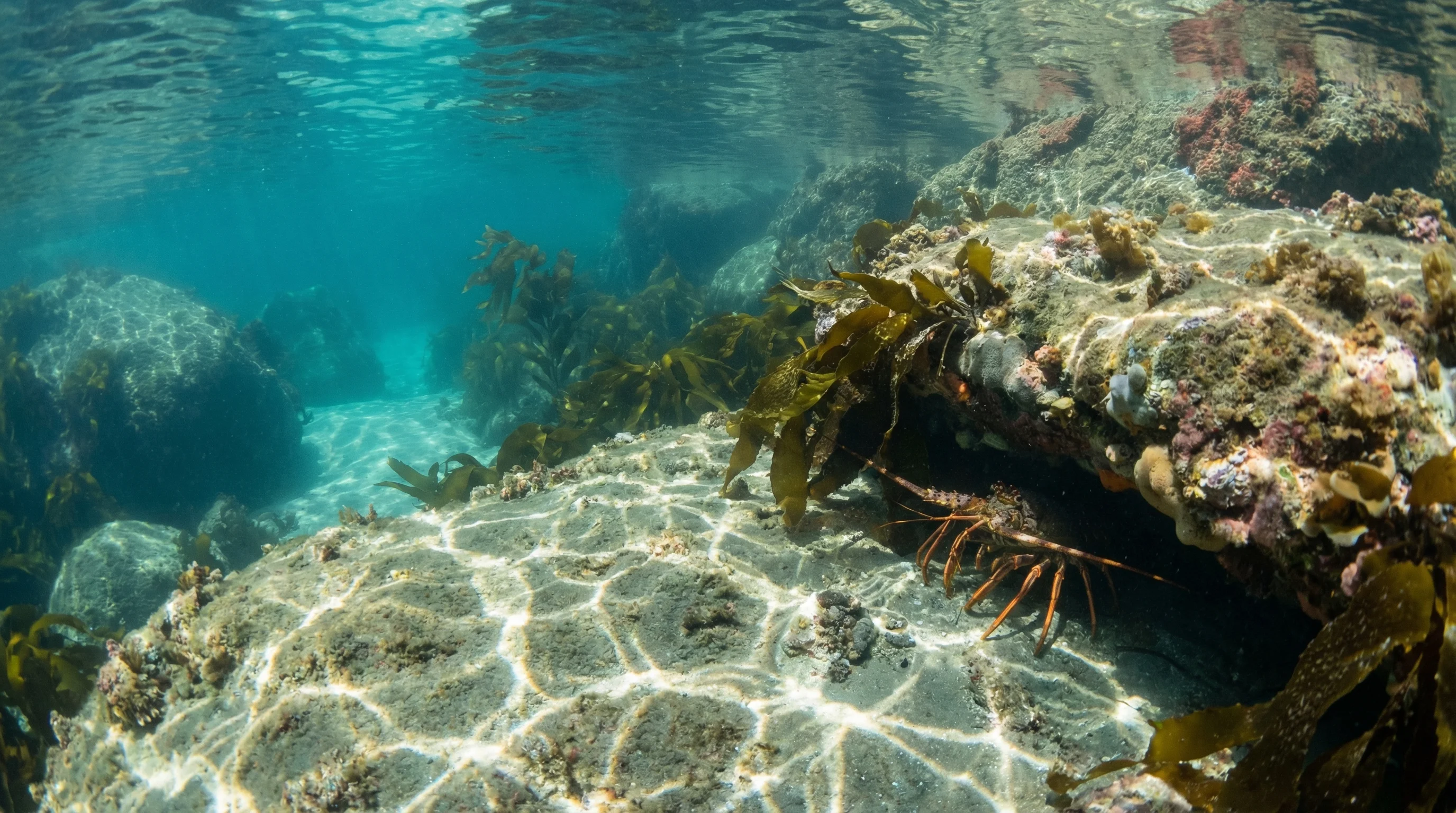
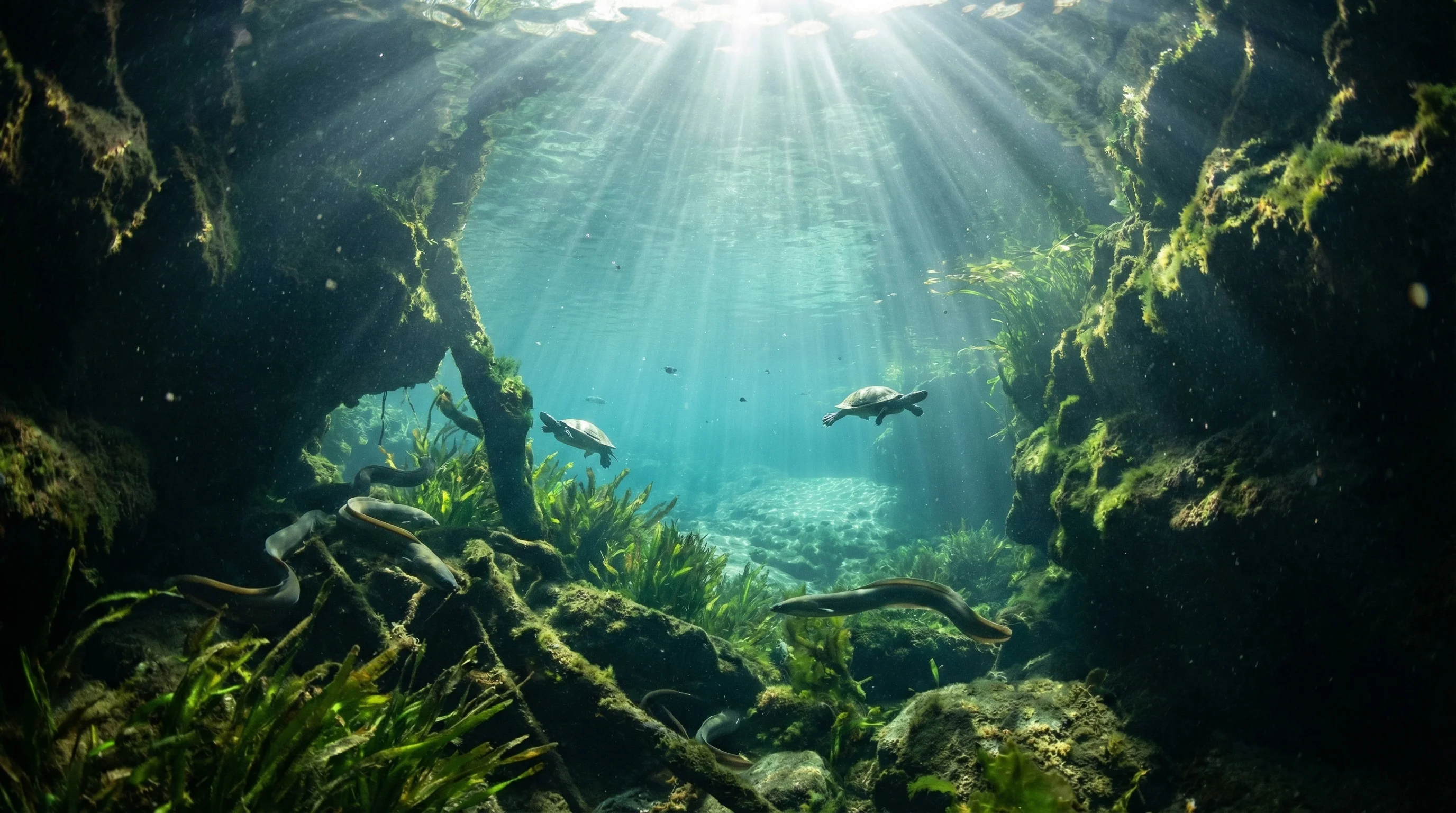
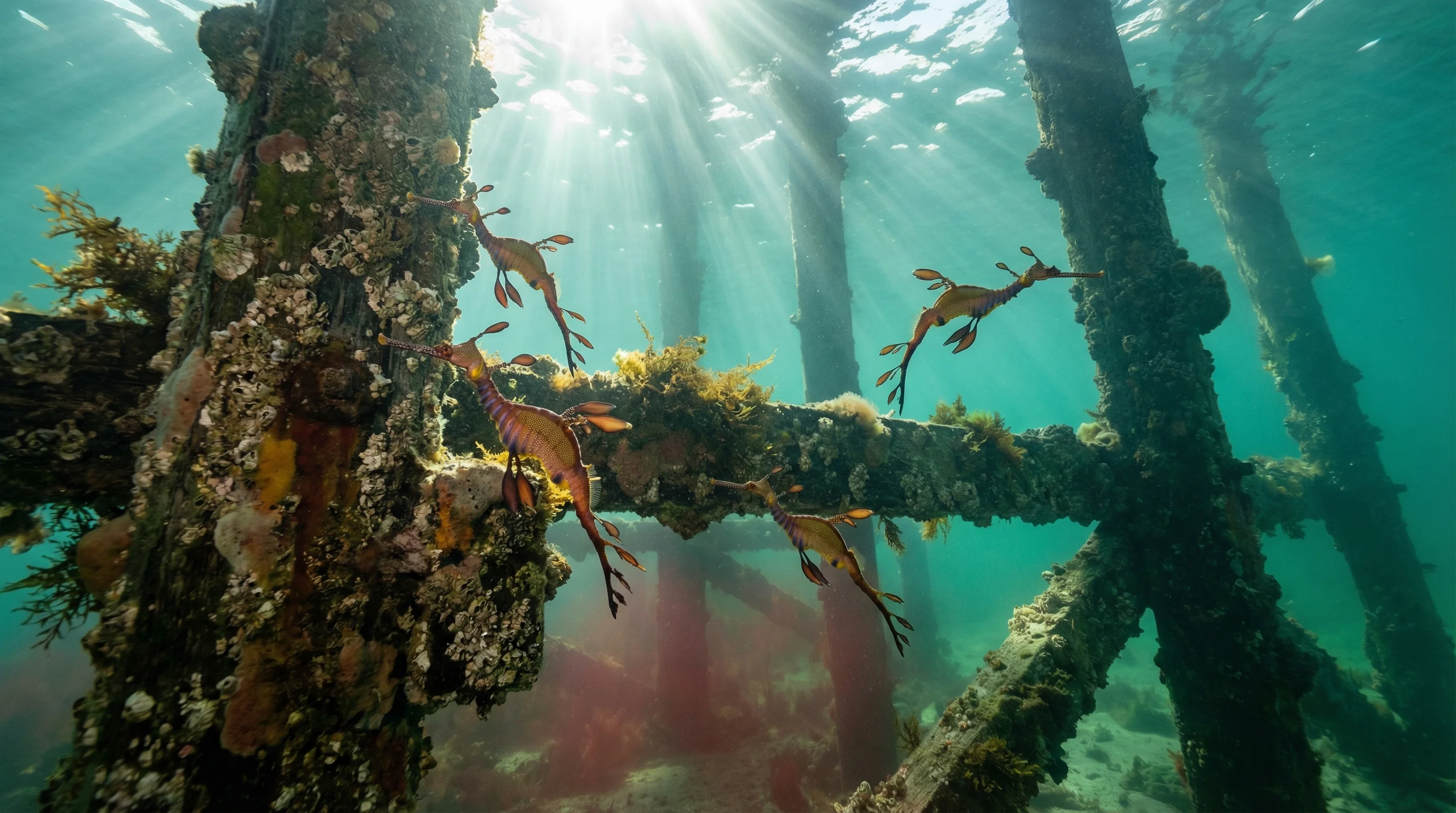
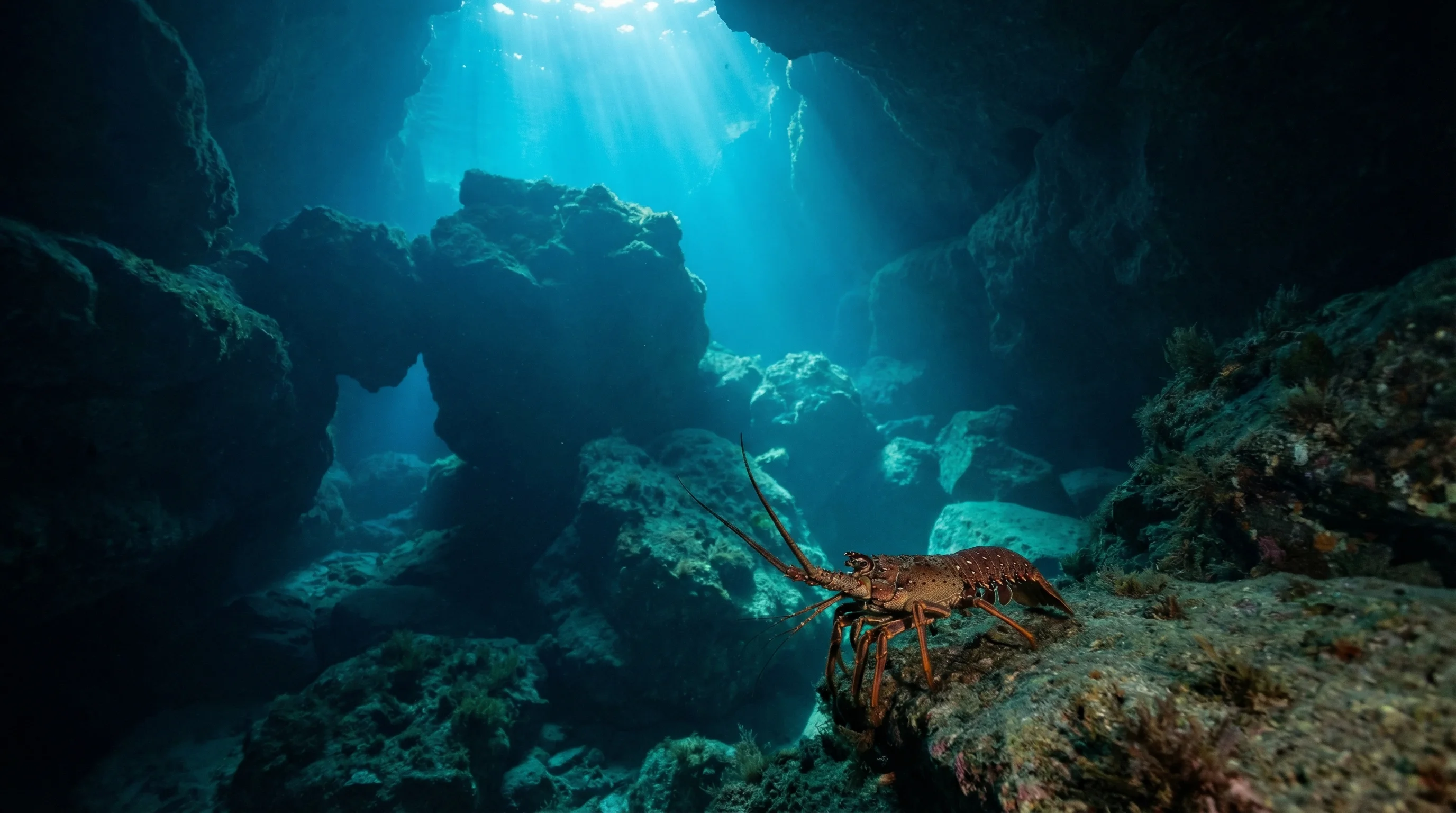
The observation-backed species list is modest but characterful. European Eel is the most commonly recorded species across sites. Common Perch and Perch are regularly seen, along with Southern Rock Lobster, Freshwater Crayfish, and Common Carp. Sponge communities are present, and Sea Star has also been observed. Port MacDonnell Pier, a saltwater site within the region, hosts bryozoans, hydroids, soft corals, and gorgonian corals on its pylons.
Kilsby Sinkhole and Ewens Ponds are the two named sub-areas within the region. Ewens Ponds is a spring system of three interconnected ponds with a gentle current, making it one of the most accessible sites and suitable for beginners. Kilsby Sinkhole offers a contrasting experience as a deeper freshwater dive. The broader region also includes purely coastal sites such as Carpenter Rocks and Port MacDonnell Pier, which sit outside the inland sinkhole character of the area.
Shore entry is standard at the vast majority of sites in Mount Gambier Sinkholes, including all the cave and sinkhole sites. Carpenter Rocks is the exception, requiring a boat. This means that for most dives, no charter is needed to reach the water, though some sites have access managed through operators such as the South Australian National Parks and Wildlife Service or ForestrySA.