Carcharhinus obscurus
Dusky sharks turn up as common sightings off New South Wales, Australia, in cool 9-19C water year-round. Here's where divers actually find them.
Safety warning
Its size and confident swimming style mean it should be treated with respect, though most logged encounters describe it as calm and non-confrontational at range. Avoid provoking or cornering it, keep hands and gear tucked in, and give it room to pass rather than approaching head-on.
If you're bitten
BiteGeneral first-aid guidance, not a substitute for professional medical care. In an emergency, call your local emergency number.
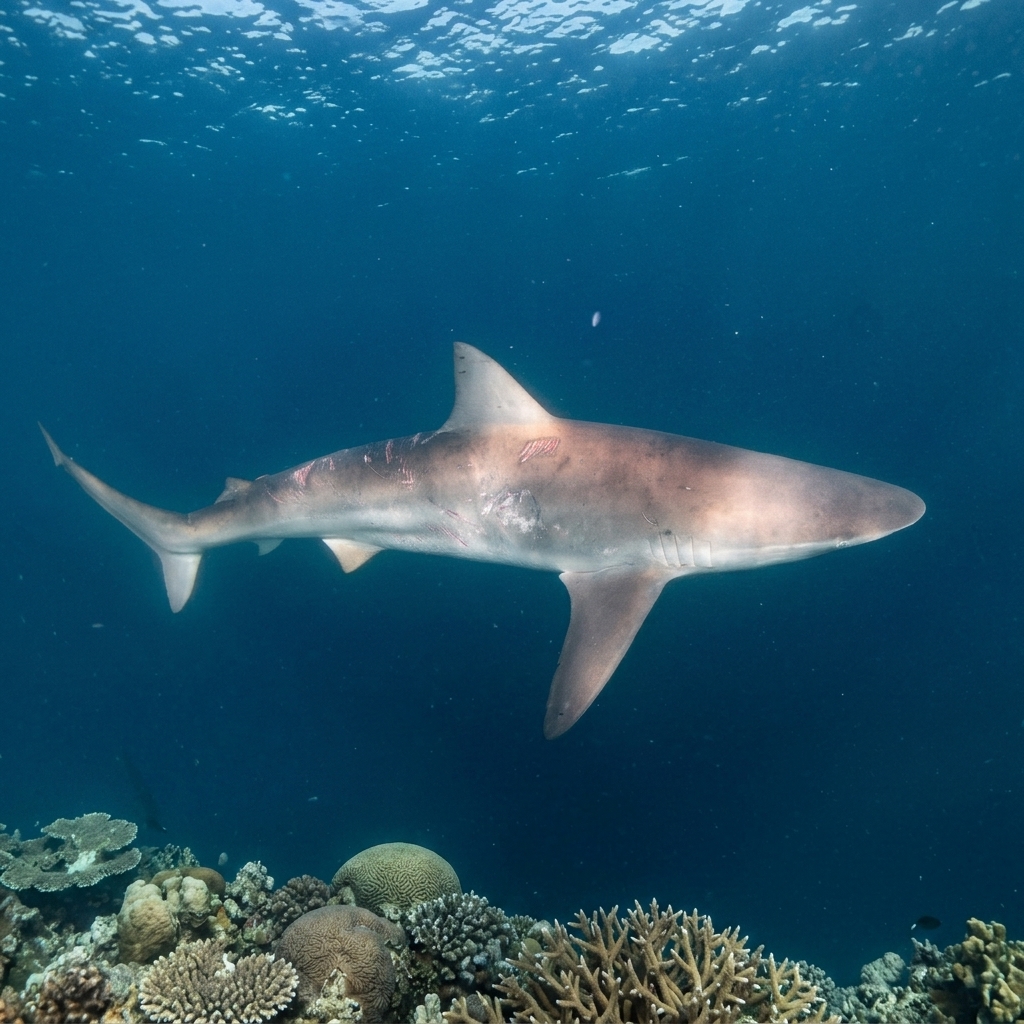
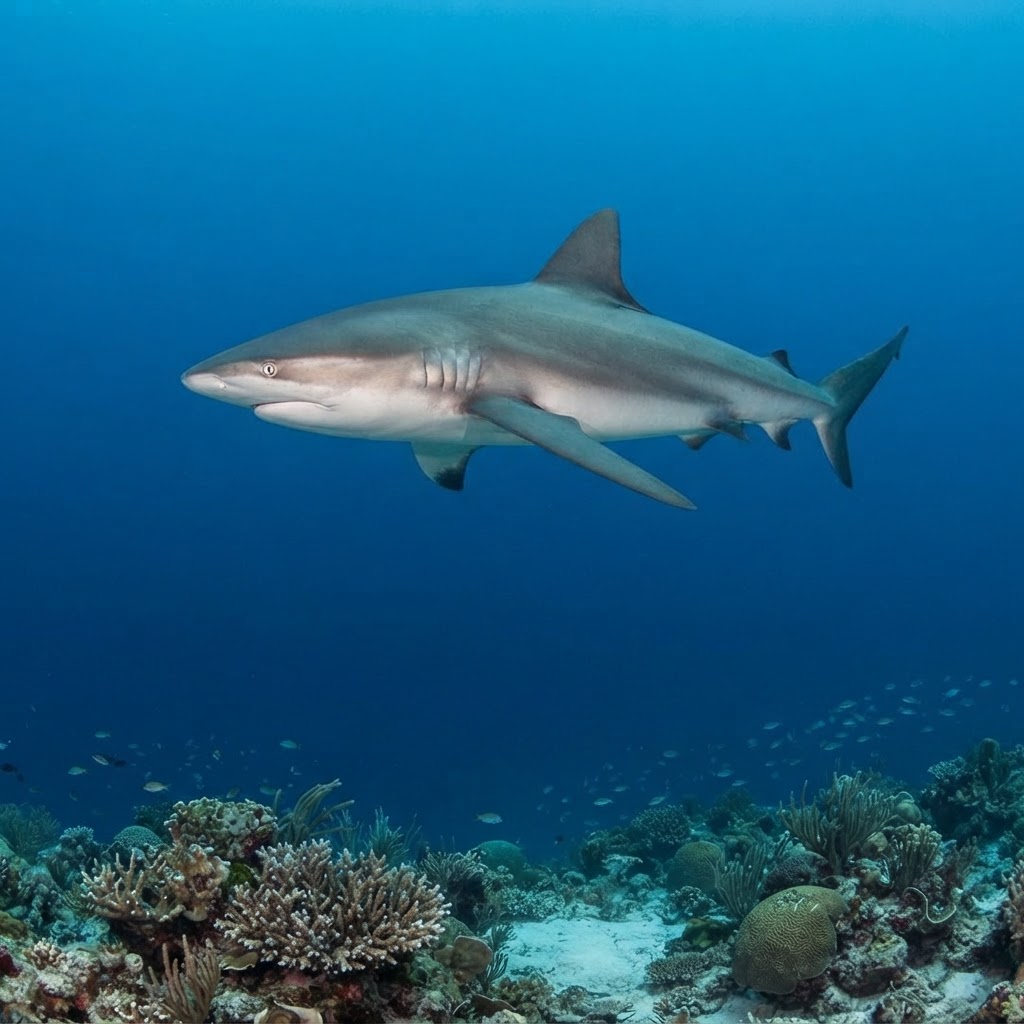
Bulky, torpedo-shaped body reaching close to 3 metres, with a grey to bronze back fading to white below. Look for a low, ridge-like first dorsal fin set well back from the pectoral fins, a feature that separates it from reef sharks with more forward, upright dorsals. The snout is broadly rounded rather than pointed, and there is no obvious dorsal fin marking or ridge between the first and second dorsal.
Divers typically encounter this shark cruising steadily over reef and rocky bottom rather than holding station, often at mid-depth or closer to the seabed than the surface. It tends to keep a cautious distance and is not known for lingering around divers, more commonly seen passing through than circling back. Given its wide depth range, encounters can happen on shallow reef flats as easily as on deeper drop-offs.
Dusky sharks are slow to mature and produce small litters only every few years, making local populations slow to recover from any disturbance, which is part of why sustained sightings at the same sites over time are notable.
Sightings don't show a strong seasonal pattern, and the species is logged across a wide temperature range from around 9 to 19C, so it reads as a year-round encounter at these sites rather than a seasonal one.
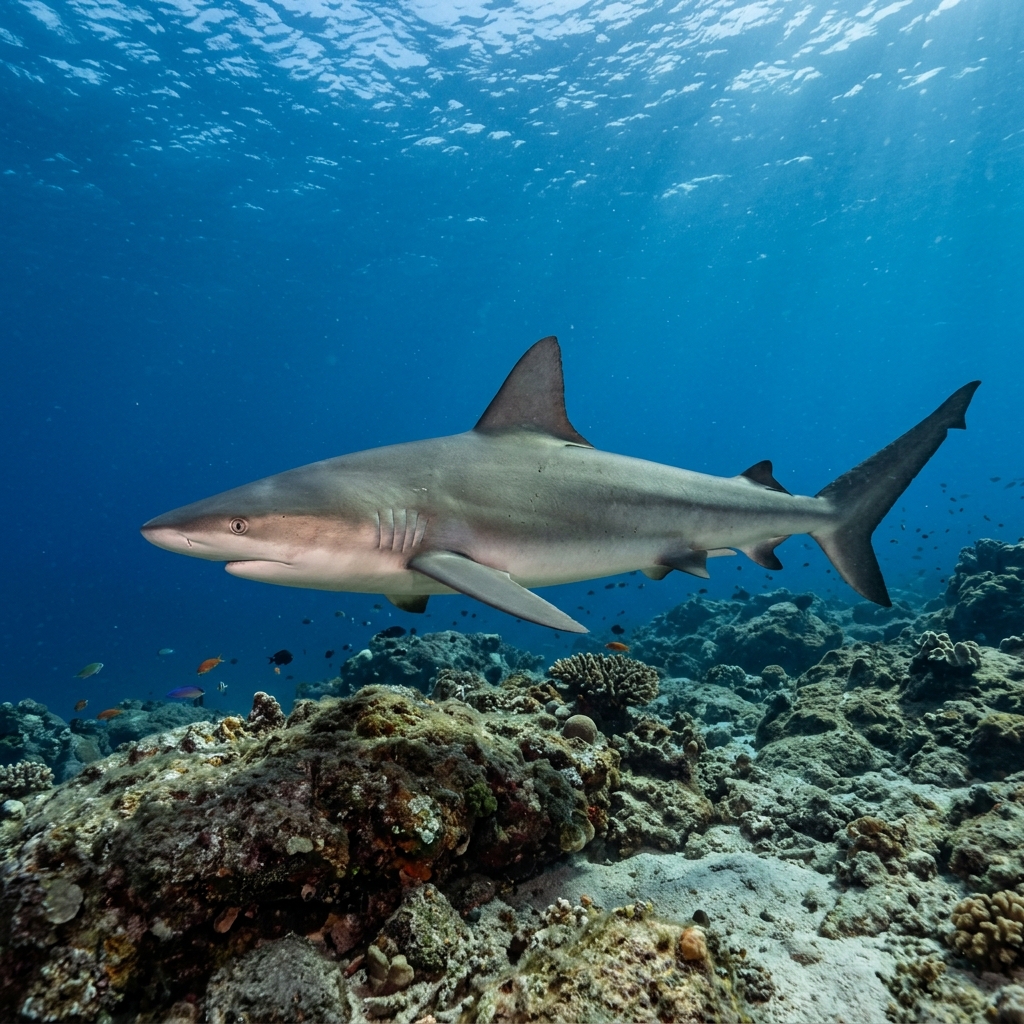
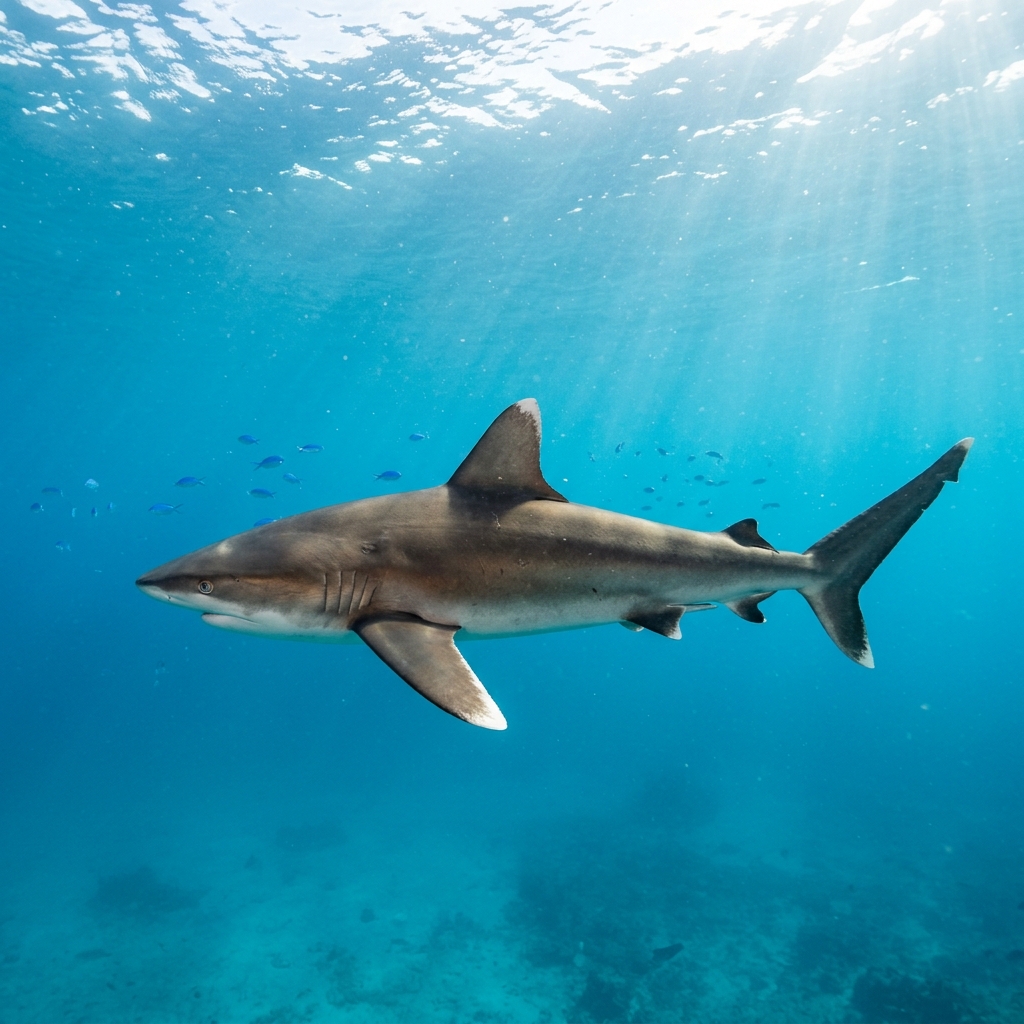
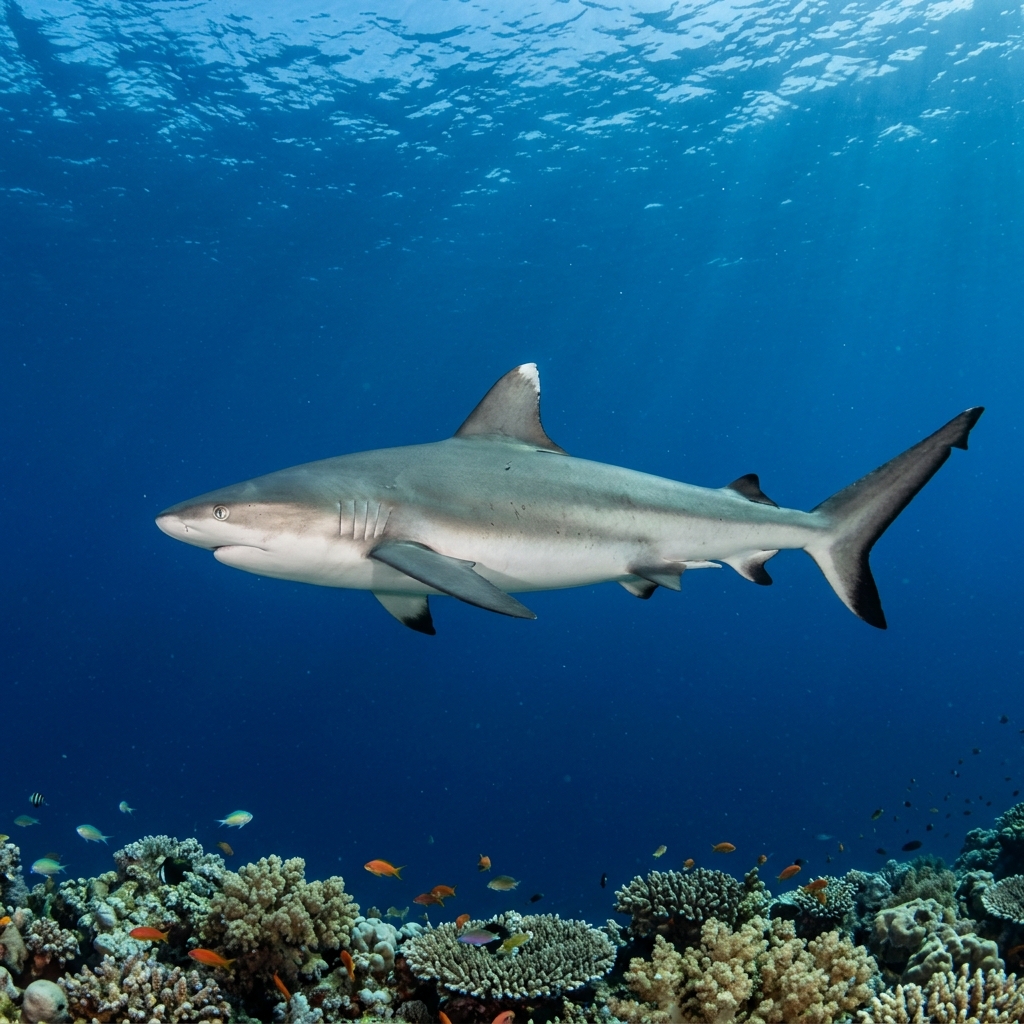
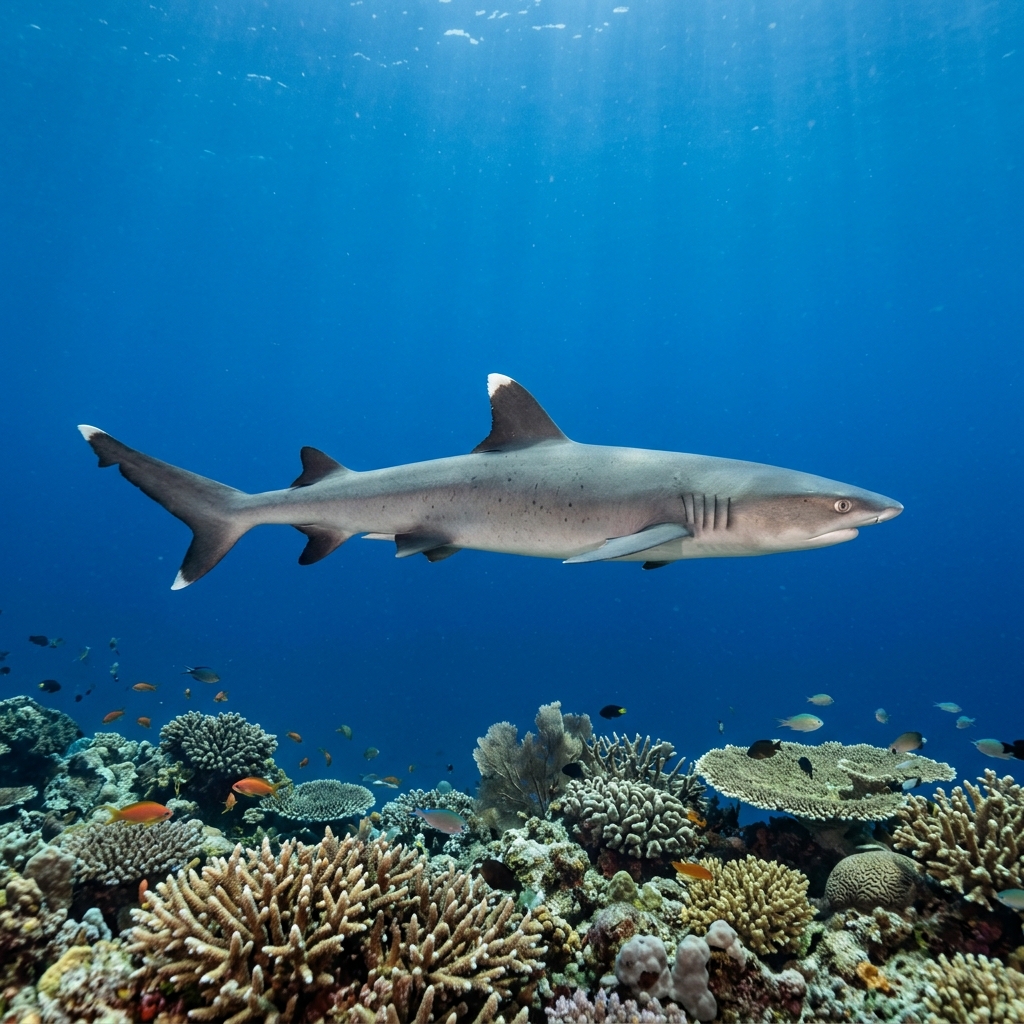
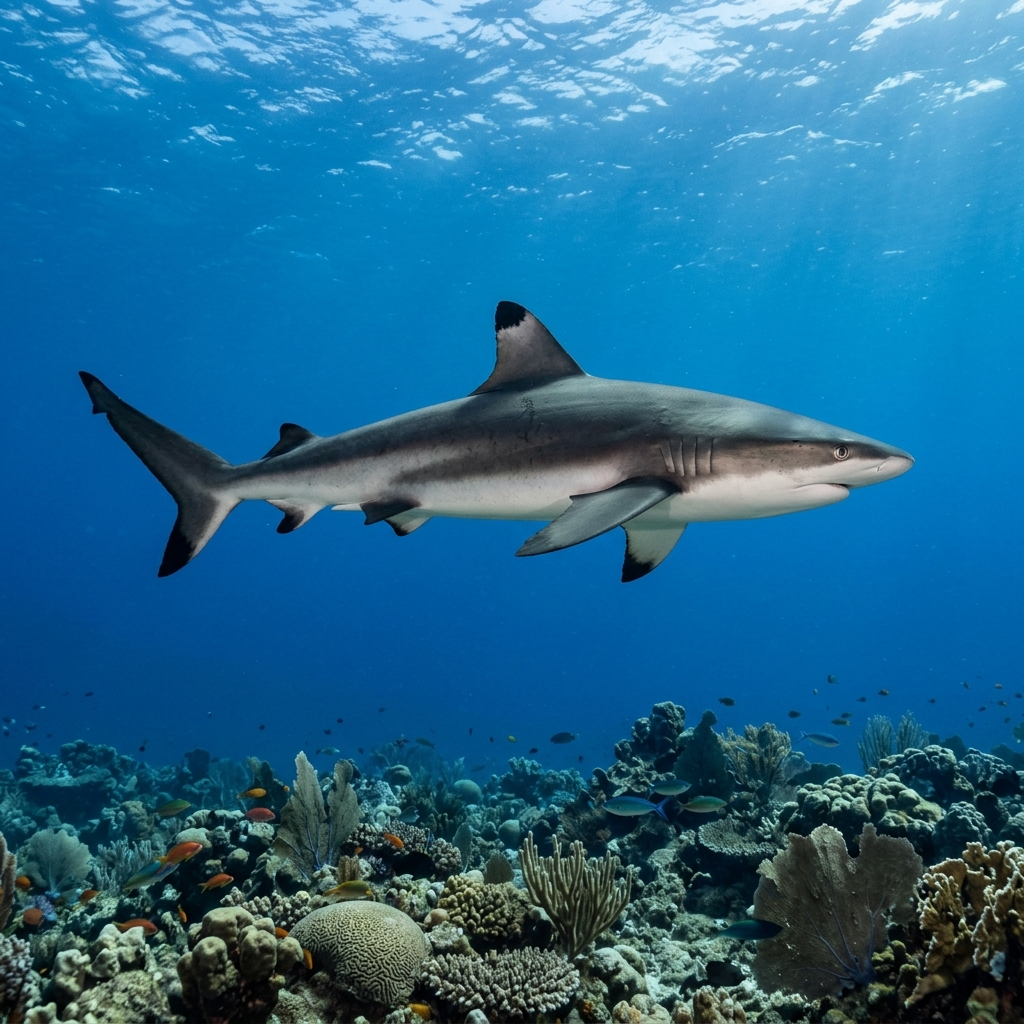
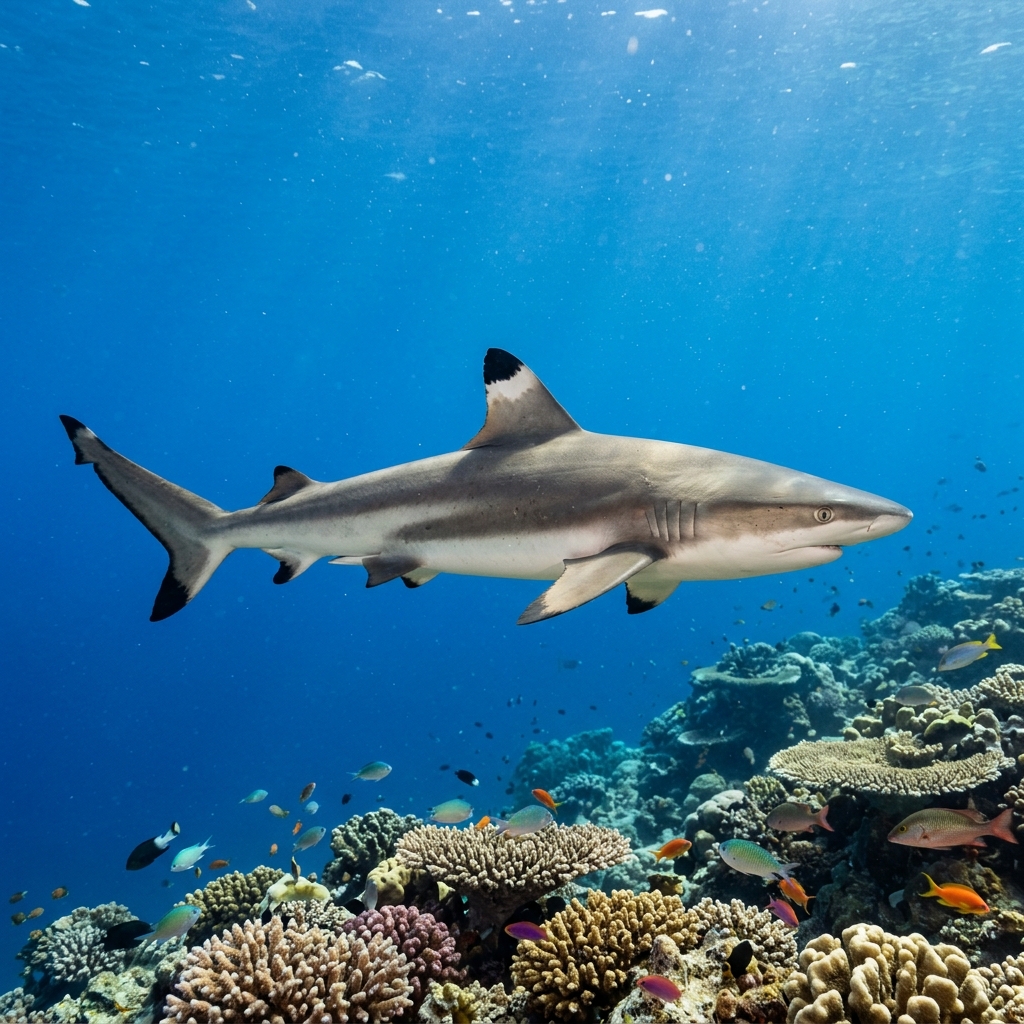
Reef neighbours a diver could mistake it for. Use the identification notes above to tell them apart.
Most consistently logged off New South Wales, Australia, where it turns up as a common sighting at the majority of sites tracking it. A smaller but reliable presence has also been recorded along Israel's Mediterranean coast, giving divers a rare temperate-water option outside Australian sites.
Mapping where Dusky Shark is logged…
New South Wales, Australia is the strongest area for sightings, with the species logged as common at most sites there. Israel's Mediterranean coast offers a smaller but real chance of an encounter too.
There's no clear seasonal pattern in the data, and it's recorded across a broad temperature range, so it's effectively a year-round sighting rather than tied to a particular month.
They're large, powerful sharks and are considered potentially dangerous, but most diver encounters describe calm, distant behaviour. Standard shark etiquette, no chasing, no cornering, applies.
Look for a grey-bronze body up to around 3 metres, a rounded snout, and a low first dorsal fin set further back than on similar-looking reef sharks. The lack of obvious fin markings is also a useful clue.
They typically reach around 294 cm, making them one of the larger sharks a diver is likely to see on a reef dive.
Site and sighting data is aggregated from diver logs, iNaturalist and GBIF. For taxonomy and conservation status:
Sandbar Shark
1,474 sites