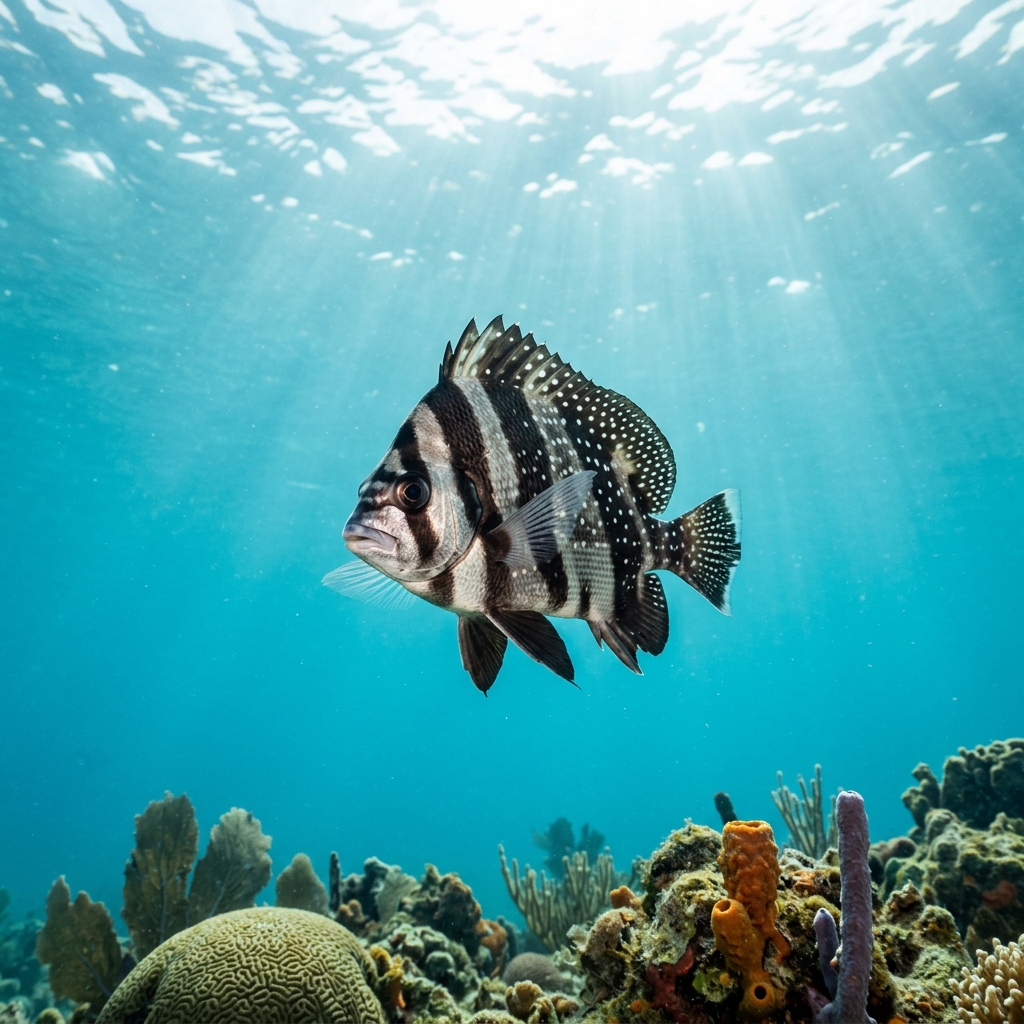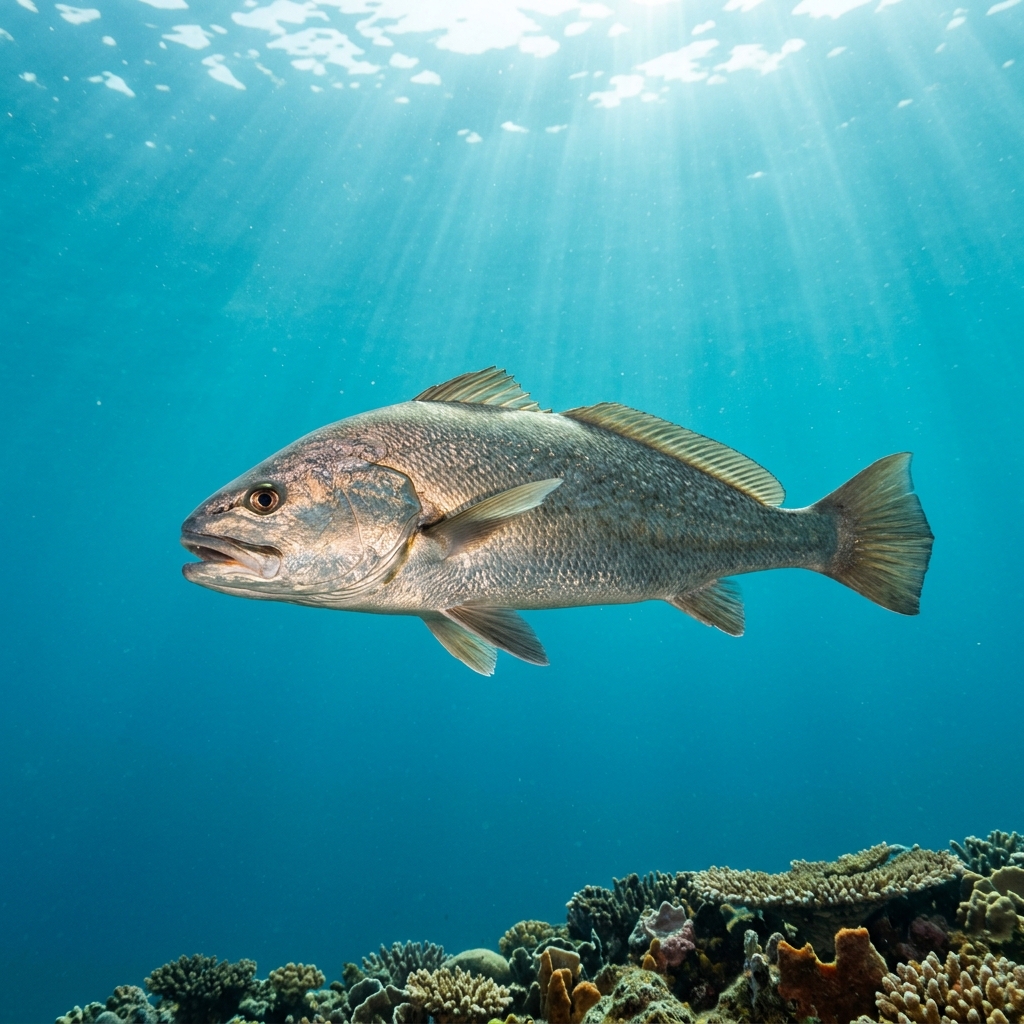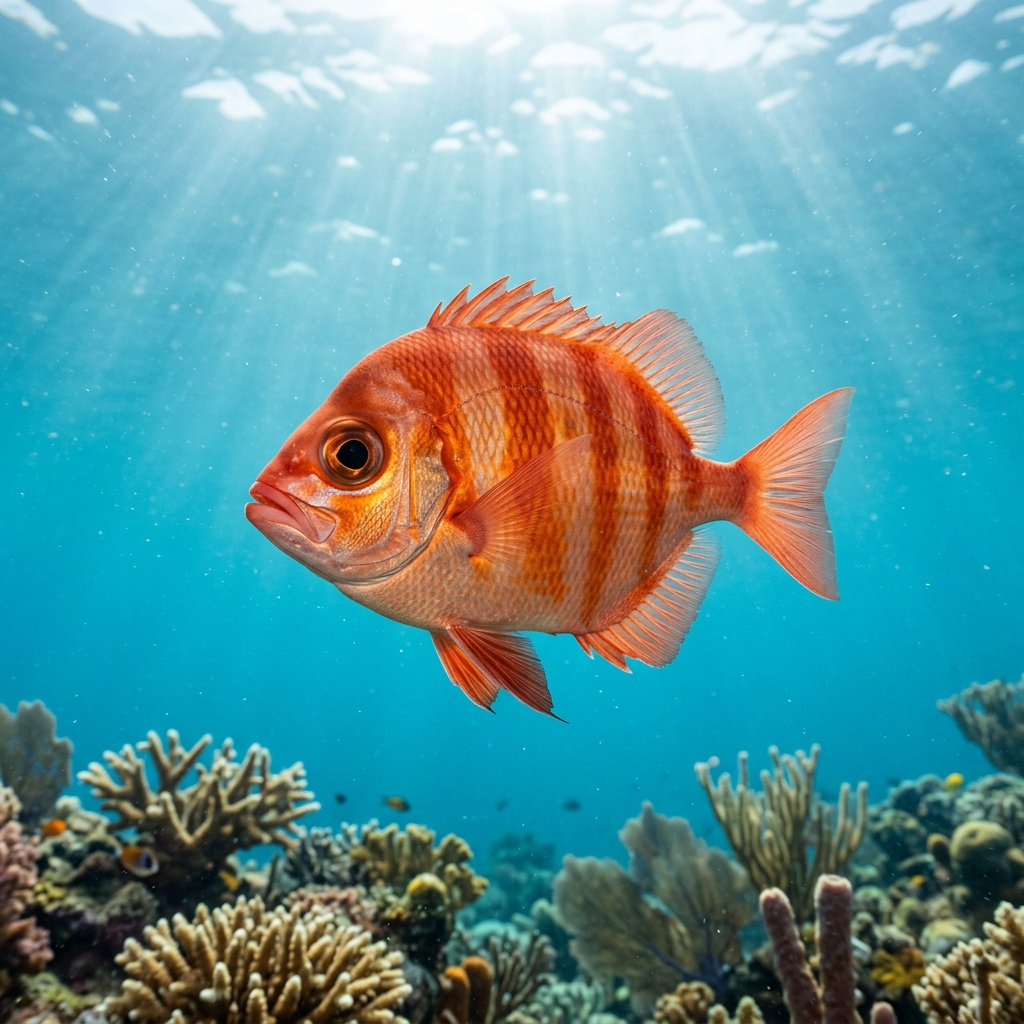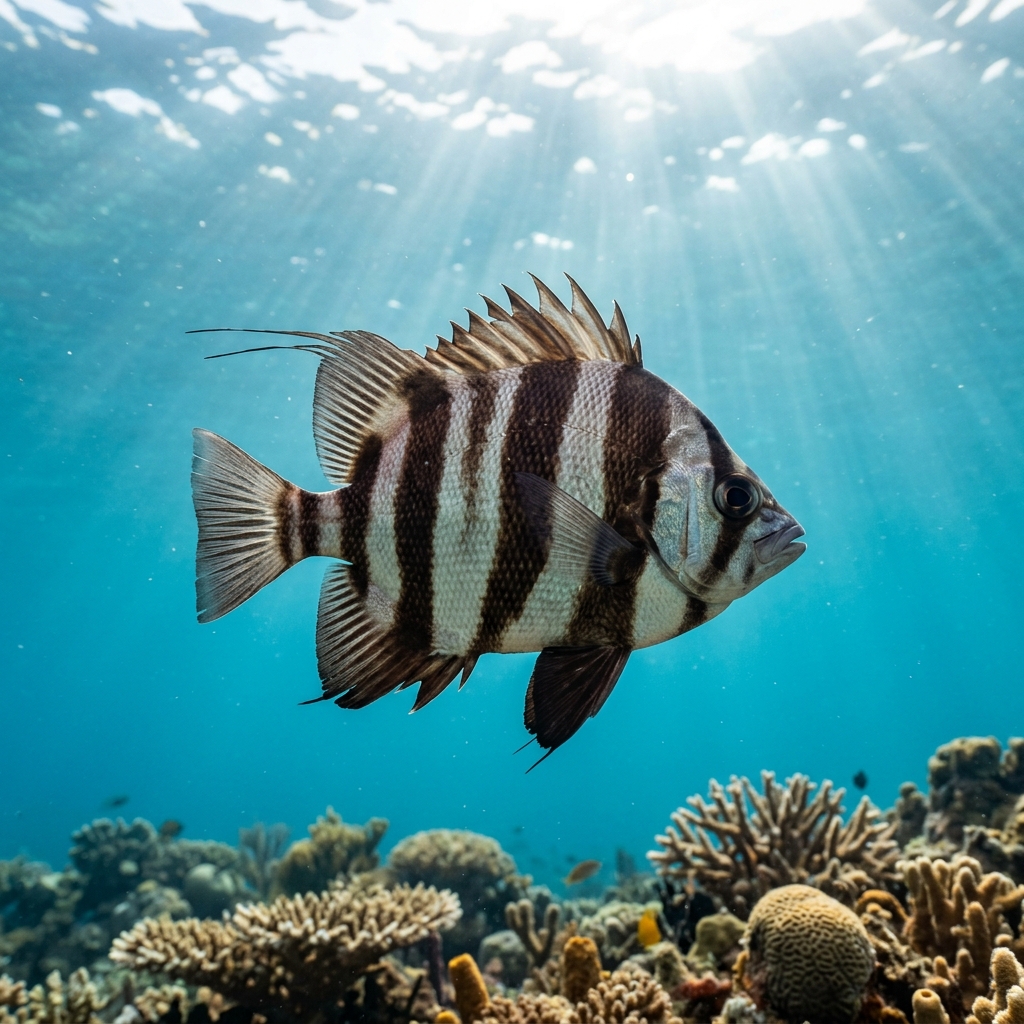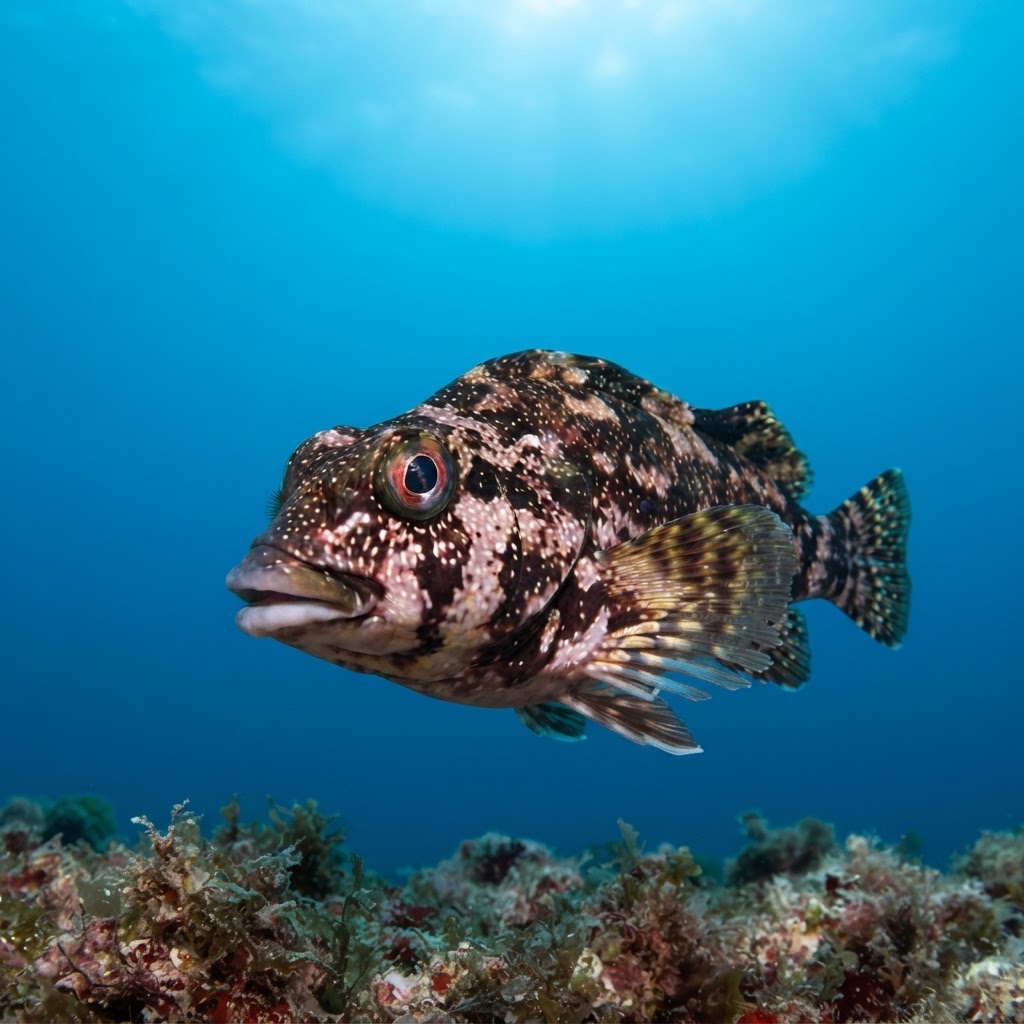
Chironemus marmoratus
Mottled and reef-hugging, Eastern Kelpfish turn up on rocky reefs from New South Wales to North Island, NZ, in 14.5-22.2C water.
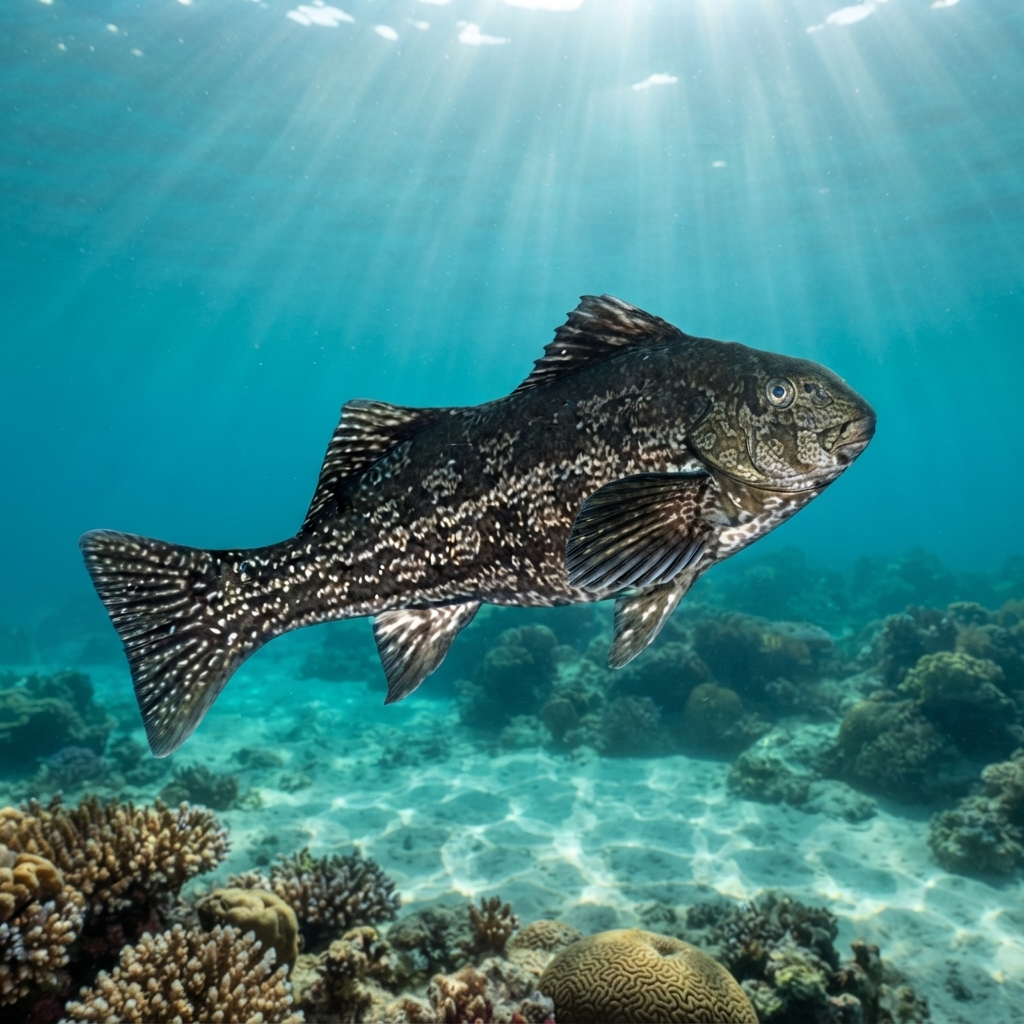
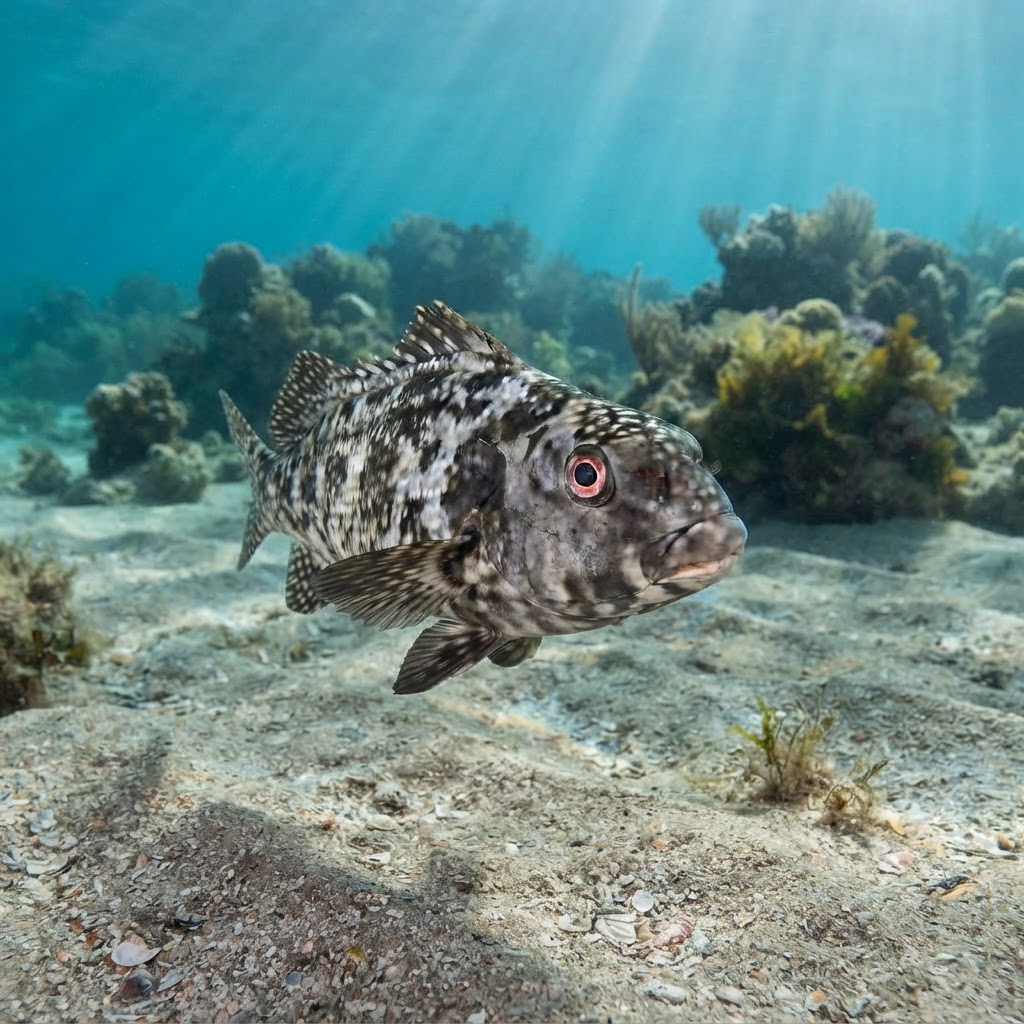
Grows to around 28 cm with a stocky, elongated body covered in a mottled brown, grey and cream marbled pattern that breaks up its outline against rock and kelp. Look for a blunt head, thick-based fins and a habit of lying still on ledges or in kelp shadow rather than swimming in the open. The marbling is the giveaway feature, it makes the fish almost disappear against weed-covered rock until it moves.
Divers typically find these fish parked motionless on a rock ledge or tucked into kelp and sponge growth, relying on their marbled pattern to blend in rather than bolting when approached. They are bottom-associated and unhurried, more often spotted by a diver scanning crevices closely than swimming past in open water. Most sightings are logged as uncommon to rare, so it rewards divers who slow down and check the reef structure rather than just the water column.
Its camouflage is the whole strategy, the marbled colouring lets it sit exposed on open rock in plain sight of predators and divers alike without being noticed until it shifts position.
No clear seasonal pattern shows up in the sightings, so treat it as a year-round find. It sits comfortably in 14.5 to 22.2C water, which covers most of the diveable calendar on southeast Australian and North Island reefs.
Reef neighbours a diver could mistake it for. Use the identification notes above to tell them apart.
Most reliably logged on reef sites in New South Wales, Australia, which accounts for the bulk of recorded sightings, with a second strong population around North Island, New Zealand. A handful of records also come from Queensland, so the species is essentially an Australia and New Zealand temperate-reef specialty rather than a tropical one.
Mapping where Eastern Kelpfish is logged…
New South Wales, Australia is the strongest area for sightings, with North Island, New Zealand also producing regular records. Queensland has occasional reports but the species is really a temperate Australia and New Zealand reef fish.
There's no strong season in the sightings data, so they're logged year-round. Water temperatures on the reefs where they live sit between about 14.5 and 22.2C across the diving calendar.
Look for a stocky, mottled brown and grey fish up to about 28 cm, lying still on a rock ledge or in kelp rather than swimming freely. The marbled camouflage pattern is the main clue, it breaks up the body outline against weedy rock.
They reach around 28 cm in length, a solid but unremarkable size for a temperate reef fish. Most divers see adults near this size rather than obvious juveniles.
No, they're not considered dangerous to divers. They're calm, bottom-dwelling fish that rely on camouflage rather than aggression, and pose no threat if you're simply looking, not handling.
Site and sighting data is aggregated from diver logs, iNaturalist and GBIF. For taxonomy and conservation status:
Meagre
1,159 sites