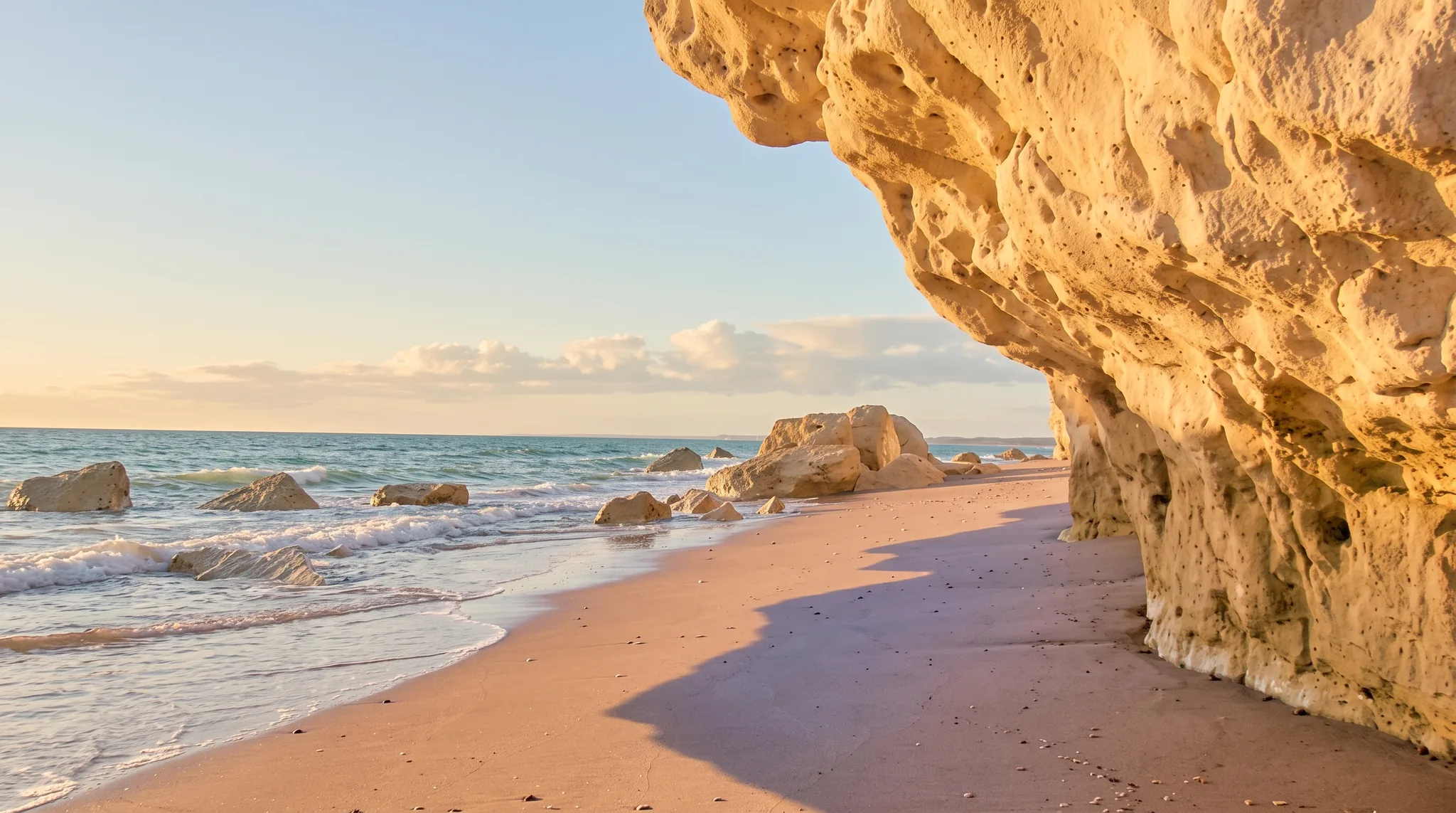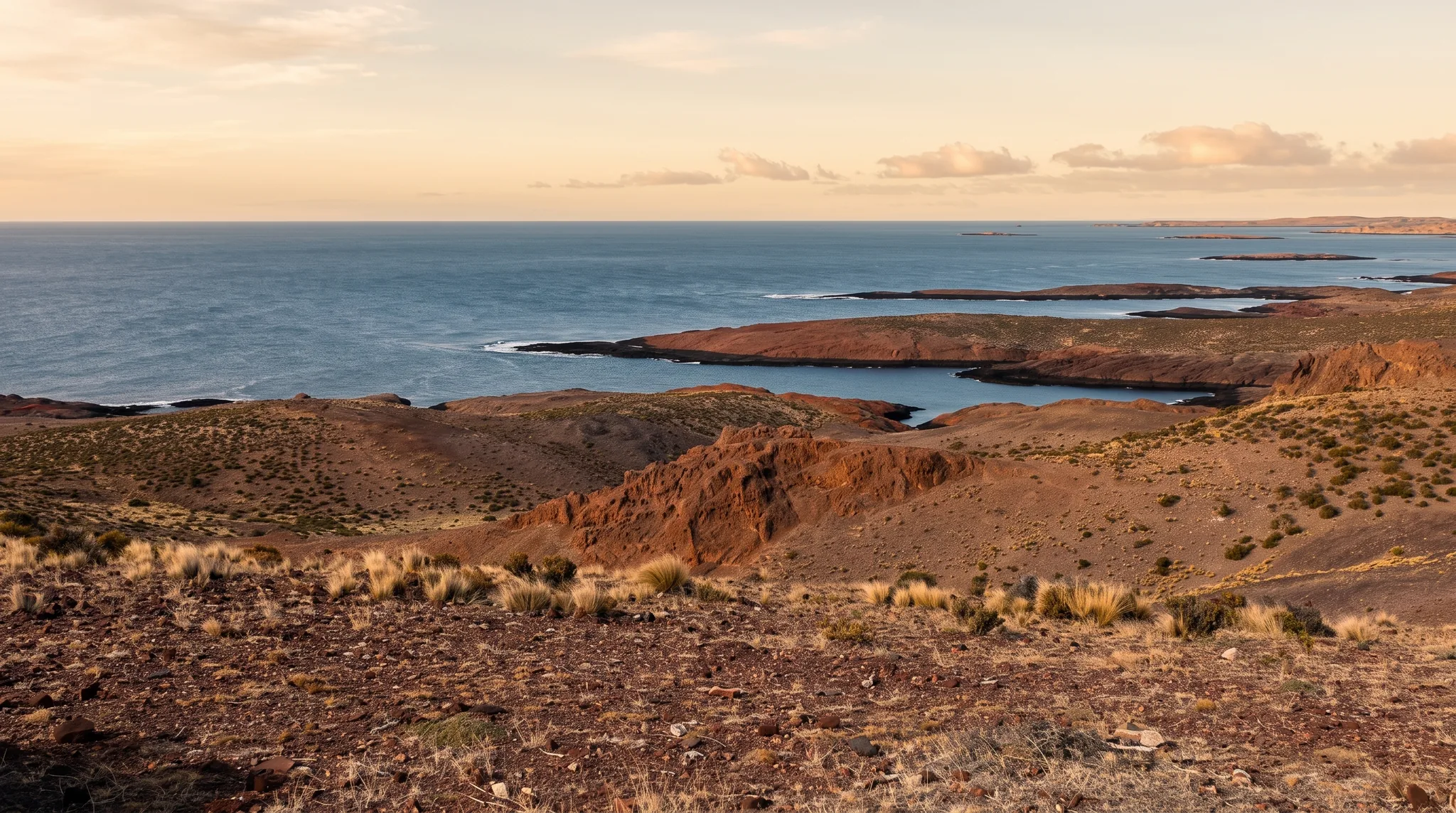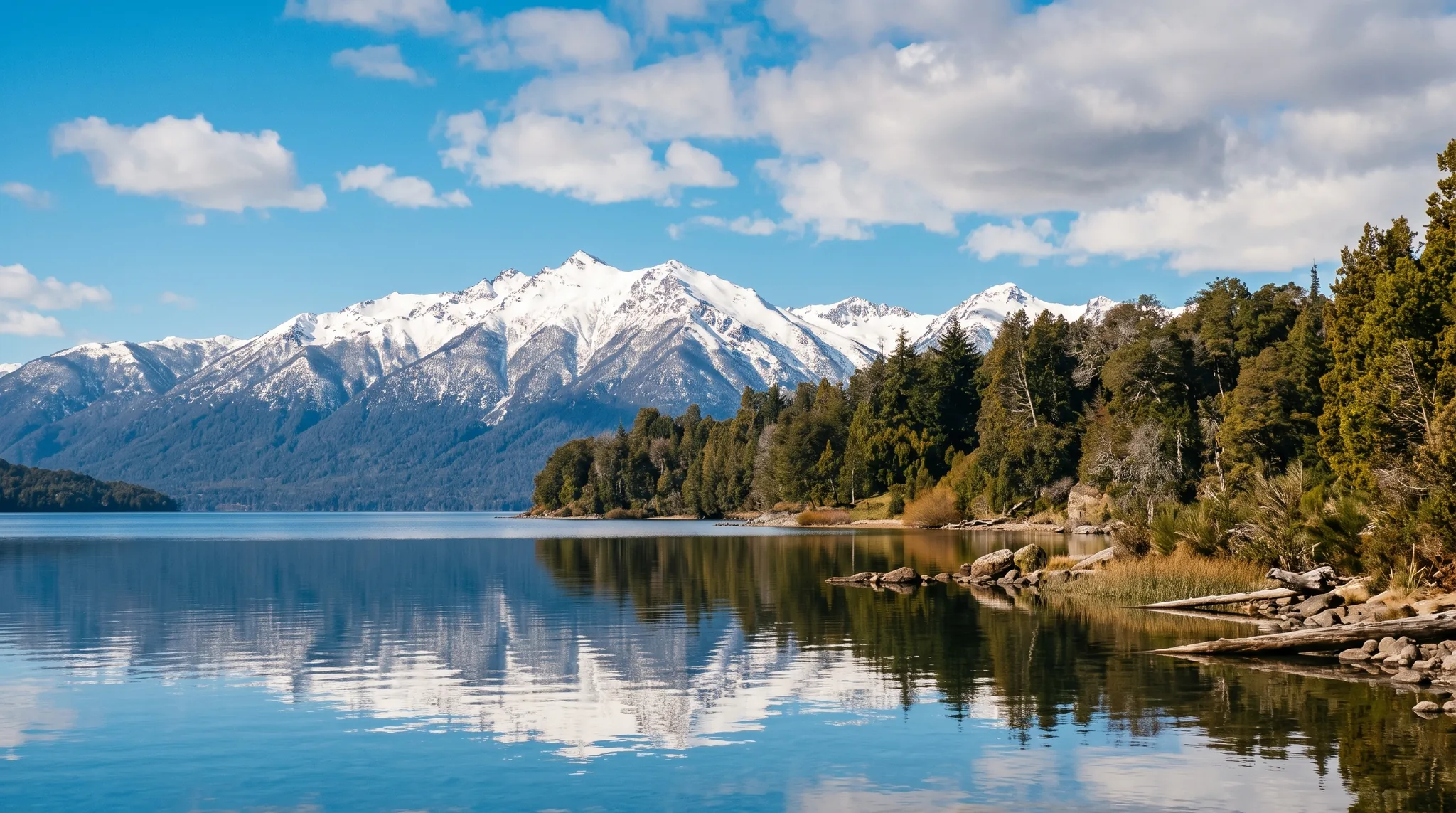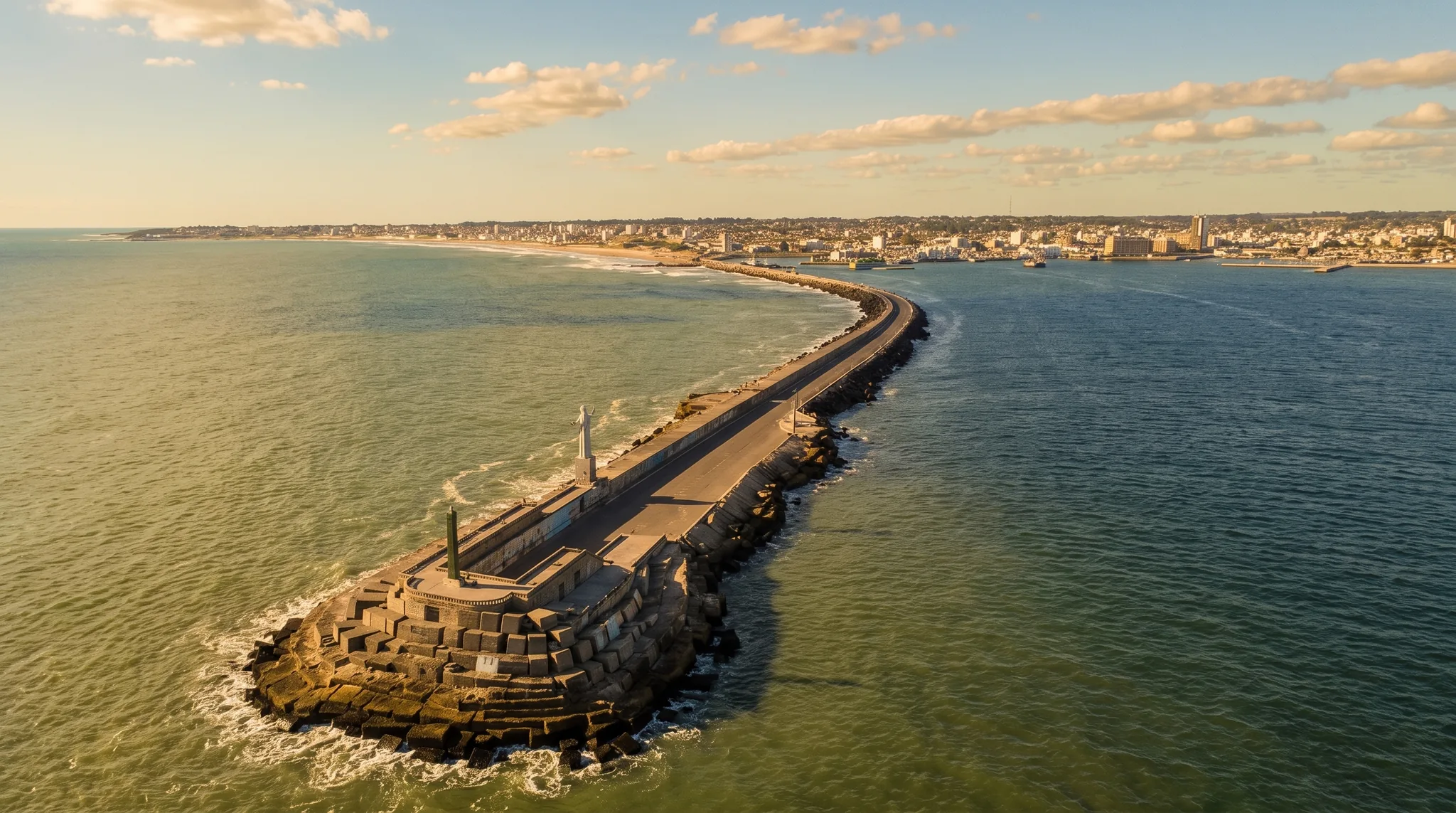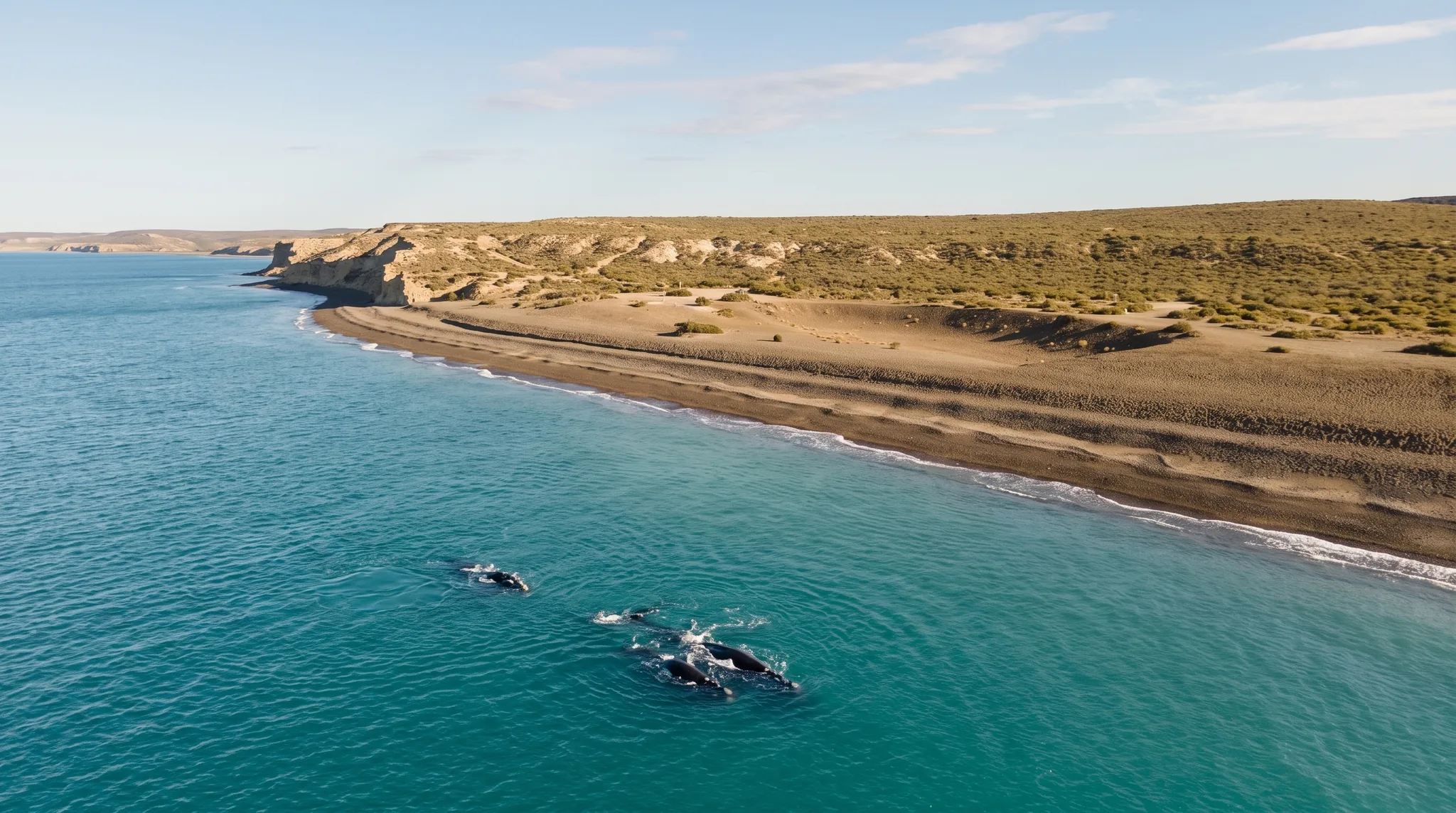
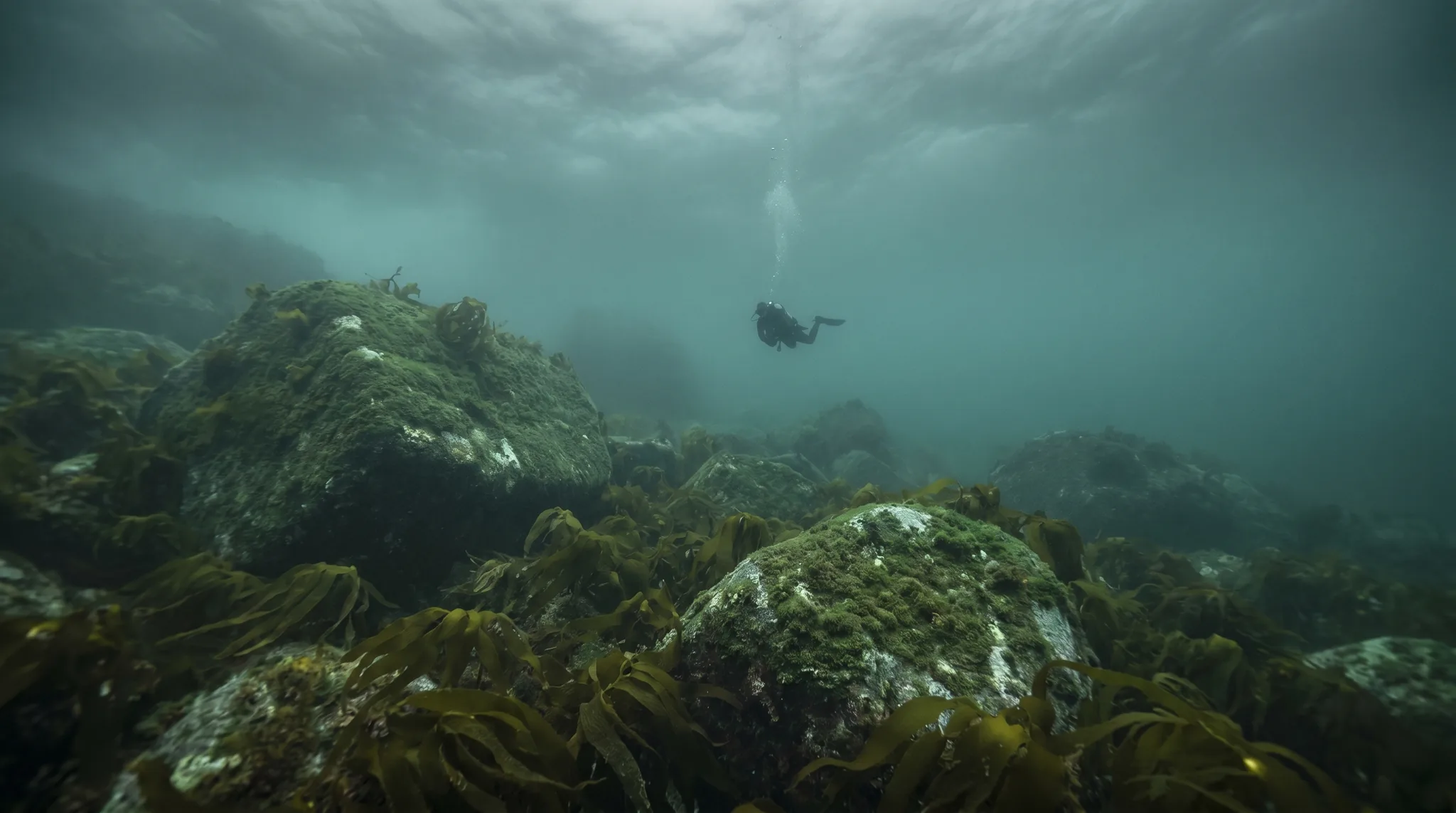
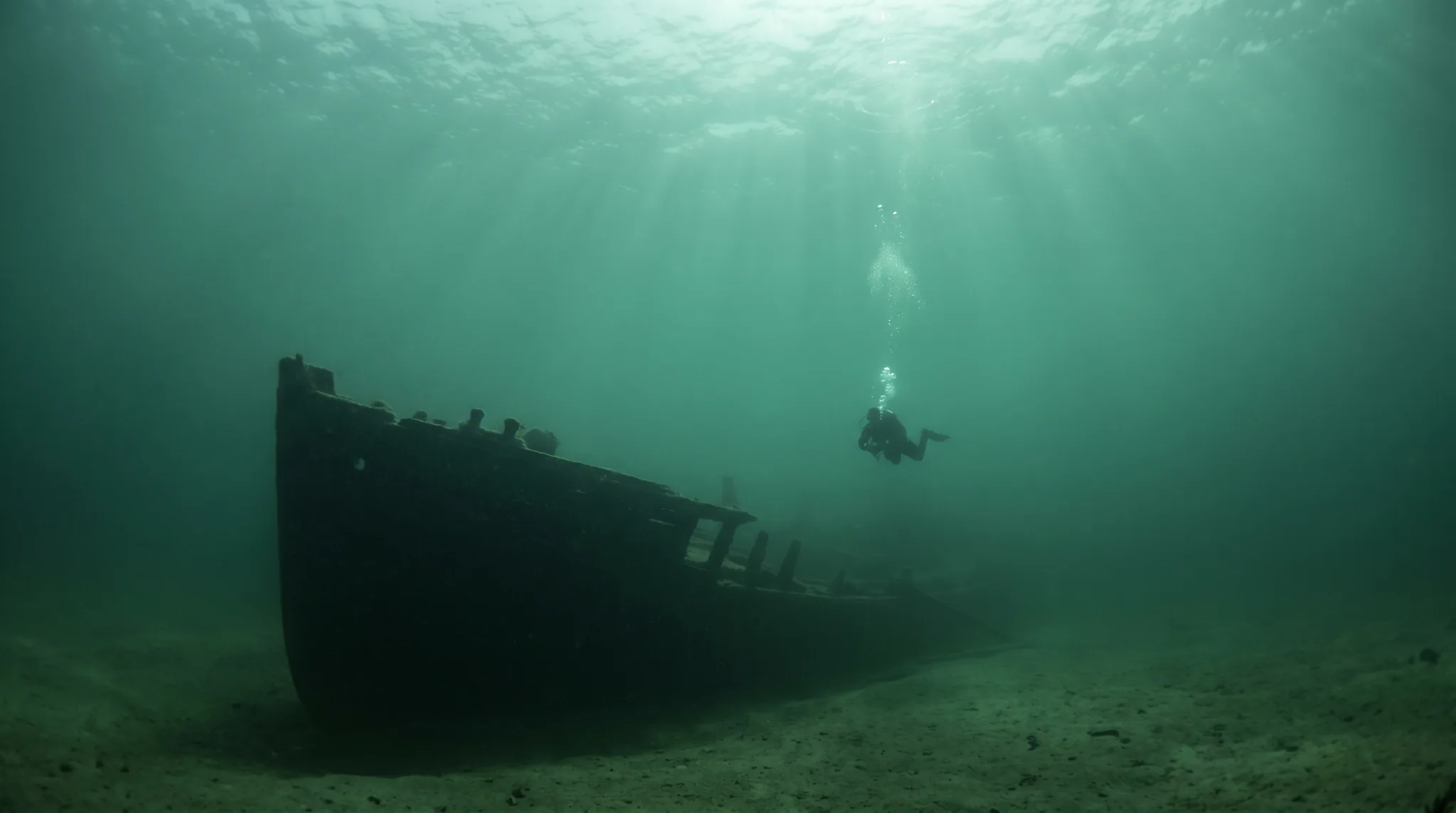
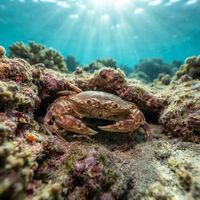
Puerto Madryn's diving character is shaped by two things above all: an exceptional concentration of marine mammals and a varied site catalogue spread across four distinct sub-areas. Punta Cuevas hosts the greatest number of sites, including several penetrable wrecks that now function as artificial reefs. Punta Pirámide adds kelp forest terrain, while Punta Loma and El Doradillo offer shallower reef structures suited to newcomers. South American Sea Lion and Northern Elephant Seal are the signature encounters across the region. Scorpionfish, Sea Star, Triplefin and European Green Crab appear consistently, with occasional sightings of Humpback Whale and Blue Shark adding real excitement.
4 areas
 16
16Wrecks converted into artificial reefs, sea lions, and cool Patagonian waters close to Puerto Madryn.
5Golfo Nuevo reef, kelp, and cave diving with curious sea lions, cold Patagonian water, and seasonal whale encounters.
 4
4Golfo Nuevo diving near Puerto Madryn with sea lion colonies, a shallow fishing vessel wreck, kelp forest, and deep reef for advanced divers.
4Monthly water temperature across Puerto Madryn's sites, from satellite sea-surface data corrected for depth. The band shows the site-to-site spread.
Water temperature follows a clear seasonal curve, warmest from December through March and coolest in August and September, which aligns closely with the peak-preference histogram favouring January through March and November. Conditions during the warmer months tend to bring the highest diver activity, while the colder winter months see a sharp drop in visits. Divers comfortable with cooler water will find the shoulder months of November and December a reasonable balance between conditions and crowd levels.

23 operators
Puerto Madryn, Argentina
Puerto Madryn, Argentina
Puerto Madryn, Argentina
Puerto Madryn, Argentina
Puerto Madryn, Argentina
Puerto Madryn, Argentina
Sheltered Patagonian bay near Puerto Madryn with beginner-friendly reef sites, good visibility, and South American sea lions.
Water temperature around Puerto Madryn ranges from about 11°C in August to 19°C in February, based on satellite sea-temperature data for its dive sites.
In the warm season (about 19°C) a 5mm suit is comfortable in Puerto Madryn; in the coldest months (about 11°C) step up to a drysuit.
Fin maps 29 sites in Puerto Madryn (29 scuba diving sites and 3 snorkelling spots, with some suited to both), organised into 4 areas.
Across Puerto Madryn's dive sites, January, February, March and December are most often reported as the best months to visit.
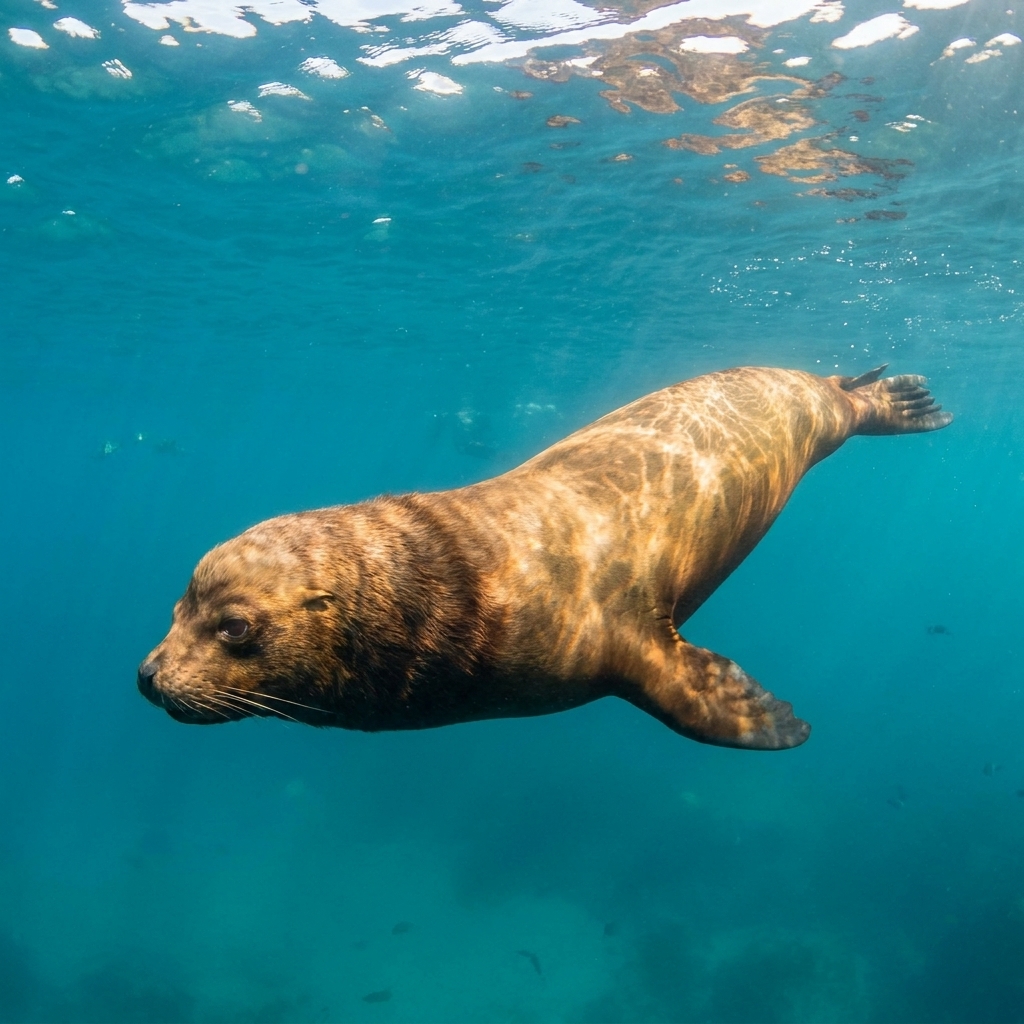
South American Sea Lion is the most frequently observed species across the region and is considered a signature encounter. Northern Elephant Seal is also recorded as a signature species and is commonly sighted. Less frequent but observation-backed sightings include Humpback Whale, Bottlenose Dolphin and Leopard Seal, making Puerto Madryn unusual in the range of large marine mammals that may appear on a single trip.
A large proportion of the sites are rated beginner-level, including shore-entry reefs at Punta Cuevas and the shallow wreck at Naufragio Folias off Punta Loma. El Doradillo also offers sheltered, shallow reef diving ideal for those early in their training. Intermediate sites such as the Albatros Wreck and the Miralles wreck require more experience, and at least one site, the deep-water Punta Este at Punta Loma, is rated advanced.
Punta Cuevas has the largest concentration of sites and is particularly strong for wreck diving, with multiple artificial reefs at varying depths accessible by boat. Punta Pirámide features reef and kelp forest terrain, including shore entry at Punto Piramide itself. Punta Loma combines wreck sites with reef and kelp forest, including the notable Naufragio Folias. El Doradillo is the shallowest and most sheltered of the four, with a mix of natural and artificial reef suited to newer divers.
Both access modes are well represented across Puerto Madryn's sites. Shore entry is available at several key sites including Restinga Punta Cuevas, Naufragio Folias and Punto Piramide, making it straightforward to dive independently or with a local operator. Deeper wrecks such as the Albatros Wreck, Urabain and Miralles require boat access. Sites like El Doradillo and Punta Pardelas offer the flexibility of both entry types.