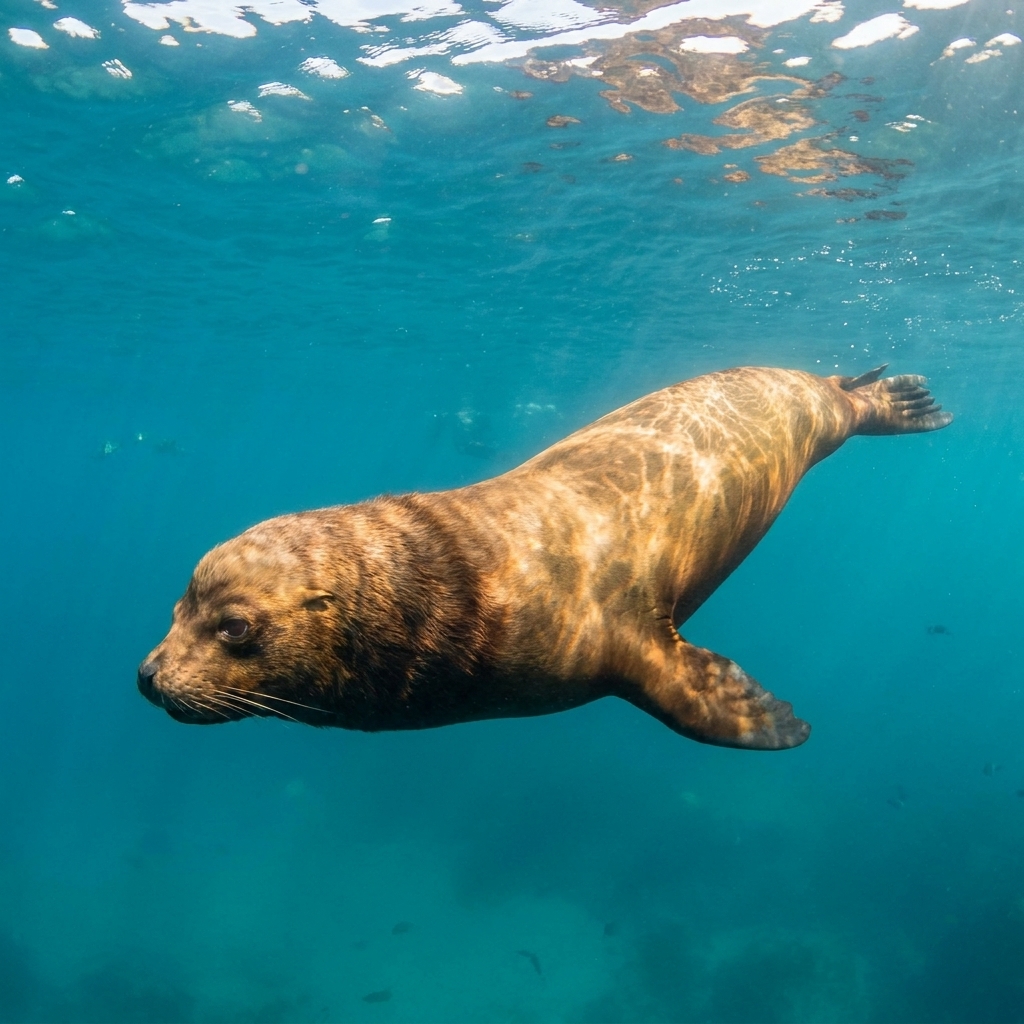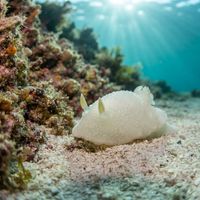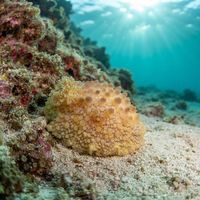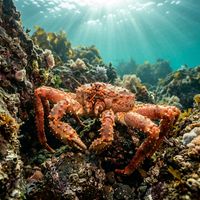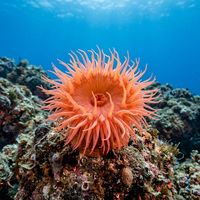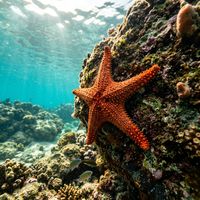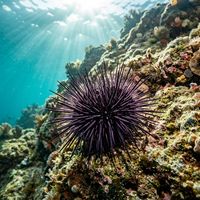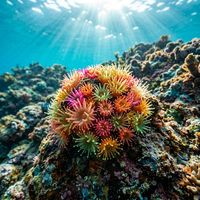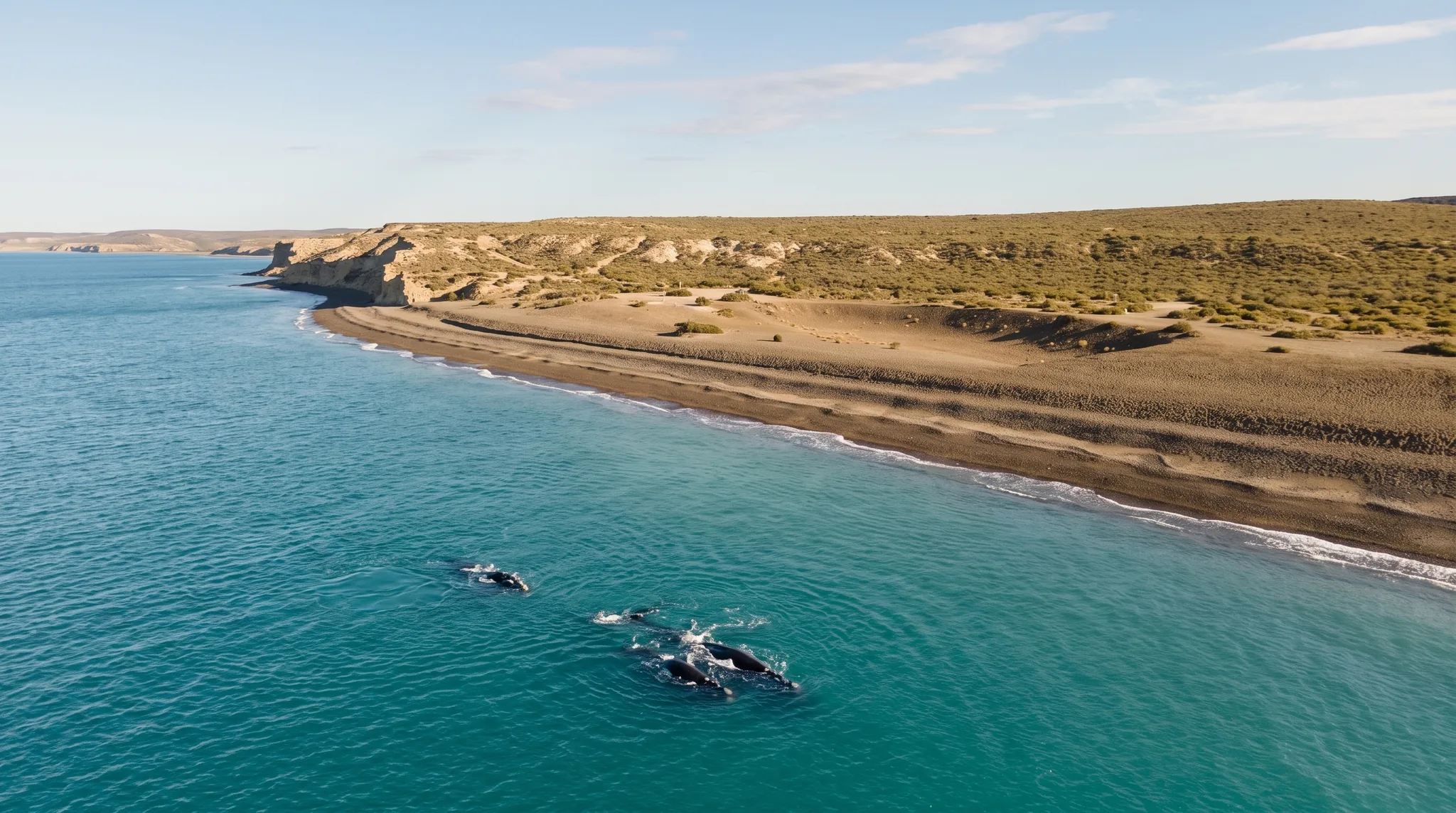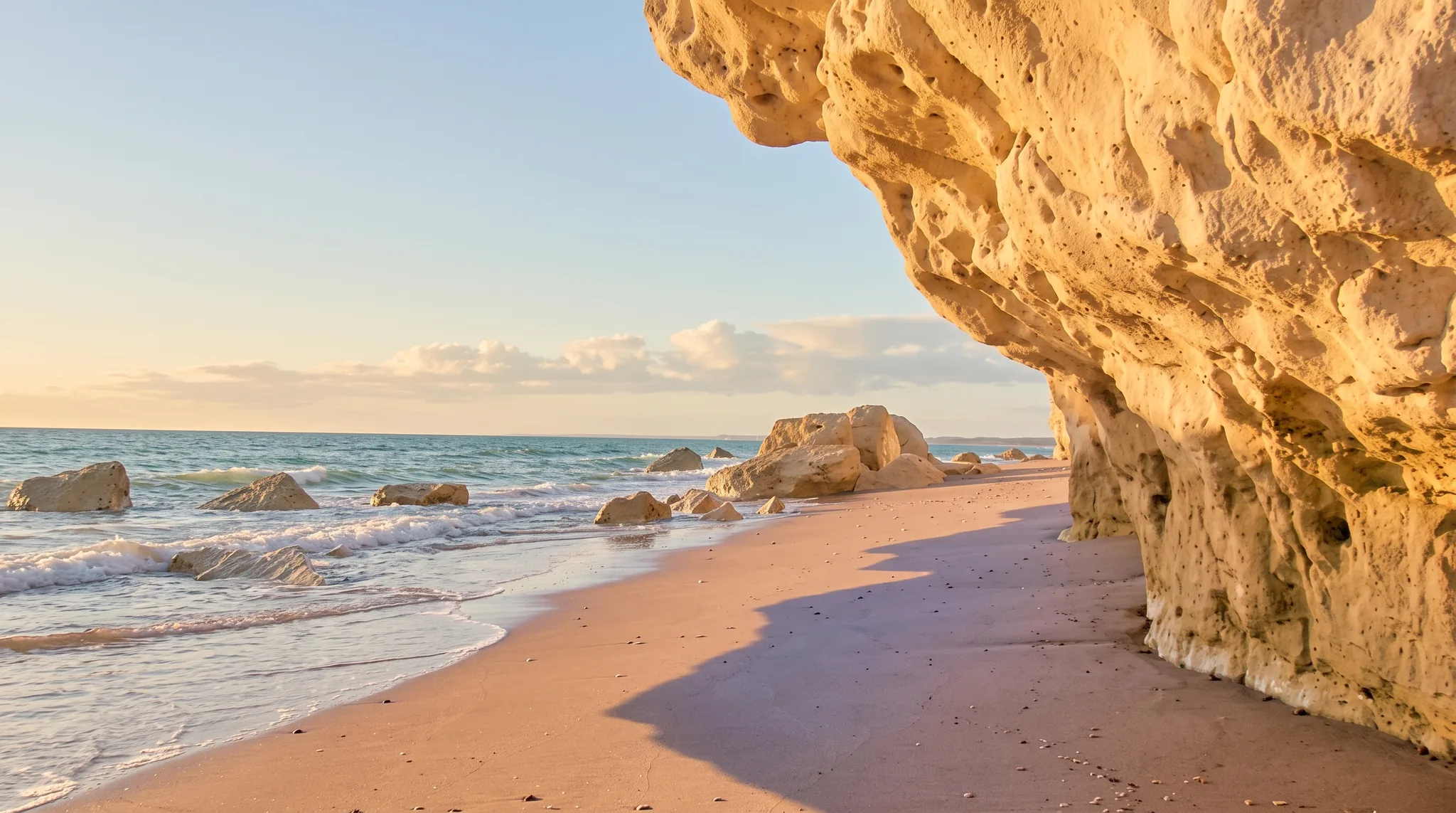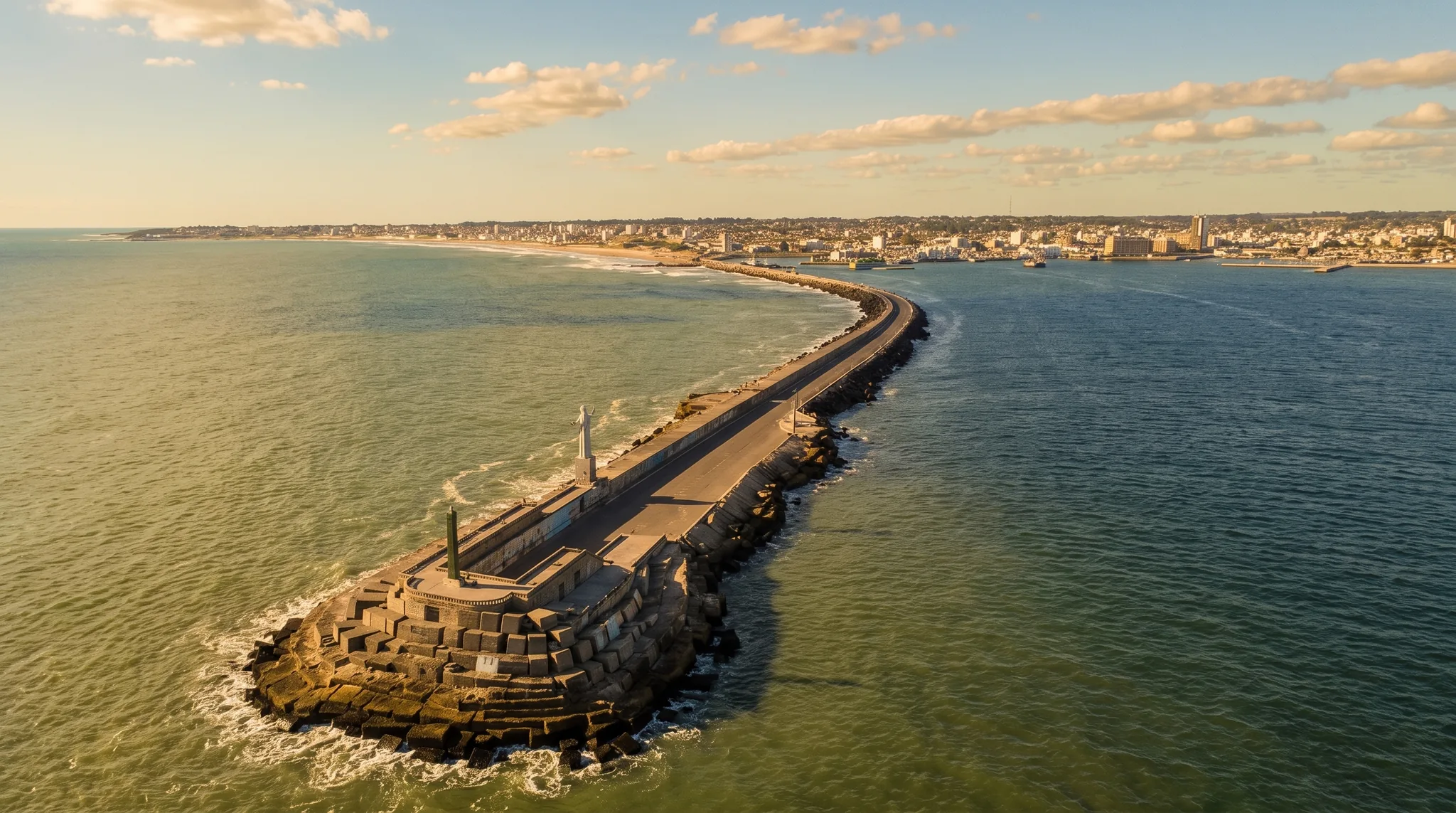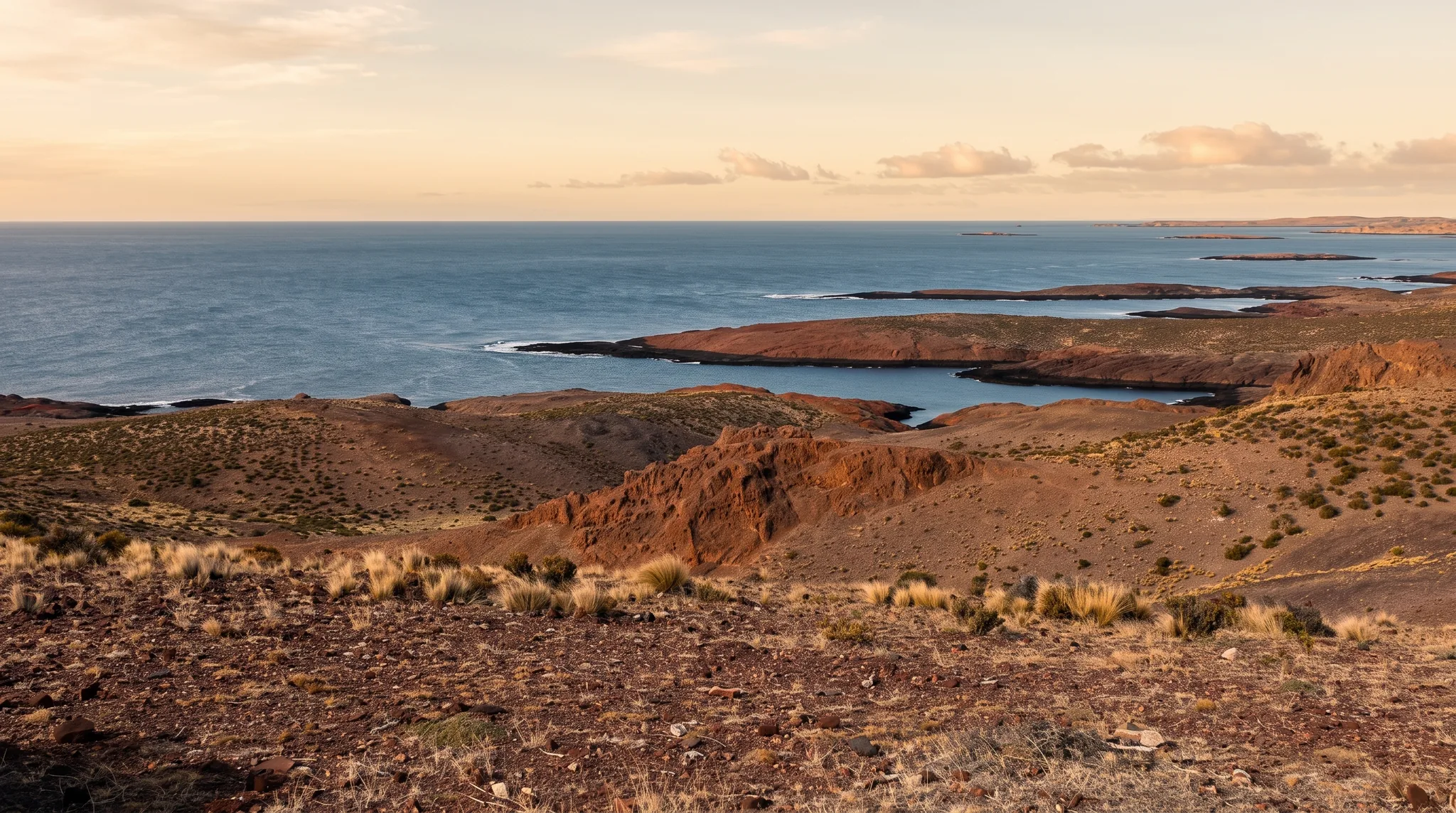
Camarones offers cold-water Patagonian diving across two distinct sub-areas: Isla Leones and Bahía Camarones. The sites range from shallow reef and kelp forest to deeper reef and wreck terrain, giving divers real variety within a single region. South American Sea Lion is the signature encounter, present across sites, and King Crab, Sea Star, Sea Anemone and Sea Squirt are observed consistently throughout. Bahía Camarones suits beginners with accessible entry options, while Blancas Islands rewards intermediate divers with a reef that drops considerably. Water is coldest in the southern winter months and warmest heading into late summer.
2 areas
Monthly water temperature across Camarones's sites, from satellite sea-surface data corrected for depth. The band shows the site-to-site spread.
Water temperatures peak in the late summer months and drop notably through the southern winter, so divers should plan thermal protection accordingly. The warmest and most popular window runs from late spring through early autumn, when conditions are most favourable for exploring the reef and wreck sites. Outside this window diving is still possible, though cooler temperatures and reduced site activity make the shoulder months less appealing.
13 operators
Argentina
Argentina
Argentina
Argentina
Argentina
Water temperature around Camarones ranges from about 9°C in July to 16°C in January, based on satellite sea-temperature data for its dive sites.
In the warm season (about 16°C) a 7mm or semi-dry suit is comfortable in Camarones; in the coldest months (about 9°C) step up to a drysuit.
Fin maps 11 sites in Camarones (8 scuba diving sites and 3 snorkelling spots), organised into 2 areas.
Across Camarones's dive sites, January, February, March, November and December are most often reported as the best months to visit.
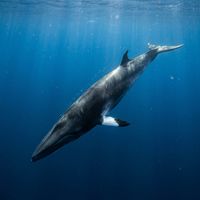
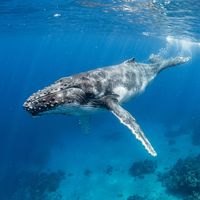
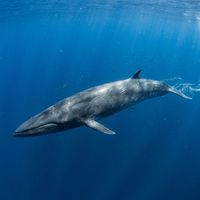
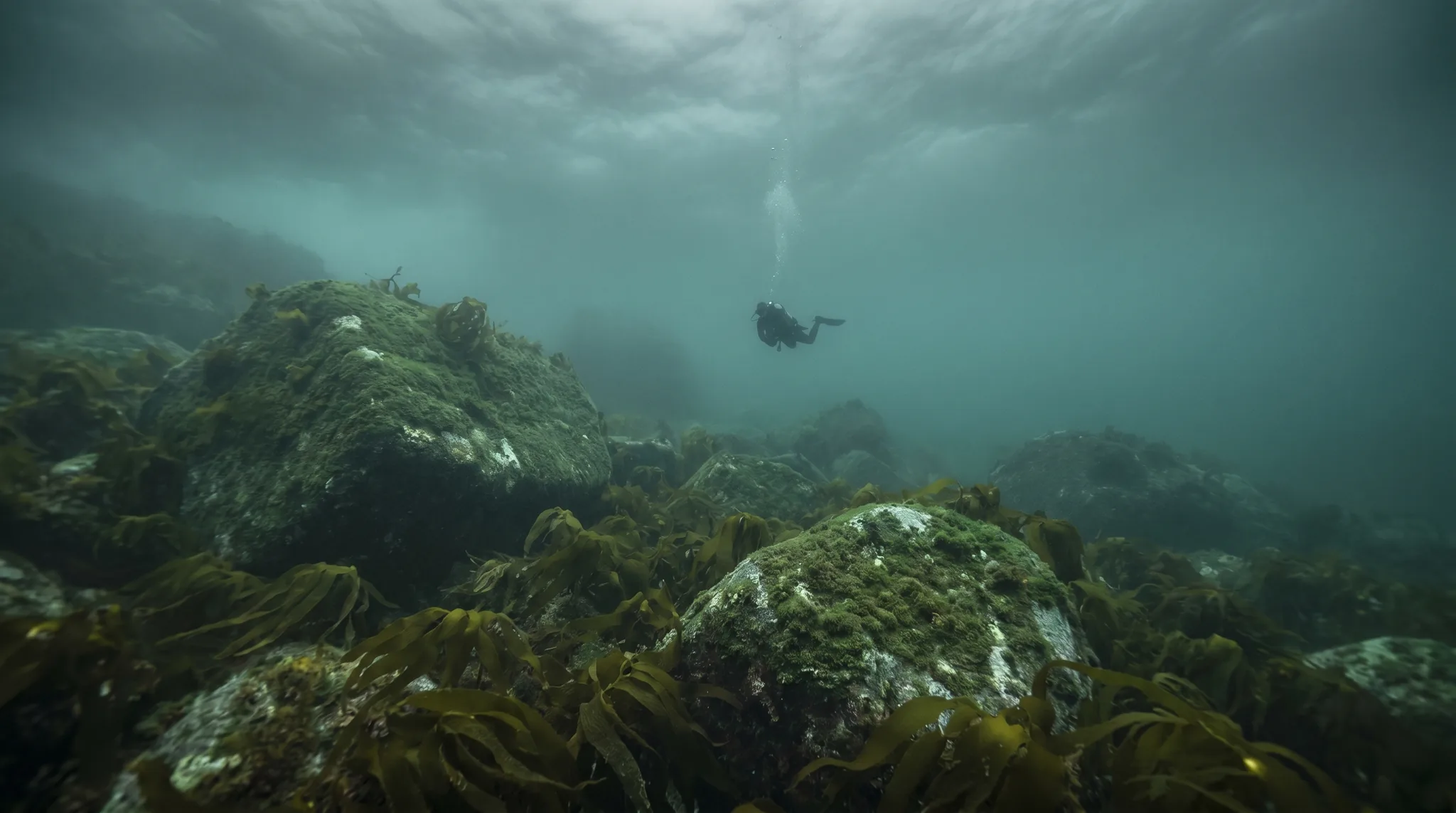
South American Sea Lion is the standout encounter and has been observed across the region's sites. King Crab, Sea Star, Sea Anemone and Sea Squirt are all very commonly recorded. Scorpionfish, Silverside and Triplefin appear occasionally, and there are observation-backed records of Common Minke Whale, Humpback Whale and Sei Whale in the area.
Several sites are rated for beginners, including Bahía Camarones and La Tranquera, both of which offer shallow reef sections and multiple entry options. La V corta is another beginner-friendly site with a compact depth range. Blancas Islands is rated intermediate and involves a deeper reef profile, so less experienced divers should build familiarity at the shallower sites first.
Isla Leones holds the greater number of sites and centres on reef diving around the island. Bahía Camarones combines reef and wreck topography and includes shore-accessible options, making it a practical base for divers of varying experience. Together they offer a well-rounded range of underwater terrain within a compact region.
Entry options vary by site. Bahía Camarones and Blancas Islands both offer shore and boat entry, as does La V corta. La Tranquera is shore-access only, while Loberia is boat-access only. This mix means independent divers can reach some sites without an operator, though no local dive operators are currently listed in the region.