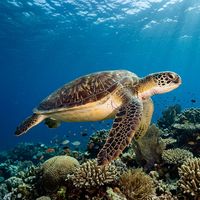
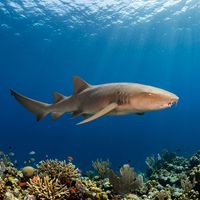
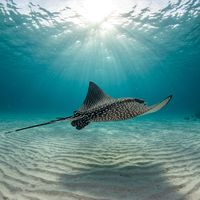
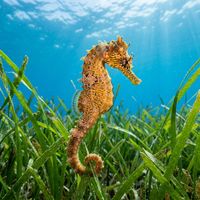
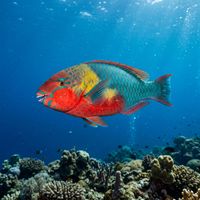
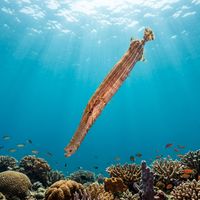
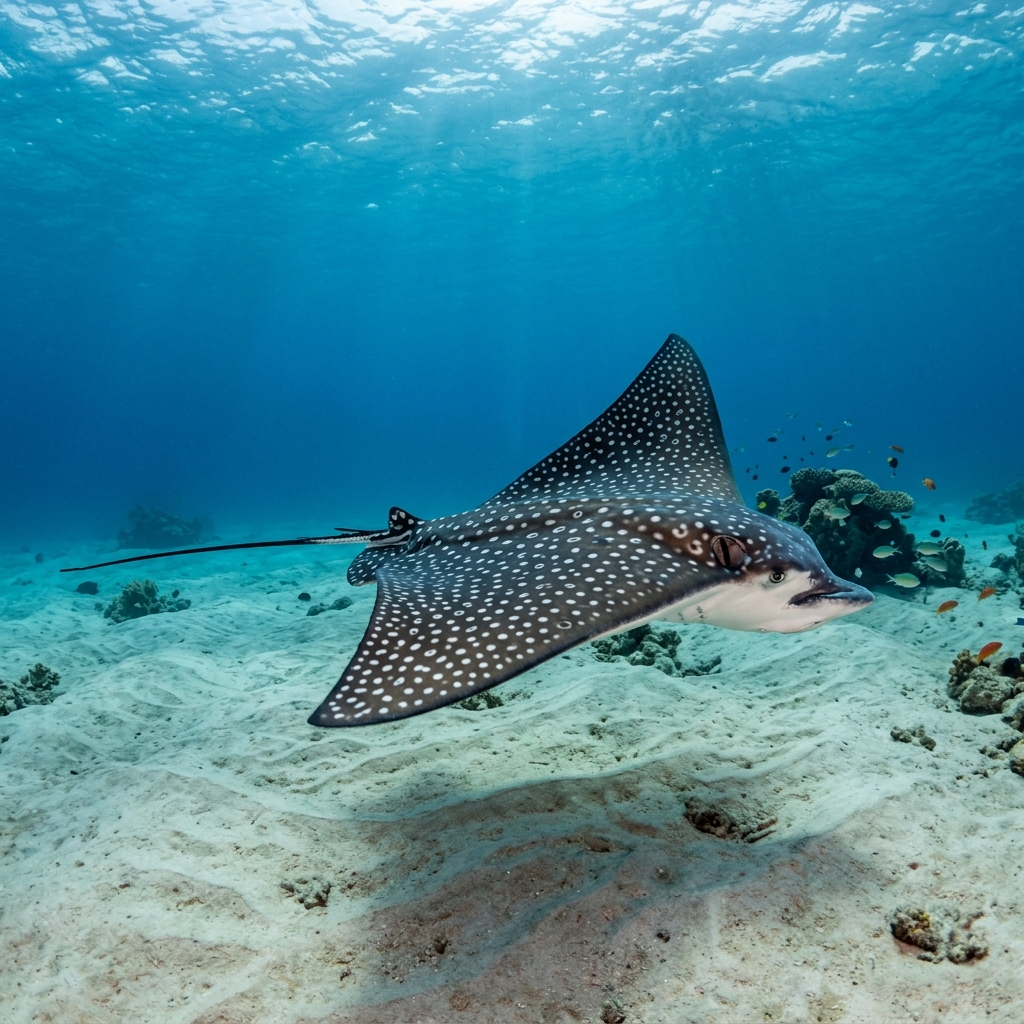
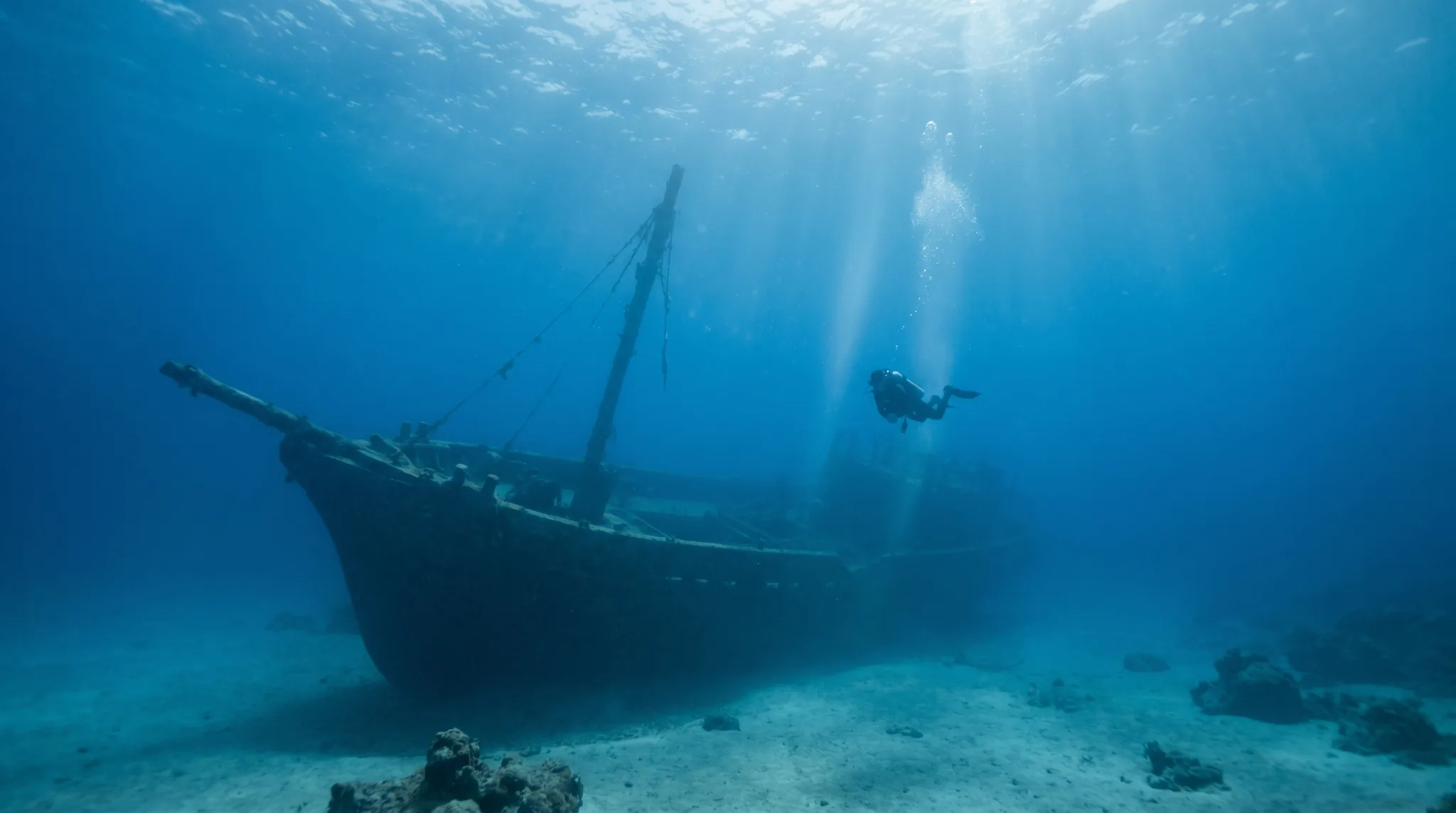
Isla Margarita's diving is anchored by the Los Frailes sub-area, which accounts for nearly all the sites in the region. The site mix spans shallow artificial reefs, dramatic walls, cave passages, and a wreck, giving divers a varied range of profiles from beginner-friendly shallows to deeper intermediate terrain. Green Sea Turtle and Nurse Shark are consistently observed across the sites, while Spotted Eagle Ray appears regularly. Most diving is by boat, though shore entry is possible at select sites. Snorkellers can access the shallower reef structures where the same reef fish and turtle sightings are realistic.
1 areas

Monthly water temperature across Isla Margarita's sites, from satellite sea-surface data corrected for depth. The band shows the site-to-site spread.
Water temperatures remain warm throughout the year, with the coolest months falling between February and April and the warmest period running from late summer into autumn. This comfortable range means no significant cold-season deterrent, though the best-months data points to autumn as the peak for conditions. Most sites are boat-accessed, so surface conditions and any seasonal swell should be factored into planning.
13 operators
Venezuela
Puerto La Cruz, Venezuela
Boca de Uchire, Venezuela
Venezuela
Venezuela
Water temperature around Isla Margarita ranges from about 25°C in February to 29°C in September, based on satellite sea-temperature data for its dive sites.
In the warm season (about 29°C) a rash guard or 3mm shorty is comfortable in Isla Margarita; in the coldest months (about 25°C) step up to a 3mm full suit.
Fin maps 17 sites in Isla Margarita (13 scuba diving sites and 7 snorkelling spots, with some suited to both).
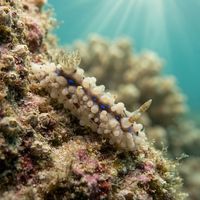
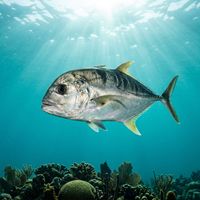
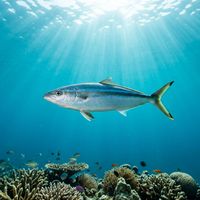
Green Sea Turtle and Nurse Shark are observed very frequently and appear across the full range of sites. Spotted Eagle Ray and Horse Eye Jack are occasional sightings, while Rainbow Runners are also regularly encountered. Less frequent but observed species include Grey Reef Shark, Barracuda, and Bottlenose Dolphin.
Yes. Magnecita at Los Frailes is a shallow site rated for beginners, combining natural reef with artificial structures at very modest depths. Shore entry is available there, removing the need for a boat on that particular dive. Intermediate divers have a wider choice, including wall and cave sites that extend to greater depths.
The majority of dive sites are accessed by boat, which is the only option for deeper reef and wall sites in the Los Frailes area. Shore entry is available at a smaller number of shallower sites, including Magnecita. Snorkellers benefit from the same shallower shore-accessible spots.
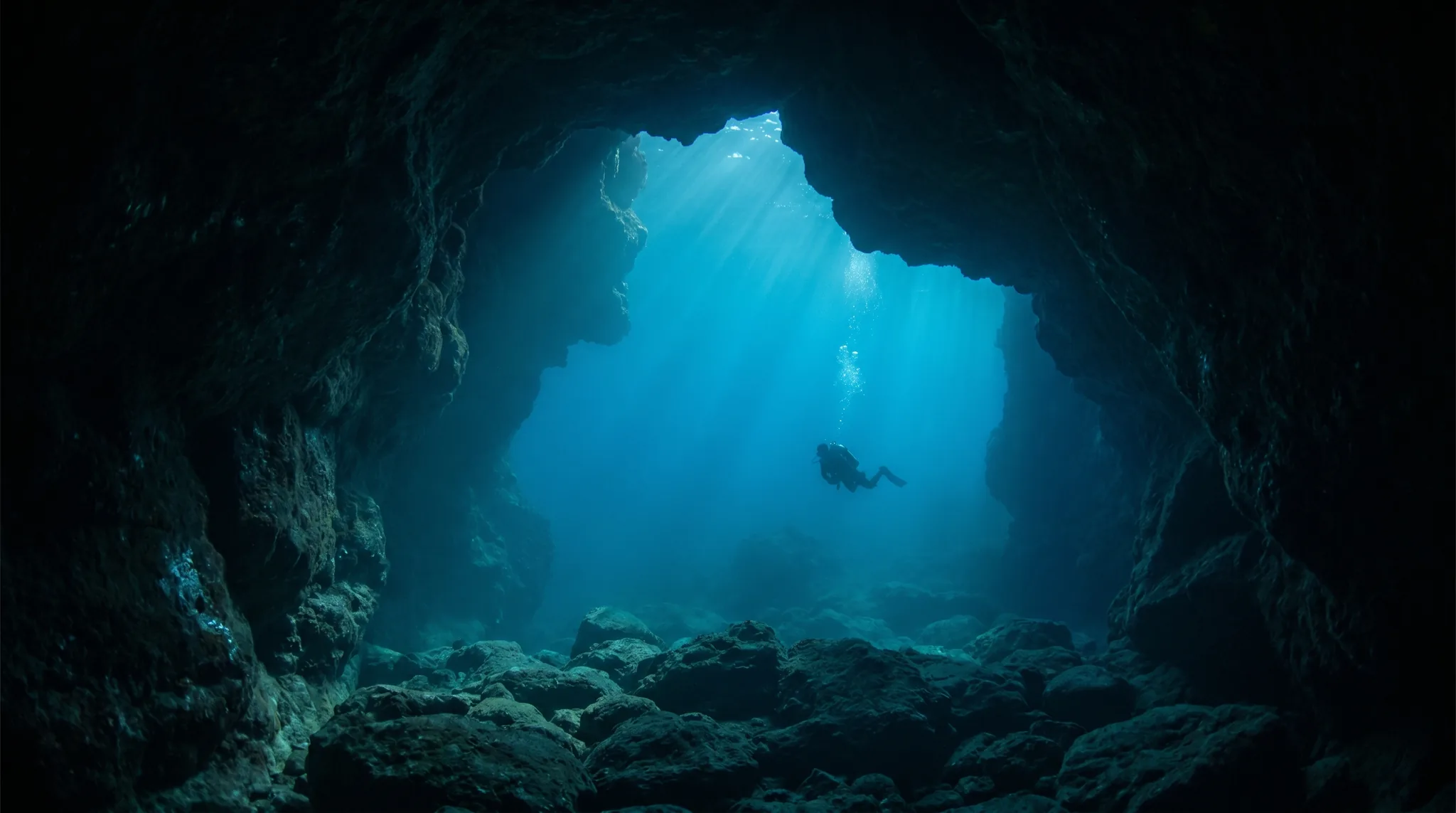
Los Frailes hosts the greatest variety, with sites ranging from shallow artificial reef patches to walls, a cave system at Cominoto el Hoyo, and a wreck at Cubagua. The artificial reefs tend to attract reef fish and provide the most accessible dives, while the walls and cave at Los Frailes offer more challenging topography for intermediate divers.