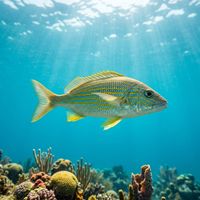
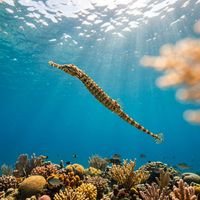
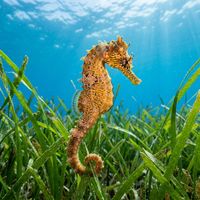
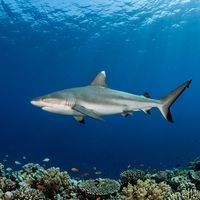
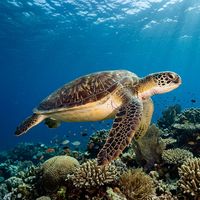
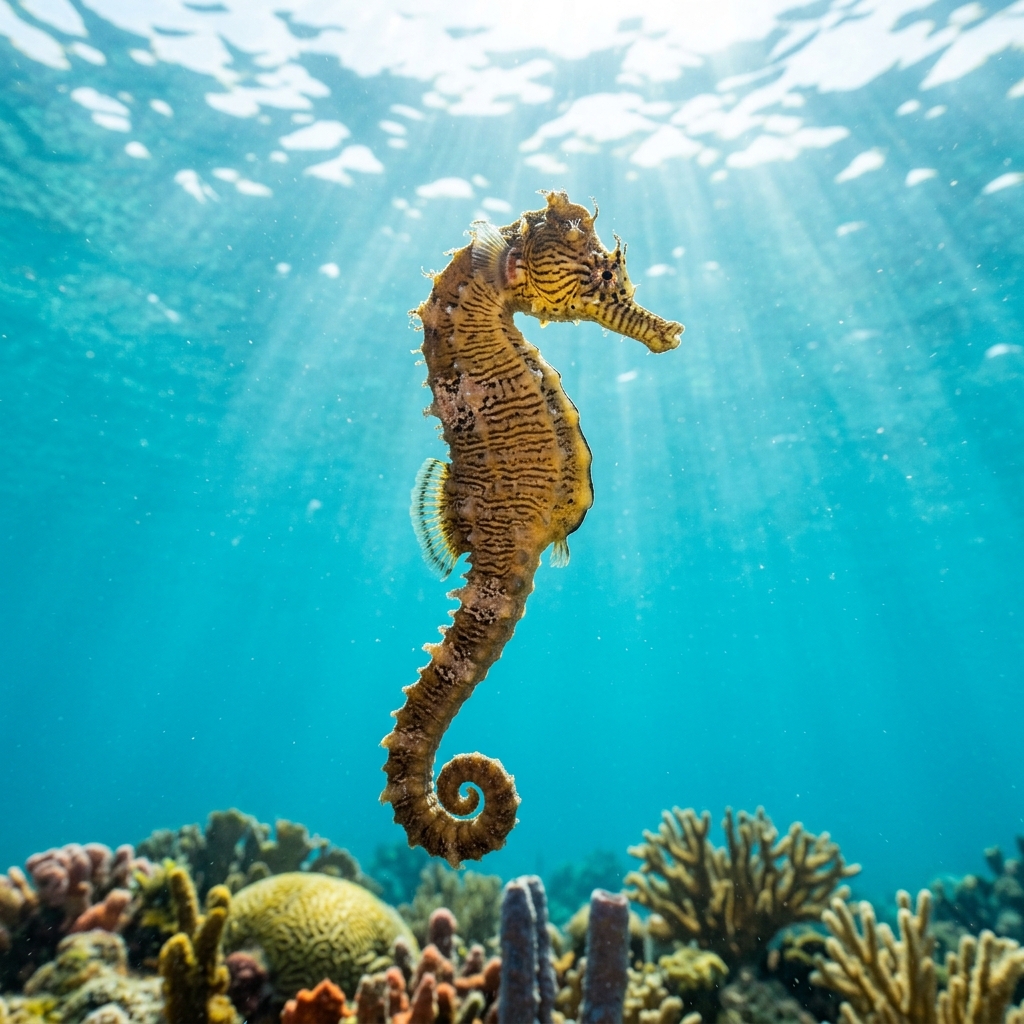
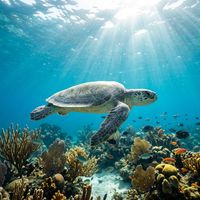
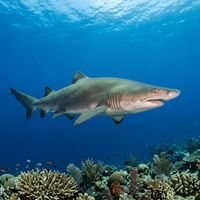
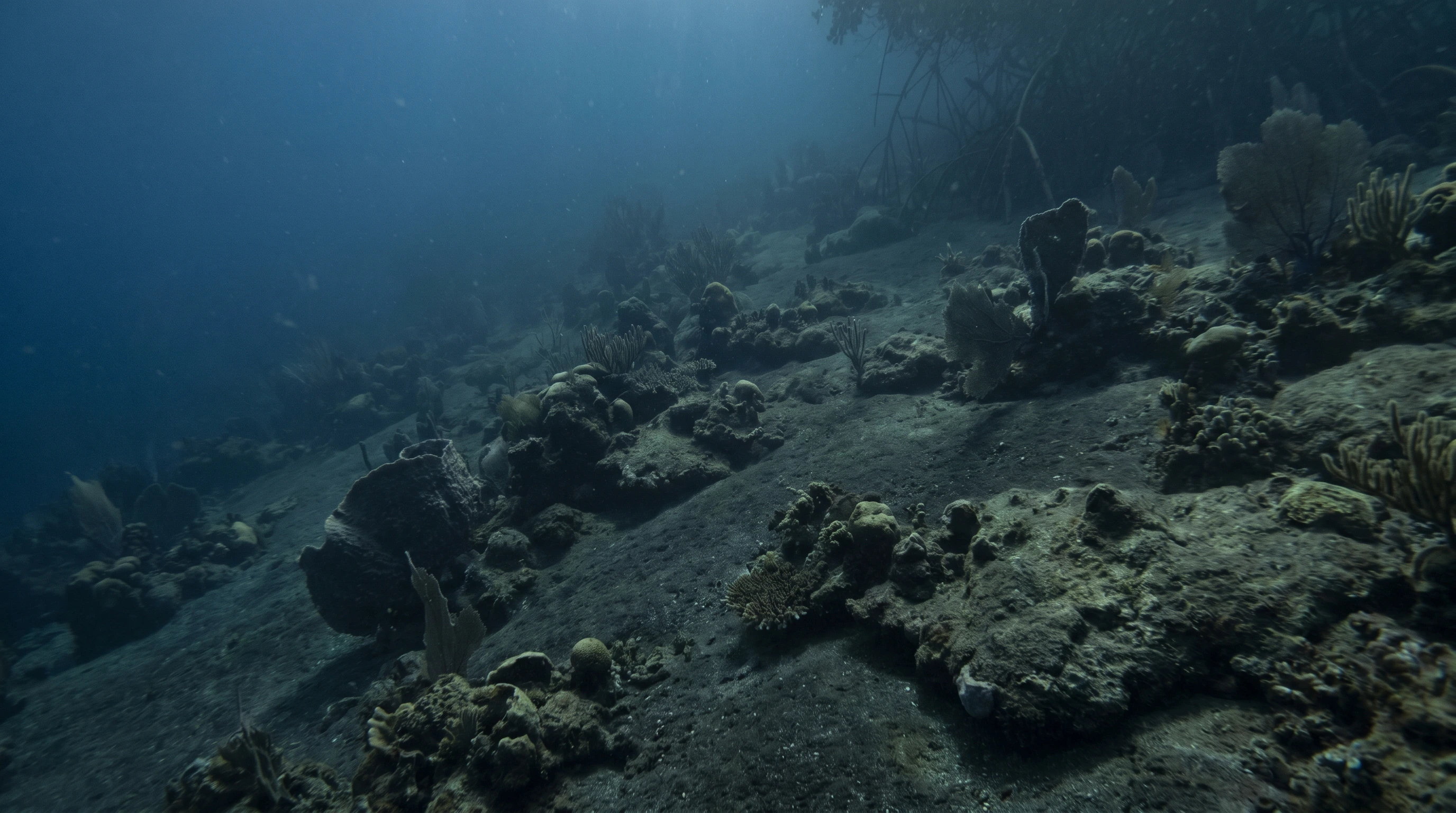
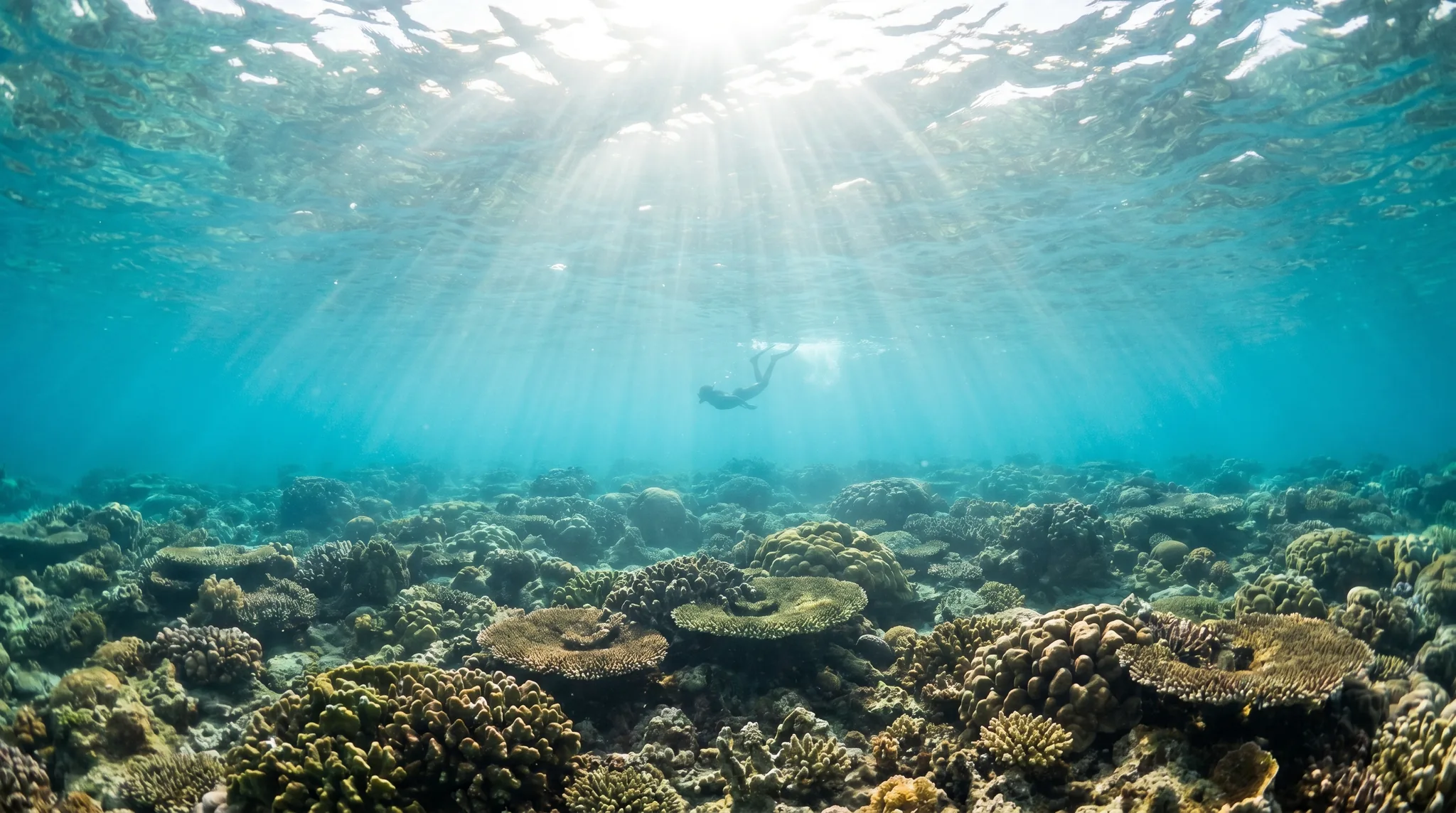
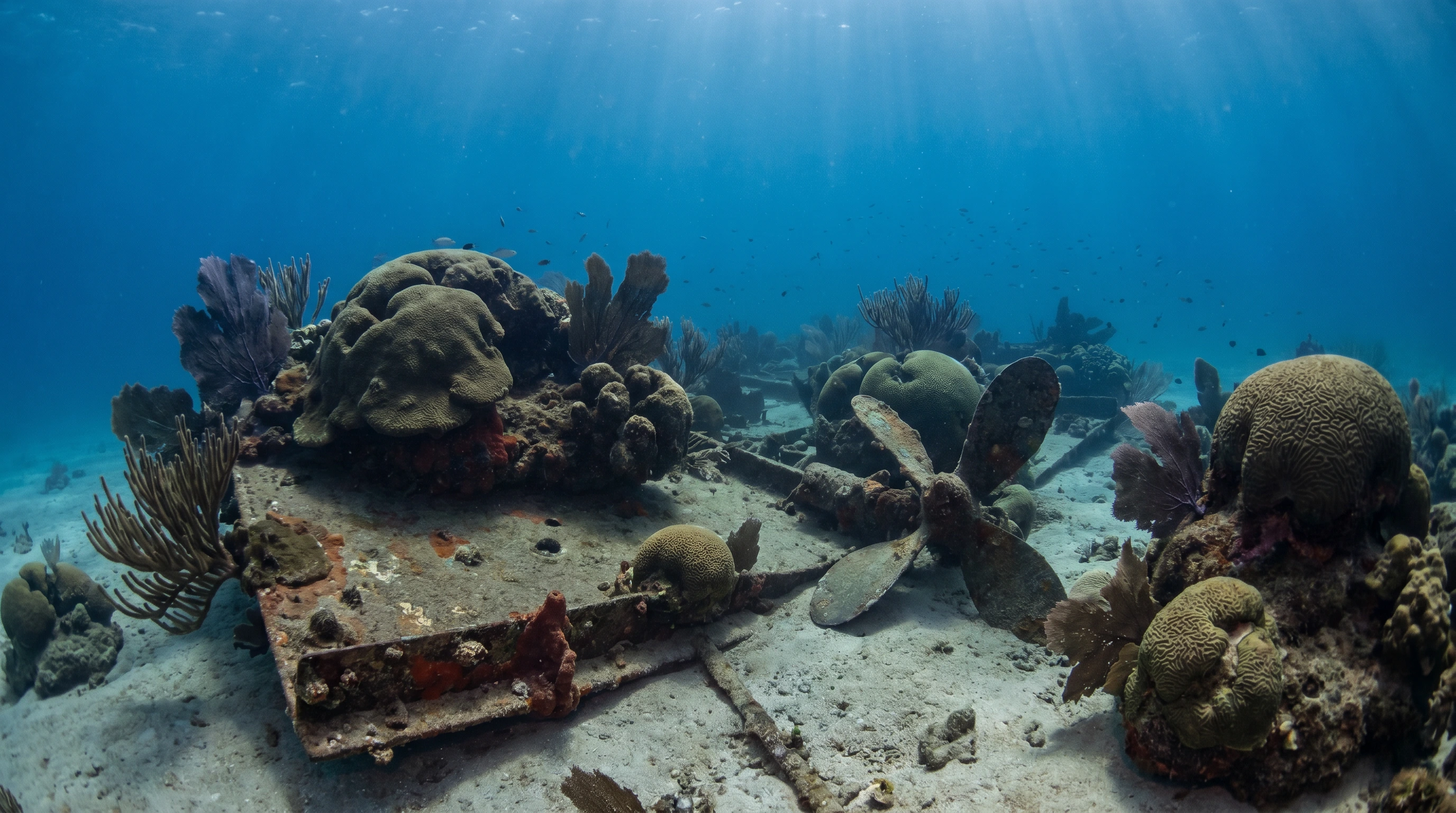
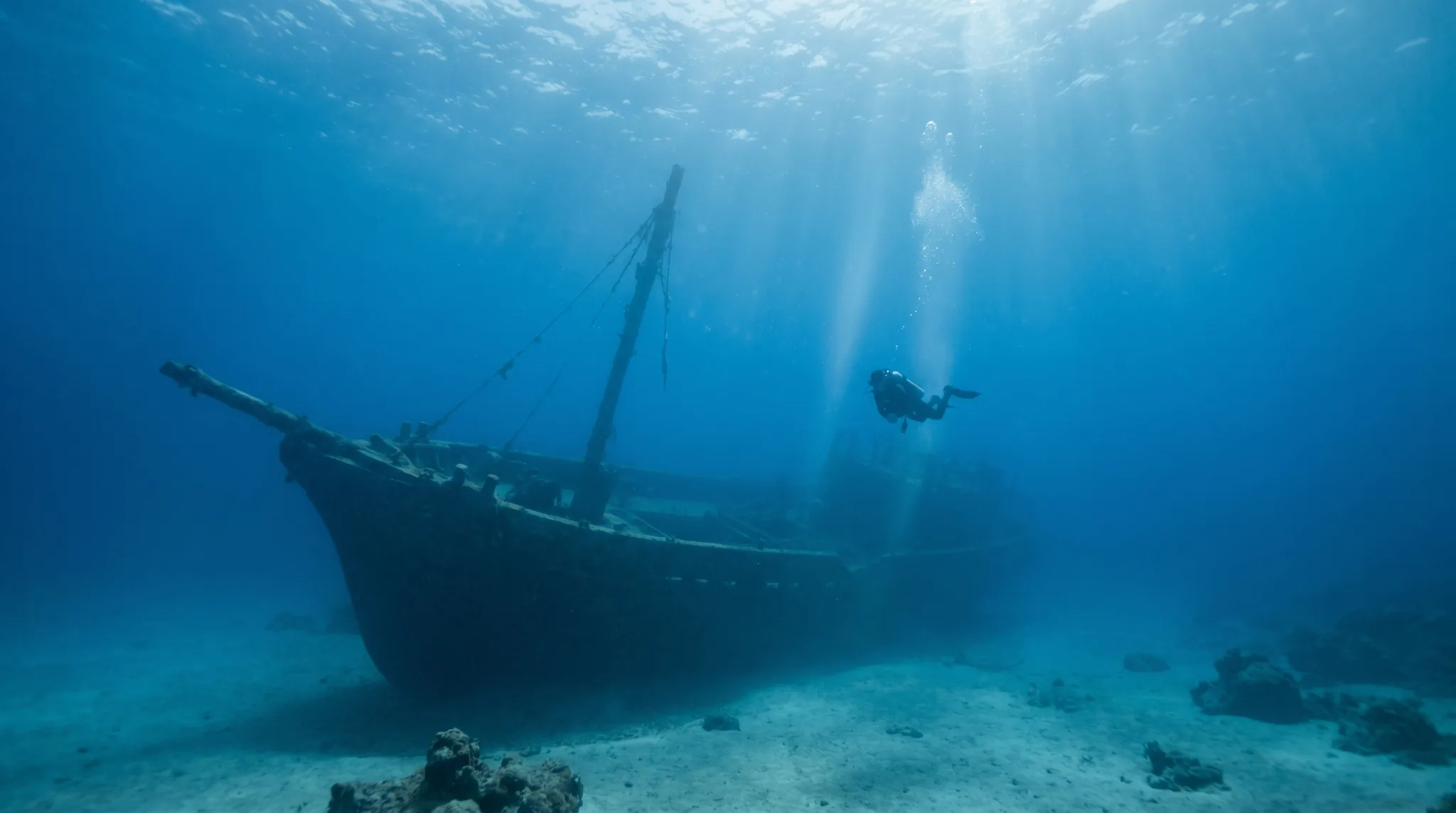
Central Coast Venezuela divides into two distinct sub-areas: the Aragua Coast, which holds the greater share of sites, and Caraballeda, a smaller cluster to the east. Reef diving dominates, with slopes and drop-offs reaching considerable depths at sites such as Punta de Tuja Oeste and Bajo de Chuao. Isla Larga adds wreck interest, combining artificial reef structure with sunken vessels. Skill requirements span the full range, from gentle beginner reefs like Jurelito and El Gran Roque through to demanding deep-wall dives. Observation-backed species include Grunt, Pipefish, Humpback Whale, Seahorse, Grey Reef Shark, and Trumpetfish. All diving is boat-accessed.
2 areas
 10
10Boat-access reefs and a purpose-sunk tugboat wreck along Venezuela's Central Coast, with sites ranging from beginner-friendly shallows to advanced deep walls.
5Central-coast Venezuelan diving with artificial reefs, a purpose-sunk wreck, and warm Caribbean water accessible by boat year-round.
Monthly water temperature across Central Coast's sites, from satellite sea-surface data corrected for depth. The band shows the site-to-site spread.
Water temperature stays warm throughout the year, dipping only slightly in the early months before rising to its peak in late summer and autumn. This consistent warmth, combined with the histogram showing all months rated equally, means Central Coast diving is viable year-round without a distinct off-season. Visibility can vary considerably, so conditions at individual sites are worth checking with local operators before heading out.
41 operators
El Cafetal, Venezuela
Baruta, Venezuela
Water temperature around Central Coast ranges from about 25°C in February to 29°C in September, based on satellite sea-temperature data for its dive sites.
In the warm season (about 29°C) a rash guard or 3mm shorty is comfortable in Central Coast; in the coldest months (about 25°C) step up to a 3mm full suit.
Fin maps 16 sites in Central Coast (16 scuba diving sites and 1 snorkelling spots, with some suited to both), organised into 2 areas.
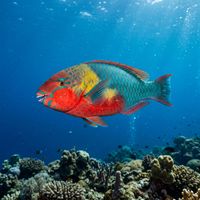
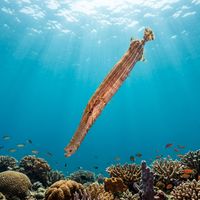
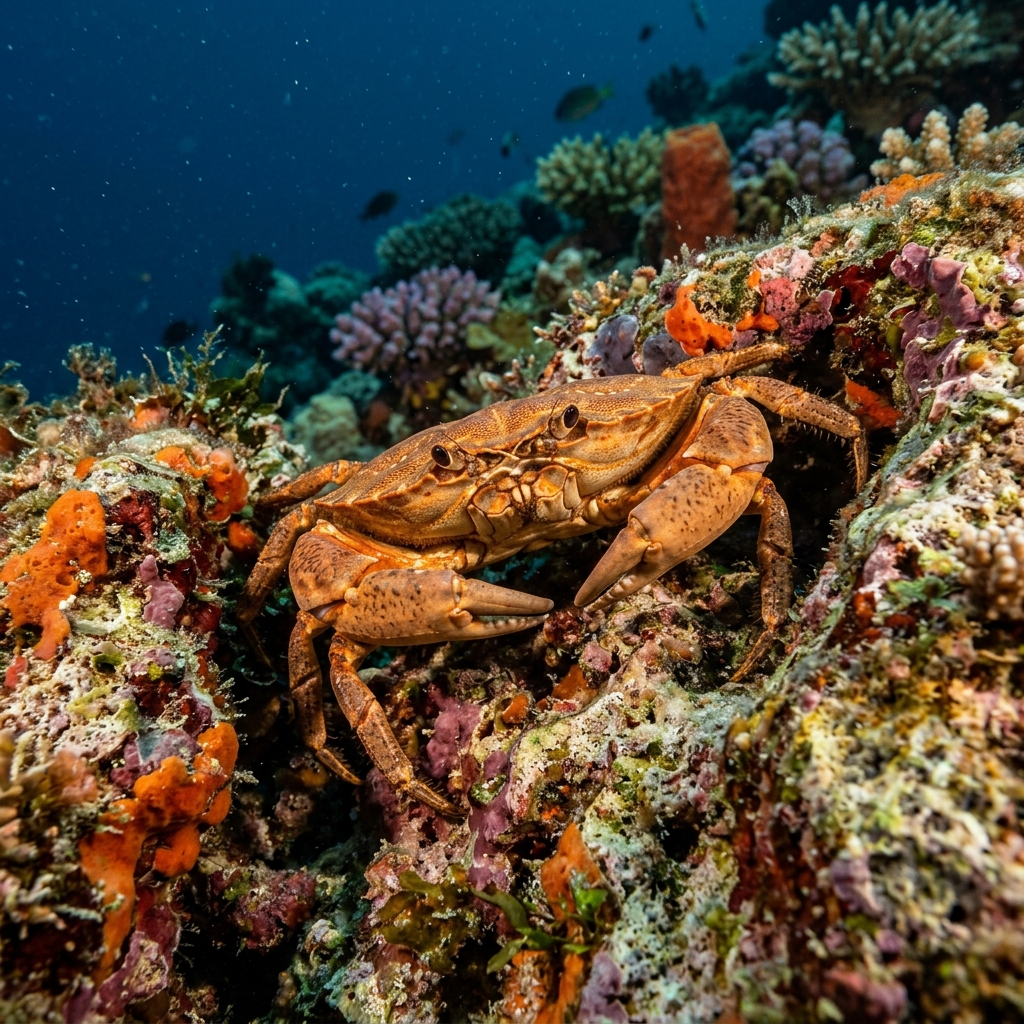
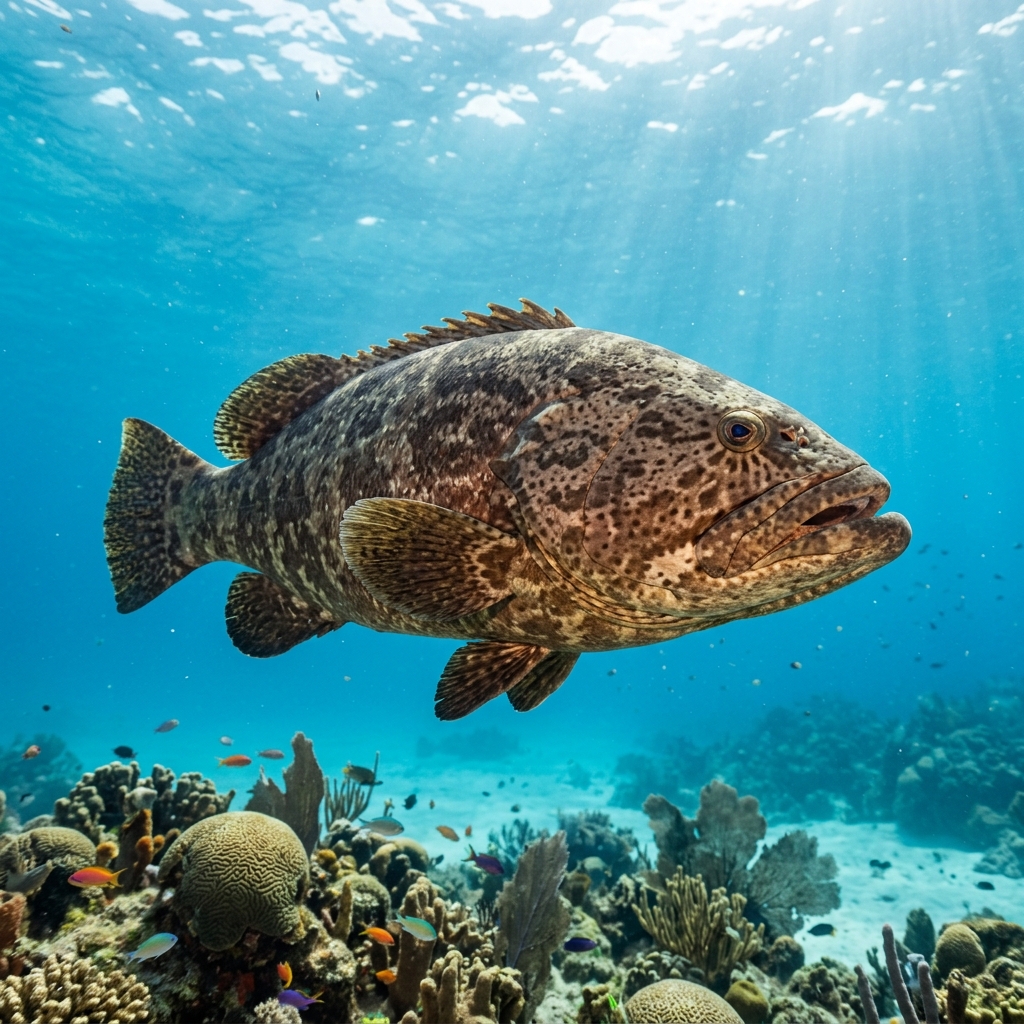
Observation-backed sightings include Grunt, which is very common across sites, and Pipefish, recorded at the majority of sites. Less frequent but confirmed sightings include Humpback Whale, Seahorse, Grey Reef Shark, European Parrotfish, Trumpetfish, and Crab. The full species list for the region is extensive, giving divers a broad range of possible encounters across reef and wreck environments.
Yes, a good portion of the sites are rated for beginners. Jurelito offers mild currents and moderate depths, while El Gran Roque is an upright tugboat wreck on a sandy bottom that makes a welcoming introduction to wreck diving. Bajo de Canaveral is also listed as a beginner site. More experienced divers have plenty to progress to, including advanced deep-wall sites and the mixed reef and wreck diving at Isla Larga.
The Aragua Coast holds the larger number of sites and includes some of the deeper, more exposed dives such as Punta de Tuja Oeste and Bajo de Chuao. Caraballeda is a smaller cluster with sites like Caribe Soy and Cayo Sal. Both sub-areas are served by boat access, and several operators based along the Central Coast run trips to both.
There are numerous operators active in the region, including Xprodiver, Buceo y Rescate, Scubatec, Scubafoto, ECO-Diver, Orcas Dive Shop, Puchitosdive, Respirando Bajo el Agua, Pilardive, and La Casa del Buceo. This range of operators means divers can find options suited to different experience levels and areas of interest, from reef exploration to wreck diving.