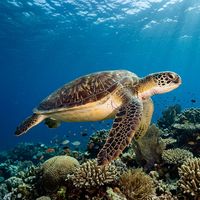
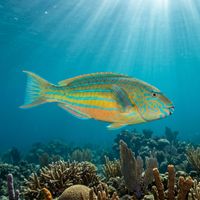
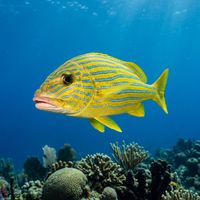
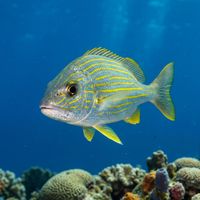
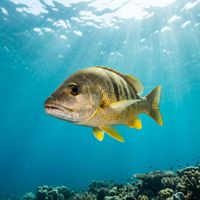
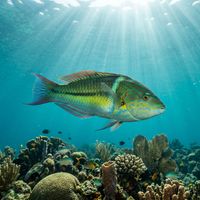
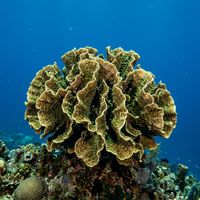
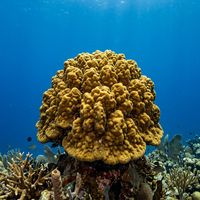
Morrocoy National Park's underwater character is shaped by a scatter of reef-fringed cays, all reached by boat, where coral formations shelter an exceptionally consistent cast of fish life. Green Sea Turtle is the signature presence, observed reliably across sites. Schoolmaster Snapper, Bluestriped Grunt, French Grunt and Striped Parrotfish form dense reef communities over Lettuce Coral and Mustard Hill Coral. Most sites suit beginners, though Cayo Norte steps up to advanced terrain. Cayo Medio adds a wreck element to its reef, while Sombrero and Cayo Sombrero serve both divers and snorkellers. Water stays warm throughout the year.
Monthly water temperature across Morrocoy National Park's sites, from satellite sea-surface data corrected for depth. The band shows the site-to-site spread.
Water temperatures remain warm year-round, running slightly cooler in the early months before peaking from late summer into autumn. The best-months data points most strongly to January, February, December and the late-year window, suggesting calmer or clearer conditions outside the mid-year period. All sites are boat-access, so surface conditions between cays are worth checking with local operators before departure.
4 more sites to explore
Water temperature around Morrocoy National Park ranges from about 26°C in February to 29°C in August, based on satellite sea-temperature data for its dive sites.
In the warm season (about 29°C) a rash guard or 3mm shorty is comfortable in Morrocoy National Park; in the coldest months (about 26°C) step up to a 3mm full suit.
Fin maps 11 sites in Morrocoy National Park (8 scuba diving sites and 6 snorkelling spots, with some suited to both).
Across Morrocoy National Park's dive sites, January, February, March, April and December are most often reported as the best months to visit.
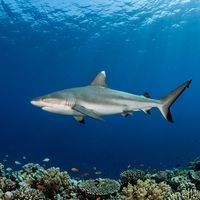
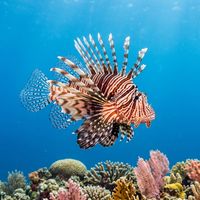
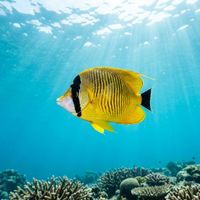
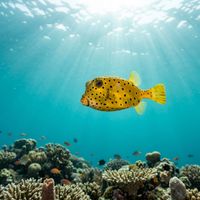
Observation-backed species include Green Sea Turtle, Striped Parrotfish, Bluestriped Grunt, French Grunt, Schoolmaster Snapper and Slippery Dick, all recorded as very common across the sites. Lettuce Coral and Mustard Hill Coral form the dominant reef structure. Grey Reef Shark, Lionfish, Foureye Butterfly Fish and Boxfish have also been observed, though at fewer sites.
The majority of dive sites here are rated for beginners, including Cayo Pescadores, Sombrero, Playuelita, Cayo Medio, Cayo Sur and Cayo Sombrero. Cayo Norte is the exception, classified as advanced and featuring a mix of coral and sandy-bottom terrain. Beginners have a wide choice of reef dives at comfortable depths.
Almost all sites require a boat transfer, which is the norm across the park's cay system. Cayo Sur is the one site in the data listed with shore entry, making it a practical option for those who prefer to avoid boat logistics. For everything else, arranging a trip with one of the local operators is the standard approach.
Reef diving dominates, with coral formations present at nearly every site. Cayo Medio adds variety by combining a reef environment with a small wreck, giving it a dual character worth seeking out. Depth ranges vary noticeably across the sites, from shallower reef tops accessible to snorkellers through to deeper reef slopes suited to more experienced divers.