Centropristis striata
Chunky, spiny-finned reef fish common in the Northeast US year-round in waters from 11 to 25C. Here's how to spot one on the wreck or reef.
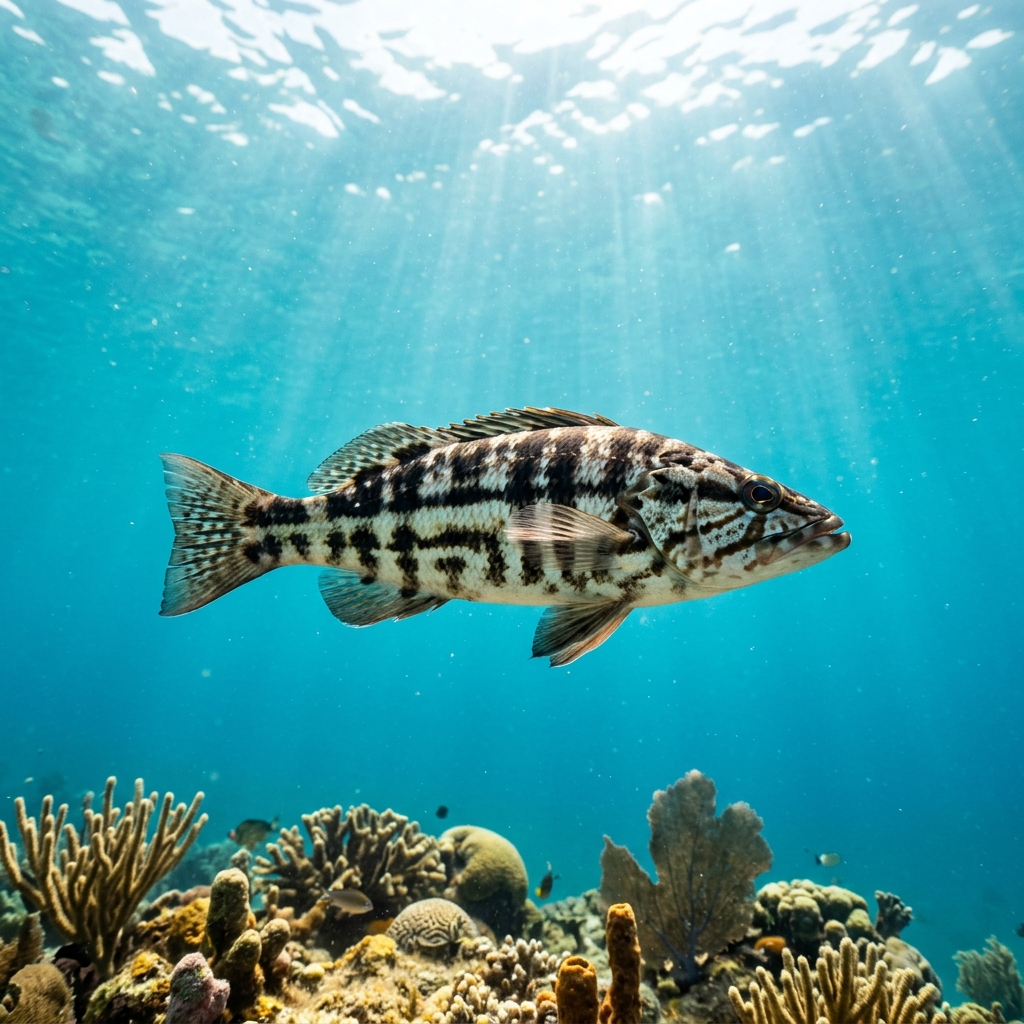
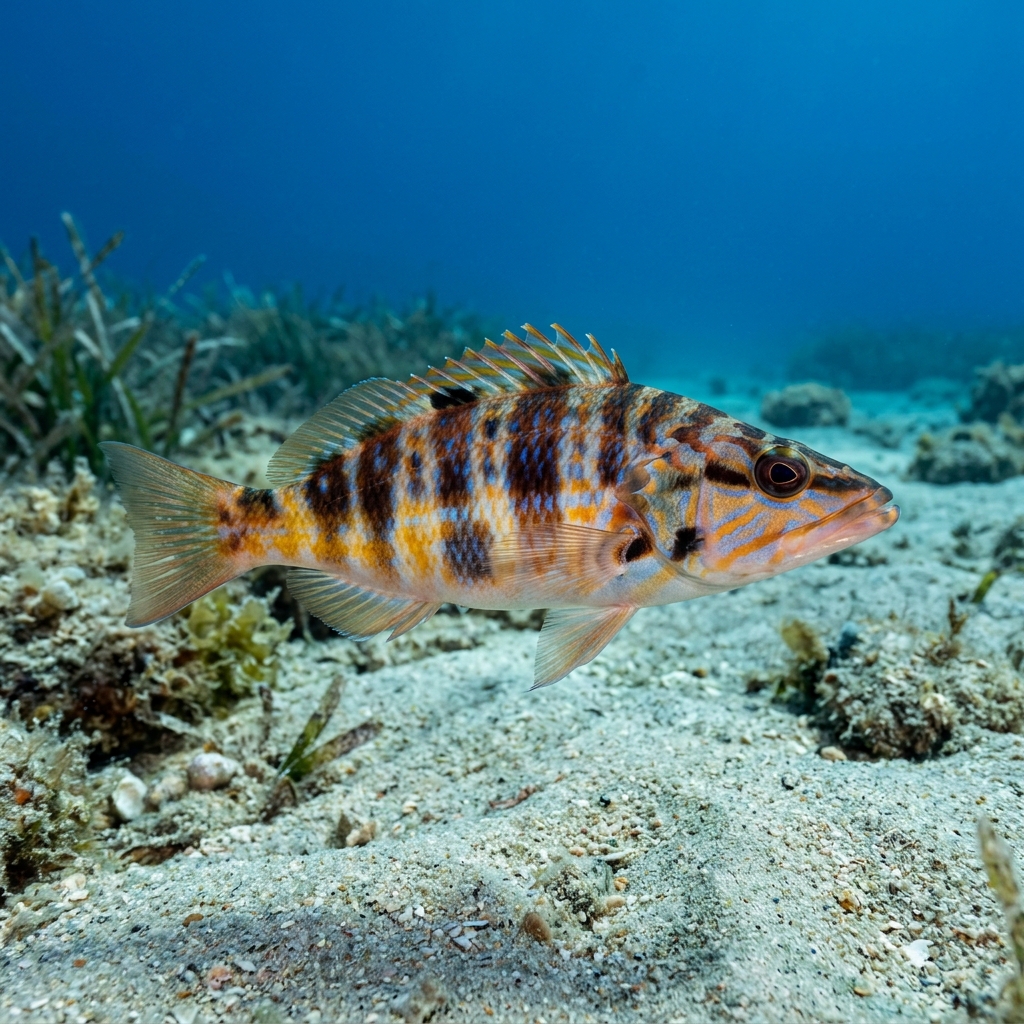
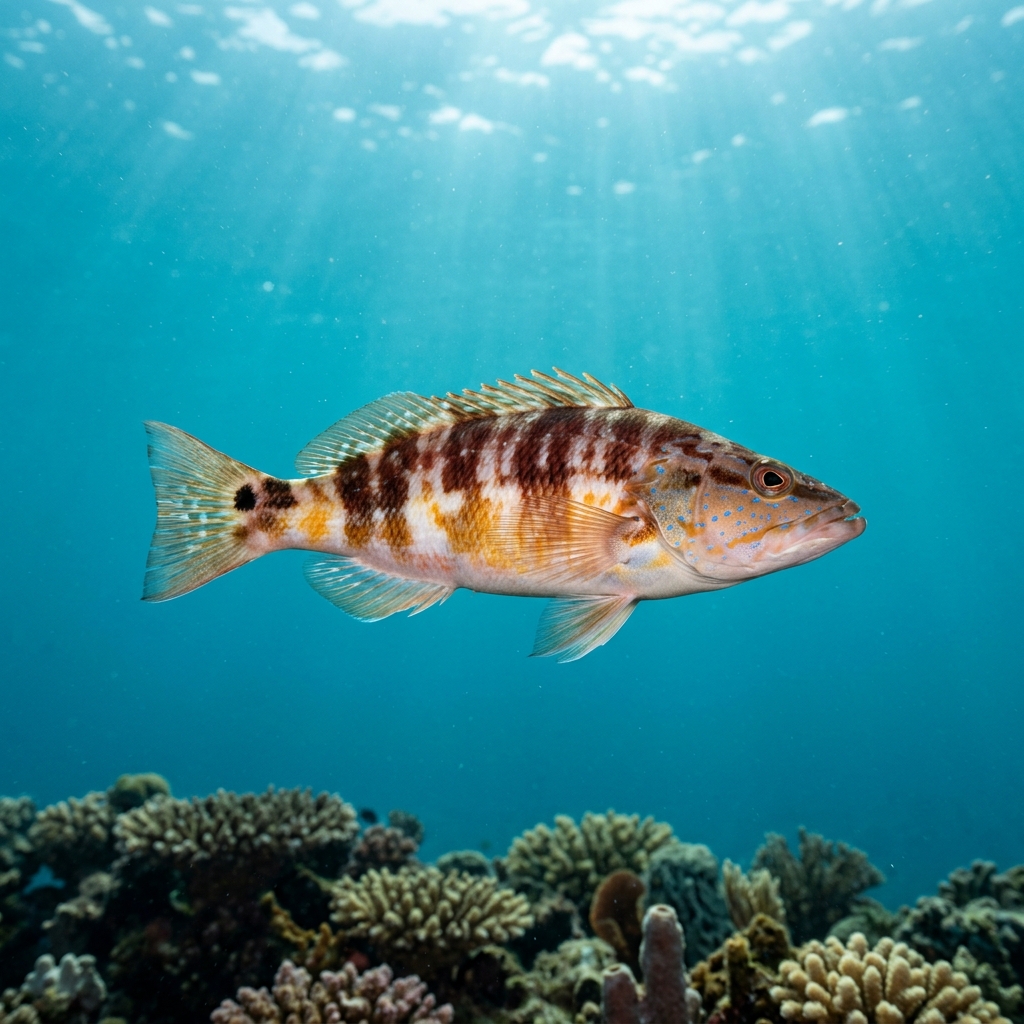
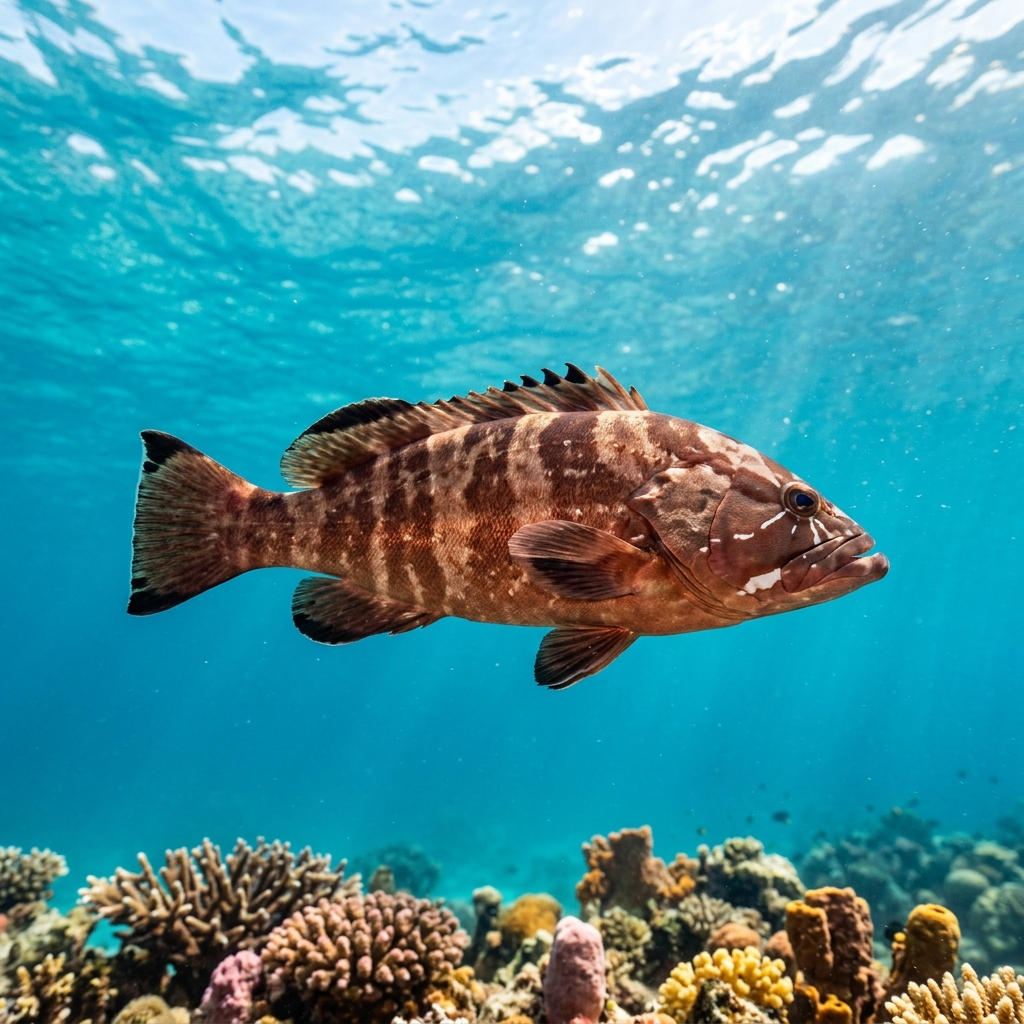
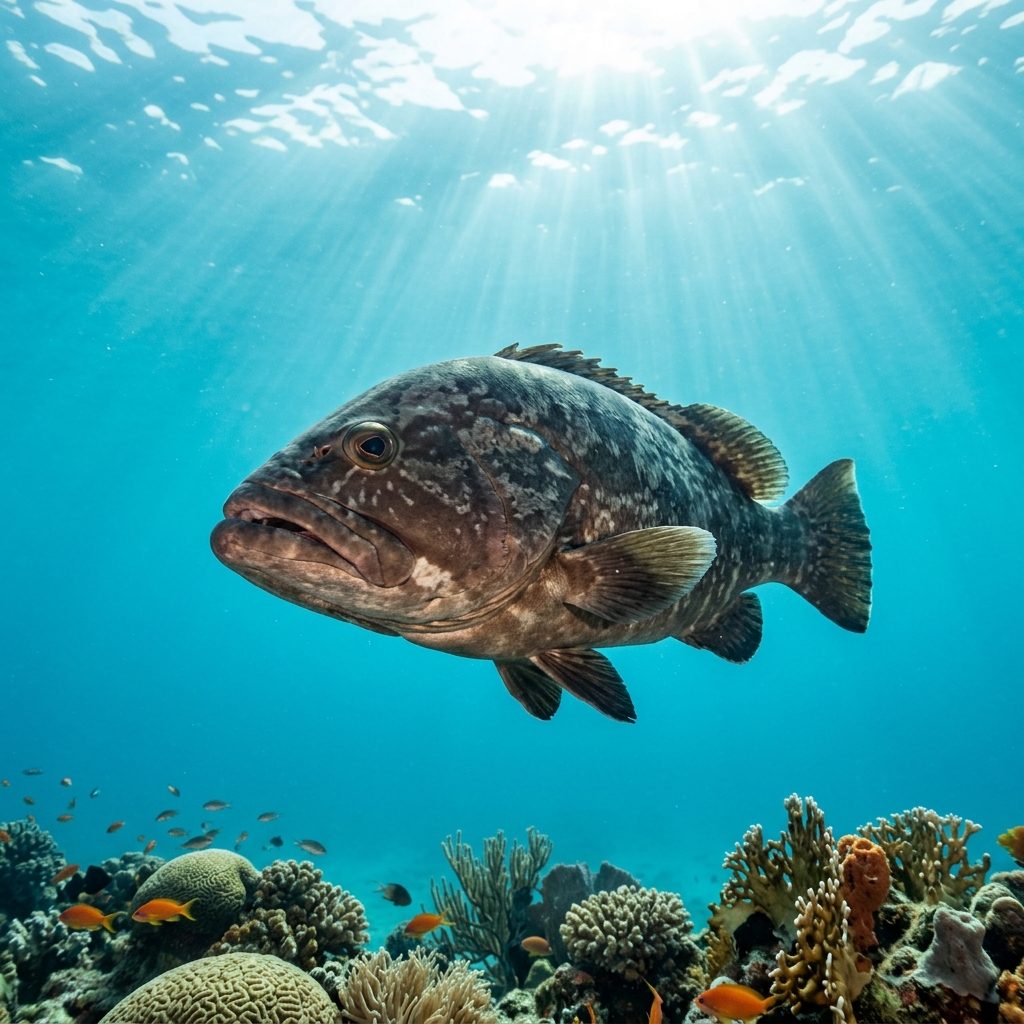
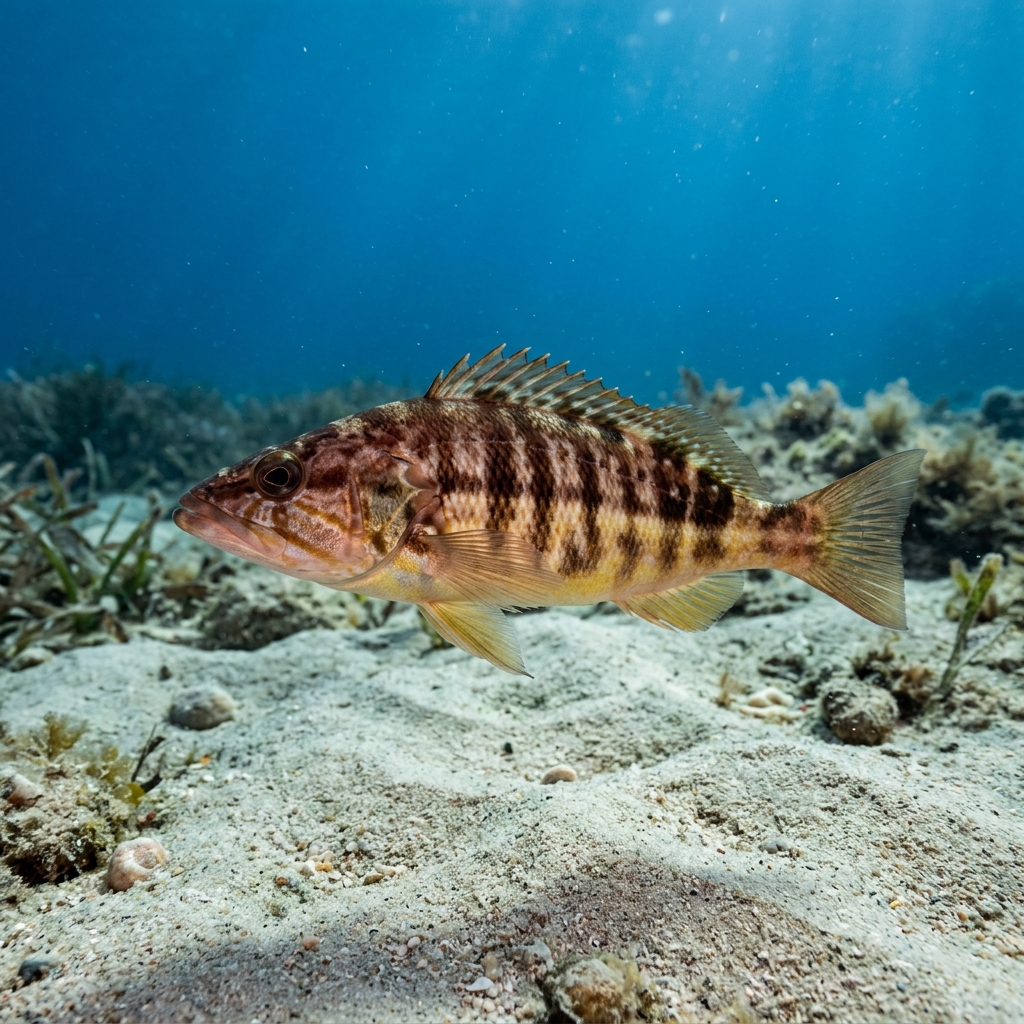
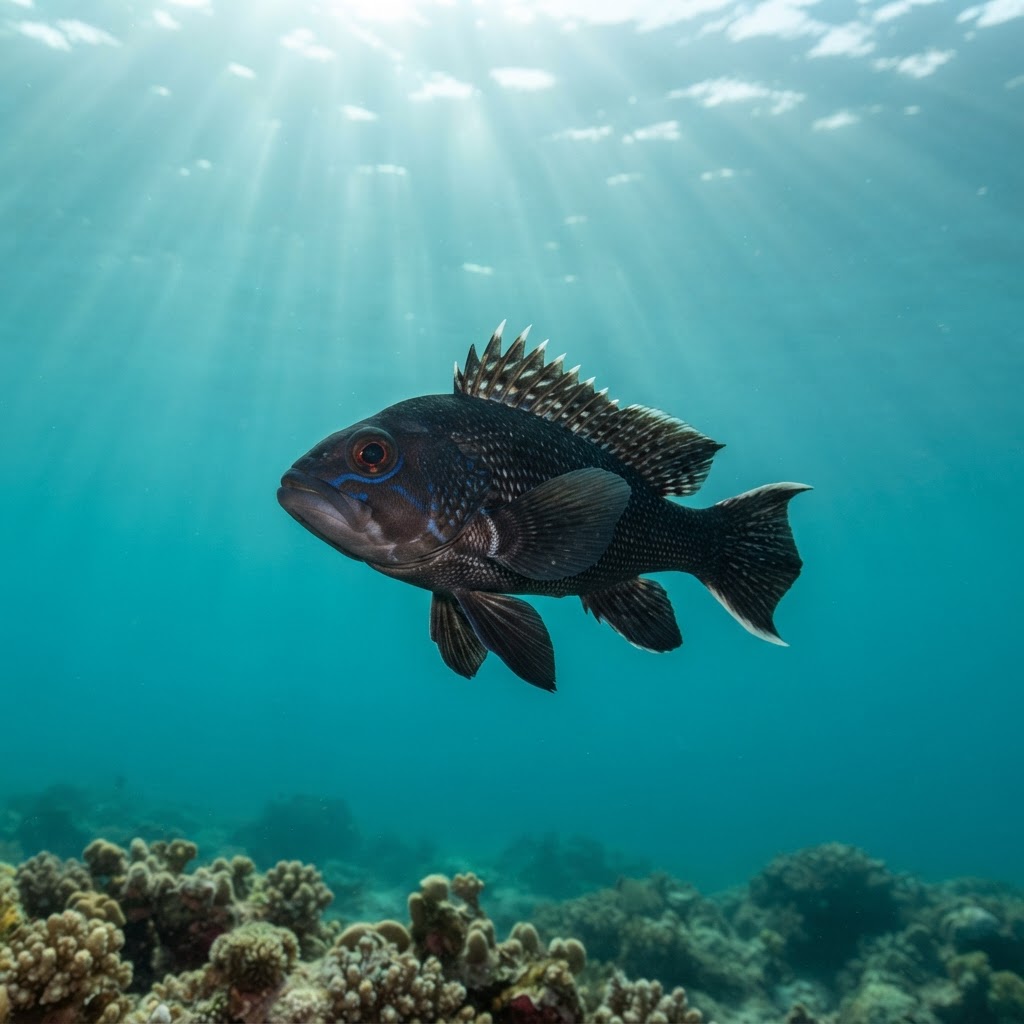
A stocky, humpbacked fish with a large spiny dorsal fin and a body that runs from dusky grey to almost black, mottled with lighter blotches along the sides. Adults top out around 46 cm and often have a slightly upturned snout and a squared-off tail. Males in breeding condition can develop a noticeable bump on the forehead, a detail worth glancing for if you spot one guarding a patch of structure.
Expect to find one tucked close to structure, hovering near wrecks, rocky outcrops or reef ledges rather than out in open water. They're generally unbothered by divers, holding their position or making short retreats into cover rather than bolting, which makes for an easy, patient look if you approach slowly. Most sightings in the data run rare to uncommon at any given site, so a calm scan of ledges and wreck superstructure is the best way to turn one up.
Many individuals start life as females and later transition to males, a trait that shows up in that forehead bump on larger fish holding territory.
Sightings show no strong seasonal pattern in the data, and the species tolerates a wide range from about 11 to 25C, so divers log it across the year in US waters. Warmer months likely bring more into shallow, diveable depth as they move inshore, but there's no confirmed peak season to bank on.
Most reliably logged along the Northeast United States, with additional sightings off Florida and the Carolinas. Wrecks, rocky ledges and reef structure in these regions are the go-to spots for finding one.
Mapping where Black Sea Bass is logged…
They're most consistently found along the Northeast United States, with further sightings off Florida and the Carolinas. Look for them around wrecks, rocky ledges and reef structure rather than open sand.
There's no clear seasonal pattern in sighting data, and they tolerate temperatures from about 11 to 25C, so they can turn up year-round. Warmer months may bring more into shallower, easily dived depths.
Look for a stocky, humpbacked body in dusky grey to black with mottled lighter patches, a spiny dorsal fin, and a squared tail. Large males often show a small bump on the forehead.
They typically reach around 46 cm in length, making them a medium-sized reef and wreck fish rather than a giant.
No, they pose no danger to divers and typically hold near structure or retreat slightly rather than react aggressively.
Many start life as females and later change sex to become males, often developing a visible bump on the forehead once they do.
Site and sighting data is aggregated from diver logs, iNaturalist and GBIF. For taxonomy and conservation status:
Blacktip Grouper
2,726 sites