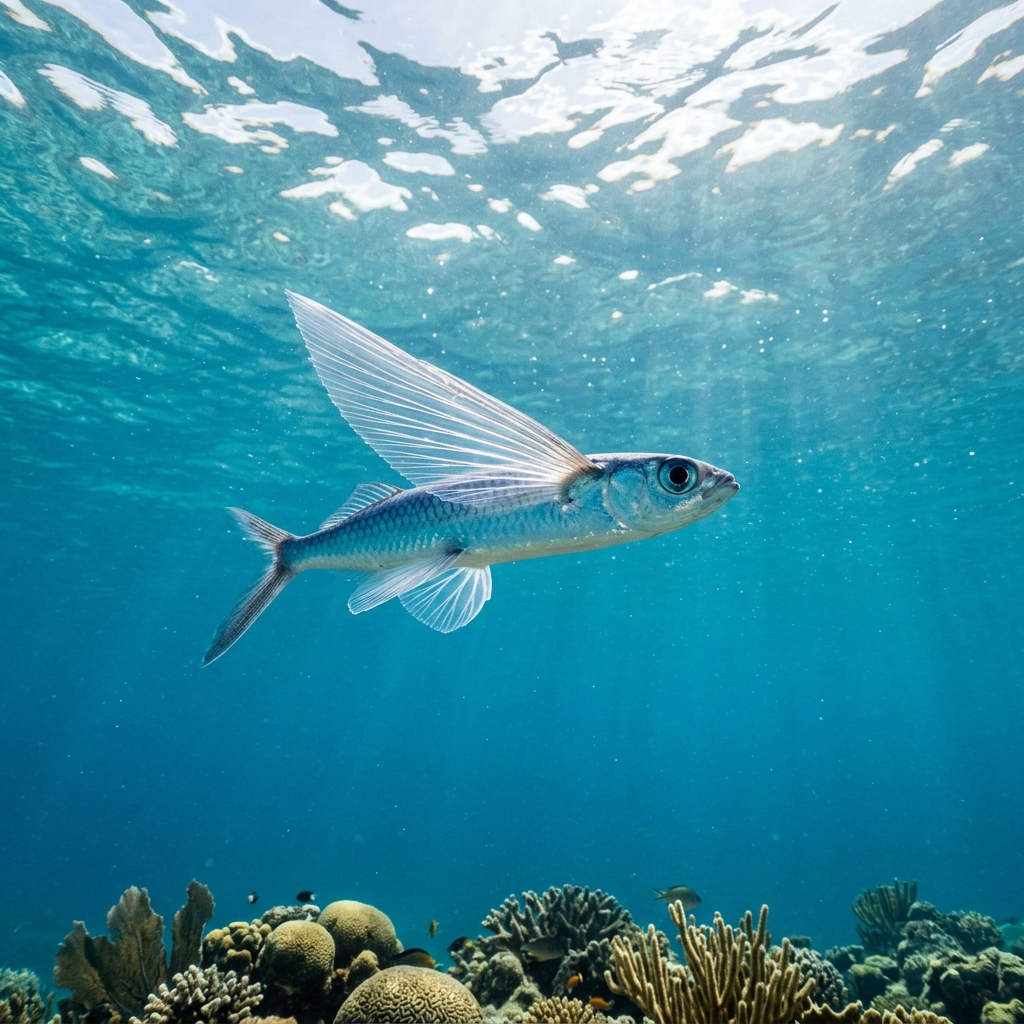
Pomatomidae spp.
Blue fish are most logged across the Mediterranean, from Greece to Croatia, in cooler waters of 16 to 23 °C. Find the best dive sites and when to go.
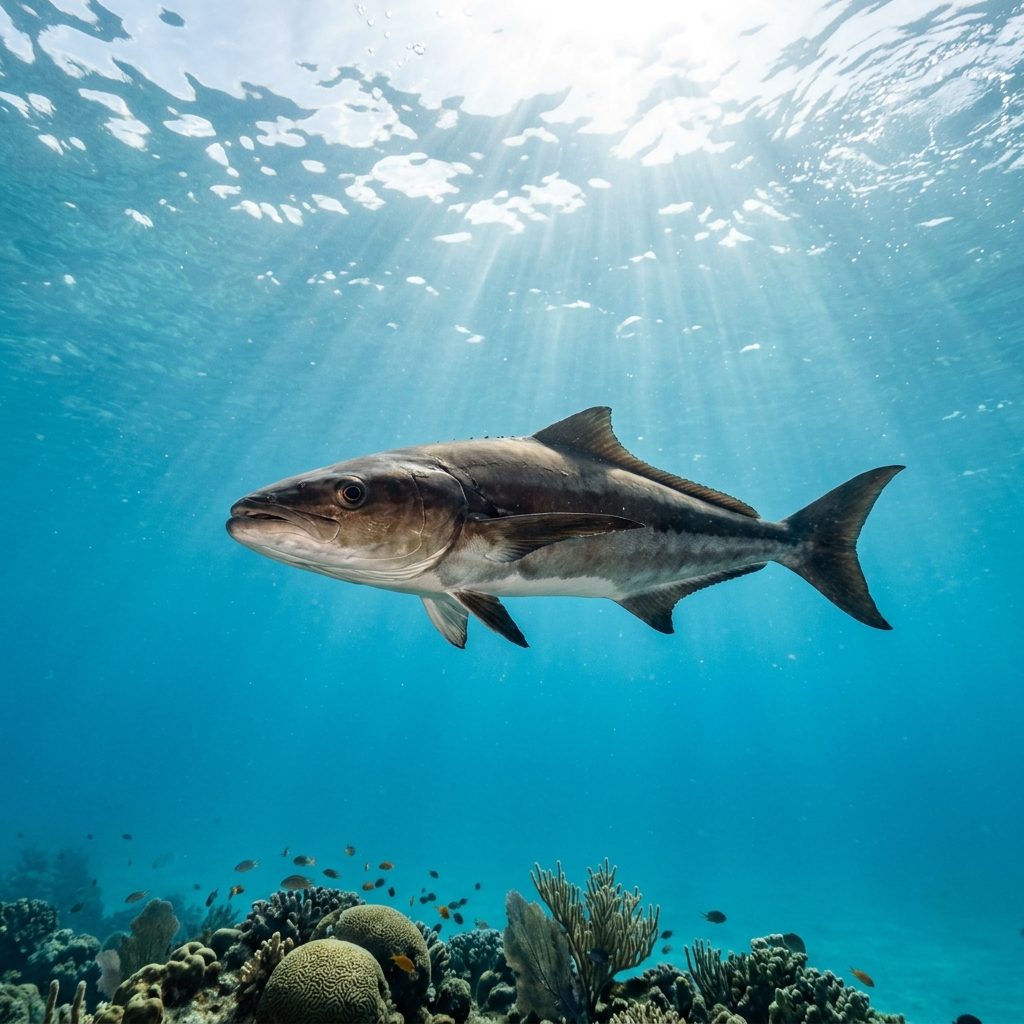
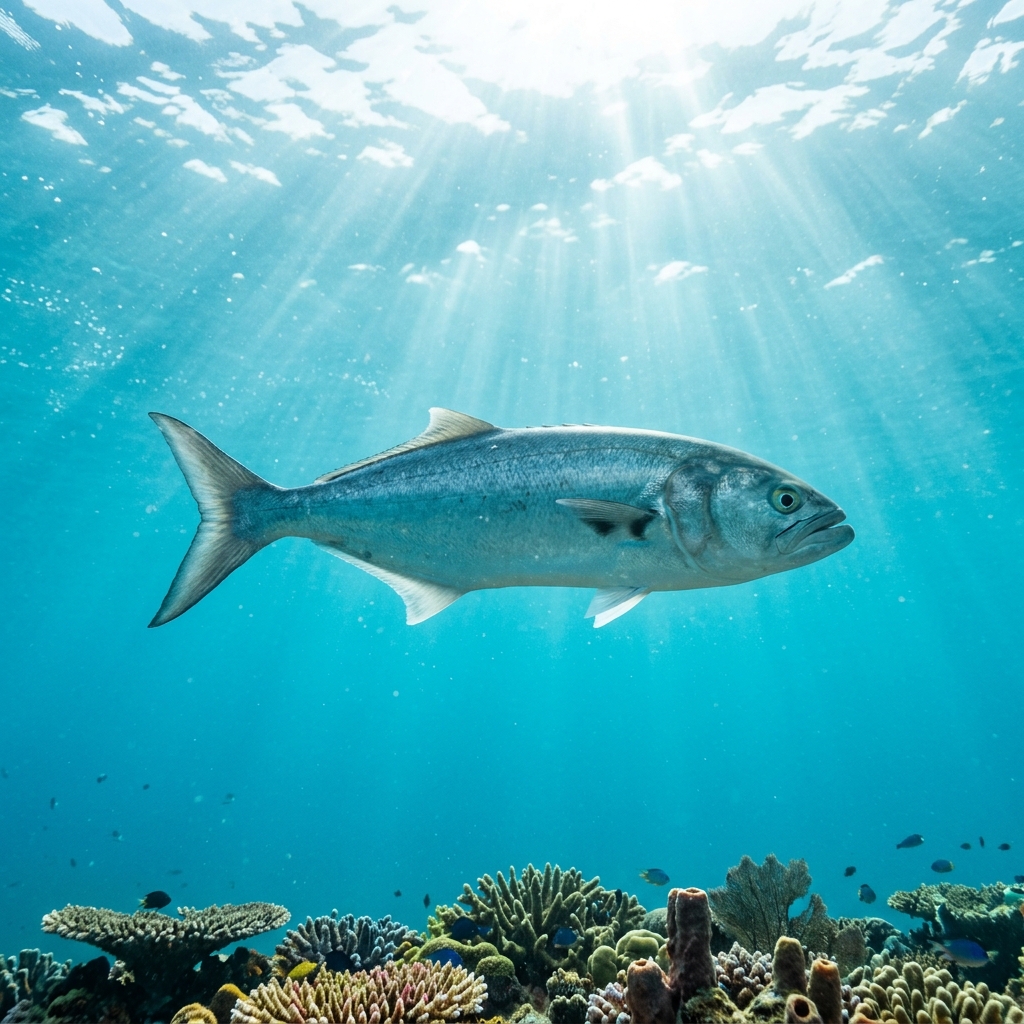
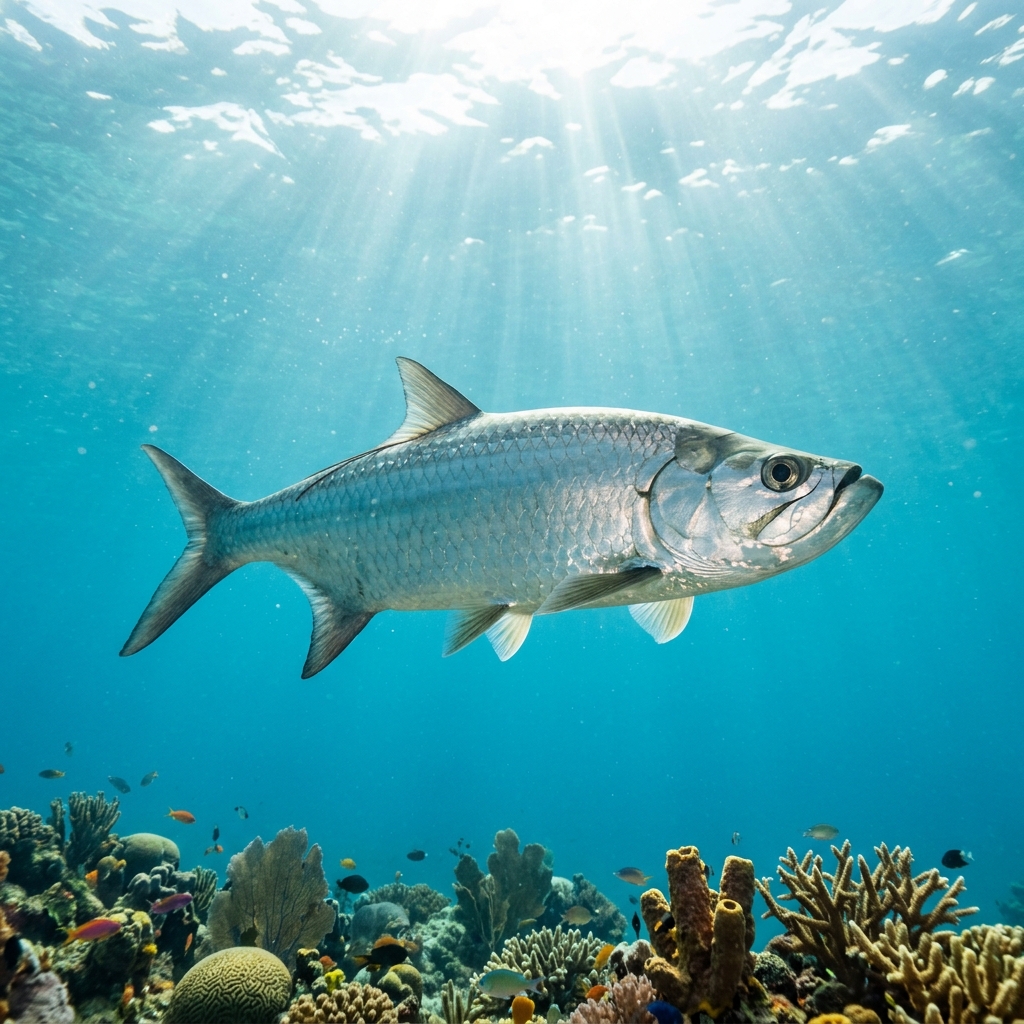
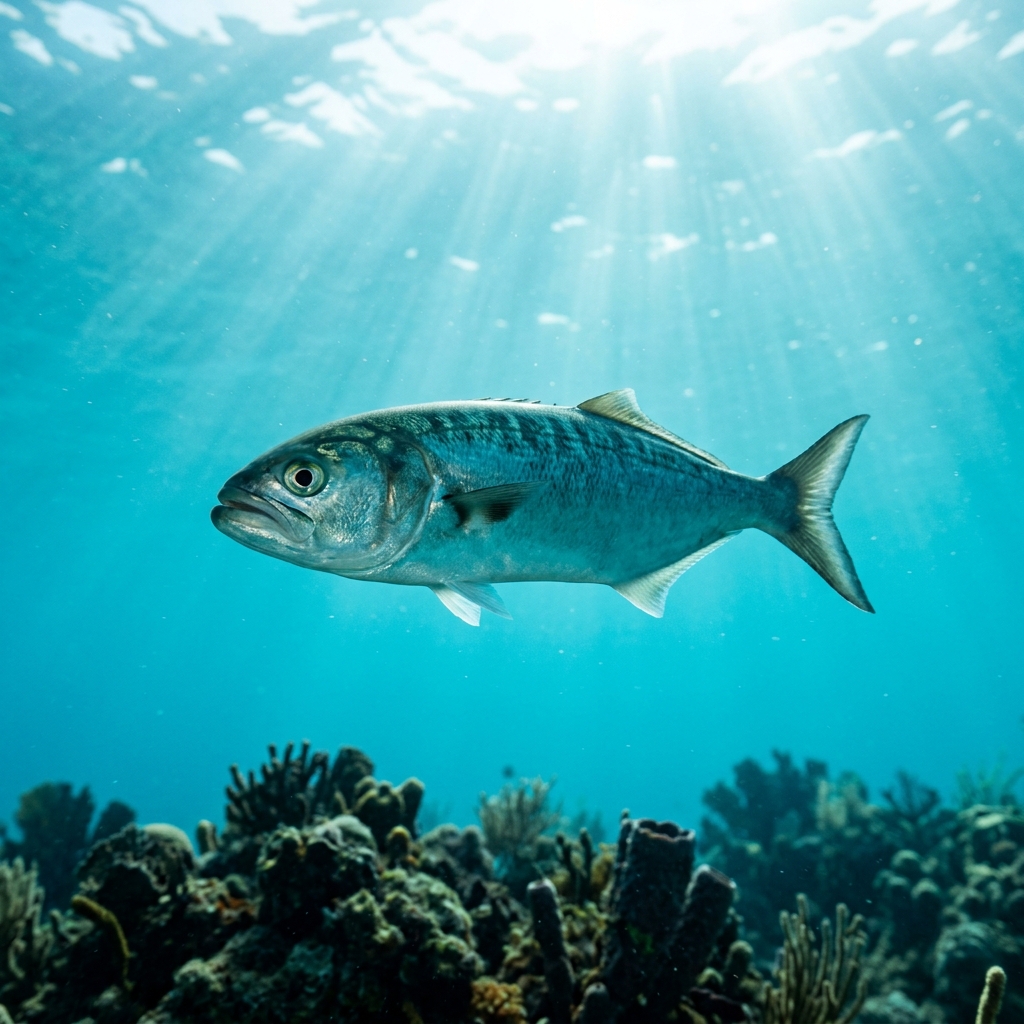
Blue fish are fast, streamlined pelagic (open-water) fish with a distinctly forked tail and a blue-green back fading to a silvery-white belly. Underwater, their most useful feature is their torpedo shape, large mouth, and the way they hold in loose, fast-moving schools in mid-water rather than hugging the reef. The fins are two-toned, with a dusky front dorsal fin and pale lower fins, giving them a two-coloured look from the side.
Blue fish are active, restless swimmers typically encountered in the open water column rather than close to the bottom. They often move in loosely coordinated schools, hunting smaller fish in short, sharp bursts of speed. Divers who hold still at depth and watch the blue water rather than the reef are most likely to get a passing encounter.
The family Pomatomidae has just one living species worldwide, making blue fish one of the most isolated families in the fish world with no close living relatives.
No strong seasonal peak has emerged from the logged data, so blue fish can be treated as a year-round target in their known range. Their observed temperature niche of 16 to 23 °C suits temperate and Mediterranean conditions throughout most of the year.
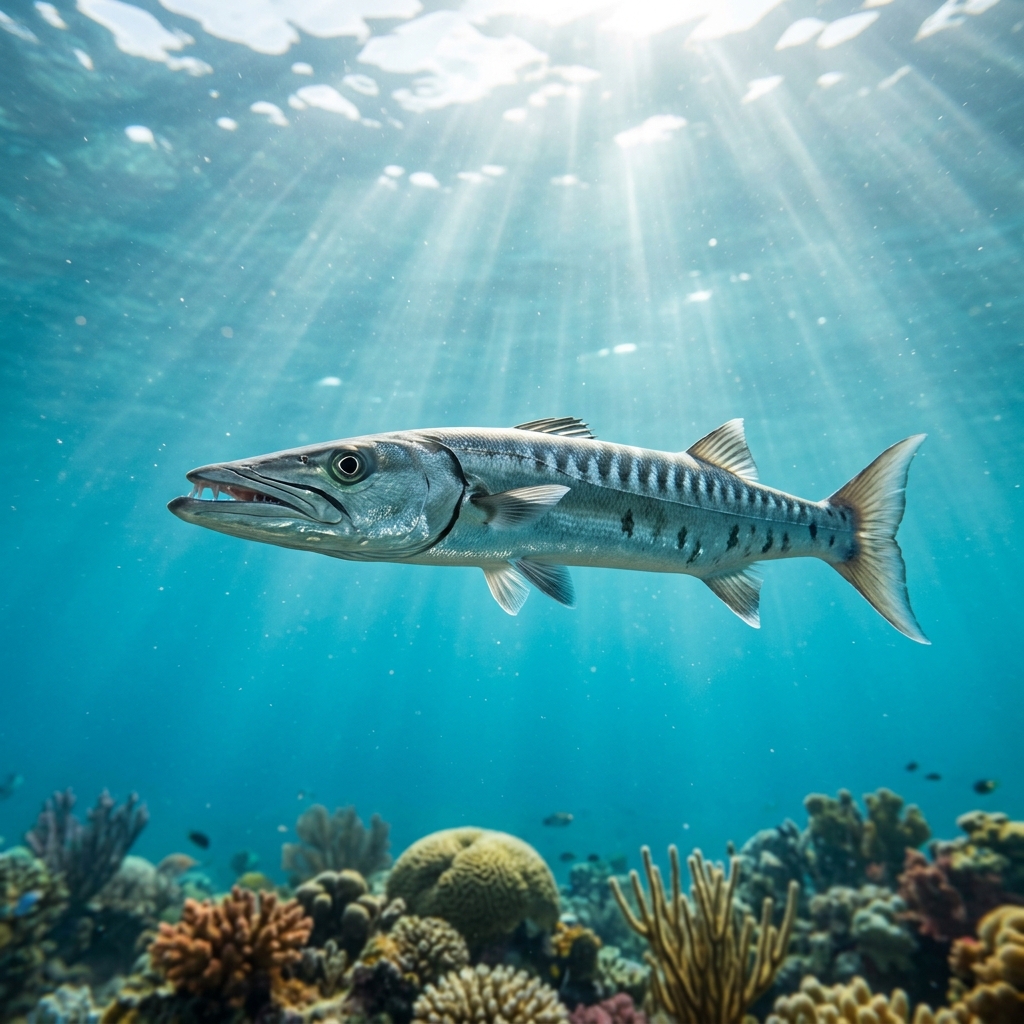
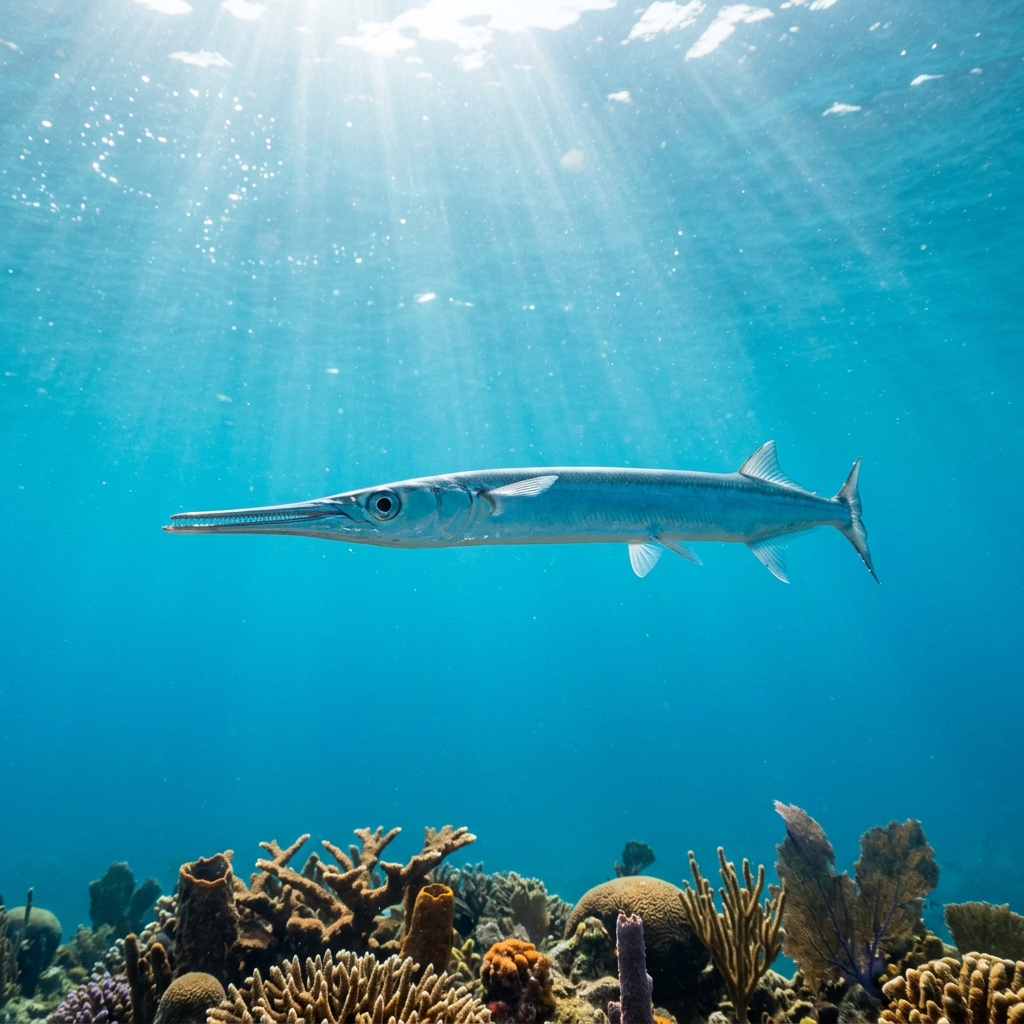
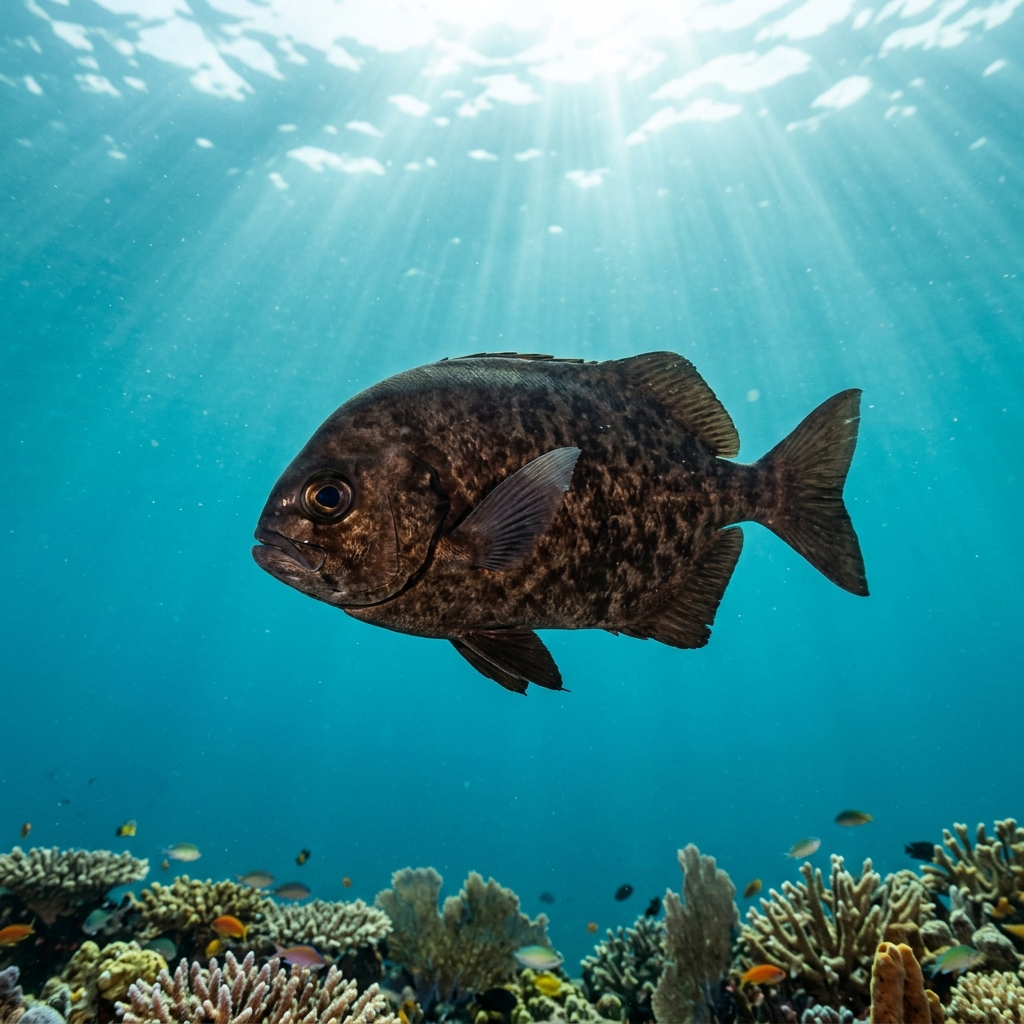
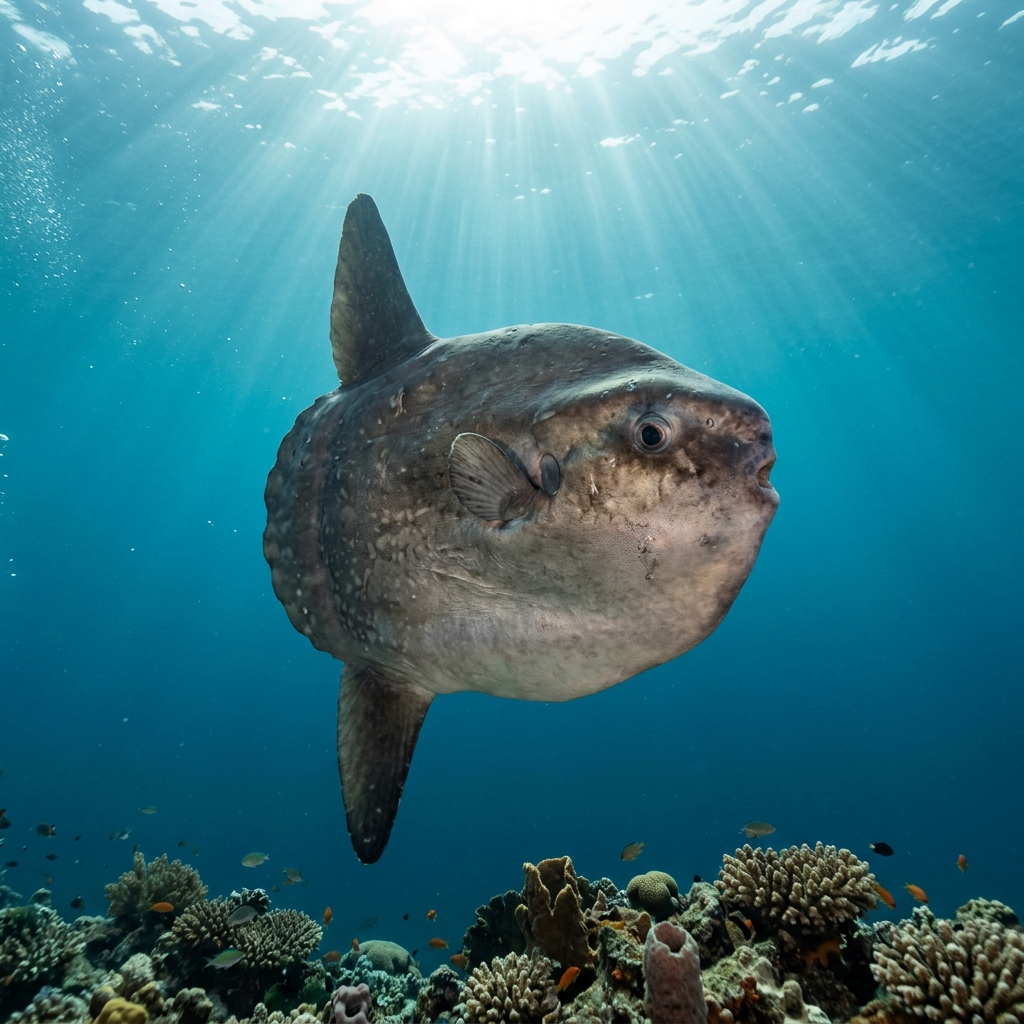
Reef neighbours a diver could mistake it for. Use the identification notes above to tell them apart.
Blue fish are most logged across the Mediterranean basin, with Greece, Italy, and Croatia leading the way, particularly in the Attica region, Central Dalmatia, and around Sardinia and Sicily. Turkey's Aegean Coast and Florida's southeast dive sites also show a solid spread of records. Outside the Mediterranean, Australia rounds out the range.
Mapping where Bluefish is logged…
The Mediterranean is the heartland for diver encounters, with Greece, Italy, and Croatia producing the most logged sites. The Attica coast, Central Dalmatia, and Turkey's Aegean Coast are particularly strong regions. Florida's southeast coast and parts of Australia also feature in the range.
Available data does not point to a single peak season, so blue fish are best treated as a year-round possibility. Their preference for water between 16 and 23 °C means Mediterranean spring and autumn conditions suit them well, though encounters are possible across all seasons.
Look for a streamlined, torpedo-shaped fish with a forked tail, a large mouth, and a blue-green back fading to a silver belly. They typically appear in mid-water in loose schools rather than near the reef, and their speed and active hunting behaviour set them apart from slower-moving species.
Blue fish are not considered dangerous to divers. They may bite if handled, as they have sharp teeth, but they do not behave aggressively towards divers in open water. Observing them from a respectful distance is all that is needed.
Pomatomidae contains only a single living species, Pomatomus saltatrix, making it one of the most isolated fish families on the planet. Despite having relatives in the fossil record, no other living species shares its family, a rare distinction in the fish world.
Site and sighting data is aggregated from diver logs, iNaturalist and GBIF. For taxonomy and conservation status:
Butterfish
1,423 sites