Stomolophus meleagris
Spot cannonball jellyfish in Florida and the Southeast US, peaking Mar, May. Learn how to ID their round dome and find where divers log them most.
Safety warning
This species can sting on contact with its tentacles, which may trail well beyond the body and can still sting after the animal is dead or washed up. Look but do not touch, and give it a wide berth.
If you're stung
Stinging tentaclesGeneral first-aid guidance, not a substitute for professional medical care. In an emergency, call your local emergency number.
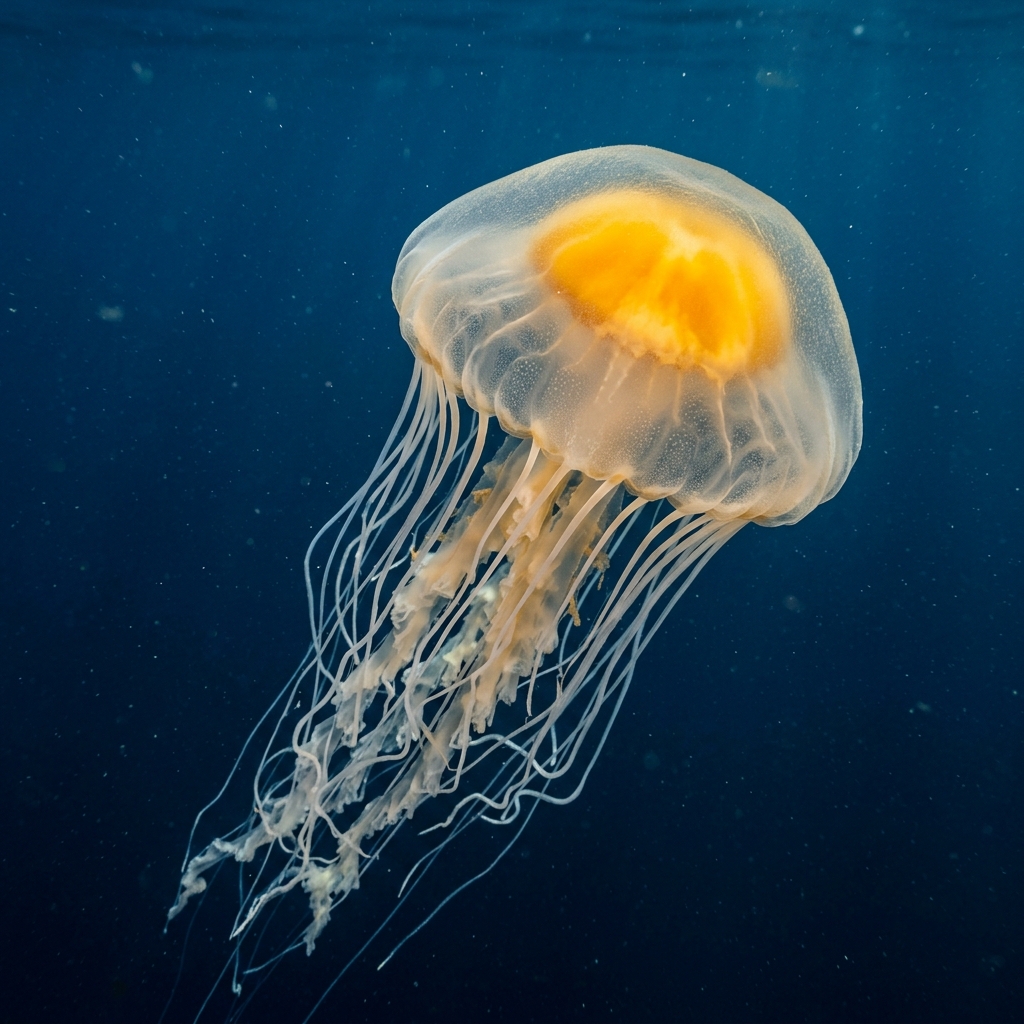
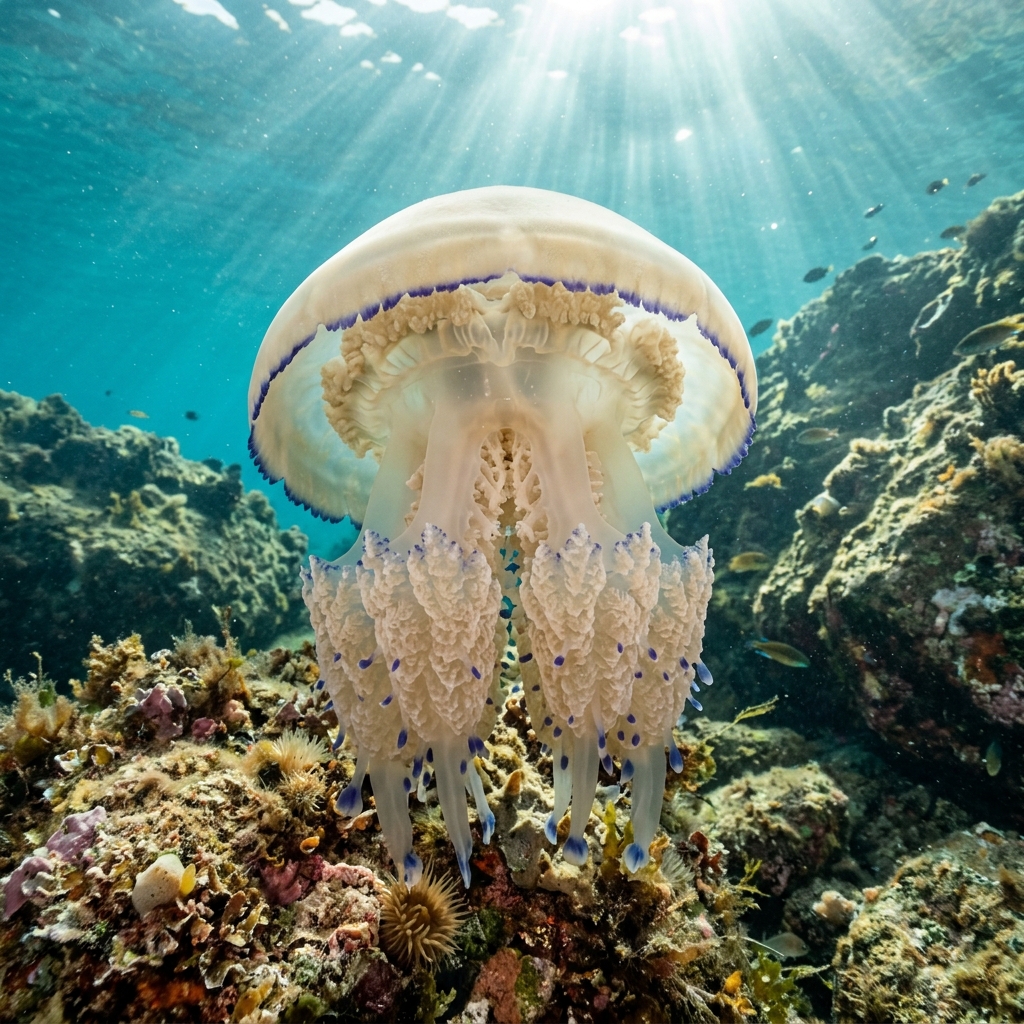
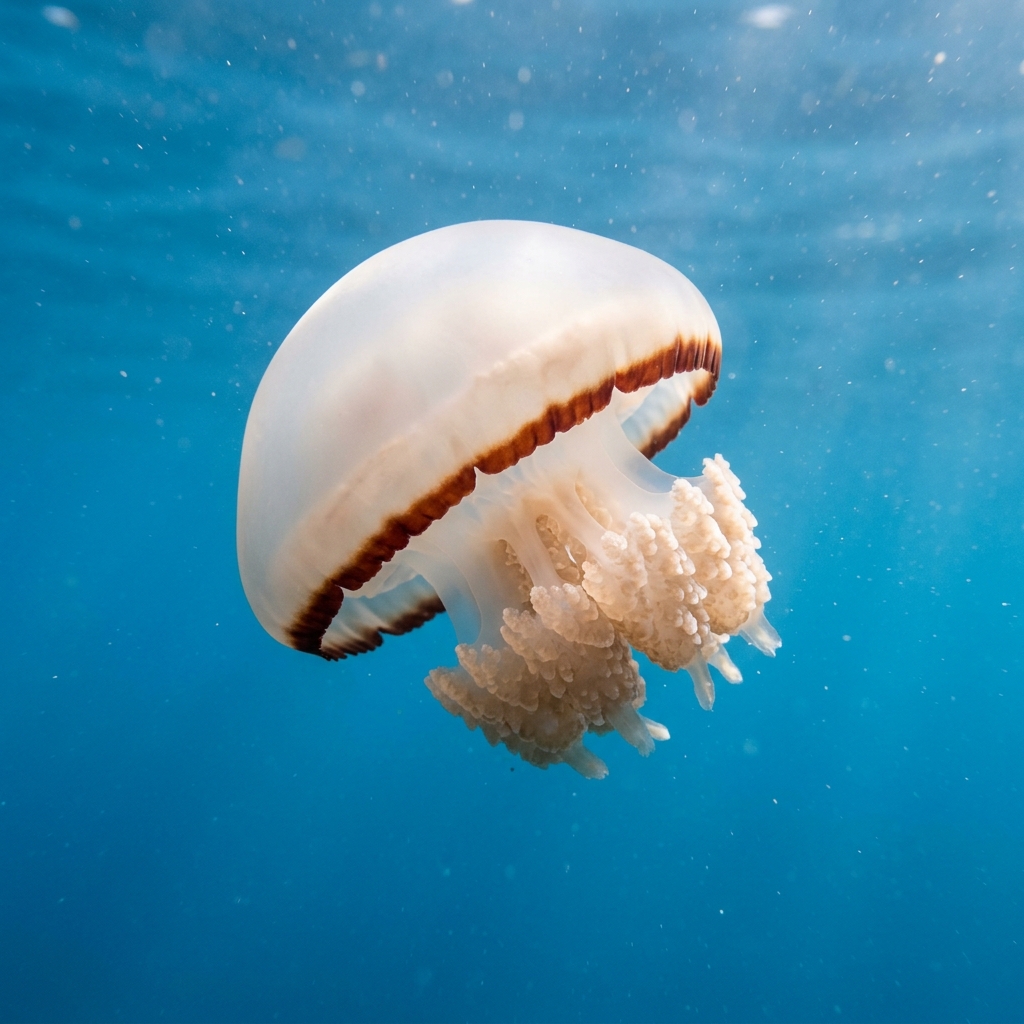
About the size of a softball in the water, the cannonball jellyfish is hard to mistake for anything else: a nearly perfect sphere with a thick, firm white bell edged by a distinctive brown-pigmented margin band. It has no long trailing tentacles, only short, stubby oral arms clustered beneath the bell, which gives it a clean, compact silhouette. At roughly 12 cm across, it looks almost like a white ball drifting through the water column.
Cannonball jellies drift passively with the currents rather than actively swimming, so encounters are largely a matter of being in the right water mass at the right time. They tend to aggregate in large blooms, meaning you may suddenly find yourself surrounded by dozens where there were none moments before. They pay no attention to divers whatsoever, so you can fin alongside them at close range and watch them rhythmically pulse and filter plankton without causing any disturbance.
Unlike most jellyfish, the cannonball has a surprisingly muscular bell that lets it pulsate with enough force to outpace a casual current, making it one of the more mobile drifters you will encounter in US coastal waters.
Seasonality data points to spring as the peak window, with sightings concentrating between March and May in the Northern Hemisphere.
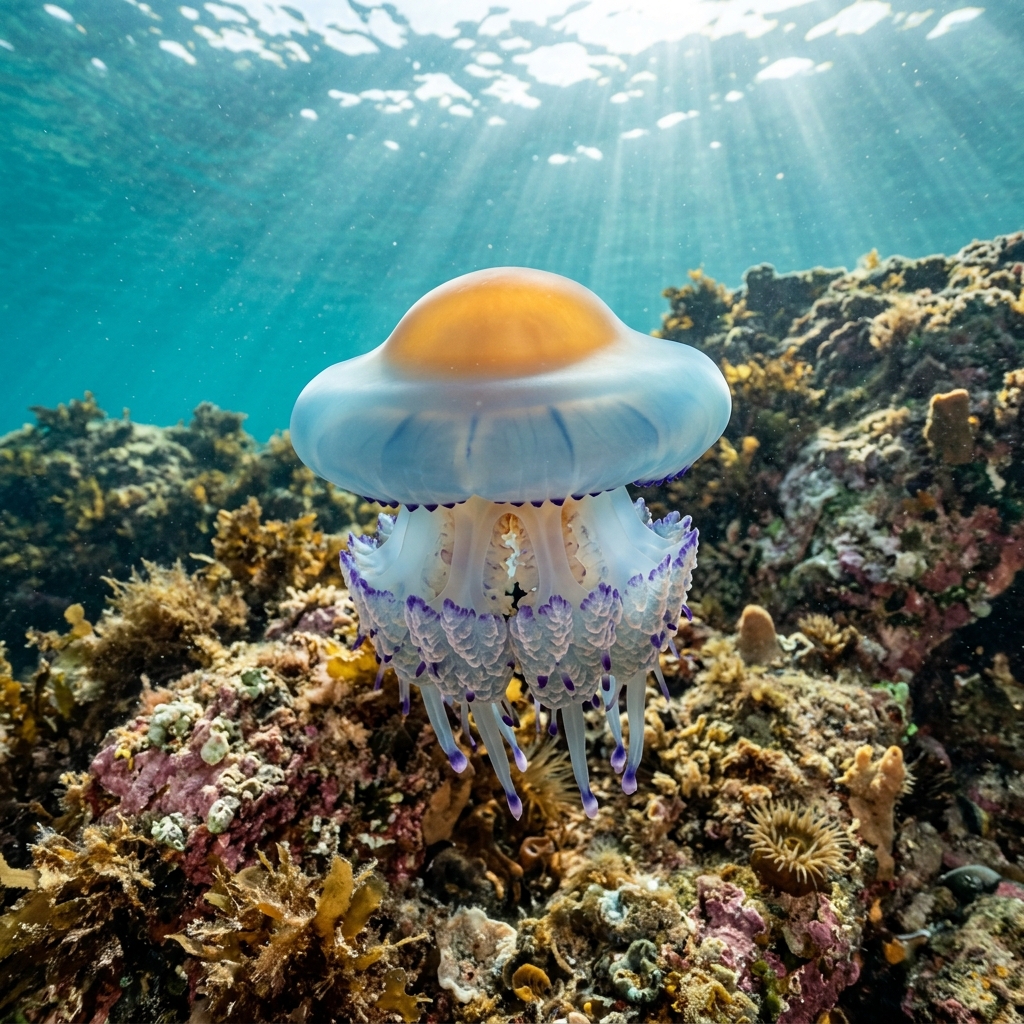
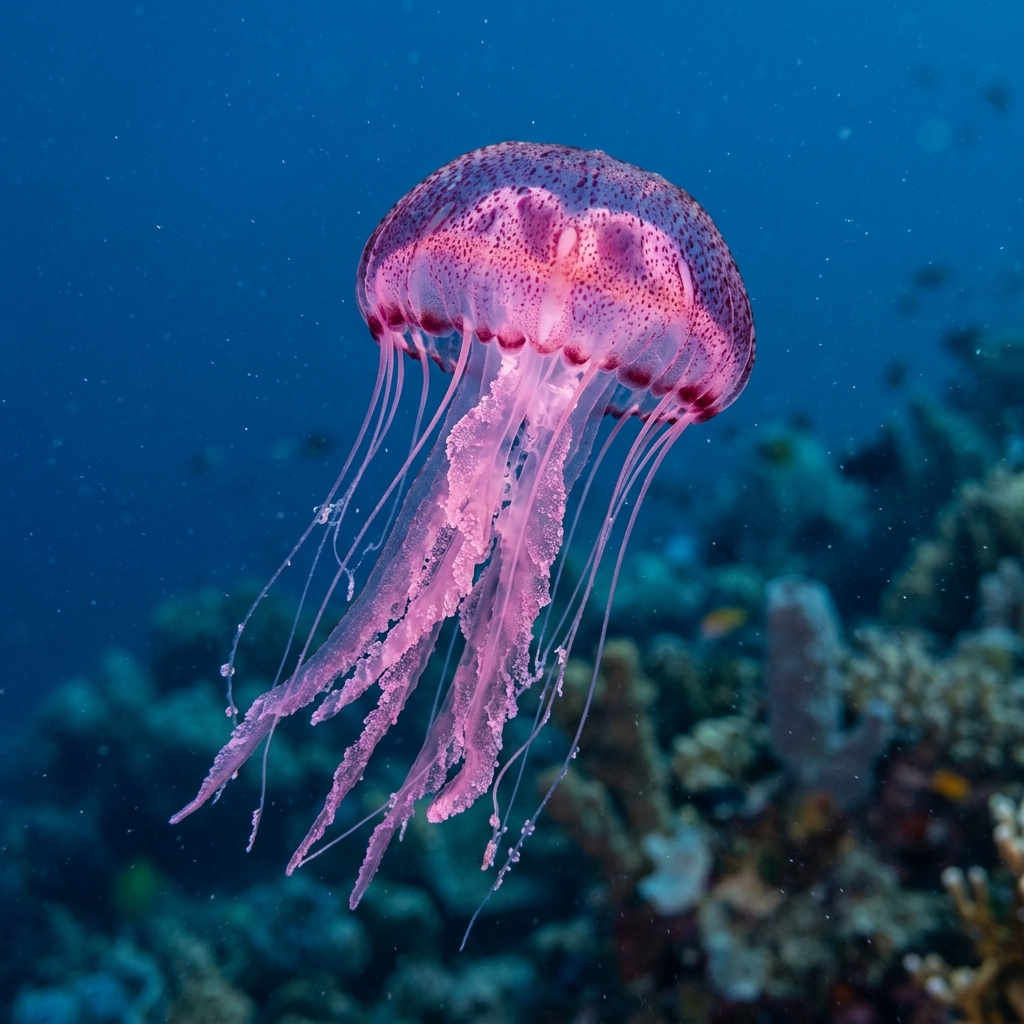
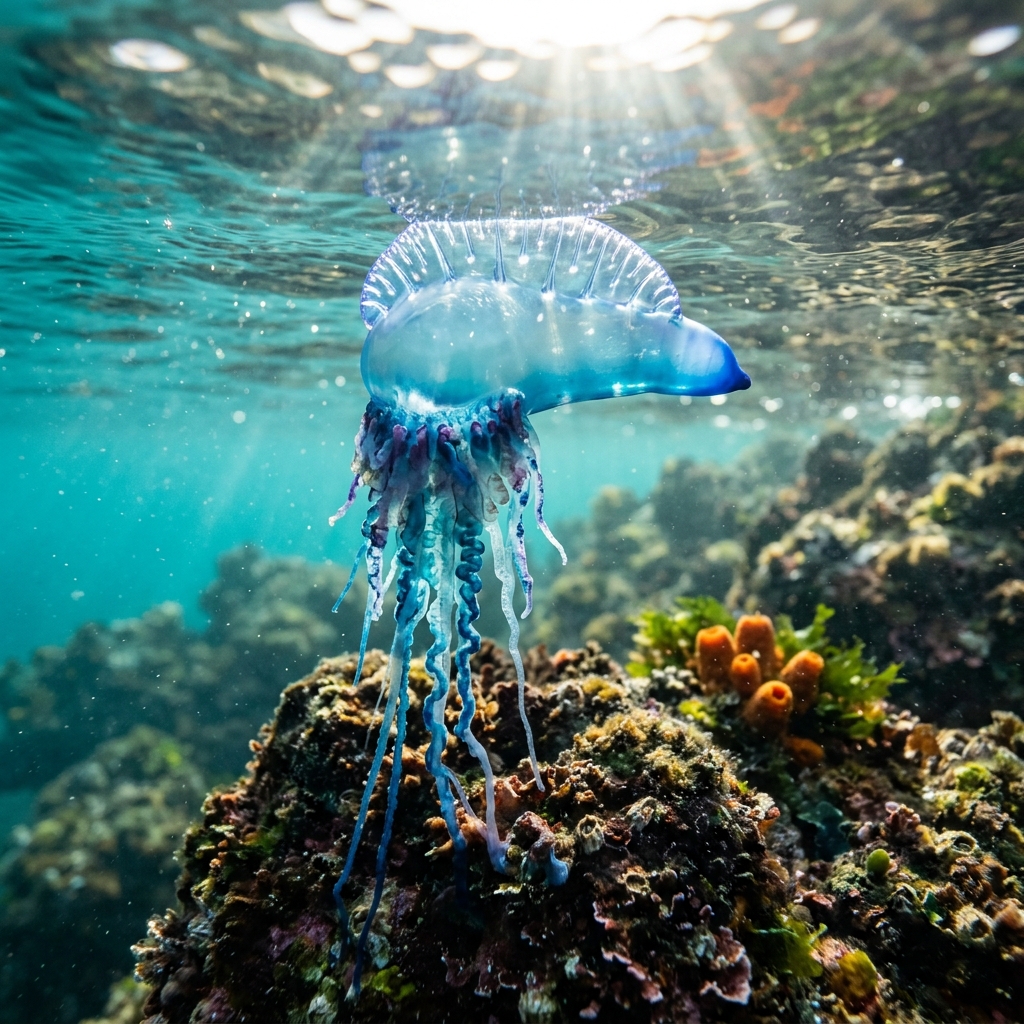
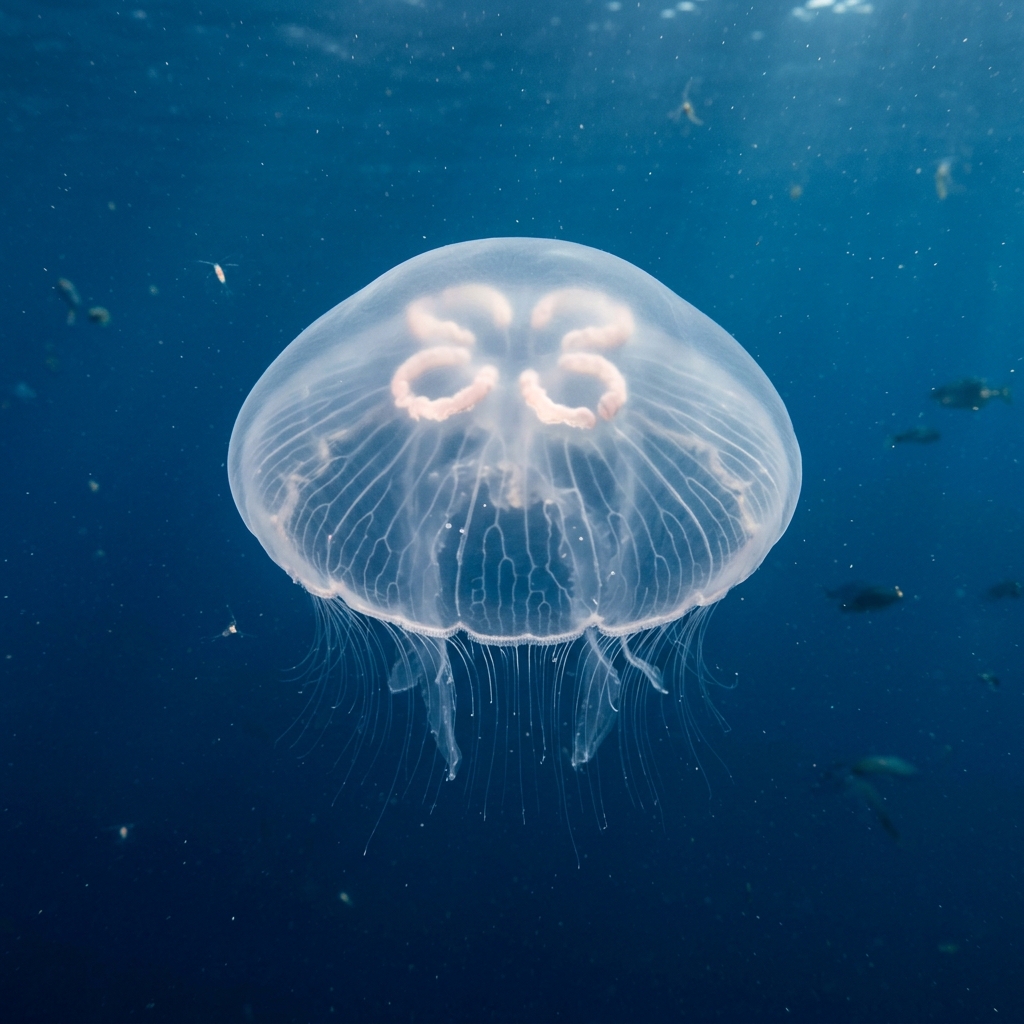
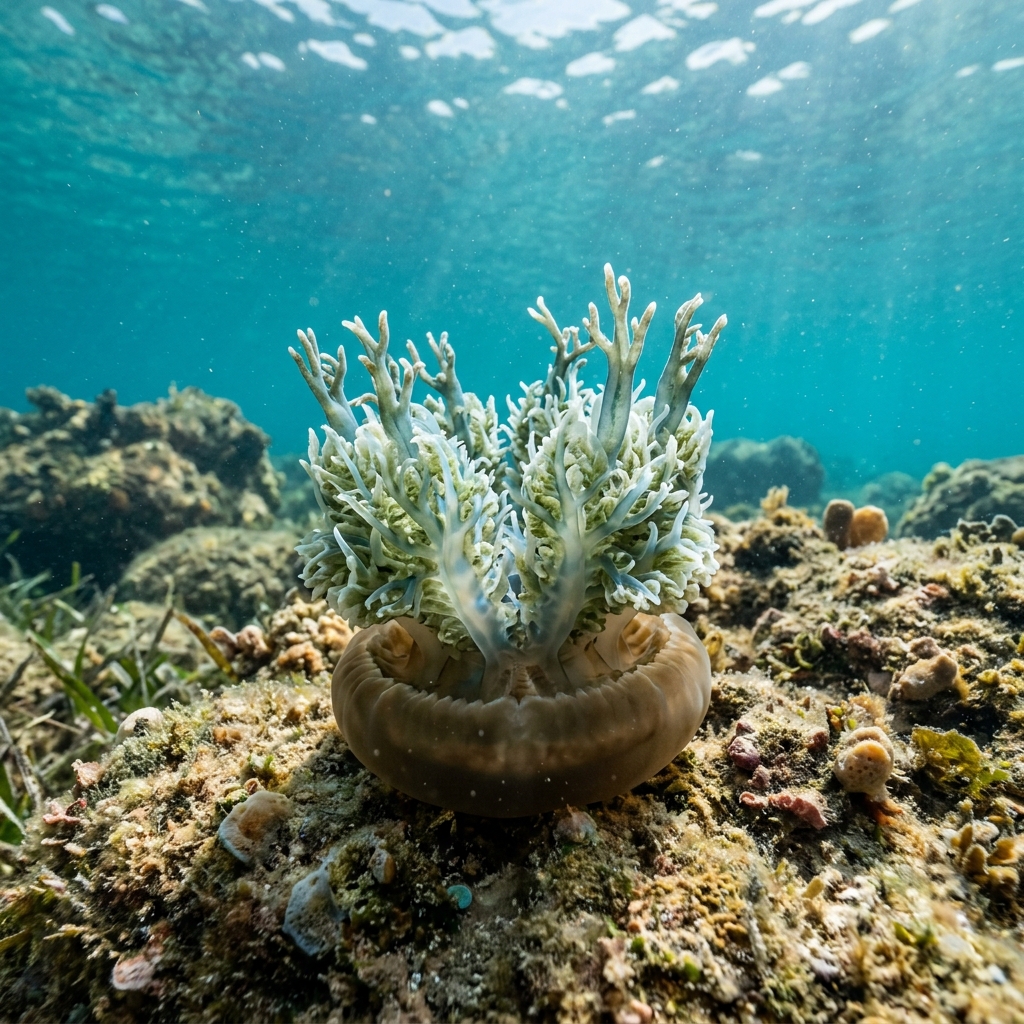
Reef neighbours a diver could mistake it for. Use the identification notes above to tell them apart.
The vast majority of logged sightings come from the United States, with Florida and the Southeast coast accounting for the bulk of known sites. A smaller cluster of records sits along the Gulf Coast region. Outside the US, a handful of sites appear in Canada, Mexico, and Portugal, but these represent a small fraction of the overall spread.
Mapping where Cannonball Jellyfish is logged…
They are most consistently logged along the Florida and Southeast US coastline, with additional records across the Gulf Coast region. A smaller number of sites appear in Canada and Mexico. They are a pelagic species, so open-water and nearshore dives in these areas give you the best shot.
Spring is the standout season, with sightings concentrated from March through May in the Northern Hemisphere. Blooms can appear quickly and disperse just as fast, so local knowledge of current conditions helps.
No. They pose no meaningful risk to divers. They lack the long stinging tentacles of most jellyfish species, and their short oral arms produce only a mild, negligible reaction in most people. You can approach them freely.
Look for a smooth, firm, nearly spherical white bell about the size of a softball with a distinctive brown or tan pigmented band around its rim. The lack of long tentacles is the key ID clue, only short, frilly oral arms hang below the bell.
They typically reach around 12 cm in diameter, roughly the size of a softball or a large apple. In the water the solid, compact bell makes them look denser and heavier than most jellyfish of the same size.
Like many jellyfish, cannonballs reproduce in pulses tied to water temperature and plankton availability, producing vast numbers of medusae at once. Currents then concentrate them into the dense aggregations divers sometimes swim into. Blooms can number in the millions across a stretch of coastline.
Site and sighting data is aggregated from diver logs, iNaturalist and GBIF. For taxonomy and conservation status:
Moon Jellyfish
1,766 sites