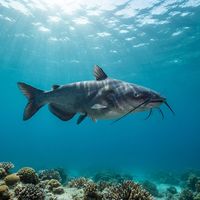
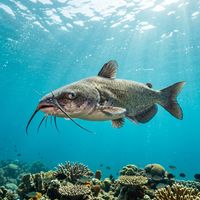
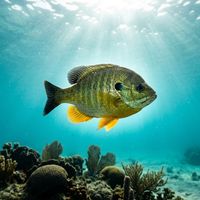
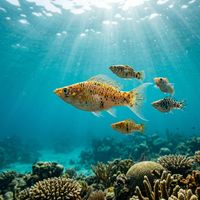
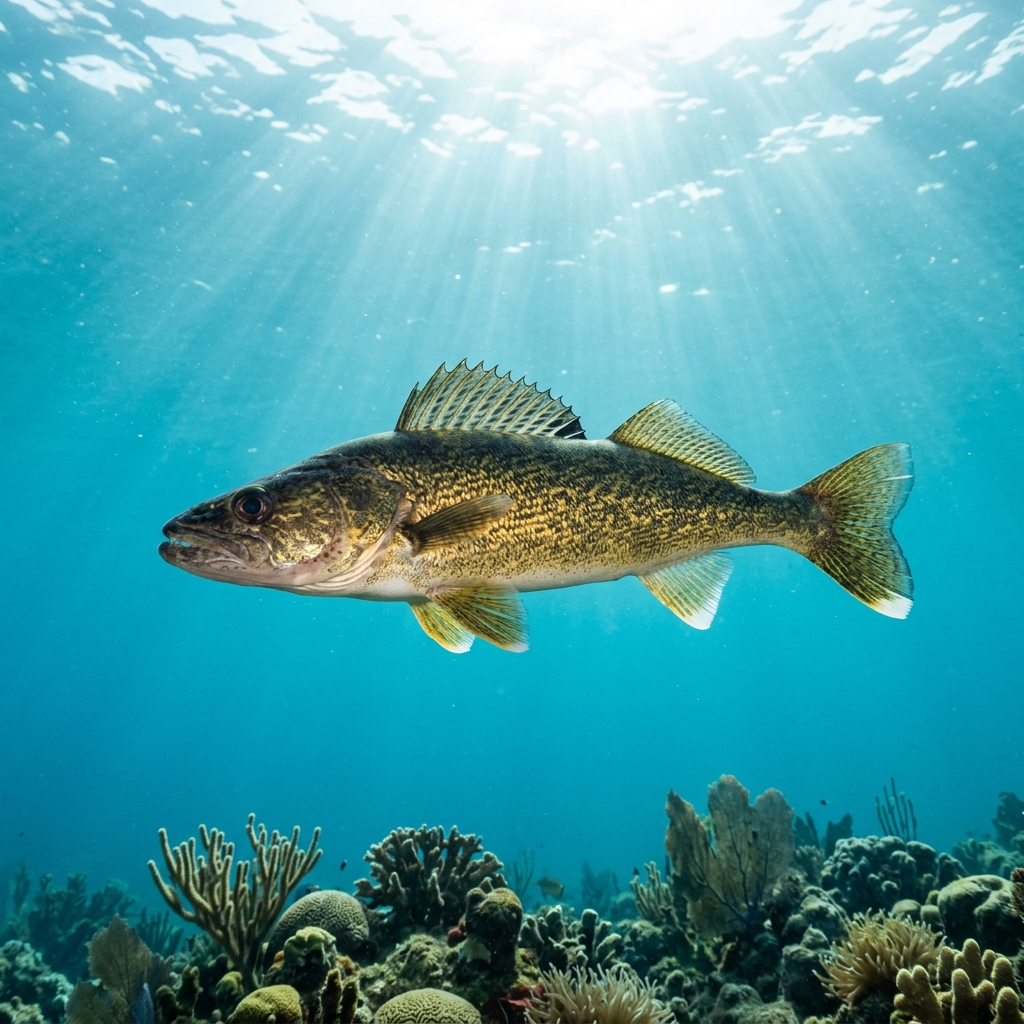
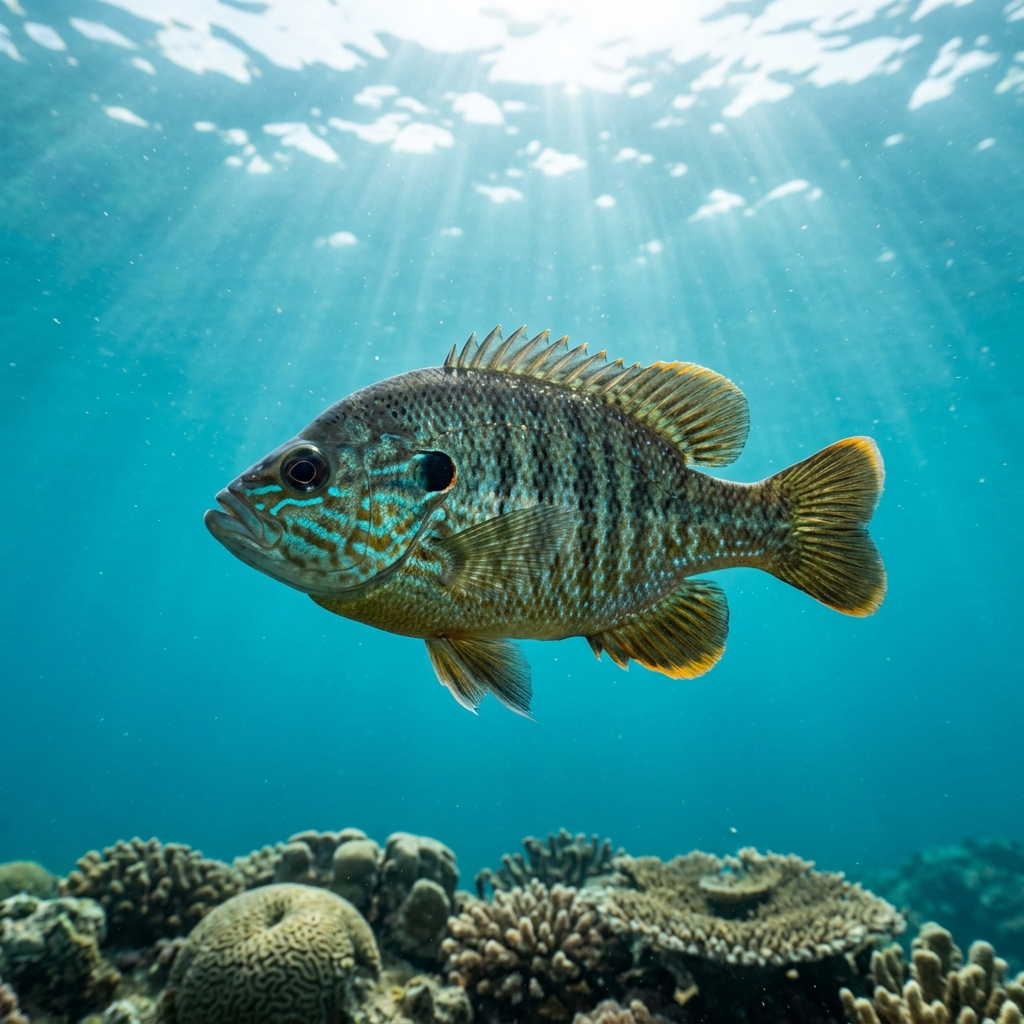
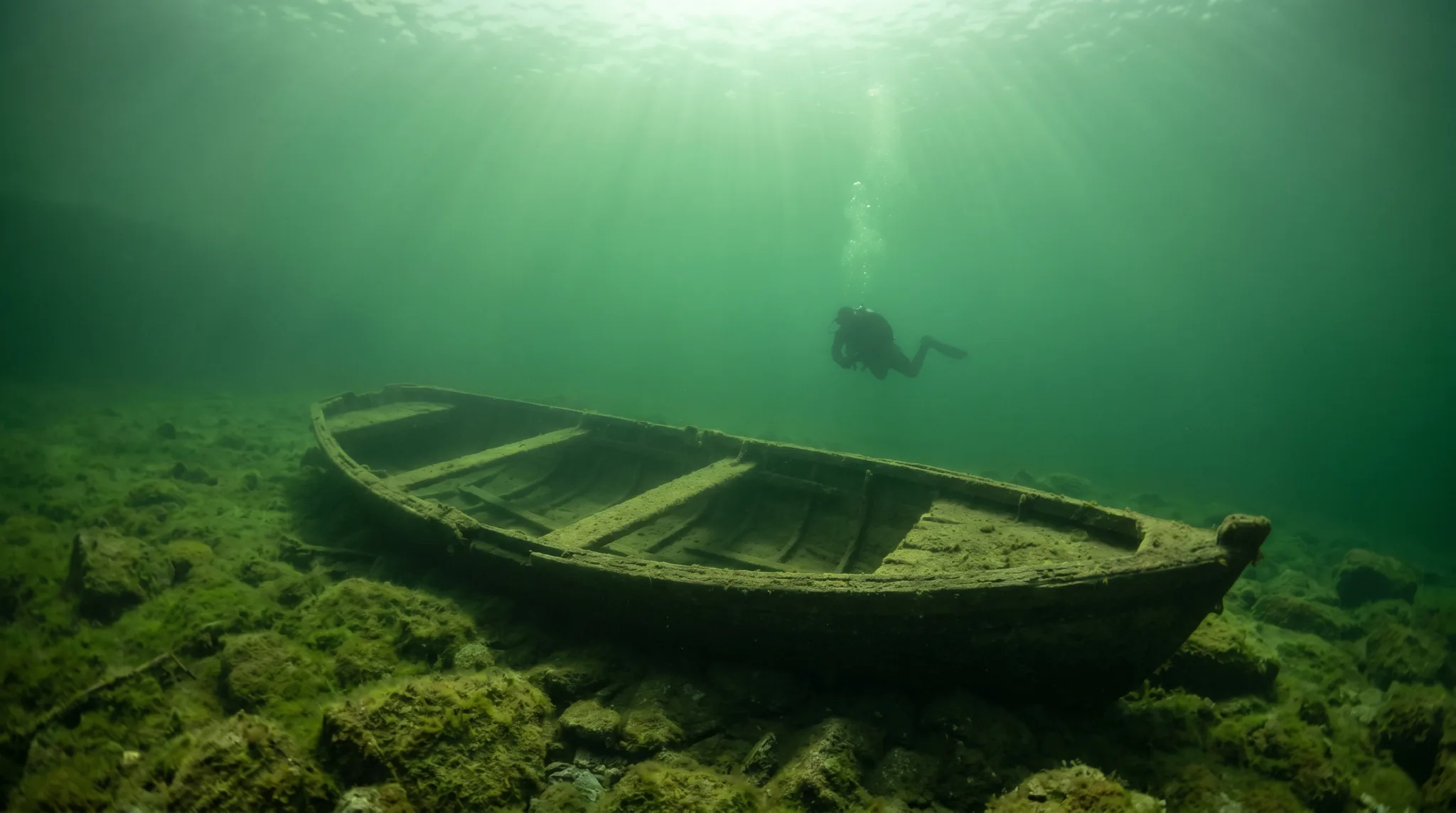
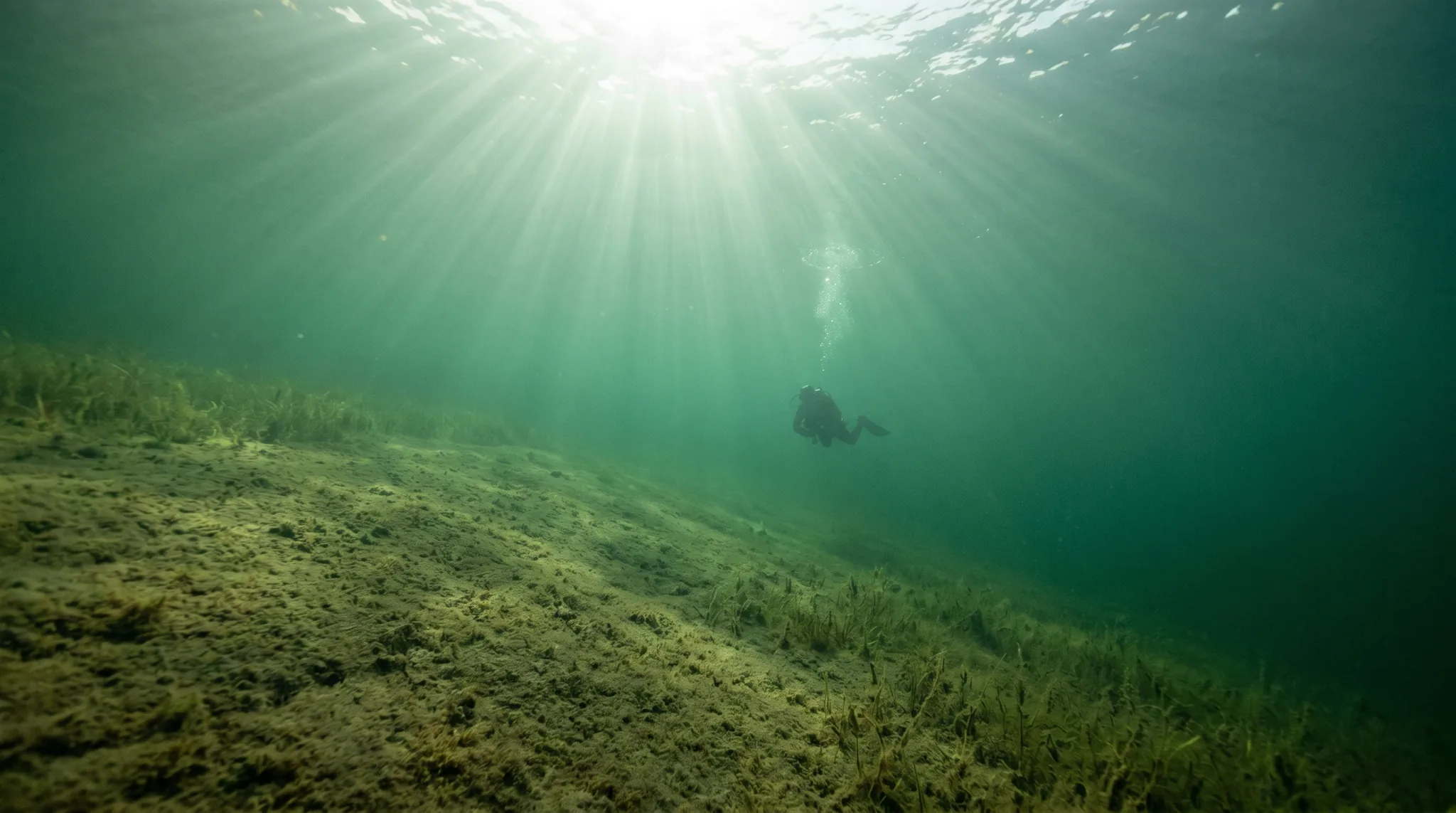
Clinton Lake is a freshwater reservoir in the Great Plains offering both diving and snorkelling across a good spread of sites. Visibility is limited and varies, which shapes the character of every dive: encounters are close and unhurried. Channel Catfish and Sucker are the species you will meet most reliably, with Blue Gill, Livebearer, and Perch also commonly observed. The histogram points to late spring and summer as the most active period for getting in the water.
12 operators

Grandview, United States
Raytown, United States
Fin maps 16 sites in Clinton Lake (6 scuba diving sites and 11 snorkelling spots, with some suited to both).
16 more sites to explore
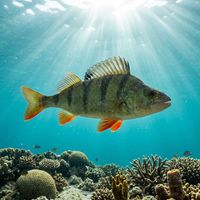
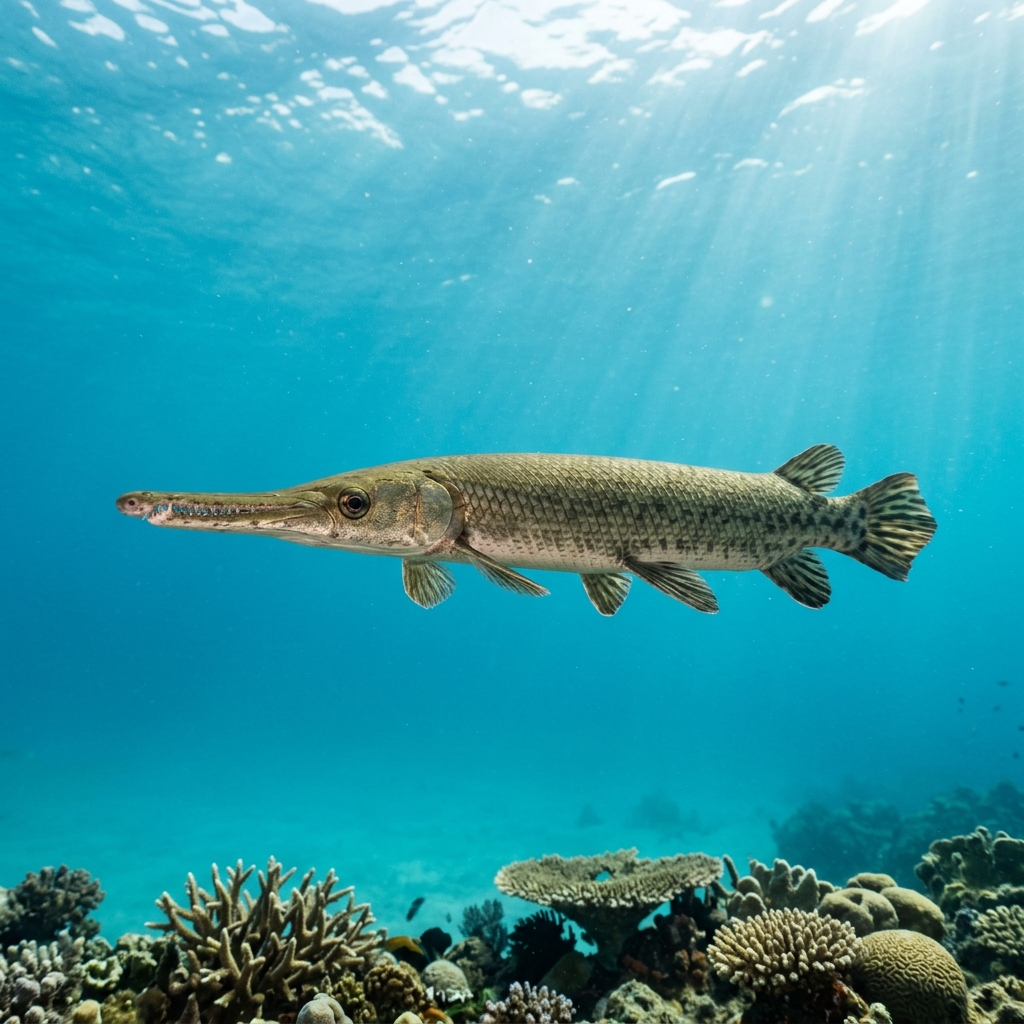
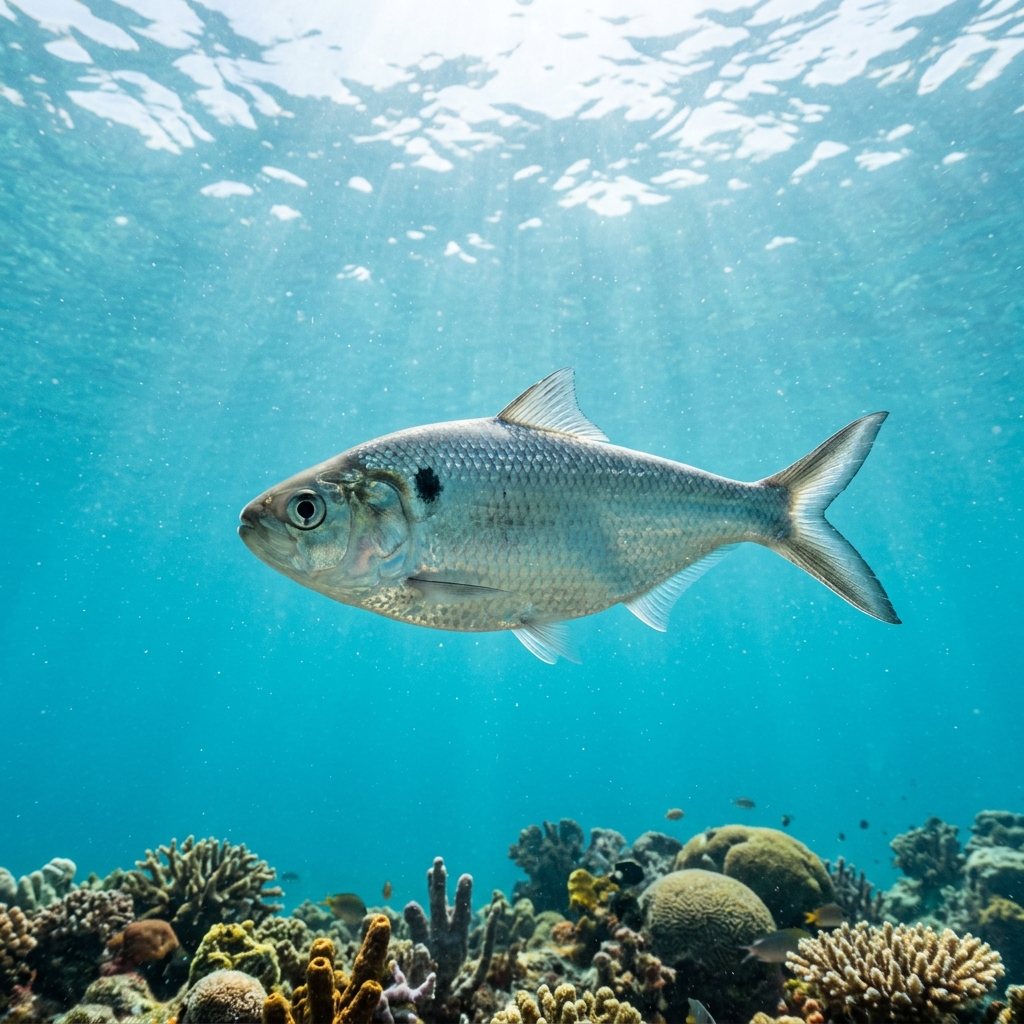
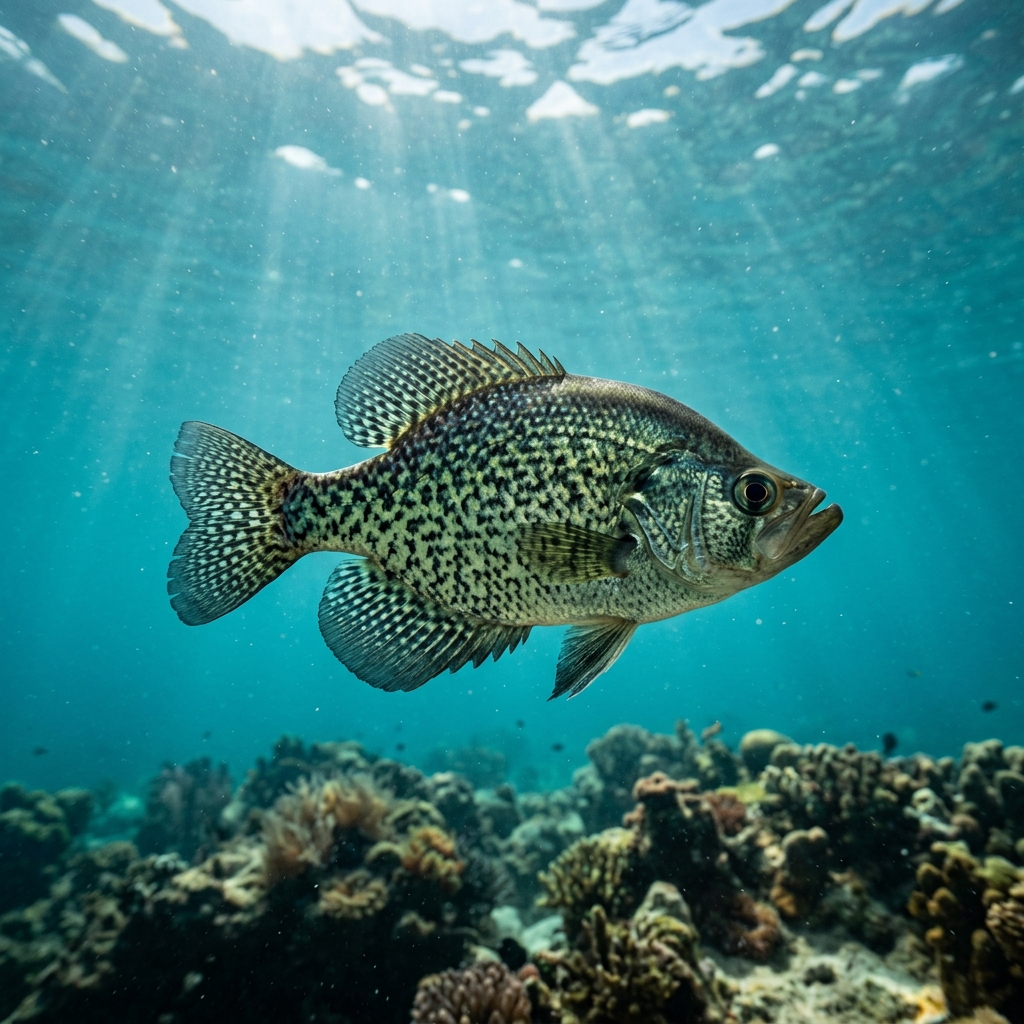
The most reliably observed species are Channel Catfish and Sucker, which turn up across the large majority of sites. Blue Gill, Livebearer, and Perch are also commonly recorded. Less frequent but still observed species include Gizzard Shad, Black Crappie, Walleye, Large Mouth Bass, and the distinctive Longnose Gar.
The low visibility at Clinton Lake means beginners should be comfortable managing buoyancy and navigation in reduced-clarity freshwater before diving independently. Several local operators, including Aquatrec, Midwest Aquatics Swim and Scuba, and Diventures, are based within reach of the lake and can provide guided introduction to these conditions. Going with an experienced operator for a first visit is a sensible approach.
Clinton Lake has a mix of dive and snorkel sites, many of which are accessible from shore given the reservoir's layout. A large number of local and regional operators serve the area, including Ames Scuba, SCUBA ICT, Dive Iowa-Southern Iowa Divers, and First Dive and Beyond Scuba, among others. Checking with an operator before your visit is the best way to confirm current access points and conditions.
Because visibility is consistently limited, a torch or dive light is practical for picking out fish detail at close range. Clinton Lake is a freshwater site, so divers should account for the reduced buoyancy compared with saltwater and adjust weights accordingly. Operators such as Divers Equipment and Repair Service can advise on local gear considerations.