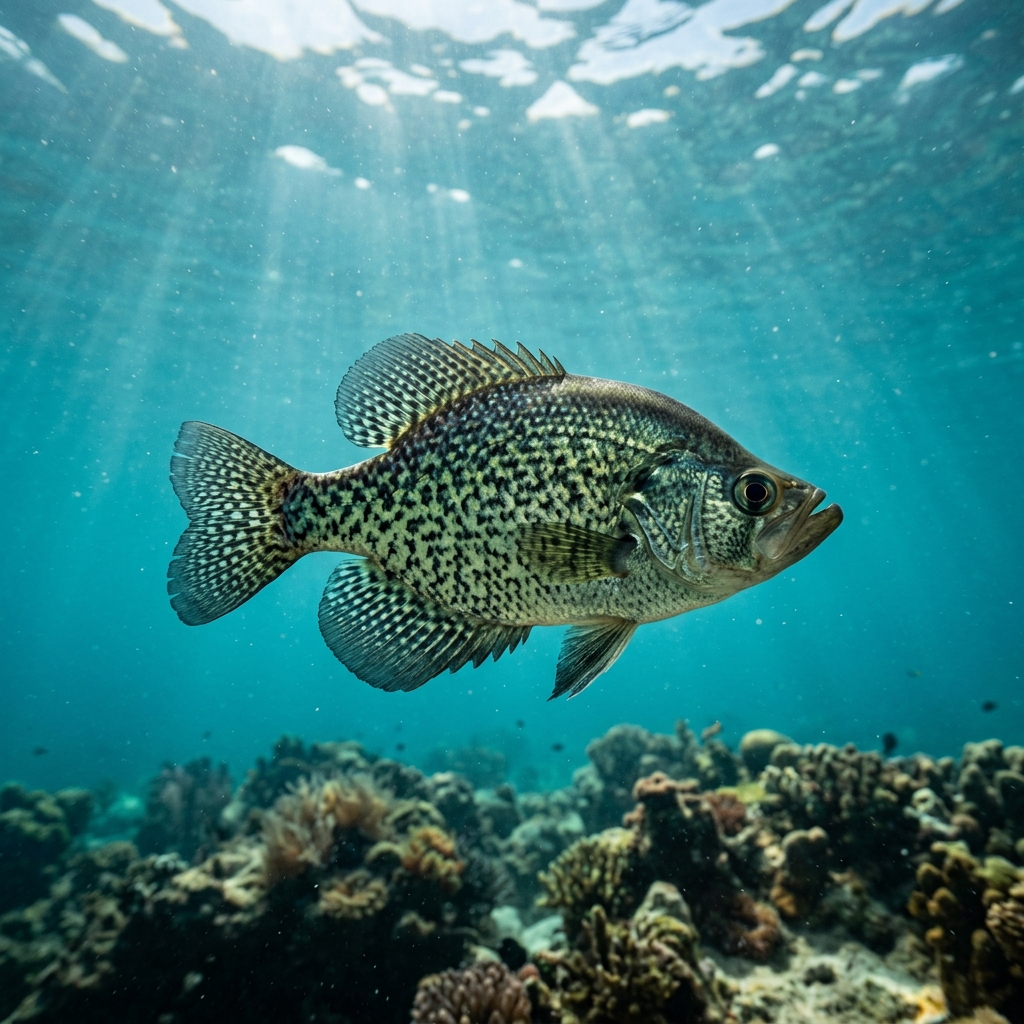
Pomoxis nigromaculatus
Spot black crappie in the Great Lakes & Ontario region of Canada. Know the speckled flanks and arched body that set it apart from perch and bluegill.
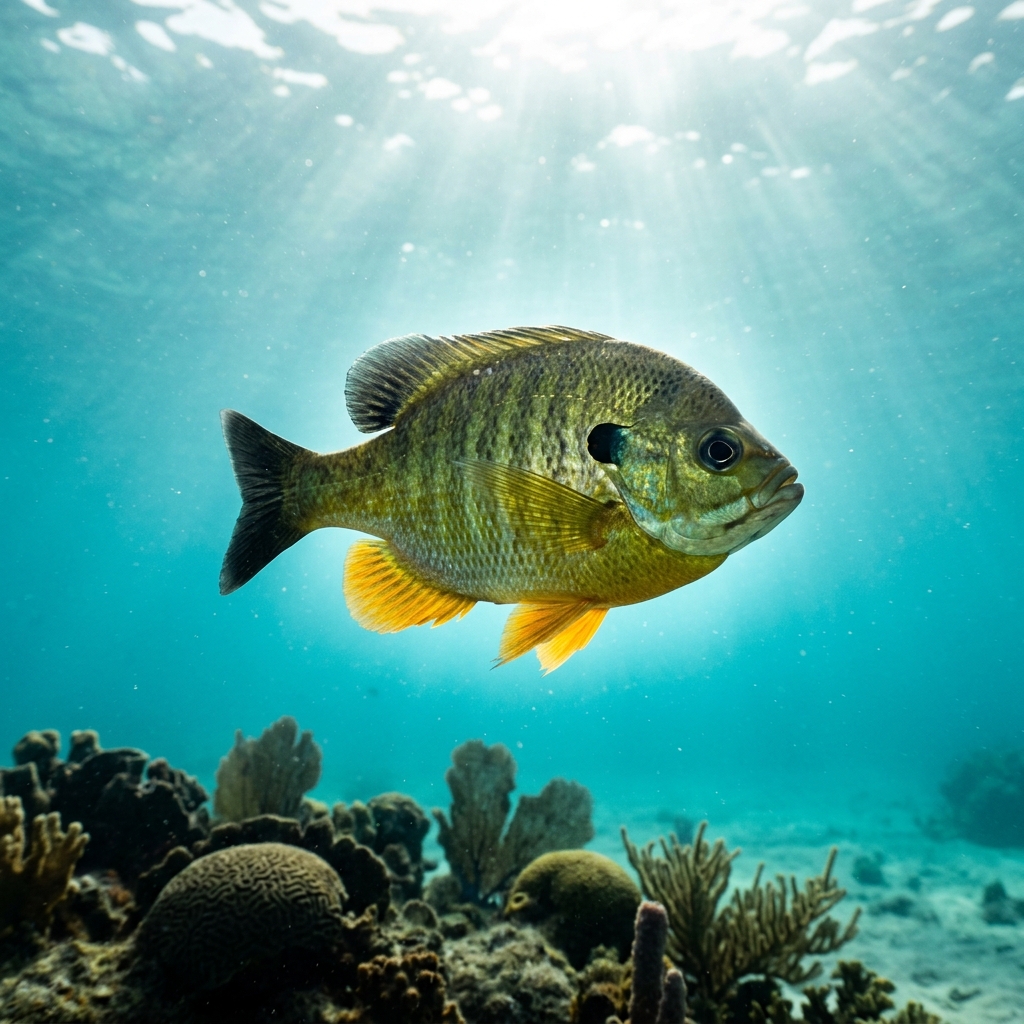
A deep, strongly compressed body gives black crappie an almost disc-like profile that stands out among slimmer freshwater fish. The flanks are pale silvery-green, covered in irregular dark spots and speckles that form no clear stripes or bars. Look for the long, continuous dorsal fin (the fin along the back) which carries seven or eight spines, a useful count when the fish sits still. Adults typically sit in the 20 to 30 cm range in the water, though size varies with the population.
Black crappie tend to hold position in or near submerged vegetation, fallen timber, or other structure, often in loose groups. They are not particularly skittish and will frequently hold their ground as a diver approaches slowly, making them relatively easy to observe once located. Most activity is reported in low-light conditions, so early morning or late afternoon dives in sheltered bays give the best chance of an encounter.
Black crappie are sensitive indicators of water quality; they thrive in clear, well-oxygenated lakes and tend to disappear quickly when turbidity or pollution increases, making a sighting a small sign of decent conditions.
There is not enough monthly sighting data to point to a peak season, so treat it as potentially present year-round. It has been observed across a wide temperature range down to near-freezing, so cold Canadian winters do not necessarily push it out of reach of ice divers.
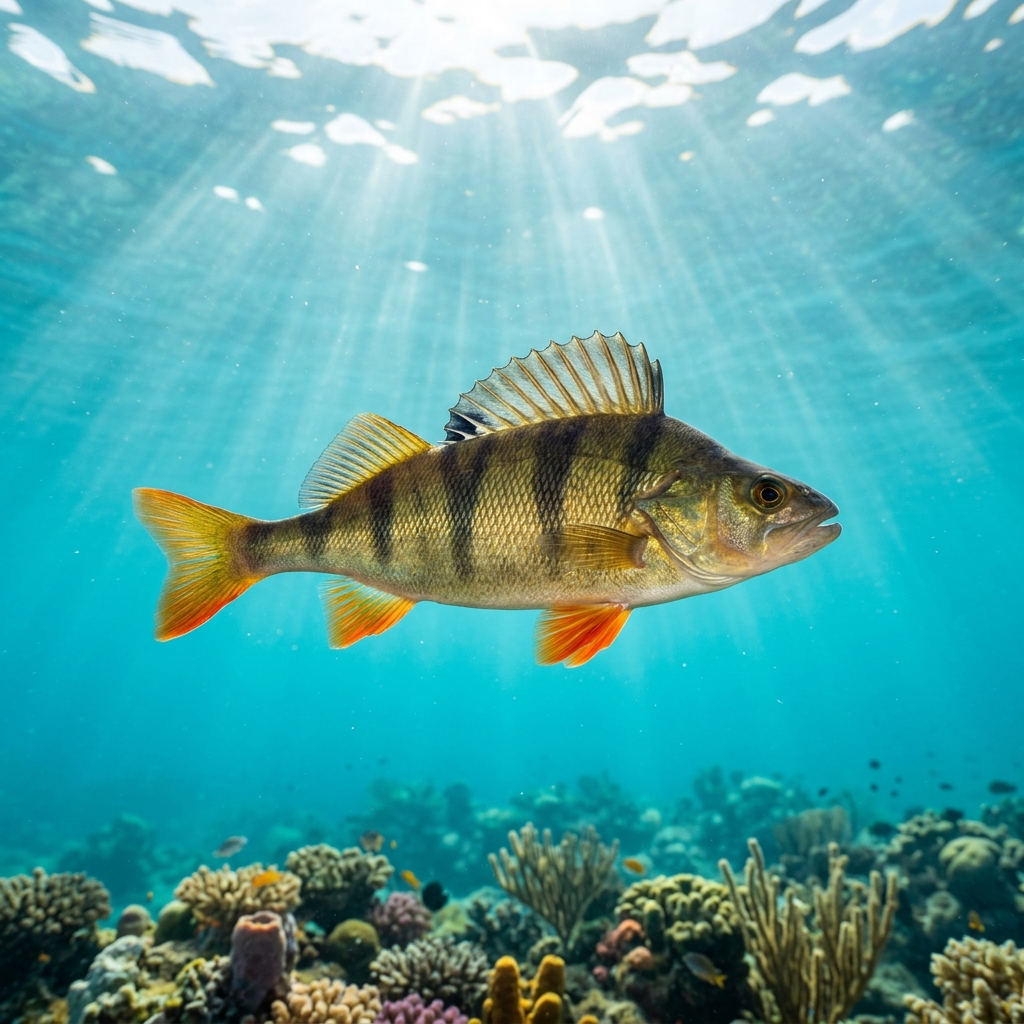
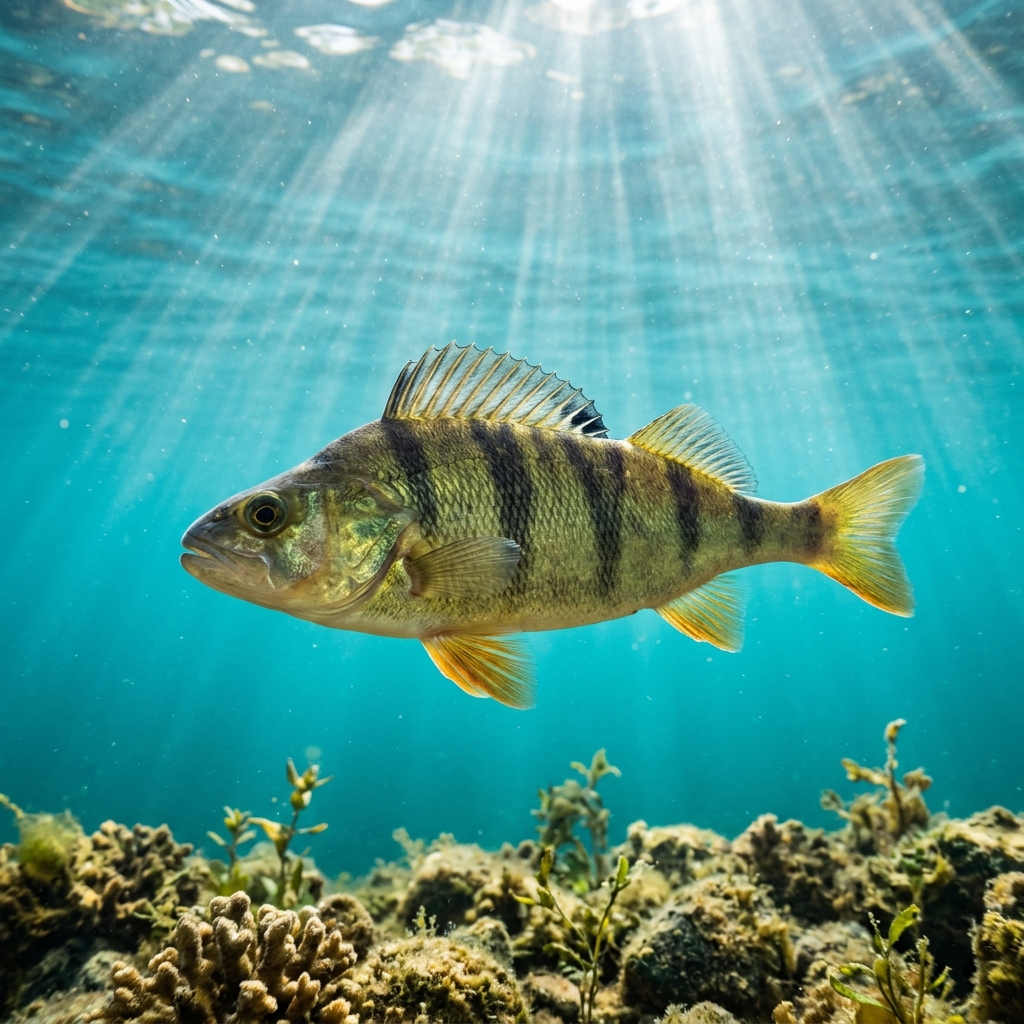
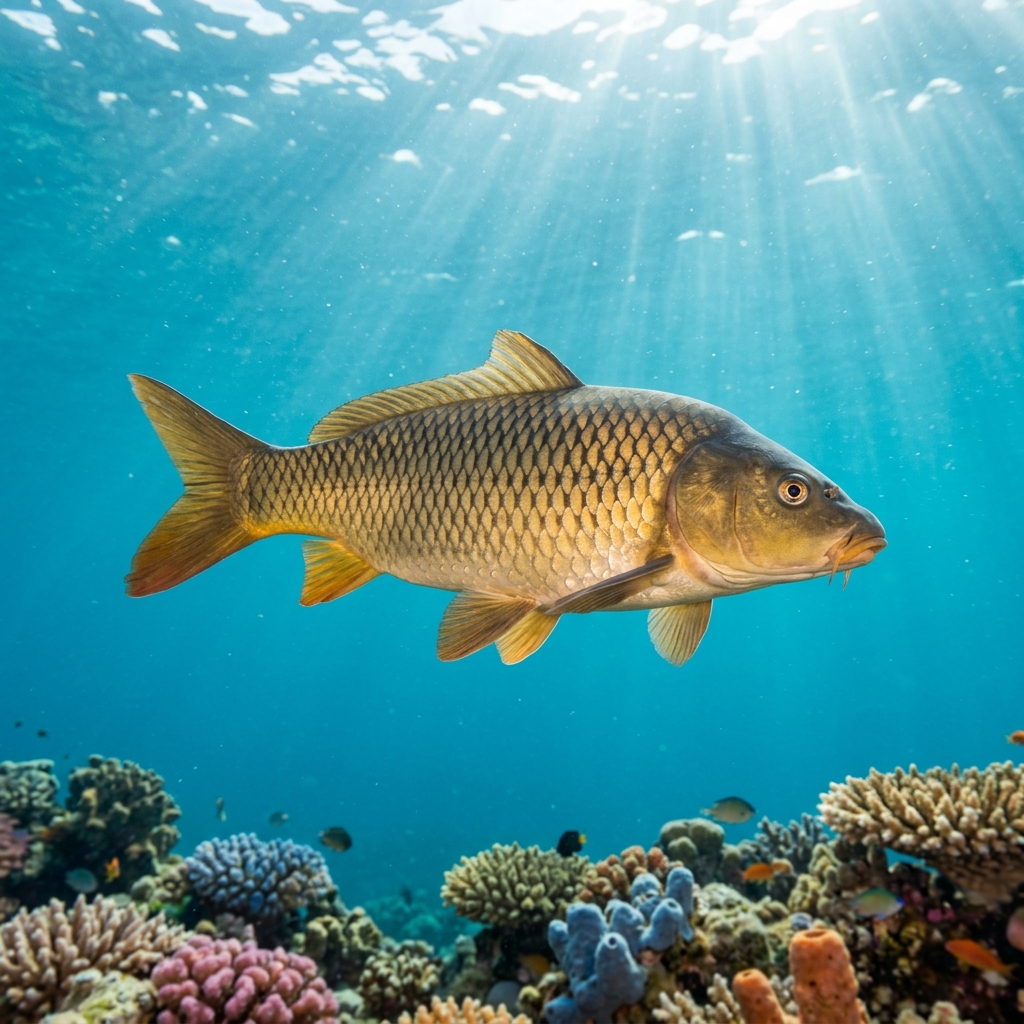
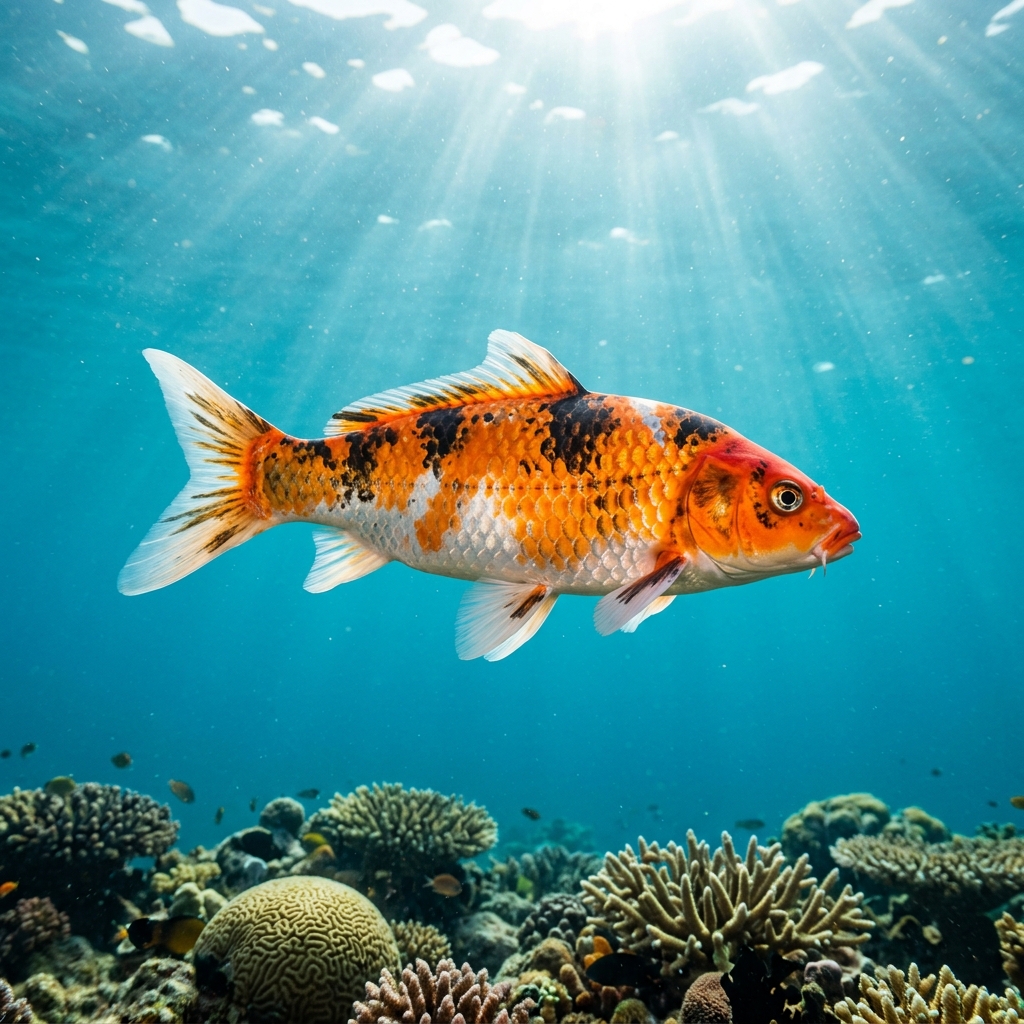
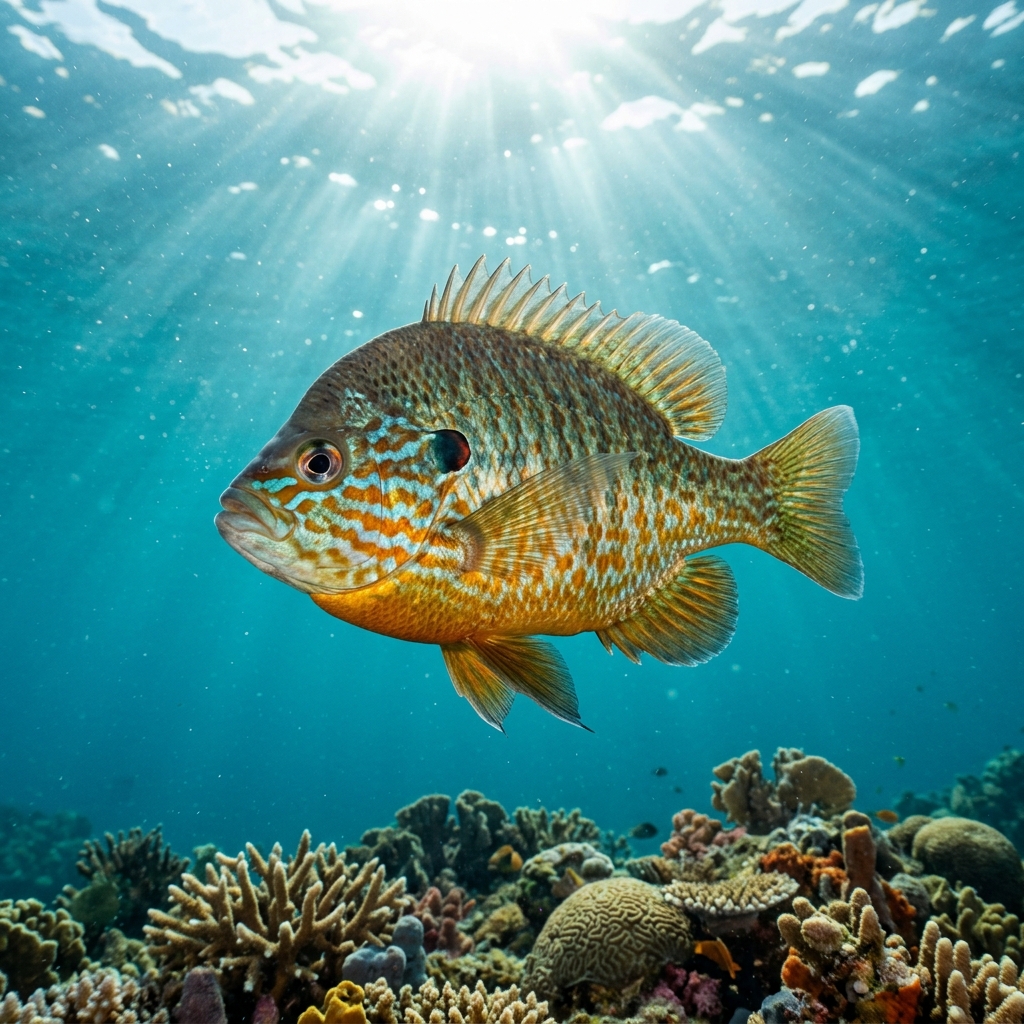
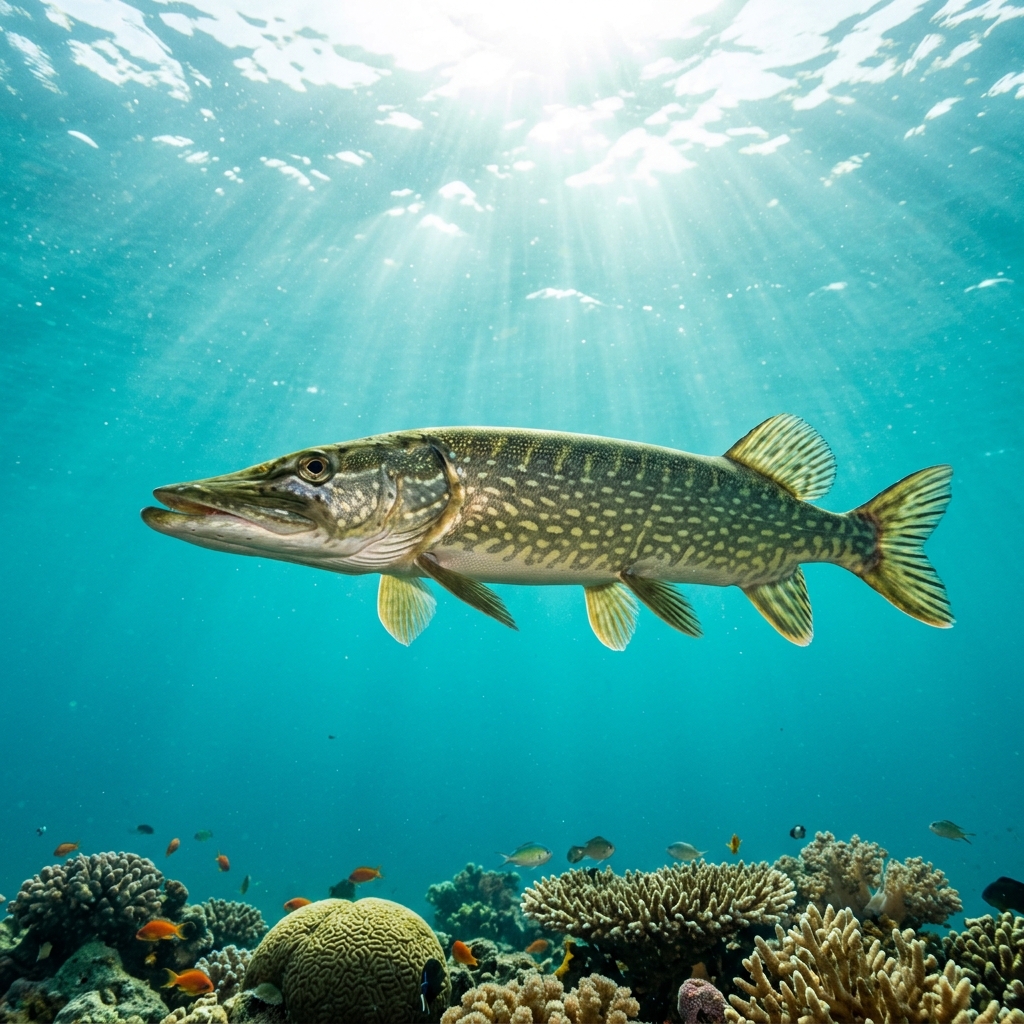
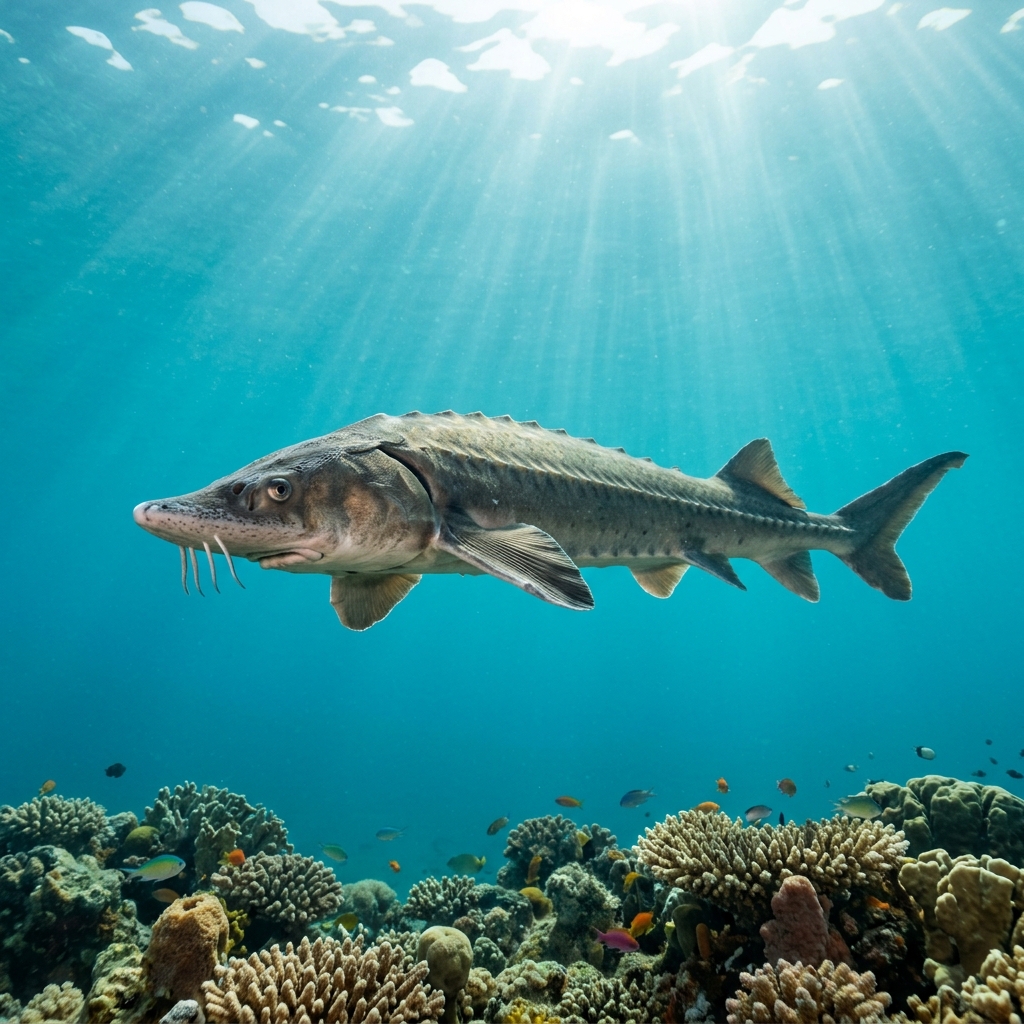
Reef neighbours a diver could mistake it for. Use the identification notes above to tell them apart.
All logged sightings come from Canada, concentrated in the Great Lakes and Ontario region. This is a freshwater species, so expect to find it in clear lakes and slow river backwaters rather than any marine environment. Sighting frequency at these sites is uncommon to rare, so treat an encounter as a bonus rather than a near-certainty.
Mapping where Black Crappie is logged…
Logged dive sightings are from the Great Lakes and Ontario region of Canada. This is a freshwater species found in clear lakes and slow-moving backwaters, so look for it in sheltered bays with submerged vegetation or woody debris.
There is no clear seasonal peak in the available data, so sightings can occur at any time of year. Black crappie tolerate a wide temperature range, including near-freezing water, meaning ice divers in Canadian lakes have a reasonable shot at an encounter.
Look for a deep, disc-shaped body covered in irregular dark speckles on pale silvery-green flanks, with no obvious stripes or bars. Count the dorsal fin spines: seven or eight is a reliable marker. The arched back profile also helps separate it from slimmer species like perch.
Most adults encountered while diving are in the 20 to 30 cm range, though larger individuals approaching 40 cm exist in productive lakes. They are not a large fish, but their deep, flattened body makes them appear bulkier than their length suggests.
No. Black crappie pose no threat to divers. They are small, non-aggressive fish that will typically hold position or retreat slowly when approached. No special precautions are needed around them.
Site and sighting data is aggregated from diver logs, iNaturalist and GBIF. For taxonomy and conservation status:
Sun Perch
2,182 sites