
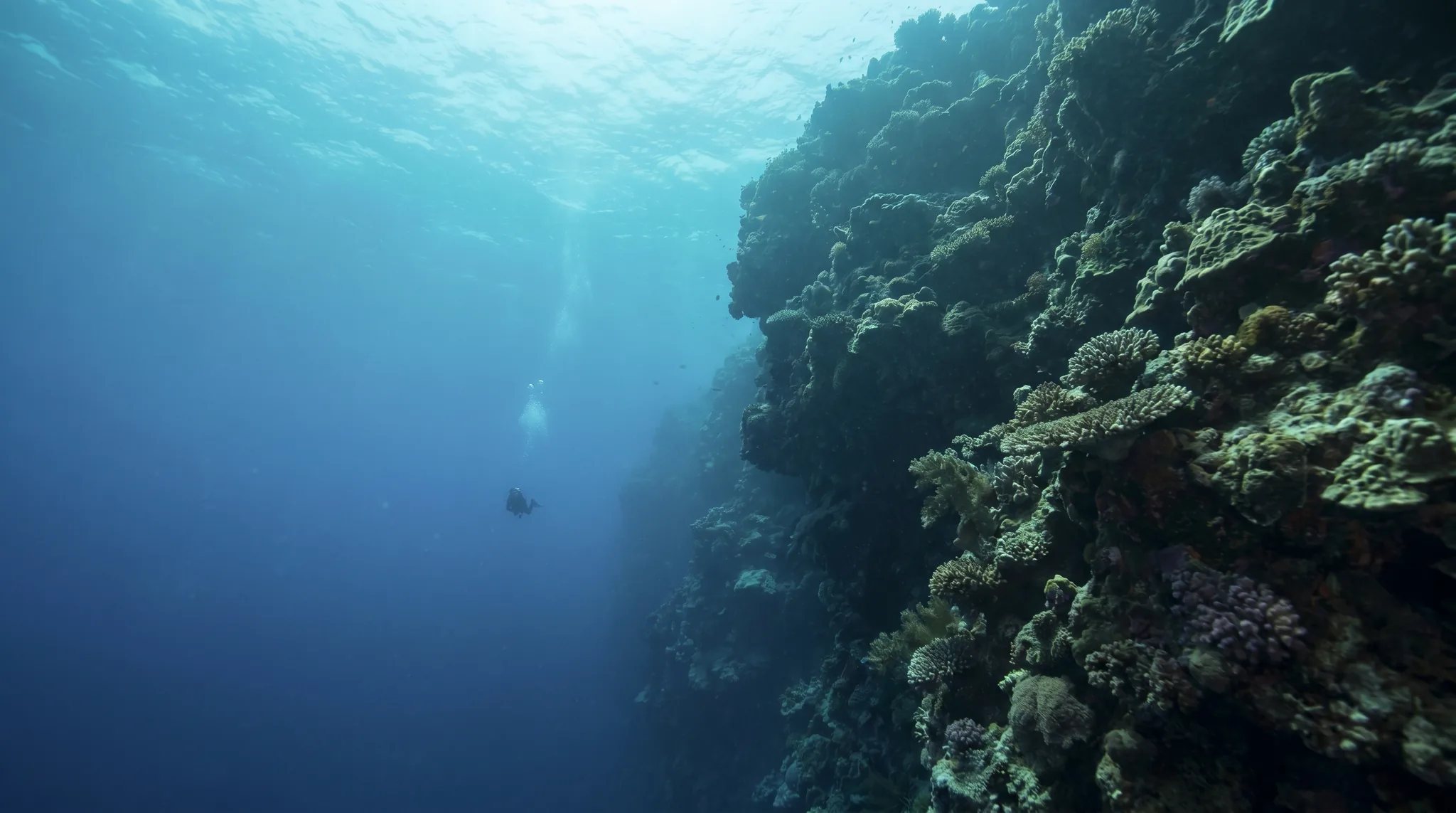
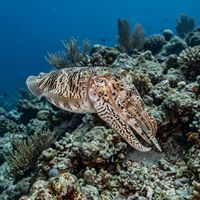
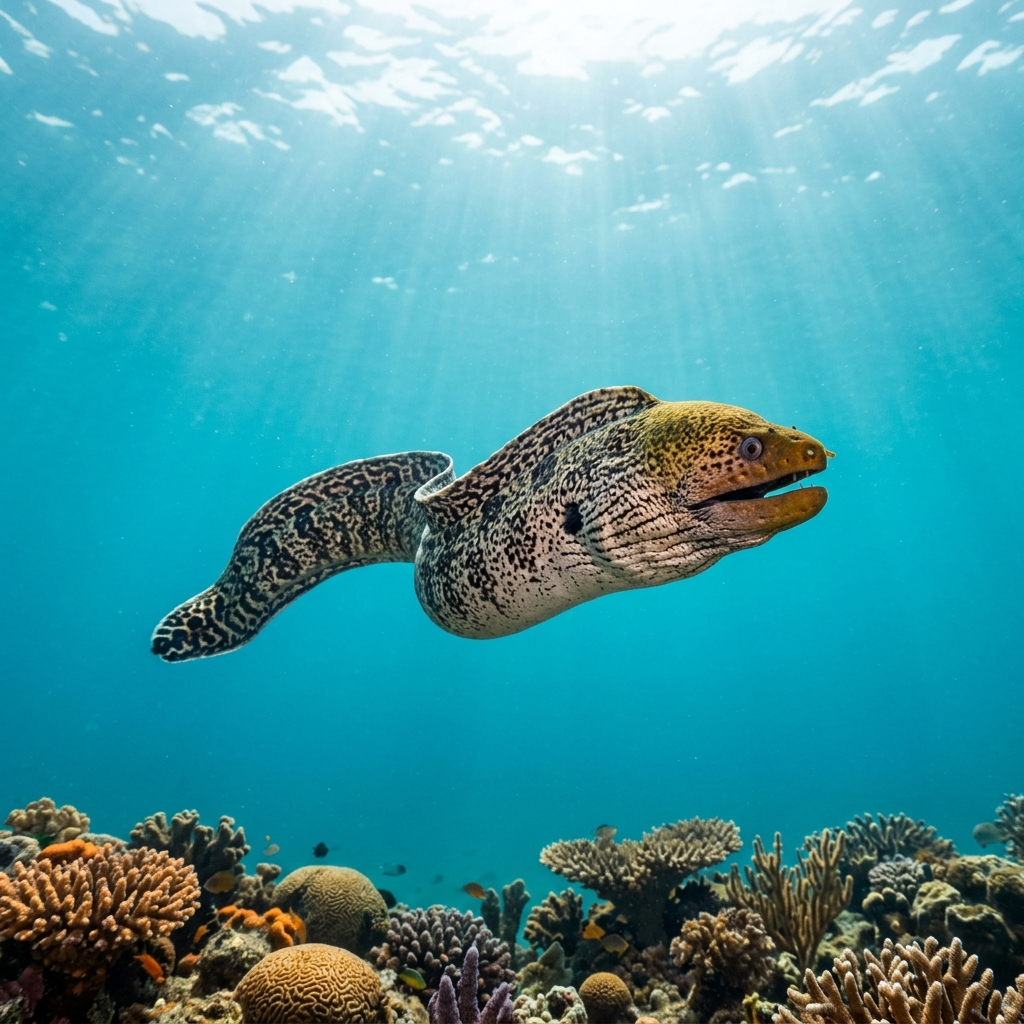
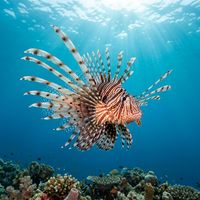
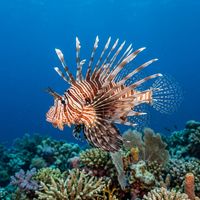
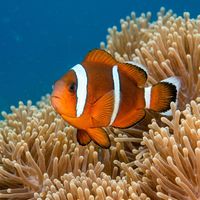
The East Coast of the United Arab Emirates divides neatly into two diving areas: Khor Fakkan, with the greater number of sites, and Dibba to the north. Both offer boat-accessed reef diving alongside purposely sunk wrecks that have matured into artificial reefs. Beginner-friendly pinnacles and shallow coral formations sit alongside deeper wreck dives suited to advanced divers. The marine life is characterised by Spotfin Lionfish, Pharaoh Cuttlefish, Undulated Moray, Yellowtail Clownfish and Redtooth Triggerfish, with occasional Whale Shark encounters recorded across the region.
2 areas
Monthly water temperature across East Coast's sites, from satellite sea-surface data corrected for depth. The band shows the site-to-site spread.
Water temperature stays warm through most of the year, peaking in the summer months and cooling slightly in late winter and early spring. Diver activity data points to May, September and October as the most favoured months, suggesting that the shoulder periods around summer offer the most rewarding conditions. Visibility can vary considerably across sites, so checking local conditions with one of the region's operators before heading out is worthwhile.
19 operators
Dibba Al-Fujairah, United Arab Emirates
Khawr Fakkan, United Arab Emirates
United Arab Emirates
Water temperature around East Coast ranges from about 23°C in March to 30°C in June, based on satellite sea-temperature data for its dive sites.
In the warm season (about 30°C) a rash guard or 3mm shorty is comfortable in East Coast; in the coldest months (about 23°C) step up to a 3mm full suit.
Fin maps 20 sites in East Coast (20 scuba diving sites and 1 snorkelling spots, with some suited to both), organised into 2 areas.
Across East Coast's dive sites, May and October are most often reported as the best months to visit.
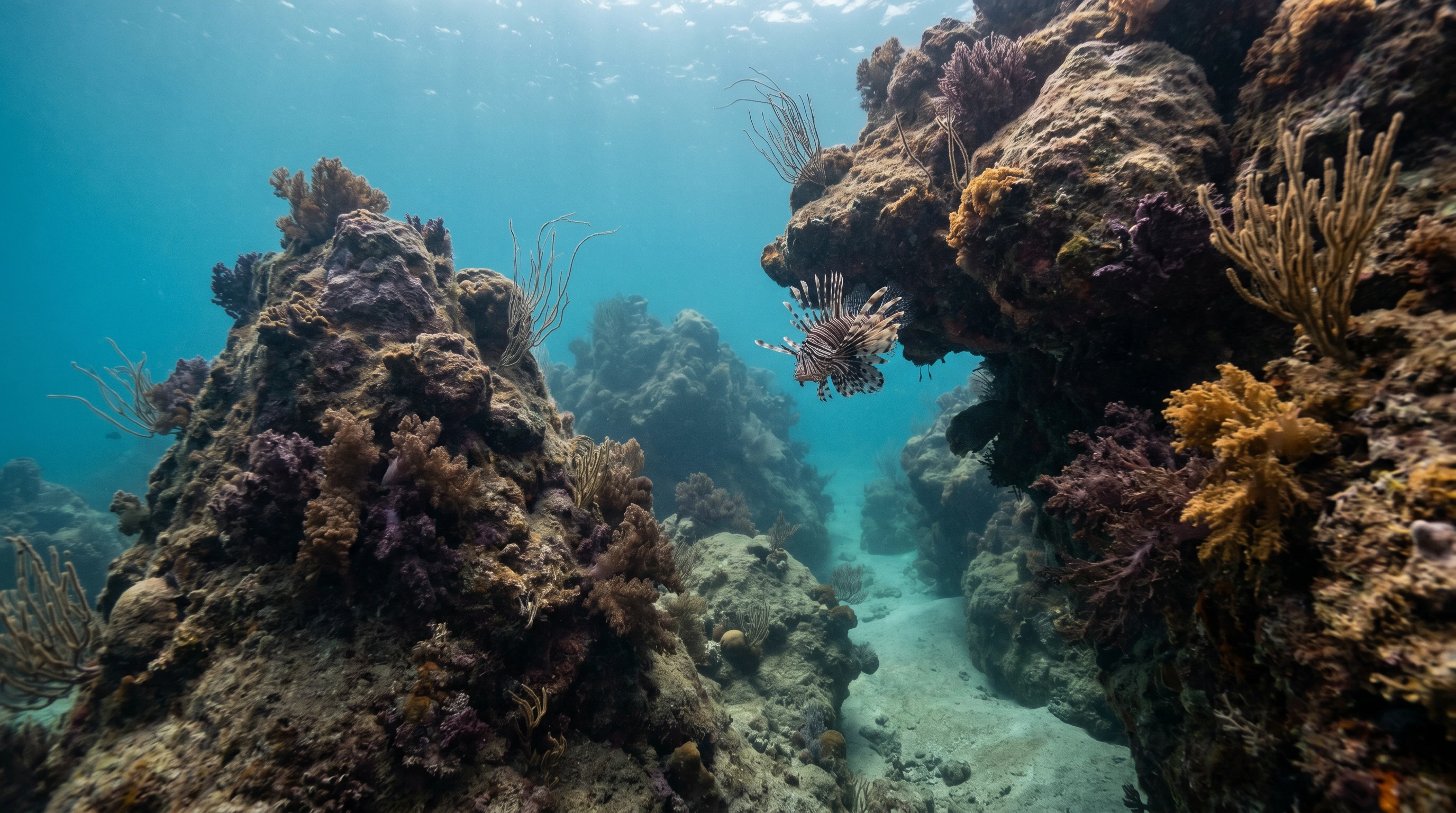
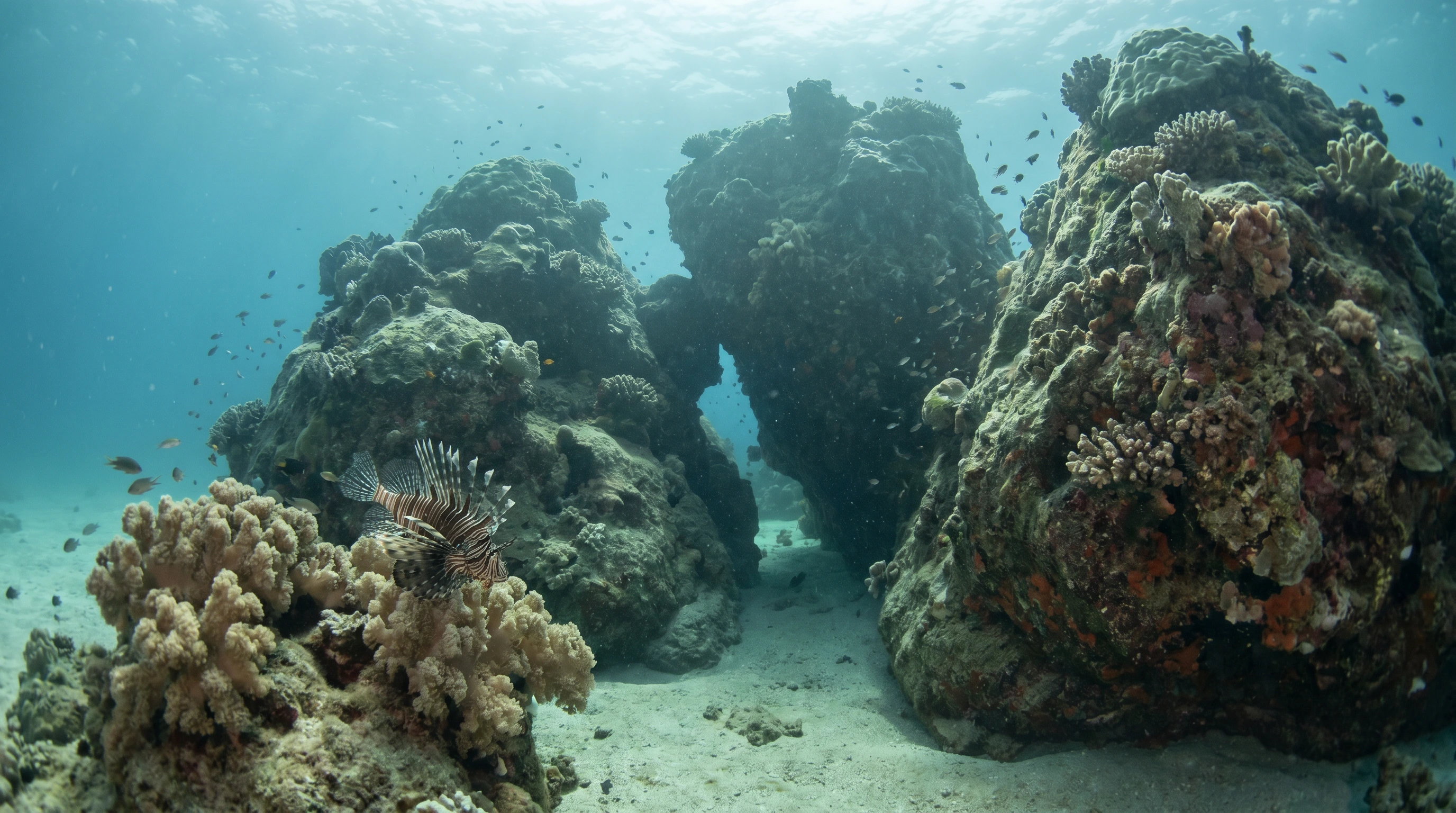
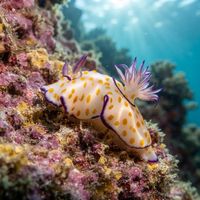
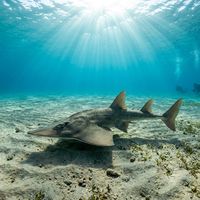
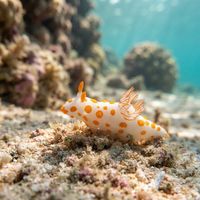
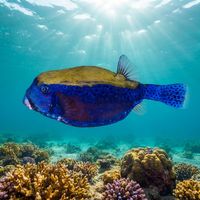
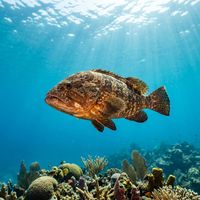
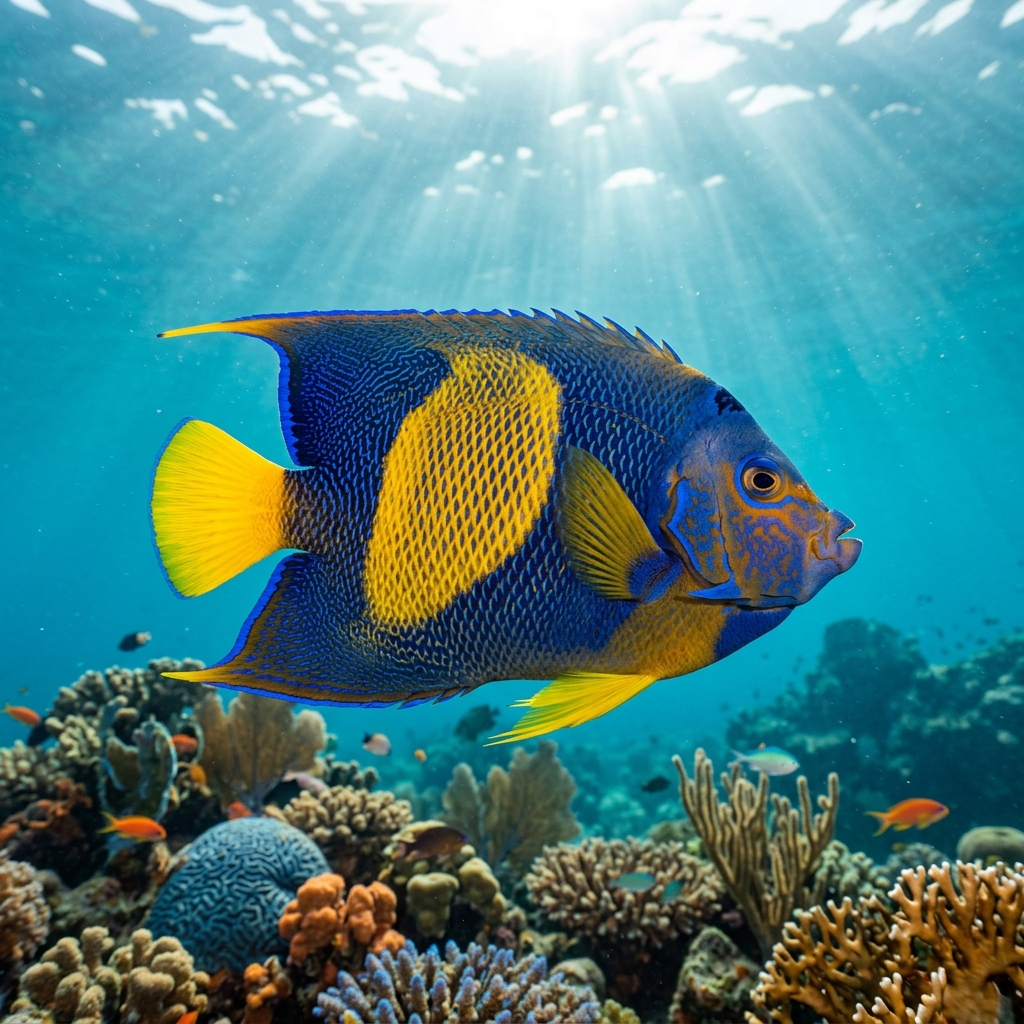
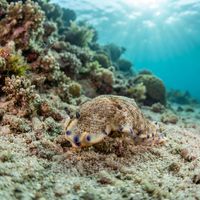
The region has a well-documented list of observed species. Spotfin Lionfish, Indian Lionfish, Pharaoh Cuttlefish, Undulated Moray and Redtooth Triggerfish are recorded as very common across most sites. Guitarfish and the striking Spanish Dancer nudibranch are seen regularly, and Whale Shark encounters have been recorded, though these are occasional rather than reliable.
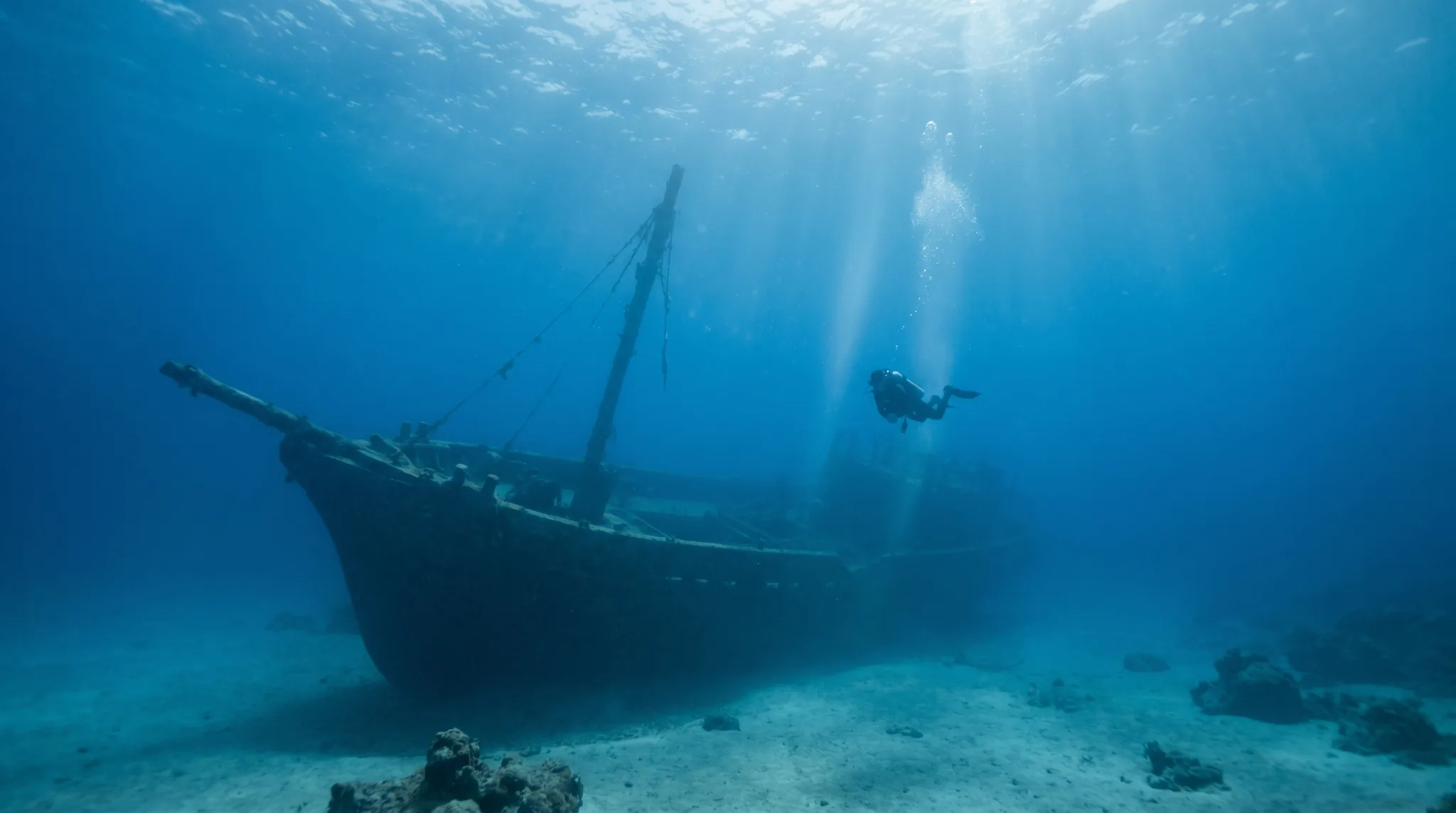
Khor Fakkan holds the larger share of sites, including reef dives such as Martini Rock, Anemone Gardens and Coral Gardens, as well as the wreck Inchcape 2. Dibba is home to notable sites including Inchcape 1, a deep purposely sunk wreck, Sharm Rocks pinnacles and the shallow Snoopy Island. Both areas are served by local operators, and most diving in both is done by boat.
A good number of the region's sites are rated for beginner level, including Martini Rock, Sharm Rocks, Anemone Gardens, Snoopy Island and Dibba Rock. These tend to be shallower reef and pinnacle sites with accessible topography. Advanced-rated sites such as Inchcape 1 and Coral Gardens involve greater depth and are better suited to divers with more logged experience.
Several operators are active in the region, including Nomad Dive Center, Freestyle Divers, Nemo Diving Center Fujairah, Goblin Diving Center, Sandy Beach Dive Academy and Divers Down UAE. Most sites are boat-accessed, so booking through a local operator is the standard way to reach them. Dibba Rock is one of the few sites offering both shore and boat entry.
