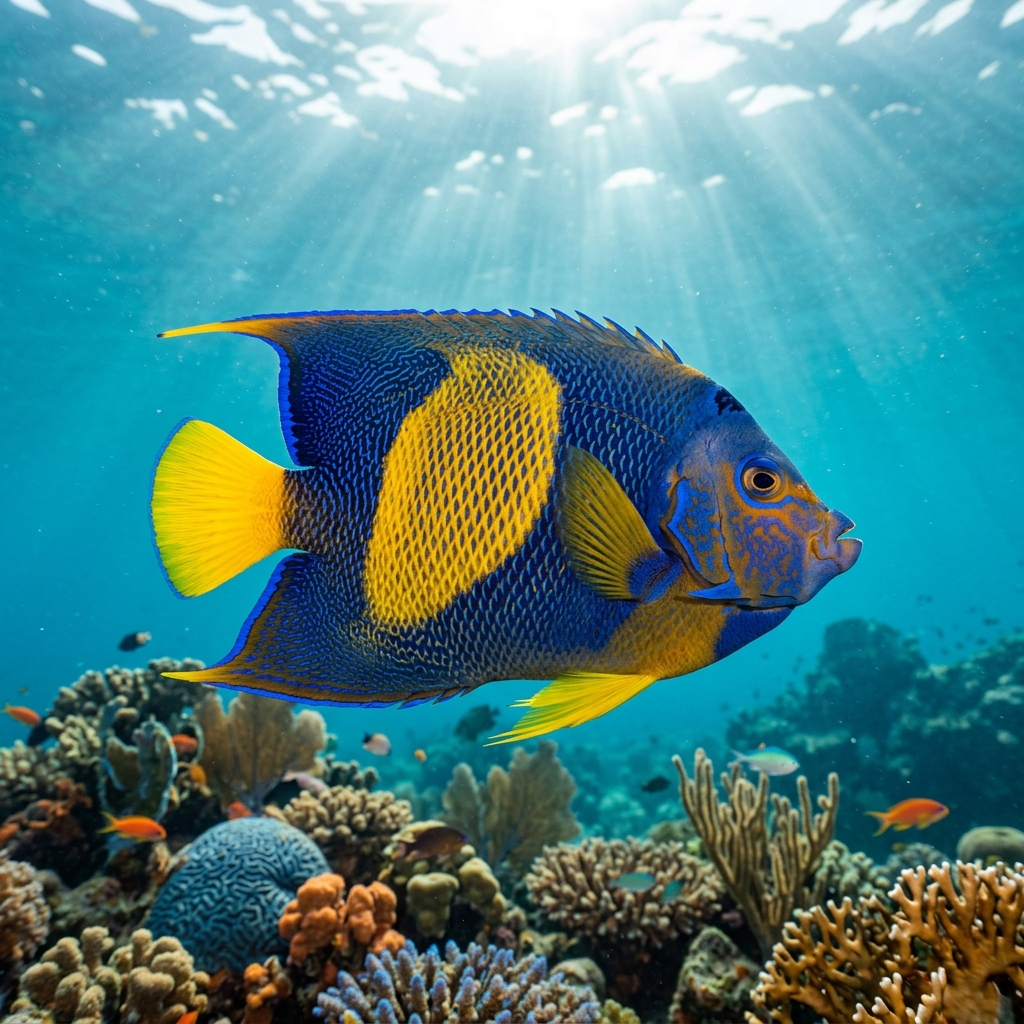
Pomacanthus maculosus
Spot the Yellowbar Angelfish across Sharm el Sheikh and Muscat reefs, where it's most commonly logged between July and March in warm Red Sea waters.
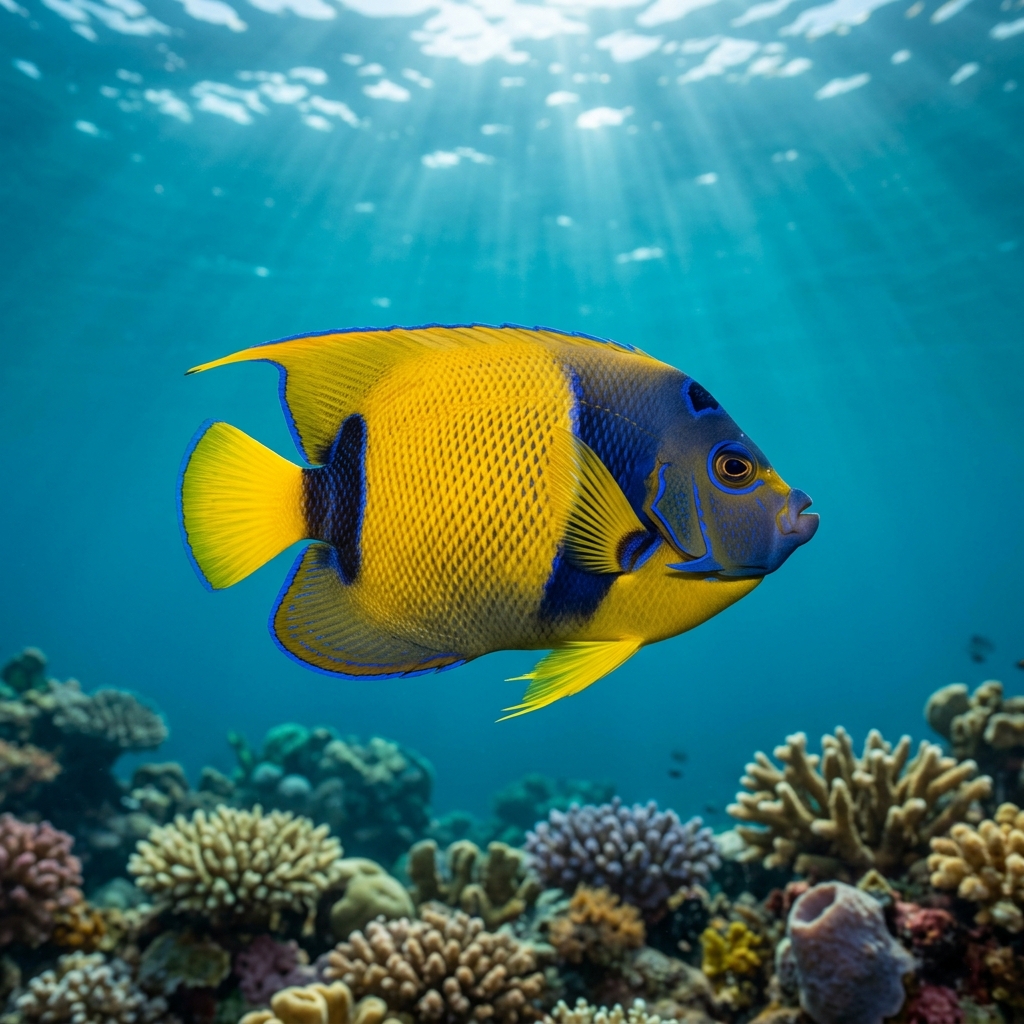
That bold yellow patch mid-body is the giveaway, a broad, irregular vertical bar splashed across an otherwise deep blue-purple body makes this one of the easier large angelfish to pin down underwater. The face is blue-grey with a yellow ring around the eye, and the tail is a pale yellow. Juveniles look entirely different: dark with white and blue concentric semicircular stripes, similar to several other young pomacanthids, so size and context matter when you spot a small one.
Yellowbar angelfish tend to be seen moving purposefully along reef walls and coral-rich slopes, picking at sponges and algae as they go. They are typically solitary or in pairs and are not particularly shy, often allowing a patient diver to get close before slowly drifting further along the reef. You're most likely to find them in the mid-water column adjacent to structure rather than out in the open.
Like many angelfish, yellowbar angelfish are protogynous hermaphrodites, dominant individuals can change sex from female to male, and a single male typically holds a small territory with several females.
Sightings concentrate from July through to March, covering both the warmer summer months and the cooler winter period across its Red Sea and Arabian Sea range. The species is comfortable in water temperatures from around 23°C to 30°C, so it is present year-round but most frequently recorded across that broad season.
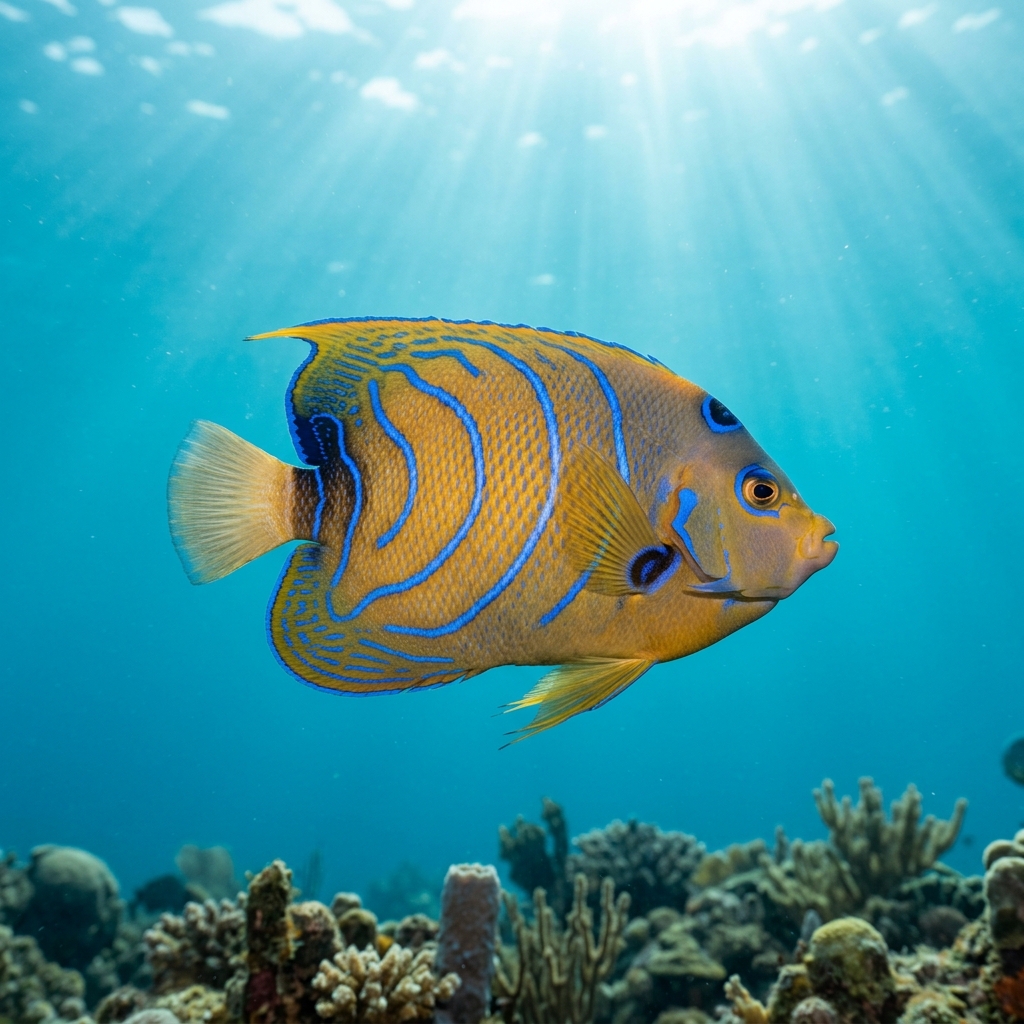
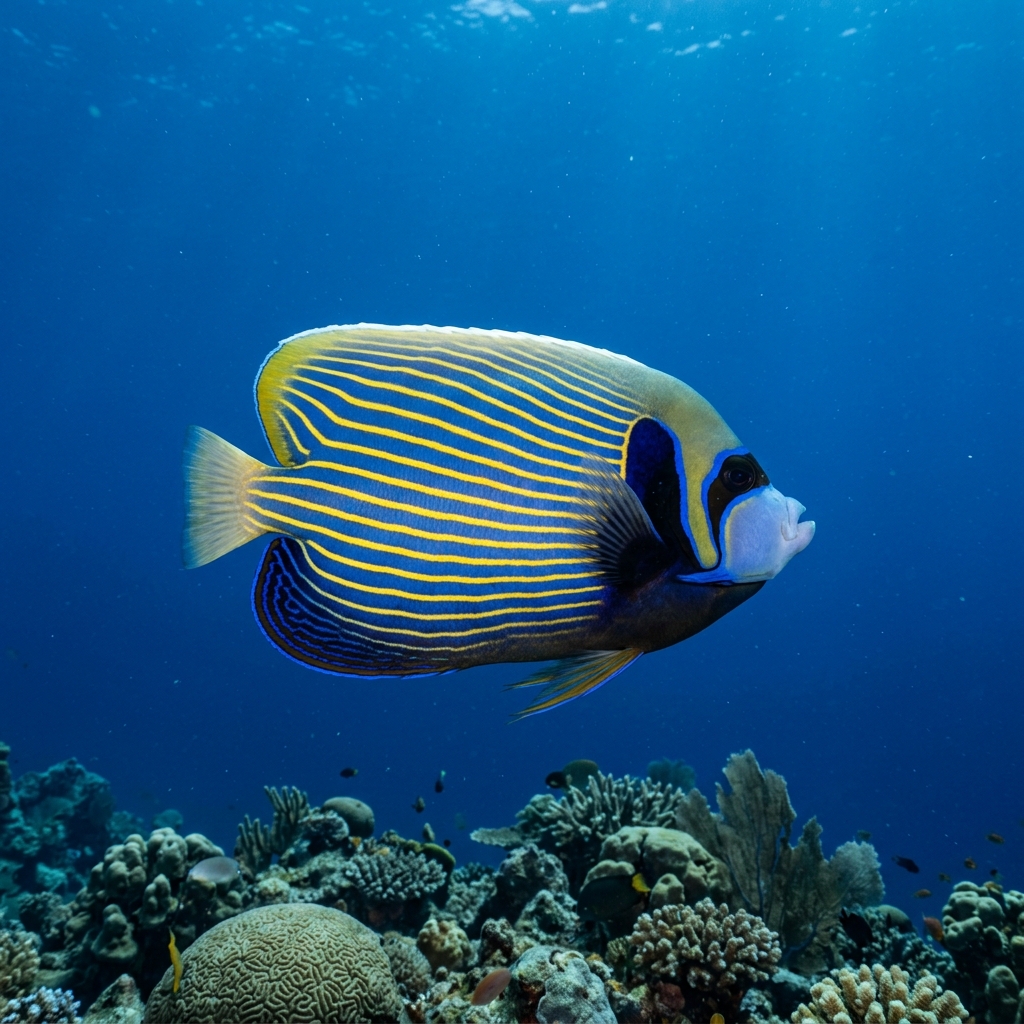
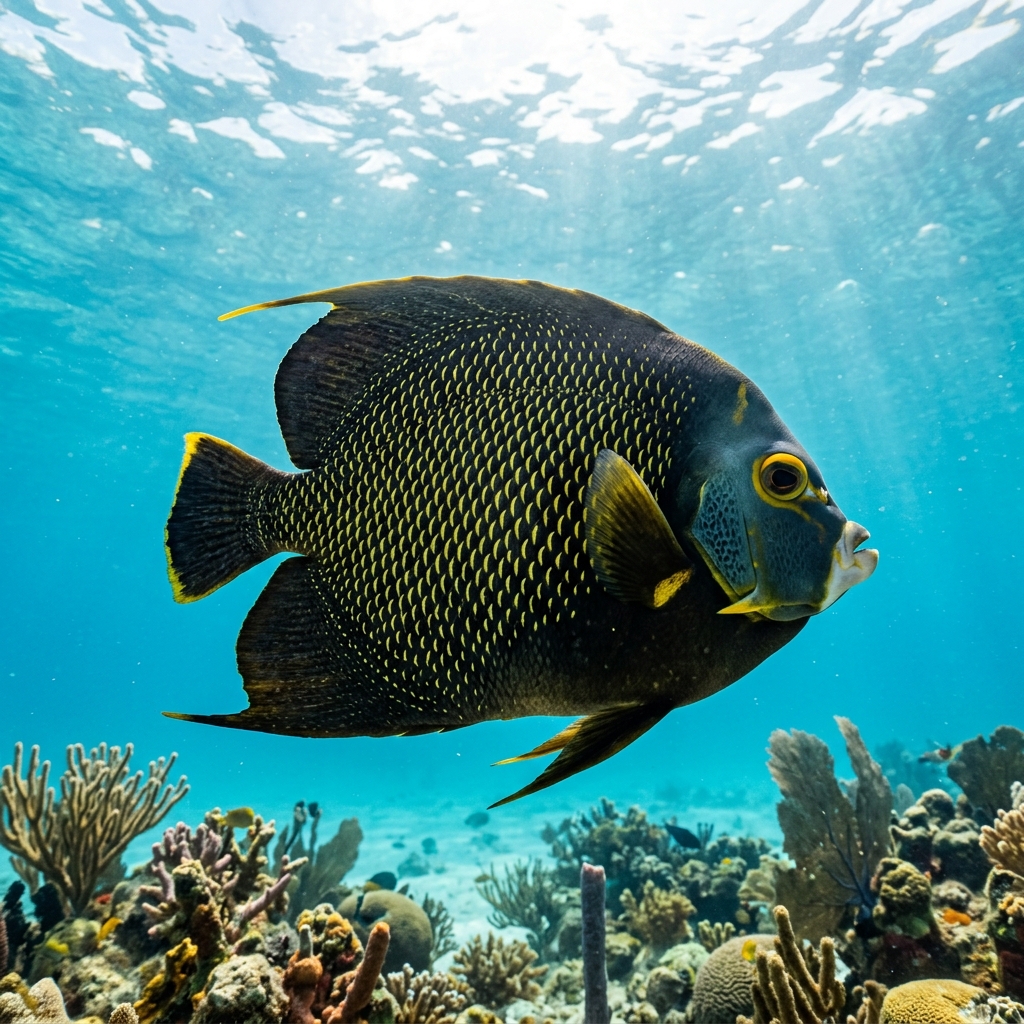
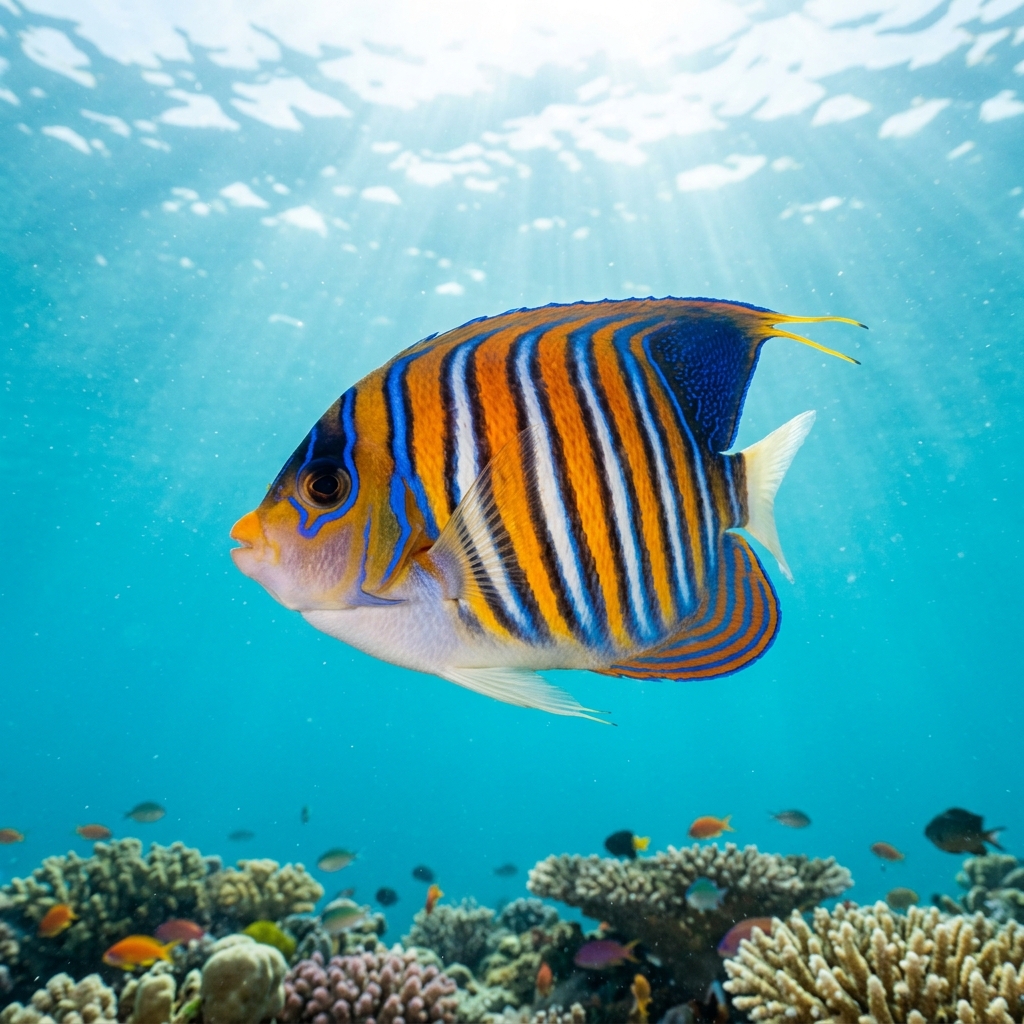
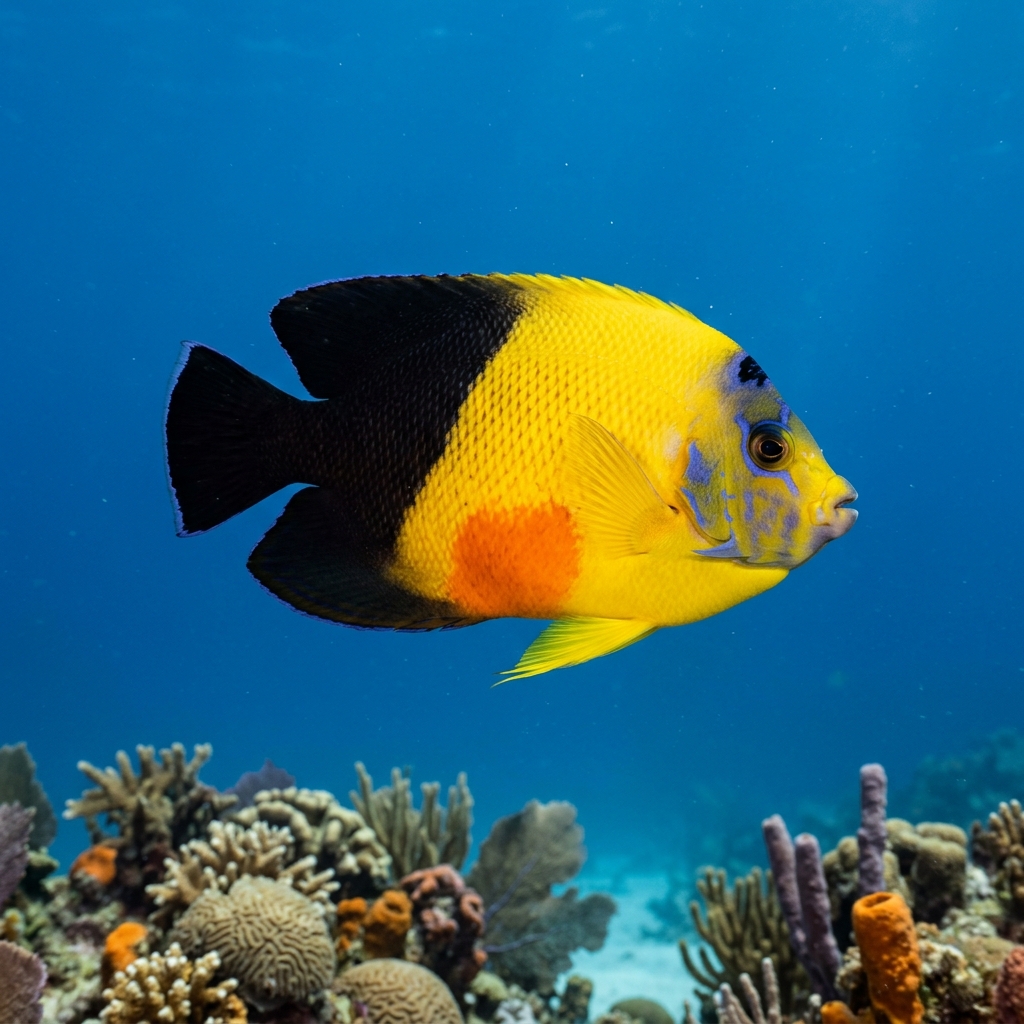
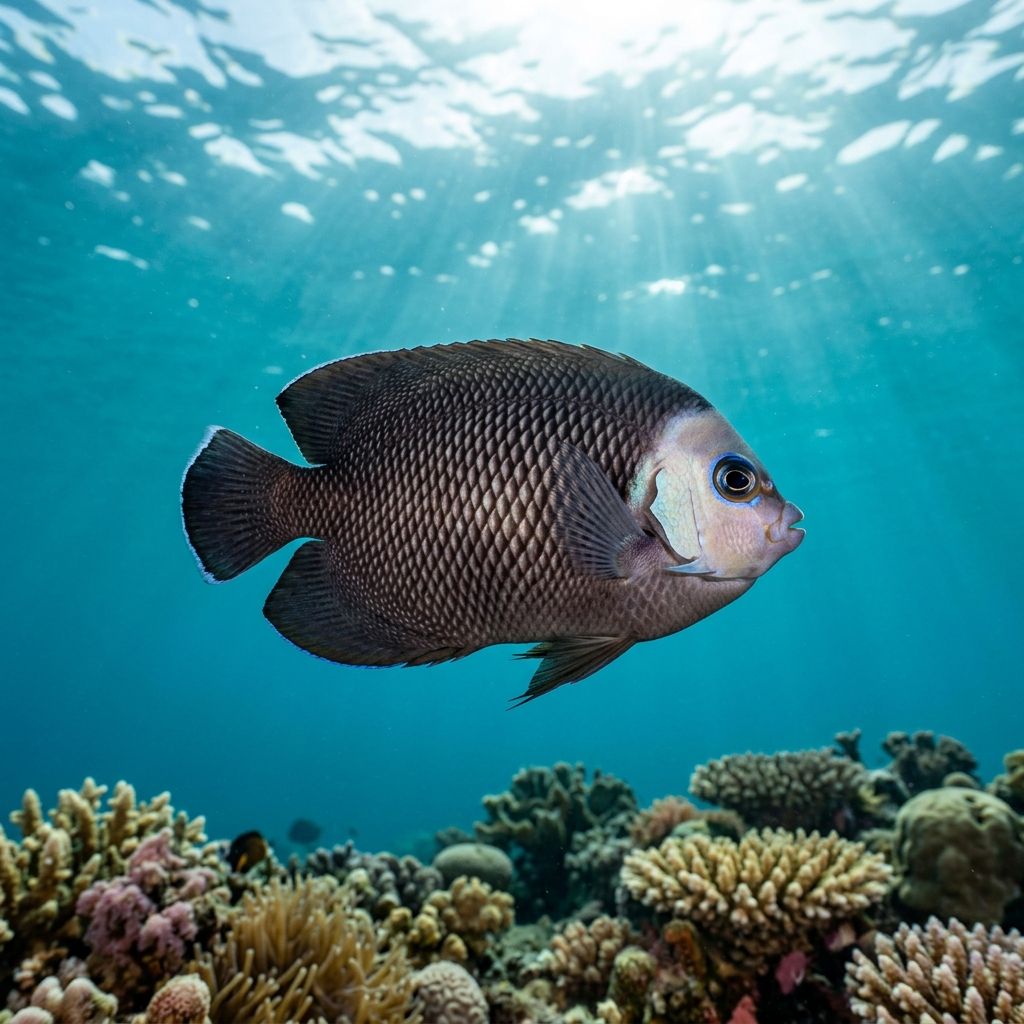
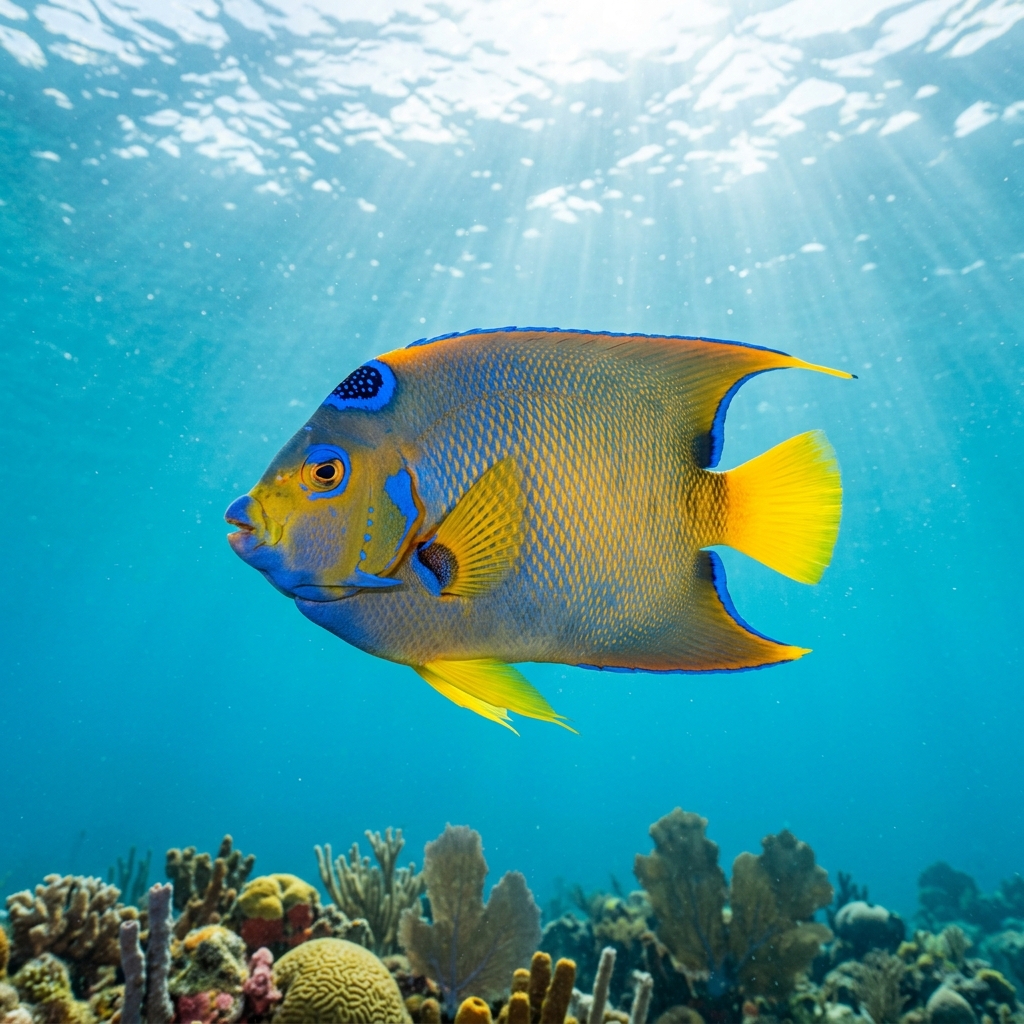
Reef neighbours a diver could mistake it for. Use the identification notes above to tell them apart.
The overwhelming majority of logged sightings come from Egypt, particularly around Sharm el Sheikh and Safaga, making the northern and central Red Sea the most reliable destination for this species. Oman's Muscat coastline is a strong second, with Fujairah in the UAE and sites around Jeddah and Yanbu in Saudi Arabia rounding out its core range.
Mapping where Yellowbar Angelfish is logged…
The Red Sea is your best bet, especially around Sharm el Sheikh and Safaga in Egypt, where they are most commonly logged. Muscat in Oman is another strong location, and you can also encounter them at sites in Fujairah (UAE) and along the Saudi Arabian coast at Jeddah and Yanbu.
Logged sightings concentrate between July and March across their Red Sea and Arabian Gulf range. While they can be present year-round given the warm water temperatures, that July-to-March window represents the peak period according to real diver observations.
Look for a large, disc-shaped angelfish with a deep blue-purple body and a single wide yellow vertical bar roughly in the middle of the body. The yellow tail and the yellow ring around the eye are secondary clues. No other angelfish in the Red Sea shares this exact pattern.
Yellowbar angelfish are among the larger angelfish species, typically reaching around 40 to 50 cm in length as adults. Underwater they present as a substantial, plate-shaped fish, noticeably bigger than most reef fish you'll see around them.
Yes. They are protogynous hermaphrodites (females that can become male), a trait common across angelfish. A dominant male holds a territory with several females, and if he disappears, the dominant female can transition to become the breeding male.
Site and sighting data is aggregated from diver logs, iNaturalist and GBIF. For taxonomy and conservation status:
Rock Beauty
1,573 sites