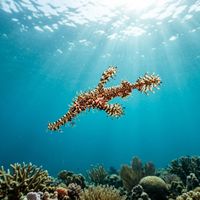
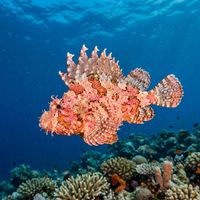
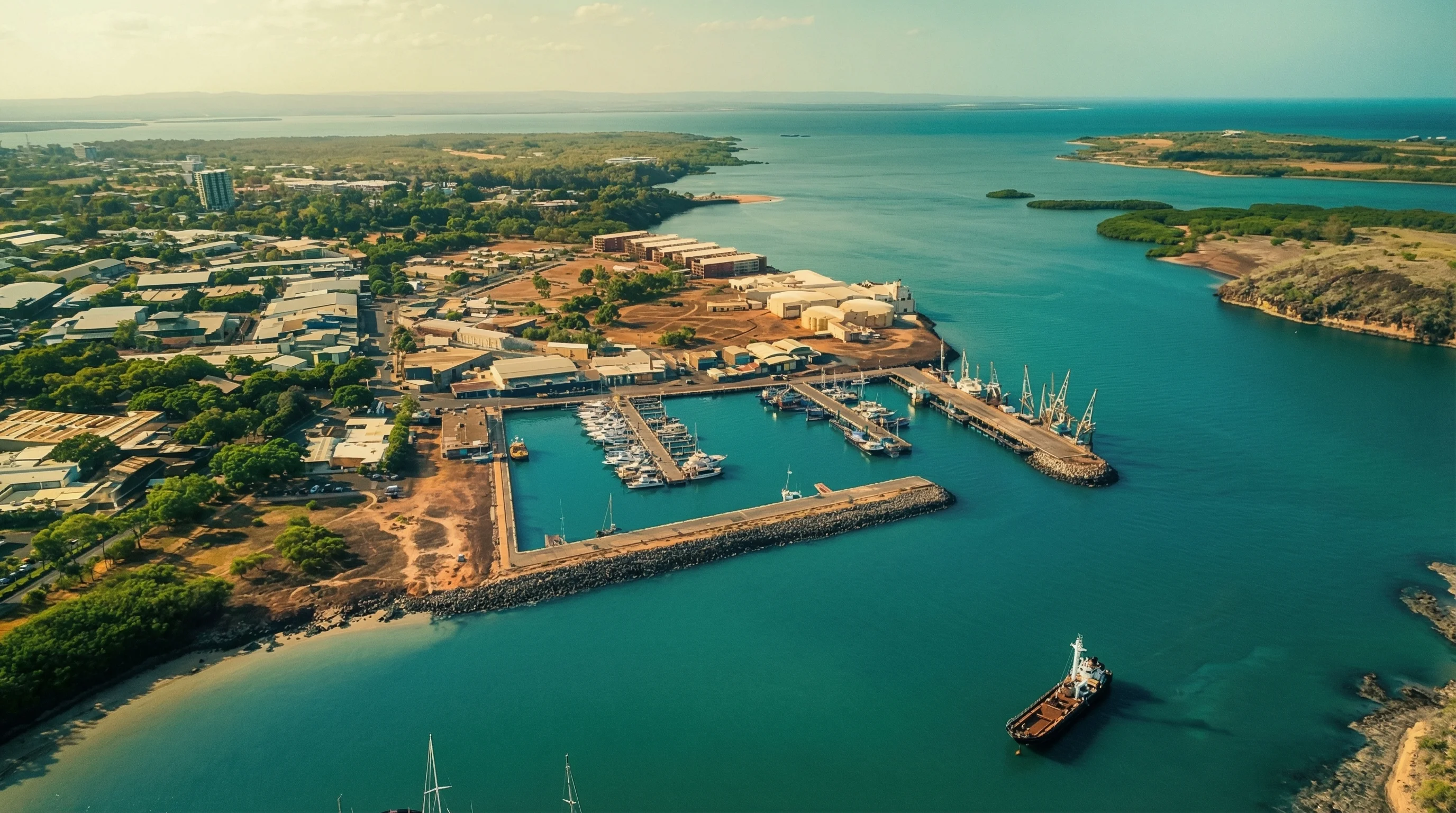
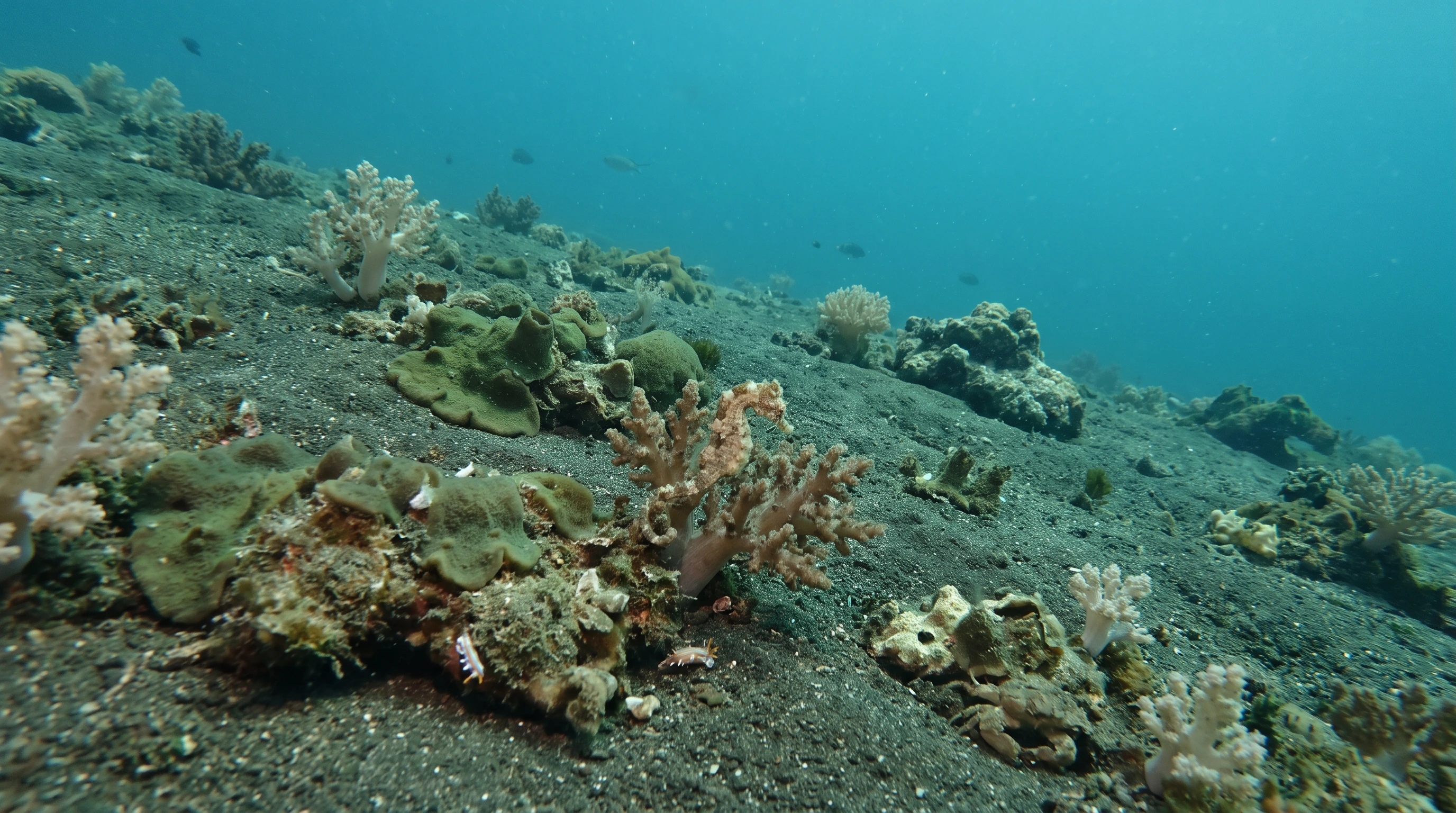
Dili is defined by shore-accessible muck and reef diving within easy reach of the capital. Three sub-areas shape the experience: Dili Bay and the North Coast offer sheltered, beginner-friendly sites; the Dirt Track corridor follows the coastline with a similar mix; and the Cristo Rei headland adds walls, drift and cave diving for those ready to go deeper. The signature draw is cryptic life, with Ornate Ghostpipefish, Giant Frogfish, Leaf Scorpionfish and Nembrotha Nudibranch among the most consistently recorded species. Warm water holds steady throughout the year, and the majority of sites require no boat.
3 areas

Monthly water temperature across Dili's sites, from satellite sea-surface data corrected for depth. The band shows the site-to-site spread.
Water temperature in Dili stays consistently warm across all months, with negligible variation, so thermal comfort is rarely a concern. The best-months data points toward a peak running from around April through November, with October and November seeing the strongest conditions. Currents are generally mild across most sites, though the deeper Cristo Rei sites, including Black Rock, can run stronger and suit more experienced divers.
8 operators
Timor-Leste
Water around Dili stays near 29°C all year, based on satellite sea-temperature data for its dive sites.
With water around 28–29°C, a rash guard or 3mm shorty works in Dili year-round.
Fin maps 22 sites in Dili (22 scuba diving sites and 4 snorkelling spots, with some suited to both), organised into 3 areas.
Across Dili's dive sites, October and November are most often reported as the best months to visit.
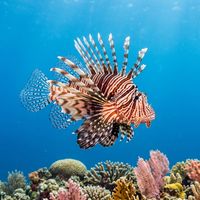
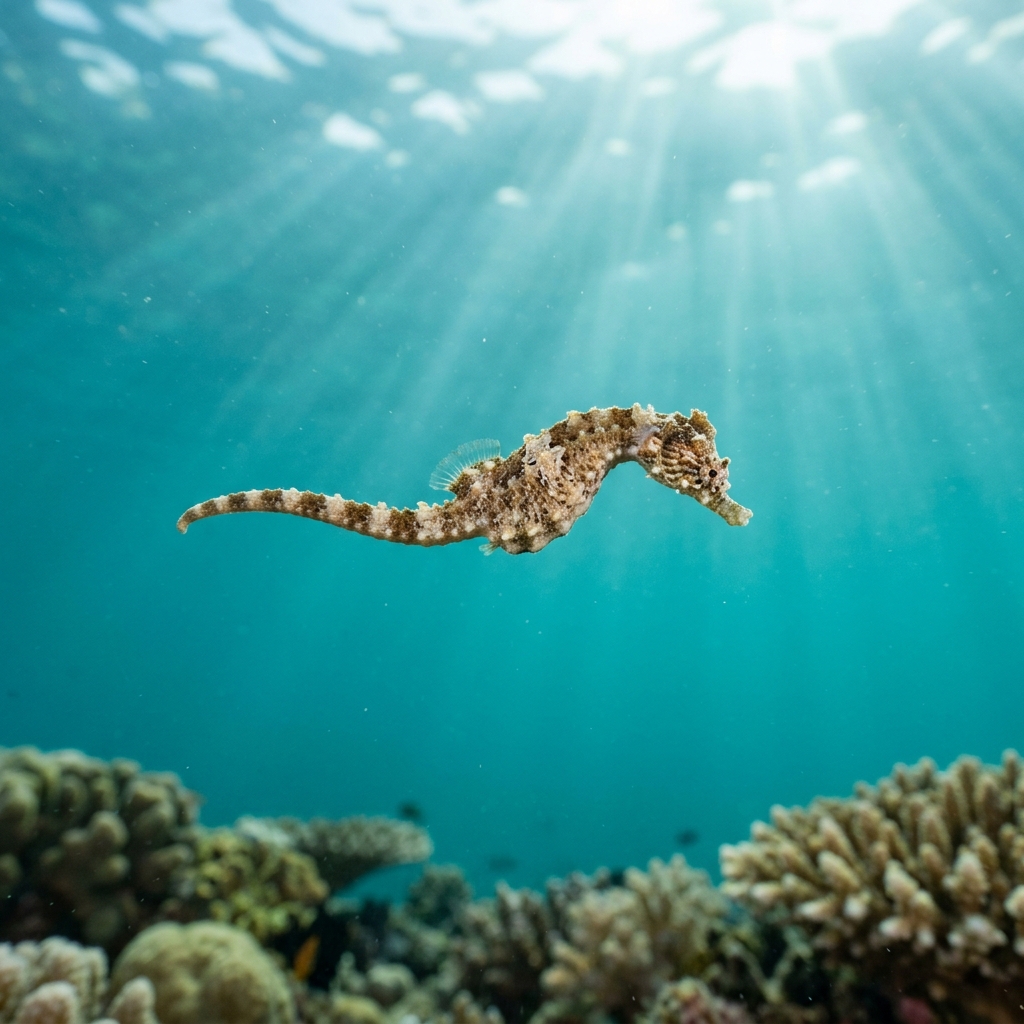
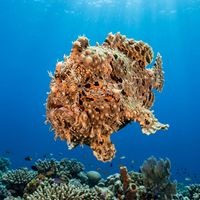
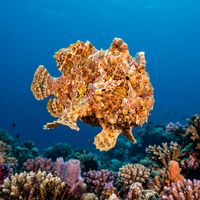
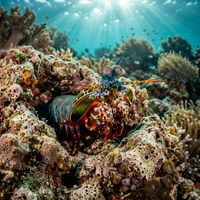
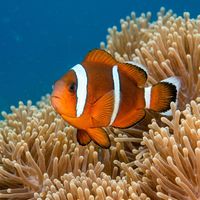
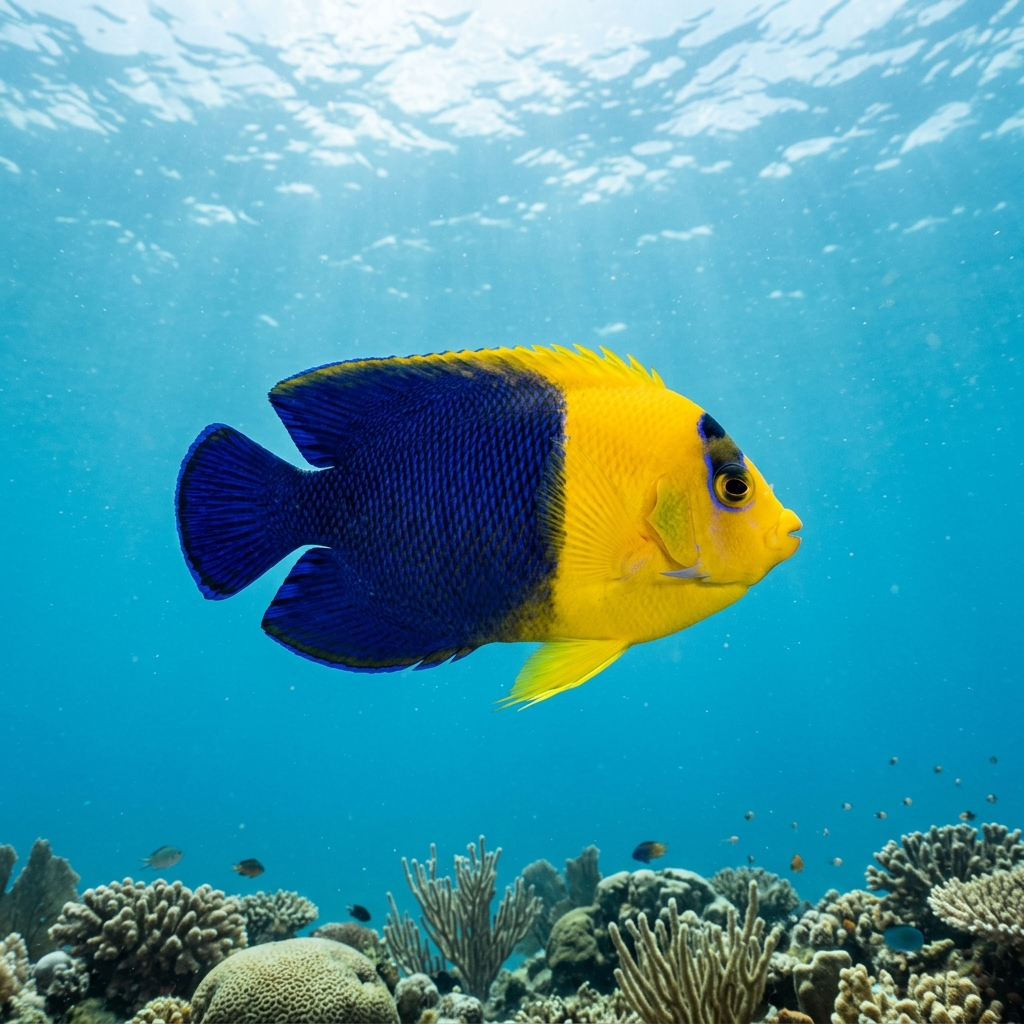
Dili is particularly strong for cryptic and camouflaged species. Ornate Ghostpipefish, Giant Frogfish, Painted Frogfish, Leaf Scorpionfish and Warty Anglerfish are all observation-backed signature species here. Peacock Mantis Shrimp and Dwarf Pipehorse add to the list, alongside more widespread reef life such as Blackback Clownfish, Yellowtail Clownfish and Freckled Hawkfish.
Almost all sites in Dili are shore-entry, which is one of the region's defining conveniences. Sites such as Tasi Tolu, Pertamina Pier, Sandy Bottom and Lone Tree are all reached directly from the beach or coast road. This makes independent diving relatively straightforward and keeps costs down for those without an operator.
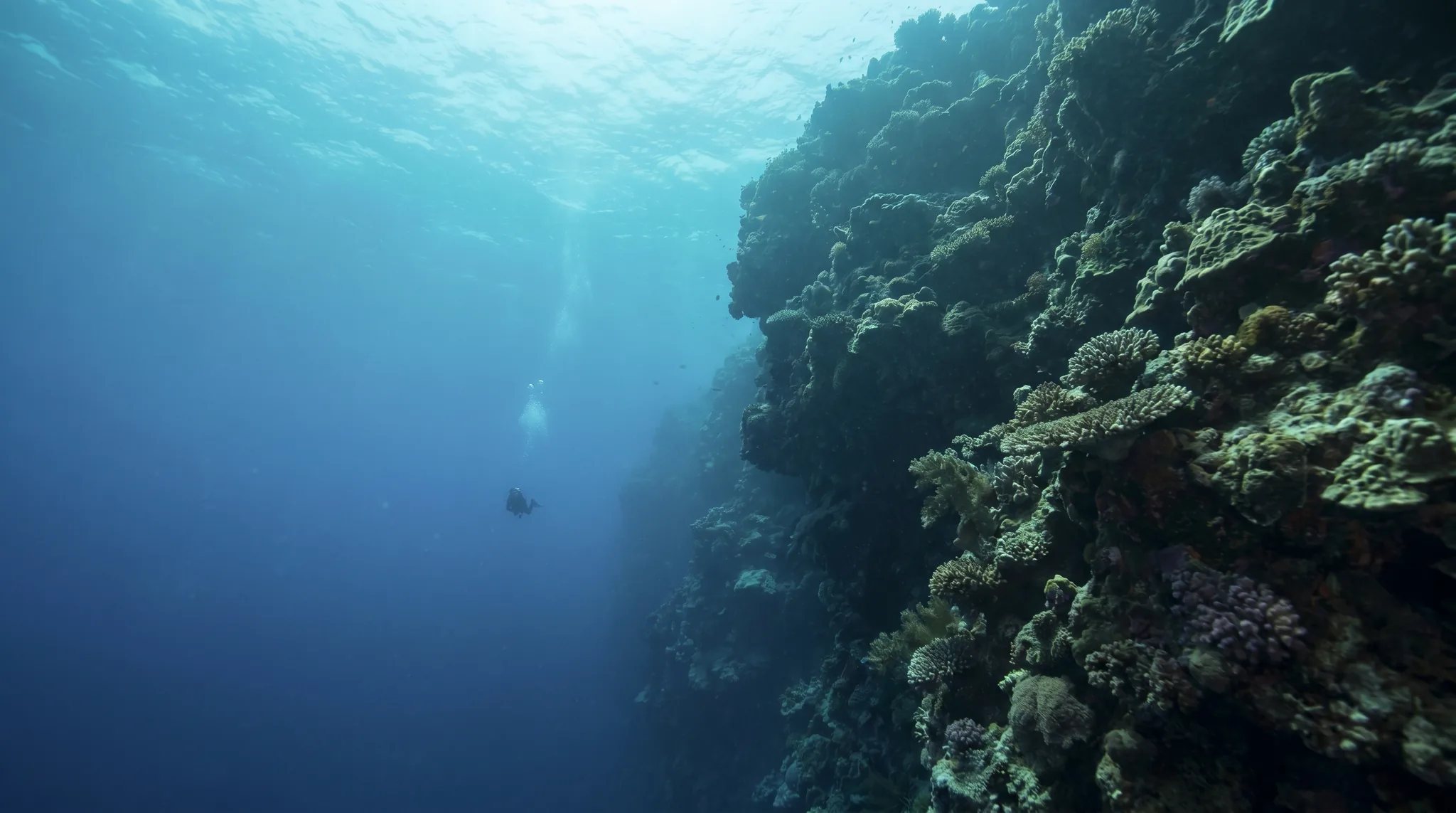
The majority of sites across all three sub-areas are rated for beginners, including popular spots such as Cristo Rei, Pertamina Pier, Tasi Tolu and Bubble Beach. Intermediate divers will find more challenge at The Wall and Black Rock in the Cristo Rei area, where the topography drops deeper and drift conditions are more pronounced. There is a solid range to grow into.
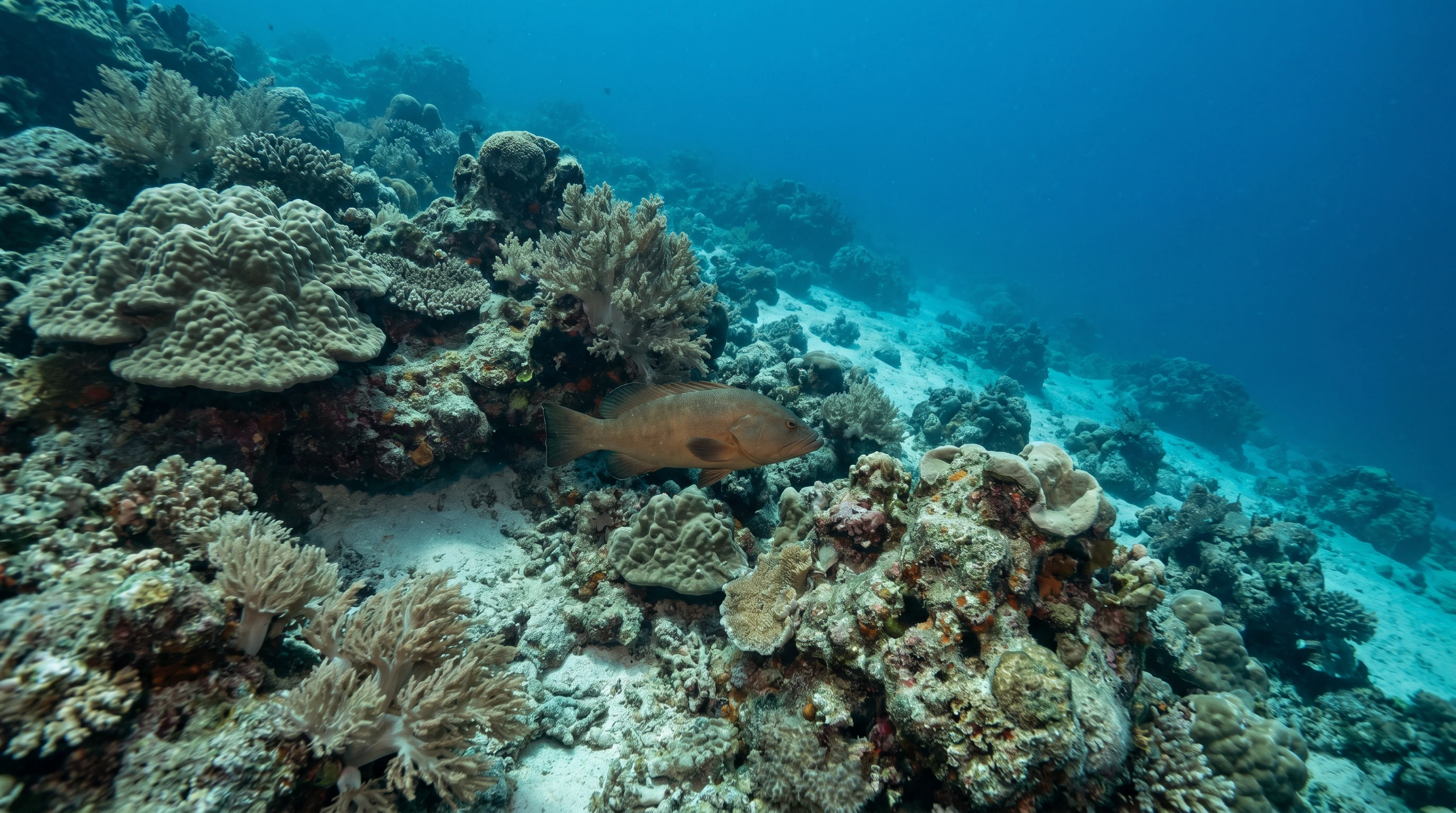
Dili Bay and the North Coast tends toward sheltered, shallower muck and reef sites well suited to relaxed diving and macro photography. The Dirt Track runs along the coast with a comparable site mix and a similar beginner-friendly character. Cristo Rei, at the eastern headland, offers more varied topography including walls, drift passages and cave features, making it the natural destination for divers seeking greater depth and complexity.