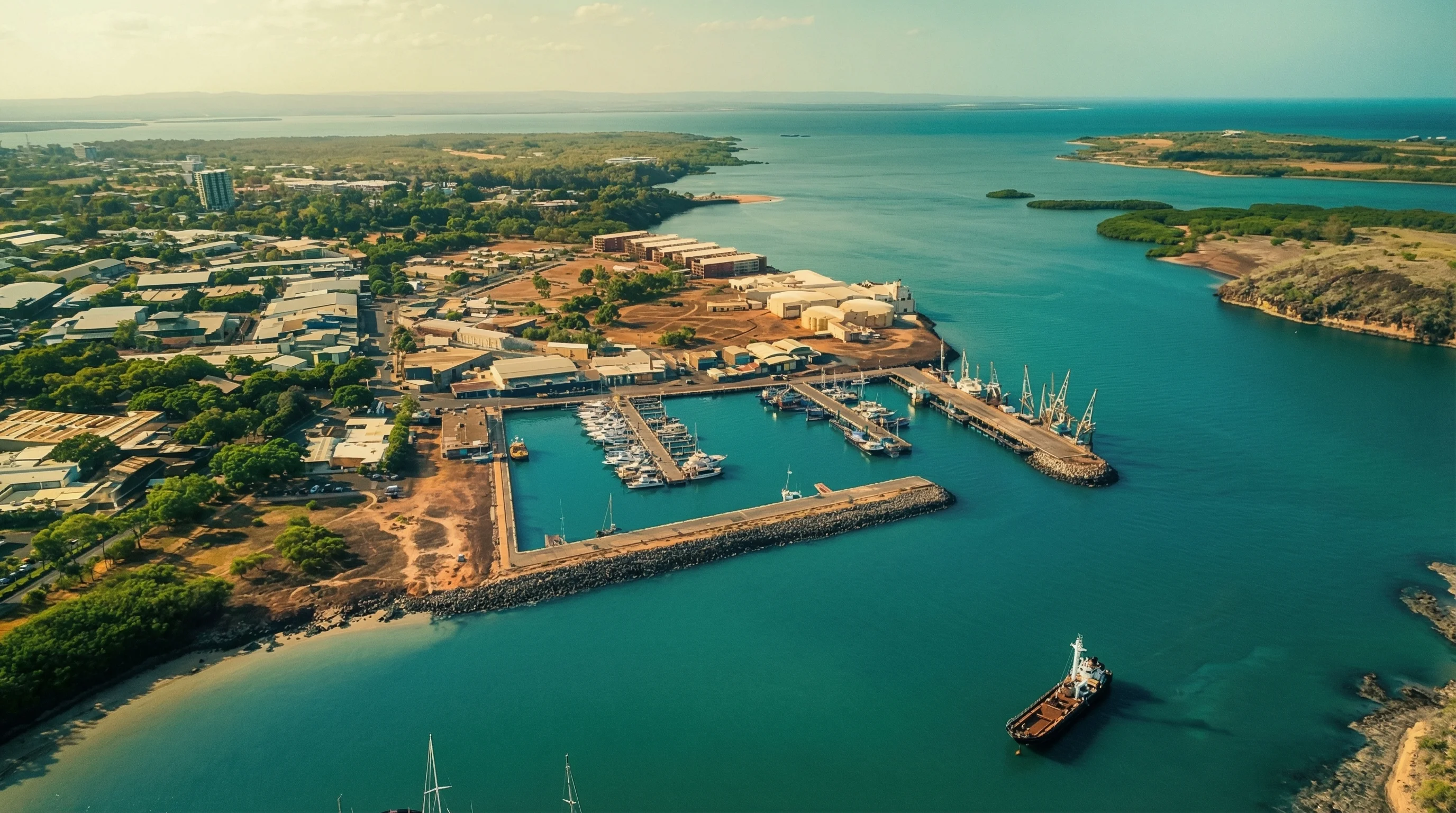
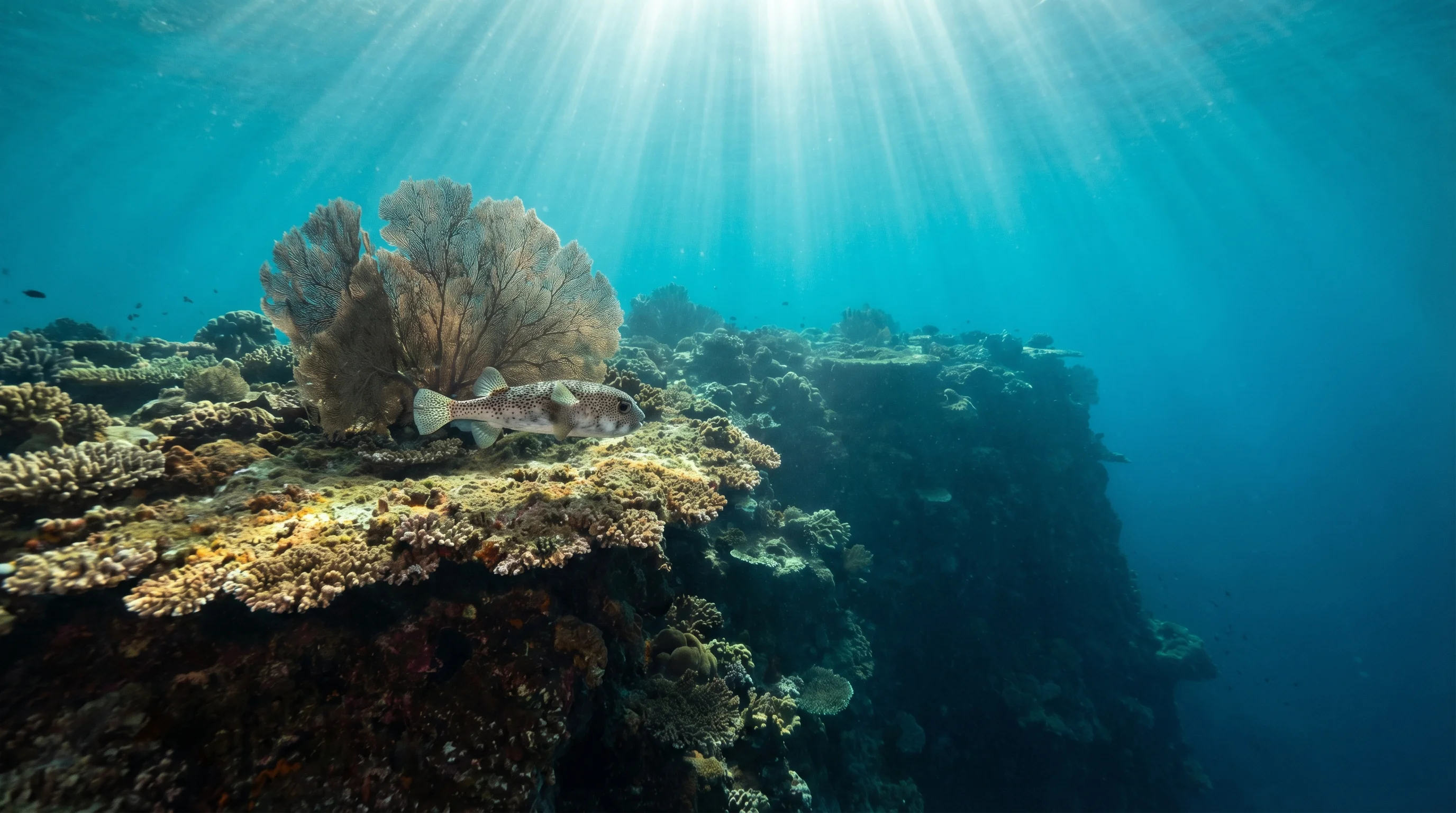
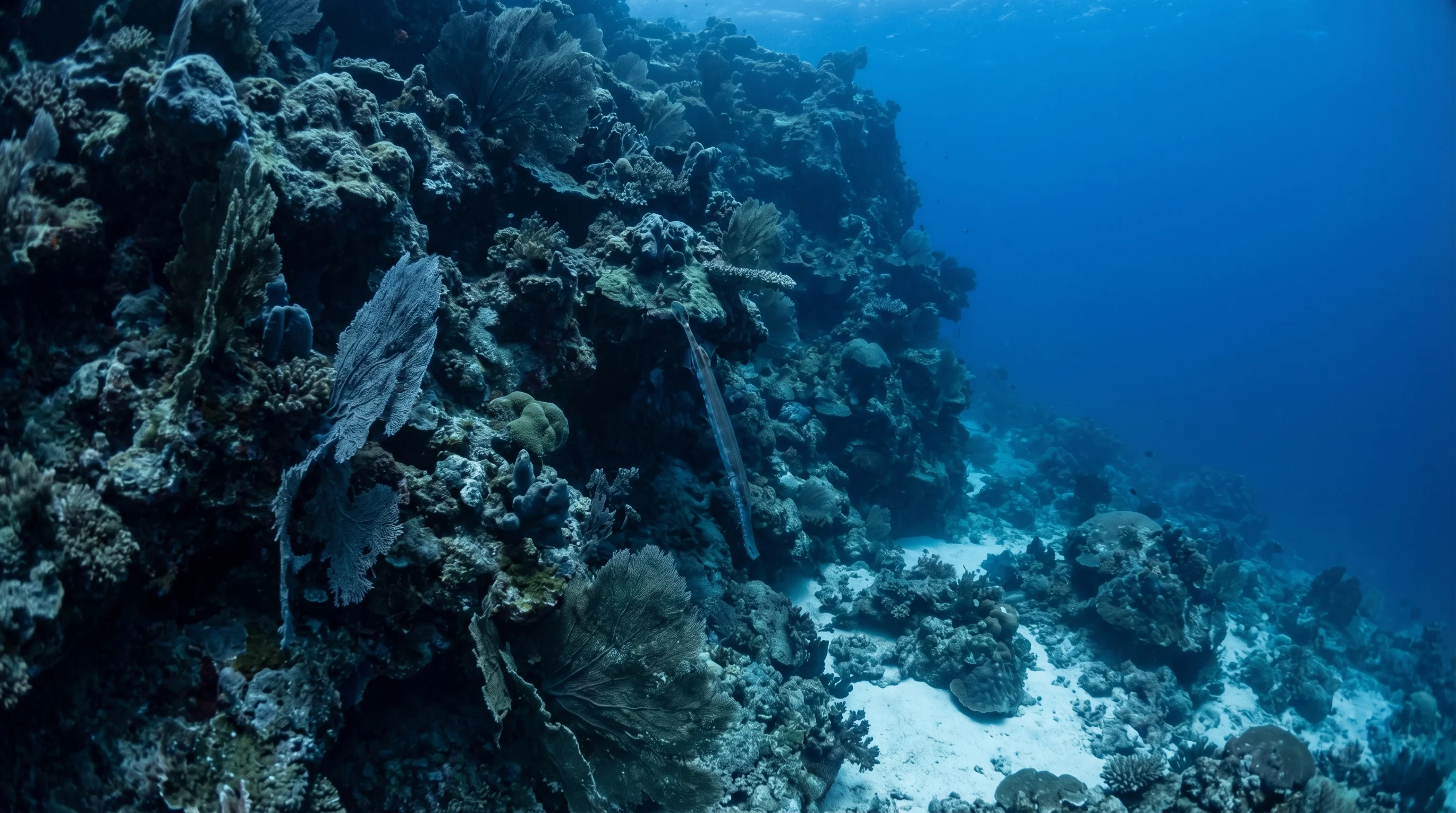
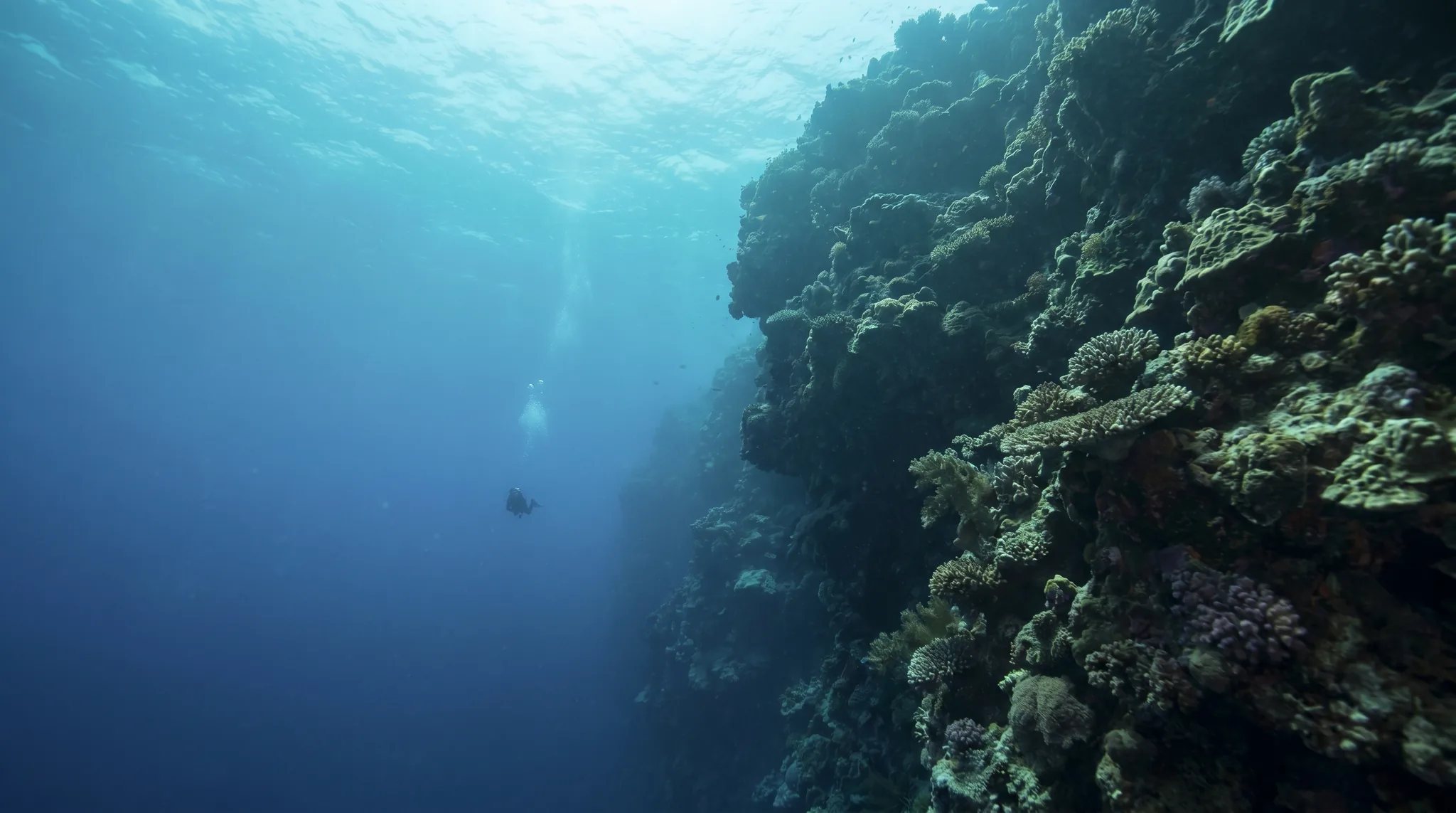
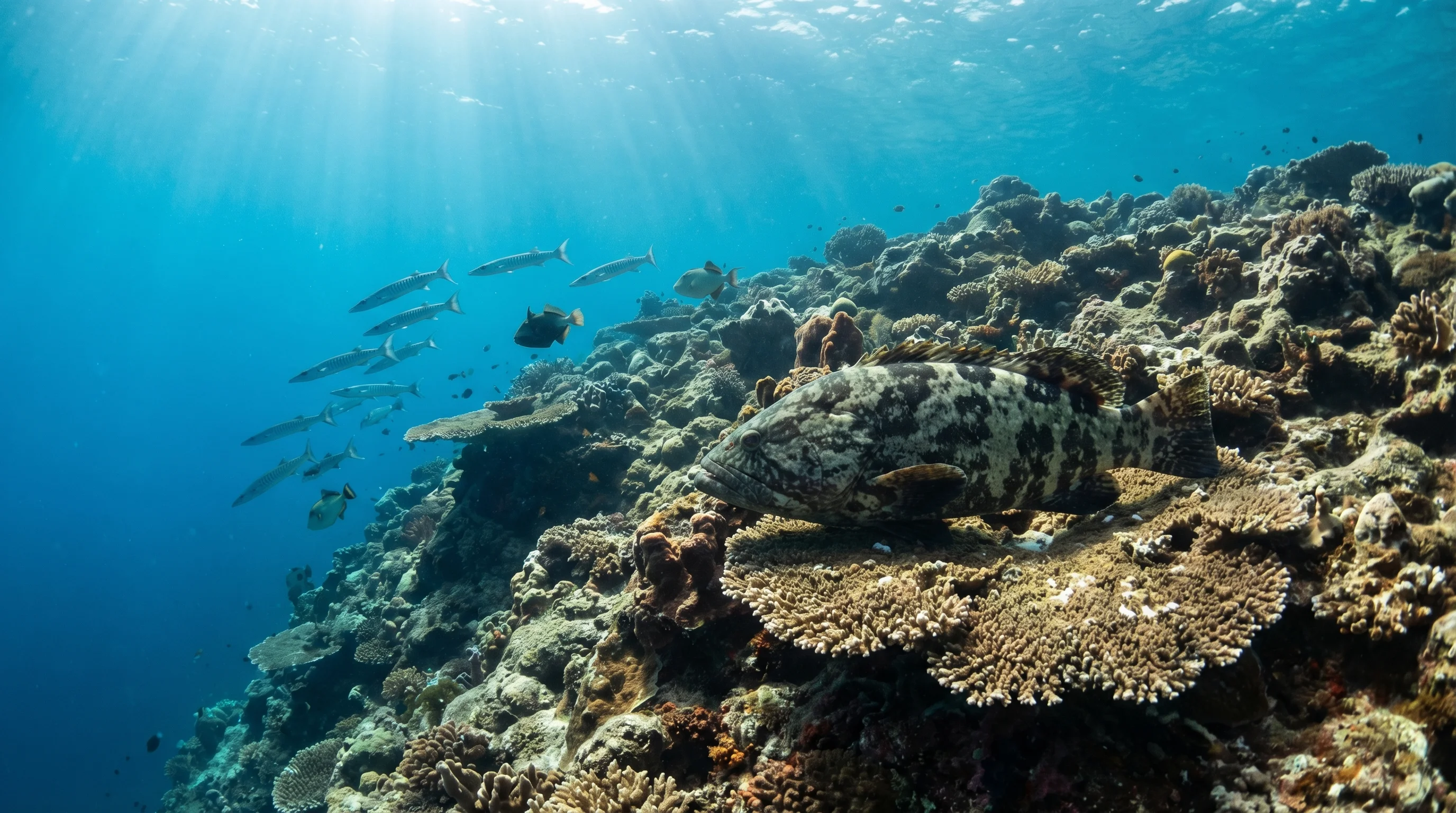
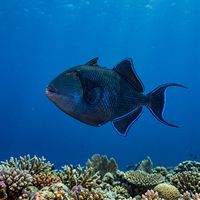
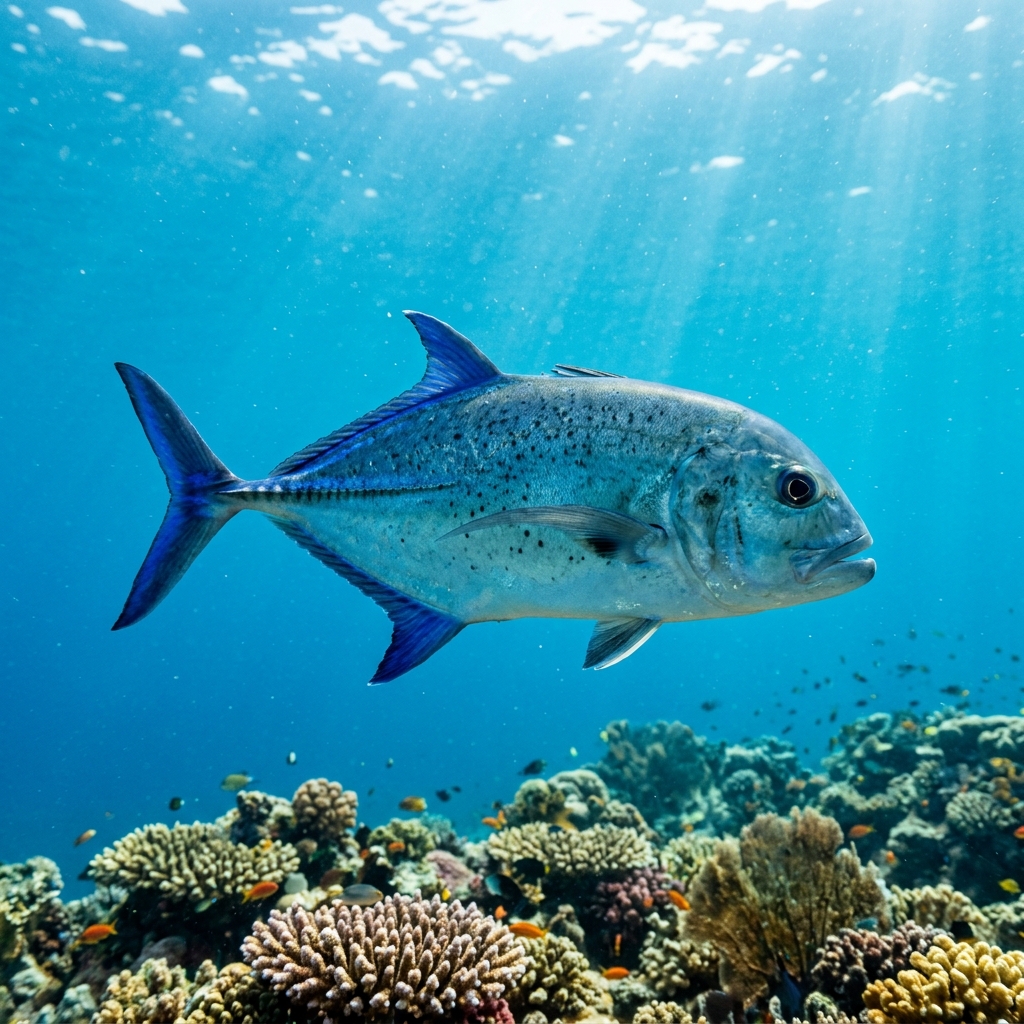
Atauro Island draws divers with a concentrated mix of walls, drop-offs, reefs and muck sites, all accessed by boat. The topography ranges from shallow coral gardens to dramatic vertical walls that plunge well beyond recreational limits, suiting everyone from beginner to advanced. Signature encounters include the Maroon Clownfish, Redtooth Triggerfish and Bluespotted Fantail Ray, observed consistently across sites. Pelagic action comes via Bluefin Trevally patrolling the blue, while patient eyes find Indian Lionfish and Spotfin Lionfish tucked into the reef structure. Conditions peak in the mid-year dry period and again in November, with warm water year-round.

Monthly water temperature across Atauro Island's sites, from satellite sea-surface data corrected for depth. The band shows the site-to-site spread.
Water temperature stays warm throughout the year with very little seasonal swing, making thermal comfort a minor variable when planning. The best-months data points strongly to late dry season, particularly around May through November, when conditions favour longer surface intervals and cleaner water. Drift potential at exposed sites such as Illicnamo Pinnacle and Adara means divers should factor current cycles into their planning, especially at the more advanced sites.
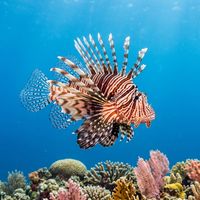
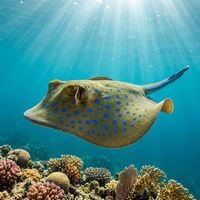
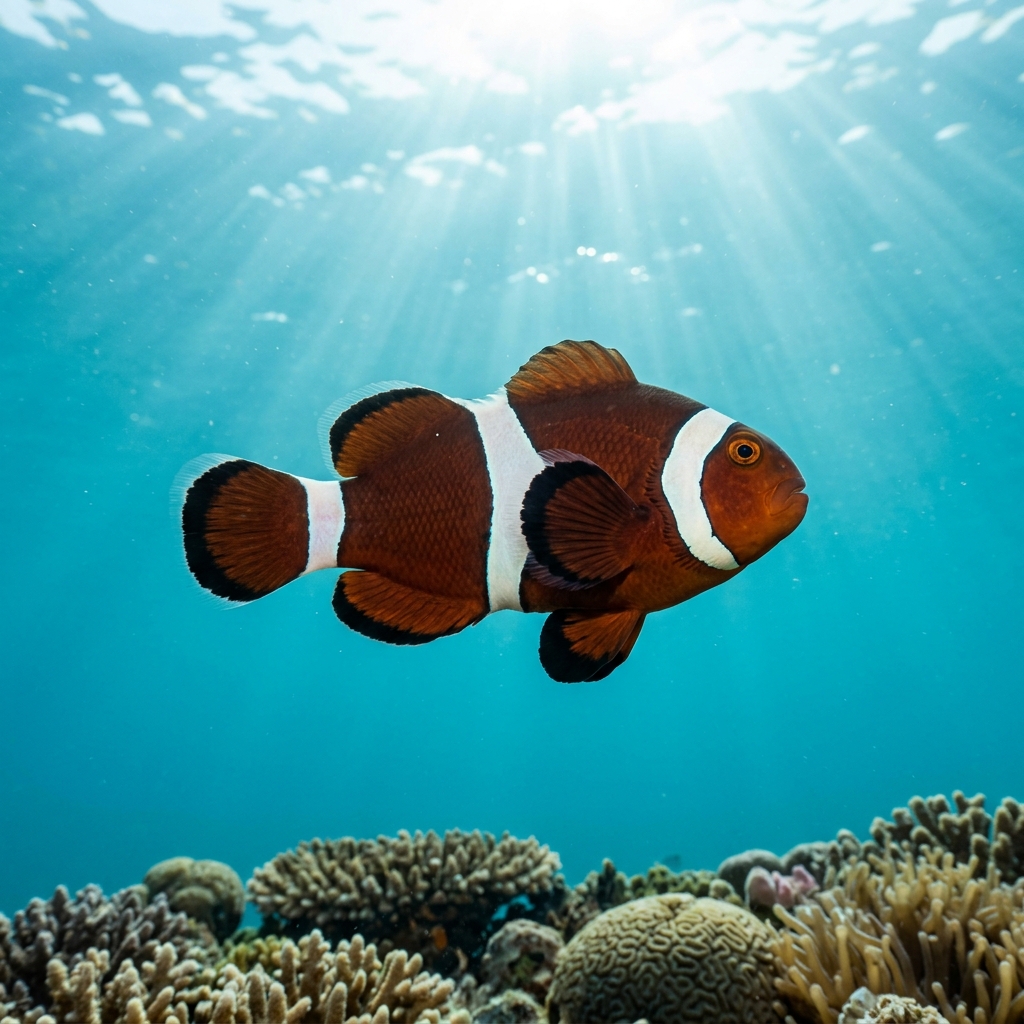
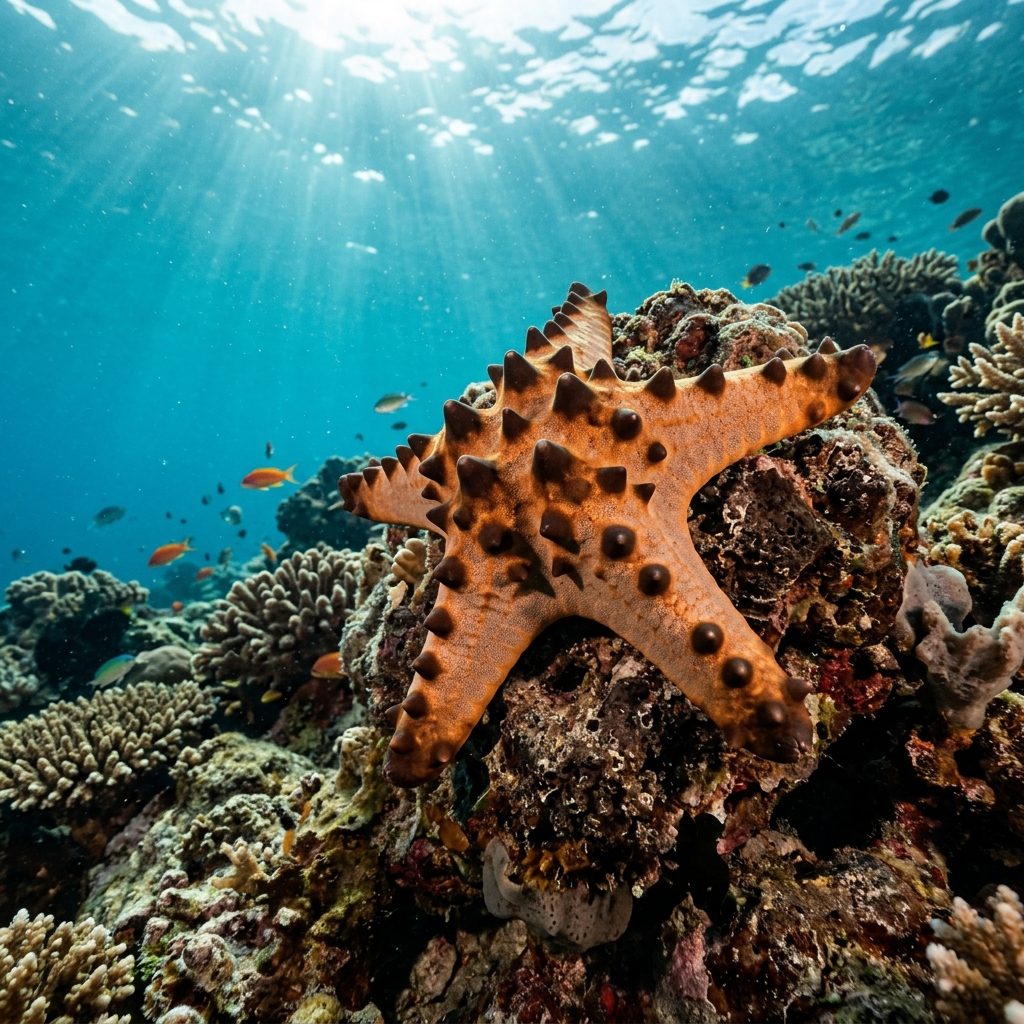
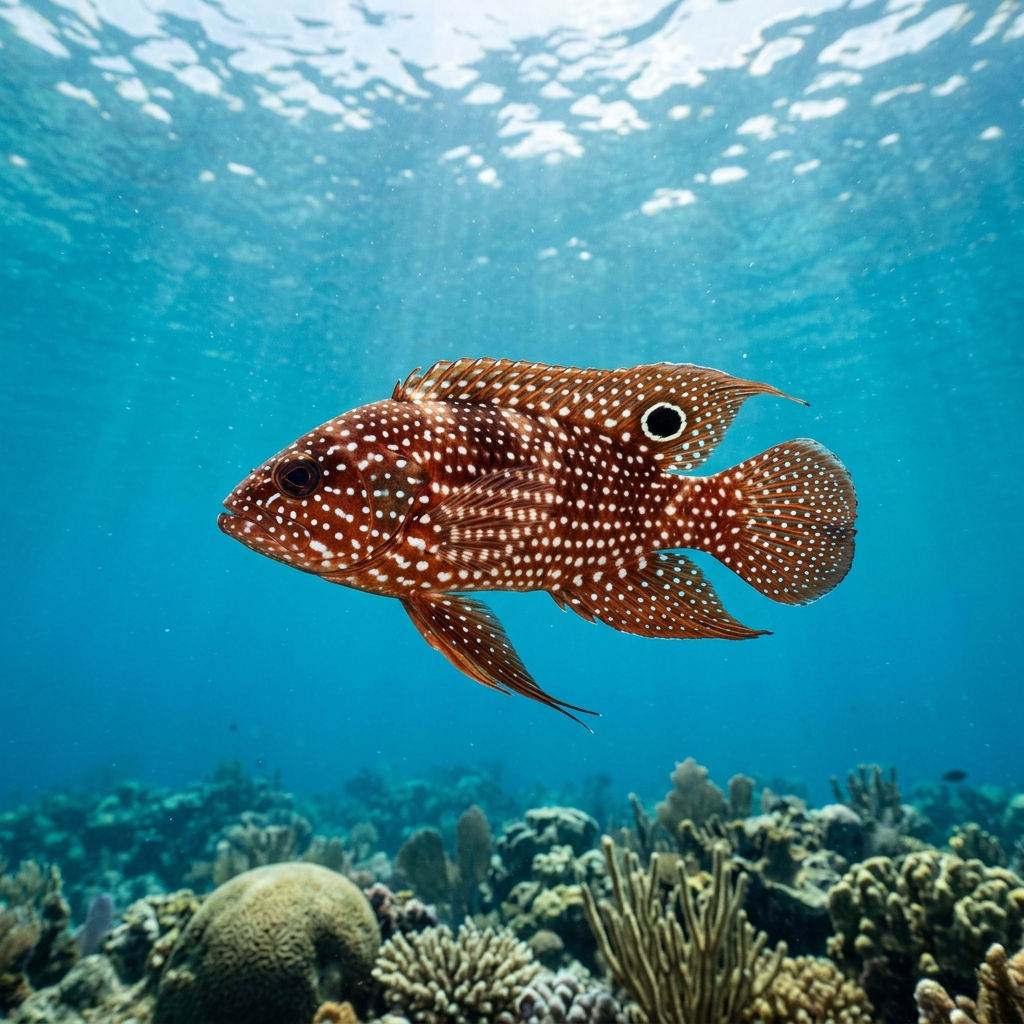
3 more sites to explore
Water temperature around Atauro Island ranges from about 27°C in February to 29°C in November, based on satellite sea-temperature data for its dive sites.
With water around 27–29°C, a rash guard or 3mm shorty works in Atauro Island year-round.
Fin maps 15 sites in Atauro Island (15 scuba diving sites).
Across Atauro Island's dive sites, May and November are most often reported as the best months to visit.
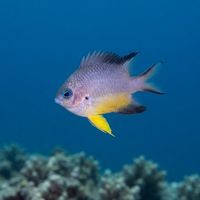
Observation-backed records show the Maroon Clownfish, Redtooth Triggerfish and Wrasses appearing at the overwhelming majority of sites. The Bluespotted Fantail Ray and both the Indian Lionfish and Spotfin Lionfish are consistently sighted across the reef and wall sites. The Mandarinfish is listed as a signature species, and Bluefin Trevally is commonly recorded in open water around the sites.
Several sites are rated for beginners, including Raiketa, Compass House Reef and Watuwai, all of which feature accessible shallower coral sections before sloping deeper. The majority of sites carry an intermediate rating, so most visitors will be comfortable with some prior experience. Advanced-rated sites such as Illicnamo Pinnacle and Doro involve strong currents and significant depth, and are best reserved for experienced divers.
Every listed site on Atauro Island is accessed by boat; there are no shore-entry dives in the current site data. This means divers are dependent on local boat operators for all dives, and it is worth confirming logistics in advance. Boat access also enables reach to more exposed outer-reef sites and seamounts that would not be practical from shore.
The site mix is varied, combining vertical walls and drop-offs, fringing reefs, drift dives over exposed seamounts, and muck diving on sandy slopes. Sites such as The Church and Biquelli Wall offer deep drop-off topography for those keen on wall diving, while Inner Reef and Compass House Reef provide muck-style exploration on softer substrate. This range means divers can shift focus significantly from one dive to the next without travelling far.