Amblyglyphidodon leucogaster
A pale-bellied reef regular seen across Visayas, Okinawa, and Queensland at 25-29 C, mostly year-round on coral and rubble slopes.
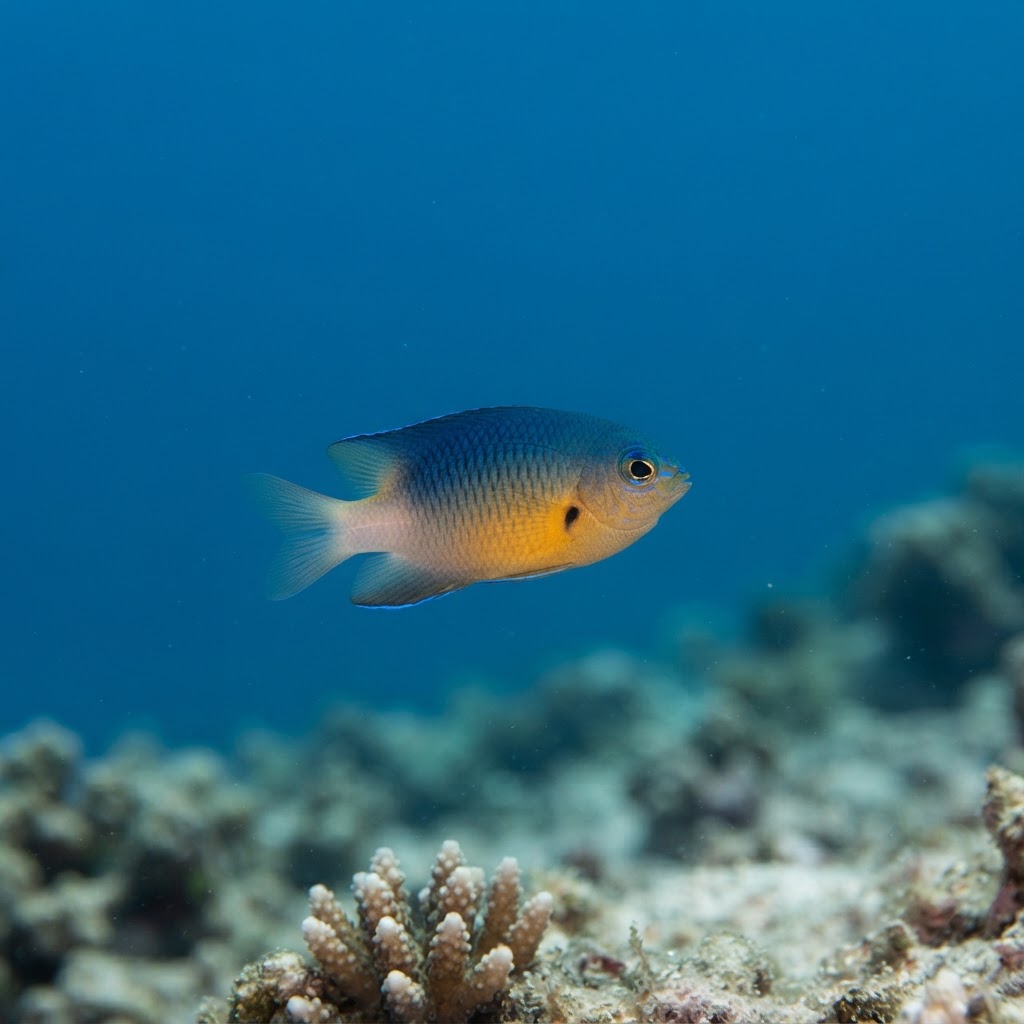
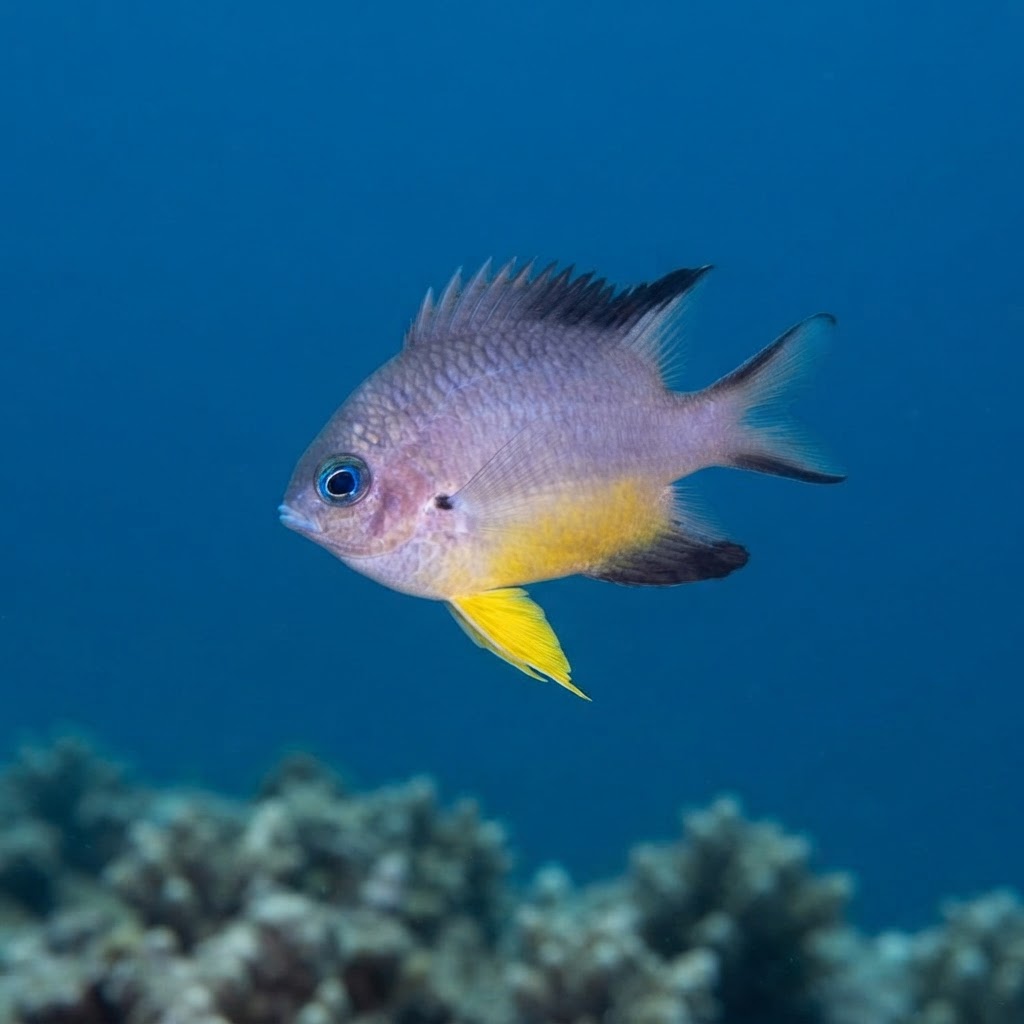
Small oval-bodied damselfish, around 9 cm, with a yellowish to olive-brown back that fades sharply into a white or pale belly, the trait that gives it its name. Fine blue lines edge the scales on the upper body, giving a faint scaly sheen in good light. It has a small mouth and the compact, deep-bodied shape typical of damselfish, usually seen hovering just off the reef rather than tight against it.
Usually spotted hovering in loose groups a short distance above coral heads or rubble patches, picking plankton out of the water column rather than grazing the reef itself. It holds its position calmly as divers pass and rarely bolts for cover the way some damselfish do, making it an easy, unhurried subject for a slow pass along the reef. Most sightings are on daytime dives in the shallow to mid-depth zone rather than deep drop-offs.
Its diet of drifting plankton rather than algae sets it apart from many reef damselfish that spend their time defending a patch of turf; you're more likely to find it stationed in the current above the reef than tucked into a bolt-hole.
No clear seasonal pattern shows up in the sightings, and with a comfortable range of about 25 to 29 C it sits happily on tropical reefs all year, so any month is workable at its core sites.
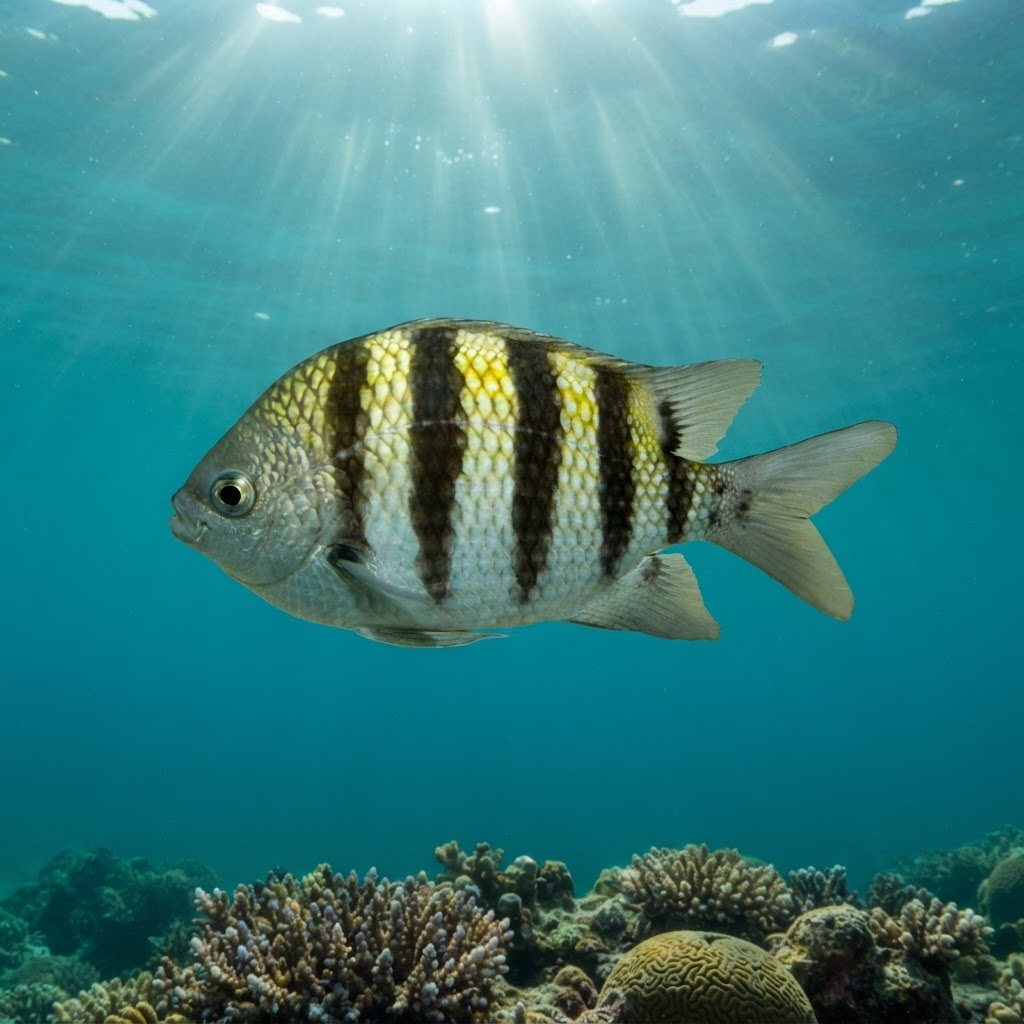
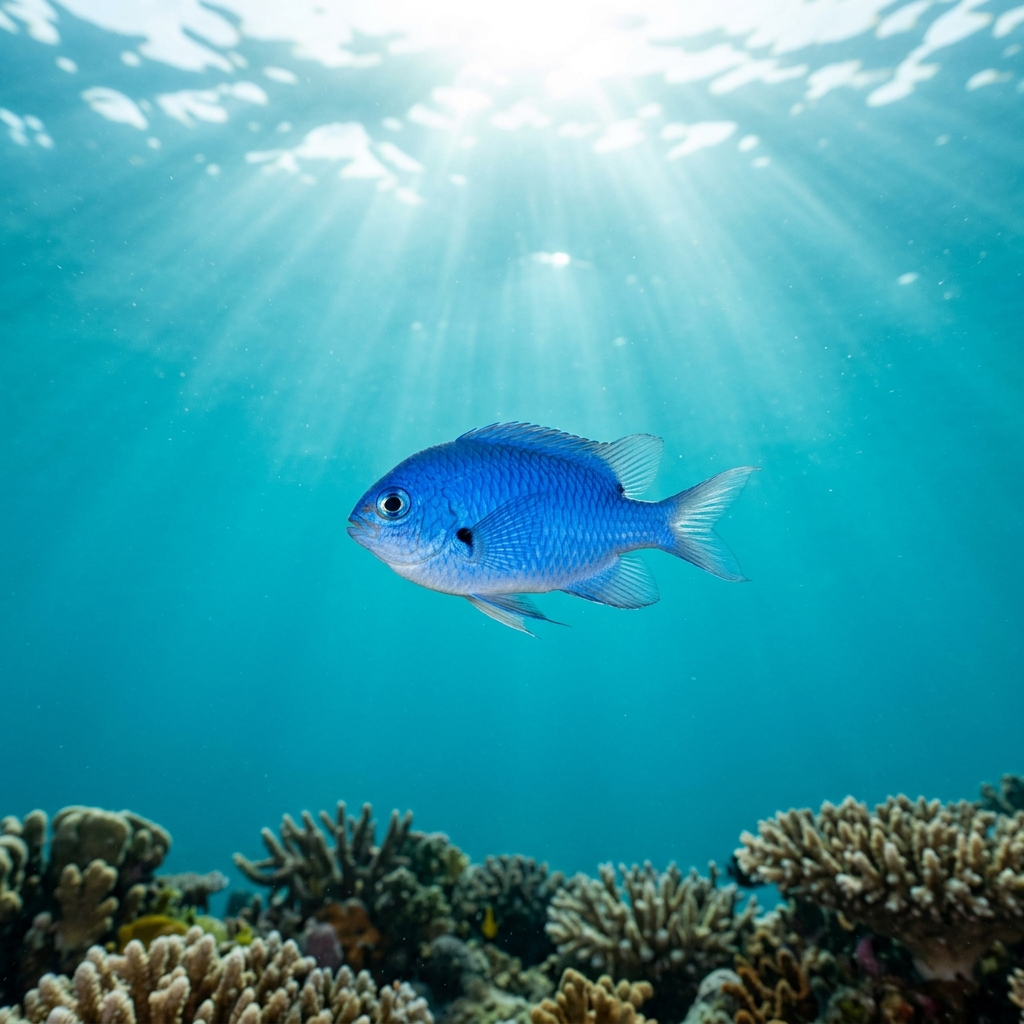
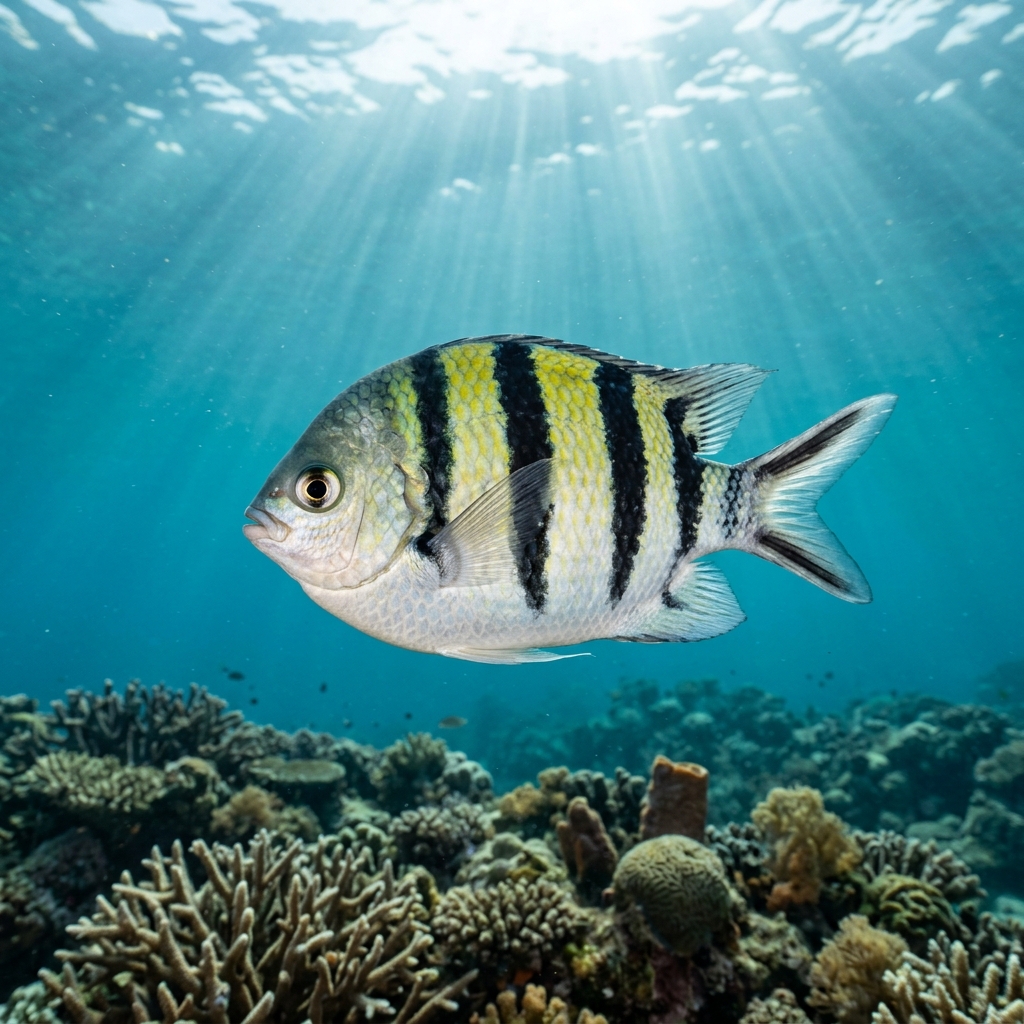
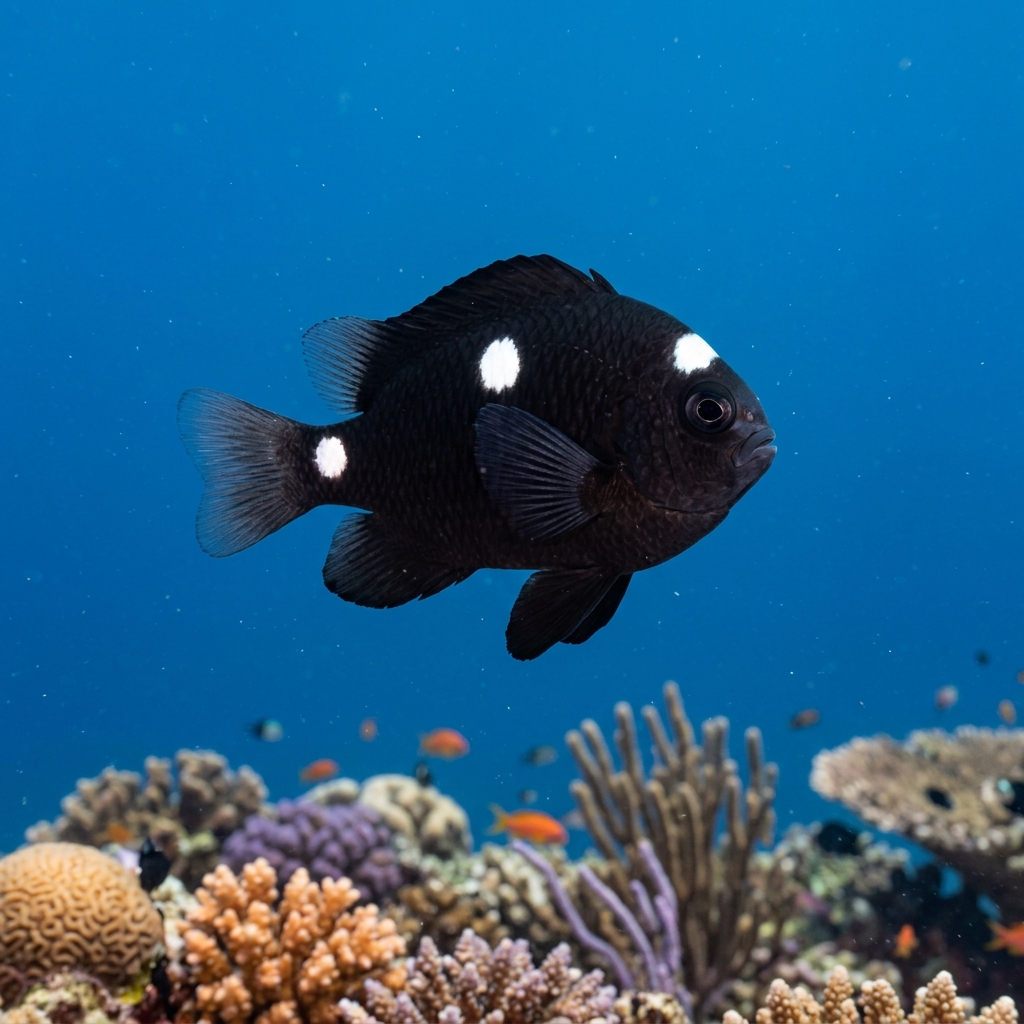
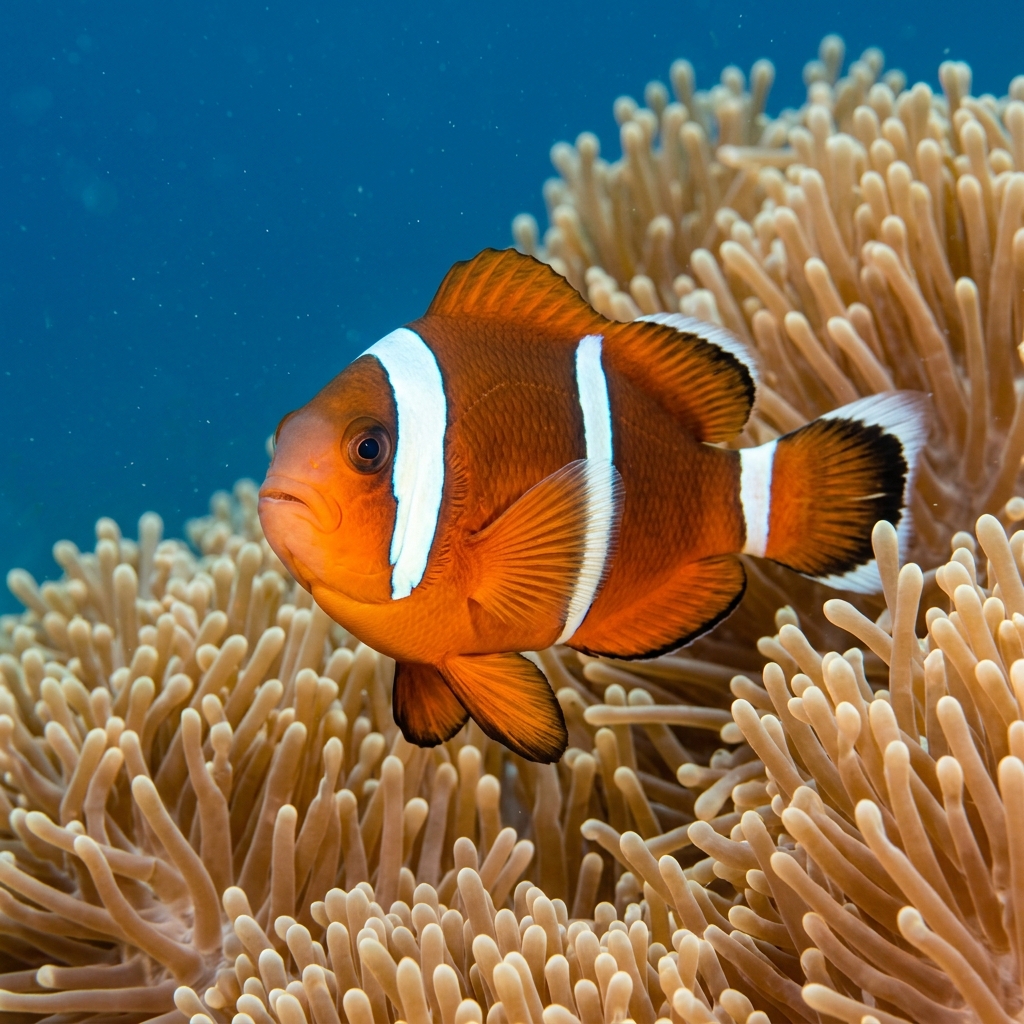
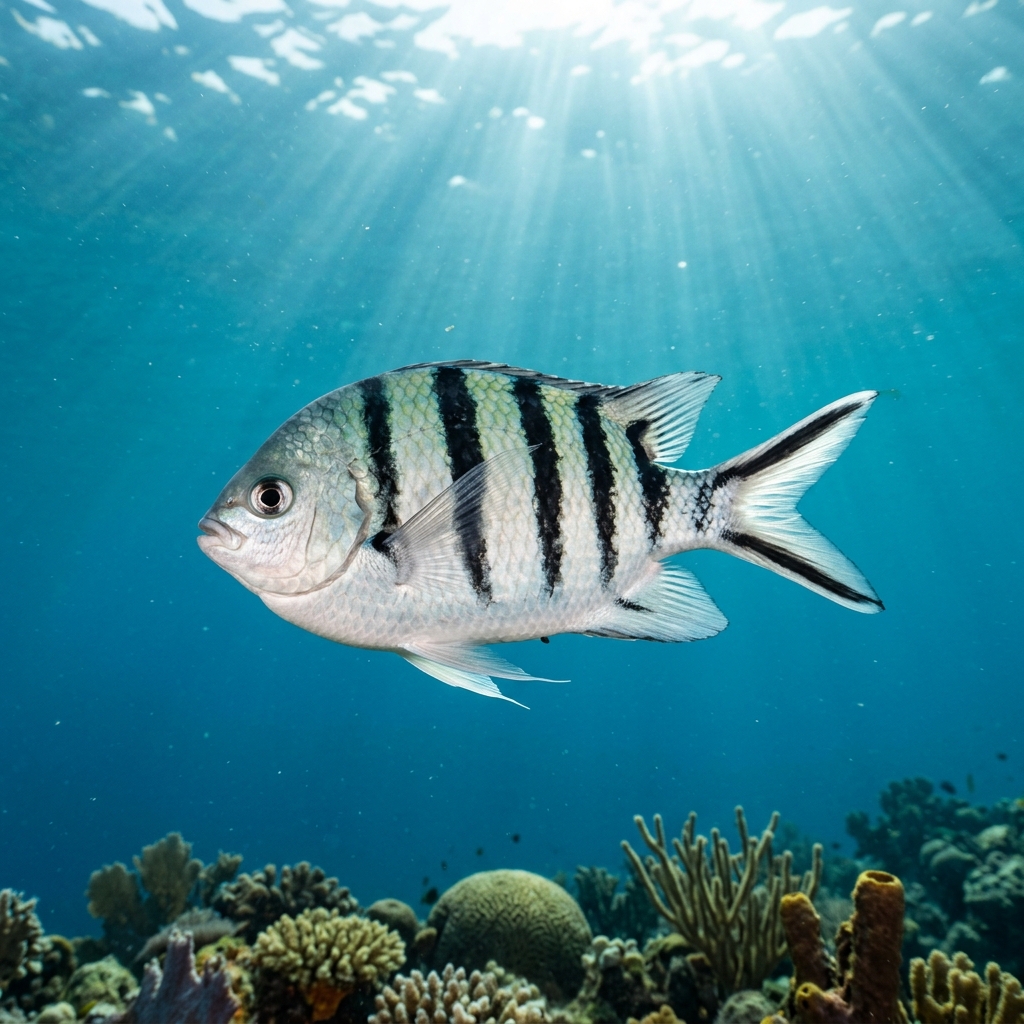
Reef neighbours a diver could mistake it for. Use the identification notes above to tell them apart.
Most reliably logged across the Philippines, especially the Visayas and Palawan, with strong numbers through Okinawa and the Ryukyu Islands in Japan and along Queensland's reefs in Australia. Indonesia turns it up regularly too, particularly around Raja Ampat and Bali, with further sightings in Malaysia, Timor-Leste's Atauro Island, Vanuatu, and New Caledonia.
Mapping where Whitebelly Damselfish is logged…
It's a common find across the Philippines, especially the Visayas and Palawan, and turns up reliably in Okinawa, Japan and on Queensland's reefs in Australia. Raja Ampat and Bali in Indonesia are also solid bets.
There's no strong seasonal pattern in the data, and it tolerates a wide tropical temperature range of roughly 25 to 29 C, so it's a fair year-round sighting at its regular sites.
Look for a small, deep-bodied damselfish with an olive to yellow-brown back that cuts sharply to a pale white belly, plus faint blue scale edging on the upper flanks. It's usually seen hovering above the reef rather than hugging it.
They're small, reaching around 9 cm, which is typical for reef damselfish and keeps them easy to overlook in a mixed school.
No, they pose no threat to divers and will typically hold their position or drift off calmly rather than react defensively.
Site and sighting data is aggregated from diver logs, iNaturalist and GBIF. For taxonomy and conservation status:
Dascyllus
3,697 sites