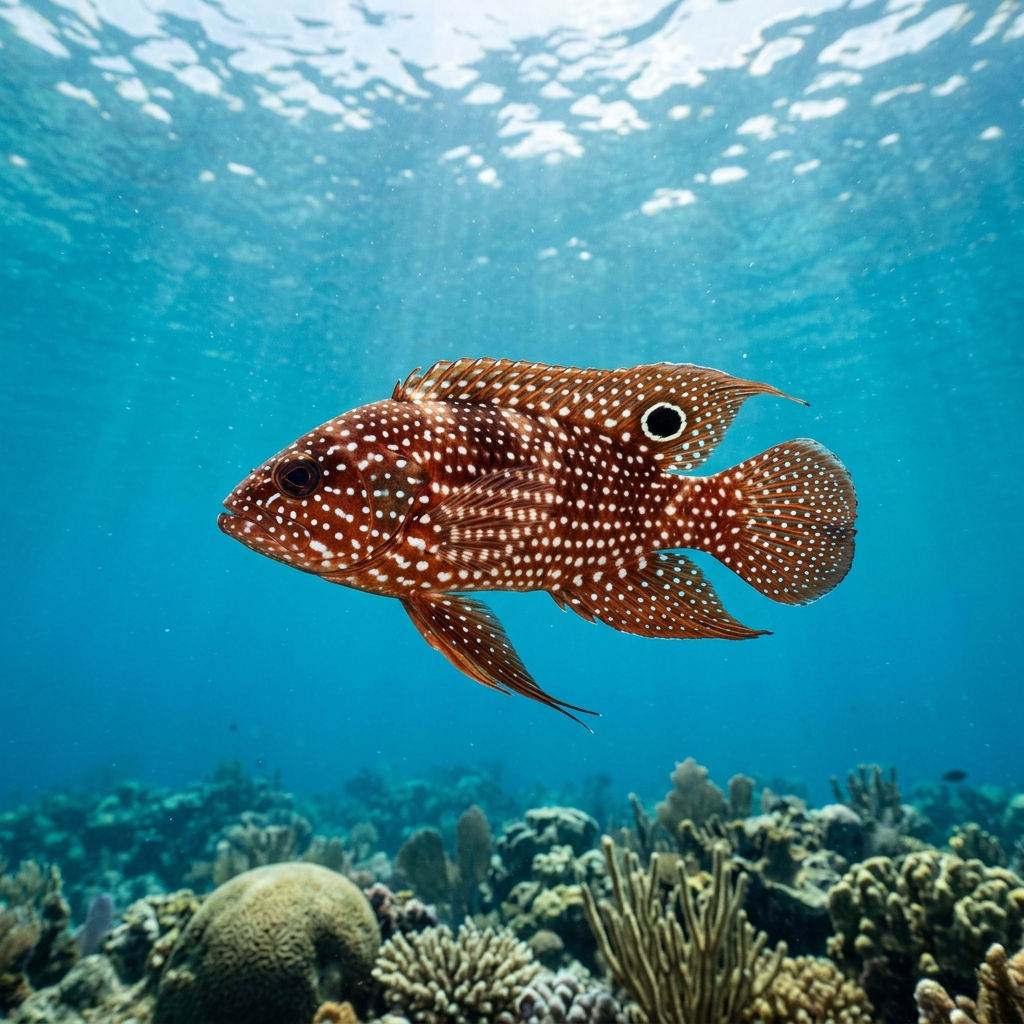
Calloplesiops spp.
Dark, white-spotted reef fish that hides in caves and flashes a fake eye-spot. Best found at dusk in the Maldives' Northern Atolls or Queensland's reefs.
Dark brown to near-black body scattered with small white spots, with long trailing dorsal and anal fins that give it a soft, rounded silhouette in the water. The giveaway is a large false eye-spot near the tail, used to mimic the head of a moray eel when the fish backs into a hole. Juveniles are solid jet-black with only a light scattering of white flecks and lack that developed eye-spot, so they can look like an entirely different fish.
Spend most daylight hours wedged into reef crevices, small caves, and under ledges, only really becoming active as light fades to hunt small invertebrates. Approach one and it typically backs tail-first deeper into its hole rather than bolting, deliberately angling its false eye-spot outward to bluff a diver or predator into thinking a moray is home. A torch on a late-afternoon or night dive, paired with slow, patient peering into holes, is the reliable way to see more than a spotted fin tip.
The false eye-spot near the tail is a real piece of deception: by presenting it while retreating, the fish tricks approaching divers and predators into reading its rear end as the head of a moray eel poised to strike.
No clear seasonal pattern shows up in the sightings, and with a comfortable range of roughly 25 to 29.5 C it stays active on tropical reefs year-round. Plan your dive around the time of day rather than the season: late afternoon into dusk gives the best odds.
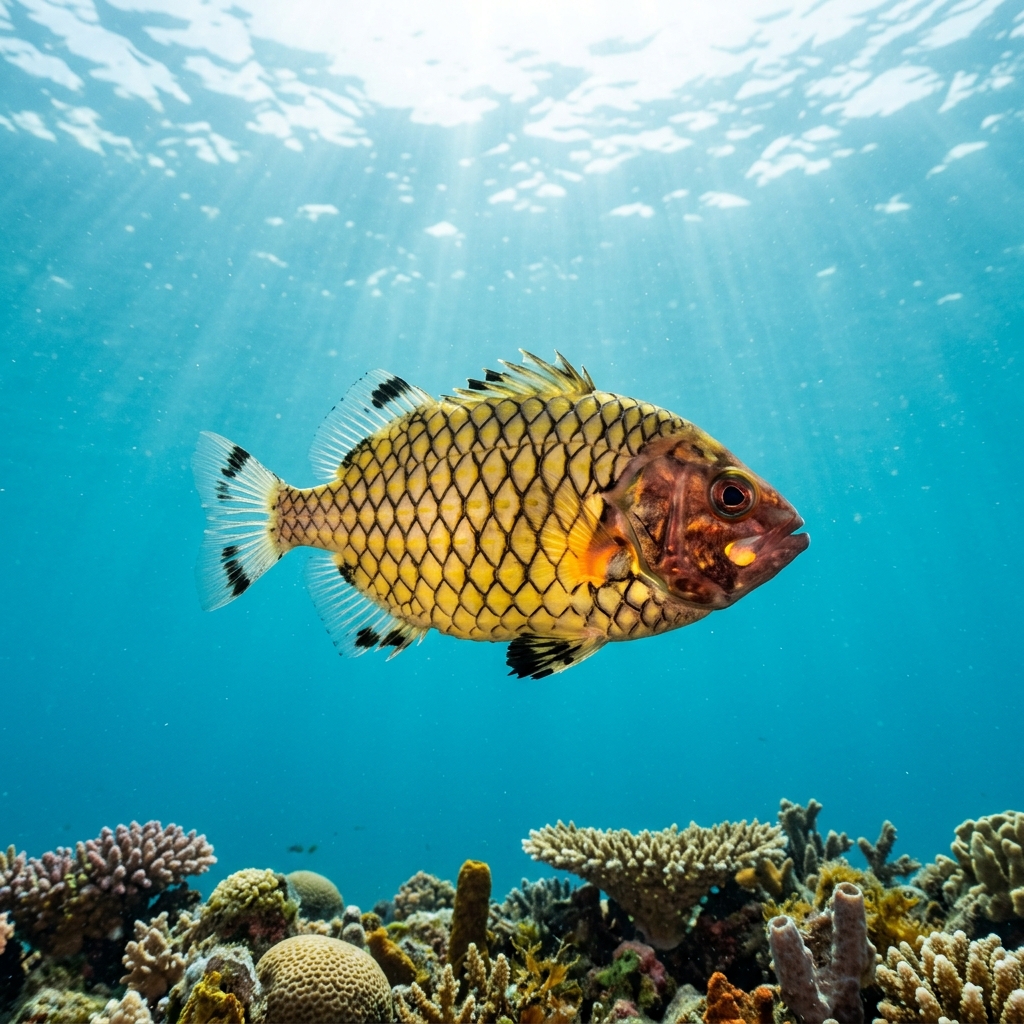
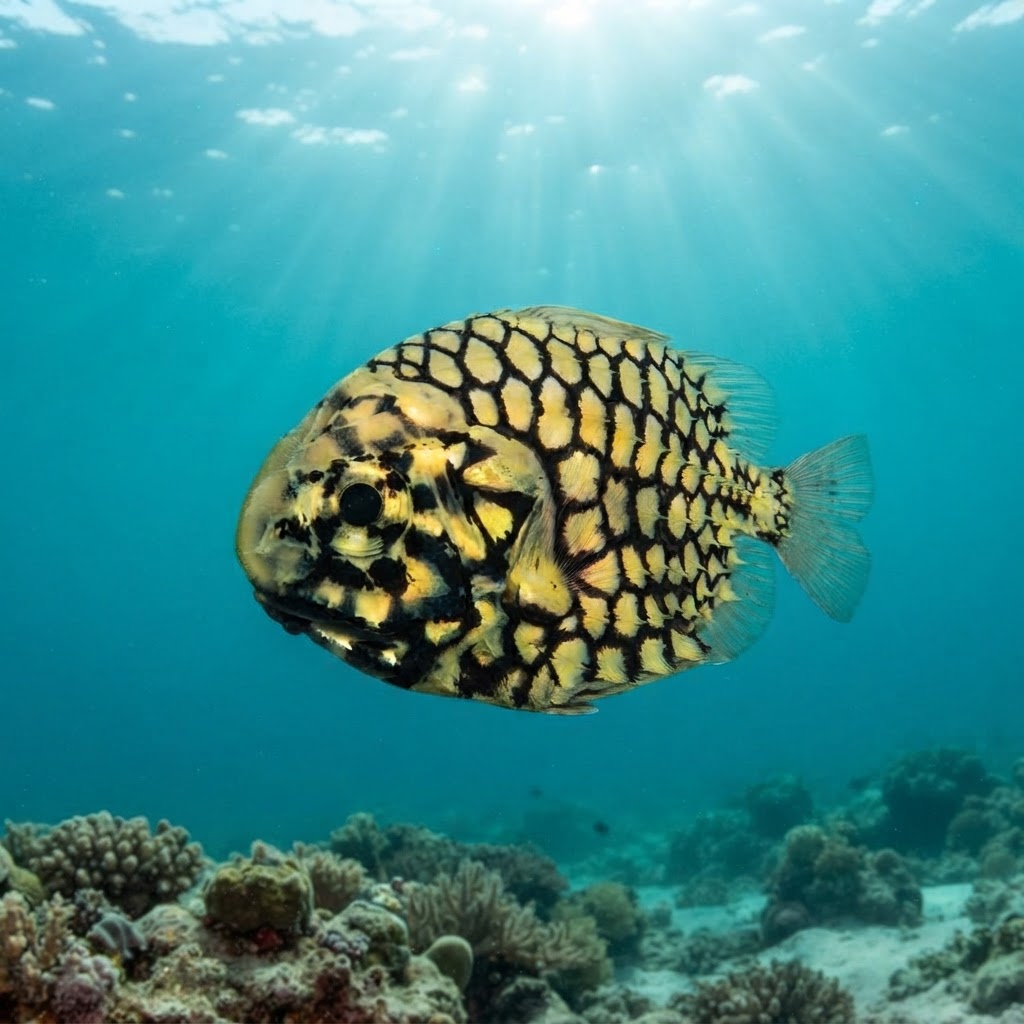
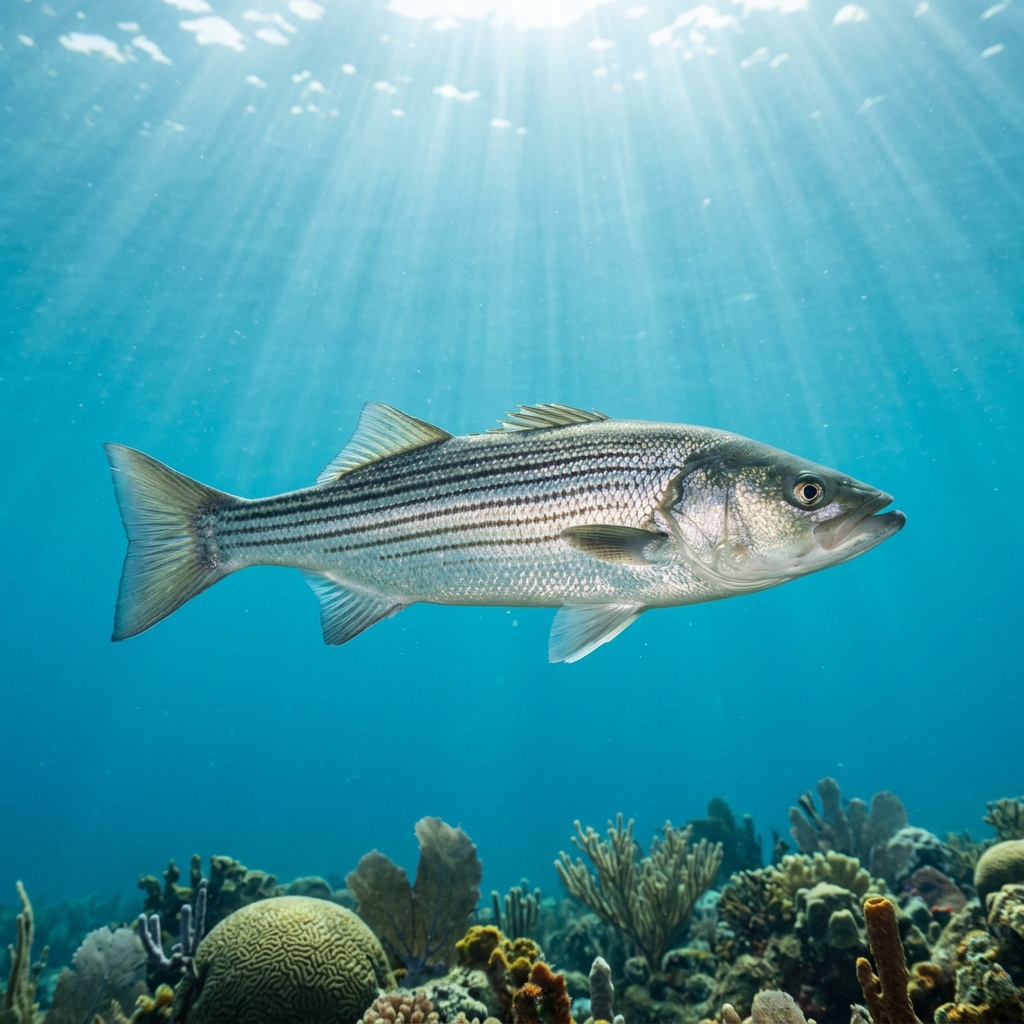
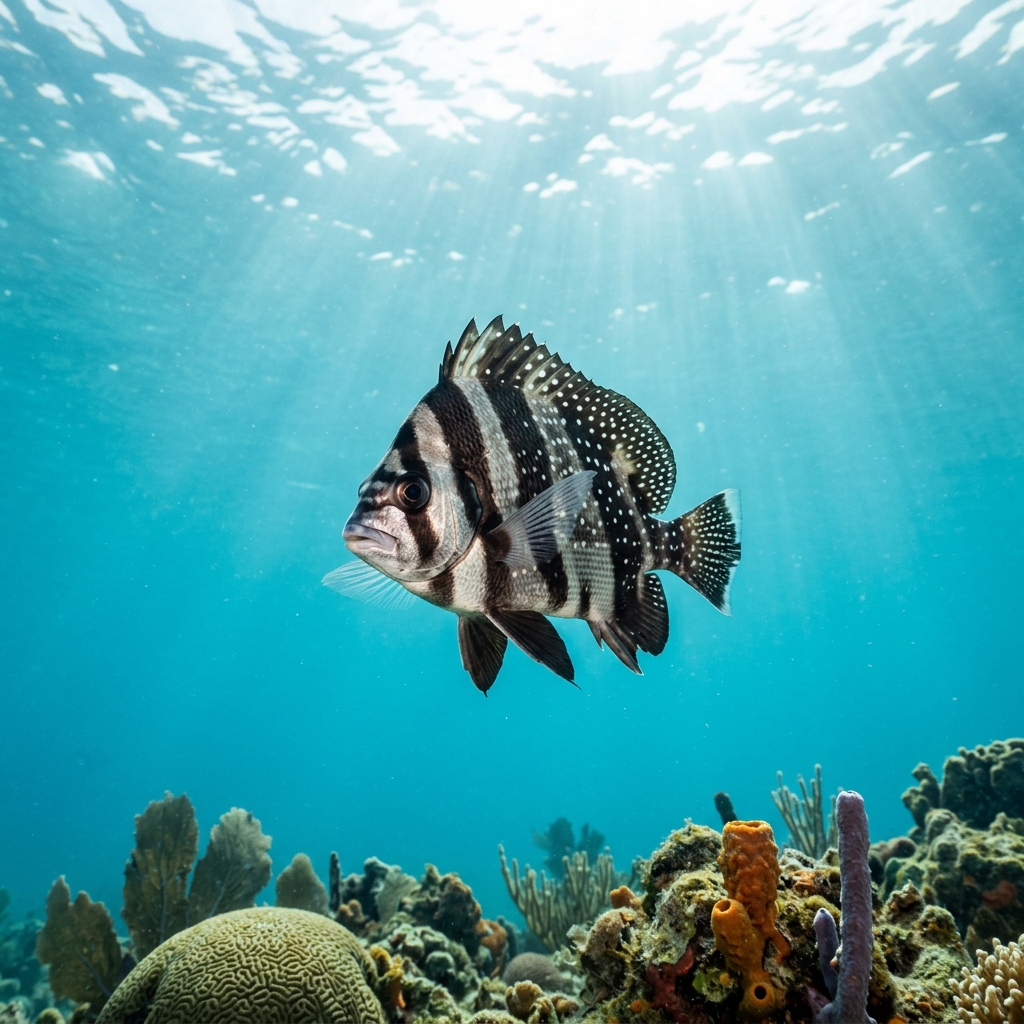
Reef neighbours a diver could mistake it for. Use the identification notes above to tell them apart.
Most reliably logged across the Maldives, particularly the Northern and Southern Atolls, with strong numbers also reported from the Philippines (Luzon, Visayas, Palawan) and Indonesia's Sulawesi. Queensland, Thailand, Malaysia, Egypt and Saudi Arabia also turn up regular sightings, making this a genus you can reasonably expect on tropical Indo-Pacific and Red Sea reef dives.
Mapping where Comets is logged…
Best odds are in the Maldives, especially the Northern and Southern Atolls, plus the Philippines (Luzon, Visayas, Palawan) and Sulawesi in Indonesia. Queensland, Thailand, Malaysia, Egypt and Saudi Arabia also produce regular sightings.
There's no strong seasonal pattern in the sightings, and warm water year-round (around 25 to 29.5 C) keeps them active on tropical reefs at any time of year. The bigger factor is time of day: aim for late afternoon into dusk.
Look for a dark, near-black body covered in small white spots, trailing dorsal and anal fins, and a large false eye-spot near the tail. It usually shows only partway out of a reef crevice, backing further in as you approach.
No, they pose no threat to divers. They are shy, cave-dwelling fish that retreat from divers rather than approach.
That spot mimics the head of a moray eel. When threatened, the fish backs tail-first into a hole and presents the spot outward, bluffing predators and divers into thinking a moray is guarding the entrance.
Site and sighting data is aggregated from diver logs, iNaturalist and GBIF. For taxonomy and conservation status:
Boarfish
936 sites