Best for beginner divers, 10-15m, shore entry.
Com Pier offers a combination of natural reef and artificial reef structures, providing a varied environment for beginner divers. The site features depths ranging from 10 to 15 metres with an average of 12 metres. Visibility is generally high at 30 metres, and water temperatures remain between 27 and 30 degrees Celsius. Divers can expect to encounter a variety of reef fish and invertebrates throughout the habitat. Shore entry is available with parking on-site. Hazards include boat traffic, entanglement risks from lines, and sharp coral. Divers should maintain close contact with a surface marker buoy and navigate carefully to avoid active vessel lanes near the pier.
-8.36107, 127.06388
Enter away from active boat lanes and look up regularly, as vessel traffic around the pier is the main hazard for surface swimmers. Parking is available at the site, so you can take your time gearing up without rushing.
The site offers several easy entry points.
Expected in this region. No sightings logged here yet.
Depth
10-15m
Visibility
30m
Skill Level
Beginner
Entry
Shore
Water Temp
27-30°C
Current
None
Typical Dive
45 min
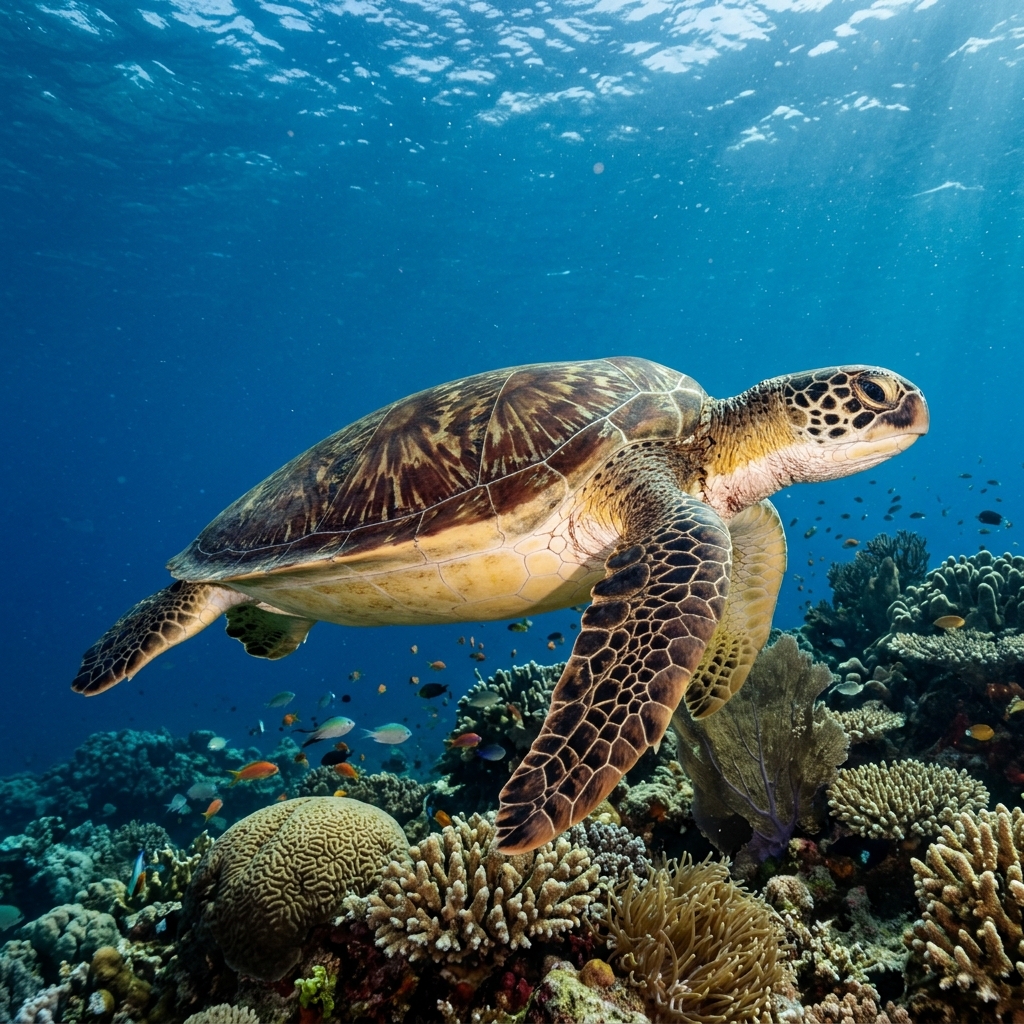
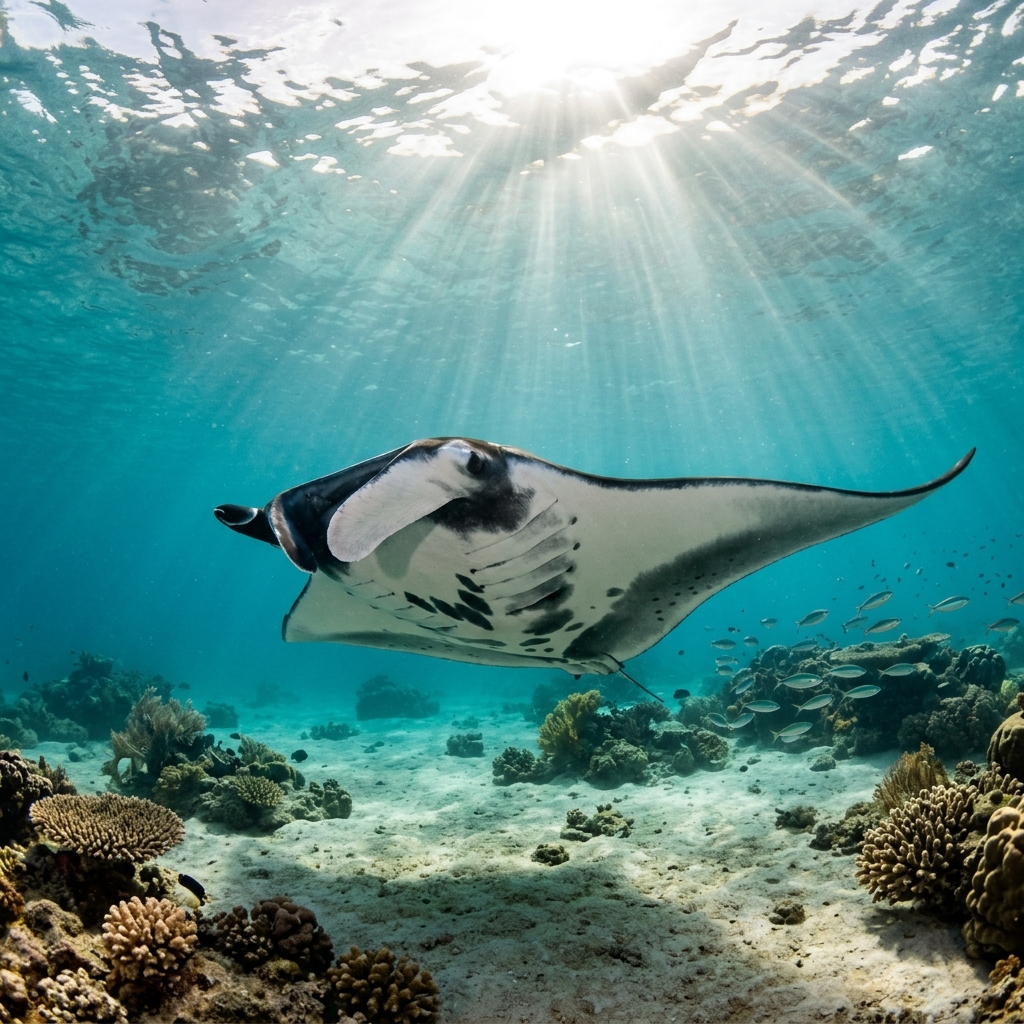
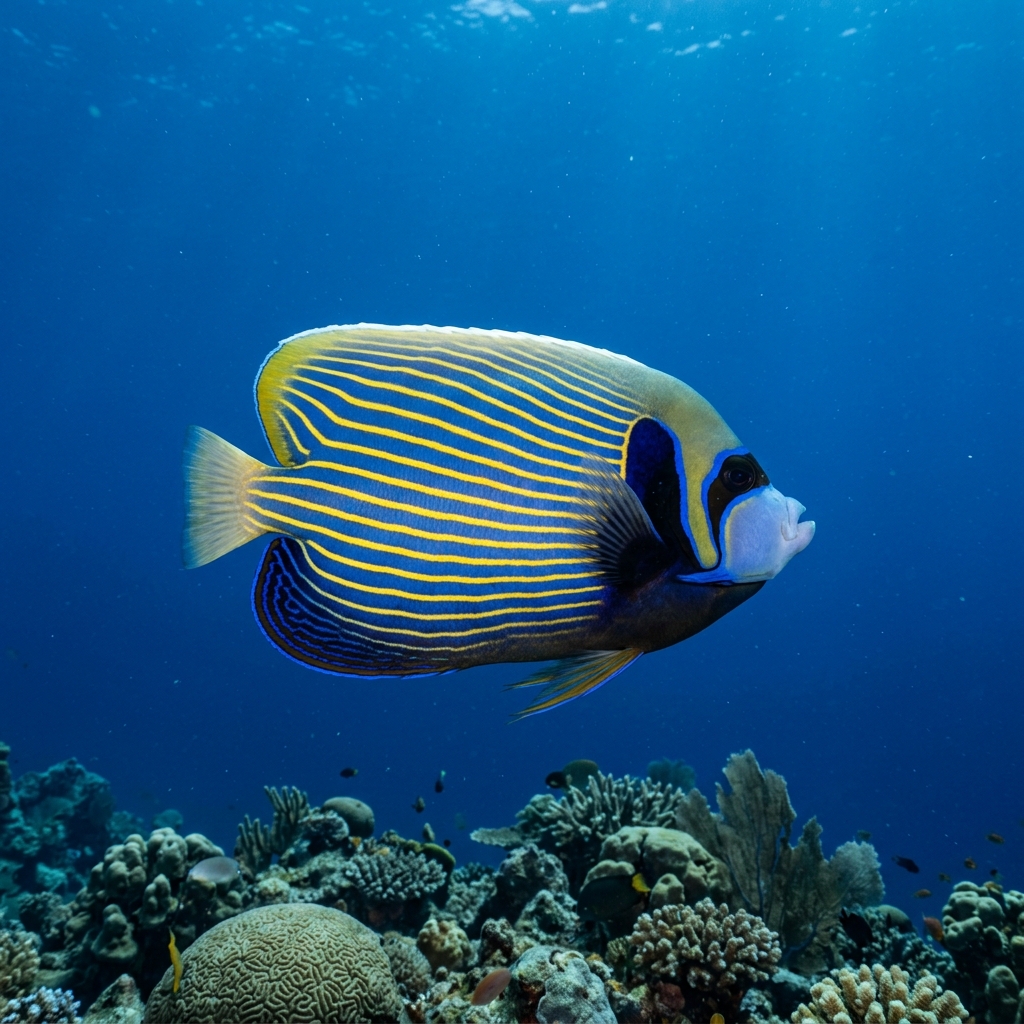
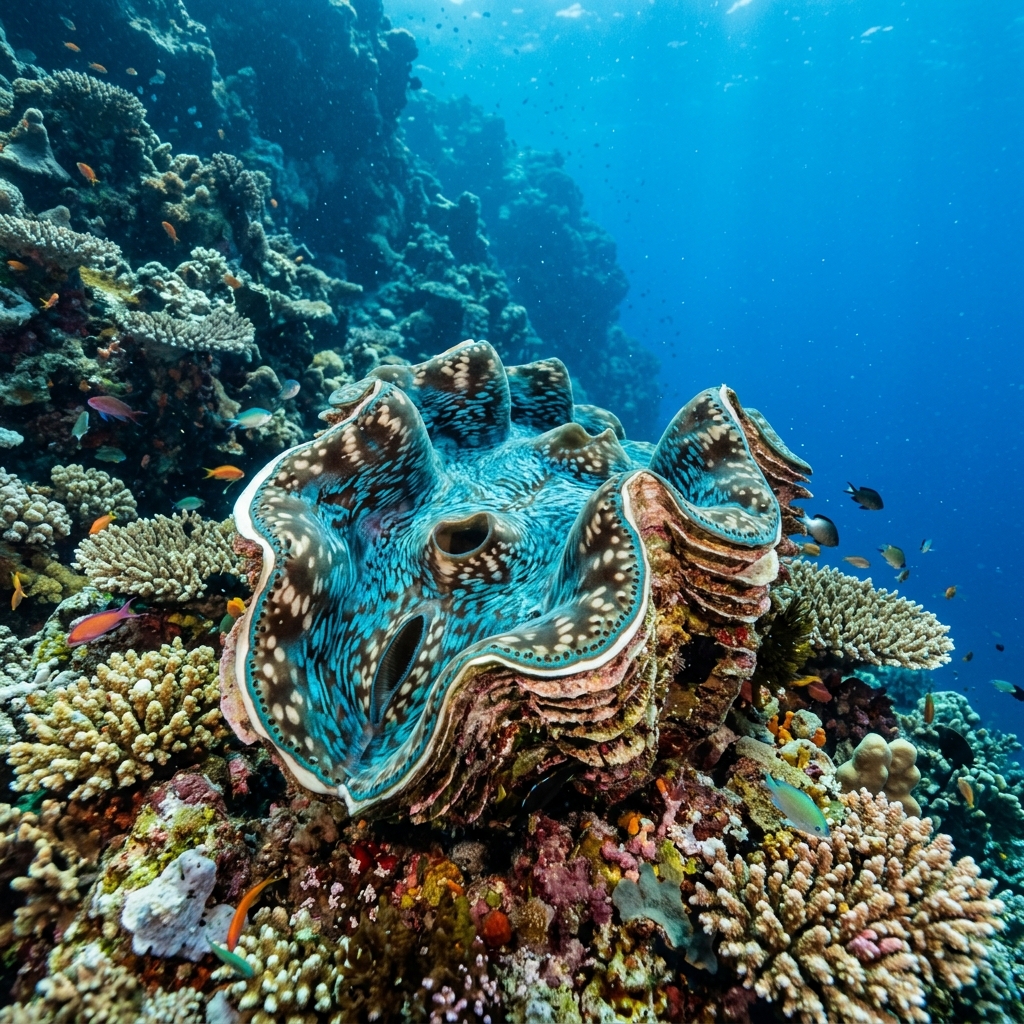
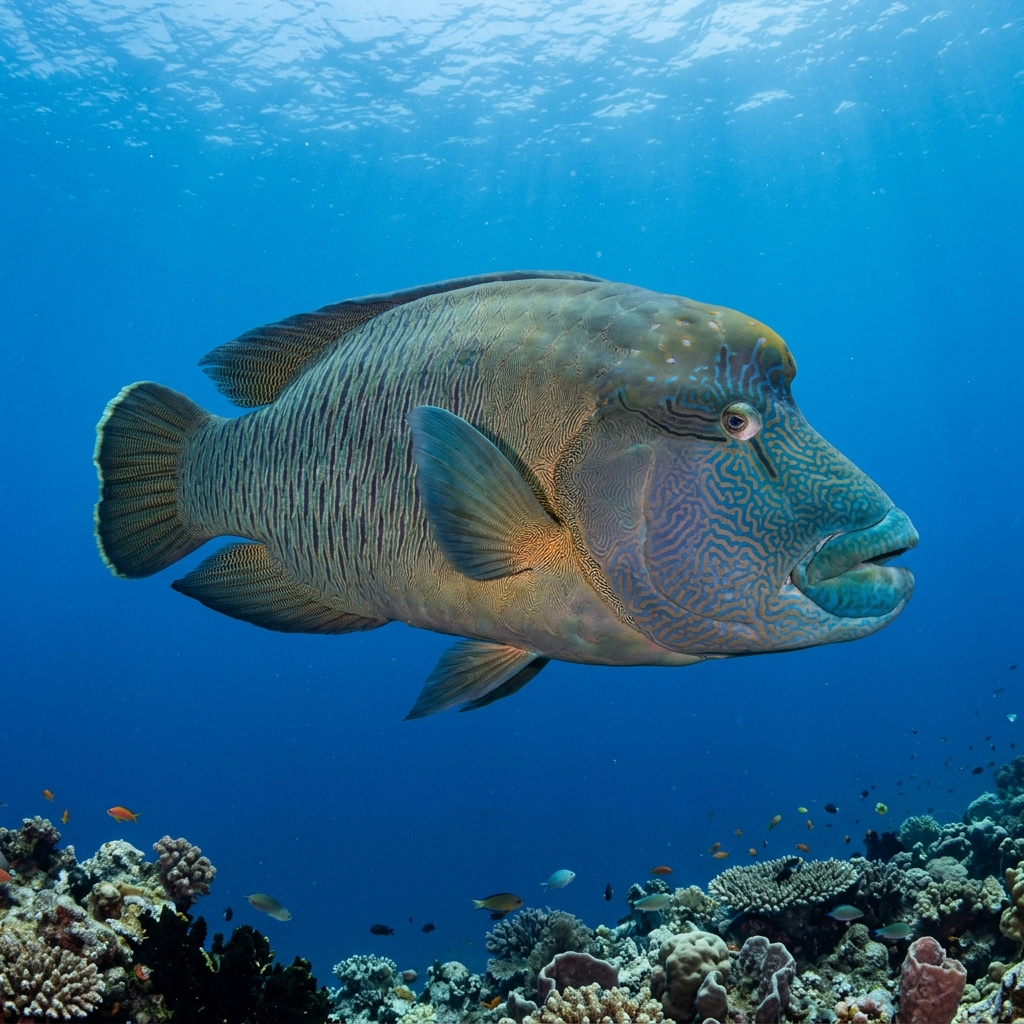
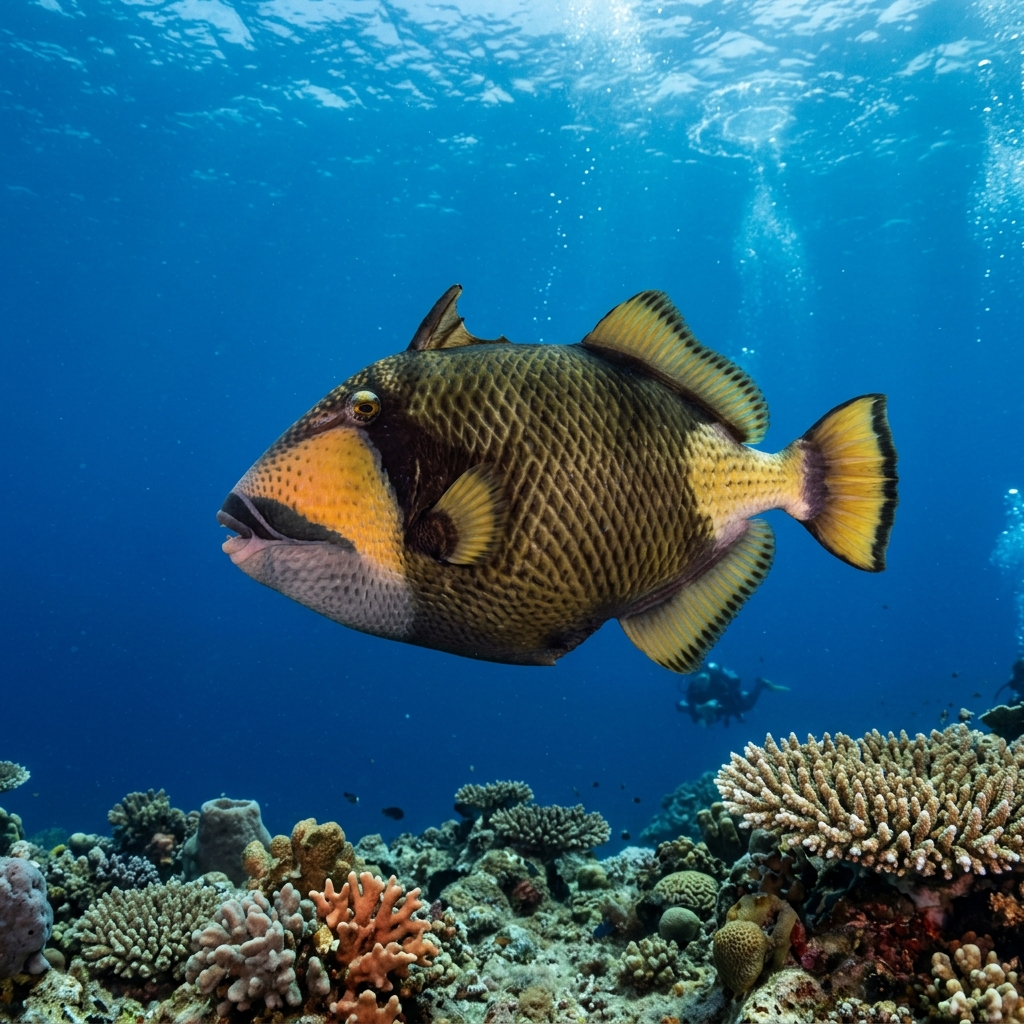
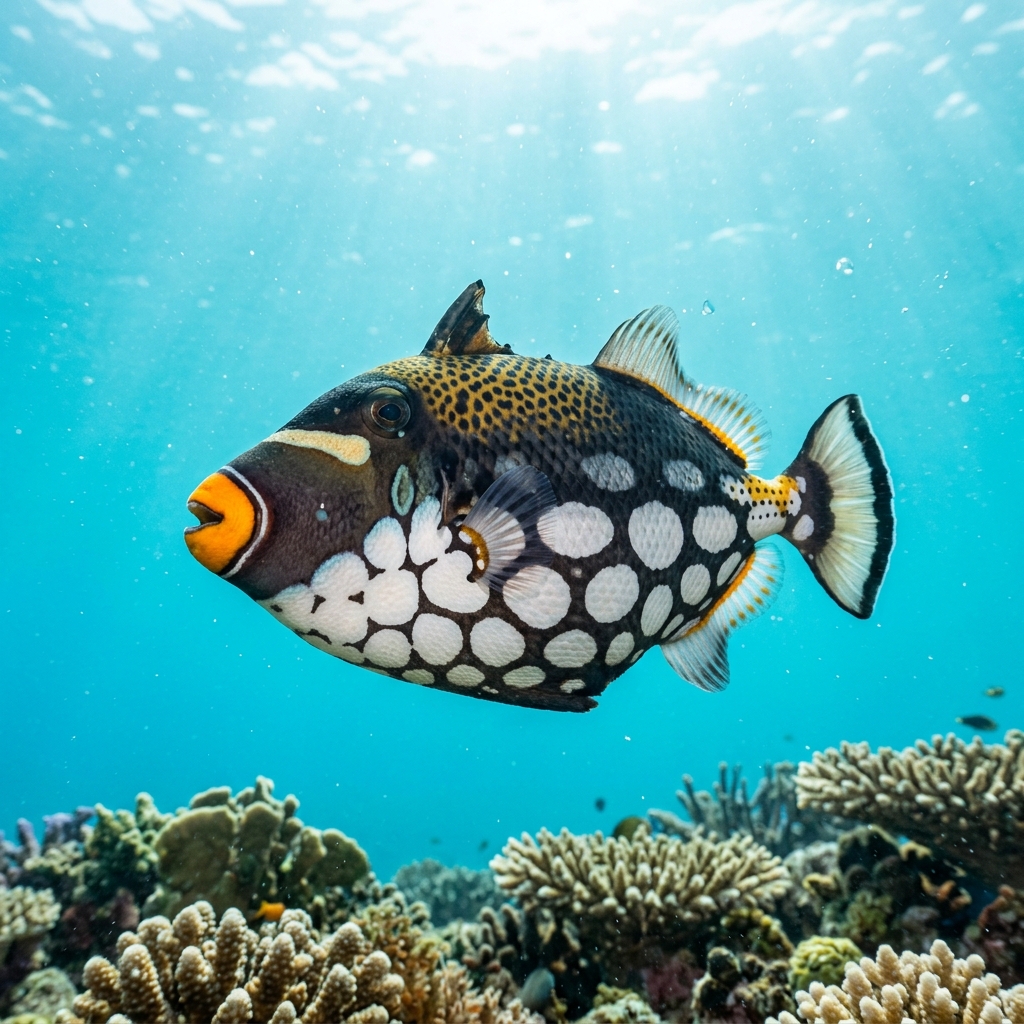
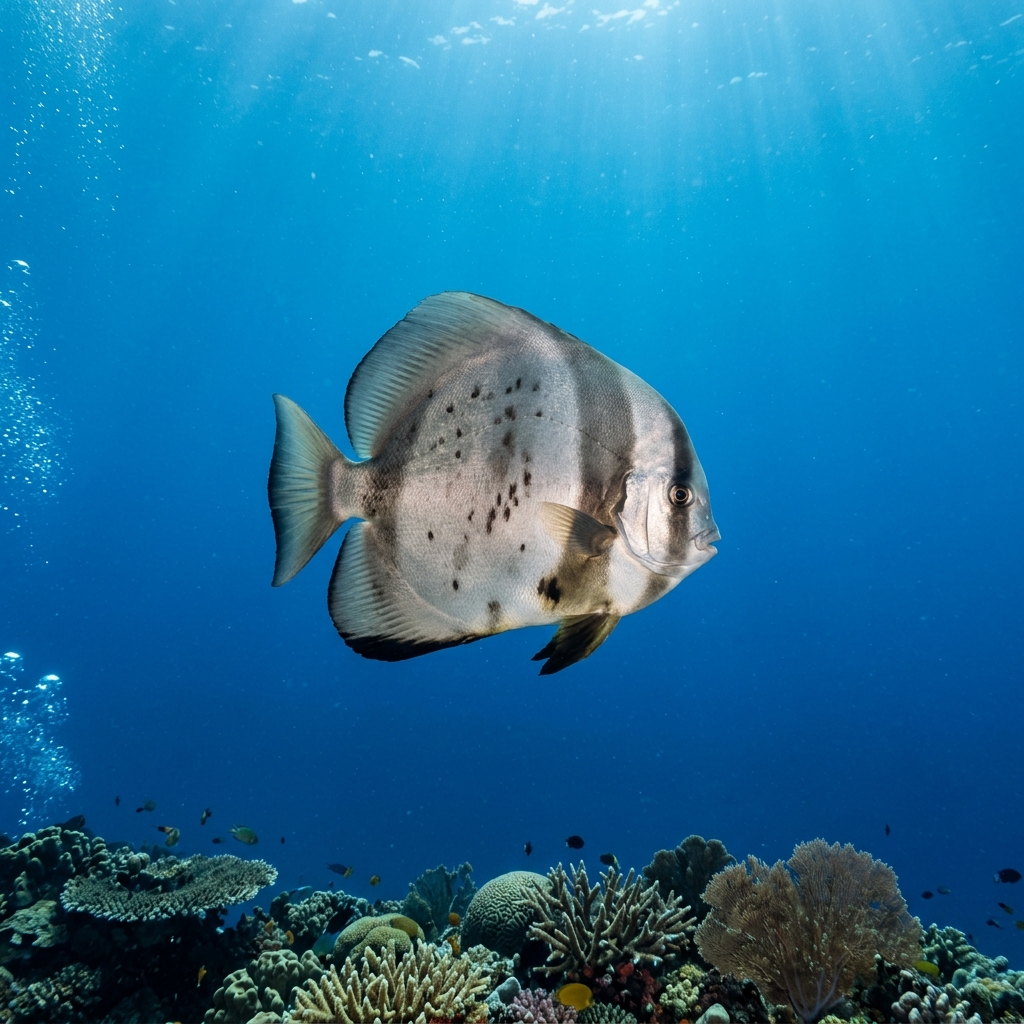
The site supports a range of reef fish and invertebrates typical of the region's habitat.
Yes, Com Pier is suitable for beginner divers, offering a comfortable shore entry with no significant currents to manage.
The site has a depth range of 10 to 15 metres, with an average depth of 12 metres.
Com Pier is a shore entry dive site with parking available for convenience.
Snorkelling is possible, but you must remain vigilant regarding boat traffic and use a surface marker buoy, as vessel activity is the primary hazard for surface swimmers.
Diving at Com PIer in Com PIer requires the following certifications: Open Water. Always dive within your training limits.
A rashguard or 2mm shorty is recommended for diving at Com PIer in Com PIer. Water temperatures range from 27°C to 30°C.
Visibility at Com PIer in Com PIer typically ranges from 30 metres to 30 metres. Conditions vary with weather, tides, and seasons.