Chaetodon vagabundus
Spot the Vagabond Butterflyfish across Bali, Okinawa and Phuket in warm 24-29°C waters. ID tips, best seasons and top dive sites inside.
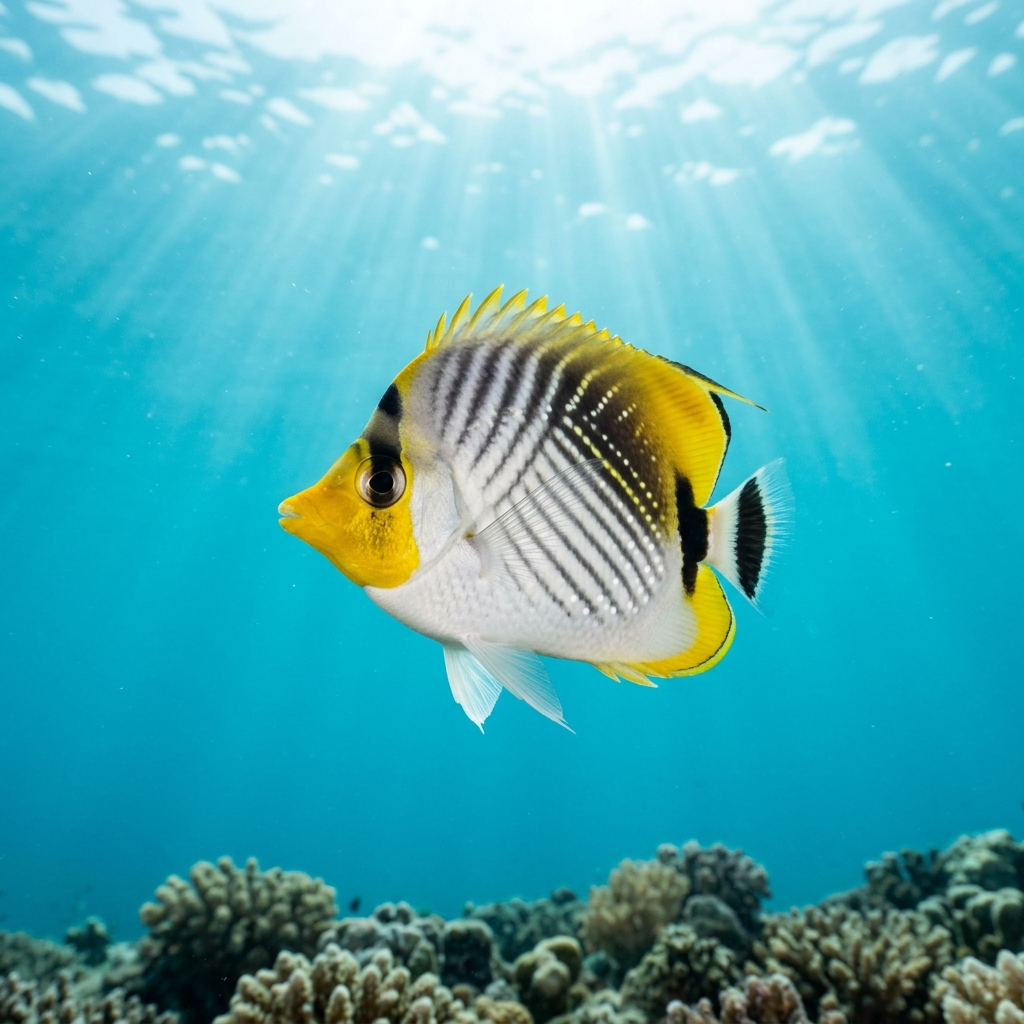
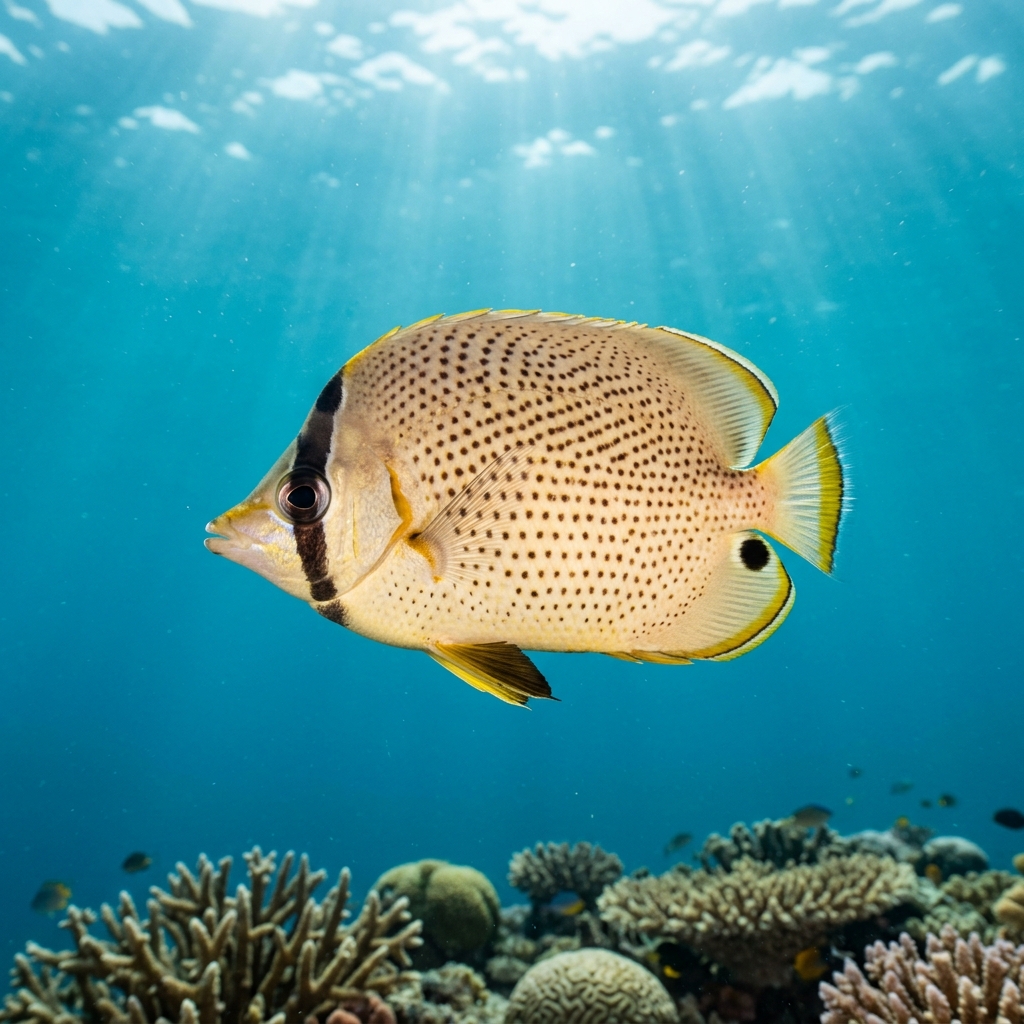
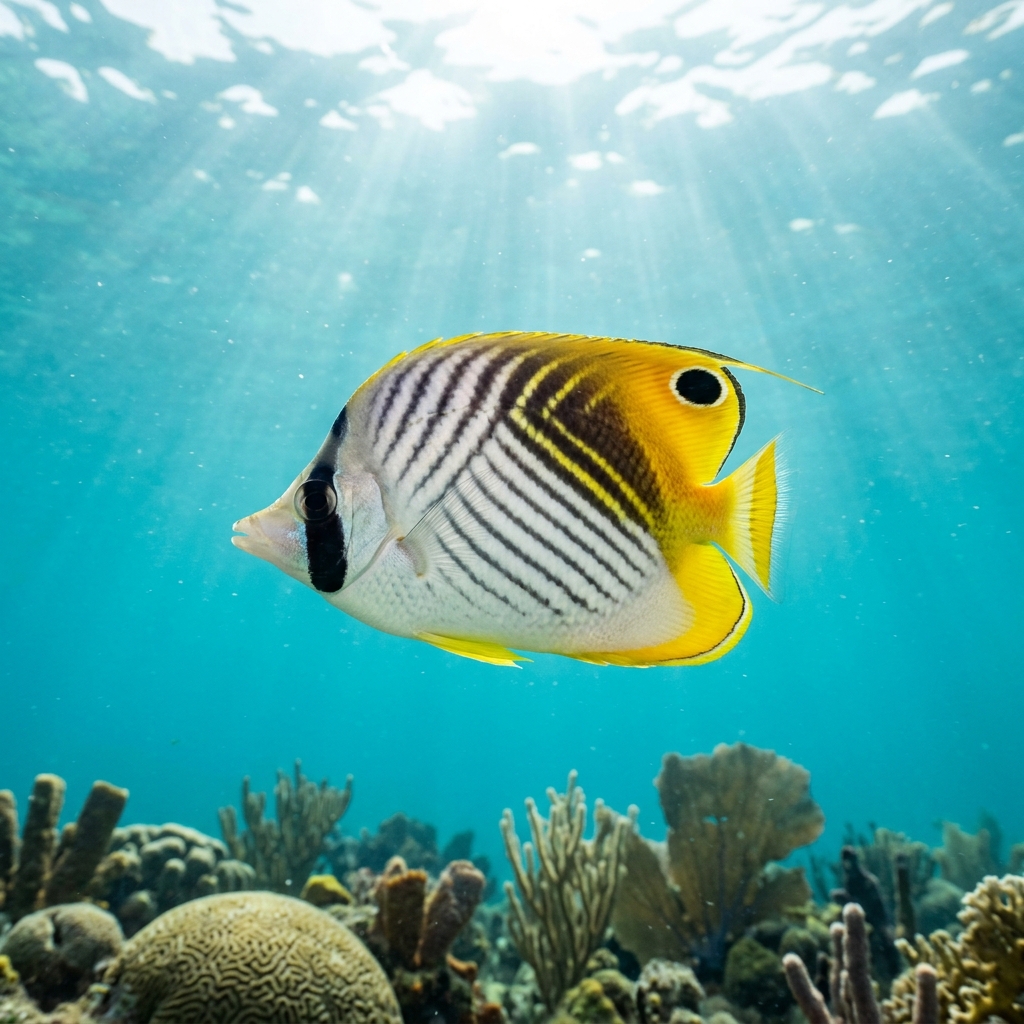
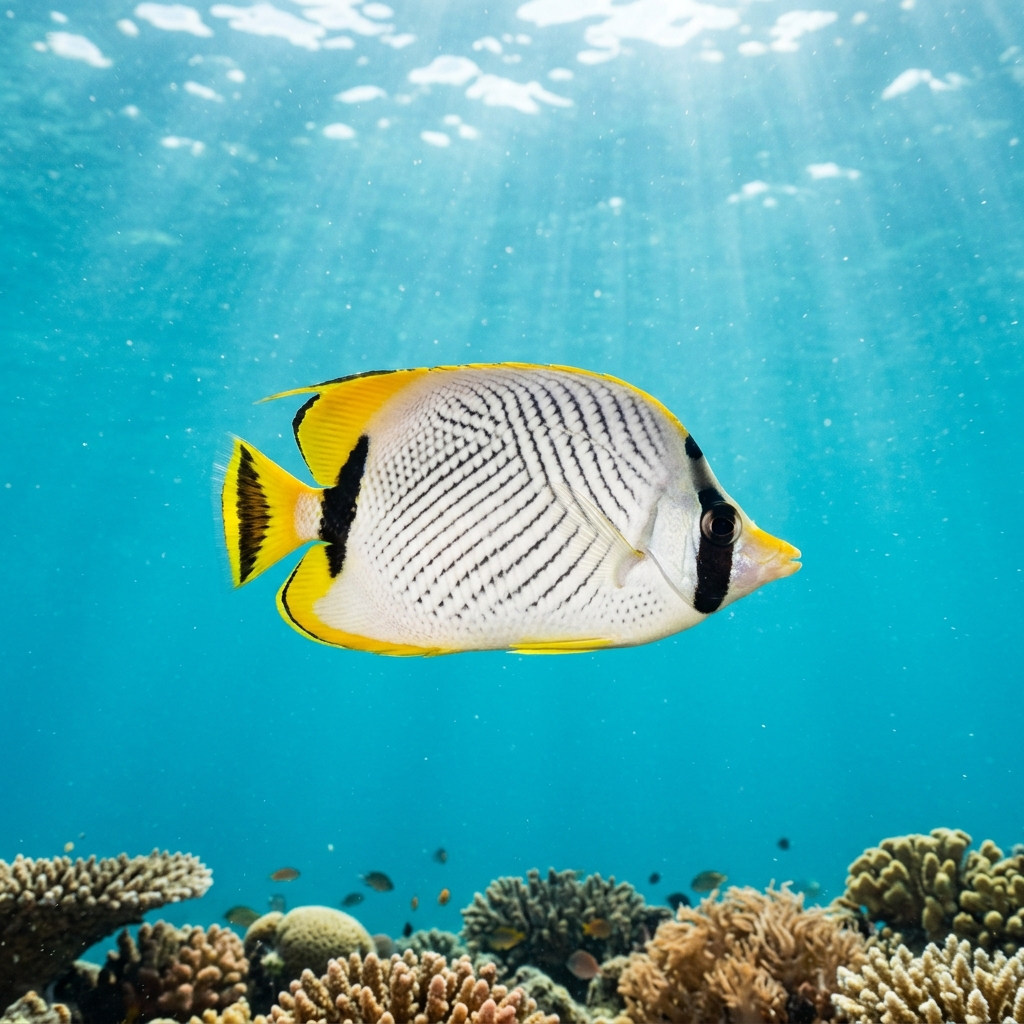
A medium-sized butterflyfish with a white body crossed by two sets of fine diagonal grey-black lines running in opposite directions, creating a distinctive crosshatch pattern. The rear body and tail are yellow-orange, and a broad dark bar runs through the eye, while a second dark bar crosses the tail base. That crosshatch, combined with the sharp colour transition from white to yellow at the rear half of the body, is the key underwater marker that separates it from similar species.
You'll typically find vagabond butterflyfish moving deliberately across coral reef flats and lagoon edges, picking at coral polyps, worms, and algae with their pointed snouts. They are usually seen alone or in pairs, and while they don't flee at the first sign of a diver, they keep a steady gap and will slip behind coral heads if approached too quickly. Slow, unhurried movement on the part of the diver tends to reward longer, closer observation.
Vagabond butterflyfish are one of the more adaptable members of the family, tolerating both clear outer-reef environments and the murkier, silty conditions of sheltered bays and harbour walls, which partly explains their wide geographic spread.
In Northern Hemisphere destinations such as Thailand and Japan, sightings concentrate from November through August. In Southern Hemisphere locations like Queensland and French Polynesia, April through January is the most productive window, aligning with warmer water temperatures in the 24 to 29°C range.
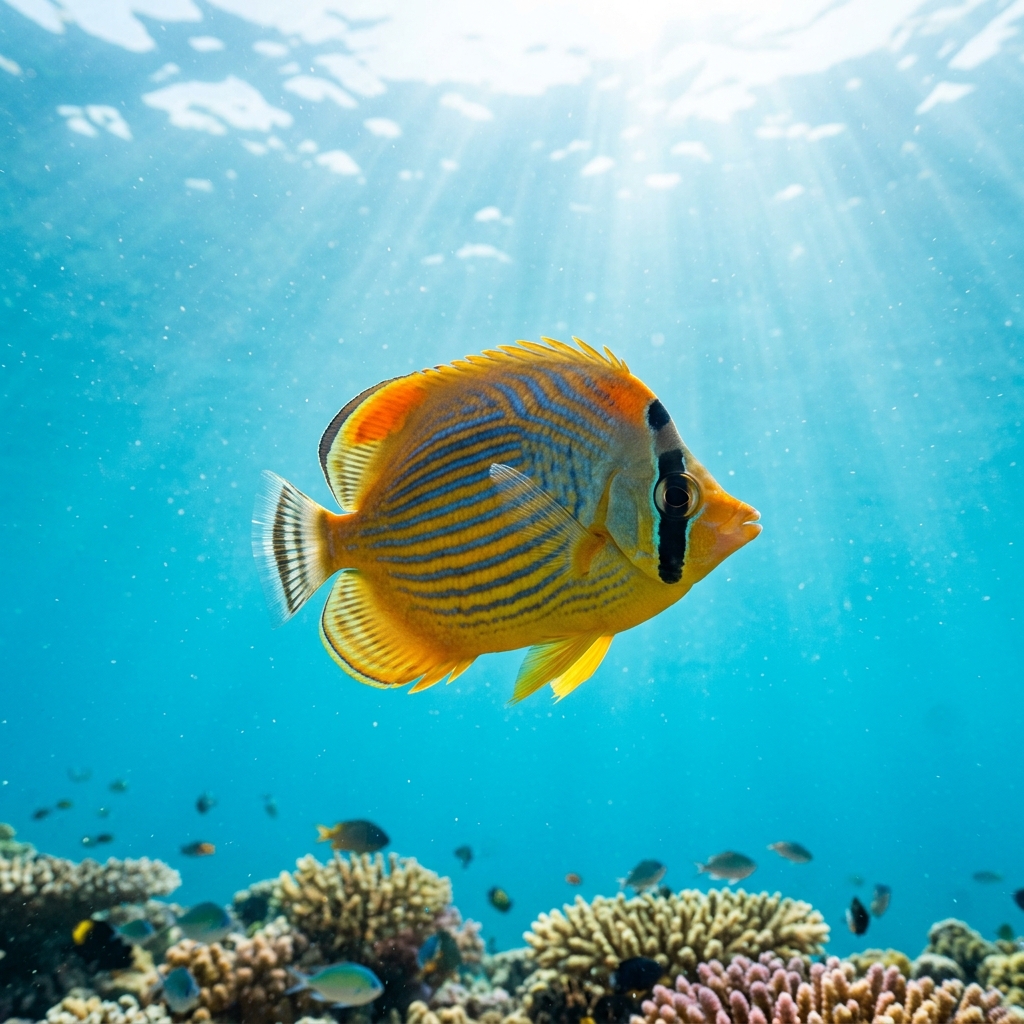
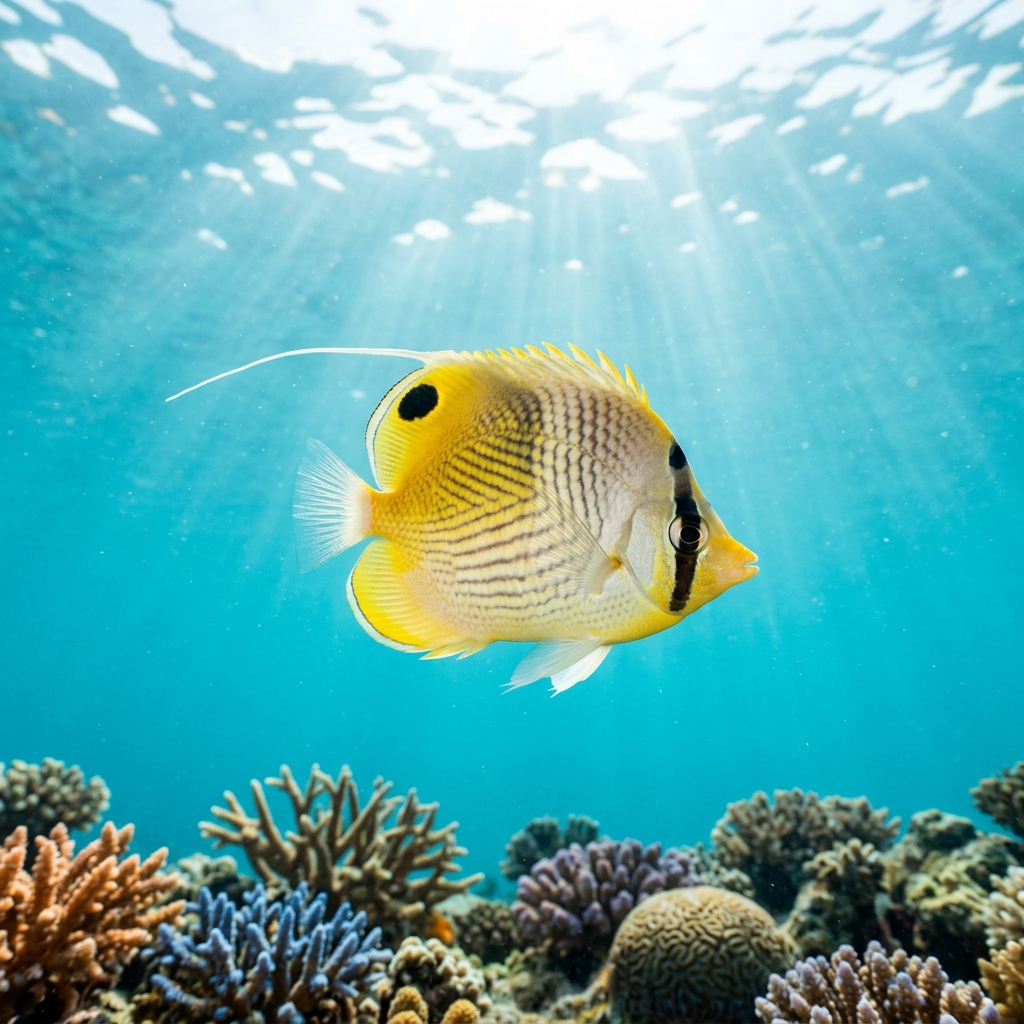
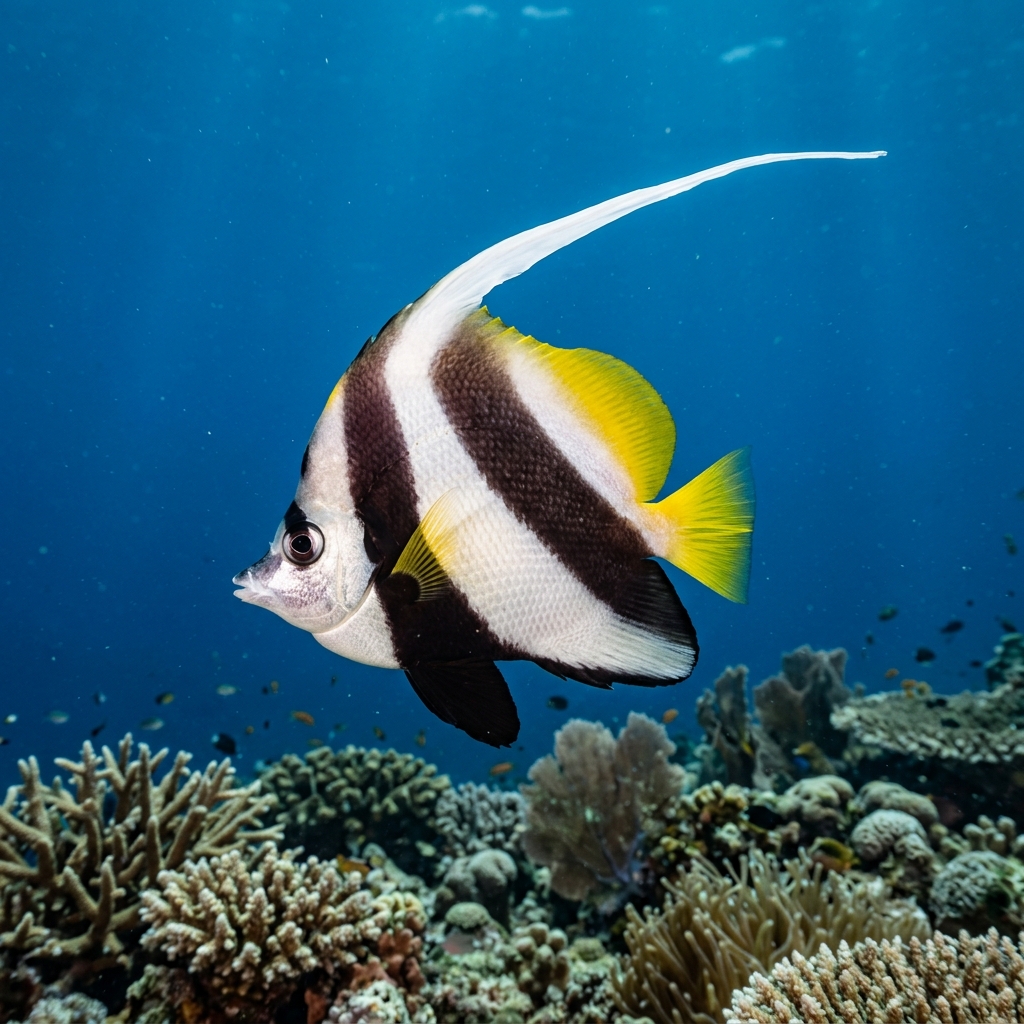
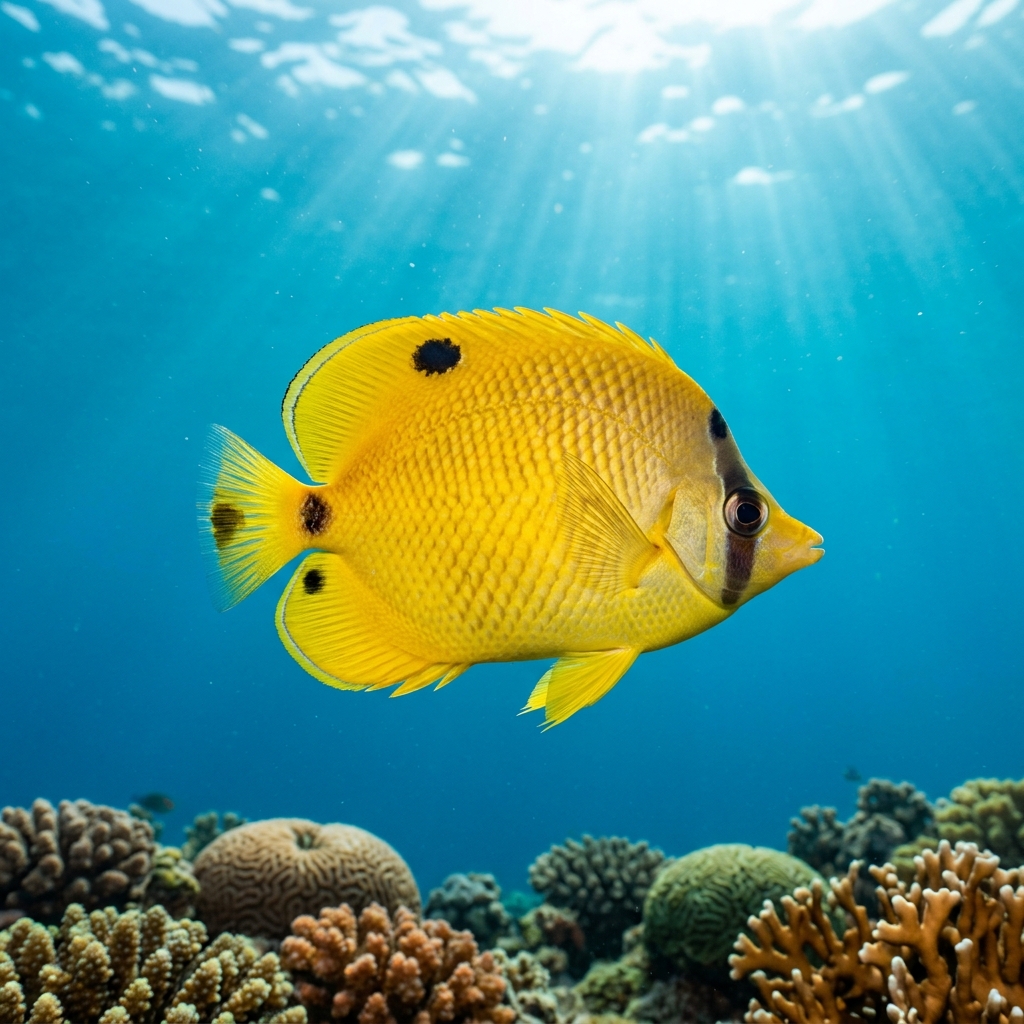
Reef neighbours a diver could mistake it for. Use the identification notes above to tell them apart.
Most consistently logged in Indonesia, particularly around Bali, Lombok and Sulawesi, which together account for the largest share of sightings globally. Thailand's Phuket and Phi Phi area and the Andaman North are reliable options, as are the Okinawa Islands in Japan and Queensland in Australia. French Polynesia, the Philippines' Visayas region, and Mauritius round out the strongest destinations.
Mapping where Vagabond Butterflyfish is logged…
Strong populations are logged across the Indo-Pacific, with Bali and Sulawesi in Indonesia, Phuket and the Andaman coast in Thailand, the Okinawa Islands in Japan, and Queensland in Australia among the most reliable regions. French Polynesia and the Philippines' Visayas are also well-represented in diver records.
For Northern Hemisphere destinations like Japan and Thailand, November through August covers the peak period. If you're diving in the Southern Hemisphere, such as Australia or French Polynesia, aim for April through January. The species favours water temperatures of 24 to 29°C, so it is present year-round wherever those conditions persist.
Look for the crosshatch pattern of diagonal lines running in opposite directions across a white body, combined with a yellow-orange rear half and tail. A dark bar through the eye and another at the tail base complete the picture. No other common butterflyfish combines both the crosshatch and the bold white-to-yellow colour split.
Across the dive sites where they are recorded, vagabond butterflyfish are most often rated as uncommon, meaning you may not see one on every dive even in prime locations. They are encountered at a wide range of sites, but only a small number of locations report them as common or very common, so treat a sighting as a pleasant find rather than a guaranteed encounter.
No. Vagabond butterflyfish pose no threat to divers. They are small, non-aggressive reef fish that will simply keep their distance or retreat if approached too closely.
Site and sighting data is aggregated from diver logs, iNaturalist and GBIF. For taxonomy and conservation status: